Reviewed · PRIVATE
Private Tour: Jubilee year Holy Sites of Rome
Rome’s great Christian story is spread across the city, not gathered in one tidy museum. This private Jubilee tour links major basilicas with quieter religious sites, from the wood associated with Jesus’ crib to relics connected with the Passion. The private vehicle saves time, especially when several sites sit far apart.
I like the personal format and the depth of the guiding. Guides Max, also called Massimo, and Manny are named in the tour feedback, with Max receiving especially strong praise for his command of art, Roman history, theology, and church history. I also like the chance to see places you might skip on your own, including Santa Croce in Gerusalemme and Domine Quo Vadis. The drawback is simple: seven hours and $488.71 per person make this a serious splurge, and lunch, some admissions, and any special Jubilee arrangements cost extra.
In This Review
- Key points to know before booking
- Why this private Jubilee route works
- Santa Maria Maggiore and the first Marian church
- Santa Croce in Gerusalemme and Rome’s Passion relics
- The Holy Steps and the route toward the Lateran
- St. John Lateran, Rome’s cathedral
- St. Paul Outside the Walls and the final church visit
- Domine Quo Vadis and the roads beyond Rome’s center
- What Max or Massimo adds to the day
- Is $488.71 per person a fair price?
- Clothing, pace, and practical preparation
- Who should book this Rome holy sites tour?
- Should you book it?
- FAQ
- How long does the private Jubilee holy sites tour last?
- Is hotel pickup included?
- What sites are included?
- Is lunch included?
- What should I wear?
- Is the tour private?
Key points to know before booking
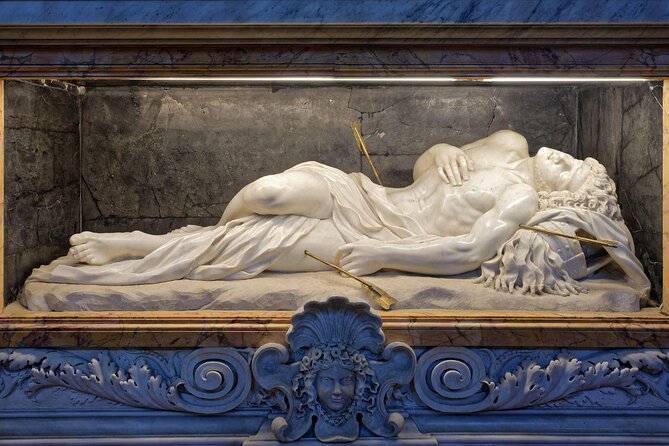
- Relics are the focus: See the Holy Cross relics, a nail, thorns said to come from the Crown, Doubting Thomas’ finger, and wood believed to be from Jesus’ crib.
- Private transport matters: Your guide collects you at a central Rome hotel or apartment and drives between sites in a private vehicle.
- The guide shapes the day: Max or Massimo has been praised for explaining art, religion, theology, and Roman history in clear English.
- Expect five main itinerary stops: Santa Maria Maggiore, Santa Croce in Gerusalemme, St. Paul Outside the Walls, Domine Quo Vadis, and St. John Lateran.
- Dress carefully: Knees and shoulders must be covered at places of worship. Shorts and sleeveless tops can mean refused entry.
- Lunch is on you: Your guide suggests a nearby restaurant, but food and drinks are not included.
Why this private Jubilee route works
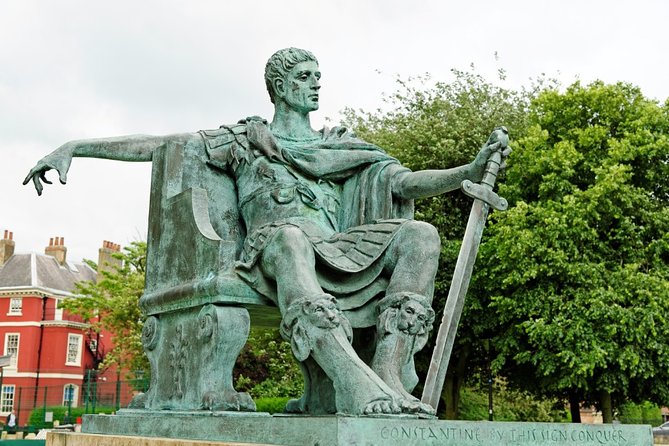
This is not a standard ancient-Rome circuit. You are not spending the day at the Colosseum, Forum, or Pantheon. Instead, the route follows the Christian landmarks that give Rome its role as the center of Catholicism.
That makes the tour a strong choice if you want religious context rather than a quick look inside famous churches. Your guide can explain why a basilica matters, how relics reached Rome, and how Christian monuments fit into the older imperial city. The result should feel less like checking off churches and more like following a connected story.
The private setup is the key advantage. You travel only with your own party, so you can ask questions, pause over an artwork, or request more explanation without waiting for a large group. That flexibility has also allowed Max to arrange extras in some cases, including Mass at Santa Maria Maggiore, a visit to the San Sebastiano catacombs, and additional churches. Those additions are not guaranteed, so treat them as possible help from the guide, not part of the fixed promise.
The route lasts about seven hours and begins at 8:00 a.m. Pickup and drop-off are included from hotels or apartments in central Rome. The tour information also describes airport pickup after you collect your bags, with your driver waiting outside baggage claim and holding a sign with your name. Confirm that arrangement before relying on it, since the main description centers on accommodation pickup in Rome.
More Rome tours worth comparing
- Rome by Golf Cart Private Tour: Beyond the Landmarks
★ 5.0 · 4,361 reviews - Early Morning Vatican, Sistine, St. Peter’s Semi or Private Tour
★ 5.0 · 3,779 reviews - Rome on a Golf Cart Semi-Private Tour Max 6 with Private Option
★ 5.0 · 2,502 reviews
Santa Maria Maggiore and the first Marian church
The day begins at the Patriarchal Basilica of St. Mary Major, or Santa Maria Maggiore. The itinerary allows about 30 minutes inside, with admission listed as free.
This is the first church in Rome dedicated to the Virgin Mary, so it sets the religious tone for the day. Inside, your guide can point out the final resting place of Pope Paul V, an image of Mary and Child attributed to St. Luke, and pieces of wood believed to have formed part of Jesus’ crib.
That last relic is the sort of detail that makes this route different from a general church tour. You are not simply looking at a grand interior. You are being shown objects that have shaped centuries of Christian devotion, along with the traditions and claims surrounding them.
Allow yourself to look beyond the famous objects. Santa Maria Maggiore is important as a church, a papal basilica, and a place tied to Marian devotion. A guide adds value here by separating what is historically documented from what belongs to religious tradition. That kind of explanation is hard to get from a quick self-guided visit.
The program also includes the Basilica of Saint Praxedis, an ancient titular church near Santa Maria Maggiore. The listed stop schedule does not give it a separate time block, so the exact order and length of this visit may depend on the day. Ask your guide at the start how it fits into the route.
Santa Croce in Gerusalemme and Rome’s Passion relics
Next comes the Basilica of the Holy Cross in Jerusalem, or Santa Croce in Gerusalemme. About 30 minutes are allocated, and admission is listed as free.
The church’s name refers to the soil connected with Jerusalem. According to the tradition presented here, St. Helen, the mother of Constantine the Great, brought soil from Jerusalem so the basilica could be built on ground associated with the Holy City.
The relic collection is the main reason to come. You may see a small piece of the True Cross, a nail, the plaque describing the charge against Jesus, thorns associated with the Crown, and a finger identified as belonging to Doubting Thomas. These objects are powerful for a person of faith, while also raising useful questions about how relics were preserved, moved, and venerated.
I would not rush this stop. The pieces are small, and their importance is not always obvious at first glance. This is where an informed guide earns the fee by supplying the story around the display. Max is particularly praised for connecting church history with the wider story of Rome, including its pre-Christian and later Christian eras.
Because the visit is short, you may need to keep moving even if one object catches your attention. If relics are your main interest, tell your guide early. A private tour gives you a better chance of adjusting the pace than a fixed group excursion.
The Holy Steps and the route toward the Lateran
The Holy Steps, or Scala Sancta, add another intensely devotional stop. These marble steps are traditionally identified as the stairs from Pontius Pilate’s palace in Jerusalem. The site is held by a Passionist monastery.
The experience here is less about a large basilica and more about the physical act of approaching a sacred object. Pilgrims traditionally climb the steps on their knees, though the tour information does not promise a particular participation arrangement. Your guide can explain the custom and the site’s place in the Jubilee route.
This is also a useful moment to remember that Rome’s holy sites mix history, belief, art, and tradition. Some claims are matters of faith rather than facts that can be proven in a modern historical sense. A good guide should help you understand both sides without mocking either one.
After the morning visits, you stop for lunch. Food and drinks are not included, and your guide suggests a nearby restaurant, though you may choose your own. Since the tour runs for about seven hours, lunch is not a minor detail. Ask about the timing and expected length if you need to manage medication, children, or a tight evening schedule.
A completely different way to spend the day in Rome:
- Vatican: Museums & Sistine Chapel Entrance Ticket
★ 4.5 · 144,003 reviews - Vatican Museums & Sistine Chapel Tour with Optional Basilica
★ 4.3 · 67,413 reviews - Vatican Museums, Sistine Chapel & St Peter’s Basilica Guided Tour
★ 4.5 · 39,149 reviews - Rome: Colosseum, Palatine Hill and Roman Forum Guided Tour
★ 4.8 · 32,814 reviews
St. John Lateran, Rome’s cathedral
After lunch, the route continues to the Archbasilica of St. John Lateran. This is the cathedral of Rome and the former home of the pope. The itinerary allows about 30 minutes, but admission is listed as not included, so budget for that possibility.
For many visitors, St. John Lateran is less familiar than St. Peter’s Basilica. That is exactly why it belongs on this route. Its role as Rome’s cathedral gives it a special place in Catholic life, and the tour frames it as a symbol of Christianity’s victory and public presence in the city.
You will want your guide to explain the distinction between a basilica and a cathedral here. The building’s title can sound like a string of grand labels, but each one tells you something about its status. This is not just another ornate church on a long list. It is the official cathedral of the Bishop of Rome, who is also the pope.
The half-hour estimate makes this a focused visit, not a full art-history lecture. If you care about architecture, liturgy, or the Jubilee Holy Door tradition, say so. The private format gives you room to steer the conversation toward what matters most to you.
St. Paul Outside the Walls and the final church visit
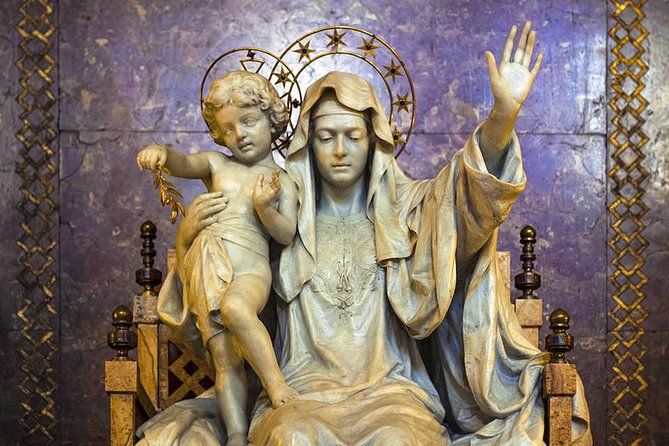
The Basilica of St. Paul Outside the Walls is dedicated to St. Paul the Apostle. The site is described as a church built by Constantine about 1,700 years ago, and the visit is scheduled for roughly 30 minutes with admission listed as free.
Its location outside the ancient walls helps explain the name. It also gives the route a different feel from the central basilicas. You are following the story of one of Christianity’s most important apostles to a church dedicated specifically to him.
Your guide can help you understand why St. Paul matters so much to Christian history and why this basilica became one of Rome’s major pilgrimage churches. As with the other stops, the value is not only the building itself. It is the link between the saint, the church, the city, and the long practice of pilgrimage.
The tour description places St. Paul after St. John Lateran. The listed itinerary also includes Domine Quo Vadis, which is not described in the longer narrative sequence. Since the published details present both stops, confirm the final order with your guide. That is especially important if you have a firm return time.
Domine Quo Vadis and the roads beyond Rome’s center

Chiesa del Domine Quo Vadis is a small church in a less central corner of Rome, outside the walls. The scheduled visit is about 15 minutes.
The name refers to the Latin phrase meaning Lord, where are you going? It connects to the tradition that Peter encountered Christ while attempting to leave Rome. The church’s appeal is its setting and its story rather than a long interior visit.
This stop also shows why private transport is useful. Reaching places outside the usual historic-center circuit can be awkward if you are trying to combine buses, walking, and timed church visits. With a driver, you can cover more ground and arrive with the story already explained.
The visit is brief, so do not expect a long guided session. Think of it as a compact stop that adds another layer to the Peter and Paul story. If you prefer a slow tour with extended time at each church, this seven-hour route may feel busy.
What Max or Massimo adds to the day
The strongest feature of this experience is the guide. Max, also known as Massimo, is repeatedly singled out for his explanations and his ability to connect art, culture, religion, theology, and Roman history. He is also described as courteous, patient, an excellent driver, and able to find practical parking locations.
That combination matters. Rome’s churches are spread across busy streets and large zones of the city. A driver who knows where to stop can save you from wasting energy before you even reach the entrance. A guide who explains what you are seeing can turn a small relic or unfamiliar chapel into a meaningful part of the day.
Manny is also identified as an English-speaking guide who provides a strong full-day experience. The operator is Rome Private Excursions, and the tour is offered in English.
The guide may have a personal connection to both Italy and the United States. Max is described as Italian-American and as speaking excellent English. That can make complicated church terms and historical explanations easier to follow, particularly if English is your first language.
Still, you should confirm the assigned guide after booking. The information names Max or Massimo in much of the feedback and also mentions Manny, but it does not guarantee a specific person.
Is $488.71 per person a fair price?
At $488.71 per person, this is not a budget sightseeing day. The value depends heavily on your group size and priorities.
For a couple, the total price is substantial. You are paying for a private vehicle, hotel pickup and drop-off, an English-speaking private driver-guide, and a route that would be difficult to arrange efficiently by public transport. You are also paying for interpretation, not just transportation.
The price makes more sense for a small group that wants personal attention and has a serious interest in Christian Rome. If you are traveling with several relatives or friends, group discounts may improve the per-person value. Ask for the exact discount before booking.
The tour does not include lunch, drinks, or every admission. St. John Lateran specifically lists admission as not included, while several other stops list free admission. Bring money for the meal and any entrance charges.
The tour is also booked an average of 83 days ahead, which suggests that planning early is sensible, especially during a Jubilee period. Confirmation is sent within 48 hours of booking, subject to availability. The cancellation policy is strict: the booking is non-refundable and cannot be amended for any reason. Only book once your date, party, and pickup details are firm.
Clothing, pace, and practical preparation
Dress for a church day, not a hot-weather walking tour. Knees and shoulders must be covered for both men and women, and shorts or sleeveless tops can lead to refused entry. A light layer, long trousers or a long skirt, and a top that covers the shoulders are the safest choices.
You will spend about 30 minutes at most major stops, with only 15 minutes at Domine Quo Vadis. That gives you broad coverage but not unlimited time. I would prepare a short list of questions before departure so you can use the private guide efficiently.
Service animals are allowed, and most people can participate. The tour is private, so only your own party takes part. That gives you privacy as a couple or family and makes it easier to ask for extra explanation without holding up strangers.
Because the tour starts at 8:00 a.m., plan to be ready before pickup. Hotel and apartment pickup is offered in central Rome. If your accommodation is outside the central area, confirm eligibility rather than assuming it is included.
Who should book this Rome holy sites tour?
I would choose this experience if you are interested in Catholic history, Christian relics, pilgrimage traditions, or the role of the pope in Rome. It is also a good fit if you have already seen the Colosseum and Vatican Museums and want a different side of the city.
Families and older visitors may appreciate the private car and limited need to navigate public transport. Couples may like the privacy, especially since the day can be adjusted around questions and interests.
I would skip it if you want a relaxed day with long café breaks, extensive art study, or plenty of free time. The route covers many sites, and the short stops keep the day moving. I would also skip it if the price is difficult to justify or if your interest in religious sites is only casual.
Should you book it?
Book this tour if you want the major Christian sites explained by one guide across a single, well-organized day. The combination of private transport, central hotel pickup, relics, basilicas, and a guide such as Max or Massimo gives you access to a side of Rome that is easy to miss.
Before paying, confirm the exact stops, the assigned guide, the St. John Lateran admission cost, lunch timing, and airport pickup details if relevant. Arrive dressed for worship, keep your schedule flexible, and remember that the booking cannot be refunded. For a faith-focused visit with personal attention, the high price can be justified. For a general first visit to Rome, spend your money on the ancient sites first.
FAQ
How long does the private Jubilee holy sites tour last?
The tour lasts approximately seven hours and begins at 8:00 a.m.
Is hotel pickup included?
Yes. Pickup and drop-off are included from hotels or apartments in central Rome. Airport pickup is also described, with the driver meeting you outside baggage claim after you collect your bags.
What sites are included?
The listed itinerary includes Santa Maria Maggiore, Santa Croce in Gerusalemme, St. Paul Outside the Walls, Domine Quo Vadis, and St. John Lateran. The longer tour description also includes Saint Praxedis and the Holy Steps.
Is lunch included?
No. Food and drinks are not included. Your guide can suggest a nearby restaurant, or you can choose your own.
What should I wear?
You must cover your knees and shoulders at places of worship and selected museums. Shorts and sleeveless tops are not allowed, and you may be refused entry if you do not meet the dress requirements.
Is the tour private?
Yes. Only your group participates, and transport is provided in a private vehicle with a private English-speaking driver.
Newest reviews from Rome
- ROME:Colosseum & Ancient Rome – private/small group TOUR★ 5.0 · 24 reviews
- Off the Beaten Track in Rome: Rione VI Parione Private Tour★ 5.0 · 24 reviews
- Cinematic Photoshoot in Rome★ 5.0 · 24 reviews
- Rome: Best of Colosseum and Roman Forum Small Group Guided Tour★ 4.5 · 24 reviews
- The Labyrinth of Rome between catacombs and ancient quarries★ 4.5 · 24 reviews
- Vatican and Trionfale Market Tour with Wine and Food Tasting★ 5.0 · 24 reviews
- private tour: Vatican Museums, Sistine Chapel, St. Peter’s Basilica★ 4.5 · 24 reviews
- Colosseum guided tour with Virtual Reality★ 5.0 · 24 reviews
Private, compared.
Rome by Golf Cart Private Tour: Beyond the Landmarks
Read our review →
Early Morning Vatican, Sistine, St. Peter’s Semi or Private Tour
Read our review →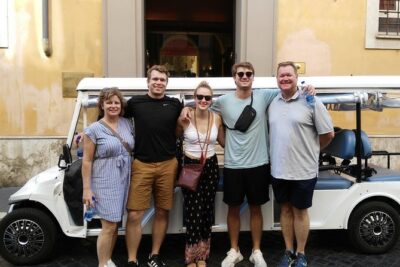
Rome on a Golf Cart Semi-Private Tour Max 6 with Private Option
Read our review →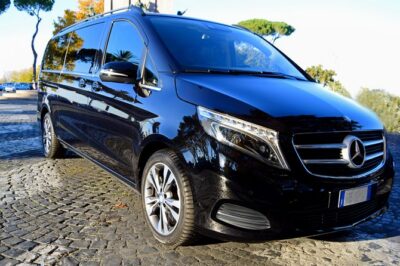
Rome Private Arrival Transfer: Fiumicino Airport to Hotel in Rome
Read our review →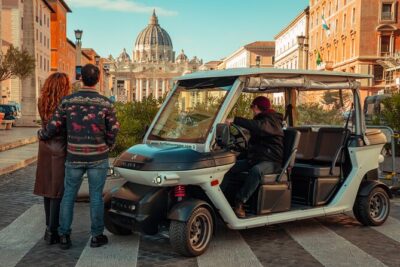
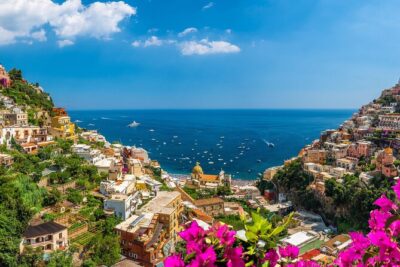
Private Pompeii, Positano & Amalfi coast Tour from Rome
Read our review →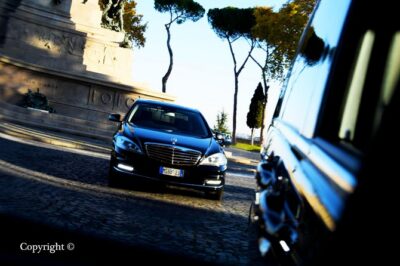
Private Departure Transfer: Hotel to Rome Fiumicino Airport
Read our review →