
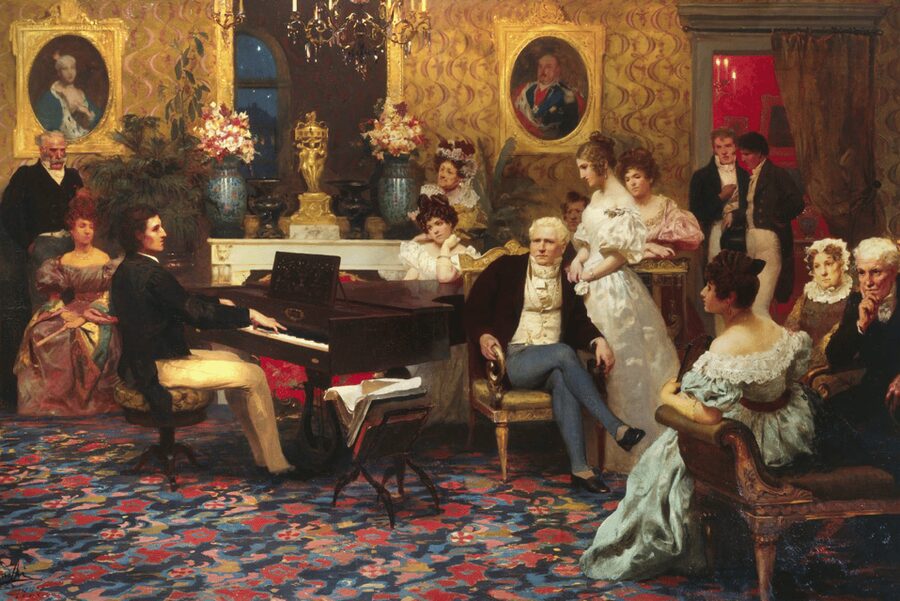
Reviewed · CONCERTS
Rome: “Chopin & Italian Friends” Piano Concert
Rome has plenty of grand opera and formal concert halls, but this one-hour Chopin concert offers a smaller, quieter musical evening in a church. The program joins Chopin with Italian composers Verdi, Mascagni, and Puccini, plus Debussy and Gershwin, all arranged for solo piano.
I like the unusual setting and the tidy price of $35. I also like the mix of famous melodies, from Clair de lune to Rhapsody in Blue, rather than a program devoted only to one composer. The main caution is that the advertised program may not be followed in full, and street noise can affect the experience at some performances.
In This Review
- Key points at a glance
- Chopin in a Rome church
- What the one-hour program includes
- Why the Italian selections matter
- The Waldensian Church and Methodist Church settings
- Is $35 good value?
- Who will enjoy this concert most?
- Language, access, and booking flexibility
- A few smart planning tips
- Should you book Rome’s Chopin concert?
- FAQ
- Where does the Chopin concert take place?
- How long does the concert last?
- How much does the experience cost?
- Which composers are included?
- What pieces are listed in the program?
- Is the concert wheelchair accessible?
- Can I cancel the booking?
Key points at a glance
- A church setting changes the mood: Concerts take place at the Waldensian Church from Monday to Saturday and at the Methodist Church on Sundays.
- Chopin anchors the program: Expect works such as Fantaisie-Impromptu, Ballade No. 1, and Scherzo No. 2, though the exact selection can vary.
- Italian opera meets Romantic piano: Verdi, Mascagni, and Puccini appear in solo-piano arrangements.
- The program crosses musical borders: Debussy’s Clair de lune, Gershwin’s Rhapsody in Blue, and an Italian tarantella add variety.
- The concert lasts one hour: That makes it an easy evening addition after sightseeing, dinner, or a church visit.
- The setting has a practical drawback: At least one recent performance was affected by heavy street noise, so the acoustic experience may depend on the venue and timing.
Chopin in a Rome church
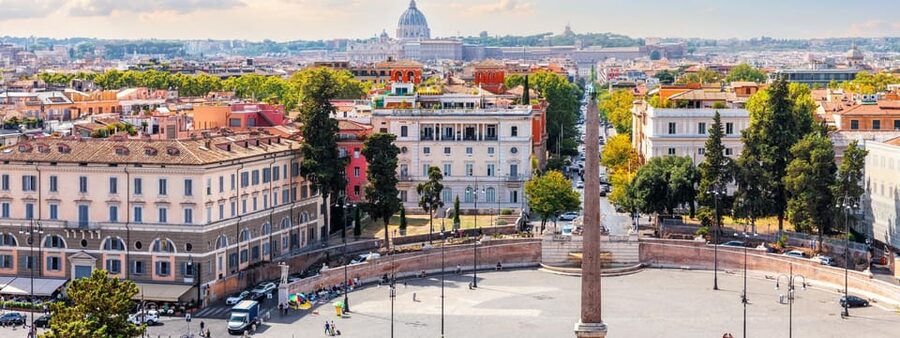
The appeal here is simple: you sit in a church and listen to one pianist carry an entire hour of music. There is no large orchestra, stage spectacle, or long formal production to manage. The focus stays on the instrument and the sound of the room.
From Monday through Saturday, the concert is held at the Waldensian Church. Sunday performances move to the Methodist Church. The venue can vary by the option you book, so check the meeting point carefully rather than assuming every concert uses the same church.
A church is a fitting place for Chopin. His music can feel private and reflective, especially in the slower preludes and lyrical pieces. The building’s acoustics add space around the piano, though that same openness can make outside noise more noticeable.
I would think of this as a compact cultural outing, not a major formal concert production. You get a focused performance in an atmospheric setting, with enough time left for a Roman dinner or an evening walk.
More Rome tours worth comparing
- Rome: “The Most Beautiful Opera Arias” Concert
★ 4.3 · 2,495 reviews - Rome: Opera Concert at Palazzo Poli – Fontana di Trevi
★ 4.7 · 1,026 reviews - Rome: The Three Tenors at St. Paul’s Church Concert Ticket
★ 4.7 · 699 reviews
What the one-hour program includes
The published program begins with Verdi’s Preludio da La Traviata. That is a smart opening for this theme. Verdi is best known for opera, but his melodies remain recognizable even when reduced to one piano. You hear the familiar Italian theatrical style through a more intimate instrument.
Chopin then takes over with Etude Op. 25 No. 1, followed by Fantaisie-Impromptu Op. 66. The first piece is a study in flowing motion, while the second is one of Chopin’s most familiar works, with a fast, restless outer section and a slower central melody.
The program next turns to Pietro Mascagni’s Intermezzo from Cavalleria Rusticana. This is among the most famous instrumental moments in Italian opera. On a solo piano, the broad vocal lines become a test of the pianist’s ability to suggest orchestral depth without an orchestra behind him or her.
Puccini follows with the Intermezzo from Manon Lescaut. Like the Mascagni selection, it brings operatic emotion into the church. These pieces are useful for listeners who may not know much classical piano but do recognize the sweeping feeling of Italian opera.
The Chopin selections continue with Prelude Op. 28 No. 4 and Ballade Op. 23. The Prelude is short and restrained. The Ballade gives the pianist more room to shape a dramatic story through changes in pace, volume, and tension.
G. Ponte’s Tarantella adds a lighter Italian touch. A tarantella is a fast dance form, and this piece helps prevent the program from becoming too solemn. The exact identity of the composer is not explained in the supplied details, but the work is presented as part of the Italian portion of the evening.
Puccini’s Foglio d’album and Debussy’s Clair de lune slow the pace again. Debussy’s piece is one of the safest choices for a mixed audience. It is familiar, gentle, and well suited to the soft acoustic of a church.
Gershwin’s Rhapsody in Blue brings the program into the twentieth century. A solo-piano version cannot reproduce the full sound of the original work, but it does highlight Gershwin’s blend of classical technique and jazz color.
The printed program closes with Chopin’s Scherzo No. 2, Op. 31. It is a strong finish, with sharp contrasts and plenty of energy. Still, you should treat the list as a guide rather than a firm promise. A recent performance omitted both Fantaisie-Impromptu and Clair de lune, so pieces may change or be dropped.
Why the Italian selections matter
The concert is not simply a Chopin recital with two Italian pieces added at the end. Its central idea is a conversation between Polish Romantic piano music and Italian opera.
Chopin wrote mainly for the piano, and his works depend on detail, touch, and control. Verdi, Mascagni, and Puccini wrote for the voice and orchestra. Their melodies often feel larger than the instrument itself. Hearing them arranged for piano lets you compare two very different ways of creating drama.
I like this format because it gives you recognizable entry points. If Chopin’s études or scherzos feel unfamiliar, you may connect with the melody from La Traviata or the Cavalleria Rusticana intermezzo. If you already enjoy opera, the piano arrangements offer a new version of music you may know from the stage.
The program also avoids the trap of making the evening too serious. Debussy and Gershwin add different colors, and the tarantella supplies quick movement. For $35, that variety makes the concert easier to recommend to a couple or small group with mixed musical tastes.
The Waldensian Church and Methodist Church settings
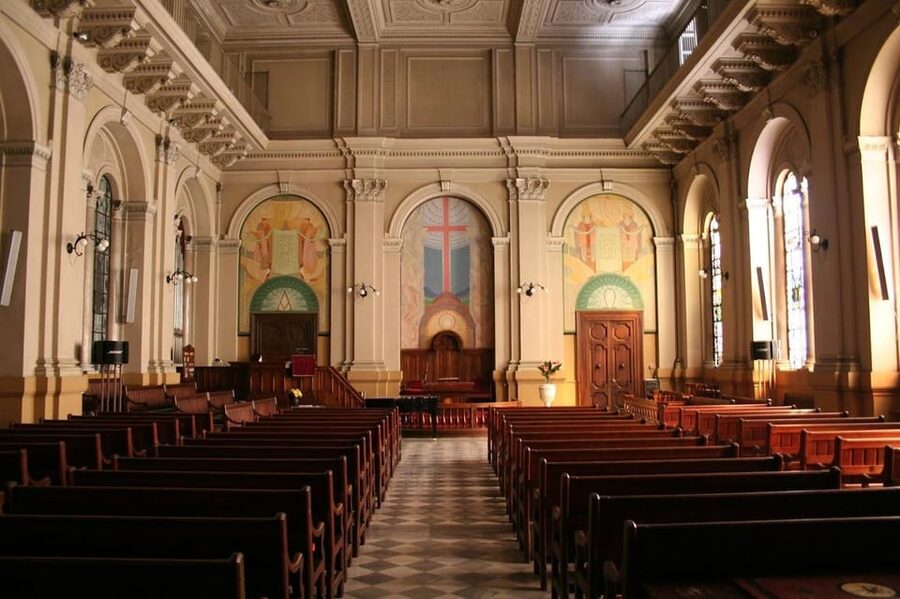
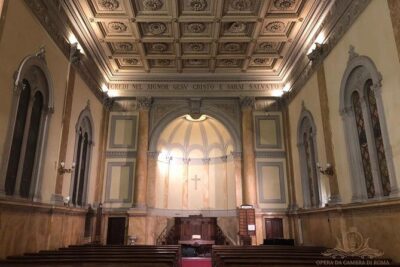
The venues are part of the experience, not just addresses. You are listening in historic religious spaces rather than a standard concert room, and that gives the hour a sense of place.
The Waldensian Church hosts performances Monday through Saturday. Sunday concerts take place at the Methodist Church. Since the meeting point depends on the option booked, look at the exact date and venue before setting out.
The churches are described as having good acoustics, which should suit solo piano. The sound may carry farther and linger longer than it would in a small dry room. That can make Chopin’s slower pieces feel spacious and Puccini’s melodies more expansive.
There is a tradeoff. One recent performance had very few people in attendance, with loud street noise outside. A quiet concert in a church can be wonderful, but it is not the same as a sealed concert hall. If your main goal is perfect sound with no interruption, this format carries some risk.
I would choose a seat as far from doors and street-facing openings as possible if you have any choice. That is practical advice, not a guarantee, since seating arrangements are not specified.
A completely different way to spend the day in Rome:
- Vatican: Museums & Sistine Chapel Entrance Ticket
★ 4.5 · 144,003 reviews - Vatican Museums & Sistine Chapel Tour with Optional Basilica
★ 4.3 · 67,413 reviews - Vatican Museums, Sistine Chapel & St Peter’s Basilica Guided Tour
★ 4.5 · 39,149 reviews - Rome: Colosseum, Palatine Hill and Roman Forum Guided Tour
★ 4.8 · 32,814 reviews
Is $35 good value?
At $35 per person, this is priced below many full-length classical concerts in major European cities. You receive an entrance ticket to a live performance lasting one hour, with a central composer, several well-known Italian opera selections, and an unusual venue.
The value depends on what you want. If you are seeking a short, atmospheric music break in Rome, the price is fair. It is especially easy to fit into a busy day because you are not committing an entire evening.
If you expect a large production, a famous soloist, or a full orchestra, you may leave disappointed. This is a solo piano recital, and the quality of the experience depends heavily on the pianist, the room, and the audience’s ability to hear the music clearly.
A recent account described the pianist as nice and the music as enjoyable, but questioned the price after dealing with street noise and a small audience. That is a useful warning. The concert’s value is strongest when you care about setting and musical variety, not when you are judging it against a major opera-house performance.
Who will enjoy this concert most?
I would recommend it to you if you want classical music without the formality and time commitment of a full opera. The one-hour length works well for first-time listeners, couples, and anyone adding one cultural event to a packed Rome schedule.
It also suits Chopin fans. The listed works cover several sides of his style, from the delicate Prelude Op. 28 No. 4 to the fast Scherzo No. 2. You get familiar favorites alongside pieces that show his technical range.
The Italian selections make it a good choice for opera fans, too. Verdi, Mascagni, and Puccini are represented through music that can sound immediately recognizable, even without singers or costumes.
Families with older children may also find the length manageable. A full opera can test a young listener’s patience. One hour of changing pieces gives you a clearer endpoint.
I would be more cautious if you are highly particular about a fixed program. The advertised list is not guaranteed in every detail. I would also hesitate if outside sound would seriously bother you, since one performance was affected by traffic or street noise.
Language, access, and booking flexibility
The host or greeter can assist in English or Italian. That should cover the basic practical exchange at the venue, although the supplied details do not promise a spoken introduction or music commentary.
The experience is listed as wheelchair accessible. If access is important to you, confirm the exact venue and entry arrangements for your chosen date, since the church changes on Sundays and the meeting point may vary by option.
The concert lasts one hour, but starting times are not fixed in the information provided. You need to check availability for the date you want. That matters in Rome, where an evening concert may need to fit around dinner reservations, museum closing times, or another scheduled visit.
You can cancel up to 24 hours in advance for a full refund. The reserve-now-and-pay-later option also lets you hold a place without paying immediately. Those policies are useful if your Rome plans are still shifting.
A few smart planning tips
Check the venue twice. Monday through Saturday means the Waldensian Church, while Sunday means the Methodist Church, but the booking option remains the final authority for the exact meeting point.
Allow enough time to find the church. The supplied details do not give a precise arrival recommendation, so do not assume the entrance will be obvious from a busy Roman street.
Read the program as a sample. You may hear most of the listed works, but at least one recent performance left out two named pieces. If one particular Chopin work is the reason you are booking, keep your expectations flexible.
Consider the concert’s place in your day. The short running time makes it a good choice after sightseeing, but you may prefer it before dinner if you do not want to rush across Rome afterward.
Finally, think about your sound priorities. The church acoustics can add atmosphere, but street noise is possible. That is part of the tradeoff for a church setting rather than a conventional hall.
Should you book Rome’s Chopin concert?
Book it if you want an affordable, one-hour piano recital with a strong sense of place. The Chopin-centered program, Italian opera arrangements, and church setting offer more character than a generic hotel-lobby performance.
Go in knowing what you are buying. This is not a full opera, not an orchestra concert, and not a guaranteed recital of every listed piece. Venue noise and program changes are possible.
For $35, I think it is a reasonable choice for Chopin fans, opera lovers, and visitors who want a calm cultural hour between Rome’s major sights. If pristine acoustics and a fixed program matter most, spend more on a formal concert hall instead.
FAQ
Where does the Chopin concert take place?
From Monday to Saturday, performances take place at the Waldensian Church. On Sundays, they take place at the Methodist Church. The meeting point can vary depending on the option booked.
How long does the concert last?
The concert lasts one hour.
How much does the experience cost?
The listed price is $35 per person.
Which composers are included?
The program is dedicated mainly to Fryderyk Chopin and also includes Giuseppe Verdi, Pietro Mascagni, Giacomo Puccini, G. Ponte, Claude Debussy, and George Gershwin.
What pieces are listed in the program?
The listed works include selections from La Traviata, Cavalleria Rusticana, and Manon Lescaut, along with Chopin’s Etude Op. 25 No. 1, Fantaisie-Impromptu Op. 66, Prelude Op. 28 No. 4, Ballade Op. 23, and Scherzo No. 2 Op. 31. Debussy’s Clair de lune and Gershwin’s Rhapsody in Blue are also listed.
Is the concert wheelchair accessible?
Yes. The activity is listed as wheelchair accessible.
Can I cancel the booking?
Yes. You can cancel up to 24 hours in advance for a full refund. A reserve-now-and-pay-later option is also available.
Newest reviews from Rome
- ROME:Colosseum & Ancient Rome – private/small group TOUR★ 5.0 · 24 reviews
- Off the Beaten Track in Rome: Rione VI Parione Private Tour★ 5.0 · 24 reviews
- Cinematic Photoshoot in Rome★ 5.0 · 24 reviews
- Rome: Best of Colosseum and Roman Forum Small Group Guided Tour★ 4.5 · 24 reviews
- The Labyrinth of Rome between catacombs and ancient quarries★ 4.5 · 24 reviews
- Vatican and Trionfale Market Tour with Wine and Food Tasting★ 5.0 · 24 reviews
- private tour: Vatican Museums, Sistine Chapel, St. Peter’s Basilica★ 4.5 · 24 reviews
- Skip the Line: Vatican Wheelchair Accessible Private Tour★ 5.0 · 24 reviews
Concerts, compared.
Opera Concert at Palazzo Poli – Fontana di Trevi
Read our review →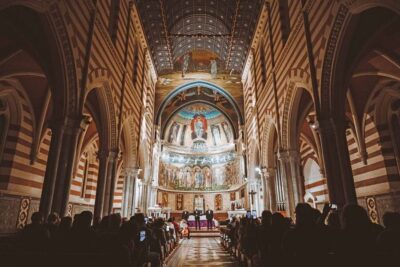
The Three Tenors at St. Paul’s Church Concert Ticket
Read our review →
The Great Opera Arias Concert at Palazzo Poli – Trevi Fountain
Read our review →
Concert Ticket – The Most Beautiful Opera Arias by Opera da Camera di Roma
Read our review →
“Opera’s Greatest Hits” Opera Concert with Aperitif
Read our review →
Open Air Opera Concert with Terrace aperitivo over Navona square
Read our review →Browse the lists this tour appears in