
Reviewed · COLOSSEUM TOURS
Rome: Colosseum, Palatine Hill & Roman Forum Guided Tour
The most useful thing about this tour is that it links Rome’s three great ancient sights in one walk: the Colosseum, Roman Forum, and Palatine Hill. You’ll hear how the arena worked, then see where triumphs were celebrated, emperors ruled, and Julius Caesar was buried.
I like the priority entrance and the way the tour covers both the famous monument and the sprawling ruins next door. I also like the chance to learn from guides such as Magda, an archaeologist, or lively storytellers such as Chiara, Georgio, and Radu. The main catch is that security checks can still be slow, and the meeting point may be confusing in busy parts of Rome.
In This Review
- Key points to know before booking
- Why this ancient Rome tour works well
- Entering the Colosseum through priority access
- The Arch of Constantine and Rome’s foundation story
- Walking through the Roman Forum
- Palatine Hill and the imperial palaces
- The guides make the difference
- Is $51 a fair price?
- Practical advice for a smoother visit
- Who should book this tour?
- Should you book it?
- FAQ
- How long does the tour last?
- What sights are included?
- Does the ticket include skip-the-line access?
- Which parts of the Colosseum will I visit?
- Is the Colosseum underground included?
- What languages are available?
- Is this a private tour?
- Where does the tour start?
- What should I bring?
- Is the tour suitable for wheelchair users?
Key points to know before booking
- Three major ancient sites in one tour: Visit the Colosseum, Roman Forum, and Palatine Hill in about 2.5 to 3 hours.
- First and second Colosseum levels: The standard tour does not include the underground area.
- Priority access saves time: You use a separate ticket entrance, but everyone still passes through mandatory security.
- Strong guide focus: The best part of the experience is the live storytelling, with English, Spanish, Portuguese, German, French, and Italian offered.
- Expect a lot of walking: Comfortable shoes, water, and sun protection are sensible choices.
- Meeting details need attention: Starting points vary by booking option, and the time can change by email.
Why this ancient Rome tour works well
The Colosseum is easy to admire and surprisingly easy to misunderstand. You can walk around the outside, take a few pictures, and leave with little sense of how the building once functioned. A guide gives the stonework a human scale, explaining the emperors, gladiators, crowds, entrances, and battles that shaped the arena’s reputation.
This tour also solves a common Rome problem: choosing between the Colosseum and the ruins around it. You do not have to make that choice. After the arena, the route continues to the Roman Forum and Palatine Hill, where the city’s political and imperial story comes into view.
The experience lasts roughly 2.5 to 3 hours. That is long enough for a useful introduction without taking over your entire day. I would treat it as a strong first visit rather than a final word on ancient Rome. The sites are enormous, and this tour gives you a guided framework for exploring them later at your own pace if you have more time.
The tour is offered in several languages, including English, Spanish, Portuguese, German, French, and Italian. Private and small-group options are also available, so check the specific choice carefully before paying. The size of the group can change how easy it is to hear the guide and ask questions.
More ways to see the Colosseum:
- Rome: Colosseum, Palatine Hill and Roman Forum Guided Tour
★ 4.8 · 32,814 reviews - Rome: Guided Tour of Colosseum, Roman Forum & Palatine Hill
★ 4.7 · 27,897 reviews - Rome: Colosseum & Forum with Audio Guide App -Optional Arena
★ 4.2 · 24,770 reviews
Entering the Colosseum through priority access
The visit begins with a separate entrance for the skip-the-line ticket. This is useful during Rome’s crowded seasons, when a standard ticket queue can consume a large part of the day. It does not mean you walk straight inside with no delay. Security checks are mandatory at the archaeological sites, and those checks can still take considerable time.
That distinction matters. If the group is held up at security, it is not necessarily a problem with the tour ticket. Build a little patience into your expectations, especially during peak periods.
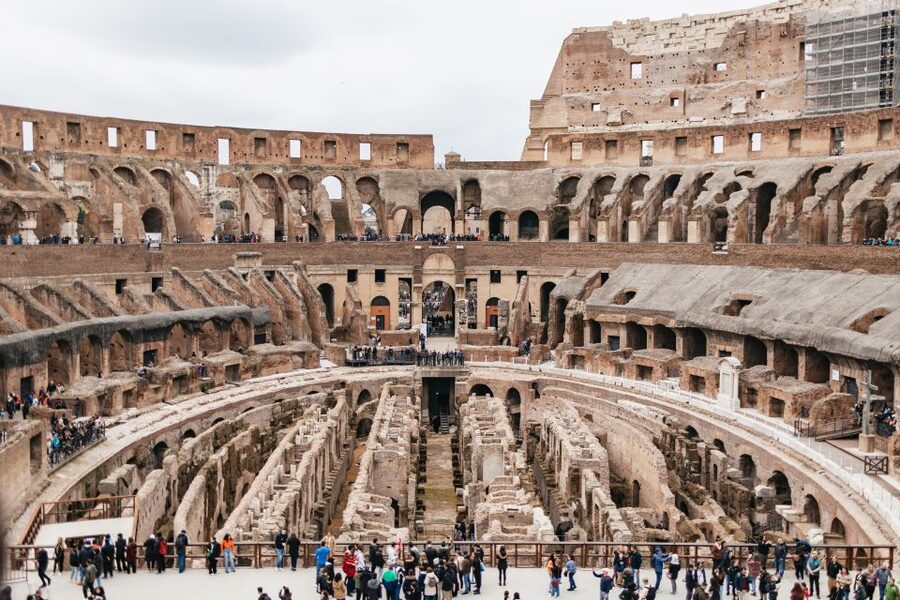
Inside, the tour focuses on the Colosseum’s first and second levels. The guide introduces the building’s construction and explains why its design remains such an impressive feat of engineering. You will also notice Roman numerals above the archways as you enter, a small detail that is easy to miss when you are focused on the arena itself.
The first level gives you the most direct sense of the building’s scale. From the second level, you gain a different view of the arena and the surrounding ruins. The guide’s job here is to connect what remains with the way the Colosseum operated in ancient Rome.
The strongest guides turn facts into scenes you can picture. Georgio is praised for making information easy to follow and relatable, while Max is remembered for combining historical detail with gentle humor. Radu is described as especially entertaining, and Chiara is noted for a good balance of detail and clear explanation.
That variety is worth keeping in mind. Your exact guide is not guaranteed, and every guide has a different style. Some may keep the talk lively and interactive. Others may deliver a more formal history lesson. The overall quality appears strongest when the guide slows down, takes questions, and gives the group time for photographs.
Do not expect access to the Colosseum underground on this experience. A separate tour option may be needed for that area, but it is not included here. If the underground is your main reason for visiting, check the ticket details carefully before booking.
The Arch of Constantine and Rome’s foundation story
After or around the Colosseum portion, the route takes you past the Arch of Constantine. This is a useful bridge between the arena and the Roman Forum because it introduces the ceremonial side of Roman power.
Your guide also tells the traditional story of Rome’s founding and the twins Romulus and Remus. This is not simply a walk through broken stones. The stories help you understand how Romans explained their own beginnings and how later rulers used those stories to support their authority.
The area around the Colosseum can be noisy and crowded, especially when roads are being prepared for parades or public events. One meeting point has been difficult to reach during construction and parade setup, so read the exact location sent with your booking rather than relying only on a general map pin.
There are several possible starting points, including locations near the Basilica of Saints Cosmas and Damian, Via dei Serpenti, Via dei Fori Imperiali, and Via Cavour. This is one of the practical weak spots of the experience. The starting place depends on the option booked, and the meeting time may change. If that happens, you should receive an email in advance, so check your messages on the day before and the morning of the tour.
Walking through the Roman Forum
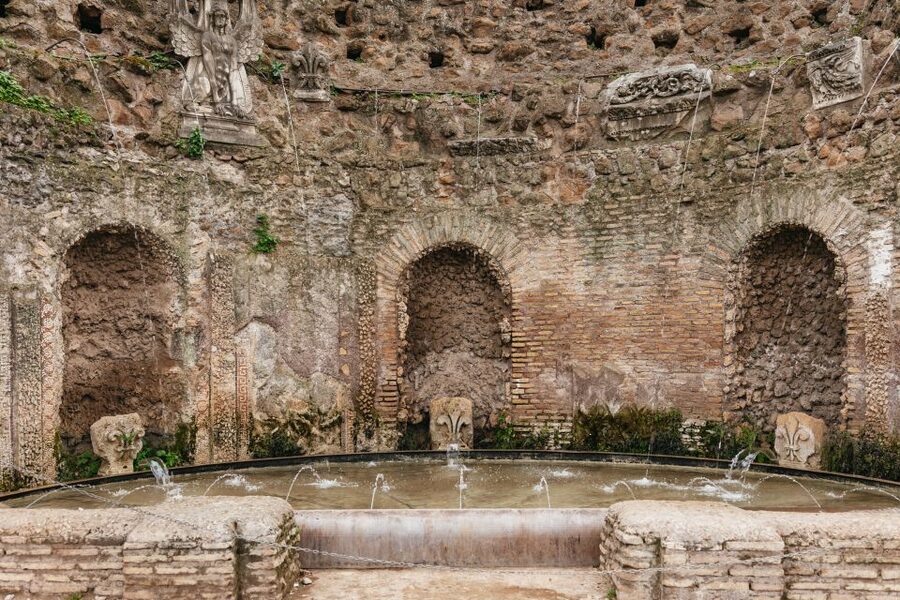
The Roman Forum receives about 40 minutes of guided attention. That may sound brief, but the Forum is so large and uneven that a focused route can be more useful than wandering without a plan.
This was the center of public life in ancient Rome. The remains include temples, arches, government buildings, and open spaces that once hosted ceremonies and political activity. Without explanation, many structures look alike. With a guide, the Forum becomes a place of competing power, religious duty, military victory, and public memory.
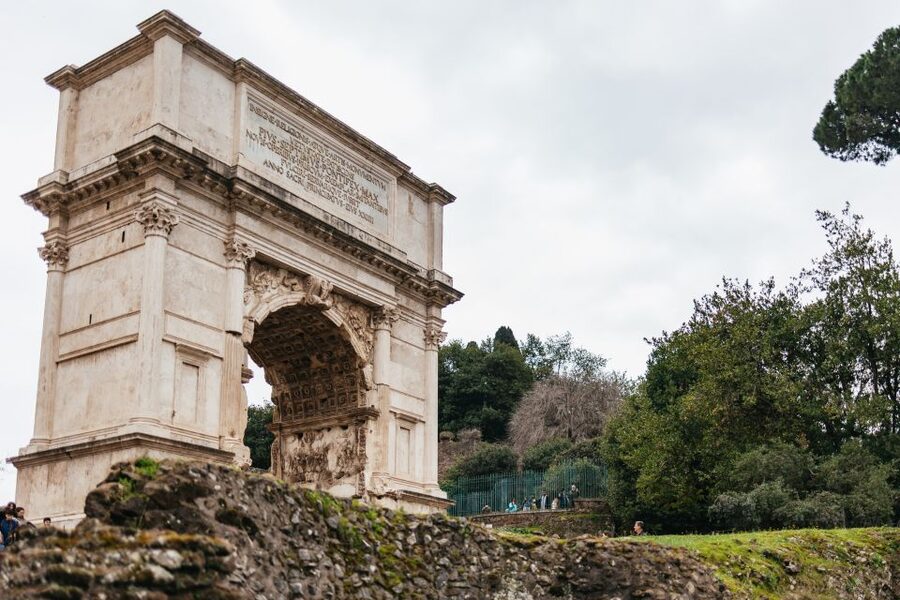
The Arch of Titus is one of the key stops. Your guide explains its role as a triumphal monument, giving you a clearer sense of how Rome displayed military success. The House of the Vestal Virgins adds a different angle, showing the importance of religious life and the people entrusted with maintaining the sacred flame.
You also visit the site traditionally identified as Julius Caesar’s burial place. It is a modest-looking part of the Forum, which makes the explanation especially valuable. Rome is full of famous names attached to ordinary fragments of stone. The guide helps you understand why a particular place matters rather than leaving you to guess.
The Forum sits on land that was once a broad marshy area. That fact makes Rome’s early growth more striking. The city was not simply built on a ready-made urban platform. Over time, engineering, drainage, roads, temples, and political power turned difficult ground into the center of an empire.
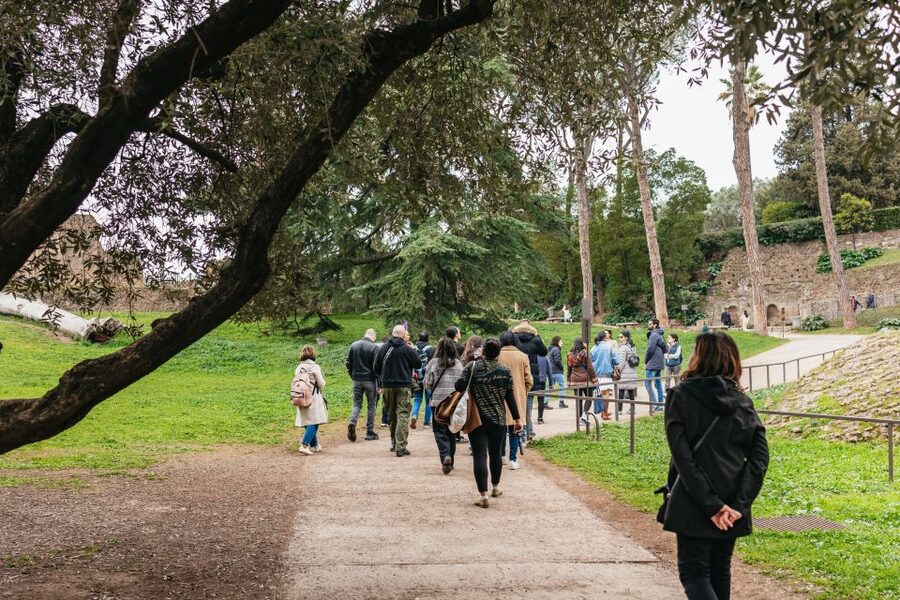
The walk can be hard underfoot. Expect uneven surfaces, standing, and stretches without much shade. Wear shoes you can manage comfortably for several hours, and carry water. Toilets are limited, so use one before the tour begins.
More Roman Forum and Palatine Hill visits:
- Rome: Colosseum, Roman Forum and Palatine Hill Guided Tour
★ 4.5 · 23,903 reviews - Rome: Colosseum, Forum & Palatine Hill Tour & Optional Arena
★ 4.4 · 13,839 reviews - Rome: Colosseum Arena, Palatine Hill & Forum Guided Tour
★ 4.6 · 10,584 reviews - Colosseum, Roman Forum & Palatine Hill Guided Tour
★ 4.5 · 8,939 reviews
Palatine Hill and the imperial palaces
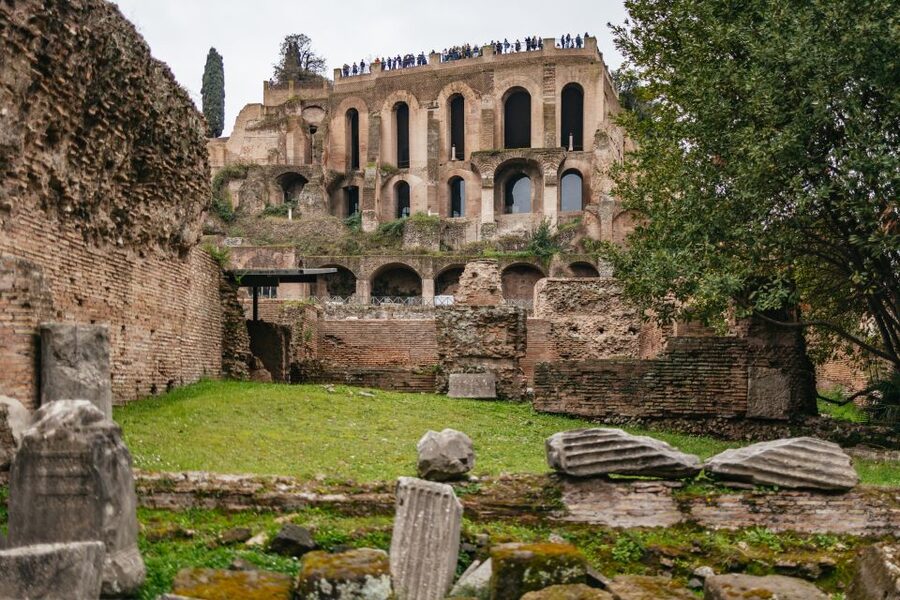
The Palatine Hill section lasts about 50 minutes. This is where the tour shifts from civic Rome to imperial Rome.
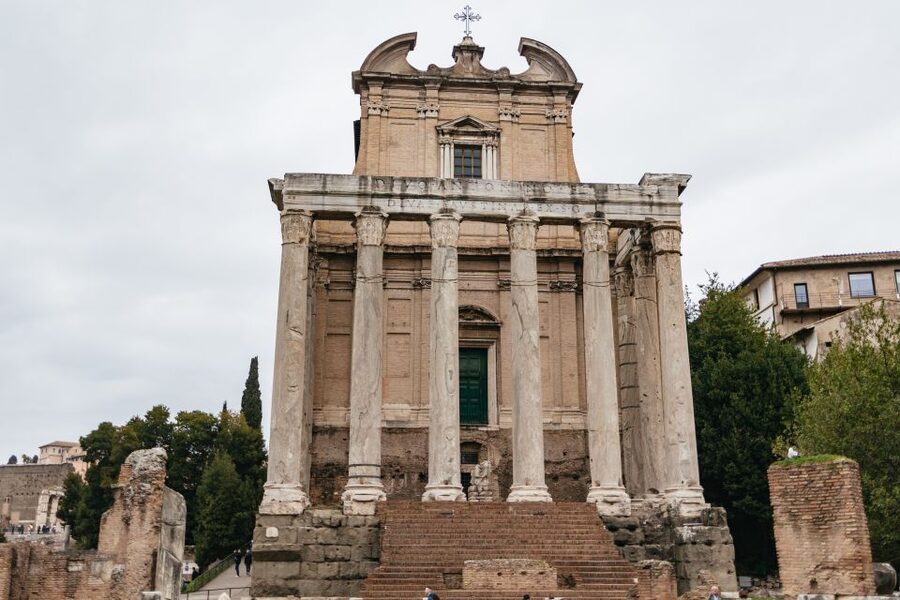
The hill is tied to the traditional foundation story of Romulus and Remus, but its greatest physical remains are the Imperial Palaces. From here, emperors ruled the city through a complex of residences, courtyards, terraces, and ceremonial rooms.
The ruins are extensive, and it takes imagination to reconstruct them. A guide can point out the scale of the palace grounds and explain how these spaces served the imperial household and the administration of power. The hill also gives you a broader view over the ancient area, though the exact sightlines depend on the route and conditions on the day.
This part of the tour rewards patience. The Colosseum is visually immediate, while Palatine Hill asks you to read the ruins more slowly. I like that contrast. You begin with the most recognizable building in Rome, then finish among the remains of the people who controlled the city.
The drawback is physical. The route involves hills, walking, and standing, and the activity is not suitable for wheelchair users. If anyone in your group has limited mobility, this is an important reason to choose a different arrangement or confirm accessibility before booking.
The guides make the difference
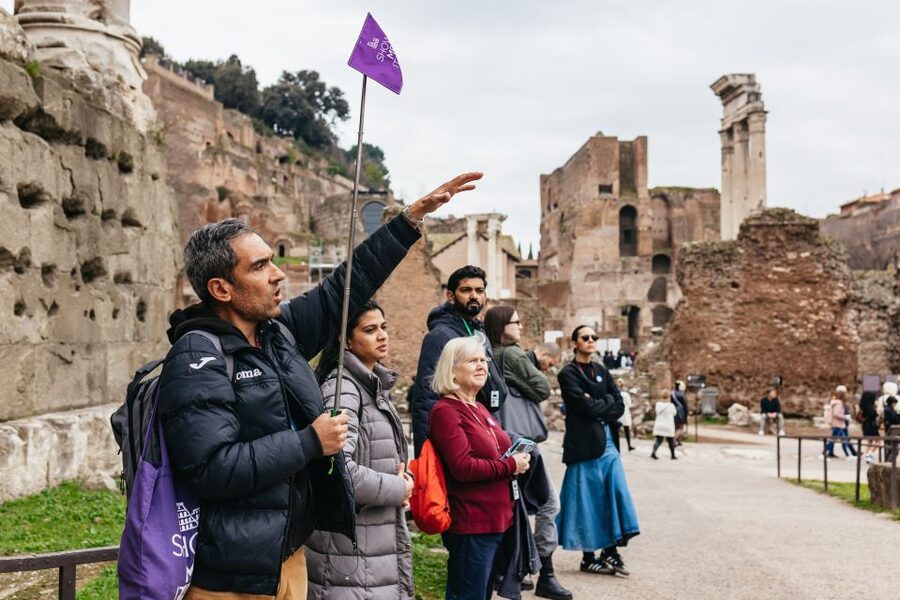
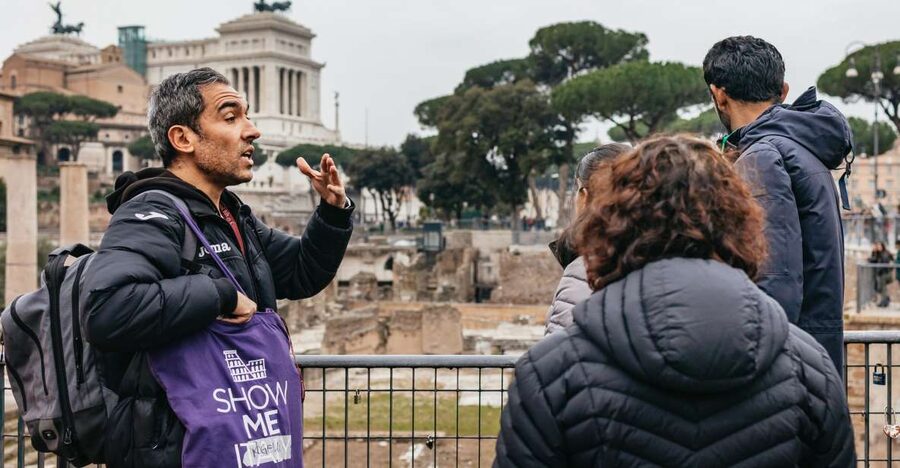
The strongest praise for this experience goes to the guides. Chiara is described as clear, friendly, and well paced. Theresa is noted for being personable and full of information. Barbara, Nick, Roger, Fabrizio, Ani, and Celina are also singled out for preparation, energy, and care.
Magda receives particular attention for her archaeological background and her ability to add small details to the Forum, Palatine Hill, and Colosseum. Gabriel is praised for using printed material to make the explanations easier to understand and for leaving time for photographs.
That matters because the sites are not self-explanatory. You are paying not just for entry, but for someone to interpret what you are seeing. A strong guide answers questions, watches the group, and knows when to pause. A less engaging guide may still provide accurate facts but make the experience feel like a long lecture.
There can also be a split in guide style. One person may lead the Colosseum and another may handle the Forum and Palatine Hill. Both can be capable, but they may not have the same energy. If you prefer a single voice throughout, confirm whether that is possible with the option you choose.
Bring your own questions. The guides are often praised for answering them, and questions can help turn a general tour into something more useful for your interests.
Is $51 a fair price?
At $51 per person, this tour is reasonably priced for a guided visit to three major archaeological sites, especially when priority entry is included. The value is strongest if you have limited time in Rome, dislike sorting out ancient ruins on your own, or want context rather than a quick photo stop.
The price is less compelling if you already know the site well or prefer to explore independently. You are also paying for a fixed pace, a meeting point, and group coordination. Food and drinks are not included, and the tour does not cover the underground Colosseum.
The skip-the-line feature should be viewed as time-saving access, not a guarantee of instant entry. Security remains part of the process. In a busy season, saving time at the ticket entrance can still make the $51 worthwhile.
Private and small-group options may cost more than the basic rate. They could be a better fit if your group wants more time for questions or a quieter pace, but check the final price and exact inclusions before booking.
Practical advice for a smoother visit
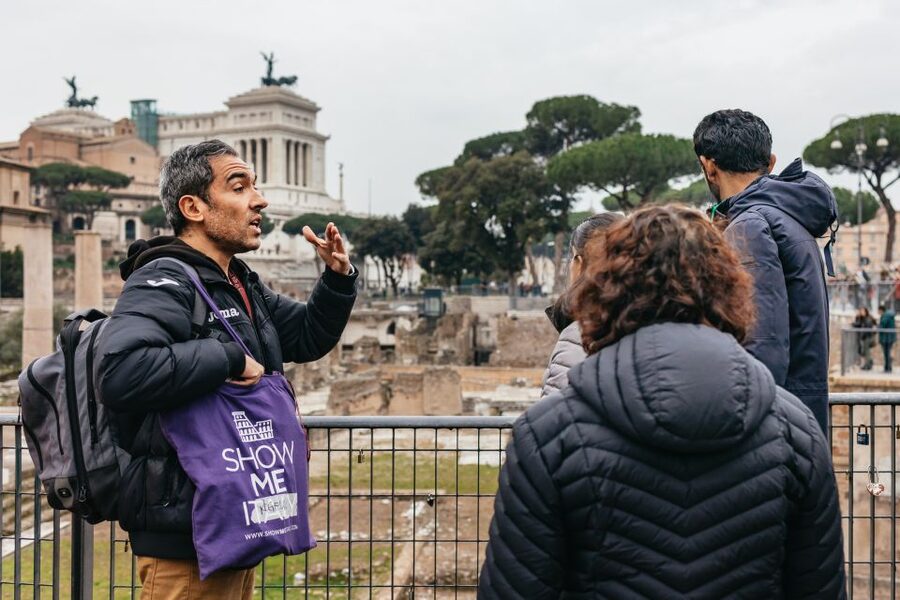
Bring a passport or ID card. The names supplied at booking cannot be changed, so enter each participant’s details carefully.
Large bags, luggage, weapons, sharp objects, sprays, and aerosols are not allowed. Pack lightly. A small bottle of water is useful, and a hat or umbrella can help on a sunny day because much of the route is exposed.
The tour runs in rain unless the sites close for safety reasons. Rome’s weather can change, and the open ruins offer limited shelter, so dress for the forecast rather than assuming the Colosseum will provide cover.
Arrive with extra time for the meeting point. Construction, public events, and the many nearby tour groups can make the first gathering confusing. Look for the precise instructions connected to your booking option, and keep your phone available for any schedule update.
Unaccompanied minors are not permitted. The experience is also not suitable for wheelchair users, and it may be tiring for anyone who has difficulty walking on uneven ground.
Cancellation is available up to 24 hours in advance, but only a 25 percent refund is offered under the stated policy. That makes careful date selection important.
Who should book this tour?
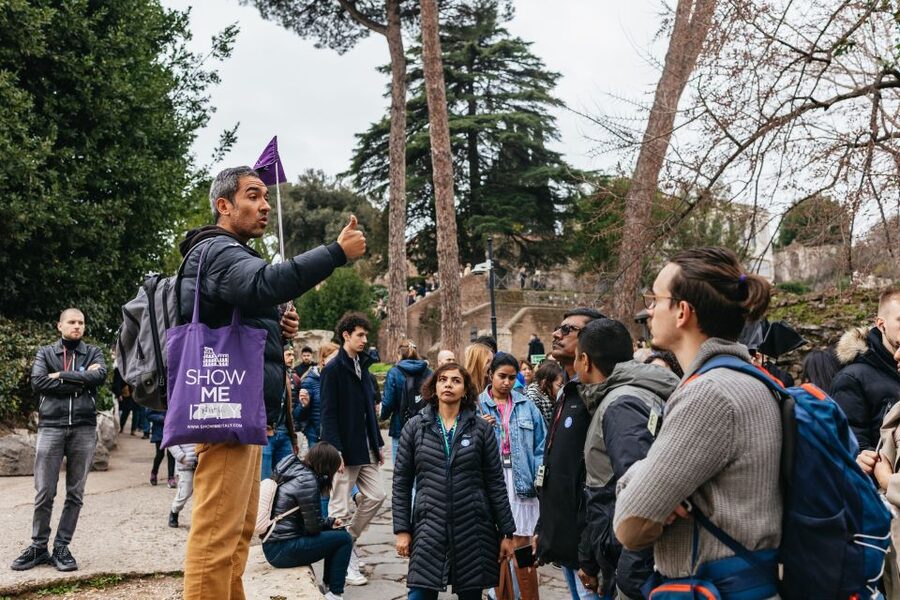
I would choose this tour for a first visit to Rome, particularly if you have one day for ancient sights and want someone to explain the connections between them. Families with older children may also appreciate the gladiators, emperors, founding legends, and arches more than a silent walk through ruins.
It suits you best if you value stories, historical context, and a clear route. The tour is less suitable if you want extensive free time, underground access, a fully accessible path, or a quiet private experience at the basic price.
Should you book it?
Book this tour if you want the Colosseum, Roman Forum, and Palatine Hill in one well-organized morning or afternoon, and if a guide’s interpretation matters to you. The priority entrance, broad coverage, and generally strong guide performance make $51 a sensible spend for many first-time visitors.
Before booking, confirm the meeting point, language, group type, and whether your chosen option includes only the first and second Colosseum levels. Wear practical shoes, bring water, and allow time for security. If you do those things, this is a solid way to meet ancient Rome without losing half a day in queues or wandering past important ruins without knowing what they mean.
FAQ
How long does the tour last?
The tour lasts about 2.5 to 3 hours, depending on the starting time and the pace of the group.
What sights are included?
The tour includes the Colosseum, Roman Forum, and Palatine Hill.
Does the ticket include skip-the-line access?
Yes. The experience includes priority entry through a separate entrance, although mandatory security checks can still cause delays.
Which parts of the Colosseum will I visit?
The guided visit covers the Colosseum’s first and second levels.
Is the Colosseum underground included?
No. Access to the Colosseum underground is not included.
What languages are available?
Live guides are available in English, Spanish, Portuguese, German, French, and Italian.
Is this a private tour?
Private and small-group options are available, depending on the option you book.
Where does the tour start?
The meeting point varies by the booking option. Possible locations include areas near the Basilica of Saints Cosmas and Damian, Via dei Serpenti, Via dei Fori Imperiali, and Via Cavour.
What should I bring?
Bring a passport or ID card, comfortable shoes, and water.
Is the tour suitable for wheelchair users?
No. The activity is not suitable for wheelchair users.
Newest reviews from Rome
- Rome: Vatican Museums & Sistine Chapel Skip-the-Line Ticket★ 4.4 · 148 reviews
- Shared Shuttle Transfer from Rome to Civitavecchia Port★ 5.0 · 148 reviews
- Rome: Crypts & Catacombs After Hours Tour with Bone Chapel★ 4.6 · 149 reviews
- Ghosts Legends and Mysteries of Rome Walking Tour★ 5.0 · 149 reviews
- Skip the Line: Vatican and Sistine Chapel with Guided Tour★ 4.0 · 149 reviews
- Tivoli: Villa Gregoriana Entrance Ticket★ 4.7 · 150 reviews
- Pizza and Tiramisu Cooking Class in Rome, Piazza Navona★ 5.0 · 150 reviews
- Rome: Borghese Gallery Skip-the-Line Entry and Guided Tour★ 4.7 · 150 reviews
Colosseum Tours, compared.
Colosseum, Palatine Hill and Roman Forum Guided Tour
Read our review →
Guided Tour of Colosseum, Roman Forum & Palatine Hill
Read our review →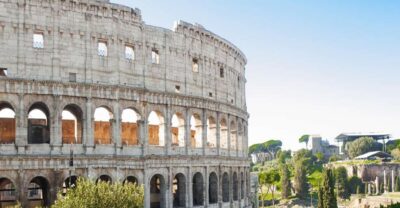
Colosseum & Forum with Audio Guide App -Optional Arena
Read our review →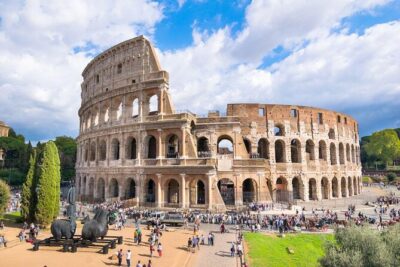
Colosseum, Roman Forum and Palatine Hill Guided Tour
Read our review →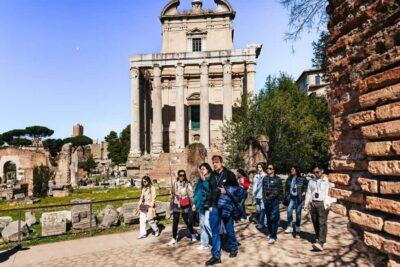
Colosseum, Forum & Palatine Hill Tour & Optional Arena
Read our review →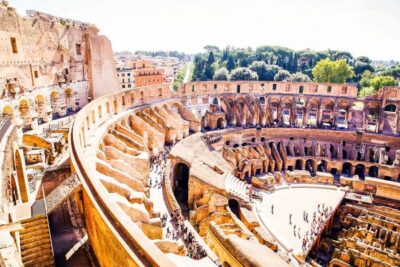
Colosseum: Underground and Ancient Rome Tour
Read our review →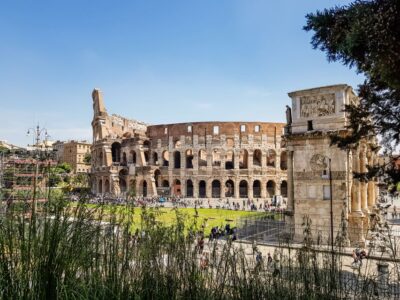
Colosseum Arena, Palatine Hill & Forum Guided Tour
Read our review →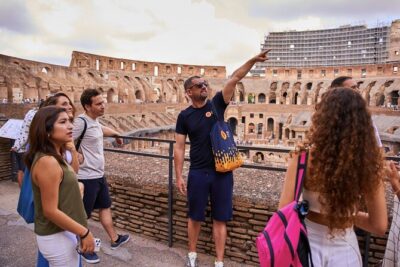
Colosseum, Roman Forum & Palatine Hill Guided Tour
Read our review →Browse the lists this tour appears in