
Reviewed · DINNER EXPERIENCES
Rome: Dining Experience at a Local’s Home
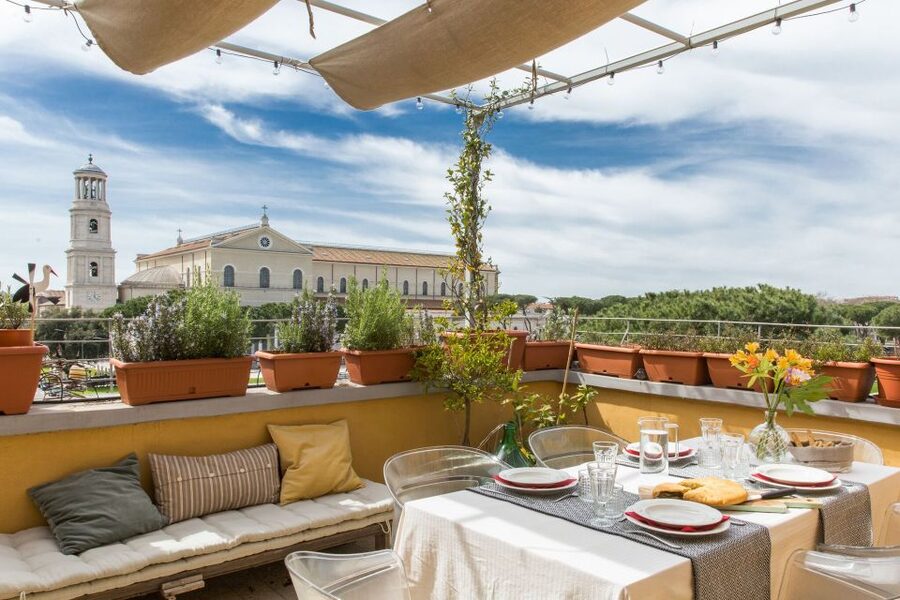
The best part of this Rome dining experience is the setting: you eat in a real local home, not a restaurant dressed up to look traditional. A Cesarina host may welcome you with family recipes, a kitchen demonstration, and a table shared with relatives or a small group of fellow diners. The food is prepared fresh, and the meal often becomes a window into everyday Italian family life.
I like the hands-on cooking and the chance to make pasta, gnocchi, or tiramisu with your host. I also like the warm, personal side of the evening, which has led hosts such as Gianluca, Giorgia, Emanuela, Marco, and Valeria to share recipes, local advice, and plenty of conversation.
The main consideration is price. At $100 per person, this costs more than a basic three-course restaurant meal. You are paying for the cooking lesson, drinks, private-home setting, and time with your host, so it makes the most sense if you want connection and participation, not simply a plate of pasta.
In This Review
- Key points to know
- A Roman meal that begins at the front door
- The cooking demonstration is the heart of the evening
- What appears on the three-course table
- Family recipes and the people behind them
- A small group makes conversation easier
- Timing, dietary needs, and practical planning
- Is $100 a fair price?
- The experience is strongest when the host gets involved
- Who should book this Roman home dining experience?
- Should you book it?
- FAQ
- Where does the dining experience take place?
- How long does the experience last?
- What food is included?
- Are drinks included?
- What time does the meal begin?
- Can dietary requirements be accommodated?
Key points to know
- A real Roman home: Your exact address is provided after booking, and you ring the bell at your Cesarina host’s home.
- Three courses with regional character: Expect a starter, pasta, and dessert, with recipes drawn from family cookbooks.
- A useful kitchen demonstration: Hosts may show you how to make pasta, gnocchi, tiramisu, or other traditional dishes.
- Small group format: Attendance is limited to eight people, though some bookings may be much more private.
- Wine and coffee included: Water, regional red and white wine, and coffee come with the meal.
- Flexible meal times: Lunch usually begins around noon and dinner around 7 p.m., with other times possible by advance request.
A Roman meal that begins at the front door
This experience starts when you arrive at a private address in Rome and ring the bell. The exact location is sent after booking, along with your host’s full address and mobile number. That arrangement keeps the home private until your reservation is confirmed, but it also means you should check your email carefully and allow time to find the address.
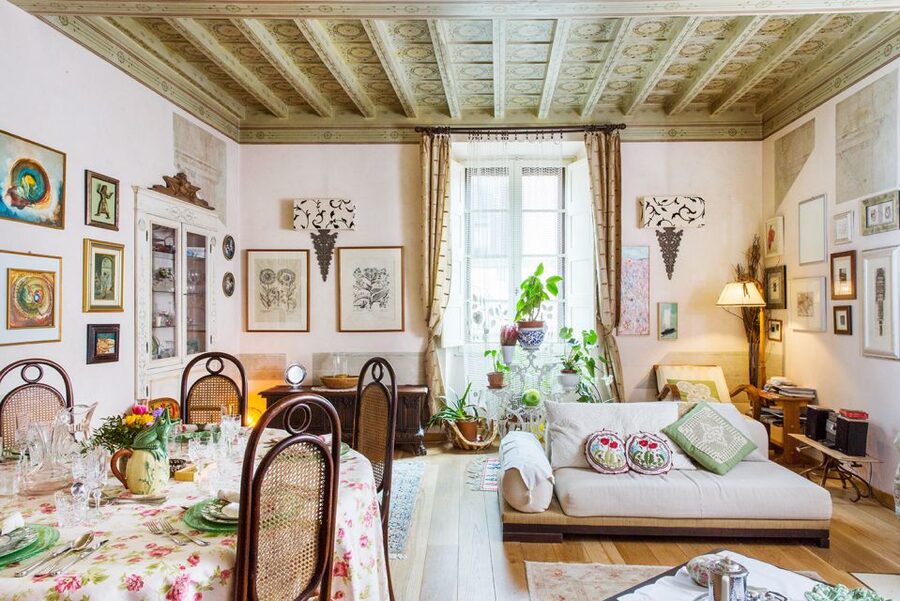
Your host, known as a Cesarina, opens a personal space to you rather than meeting you at a standard restaurant. Cesarine is a nationwide network of home cooks, with hosts in 500 Italian cities. In Rome, that can mean a family apartment or home where the dining room, kitchen, and family table become part of the experience.
I like this beginning because it changes your mindset. You are not walking into a polished dining room with a printed menu and a quick table turnover. You are being welcomed into someone’s daily world. That can feel more personal, but it also means the atmosphere may vary from one host to another.
More Rome tours worth comparing
- Pasta Making & Wine Tasting with Dinner in Frascati from Rome
★ 5.0 · 1,326 reviews - Rome Food Tour: Hidden Gems of Trastevere with Dinner & Wine
★ 5.0 · 1,166 reviews - Rome: Pasta Making with Wine Tasting and Dinner in Frascati
★ 4.9 · 979 reviews
The cooking demonstration is the heart of the evening
The meal includes a cooking demonstration, and this is where the experience earns much of its value. You do not simply watch a finished plate arrive. You may see pasta being prepared, learn how a sauce comes together, or help with part of the meal.
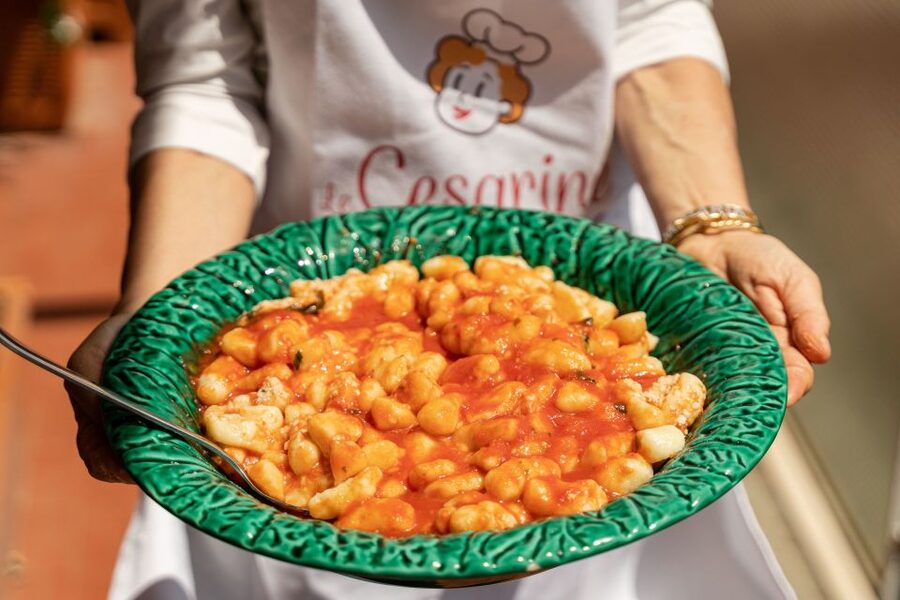
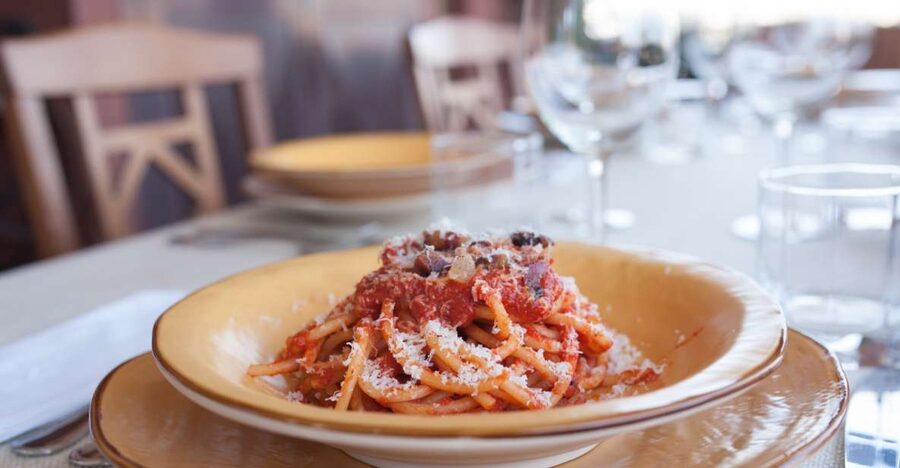
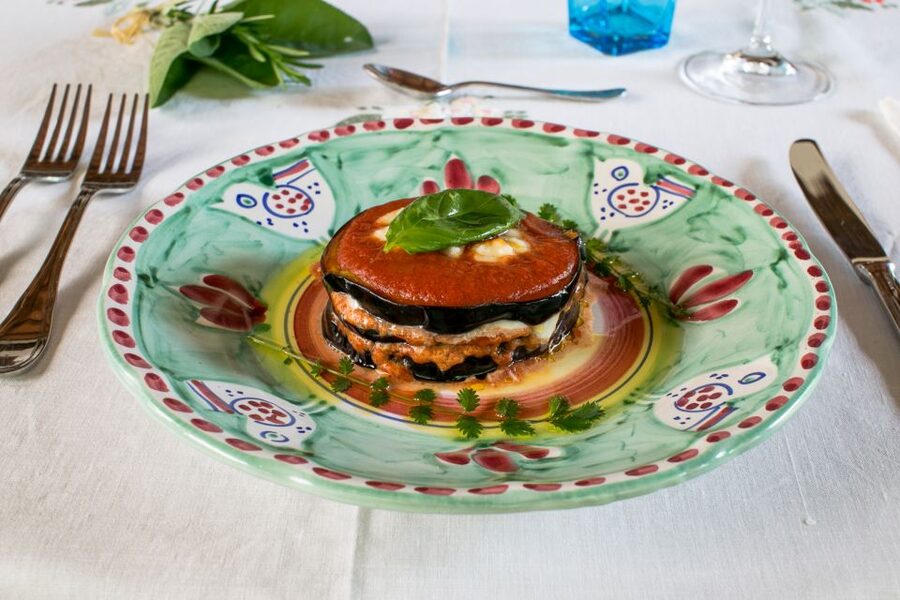
The exact dishes depend on the host and the family recipes chosen for the day. Past menus have included handmade gnocchi with tomato, basil, and mozzarella, homemade noodles, traditional tiramisu, bruschetta with pork cheek bacon, and chicken with bell peppers in a local Roman style. These examples show why you should not expect one fixed menu across every booking.
I particularly like that the kitchen activity can be practical. One host helped a couple make gnocchi and tiramisu. Another showed how to make noodles. A different host demonstrated pasta and handed over a recipe to try at home. If you enjoy learning by doing, this is far more useful than a demonstration where you only sit and watch.
The cooking portion also gives the meal a natural rhythm. You meet your host, see the food being prepared, sit down for the first course, return to the kitchen for another step, and then continue at the table. It feels less like a formal class and more like being included in someone’s normal cooking routine.
What appears on the three-course table
The standard meal includes a starter, pasta, and dessert. Drinks include water, a selection of regional red and white wines, and coffee. Some hosts may add a small after-dinner drink, such as limoncello, but that is not part of the stated standard inclusion, so you should treat it as a pleasant extra rather than something guaranteed.
The starter may be simple but full of local character. Bruschetta, cured pork cheek, and other antipasti have appeared in past meals. This first course gives your host a chance to explain ingredients and family habits before the more active pasta portion begins.
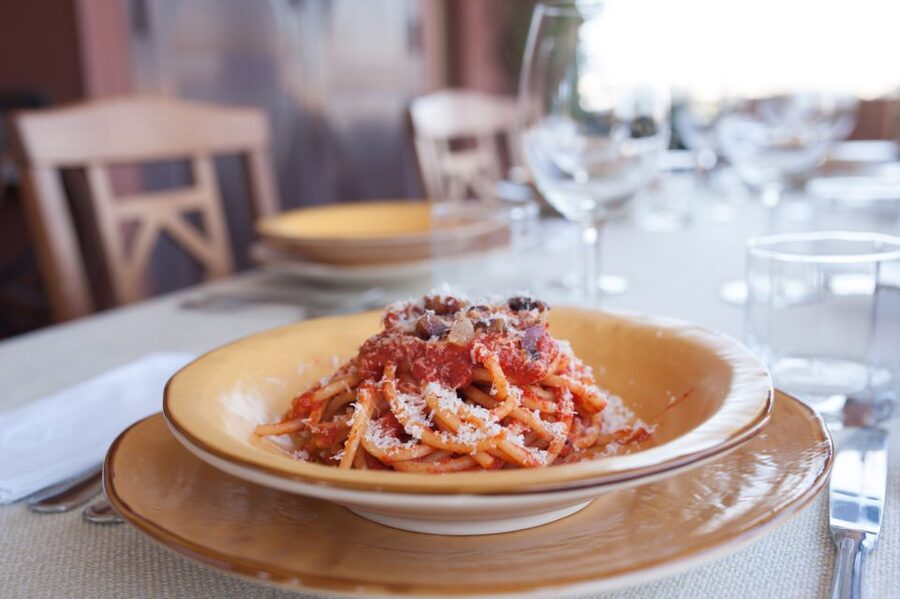
Pasta is usually the central act. It may be handmade during the demonstration, served with a family sauce, or prepared in a Roman style. One especially memorable combination described by a diner was gnocchi with homemade tomato sauce, basil, and mozzarella. The point is not fine-dining presentation. The point is learning how a familiar Italian dish is made in a home kitchen and then eating it while it is fresh.
Dessert often keeps the same personal tone. Tiramisu has been demonstrated several times, giving you a chance to see how a host prepares a classic dish rather than simply ordering it from a menu. If you have a sweet tooth, this is one of the most appealing parts of the experience.
Do keep your expectations sensible. The supplied information promises three courses, not a specific Roman menu or a set number of dishes. Some meals may include additional courses, but you should book this for the home setting and cooking connection, not for a guaranteed five-course feast.
Family recipes and the people behind them
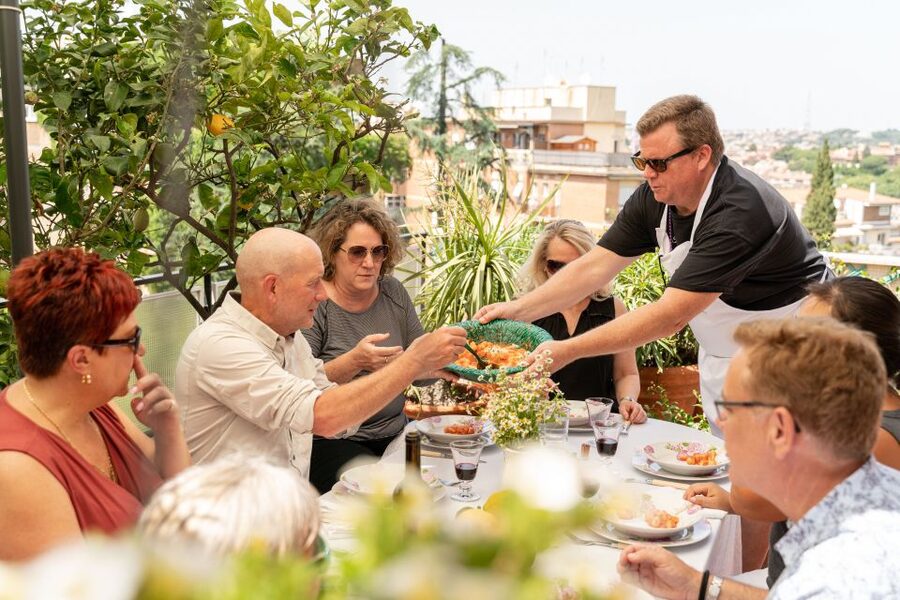
The food matters, but the hosts are what make this experience different from a conventional meal. Cesarine cooks serve recipes from family cookbooks, often passed down through generations. That gives the dishes a sense of place, even when the ingredients themselves are familiar.
The strongest meals are built around conversation. Gianluca and Giorgia welcomed diners with their two daughters and spoke about the meaning of cooking and eating together as a family. Emanuela was described as both a warm host and an excellent cook. Marco explained each stage of the meal, offered help in the kitchen, and shared local suggestions.
Those details are useful because they show the range of the experience. You might dine with a couple, a larger family, or a host assisted by a relative. You may spend much of the time talking about food, Rome, and ordinary life. The language support is English and Italian, and the level of English conversation may vary by host, though the network can arrange the experience in those languages.
I like this human element more than a scripted lecture. You get a meal, but you also get a chance to ask how a dish is made, what families eat at home, and which ingredients matter in the region. That kind of exchange can be one of the most memorable parts of a Rome visit.
A completely different way to spend the day in Rome:
- Vatican: Museums & Sistine Chapel Entrance Ticket
★ 4.5 · 144,003 reviews - Vatican Museums & Sistine Chapel Tour with Optional Basilica
★ 4.3 · 67,413 reviews - Vatican Museums, Sistine Chapel & St Peter’s Basilica Guided Tour
★ 4.5 · 39,149 reviews - Rome: Colosseum, Palatine Hill and Roman Forum Guided Tour
★ 4.8 · 32,814 reviews
A small group makes conversation easier
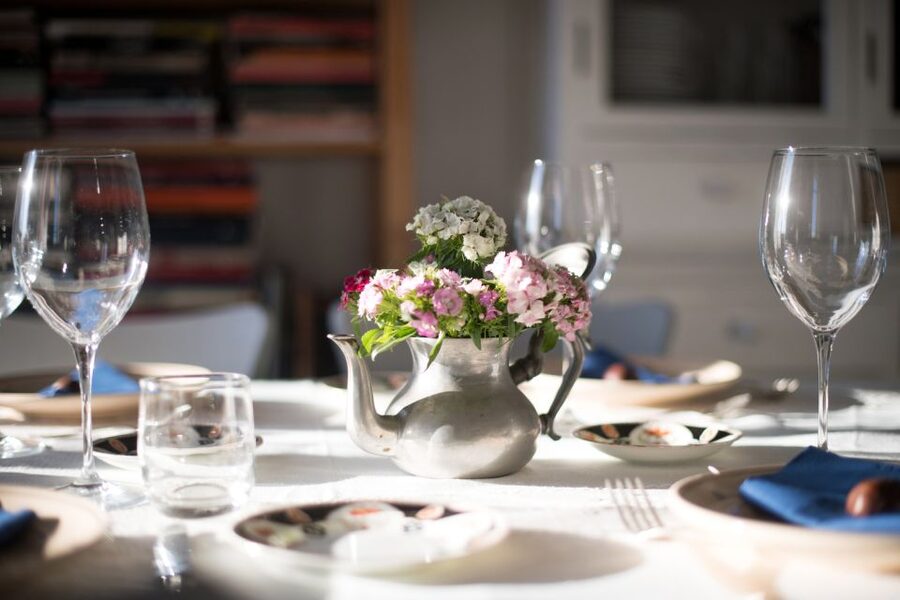
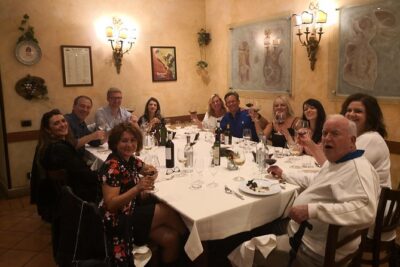
The group is limited to eight participants. That is small enough for a shared table to feel social rather than crowded. It also gives you a reasonable chance to ask questions and take part in the cooking.
Some bookings may be especially intimate. One couple celebrating a 40th wedding anniversary found themselves as the only diners with their host. That kind of private meal can feel very special, but it is not something you should assume will happen. The number of people depends on the booking and the host’s arrangements.
If you are traveling alone, this format can be a good way to meet people without joining a large tour. Couples and families may also enjoy it, especially if everyone is comfortable sharing a meal with people they have just met.
The social setting is not ideal for someone who wants a quiet, anonymous dinner. You are likely to talk with your host and perhaps other participants. The home environment is friendly and informal, but it does not offer the privacy or polished service of a restaurant.
Timing, dietary needs, and practical planning
Lunch generally begins at 12:00 p.m., and dinner generally begins at 7:00 p.m. Other start times may be possible with advance requests. The experience lasts about two and a half hours, which gives you enough time for the demonstration, meal, drinks, and conversation without taking up an entire day.
Plan your Rome schedule around the meal rather than squeezing it between major sights. Since the address is private and shared only after booking, you will need to allow time to reach it. Keep your phone available in case you need to contact the host using the provided mobile number.
Dietary requirements can be accommodated, but you must confirm them directly with the service organizer after booking. Do this early and be specific. Italian cooking often includes pasta, dairy, eggs, meat, and bread, so a clear conversation about allergies or restrictions matters.
The language options are English and Italian. If you need detailed explanations about ingredients or preparation, mention that when arranging your requirements. Hosts may be happy to adjust the pace or explain more, but the available information does not promise a dedicated translator for every booking.
Is $100 a fair price?
At $100 per person, this is not the cheapest way to eat in Rome. You can find a simple three-course meal for less, especially away from the main sights. You should not compare this price only with the cost of food.
Your fee also covers a cooking demonstration, a small group setting, regional wine, coffee, and several hours of personal contact with a local host. You are paying for access to a private home and for the time involved in preparing and explaining the meal. For someone who wants a story to take home along with a recipe, that can be good value.
The price is harder to justify if your main goal is a quick dinner or a long restaurant menu. The food is homemade, not necessarily elaborate, and the menu is not fixed in advance. You may also find that the atmosphere depends heavily on the personality of your host.
I would compare it with other food activities by asking one question: do you want to learn and connect, or do you simply want to eat? If the answer is connection, the cost is easier to understand.
The experience is strongest when the host gets involved
The most praised features are remarkably consistent: warm hospitality, fresh food, active cooking, and the feeling of being welcomed as family. Hosts have helped diners make noodles, slice pasta, prepare gnocchi, and assemble tiramisu. Some have offered local advice, while others have shared after-dinner aperitifs or even helped with transport when a taxi was difficult to find.
That last kind of kindness is not a promised service, and you should not expect your host to drive you anywhere. Still, it shows how personal this type of meal can become. The host is not just serving food and clearing plates. You are spending time in a person’s home, and the evening may feel more like a social invitation than a commercial booking.
The experience also works well for a special occasion. An anniversary couple enjoyed a private meal, wine, pasta preparation, and tiramisu. If you are celebrating, mention it when booking, but remember that special touches depend on the host.
Who should book this Roman home dining experience?
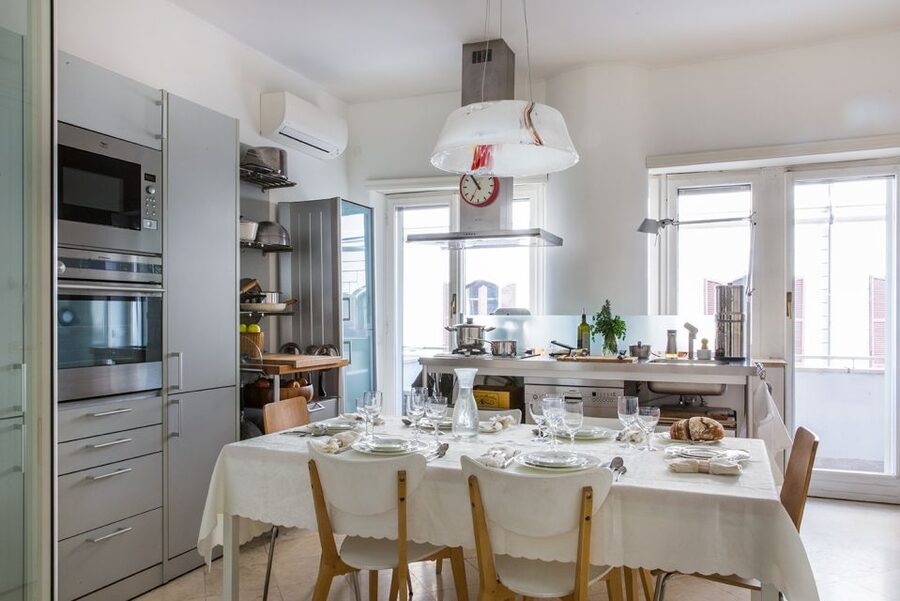
I would recommend it to food lovers, curious cooks, couples seeking a personal evening, and families who want more than sightseeing. It is also a good choice if you have already visited Rome’s famous restaurants and want to understand how food fits into local family life.
It suits you best if you enjoy conversation and do not need a tightly scripted program. You should be comfortable entering a private home, sharing a table, and accepting that the menu and atmosphere vary by host.
I would think twice if you want a guaranteed dish, formal service, a central meeting point, or a large restaurant-style menu. This is not a cooking school with a fixed curriculum. It is a home meal shaped by the Cesarina who welcomes you.
The booking terms are practical: you can cancel up to 24 hours before the experience for a full refund, and reserve now while paying later. Those options help if your Rome plans are still shifting, though you should still confirm food requirements soon after booking.
Should you book it?
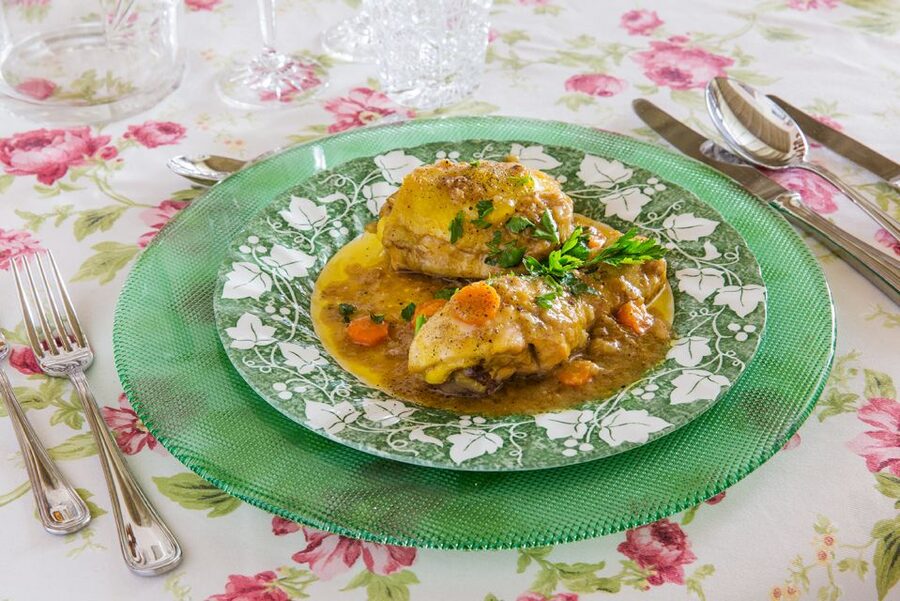
Book this experience if your idea of a great Rome evening includes handmade pasta, family recipes, wine, and conversation around a real dining table. The cooking demonstration gives you something to do, while the small group and home setting make the meal feel personal.
Skip it if you are seeking the lowest-priced dinner or a predictable menu. At $100, the value lies in the welcome, the shared kitchen, and the chance to leave with a recipe and a human connection, not just a full stomach.
FAQ
Where does the dining experience take place?
It takes place in your Cesarina host’s private home in Rome. The exact address and the host’s mobile number are provided by email after booking.
How long does the experience last?
The dining experience lasts approximately two and a half hours.
What food is included?
You receive a three-course meal with a starter, pasta, and dessert. The exact dishes vary according to the host’s family recipes.
Are drinks included?
Yes. Water, a selection of regional red and white wines, and coffee are included.
What time does the meal begin?
Lunch typically begins at 12:00 p.m., and dinner typically begins at 7:00 p.m. Other times may be arranged in advance.
Can dietary requirements be accommodated?
Different dietary requirements can be accommodated, but you must confirm them directly with the service organizer after booking.
Newest reviews from Rome
- ROME:Colosseum & Ancient Rome – private/small group TOUR★ 5.0 · 24 reviews
- Off the Beaten Track in Rome: Rione VI Parione Private Tour★ 5.0 · 24 reviews
- Cinematic Photoshoot in Rome★ 5.0 · 24 reviews
- Rome: Best of Colosseum and Roman Forum Small Group Guided Tour★ 4.5 · 24 reviews
- Vatican and Trionfale Market Tour with Wine and Food Tasting★ 5.0 · 24 reviews
- private tour: Vatican Museums, Sistine Chapel, St. Peter’s Basilica★ 4.5 · 24 reviews
- The Labyrinth of Rome between catacombs and ancient quarries★ 4.5 · 24 reviews
- Colosseum guided tour with Virtual Reality★ 5.0 · 24 reviews
Dinner Experiences, compared.
Pasta Making & Wine Tasting with Dinner in Frascati from Rome
Read our review →
Rome Food Tour: Hidden Gems of Trastevere with Dinner & Wine
Read our review →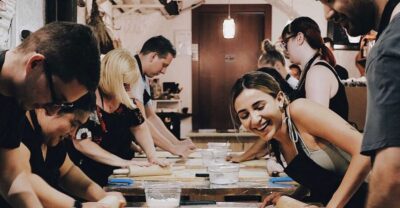
Pasta Making with Wine Tasting and Dinner in Frascati
Read our review →
Night Tour of Rome with Local Pizza Dinner and Gelato Experience
Read our review →
Rome Pantheon: Fine Food & Wine Pairing Dinner with Sommelier
Read our review →
Cannondale E-Bike Evening Tour with Optional Dinner
Read our review →Browse the lists this tour appears in