Reviewed · TICKETS
Rome: IKONO Roma Immersive Experience Entry Ticket
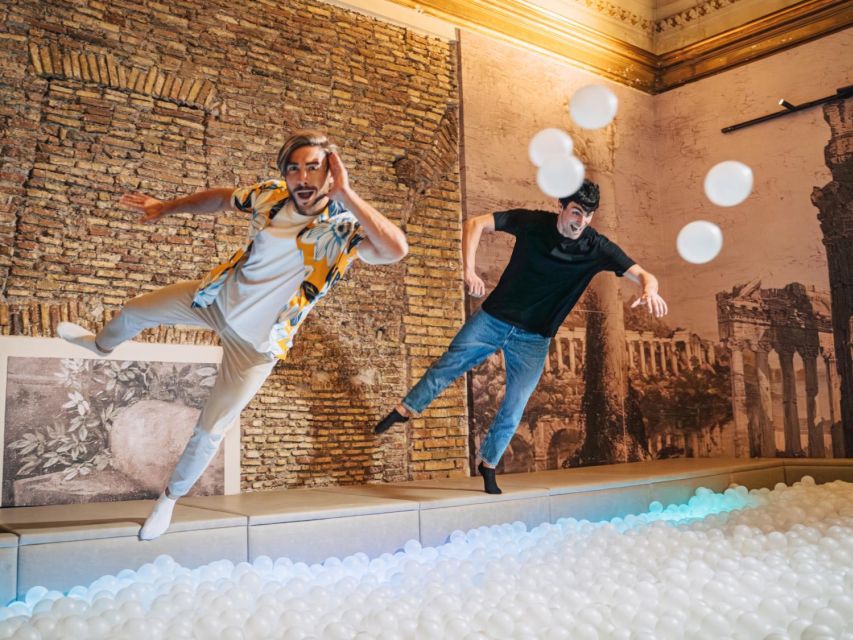
IKONO Roma gives you a welcome change from ancient stones and crowded streets. In the heart of Rome, you move through more than nine playful rooms, each built around a different artistic idea, sensory surprise, or interactive moment. You are not simply looking at exhibits. You help shape the fun.
I like the easy one-hour length and the chance to take a break from sightseeing without leaving central Rome. I also like that the experience suits children, couples, and adults who enjoy taking photos. The main drawback is its short running time. Some people may wish there were more rooms or more time to explore each one.
In This Review
- Key points to know before you go
- What IKONO Roma is really like
- Entering the first rooms
- More than nine spaces, more than one mood
- The Roman bath room and the extra touch
- Why the photographs matter
- A practical one-hour plan
- Who will enjoy IKONO Roma most
- How it fits into a Rome sightseeing day
- Accessibility and language help
- The main strengths and limitations
- Should you book IKONO Roma?
- FAQ
- How long does the IKONO Roma experience last?
- How many rooms are included?
- How much does entry to IKONO Roma cost?
- Is IKONO Roma suitable for children?
- Is IKONO Roma wheelchair accessible?
- What languages are available?
- Can I cancel my booking?
Key points to know before you go

- More than nine rooms: Each space offers a different visual or hands-on idea, so the visit keeps changing pace.
- A good Rome break: Use it between major sights when your feet need rest and your family needs something lighter.
- Strong photo potential: The unusual rooms create plenty of colorful, playful pictures.
- About one hour: The compact visit fits neatly into a busy day, but may feel brief if you want a long museum-style outing.
- Hosts in three languages: Staff can assist in Italian, English, or Spanish and explain what is coming next.
- Wheelchair accessible: The activity is listed as accessible for wheelchair users.
What IKONO Roma is really like
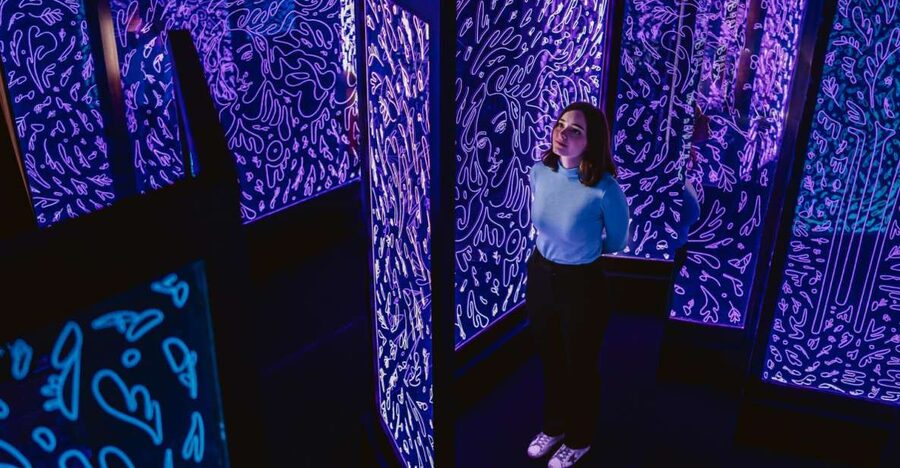
IKONO Roma is best understood as a short walk through a series of art-driven play spaces. Instead of following a historical story about Rome, you follow a mood: curiosity, surprise, color, and the pleasure of doing something a little silly.
That makes it a very different choice from the Colosseum, Roman Forum, or Vatican Museums. Those places ask you to look closely at the past. IKONO asks you to react to the present. You may find yourself posing, touching, watching, laughing, or simply trying to work out what a room wants you to do.
The visit lasts about one hour and includes more than nine rooms. That length matters. You can fit it into a morning or afternoon without giving up half a day of sightseeing. It also makes the experience manageable for children who may lose interest during a long museum visit.
At the same time, you should set your expectations correctly. This is not a large art museum or a detailed guided tour. It is a compact entertainment experience built around visual settings and shared participation. If you want a substantial cultural lesson, this is not the right ticket. If you want an unusual hour in central Rome, it makes more sense.
More Rome tours worth comparing
- Vatican: Museums & Sistine Chapel Entrance Ticket
★ 4.5 · 144,003 reviews - Rome:Hop-On Hop-Off Panoramic Open Bus Ticket 3 Circuits x 1
★ 4.0 · 15,405 reviews - Vatican Museums & Sistine Chapel Skip-the-Line Entry Ticket
★ 4.4 · 13,838 reviews
Entering the first rooms
Your visit begins with help from the on-site host or greeter. Staff speak Italian, English, and Spanish, and they provide information about what you are about to see. That small introduction is useful because each room may invite a different kind of response.
The appeal comes from not knowing exactly what the next space will offer. One room may focus on lighting or color, while another may create a more playful setting for photographs or interaction. The supplied details do not identify every room by name, so I would not arrive expecting a fixed list of famous installations.
Instead, think of the route as a sequence of short creative prompts. You move from one setting to the next, testing how each one feels with your companions. That shared quality is important. The fun is not only in seeing the room, but in watching your children, partner, cousin, or friends react to it.
The staff’s explanations also help keep the visit moving. You are not left to wonder whether you should simply observe or take part. Since the experience is designed for all ages, you can approach the rooms at your own comfort level.
More than nine spaces, more than one mood

The number of rooms gives IKONO Roma its structure. With more than nine stops, the experience has enough variety to avoid feeling like a single photo set. Each room invites you to reset your attention and try something new.
You might find spaces built around unusual textures, shifting visual effects, or theatrical arrangements. The key point is that the rooms are unconventional rather than traditional galleries. You are encouraged to let your imagination run loose, and the best moments often come when you stop worrying about looking sensible.
This is especially helpful for families. Rome can ask a lot from young visitors. Long walks, crowded monuments, and formal museums are part of the reward of visiting the city, but they can also wear everyone down. IKONO gives children something direct to do, while adults get a chance to play along instead of managing another quiet museum visit.
Couples and friends can enjoy it for a different reason. The rooms provide ready-made settings for pictures without requiring you to invent a backdrop. One person can take the photo while the others experiment with the space, then switch places in the next room.
The Roman bath room and the extra touch

One particularly memorable space is the Roman bath experience. It connects the modern playfulness of IKONO with the city around it, even if it does not function as a history lesson about ancient bathing culture.
The Roman bath room has a clear interactive appeal. It offers a setting where you can take part rather than simply stand and look. You may also receive a drawing by email afterward, which gives the visit a small digital keepsake beyond the photographs on your phone.
That follow-up is a nice touch, but it is worth keeping expectations modest. The Roman bath is one part of a short route, not a full historical reconstruction. If you are hoping for detailed explanations of Roman engineering, daily life, or archaeology, plan a separate visit to Rome’s ancient sites.
For families, though, this kind of room can be a highlight because it turns a familiar Roman theme into something playful. It gives children a way to connect the activity with the city without asking them to read a long museum panel.
A completely different way to spend the day in Rome:
- Vatican Museums & Sistine Chapel Tour with Optional Basilica
★ 4.3 · 67,413 reviews - Vatican Museums, Sistine Chapel & St Peter’s Basilica Guided Tour
★ 4.5 · 39,149 reviews - Rome: Colosseum, Palatine Hill and Roman Forum Guided Tour
★ 4.8 · 32,814 reviews - Rome: Guided Tour of Colosseum, Roman Forum & Palatine Hill
★ 4.7 · 27,897 reviews
Why the photographs matter
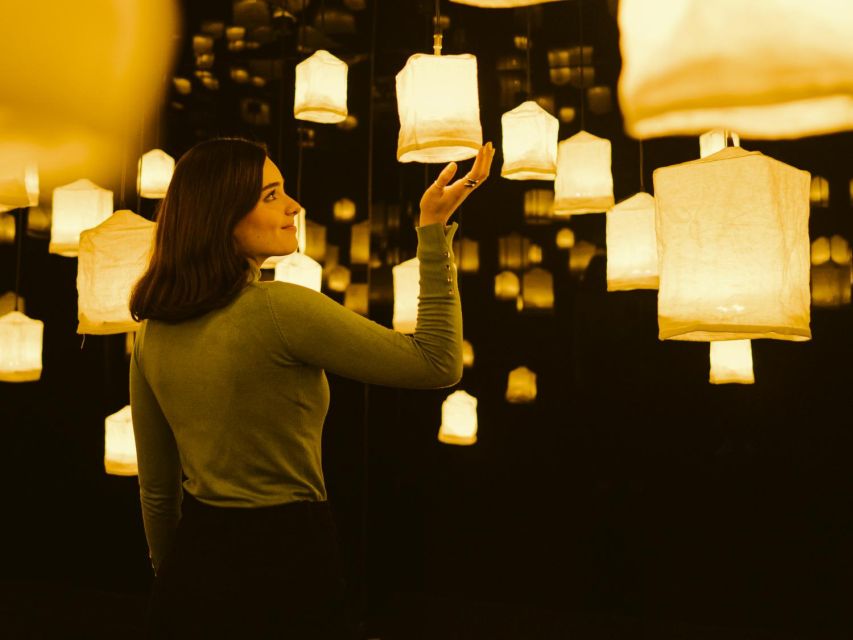
Photography is not the only reason to buy this ticket, but it is one of the clearest benefits. The rooms are designed to look different from ordinary Roman streets, churches, and archaeological sites. You get a set of pictures that show a more modern and playful side of your trip.
I would treat the photo opportunities as part of the experience rather than the whole point. If you rush from room to room taking quick pictures, you may miss the odd details and interactive elements that make the visit enjoyable.
Go with people who are comfortable joining in. The activity works best when everyone takes turns posing, trying the installations, and reacting to the surroundings. A reluctant companion may still enjoy watching, but the shared energy is a large part of the value.
The settings also make this a useful option on a gray afternoon or during a short pause between outdoor sights. You get a controlled indoor activity with a clear start and finish, rather than another open-ended stop that can take longer than planned.
A practical one-hour plan

The visit is listed as approximately one hour, with entry times available when you check the schedule. That makes planning fairly simple.
You could place it:
- Between major central Rome visits
- During the afternoon, when everyone needs a break
- On a family day that mixes ancient sites with lighter activities
- As a short indoor plan when you do not want another formal museum
- Near the end of a sightseeing day, if you still have energy for something playful
I would avoid treating IKONO as your main activity for an entire afternoon. The short duration is part of its strength, but also its clearest limitation. One person described the experience as fun but a little short, and that is a fair way to look at it.
At about $18 per person, the price is reasonable if you value a structured hour, unusual pictures, and an activity that works across age groups. It is less compelling if you measure value by the amount of time spent inside or expect a major cultural attraction.
For a family, the comparison is not simply ticket price versus museum entry. You are also paying for a break in the day, a place where children can participate, and an experience that does not depend on everyone being fascinated by ancient history. For a couple or pair of friends, the cost makes more sense if you will use the rooms fully and enjoy the photo side.
Who will enjoy IKONO Roma most

IKONO Roma is a strong match for families with children. It gives younger visitors permission to be active and imaginative, and it breaks up the long walking days that Rome often requires.
It also suits couples and friends who want pictures and a shared activity. The experience is social, so it is more engaging with someone who likes trying things rather than quietly observing.
Adults can enjoy it too, especially if they are open to a modern, playful stop. You do not need to know anything about art to take part. The rooms are meant to create reactions, not test your background knowledge.
I would be more cautious about recommending it to someone who wants a long, serious cultural visit. There is no indication that the activity offers a detailed historical narrative or an extended guided explanation. Its value is in its short format, visual variety, and freedom to play.
How it fits into a Rome sightseeing day

Rome rewards a mixed schedule. You might spend the morning among ancient ruins, stop for lunch, then use IKONO as a change of rhythm before returning to churches, piazzas, or museums.
That contrast is one of the best reasons to book it. After hours of looking at monumental buildings, another conventional attraction may feel like work. IKONO gives you something immediate and light. You can leave the historical setting behind for an hour, then return to the city with a different kind of memory.
The central location also matters. You do not need to devote a full day to travel outside Rome’s core for this activity. Check the available starting times and place it where it makes practical sense in your route.
Because the experience is short, do not build a complicated day around it. Use it as a flexible middle stop. The reserve-now-and-pay-later option can also help if you are still adjusting your Rome plans, and free cancellation is available up to 24 hours in advance for a full refund.
Accessibility and language help
IKONO Roma is listed as wheelchair accessible, which makes it easier to consider alongside other central Rome plans. Specific details about every room are not provided, so anyone needing particular assistance should confirm what accessibility means for the full route before booking.
Hosts or greeters can assist in Italian, English, and Spanish. That is useful for families or mixed-language groups, especially when a room has an instruction or activity that is not immediately obvious.
The language support appears focused on helping you understand the experience rather than delivering a long formal tour. That suits the format. You get enough guidance to take part, then the rooms do most of the work.
The main strengths and limitations
The strongest feature is variety. More than nine rooms give you repeated chances to be surprised, and the activity does not depend on one single installation carrying the whole visit.
The second strength is flexibility across age groups. Children can play, adults can take photographs, and couples or friends can share the experience without needing specialist art knowledge.
Friendly staff add to the ease of the visit. They welcome you, explain what is ahead, and help you get into the right frame of mind. That is useful in an activity where the best results come from joining in.
The biggest limitation is duration. One hour is enough for a pleasant break, but not enough for a full afternoon out. Some rooms may leave you wishing you had more time or that the route included additional material.
The other limitation is subject matter. If your main goal in Rome is ancient history, sacred art, or archaeology, IKONO will not replace the city’s major monuments. It works better as a supplement to those sights.
Should you book IKONO Roma?
Book it if you want a short, modern, photo-friendly activity in central Rome. It is particularly useful for families, couples, and groups who need a break from walking or want a lighter plan between major cultural sights.
At $18 per person, I think the value is fair when you will enjoy the interactive rooms, take part rather than simply look around, and make use of the one-hour format. The accessible design and three-language host support add practical value.
Skip it if you want a long visit, serious art instruction, or a detailed account of Roman history. IKONO is not trying to be the Colosseum or a museum. It offers something else: a compact hour of color, play, shared reactions, and pictures that look unlike the rest of your Rome album.
FAQ
How long does the IKONO Roma experience last?
The experience lasts approximately one hour. Starting times are available when you check availability.
How many rooms are included?
The experience includes more than nine rooms, each offering a different creative or interactive setting.
How much does entry to IKONO Roma cost?
The listed price is $18 per person.
Is IKONO Roma suitable for children?
Yes. The experience is presented as suitable for all ages and can be a useful break for families visiting Rome.
Is IKONO Roma wheelchair accessible?
Yes. The activity is listed as wheelchair accessible.
What languages are available?
Hosts or greeters can assist in Italian, English, and Spanish.
Can I cancel my booking?
Yes. You can cancel up to 24 hours in advance for a full refund. A reserve-now-and-pay-later option is also available.
Newest reviews from Rome
- Rome: Vatican Museums & Sistine Chapel Skip-the-Line Ticket★ 4.4 · 148 reviews
- Shared Shuttle Transfer from Rome to Civitavecchia Port★ 5.0 · 148 reviews
- Rome: Crypts & Catacombs After Hours Tour with Bone Chapel★ 4.6 · 149 reviews
- Ghosts Legends and Mysteries of Rome Walking Tour★ 5.0 · 149 reviews
- Skip the Line: Vatican and Sistine Chapel with Guided Tour★ 4.0 · 149 reviews
- Tivoli: Villa Gregoriana Entrance Ticket★ 4.7 · 150 reviews
- Pizza and Tiramisu Cooking Class in Rome, Piazza Navona★ 5.0 · 150 reviews
- Rome: Borghese Gallery Skip-the-Line Entry and Guided Tour★ 4.7 · 150 reviews
Tickets, compared.
Vatican Museums & Sistine Chapel Skip-the-Line Entry Ticket
Read our review →
Vatican Museums & Sistine Chapel Skip-The-Line Ticket
Read our review →
Vatican Museums & Sistine Chapel Skip-the-Ticket-Line Tour
Read our review →
St. Peter’s Basilica & Dome Entry Ticket & Audio Tour
Read our review →
Vatican Museums Sistine Chapel Skip-the-Line Ticket
Read our review →
Vatican & Sistine Chapel Ticket with Optional Audio Guide
Read our review →