Reviewed · VATICAN MUSEUMS & SISTINE CHAPEL
Rome: Vatican Museums & SistineChapel Fast Entry (Optional Guide)
The great advantage here is simple: you spend less time wrestling with the Vatican’s ticket lines and more time looking at Michelangelo, Raphael, Caravaggio, and ancient sculpture. The priority entrance is especially useful when regular queues spill along the streets around the museum.
I like the freedom to choose an entry time and then explore at your own pace. I also like that the ticket covers the full Vatican Museums route and Sistine Chapel, rather than limiting you to a small exhibition. The catch is that the museums can still be crowded inside, and security checks are not skipped.
In This Review
- Key points to know before booking
- What this Vatican ticket actually gives you
- Meeting the host near the Vatican Museums
- Entering the Vatican Museums through the priority line
- The Vatican Museums: a long route with many rewards
- Reaching the Sistine Chapel
- Independent visit or added guide?
- What is not part of the visit
- Is $33.61 good value?
- Practical tips for a smoother visit
- Who should book this experience?
- Should you book the Vatican priority-entry experience?
- FAQ
- How long does the Vatican Museums and Sistine Chapel experience last?
- Does the ticket include priority access?
- Is a guided tour included?
- How long is the guided portion?
- Is St. Peter’s Basilica included?
- Is an audio guide provided?
- Where do I meet the host?
- Can I cancel or change the booking?
Key points to know before booking
- Priority entry saves time: You avoid the long ticket-office queue, though security screening can still take time.
- The visit is mostly independent: The standard option provides a host and admission, not a full guided tour or audio guide.
- The Sistine Chapel comes at the end: Reaching it means a long walk through packed galleries.
- Michelangelo is only part of the story: Raphael’s frescoes, the Gallery of Maps, ancient sculpture, and paintings by Leonardo and Caravaggio are also included.
- St. Peter’s Basilica is not included: This ticket does not provide entry to the basilica, dome, square, or Vatican Gardens.
- Allow about three hours: You need enough time for the route, the crowds, and occasional stops to look closely.
What this Vatican ticket actually gives you
At about $33.61 per person, this is an admission service built around convenience. You meet a host near the Vatican Museums, receive or collect your ticket, and enter through the group or priority access route.
That distinction matters. You are not buying a private tour, and the standard option does not include an audio guide. You are paying partly for the ticket and partly for help navigating the entry system, which can be confusing when several lines and operators gather outside.
I would think of this as a fast-entry museum visit, not a sightseeing tour with a guide beside you for three hours. The host helps you get inside and may offer basic orientation. After that, you are generally free to move through the museum independently.
A guided option is available at an additional cost. The guided portion of that version typically lasts about 75 to 90 minutes, followed by time to continue through the museum on your own. If you expect a guide to explain every room for the full three hours, this is not the right expectation.
The experience is often booked around three weeks in advance, with an average lead time of 21 days. That tells you something useful about planning: this is not an attraction to leave until the morning of your visit if your schedule is tight.
More Vatican Museums and Sistine Chapel entries:
- Skip the Line: Vatican & Sistine Chapel Ticket with Audio Guide
★ 4.0 · 3,271 reviews - Skip-the-Line Ticket with Host – Vatican Museums & Sistine Chapel
★ 5.0 · 1,267 reviews - Skip The Line ticket to the Vatican Museums & the Sistine Chapel
★ 3.0 · 1,160 reviews
Meeting the host near the Vatican Museums
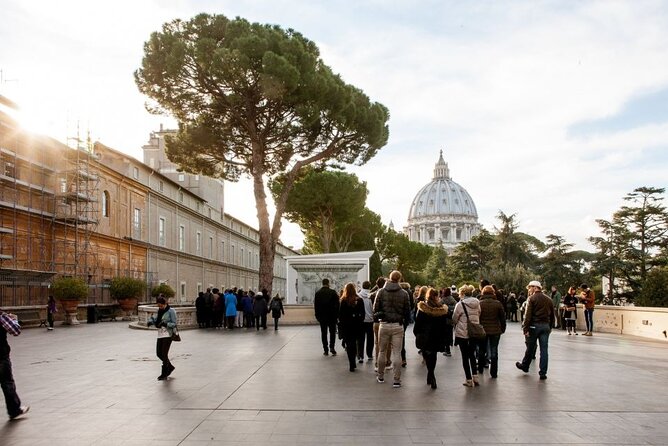
The meeting point is near the Vatican Museums, close to Caffè Vaticano and the steps beside it. The exact instructions matter, so read them carefully before leaving your hotel. Some of the most difficult moments reported with this experience came from people arriving late, looking for the wrong entrance, or failing to spot the host among the crowd.
The host may be holding an Ancient and Recent flag, and clear directions are sent before the visit. One practical tip is to arrive early, not just on time. Thirty minutes before the entry slot gives you room to deal with Rome traffic, rain, wrong turns, or a crowded pavement.
The meeting process has worked very well for many people. Hosts have been praised for having tickets ready, giving clear instructions, speaking good English, and guiding people to the correct entrance. One host even helped a late arrival who had become lost, which is no small favor around the Vatican walls.
Still, the system is not foolproof. The host may be assisting another group and not answer a message immediately. In bad weather, finding the right person can be harder. Keep your phone charged, save the meeting instructions, and do not wander away from the stated location.
The priority service gets you past the regular ticket sales line. It does not mean you walk straight through every barrier. Security screening is mandatory for everyone, and that queue can still be substantial during busy periods.
Entering the Vatican Museums through the priority line
Once your ticket is in hand, the host takes you toward the group entrance. This is where the service can earn its price. Regular ticket lines may look chaotic, and a first-time visitor may not know which queue is for reservations, security, guided groups, or same-day sales.
On a good day, the wait after meeting the host can be around ten minutes. Other accounts describe waits closer to thirty minutes, and one particularly difficult visit took more than an hour to get inside. Crowds, weather, security procedures, and museum management all affect the result.
So keep the promise realistic: priority access reduces the ticket-line problem, but it cannot remove every delay. If you have a train, dinner reservation, or another timed attraction immediately afterward, leave a generous cushion.
Inside, the museum route is long. You will not simply step into the Sistine Chapel after a short hallway. The Vatican Museums guide you through a series of galleries, courtyards, sculptures, maps, tapestries, painted rooms, and historic collections before the chapel appears near the end.
The Vatican Museums: a long route with many rewards
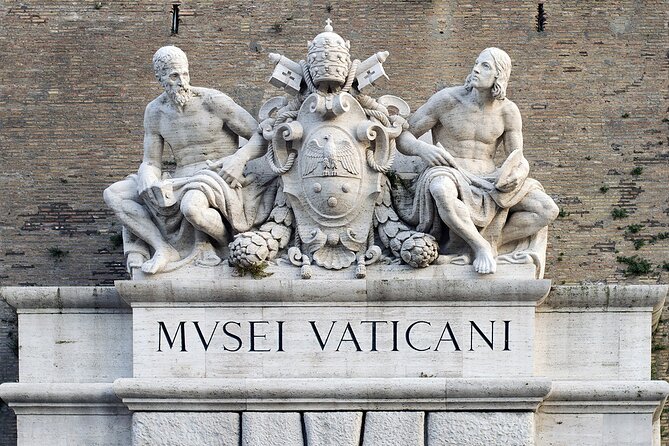
The Vatican Museums are enormous, and three hours is enough for a meaningful visit but not enough to examine everything carefully. I like this ticket for people who want room to choose their own pace. You can pause at a painting that catches your eye, move faster through a crowded room, or return to an exhibit after a guided introduction.
The Pio-Clementine Museum is a major stop for ancient sculpture. The Laocoön Group is one of its best-known works, showing the Trojan priest Laocoön and his sons struggling against sea serpents. Even if you are not an ancient-art specialist, the physical drama is immediate.
The Raphael Rooms offer a different experience. These frescoed rooms were decorated by Raphael and his workshop, and they show how Renaissance artists used architecture, gesture, and carefully arranged figures to tell complex stories. The School of Athens is the famous name associated with this group, though the pleasure is in seeing how the entire room works together.
The Gallery of Maps is easier to appreciate than many museum rooms because its subject is instantly readable. Detailed maps of Italy line the walls, combining geography with decoration. You can look for familiar regions and see how mapmaking and artistic display were joined together.
The Vatican Pinacoteca contains paintings by major artists, including Leonardo da Vinci and Caravaggio. This part of the visit is valuable because the Vatican is not only about ceiling frescoes and ancient statues. The picture gallery gives you quieter, more focused works to balance the grand rooms.
The Ethnological Museum adds objects from cultures around the world. It broadens the visit beyond European Renaissance art and papal collections, though the sheer size of the museums means you may need to be selective.
The route can feel like a long indoor march, especially when crowds are thick. Some rooms leave little space to stop, and the flow of people may push you forward. If you want a calm, scholarly examination of each artwork, choose the independent option only if you are comfortable making your own priorities.
Families can manage the visit, and children around school age may enjoy the size, color, sculpture, and famous Michelangelo scenes. Younger children may tire before the Sistine Chapel. Build in brief pauses when the route allows, and explain that the chapel is near the end rather than the beginning.
More ways to visit the Vatican:
- Rome: Vatican Pass plus Top Attractions and Transport
★ 3.5 · 1,242 reviews - Vatican, Sistine Chapel & St. Peter’s Skip-the-Line Tour
★ 4.1 · 1,070 reviews - Vatican Museums & Sistine Chapel Guided Tour
★ 4.5 · 763 reviews - Rome: Skip-the-Line Vatican Museums and Sistine Chapel Tour
★ 4.3 · 719 reviews
Reaching the Sistine Chapel
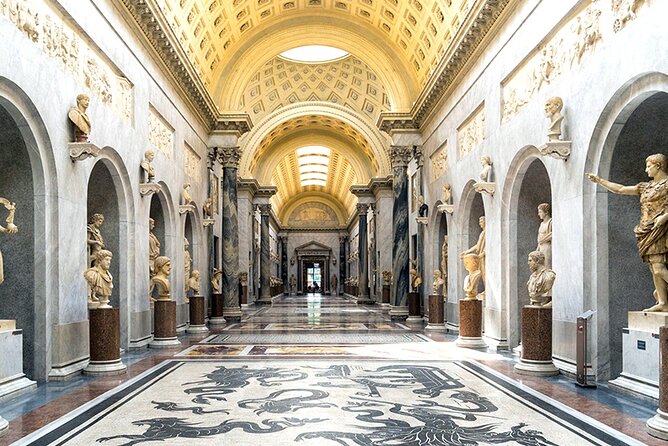
The Sistine Chapel is the emotional target for many people, but it is not a quick stop. You must walk through the museum complex to reach it. The listed timing gives roughly ten minutes to the chapel itself, while the museum portion takes most of the three-hour experience.
That short chapel allocation reflects reality more than a lack of importance. The room can be so crowded that standing still is difficult. You may be shoulder to shoulder with other people, and conversations can continue despite the chapel’s religious and artistic importance.
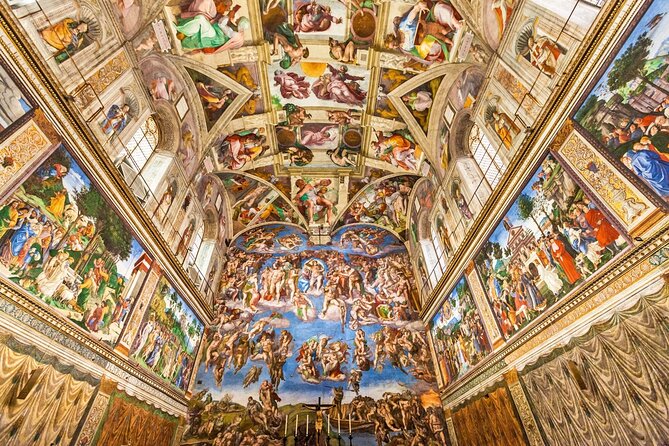
Michelangelo’s ceiling remains extraordinary even under those conditions. Painted between 1508 and 1512, it includes scenes from Genesis, with the Creation of Adam being the most instantly recognizable. Look beyond that one image if the crowd permits. The ceiling is a connected sequence, not just a collection of isolated pictures.
The altar wall carries Michelangelo’s Last Judgment, painted later. It presents the second coming of Christ and the final judgment of souls in a huge, forceful composition. The scale can be hard to grasp from reproductions. The chapel is also used for the conclave, the process by which a new pope is elected, which gives the room significance beyond its art.
The side walls contain frescoes by artists including Botticelli, Perugino, and Ghirlandaio. These works are easy to overlook if you arrive focused only on Michelangelo. Take a moment to look along the walls and compare the different approaches to biblical storytelling.
Photography is not permitted in the Sistine Chapel, and visitors are expected to remain quiet. The supplied information does not specify every current chapel rule, so follow the instructions given by staff on the day. Most important, do not expect solitude. The Sistine Chapel can be breathtaking and frustrating at the same time.
Independent visit or added guide?
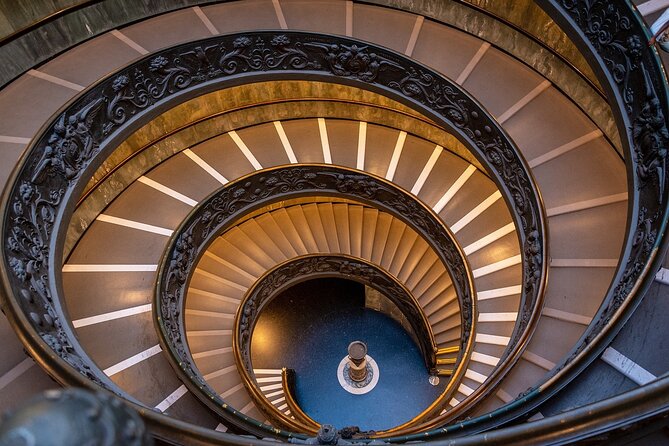
The independent ticket suits you if you already know what you want to see, enjoy reading labels, or prefer not to follow a group. You can move at your own pace and spend more time in a painting gallery or ancient sculpture room instead of stopping where a guide chooses.
The guided option makes more sense if you want someone to explain the main works and keep your route organized. A guide can help you understand why the Raphael Rooms matter, what to look for in the Gallery of Maps, and how Michelangelo fits into the wider Renaissance story.
But be clear about the format. The guided section is generally 75 to 90 minutes, not the entire three-hour visit. Afterward, you continue alone. One account described a guide as rushing through the museum with little interaction, while others found guides friendly, helpful, and able to keep a mixed-age group moving.
That difference may come down to the individual guide and the size of the group. If you choose the guided upgrade, ask at the beginning how long the explanation will last and where the guided section ends. If the guide does not introduce themselves or the pace feels wrong, speak up early. It is much easier to address a problem on site than after leaving.
An audio guide is not included. You may purchase your own museum audio guide at an additional cost, but the supplied information does not guarantee availability or price on your date. Bring your own museum background notes if you choose the independent option.
What is not part of the visit
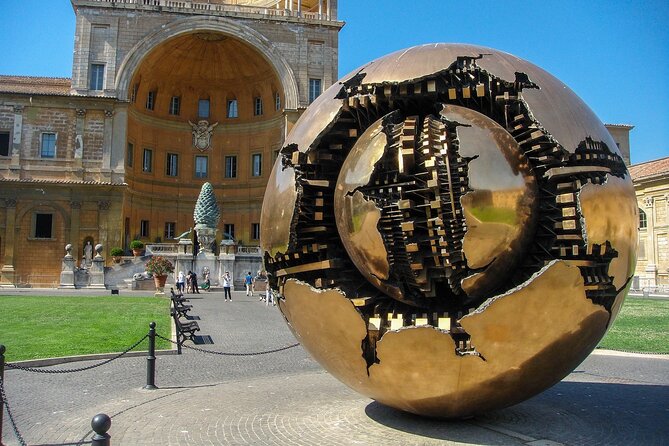
This experience covers the Vatican Museums and Sistine Chapel only. It does not include St. Peter’s Basilica, the dome of St. Peter’s, St. Peter’s Square, or the Vatican Gardens.
That matters when planning your day. Some people assume the Sistine Chapel connects directly to the basilica for all ticket holders. Do not build your schedule around that assumption. If entering the basilica or climbing the dome is important to you, you need a separate arrangement.
The Vatican Museums themselves offer enough for several hours, so the missing attractions do not make the ticket incomplete. They simply define the product clearly. This is an art museum visit with a famous chapel at the end, not a full Vatican City sightseeing package.
Is $33.61 good value?
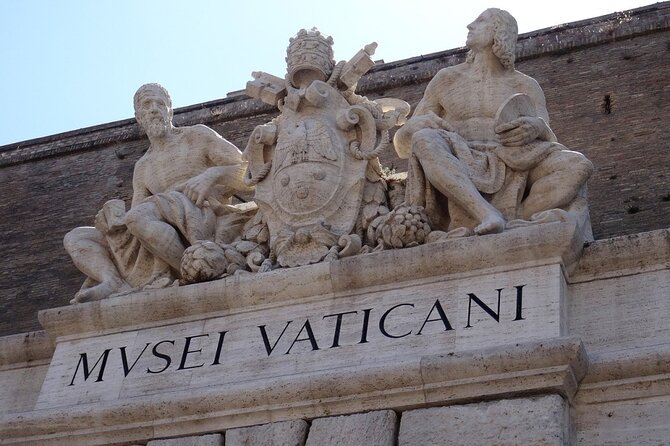
At $33.61, the ticket is not the cheapest way to see the Vatican Museums. The value depends on what you are buying: certainty, assistance, and time saved at the entrance.
If you are visiting Rome for only two or three days, avoiding a long ticket queue can protect a large part of your morning. The host also helps if you are unsure where to go. For a first visit, a family group, or anyone booking close to the date, that practical help may be worth the premium.
The value is weaker if you are comfortable buying directly online, already understand the Vatican entrance system, and do not mind handling the process yourself. One of the most reasonable criticisms of this type of service is that the host may simply hand over the ticket and escort you to the group entrance.
The museum itself is the main purchase. The ticket service cannot make the rooms less crowded, shorten the walk to the chapel, or guarantee a quiet moment under Michelangelo’s ceiling. If you expect those things, the price will feel high.
The experience is non-refundable and cannot be changed for any reason. That makes careful scheduling important. The minimum number of participants also has to be met, though a cancellation for that reason comes with an alternative date or experience, or a full refund.
Practical tips for a smoother visit
Arrive early. Fifteen minutes may be enough on an easy day, but thirty minutes gives you a better chance of finding the host and solving problems before the entry time.
Save the meeting instructions offline. The area around the museums is crowded, and phone service or messaging may not work as quickly as you expect.
Wear comfortable shoes. The route involves a lot of walking, and the path to the Sistine Chapel is longer than many first-time visitors expect.
Plan your priorities before entering. Choose two or three must-see areas, such as the Laocoön, Raphael Rooms, Gallery of Maps, Pinacoteca, and Sistine Chapel. Trying to examine everything can turn the visit into a race.
Stay close if you are in a group. It is easy to lose people inside the museum, especially where corridors narrow and crowds move in different directions.
Do not schedule another major attraction too tightly afterward. Even priority entry cannot control security lines or the pace of the museum crowd.
Who should book this experience?
I would recommend it to a first-time Rome visitor who wants a straightforward way into the Vatican Museums and does not want to manage the ticket queue alone. It also suits families and people on a short itinerary who value a fixed entry time.
The independent option is best for confident museumgoers who want freedom. The guided version is better if you want context and a planned route, but confirm that you understand the guided portion is only part of the three-hour experience.
I would hesitate if your main goal is a peaceful Sistine Chapel visit. The chapel and the route leading to it can be extremely crowded even outside the busiest summer period. I would also hesitate if you want St. Peter’s Basilica, the dome, or the gardens included in one ticket.
Should you book the Vatican priority-entry experience?
Book it if saving time at the ticket entrance matters more to you than getting the lowest possible price. The host system has often worked well, and the museum collection is worth the effort, especially when you use the freedom to focus on the rooms that interest you most.
Skip it if you are comfortable arranging direct admission and want a full guided experience for the entire visit. Either way, set realistic expectations: priority entry helps you get inside, but it cannot clear the crowds from the Vatican galleries or the Sistine Chapel.
For most short Rome visits, I see this as a useful convenience purchase rather than a tour in the traditional sense. Arrive early, follow the meeting instructions, allow three hours, and treat the Vatican Museums as the main event.
FAQ
How long does the Vatican Museums and Sistine Chapel experience last?
The visit lasts approximately three hours. About two hours and fifty minutes are allocated to the Vatican Museums, with roughly ten minutes noted for the Sistine Chapel.
Does the ticket include priority access?
Yes. The experience includes priority access to the Vatican Museums and the Sistine Chapel. You must still pass through mandatory security screening.
Is a guided tour included?
No. The standard option is independent and does not include a guided tour or audio guide. A guided option can be selected when booking.
How long is the guided portion?
The guided portion typically lasts between 75 and 90 minutes. The remaining time is used for priority entry, orientation, and independent exploration.
Is St. Peter’s Basilica included?
No. Entry to St. Peter’s Basilica is not included. The dome, St. Peter’s Square, and the Vatican Gardens are also excluded.
Is an audio guide provided?
No. An audio guide is not included with this experience.
Where do I meet the host?
The meeting point is near the Vatican Museums, by Caffè Vaticano and the nearby steps. Follow the specific instructions sent with your booking, and arrive early to locate the host.
Can I cancel or change the booking?
No. The experience is non-refundable and cannot be changed for any reason. If the provider cancels because the minimum number of participants is not reached, you will be offered another date or experience, or a full refund.
More Museums in Vatican City
- Skip the Line: Ticket to the Vatican Museum & Sistine Chapel
★ 3.5 · 547 reviews - Vatican: Sistine Chapel and Vatican Museums Guided Tour
★ 4.3 · 536 reviews - Rome: Vatican Museums & St. Peter’s Basilica with Dome Climb
★ 4.6 · 480 reviews - Sistine Chapel and Vatican Museum Skip The Line Ticket
★ 4.0 · 405 reviews
Newest reviews from Vatican City
- Reserved Papal Audience Ticket with Assistance On Site★ 3.5 · 25 reviews
- Private Rome Historical and Early Vatican Guided Tour★ 5.0 · 25 reviews
- Vatican Museum and Sistine Chapel Skip-the-Line Guided Group Tour and tickets★ 3.5 · 27 reviews
- Vatican City Guided Tour With Less Crowd Than Regular Hours★ 3.5 · 28 reviews
- Vatican museum’s & Sistine Chapel Reserved Entrance★ 3.5 · 28 reviews
- Sistine Chapel & Vatican Tour Premium – Skip the Line★ 5.0 · 29 reviews
- Vatican Museums and Sistine Chapel with Skip The Line Ticket★ 4.5 · 30 reviews
- Entrance to Vatican Museums and Sistine Chapel★ 3.5 · 32 reviews
Vatican Museums & Sistine Chapel, compared.
Vatican Museums & Sistine Chapel Tour with Optional Basilica
Read our review →
Vatican Museums, Sistine Chapel & St Peter’s Basilica Guided Tour
Read our review →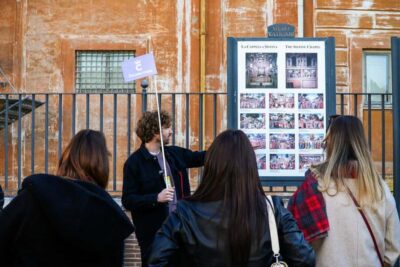
Vatican Museums, Sistine Chapel & Basilica Tour
Read our review →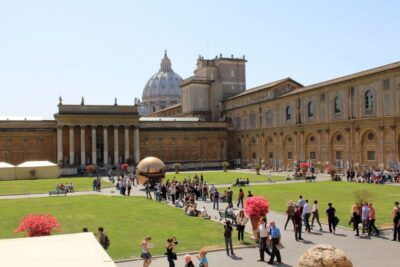
Vatican Museums & Sistine Chapel Skip-the-Line Entry Ticket
Read our review →Vatican Museums, Sistine Chapel & Basilica Tour
Read our review →
Skip-the-Line Group Tour of the Vatican, Sistine Chapel & St. Peter’s Basilica
Read our review →