

Reviewed · ROME
The Marvels of Rome: A Journey through Time and Landmarks
Rome gives you its greatest hits on foot here, linking five major sights in a brisk two-hour walk. You begin at Santa Maria del Popolo, toss a coin at Trevi Fountain, look up at the Pantheon, and finish among Bernini’s fountains in Piazza Navona.
I like the clear route and the human touch from guides such as Celia, Estefani, and Sarah. I also like the low $35 price, which makes a live guide a sensible way to get your bearings fast. The main drawback is pace: there is a lot of Rome packed into two hours, and anyone seeking long historical lectures may find the tour too light.
In This Review
- Key points at a glance
- Starting at Santa Maria del Popolo
- Piazza del Popolo and the northern gateway
- Piazza di Spagna and the Spanish Steps
- Trevi Fountain and the famous coin toss
- The Pantheon and ancient engineering
- Piazza Navona and Bernini’s fountains
- What the guide adds to the walk
- Is two hours enough for central Rome?
- The $35 price and what you receive
- Comfort, clothing, and mobility
- Who should book this Rome walk?
- Should you book The Marvels of Rome?
- FAQ
- Where does the tour start?
- How long does the tour last?
- Which sights are included?
- Which languages are available?
- Is hotel pickup included?
- What should I bring?
- Can I bring luggage or wear a sleeveless shirt?
- Is the tour suitable for people with limited mobility?
Key points at a glance
- Five famous Roman stops: See Piazza del Popolo, Piazza di Spagna, Trevi Fountain, the Pantheon, and Piazza Navona in one continuous walk.
- A useful first-day tour: The route helps you understand central Rome before exploring the sights on your own.
- Guides in three languages: Tours are offered in English, Spanish, and French.
- A $35 walking experience: The price covers a licensed guide, but not hotel transport or entry tickets.
- Bring the right gear: Comfortable shoes and water matter more than you might expect on Rome’s hard streets.
- Not ideal for limited mobility: This is a walking tour with several stops and no stated mobility assistance.
Starting at Santa Maria del Popolo
The meeting point is Piazza del Popolo, directly in front of the Basilica Parrocchiale Santa Maria del Popolo. Your guide waits with a sign showing the company name, so the location is fairly easy to identify in the open square.
I like this start because Piazza del Popolo is not just a place to gather. It gives you an immediate lesson in Rome’s grand urban style. The broad space, church facade, and central Egyptian obelisk set the tone before the walking really begins.
You should arrive ready to walk rather than expecting a coach or shuttle. Hotel pickup and drop-off are not included. Since the tour lasts only two hours, late arrival could cost you a meaningful part of the experience.
The company offers guides in English, Spanish, and French. Specific guides named in tour feedback include Celia, Estefani, and Sarah. Estefani was praised for using a book showing places as they looked in the past and as they look today, a useful approach when Rome’s layers of old and new are hard to read from the street.
Tours travellers often pair with this one in Rome:
- Vatican: Museums & Sistine Chapel Entrance Ticket
★ 4.5 · 144,003 reviews - Vatican Museums & Sistine Chapel Tour with Optional Basilica
★ 4.3 · 67,413 reviews - Vatican Museums, Sistine Chapel & St Peter’s Basilica Guided Tour
★ 4.5 · 39,149 reviews
Piazza del Popolo and the northern gateway
The first guided portion in Piazza del Popolo lasts about 20 minutes. That is enough time for an overview of the square and its role as one of Rome’s important public spaces, though not enough for a long architectural seminar.
The square works well as an opening stop because it feels spacious. You can take in the layout before the narrower streets ahead. Your guide can help connect the church, the square, and the city routes that lead toward central Rome.
The walk from here begins the main rhythm of the tour: short explanations followed by movement through the city. That format suits you if you prefer seeing several places rather than spending an hour in one site.
I would not choose this tour solely for Piazza del Popolo. Its value comes from the way it connects this northern square to the rest of the route. The stop is a starting chapter, not the whole book.
Piazza di Spagna and the Spanish Steps
After Piazza del Popolo, you walk to Piazza di Spagna, with about 20 minutes set aside for a guided visit and sightseeing. The Spanish Steps are the obvious focus, and their sweeping stairway gives you one of Rome’s most recognizable urban scenes.
The square has a different mood from Piazza del Popolo. It is tighter, more theatrical, and closely tied to Rome’s shopping streets and old city center. I like the contrast. In a short span, you see how Rome can shift from a broad ceremonial space to an intimate meeting place.
Your guide’s main job here is to add meaning to what you are seeing. Without context, the Spanish Steps can become just another photo stop. With a good explanation, you begin to understand how the steps, square, and surrounding streets work together as part of Rome’s public life.
The 20-minute timing keeps the tour moving, but it also limits lingering. If you want quiet photographs or extended time on the steps, plan to return later. This tour gives you orientation, not a private visit at your own pace.
Trevi Fountain and the famous coin toss
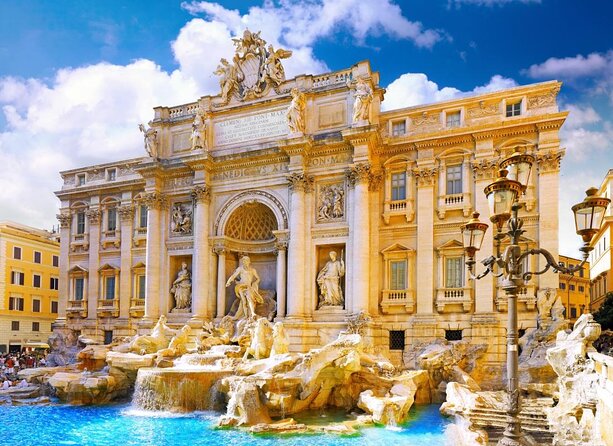
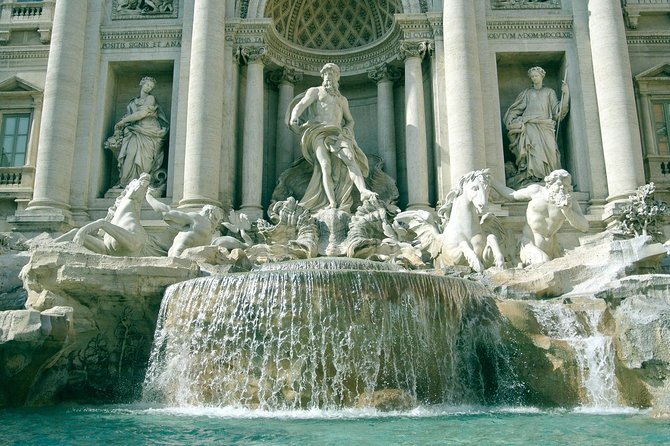
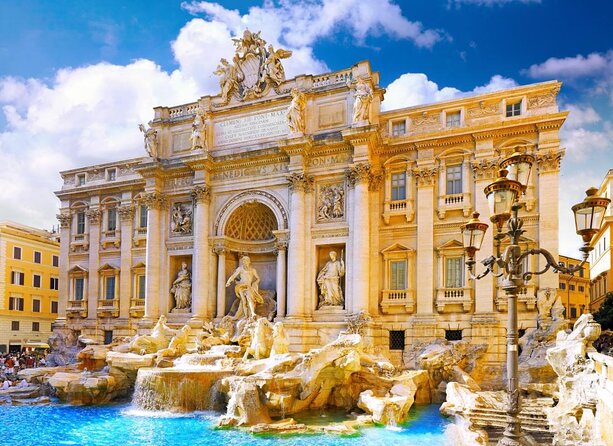
The longest stop is Trevi Fountain, with about 30 minutes for walking, sightseeing, and a guided explanation. That extra time makes sense. The fountain is one of Rome’s most crowded and visually dramatic stops, and you need a moment simply to get close enough to take it in.
The Baroque design fills the space with stone figures, water, and movement. Your guide can point out the details that are easy to miss when you are focused on finding a clear view. This is also where the tour includes Rome’s familiar coin-toss tradition, the small ritual said to ensure your return to the city.
Bring a coin if you want to take part, though the provided details do not say that one is supplied. Keep your belongings secure in crowded areas, and do not bring large luggage. Large bags are specifically not allowed on the tour, which is sensible around busy central sights.
Trevi is likely to be the most demanding stop for anyone who dislikes crowds. The fountain itself is free to see, but its popularity means you may spend part of the 30 minutes moving for a better view. I appreciate the longer time here, yet you should not expect a peaceful, empty piazza.
A completely different way to spend the day in Rome:
- Rome: Colosseum, Palatine Hill and Roman Forum Guided Tour
★ 4.8 · 32,814 reviews - Rome: Guided Tour of Colosseum, Roman Forum & Palatine Hill
★ 4.7 · 27,897 reviews - Rome: Colosseum & Forum with Audio Guide App -Optional Arena
★ 4.2 · 24,770 reviews - Rome: Colosseum, Roman Forum and Palatine Hill Guided Tour
★ 4.5 · 23,903 reviews
The Pantheon and ancient engineering
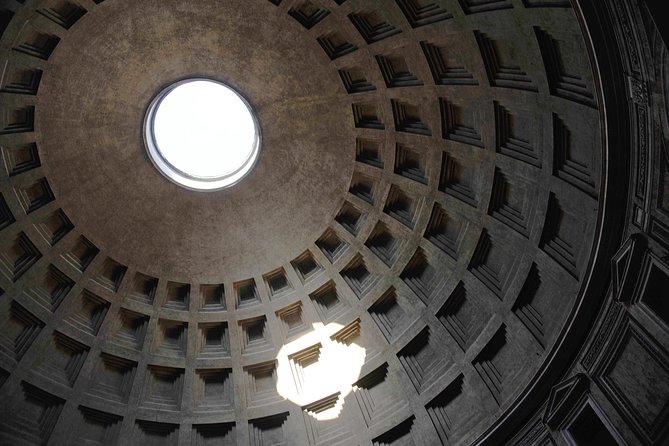
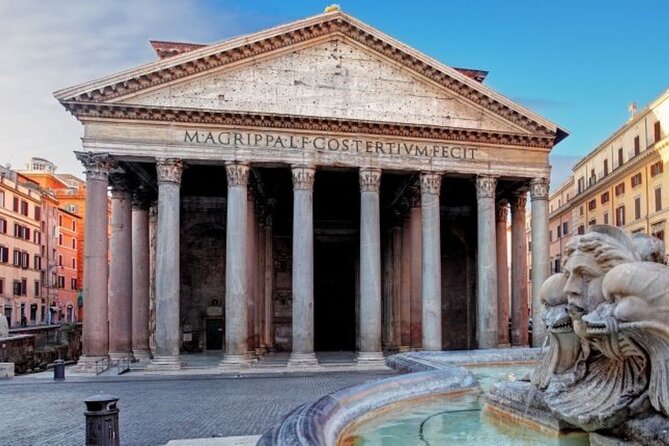
The route continues to the Pantheon, with around 20 minutes for a guided stop. Even from outside, this building changes the feel of the walk. After the theatrical fountains and grand squares, you arrive at a structure that connects present-day Rome directly with the ancient city.
The Pantheon is especially useful for visitors who want to understand Roman building skill. Its great dome and monumental facade make more sense when a guide explains how the structure has survived and why its design matters.
The supplied information does not state that this tour includes interior entry or admission tickets. You should therefore treat the Pantheon stop as a guided sightseeing visit rather than assume you will receive a full indoor tour. The tour price covers the licensed guide, and no entry tickets are listed among the inclusions.
That distinction matters. If stepping inside the Pantheon is a priority, ask about the arrangement before booking or plan a separate visit. The tour still gives you a strong look at the building and its setting, but you should know what the $35 covers.
Piazza Navona and Bernini’s fountains

Piazza Navona is the final stop, with about 20 minutes for sightseeing and explanation. Ending here is a smart choice. The square brings together architecture, fountains, cafes, and street performers, giving you a lively final view of central Rome.
Bernini’s fountains take center stage. They reward close attention, since the sculpted figures and water features are easy to glance at but harder to understand without guidance. I like finishing here because the square feels like a natural pause after the steady walk.
You can use this final stop to decide which parts of central Rome deserve a second visit. Some people will want to return to Trevi Fountain. Others may prefer the Pantheon or the Spanish Steps. A good guide helps you notice those choices rather than simply moving you from one photo point to the next.
The 20-minute limit is again the tradeoff. Piazza Navona deserves more time if you want to sit at a cafe, watch performers, or examine every fountain. The tour introduces the square, then leaves you free to return later.
What the guide adds to the walk
A route like this can be followed with a map, but the guide is what turns it into a history walk. The strongest feedback centers on guides who explain details clearly, show patience, and adjust their approach to the group.
Celia has been described as kind, considerate, and patient. Estefani was praised for her historical detail and for showing past and present images in a book. Sarah was singled out for delivering an excellent tour in French. These details matter because a two-hour walk depends heavily on the person holding the group together.
One useful point of balance comes from a French-language assessment that found the historical information too limited for someone seeking specialist depth. I think that is a fair warning. This tour aims at an accessible introduction, not an academic study of Roman architecture, Baroque art, or ancient engineering.
You will likely get the most from it if you ask questions as you go. The supplied feedback also points to patience and care, including a guide who worked considerately with a participant with a disability. That positive experience should not override the official warning that the tour is not recommended for people with limited mobility, but it does suggest that guide attitude can make a difference.
Is two hours enough for central Rome?
Two hours is enough to visit each listed stop, hear an introduction, and walk between them. It is not enough to explore each square in depth or enter every major building.
The schedule allows roughly:
- 20 minutes at Piazza del Popolo
- 20 minutes at Piazza di Spagna
- 30 minutes at Trevi Fountain
- 20 minutes at the Pantheon
- 20 minutes at Piazza Navona
That accounts for 110 minutes, leaving only a small margin for the walking between sites and the practical business of keeping a group together. The precise flow may vary, so think of these timings as a brisk framework.
I would book this early in a Rome visit. It gives you a mental map of the center and helps you decide where to spend extra time afterward. If you already know these places well and want detailed historical analysis, the short format may feel rushed.
The $35 price and what you receive

At $35 per person, this is a reasonably priced introduction to central Rome. You are paying for a licensed English, Spanish, or French-speaking guide and a carefully arranged route through five major sights.
The value depends on your alternative. You can walk this route alone for free, but you would need to research the history, organize the sequence, and provide your own explanations. If you want a simple orientation with a real person to answer questions, $35 is fair.
The price does not include hotel pickup or drop-off. It also does not list entrance tickets, so do not assume the fee covers admission inside the Pantheon or any other site. That keeps the cost down, but it means you should budget separately for anything you choose to visit afterward.
The reserve-now, pay-later option adds flexibility, and cancellation is free up to 24 hours before the tour for a full refund. Check the available starting times when you book, since the tour lasts two hours but the start time is not fixed in the supplied details.
Comfort, clothing, and mobility
Wear comfortable shoes. This is simple advice, but it is the most important preparation for a walking route through Rome’s central streets and squares. Bring water, especially if your chosen starting time falls during warm weather.
Large bags and luggage are not allowed. Travel light and avoid arriving with airport-style baggage. Sleeveless shirts are also not allowed, so choose clothing that meets the stated dress rule.
The tour is not suitable for people with mobility impairments, according to the activity information. The details do not describe step-free access, seating, adapted transport, or a slower route. If you have a mobility concern, contact the provider before booking rather than relying on the positive account of one guide assisting a participant.
Who should book this Rome walk?
I recommend it for first-time visitors who want a fast, sensible introduction to Rome’s central sights. It also suits you if you like walking, prefer a live explanation to an audio guide, and want to keep the cost below a full-day tour.
It can work well for returning visitors, too, especially if you want fresh detail from a guide. One participant who had already seen the sights still learned new information from the explanations. That is a good sign, though the French-language feedback shows that the level may not satisfy serious history specialists.
Families and mixed-age groups should consider the walking pace, heat, crowds, and lack of stated mobility support. The route is easy to understand, but the tour is not designed as a slow, seated experience.
Should you book The Marvels of Rome?
Book it if you want five famous landmarks in two hours, a multilingual guide, and a clear first look at Rome’s central squares. The $35 fee is good value when you want context, direction, and a short introduction rather than a full museum-style lecture.
Skip it if you need extensive historical detail, guaranteed interior access to the Pantheon, hotel transport, or a route built for limited mobility. For most first visits, though, this is a useful opening walk. Bring water, wear your best shoes, and save time afterward for the square that captures your imagination.
FAQ
Where does the tour start?
It starts in Piazza del Popolo, directly in front of the Basilica Parrocchiale Santa Maria del Popolo. The guide waits there with a sign showing the company name.
How long does the tour last?
The tour lasts two hours.
Which sights are included?
The route visits Piazza del Popolo, Piazza di Spagna and the Spanish Steps, Trevi Fountain, the Pantheon, and Piazza Navona.
Which languages are available?
Live guides are available in English, Spanish, and French.
Is hotel pickup included?
No. Hotel pickup and drop-off are not included.
What should I bring?
Bring comfortable shoes and water.
Can I bring luggage or wear a sleeveless shirt?
Large bags and luggage are not allowed. Sleeveless shirts are also not allowed.
Is the tour suitable for people with limited mobility?
No. The tour is not recommended for people with limited mobility or mobility impairments.
Newest reviews from Rome
- ROME:Colosseum & Ancient Rome – private/small group TOUR★ 5.0 · 24 reviews
- Off the Beaten Track in Rome: Rione VI Parione Private Tour★ 5.0 · 24 reviews
- Cinematic Photoshoot in Rome★ 5.0 · 24 reviews
- Rome: Best of Colosseum and Roman Forum Small Group Guided Tour★ 4.5 · 24 reviews
- The Labyrinth of Rome between catacombs and ancient quarries★ 4.5 · 24 reviews
- Vatican and Trionfale Market Tour with Wine and Food Tasting★ 5.0 · 24 reviews
- private tour: Vatican Museums, Sistine Chapel, St. Peter’s Basilica★ 4.5 · 24 reviews
- 3 Hours Mosaic Workshop in Trastevere★ 5.0 · 24 reviews