Reviewed · VATICAN MUSEUMS & SISTINE CHAPEL
Vatican: Guided Tour Vatican Museums and Sistine Chapel
Michelangelo’s Sistine Chapel is the finale, but the real strength of this 2.5-hour Vatican tour is the route leading there. You move through famous works such as Laocoön and His Sons, Apollo Belvedere, the Belvedere Torso, and the Gallery of Maps with an authorized guide putting the collection into focus.
I like the small group limit of 10 and the supplied headsets, which matter in crowded galleries. I also like the separate priority entrance, though security can still take up to 30 minutes in peak season. The main drawback is the brisk schedule: the Vatican Museums are enormous, so this tour gives you the highlights rather than time for every room.
In This Review
- Key points to know before booking
- Starting near the Vatican at Habemus Tours
- Priority entry and what it really saves
- The Belvedere Court and the Vatican’s ancient sculptures
- The Gallery of the Candelabra
- The Gallery of Tapestries and the Gallery of Maps
- Reaching the Sistine Chapel
- Guides, headsets, and the small-group setup
- Time, comfort, and practical limits
- Who will get the most from this Vatican tour
- Should you book the $95.78 experience?
- FAQ
- How long does the Vatican tour last?
- Where does the tour begin?
- How early should I arrive?
- What languages are available?
- Is food or hotel transportation included?
- What should I wear to the Vatican?
- Is the tour suitable for wheelchair users?
Key points to know before booking
- The Sistine Chapel comes at the end: Save energy for Michelangelo’s ceiling and Last Judgment.
- The group is limited to 10 people: That makes it easier to hear the guide and stay together.
- You see major Vatican highlights: Expect the Belvedere Court, Pio Clementino Museum, Candelabra Gallery, Tapestry Gallery, Gallery of Maps, and Sistine Chapel.
- Priority entry helps, but it is not a magic wand: Security checks may still take up to 30 minutes during the busiest periods.
- You must dress for a religious site: Shoulders and knees need to be covered, and sleeveless shirts and short skirts are not allowed.
- Arrive 30 minutes early: Late arrivals cannot join, reschedule, or receive a refund.
Starting near the Vatican at Habemus Tours
Your visit begins at the Habemus Tours office at Via Del Mascherino 37/41. Plan to arrive 30 minutes before your booked departure time. You show your reservation code, receive the entrance arrangements, and meet the guide who escorts the group to the Vatican Museums.
This meeting point is useful because you do not need to work out the museum entrance on your own. There is no hotel pickup or return service, so you must make your own way to the office and back afterward. The activity ends at the meeting point.
The early arrival rule is serious. If you reach the office late, you cannot join the group, move to another departure, or claim a refund. In Rome, allow extra time for getting across town, finding the office, and dealing with crowds around the Vatican.
More Vatican Museums and Sistine Chapel entries:
- Vatican: Museums & Sistine Chapel Entrance Ticket
★ 4.5 · 144,003 reviews - Vatican Museums & Sistine Chapel Tour with Optional Basilica
★ 4.3 · 67,413 reviews - Vatican Museums, Sistine Chapel & St Peter’s Basilica Guided Tour
★ 4.5 · 39,149 reviews
Priority entry and what it really saves
The tour includes priority admission through a separate entrance. That can be a major help at the Vatican, one of the world’s most visited museums. Instead of spending your limited sightseeing time working through the standard ticket process, you have an organized entry and a guide leading the way.
Priority admission does not mean you walk straight inside with no delay. Everyone must still pass security, and the stated wait can reach 30 minutes in peak season. That is worth knowing before you book, especially if you have a train, dinner reservation, or another timed activity afterward.
At $95.78 per person, the cost is well above a basic museum ticket. You are paying for the entrance arrangement, a live guide, a small group, and help making sense of a very large complex. I see the price as easier to justify if this is your first Vatican visit or if you want a planned route without spending hours deciding where to go next.
If you already know the collection well, prefer to set your own pace, or want to sit with one painting for a long time, a self-guided visit may offer better value. This tour is aimed at efficient orientation and major sights, not slow, private study.
The Belvedere Court and the Vatican’s ancient sculptures
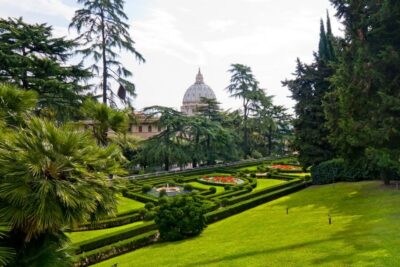
After entry, the route includes the Cortile del Belvedere, or Belvedere Court. The court connects important museum areas and provides the setting for some of the Vatican’s best-known ancient sculptures.
The Pio Clementino Museum follows, with highlights including Laocoön and His Sons, Apollo Belvedere, and the Belvedere Torso. These are not minor stops added to fill time. They are central works in the Vatican’s ancient sculpture collection and help explain why the museum became such an important destination for artists, scholars, and popes.
Laocoön and His Sons is especially memorable for its dramatic movement and emotional force. Apollo Belvedere presents a very different ideal, with a calm, polished image of the human body. The Belvedere Torso, although incomplete, had a major effect on later artists, including Michelangelo.
Your guide’s job here is to give you a way into the objects. Without context, a large museum can become a parade of marble figures. With a clear explanation, you can notice posture, expression, missing pieces, and the way later artists looked back to ancient models.
The pace is still guided and purposeful. You will not have unlimited time at each sculpture, so keep your attention on the main explanation and ask questions when there is room to do so.
The Gallery of the Candelabra
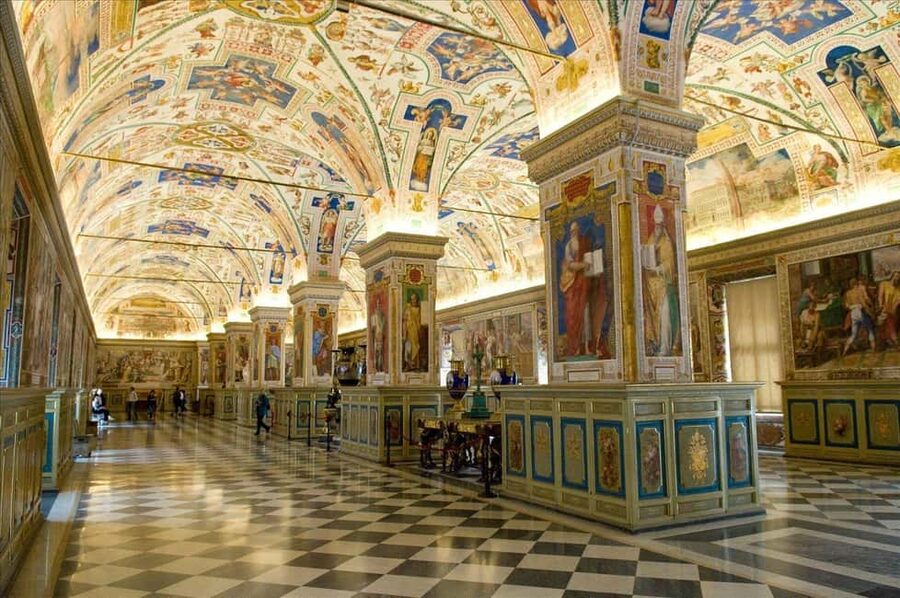
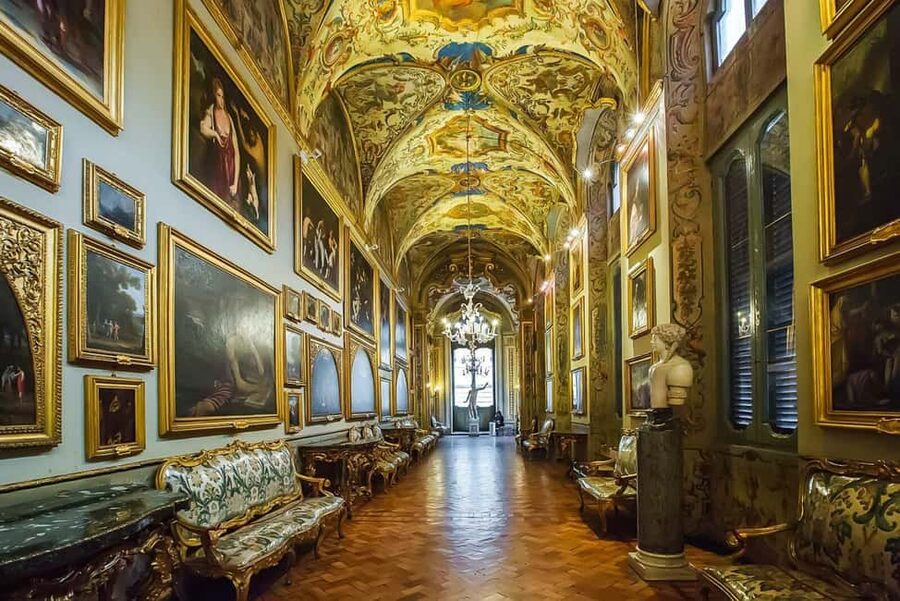
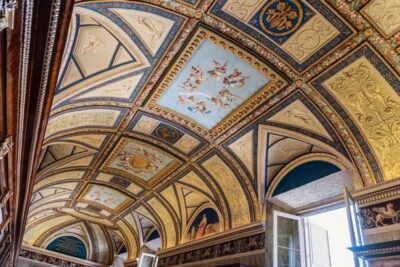
The Gallery of the Candelabra is one of the long ceremonial galleries on the route. Its name comes from the large marble candelabra displayed along the corridor, but the space also contains sculptures, painted decoration, and other objects from the papal collections.
This is where the scale of the Vatican Museums begins to sink in. You are not moving through a single compact exhibition. You are walking through a long sequence of connected rooms and corridors, each designed to display art and signal the power of the institution that collected it.
I find a guide particularly useful in a gallery like this because it is easy to hurry through without knowing what deserves your attention. Look up as well as ahead. The ceiling decoration and architectural setting are part of the experience, not just a backdrop for the sculptures.
The tradeoff is that the corridor may feel crowded, especially during the high season. Keep close enough to hear through your headset, and do not stop in the center of the walking flow.
More ways to visit the Vatican:
- Rome: Vatican Museums, Sistine Chapel & Basilica Tour
★ 4.3 · 13,872 reviews - Vatican Museums & Sistine Chapel Skip-the-Line Entry Ticket
★ 4.4 · 13,838 reviews - Rome: Vatican Museums, Sistine Chapel & Basilica Tour
★ 4.7 · 13,217 reviews - Skip-the-Line Group Tour of the Vatican, Sistine Chapel & St. Peter’s Basilica
★ 4.5 · 12,779 reviews
The Gallery of Tapestries and the Gallery of Maps
The Gallery of Tapestries is another long passage filled with large wall hangings and decorative details. These works were made to be seen at a distance, so the full effect comes from their size, color, and placement within the gallery.
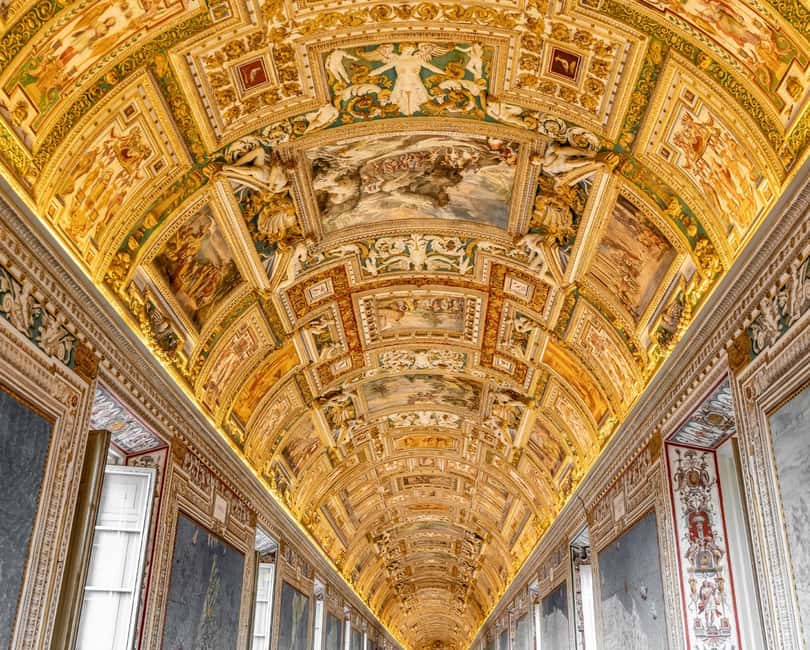
The Gallery of Maps is often one of the most striking sections of the visit. Its walls are covered with painted maps of Italian regions and territories. Even if you are not studying every geographical detail, the room gives you a powerful sense of how Italy was represented before modern maps and satellite views.
I like this part of the route because it connects art with practical ideas about place, borders, and power. The maps are not simply decoration. They show how geography could be displayed inside a papal palace and how much effort went into presenting territory as something that could be measured and understood.
These galleries can also be crowded and difficult to cross at your own speed. The headsets help you keep up with the guide without standing shoulder to shoulder beside the group. You will want to pause when possible, but the tour schedule means you should not expect a quiet, empty corridor.
Reaching the Sistine Chapel
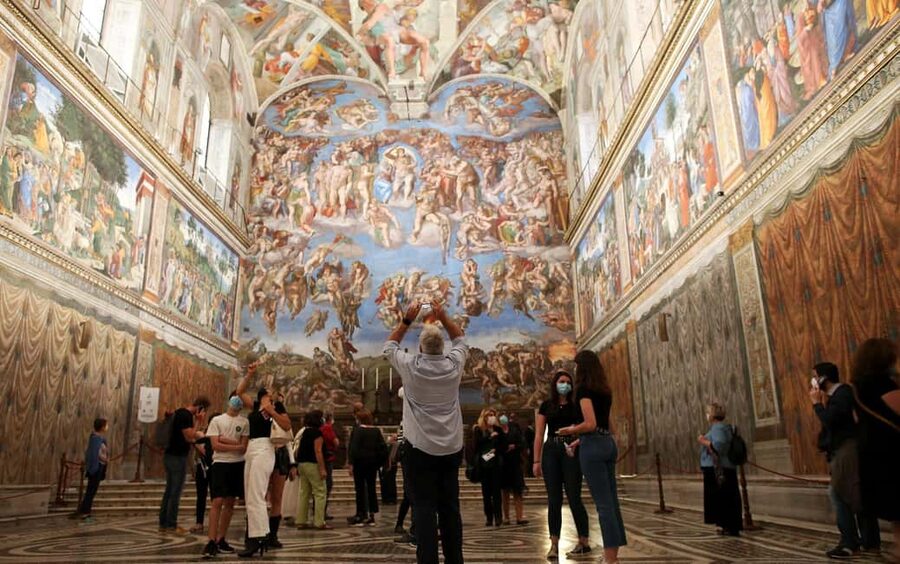
The Sistine Chapel is the emotional high point of the tour. By the time you reach it, you have passed through ancient sculpture, formal galleries, decorative arts, and painted maps. That progression makes Michelangelo’s work feel like the culmination of a larger story about the Vatican’s collection.
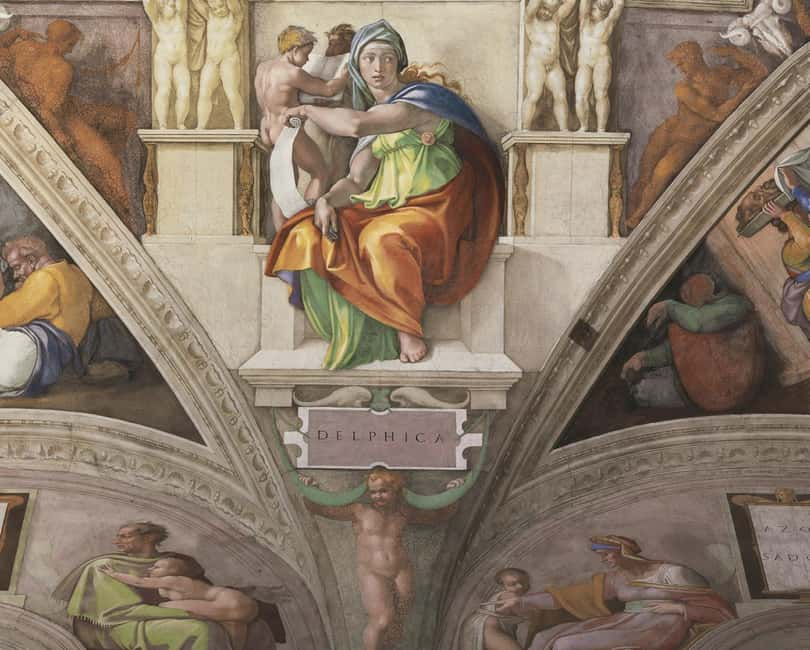
The chapel’s ceiling contains Michelangelo’s scenes from the Bible, including the famous Creation imagery. The Last Judgment fills the wall behind the altar with a huge, forceful scene of heaven, hell, and human fate.
Your guide provides the explanation before or around the chapel visit, then gives you time to look. The chapel is a place where you need to use your own eyes. Stand still when you can, look upward, and take in the whole ceiling before focusing on individual figures.
There are important limits here. The Sistine Chapel is a religious site, so you must follow its rules and dress appropriately. Shoulders and knees must be covered. Photography and general visitor behavior may also be controlled inside, though the supplied information does not specify every chapel rule.
The Sistine Chapel can be crowded, and the visit is not designed as a private, silent viewing. Still, having someone explain the major scenes before you enter can make the ceiling far easier to read. Without preparation, it is easy to see only famous fragments. With a guide, you can connect the scenes and understand why the work matters.
Guides, headsets, and the small-group setup
The tour is offered in English, Italian, French, Spanish, and Portuguese. A live guide leads the visit, and each participant receives a headphone set so the commentary remains clear while the group moves through busy rooms.
The headsets are more important than they sound. The Vatican is a large, noisy place, and a guide speaking to 10 people without audio equipment would be easy to miss. The system lets you look at the art while still following the explanation.
The small group limit is another practical advantage. A group of 10 is still large enough to have different interests, but it is far easier to keep together than a coach-sized crowd. You may also have a better chance to ask a question or hear a short explanation about a work that catches your eye.
Specific guides named in the feedback include Sarah, Silvia, and Dané. Sarah was singled out for professional, interesting commentary, while Silvia was praised for clear, helpful service. Dané was remembered for making the visit feel short because of a passionate approach. Guide assignments can change, so you should not book on the assumption that one particular person will lead your departure.
Time, comfort, and practical limits
A 2.5-hour visit is long enough to cover the main route but short for a museum this size. You should think of it as a focused introduction. It gives you the major ancient sculptures, the principal galleries, and the Sistine Chapel without asking you to spend an entire day inside.
The pace may feel quick if you want to read every label or stop at every painting. That is the unavoidable compromise of a highlights tour. You trade freedom for structure, and you trade a slower personal visit for an efficient path through the most famous sections.
Wear comfortable shoes. The information provided does not list a specific footwear rule, but the route covers several museum areas and involves steady walking. Bring a passport or ID card, with a copy accepted, and bring a student card if you plan to use one. Keep weapons and sharp objects out of your bag.
The tour is not suitable for wheelchair users. If accessibility is important for your visit, you should choose an option designed for your needs rather than assume this route can be adapted.
Food and drinks are not included. There is no hotel transportation either, so plan your arrival and departure independently. Reserve and pay later is available, and you can cancel up to 24 hours before the activity for a full refund. That flexibility is useful when your Rome schedule is still shifting.
Who will get the most from this Vatican tour
I would choose this tour for a first visit, a short stay in Rome, or a day when you want the Vatican handled in a clear order. It suits you if the thought of navigating a huge museum alone feels tiring or if you want context for the major works rather than simply walking past them.
It is also a good fit if hearing the guide clearly matters to you. The small group and headsets address two common problems with museum tours: losing sight of the guide and missing half the commentary.
Families and mixed-interest groups may appreciate the structured route, though the 2.5-hour length and crowd levels can test younger children. The tour is also useful for anyone who wants to see the Sistine Chapel but does not want to spend hours researching the museum before arrival.
I would hesitate if you want a quiet, unhurried art study session. The Vatican can be crowded, security can delay entry, and the guide must keep the group moving. You also need to follow the dress code and arrive early without exception.
Should you book the $95.78 experience?
Book it if you value organization, explanation, and priority entry more than the lowest possible ticket price. The Vatican Museums are too large to treat as a casual pop-in, and a good guide can save you from wandering past major works without understanding why they matter.
The strongest reasons to choose this option are the limited group size, headsets, authorized guide, and clear route through the ancient sculpture rooms, major galleries, and Sistine Chapel. The main cautions are the price, possible security delays, crowds, brisk pace, and lack of wheelchair suitability.
If Sarah, Silvia, or Dané is assigned to your departure, you may receive the lively, personal style that made those guides memorable. Since assignments are not guaranteed, focus your decision on the tour’s format rather than a particular name.
For a first Vatican visit, I think the price can be fair, especially when your Rome schedule is tight. For repeat visitors who already know the route, a slower museum visit may be the better choice.
FAQ
How long does the Vatican tour last?
The tour lasts 2.5 hours. Starting times vary, so you need to check availability for the date you want.
Where does the tour begin?
You check in at the Habemus Tours office at Via Del Mascherino 37/41. The guide then escorts the group to the Vatican Museums.
How early should I arrive?
Arrive 30 minutes before your booked departure time. Late arrivals cannot join the group, reschedule, or receive a refund.
What languages are available?
Live guided tours are available in English, Italian, French, Spanish, and Portuguese.
Is food or hotel transportation included?
No. Hotel pickup and return service, food, and beverages are not included. The activity ends back at the meeting point.
What should I wear to the Vatican?
You must dress appropriately for a religious site. Your shoulders and knees must be covered, and short skirts and sleeveless shirts are not allowed.
Is the tour suitable for wheelchair users?
No. The activity is listed as not suitable for wheelchair users.
More Museums in Rome
- Rome: Vatican Museums & Sistine Chapel Guided Tour
★ 4.3 · 12,117 reviews - Rome: Vatican Museums & Sistine Chapel Skip-The-Line Ticket
★ 4.2 · 11,708 reviews - Vatican Museums & Sistine Chapel Skip-the-Ticket-Line Tour
★ 4.3 · 10,486 reviews - Vatican Museums, Sistine Chapel & St Peter’s Basilica Tour
★ 4.6 · 10,222 reviews
Newest reviews from Rome
- ROME:Colosseum & Ancient Rome – private/small group TOUR★ 5.0 · 24 reviews
- Off the Beaten Track in Rome: Rione VI Parione Private Tour★ 5.0 · 24 reviews
- Cinematic Photoshoot in Rome★ 5.0 · 24 reviews
- Rome: Best of Colosseum and Roman Forum Small Group Guided Tour★ 4.5 · 24 reviews
- private tour: Vatican Museums, Sistine Chapel, St. Peter’s Basilica★ 4.5 · 24 reviews
- The Labyrinth of Rome between catacombs and ancient quarries★ 4.5 · 24 reviews
- Vatican and Trionfale Market Tour with Wine and Food Tasting★ 5.0 · 24 reviews
- Colosseum guided tour with Virtual Reality★ 5.0 · 24 reviews
Vatican Museums & Sistine Chapel, compared.
Vatican Museums & Sistine Chapel Tour with Optional Basilica
Read our review →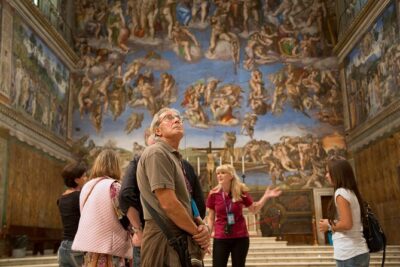
Vatican Museums, Sistine Chapel & St Peter’s Basilica Guided Tour
Read our review →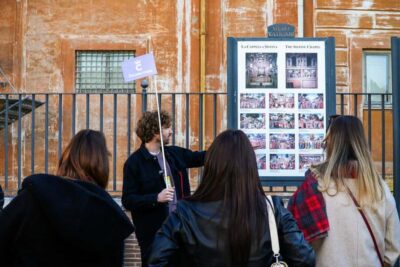
Vatican Museums, Sistine Chapel & Basilica Tour
Read our review →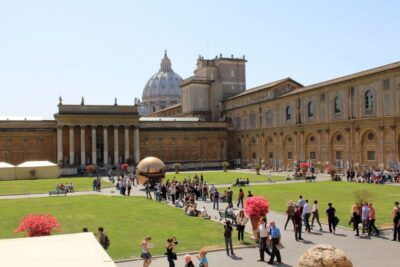
Vatican Museums & Sistine Chapel Skip-the-Line Entry Ticket
Read our review →Vatican Museums, Sistine Chapel & Basilica Tour
Read our review →
Skip-the-Line Group Tour of the Vatican, Sistine Chapel & St. Peter’s Basilica
Read our review →