

Reviewed · ROME
10 Wonders of Rome in 3 hrs
Rome reveals itself quickly on this three-hour walking tour, which links the Colosseum, Pantheon, Trevi Fountain, Spanish Steps, and several less obvious landmarks in one energetic route. It is less about entering monuments and more about learning how Rome’s layers fit together while moving through its streets.
I like the small groups of up to 12 and the way the guides make the walk active rather than turning it into a long lecture. I also like the coffee stop, photo help, quizzes, and practical advice about the subway, restaurants, gelato, and the rest of your Rome visit. The main catch is simple: you walk for three hours, and the final panoramic viewpoint requires stairs.
- Ten major sights in one route: See Rome’s best-known landmarks along with the Temple of Hadrian, Marcus Aurelius’ Column, the Gregorian University, and a final viewpoint.
- Guides with different strengths: Joseph is praised for storytelling and humor, Drita for art history and warm explanations, and Isuf for quizzes, photos, and lively teaching.
- No monument interiors: Admission is not included, so this is an orientation walk rather than a substitute for a Colosseum or Pantheon visit inside.
- Coffee and local advice: Your guide treats you to Italian espresso and can help with food, gelato, transport, and planning later days.
- Morning or afternoon departures: You can fit the walk into different sightseeing plans, though schedule changes are possible.
- Good first-day choice: The route helps you get your bearings before tackling Rome’s museums and archaeological sites in greater depth.
In This Review
- A Fast Introduction to Rome’s Big Sights
- Starting at the Colosseum
- Walking Via dei Fori Imperiali to the Vittoriano
- The Pantheon and a Well-Timed Espresso
- A Brief Look at the Gregorian University
- Trevi Fountain and the Practical Rome Break
- The Temple of Hadrian and Marcus Aurelius’ Column
- Spanish Steps and the Final View
- What the Guides Add
- Small Group Size and Walking Pace
- Who Gets the Best Value
- Should You Book the 10 Wonders Walk?
- FAQ
- How long does the 10 Wonders of Rome tour last?
- Where does the tour begin?
- Where does the tour end?
- Does the tour enter the Colosseum or other monuments?
- What sights are included?
- Is coffee included?
- How many people can join the tour?
- Is the walk suitable for everyone?
A Fast Introduction to Rome’s Big Sights
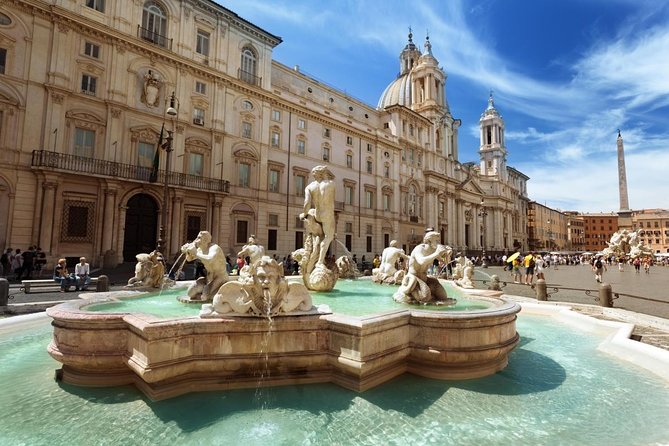
At $48.39 per person, this tour sits in the reasonable range for a guided city walk, especially with an official guide, a small group, and a coffee included. You are paying for interpretation, route planning, photo assistance, and practical help, not for entry tickets.
That distinction matters. The Colosseum, Pantheon, and other monuments are viewed from outside, so you should not book this expecting priority access or a guided visit through ancient interiors. Think of it as a well-organized first look at central Rome, followed by independent visits to the places that catch your interest.
I find this format particularly useful if Rome feels overwhelming. In three hours, you can identify the sights you want to revisit, learn how the central streets connect, and gather tips that make the rest of your stay easier.
Starting at the Colosseum
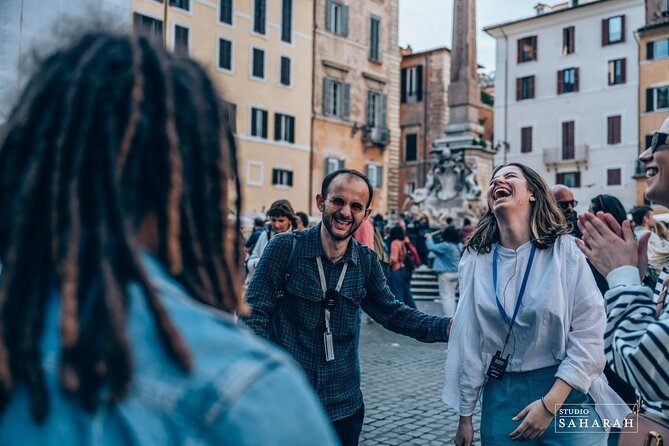
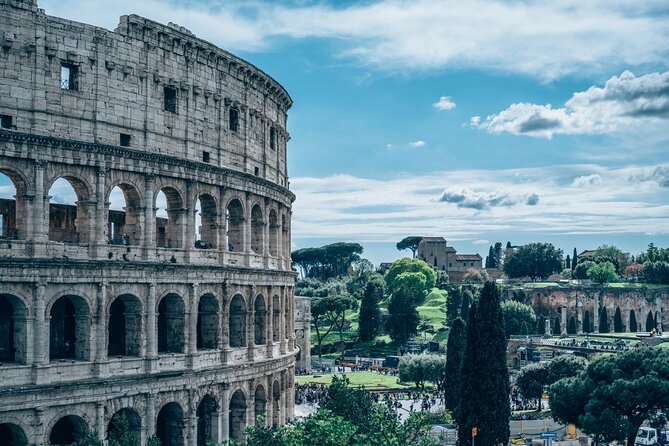
The meeting point is on Via del Monte Oppio, near the Colosseum. The walk begins with one of Rome’s most recognizable buildings, but the stop is brief, about 15 minutes, and does not include admission.
That short opening is useful for orientation. You get time to take photographs and hear the guide explain the importance of the amphitheater before leaving the crowds around it. You will not explore the arena, underground levels, or upper tiers, so plan a separate ticketed visit if those are on your list.
I like beginning here because the Colosseum gives the tour an immediate sense of scale. Rome’s ancient center is not an isolated museum district. It is woven into modern roads, churches, government buildings, cafés, and everyday city life.
The walk then passes along a beautiful street before reaching the next major area. The exact street is not specified, so do not book this portion expecting a named attraction. Its value is in seeing Rome between the headline sights.
Tours travellers often pair with this one in Rome:
- Vatican: Museums & Sistine Chapel Entrance Ticket
★ 4.5 · 144,003 reviews - Vatican Museums & Sistine Chapel Tour with Optional Basilica
★ 4.3 · 67,413 reviews - Vatican Museums, Sistine Chapel & St Peter’s Basilica Guided Tour
★ 4.5 · 39,149 reviews
Walking Via dei Fori Imperiali to the Vittoriano
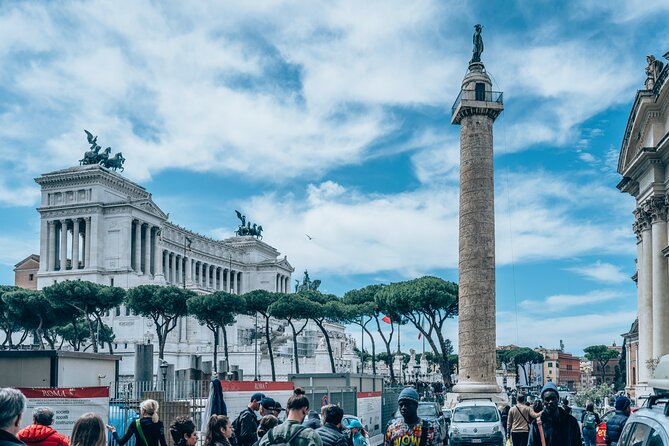
The route continues along Via dei Fori Imperiali, the grand avenue associated with Mussolini’s redevelopment of central Rome. From there, you reach Piazza Venezia and the Monumento a Vittorio Emanuele II, also called the Altar of the Fatherland or the Vittoriano.
The stop lasts around 10 minutes and focuses on photographs and explanation from outside. This enormous white monument carries strong national symbolism, and the guide helps place it within modern Italian history rather than treating it as just another photo backdrop.
This is one of the useful features of the walk: you are not seeing only ancient Rome. The route connects imperial monuments with later political and national symbols. That wider view helps explain why central Rome can feel visually crowded, with layers from different centuries sharing the same few blocks.
The Vittoriano is also a good photo stop because of its broad facade and prominent position near Piazza Venezia. Your guide may help you find a better angle, a service several participants valued throughout the route.
The Pantheon and a Well-Timed Espresso
The Pantheon is the next major stop, with about 15 minutes for discussion and photographs. It still functions as a church, a detail that makes the building more than an ancient shell.
The tour does not include entry, and the short stop cannot cover every architectural detail. Still, the Pantheon is one of the places where a brief explanation can add real value. Its continued religious use also gives you a reason to return on your own if you want to see the interior.
Near the Pantheon, the guide treats the group to Italian espresso. This is a small touch, but it breaks up the walking and gives you a chance to ask questions. It also makes the tour feel less like a march from one landmark to the next.
Gelato fans may want to note Fiocco di Neve near the Pantheon, which the guide points out as a nearby option. The tour does not promise a gelato tasting, but having a named stop for later is useful when you are planning your own wanderings.
A Brief Look at the Gregorian University
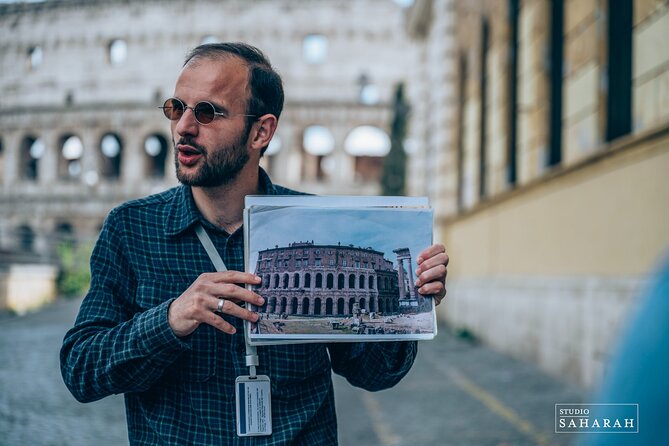
The route passes the Pontifical Gregorian University, identified as the first university founded by Jesuits. The stop is about 10 minutes.
This is not one of Rome’s most famous postcard locations, which is precisely why it helps broaden the walk. You get a glimpse of the city’s religious and academic life, not just its ancient monuments and fountains.
The guide’s role matters here. Without context, you might walk past the building without noticing its importance. With a short explanation, an ordinary-looking stretch of the route becomes part of Rome’s larger story.
Guides Joseph, Drita, and Isuf have each been praised for keeping these explanations lively. Drita’s art history background suits visitors who want more visual and cultural context. Joseph is known for warm storytelling and practical advice, while Isuf uses questions and quizzes to keep the group involved.
A completely different way to spend the day in Rome:
- Rome: Colosseum, Palatine Hill and Roman Forum Guided Tour
★ 4.8 · 32,814 reviews - Rome: Guided Tour of Colosseum, Roman Forum & Palatine Hill
★ 4.7 · 27,897 reviews - Rome: Colosseum & Forum with Audio Guide App -Optional Arena
★ 4.2 · 24,770 reviews - Rome: Colosseum, Roman Forum and Palatine Hill Guided Tour
★ 4.5 · 23,903 reviews
Trevi Fountain and the Practical Rome Break
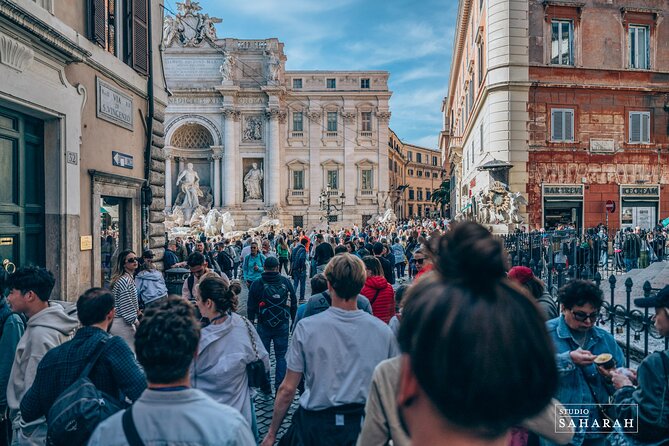
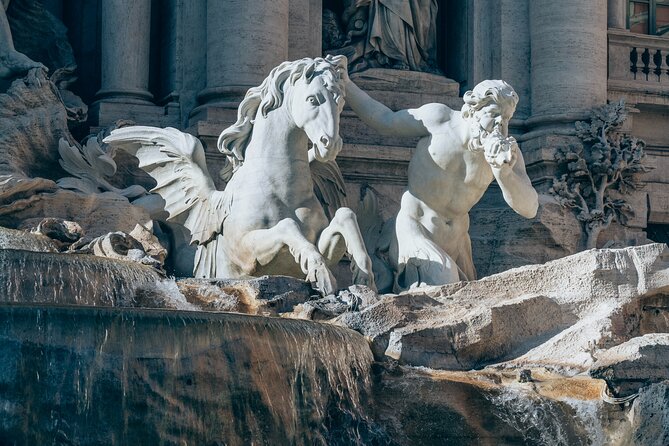
The Trevi Fountain receives about 15 minutes, and admission is free. This is a compact stop, so expect photographs, a clear explanation, and time to take in the fountain rather than a long pause beside the water.
The fountain is one of Rome’s busiest sights, and a guide can be especially helpful here. You are shown useful photo positions, and several participants appreciated Joseph’s ability to take photographs and videos for the group. Drita also helped with the best viewpoints around the city.
The coffee stop and Trevi Fountain visit work well together because they give the tour a natural rhythm. You walk, stop, listen, take pictures, and move on. Isuf’s quizzes add another layer, turning the explanations into something you actively recall instead of passively hearing.
If you want to toss a coin into the fountain, bring one. Drita has even helped visitors who did not have a coin, but you should not count on that as part of the formal tour.
The Temple of Hadrian and Marcus Aurelius’ Column
Two shorter stops add texture to the central route. The Temple of Hadrian receives about five minutes, while the Column of Marcus Aurelius receives about four.
These are quick explanations rather than full site visits. The Temple of Hadrian is presented as part of Rome’s ancient remains, while the column gives you a chance to look closely at a major piece of Roman art. The brief timing means the guide needs to be clear and focused, and the tour format works best if you enjoy concise highlights rather than long academic talks.
These stops also show the advantage of walking with someone who knows what to point out. Rome often places important remains beside shops, traffic, and later buildings. You might otherwise pass them without realizing what you are seeing.
Do not expect ten equal-length lectures. The tour gives its longest attention to the largest attractions, with smaller landmarks folded into the route as short but worthwhile discoveries.
Spanish Steps and the Final View
The Spanish Steps are among the final major stops, with about 10 minutes. The staircase links the French and Spanish areas and is known for its elegant design and romantic setting.
You will see the steps from the public area and hear about their design and place in Rome’s city center. Again, this is not a long rest stop. The route keeps moving, so wear shoes that can handle uneven pavement and a full afternoon on foot.
After passing by Villa Borghese Park, the group reaches a panoramic viewpoint described as the tour’s secret final destination. The endpoint is on Viale del Belvedere, and the walk finishes with a view rather than returning to the Colosseum.
That ending gives the route a satisfying shape. You begin beside ancient Rome and finish above the center, looking back over the city. The final stairs are worth noting for anyone with limited mobility or low stamina. The tour requires moderate physical fitness, and the stair climb can be tiring after several hours of walking.
What the Guides Add
The guides are a major reason this experience works. Joseph is repeatedly praised for his humor, storytelling, photo skills, restaurant suggestions, and care for the people in his group. He also uses questions to keep the walk lively.
Drita brings art history training and an enthusiastic way of explaining the sights. Her small surprises, coin help at Trevi, coffee treat, and useful recommendations give the tour a personal feel.
Isuf is especially good for visitors who like an interactive style. His quizzes help families and younger visitors stay involved, and one parent found that he kept a 12-year-old engaged through the full walk. He also takes photographs and videos for participants.
The exact guide depends on the departure, so you cannot assume you will receive a particular person. What you can reasonably expect is an English-speaking guide and a presentation built around stories, questions, photos, and advice rather than a dry list of dates.
Small Group Size and Walking Pace
The maximum group size is 12. That is small enough for you to hear the guide more easily and ask questions without feeling lost in a crowd. It also helps when the group stops for photos or needs a brief restroom break.
The pace is described as manageable, with short pauses and a coffee break. Still, three hours on Rome’s streets is a real walk. The route includes stairs near the end, and the tour is best for people with moderate fitness.
Bring comfortable shoes, water, and protection from the sun if the weather is warm. The experience includes Wi-Fi, though the main benefit is having a guide who can help you understand the city and plan the rest of your time.
Morning and afternoon options make scheduling easier. Some visitors have used the tour on their first afternoon in Rome, while others have chosen it as an early orientation. If your schedule is tight, remember that the activity can be shifted from morning to afternoon because of Italian authorities, which happened to one booking and made the original time unsuitable.
Who Gets the Best Value
This walk suits a first-time visitor who wants a clear introduction before visiting museums and monuments in depth. It is also a good choice if you have only half a day, or if you prefer learning through conversation rather than reading a guidebook while walking alone.
Families with older children may enjoy the quiz format and short stops. The minimum age is 11, although babies under two can participate free. The route can also suit solo visitors and couples who want help with photos and restaurant choices.
It is less suitable if your main goal is entering the Colosseum or Pantheon. You should also think twice if you dislike group walks, cannot manage several hours on foot, or need a fully step-free route.
The $48.39 price is fair when you use the tour as a city orientation. You receive a three-hour guided route, coffee, small-group attention, Wi-Fi, photo help, and advice that can shape the rest of your stay. The value drops if you already know central Rome well or plan to see only interiors.
The cancellation terms are strict: the experience is non-refundable and cannot be changed after booking. A full refund is offered if the operator cancels because the minimum number of participants is not reached, but you should be certain of your schedule before paying.
Should You Book the 10 Wonders Walk?
Book this if you want to get your bearings fast, see Rome’s central highlights, and learn how the ancient, religious, artistic, and modern parts of the city connect. It is especially smart for your first day, when practical tips about the subway, food, coffee, gelato, and later sightseeing can save time.
Skip it if you want monument interiors, long stops at each site, or a slow stroll with few scheduled points. For everyone else, this is a lively and efficient introduction to Rome, with enough personality to make three hours of walking pass quickly.
FAQ
How long does the 10 Wonders of Rome tour last?
The walking tour lasts approximately three hours.
Where does the tour begin?
The meeting point is Via del Monte Oppio, 3, 00184 Roma RM, near the Colosseum.
Where does the tour end?
The walk ends at Viale del Belvedere, 00187 Roma RM, at the final panoramic viewpoint.
Does the tour enter the Colosseum or other monuments?
No. The tour views the monuments from outside, and admission tickets are not included.
What sights are included?
The route includes the Colosseum, Monumento a Vittorio Emanuele II, Pantheon, Pontifical Gregorian University, Trevi Fountain, Spanish Steps, Temple of Hadrian, Column of Marcus Aurelius, Villa Borghese Park area, and a final panoramic viewpoint.
Is coffee included?
Yes. The guide treats the group to Italian espresso during the stop near the Pantheon.
How many people can join the tour?
The tour has a maximum of 12 travelers.
Is the walk suitable for everyone?
Participants should have a moderate level of physical fitness. The walk lasts three hours and includes stairs near the final viewpoint. The minimum age is 11, while babies under two can participate free.
Newest reviews from Rome
- Rome: Vatican Museums & Sistine Chapel Skip-the-Line Ticket★ 4.4 · 148 reviews
- Shared Shuttle Transfer from Rome to Civitavecchia Port★ 5.0 · 148 reviews
- Rome: Crypts & Catacombs After Hours Tour with Bone Chapel★ 4.6 · 149 reviews
- Ghosts Legends and Mysteries of Rome Walking Tour★ 5.0 · 149 reviews
- Skip the Line: Vatican and Sistine Chapel with Guided Tour★ 4.0 · 149 reviews
- Tivoli: Villa Gregoriana Entrance Ticket★ 4.7 · 150 reviews
- Pizza and Tiramisu Cooking Class in Rome, Piazza Navona★ 5.0 · 150 reviews
- Appian Way E-bike Tour with Gourmet Picnic and Catacombs★ 4.5 · 150 reviews