Reviewed · VATICAN MUSEUMS & SISTINE CHAPEL
Guided tour of the Vatican Museums and Sistine Chapel in Spanish
The Sistine Chapel is the prize here: Michelangelo’s ceiling and Last Judgment give you a powerful look at Renaissance art, even when the Vatican corridors are packed. I like the Spanish-speaking guide and the skip-the-line entry, which save time and make the art easier to read.
The main drawback is the crowd. The tour can feel brisk, with museum staff urging groups onward. If you want long, quiet pauses before every painting, three hours in a group of up to 20 may feel tight.
In This Review
- Key points to know before booking
- What this Vatican tour really gives you
- Meeting at Viale Giulio Cesare
- Entering the Vatican Museums without the long wait
- The Vatican Museums: 2 hours and 30 minutes of art
- The Sistine Chapel and Michelangelo’s ceiling
- Guides make the difference
- The crowd problem you should expect
- Who will get the most value
- Booking value and cancellation terms
- Should you book this Spanish Vatican tour?
- FAQ
- How long does the Vatican tour last?
- Is the tour conducted in Spanish?
- What sites are included?
- Is St. Peter’s Basilica included?
- Does the tour include skip-the-line entry?
- Are headphones provided?
- How large is the group?
- Where does the tour start and end?
- What should I wear and bring?
Key points to know before booking
- Sistine Chapel focus: Spend about 20 minutes with Michelangelo’s ceiling and the Last Judgment.
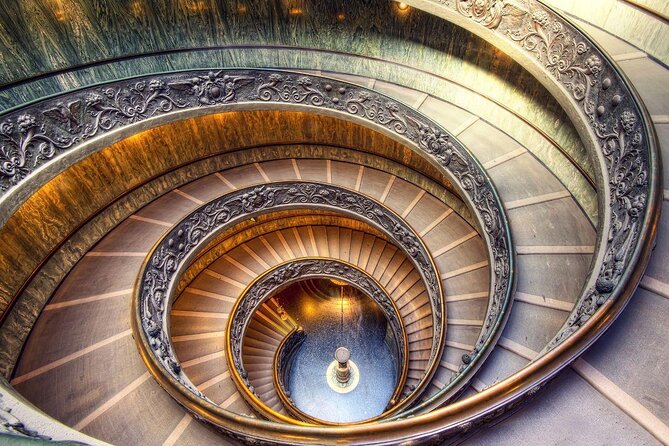
- Major Vatican highlights: See the Pinecone Courtyard, Laocoön, Candelabra Gallery, Maps Gallery, Tapestries, and possibly Raphael’s Rooms.
- Spanish commentary: Guides such as Juan-Miguel, Elena, Monica, Patricia, and Francesca have been praised for clear art and history explanations.
- Small-group format: The group has a maximum of 20 people, with headphones supplied.
- Time-saving entry: Skip-the-line tickets help you avoid the long general admission queues.
- Practical limits: Wear covered shoulders and long skirts or pants. Large bags, umbrellas, and sharp objects are not allowed.
What this Vatican tour really gives you
For $110.47 per person, this is not simply an admission ticket. You are paying for an organized visit, a Spanish-speaking guide, headphones, and a way through one of Rome’s most difficult entry lines.
That matters at the Vatican. The museums hold far more art than you can absorb in one visit, and the route can feel like a grand parade of sculpture, painted ceilings, maps, and church decoration. Without a guide, you may spend much of your time asking what you are looking at and where you should go next.
The tour lasts about three hours. That is long enough to cover the major rooms without turning the Vatican into an all-day endurance test. It is also short enough to fit beside a visit to St. Peter’s Basilica, Castel Sant’Angelo, or another Rome sight.
I see the price as reasonable for a first Vatican visit if you value structure and Spanish explanations. It is less appealing if you already know the collection well, prefer an audio guide, or want to set your own pace. The fee does not include lunch or transport to the meeting point.
More Vatican Museums and Sistine Chapel entries:
- Vatican: Museums & Sistine Chapel Entrance Ticket
★ 4.5 · 144,003 reviews - Vatican Museums & Sistine Chapel Tour with Optional Basilica
★ 4.3 · 67,413 reviews - Vatican Museums, Sistine Chapel & St Peter’s Basilica Guided Tour
★ 4.5 · 39,149 reviews
Meeting at Viale Giulio Cesare
The tour starts at Viale Giulio Cesare, 138, in the Prati area near the Vatican Museums. The location is close to public transportation, but you are responsible for getting there yourself.
Arrive on time, or a few minutes early. This is more important than it sounds. The group entry begins at a fixed time, and the guide is expected to keep moving so the full three-hour visit remains intact. Arriving late can mean missing the group and losing much of the value of a skip-the-line booking.
You receive confirmation when you book, and the activity accepts mobile tickets. Keep the ticket easy to reach on your phone. You will also want to dress for the religious setting before you leave your hotel.
The Vatican requires covered shoulders and long skirts or pants in places of worship. Large umbrellas, oversized backpacks, and sharp objects cannot be carried inside. A small, sensible bag is the safer choice.
Entering the Vatican Museums without the long wait
The biggest practical advantage is the ticket arrangement. You can avoid the long general admission queues that form outside the Vatican Museums, giving you more of your limited Rome time for the collection itself.
Skip-the-line entry does not mean the building will be empty. Once inside, you still face security checks, narrow corridors, tour groups, and a steady flow of people. The ticket saves time at the entrance, not silence in the galleries.
That distinction is important. The Vatican is a major destination, and the crowd affects the experience even with a good guide. Museum staff may direct groups forward, and you may not always be able to stop exactly where you want.
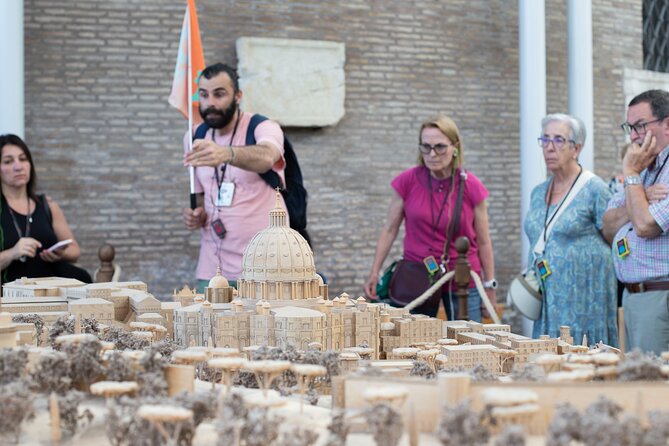
The headphones help here. In a crowded room, a guide speaking at normal volume can easily disappear under the noise. With the headset, you can stay close enough to see the guide while listening to the explanation more clearly.
The Vatican Museums: 2 hours and 30 minutes of art
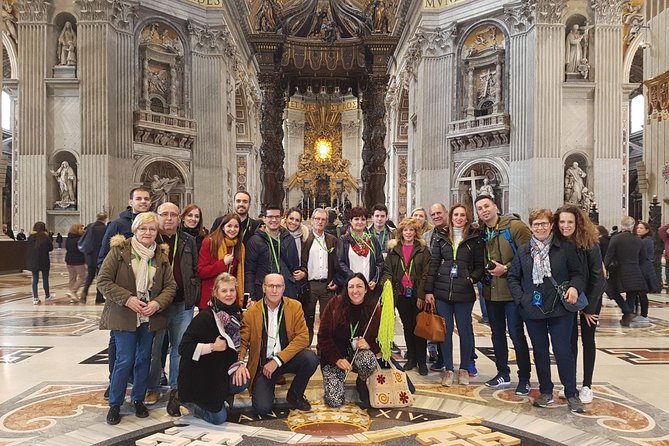
Most of the visit is devoted to the Vatican Museums, with about two and a half hours set aside for the galleries and courtyards. The route introduces you to several of the collection’s major sections rather than trying to cover every room.
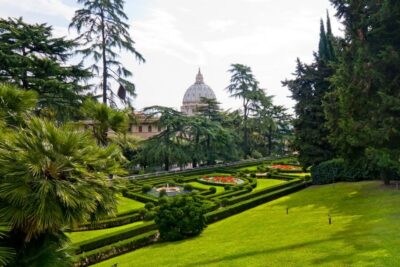
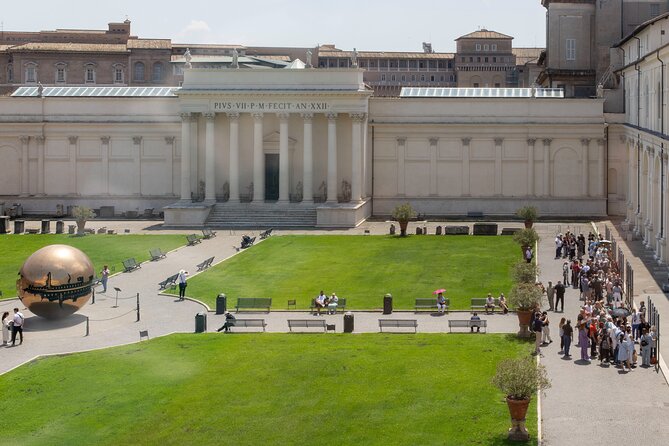
You begin with the Vatican setting, including the gardens and the Pinecone Courtyard. The courtyard takes its name from the large bronze pinecone sculpture displayed there. It offers a useful pause before the indoor galleries and gives you a sense of the Vatican as both a museum complex and a working religious center.
The ancient sculpture collection is one of the tour’s key stops. The Laocoön is especially important. This dramatic sculpture of Laocoön and his sons attacked by sea serpents has long been treated as one of the great works of ancient art. A guide can point out the movement, expressions, and physical strain that make the group so gripping.
That context is where a Spanish tour earns its keep. The guide can explain not only what the sculpture depicts, but also why it mattered to Renaissance artists and patrons. You do not need a degree in art history, but a few well-chosen details can turn a famous object into something you actually remember.
The Candelabra Gallery follows with its classical sculpture, decorative ceilings, and long perspective. Then comes the Maps Gallery, one of the most distinctive corridors in the Vatican Museums.
The painted maps show Italian regions from an earlier age, arranged along a lengthy gallery. They are not modern maps, of course, but they offer a fascinating view of how geography, politics, faith, and decoration came together in a papal palace. Look up as much as you look ahead. The ceilings are part of the show.
The Tapestries Gallery adds another change of mood. Large woven scenes cover the walls, and the scale of the work can be hard to grasp in photographs. The woven surfaces carry color and detail in a way that painted reproductions cannot quite match.
Raphael’s Rooms may be included when visitor flow allows. This is a key qualification, not a minor footnote. The route and timing depend on how crowded the museums are, so you should treat the Raphael rooms as a possibility rather than a guaranteed stop.
If you do reach them, the rooms are among the Vatican’s most celebrated spaces. Raphael and his workshop created frescoes that helped define the ideal of Renaissance painting for generations. Your guide can help you focus on the major scenes instead of trying to take in every figure, border, and architectural detail at once.
The tradeoff is pace. A group tour must keep moving, and you may be guided along before you have fully finished studying a room. If you love to linger, bring your own plan for returning to favorite sections on another visit.
More ways to visit the Vatican:
- Rome: Vatican Museums, Sistine Chapel & Basilica Tour
★ 4.3 · 13,872 reviews - Vatican Museums & Sistine Chapel Skip-the-Line Entry Ticket
★ 4.4 · 13,838 reviews - Rome: Vatican Museums, Sistine Chapel & Basilica Tour
★ 4.7 · 13,217 reviews - Skip-the-Line Group Tour of the Vatican, Sistine Chapel & St. Peter’s Basilica
★ 4.5 · 12,779 reviews
The Sistine Chapel and Michelangelo’s ceiling
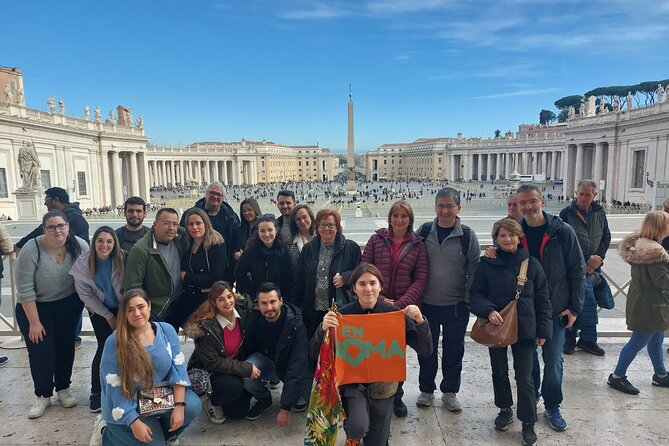
The Sistine Chapel receives about 20 minutes in the stated schedule. That may sound brief, but it is enough time to look upward, find the famous scenes, and hear the guide explain the chapel’s role in Renaissance art.
Michelangelo’s ceiling presents scenes from the Book of Genesis, including the Creation of Adam. At the far end, the Last Judgment fills the altar wall with a huge, crowded vision of humanity facing divine judgment.
The chapel is not only about Michelangelo. Other Renaissance painters contributed important frescoes, and the decoration forms a broad visual account of Christian history and belief. The guide can help you notice the works beyond the familiar image of two hands nearly touching.
Silence is required inside the chapel, and photography rules apply. Your guide will explain the proper behavior, but you should expect the chapel to be a place for looking rather than conversation. The quiet can be difficult to find when the room is full, yet the scale of the frescoes still comes through.
The 20-minute estimate is best understood as a focused introduction. You will have time to admire the ceiling and walls, but not unlimited time to sit and study each panel. The chapel is the part of the visit most likely to leave a strong impression, while the museum route supplies the context that leads you there.
One important point: the Sistine Chapel is included, but St. Peter’s Basilica is not listed as a tour stop. The official end point is St. Peter’s Square. Do not assume that this booking includes a guided visit inside the basilica.
Guides make the difference
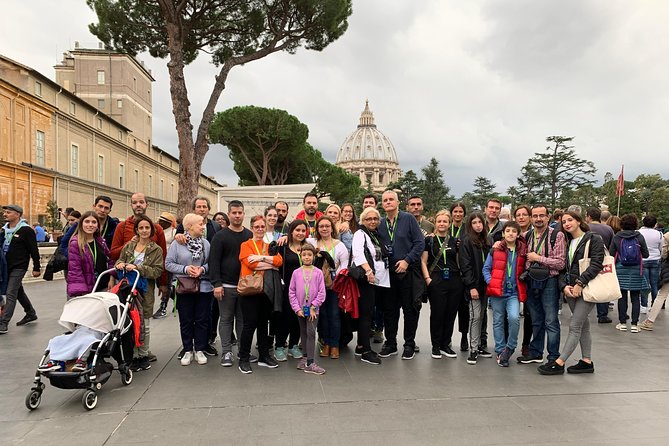
The guide quality can shape the entire morning. Strong guides on this tour have included Juan-Miguel, Elena, Monica, Patricia, and Francesca, with praise directed at their explanations of Vatican history, artists, and the people connected to the buildings and artworks.
Juan-Miguel has been singled out for detailed accounts of the Vatican and its art, along with skill at managing the crowds. Elena has been noted for her preparation and clear descriptions during the route before the Sistine Chapel. Monica has been praised for making a large group feel close and organized.
Those names do not guarantee who will lead your departure. Guide assignments can change. Still, the pattern is useful: the best part of the tour is likely to be the human explanation, not simply the ticket.
A good guide will keep you oriented, tell you where to look, and add stories about the artists and figures represented in the works. The guide may also help when the museum becomes frustratingly crowded. One guide even helped a family get museum staff assistance when a child became ill, which shows the practical value of having a responsible person with you in a huge complex.
The crowd problem you should expect
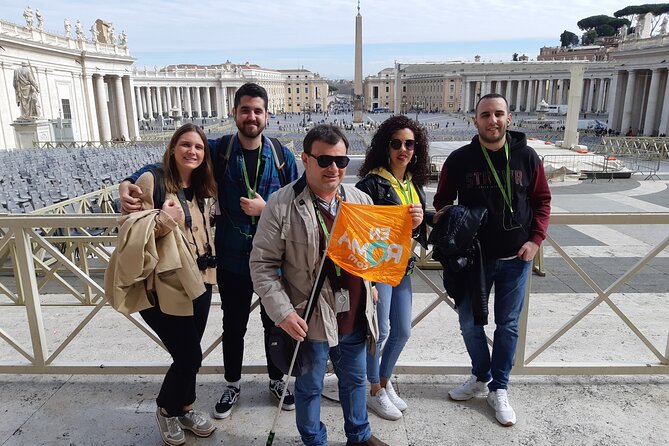
The Vatican is spectacular, but it is not calm. The halls can become packed, and the constant movement may make it hard to enjoy every room at your preferred speed.
This is the central weakness of the experience. Even a capable guide cannot control the number of people inside the museums or the instructions from security staff. If the flow slows, the tour can lose time. If it speeds up, you may wish for another five minutes with a sculpture or ceiling.
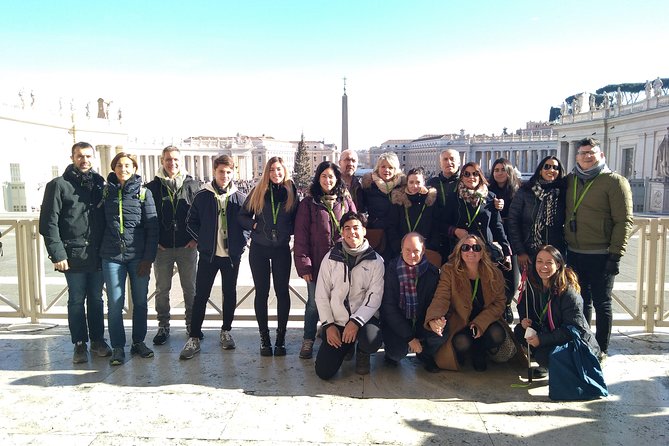
I would not book this expecting a private-feeling museum visit. The maximum group size is 20, which is much easier to manage than a very large coach group, but it is still a group. Stay close to the guide, pay attention to the headset, and keep the group in sight when the corridors become crowded.
The upside is that the guide can make the crowd less confusing. You are not left to work out the route alone, and you can focus on the most important works instead of trying to see every room.
Who will get the most value
This tour is a good fit for you if Spanish is your preferred language and you want art explained as you go. It also suits a first visit, a short stay in Rome, or anyone who does not want to spend precious vacation time waiting in the entry line.
Families with older children may appreciate the three-hour length and the clear route. The tour is not designed around young children in strollers, however, and the group route does not follow the museum’s path adapted for strollers or people with mobility difficulties.
Most people can participate, but you should be ready for a long indoor visit with walking and standing. The itinerary is not adapted for visitors with mobility limitations. If that is a concern, ask the provider for a suitable arrangement before booking rather than assuming this group route will work.
I would also choose this tour if you like historical stories more than a bare list of dates and names. The strongest guides connect the art with the painters, patrons, religious subjects, and political setting. That gives the Vatican a human dimension.
Booking value and cancellation terms
The cost is $110.47 per person, and the experience is often booked about 39 days ahead. That lead time suggests you should not leave the Vatican until the last moment of a busy Rome trip.
The value depends on what you want. You pay more than the museum admission alone, but the package includes a Spanish-speaking professional guide, headphones, a small group, and skip-the-line entry. For many first-time visitors, those features justify the extra cost.
Free cancellation is available if you cancel at least 24 hours before the start time. Cancel within 24 hours, or make changes during that period, and the amount paid is not refunded. The cut-off follows local Rome time.
Should you book this Spanish Vatican tour?
Book it if you want a guided Spanish visit with the major Vatican highlights, a fixed three-hour schedule, and help getting past the main entrance queue. The guide commentary is the real reason to choose it, especially if you want to understand the Laocoön, Maps Gallery, Tapestries, Raphael’s possible rooms, and Michelangelo’s chapel rather than simply walk past them.
Skip it if crowds make you miserable, if you need a fully accessible route, or if you want to set your own pace in every gallery. The Vatican’s size and popularity cannot be wished away.
For most first visits, I would consider this a practical choice. Go in expecting crowds, arrive early, dress correctly, carry a small bag, and treat Raphael’s Rooms as a bonus. With those expectations, the tour gives you a clear path through one of Rome’s most demanding and rewarding sights.
FAQ
How long does the Vatican tour last?
The tour lasts approximately three hours. About 20 minutes are assigned to the Sistine Chapel, and about two hours and 30 minutes to the Vatican Museums.
Is the tour conducted in Spanish?
Yes. The experience includes a professional guide who speaks Spanish.
What sites are included?
The tour includes the Vatican Museums and the Sistine Chapel. The museum route includes the gardens, Pinecone Courtyard, Laocoön, Candelabra Gallery, Maps Gallery, Tapestries, and, when visitor flow allows, Raphael’s Rooms.
Is St. Peter’s Basilica included?
St. Peter’s Basilica is not listed as an included stop. The tour ends in St. Peter’s Square.
Does the tour include skip-the-line entry?
Yes. The package includes tickets that allow you to avoid the long general queues for entry to the Vatican Museums.
Are headphones provided?
Yes. Headphones are provided so you can hear the guide’s explanations more clearly.
How large is the group?
The group has a maximum of 20 people.
Where does the tour start and end?
The tour starts at Viale Giulio Cesare, 138, 00192 Rome. It ends at Saint Peter’s Square, Piazza San Pietro, Vatican City.
What should I wear and bring?
In places of worship, wear long skirts or long pants and cover your shoulders. Large umbrellas, oversized backpacks, and sharp objects are not allowed. The group route is not adapted for people with mobility difficulties or young children in strollers.
More Museums in Rome
- Rome: Vatican Museums & Sistine Chapel Guided Tour
★ 4.3 · 12,117 reviews - Rome: Vatican Museums & Sistine Chapel Skip-The-Line Ticket
★ 4.2 · 11,708 reviews - Vatican Museums & Sistine Chapel Skip-the-Ticket-Line Tour
★ 4.3 · 10,486 reviews - Vatican Museums, Sistine Chapel & St Peter’s Basilica Tour
★ 4.6 · 10,222 reviews
Newest reviews from Rome
- Fiumicino Airport Arrivals Private Transfer Free with private half day tour of Rome★ 5.0 · 23 reviews
- Full Day Tour of Rome★ 5.0 · 23 reviews
- Private Tour – Palazzo Barberini★ 5.0 · 23 reviews
- From Rome: Private Day-Tour of Tuscany★ 4.3 · 23 reviews
- Rome at the Sunset; Navona, Trevi Fountain, Pantheon and more★ 5.0 · 23 reviews
- Rome: Wonders of Ancient Rome at Dusk★ 4.8 · 23 reviews
- Private Golf Cart Twilight Tour Rome★ 4.5 · 23 reviews
- Rome Key Sights Golf Cart Tour | Private & Groups★ 5.0 · 23 reviews
Vatican Museums & Sistine Chapel, compared.
Vatican Museums & Sistine Chapel Tour with Optional Basilica
Read our review →
Vatican Museums, Sistine Chapel & St Peter’s Basilica Guided Tour
Read our review →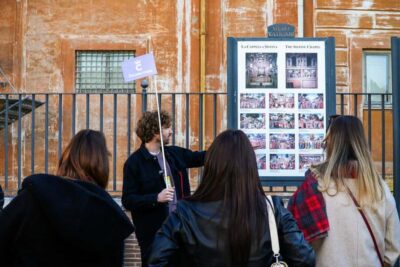
Vatican Museums, Sistine Chapel & Basilica Tour
Read our review →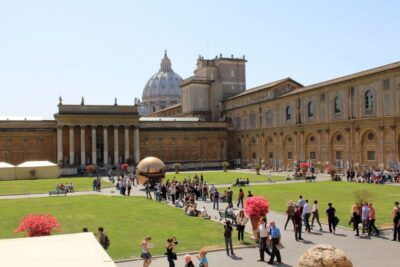
Vatican Museums & Sistine Chapel Skip-the-Line Entry Ticket
Read our review →Vatican Museums, Sistine Chapel & Basilica Tour
Read our review →
Skip-the-Line Group Tour of the Vatican, Sistine Chapel & St. Peter’s Basilica
Read our review →