
Reviewed · WALKING TOURS
Historical Walking Tour in Rome City Center with Hidden Gems
Rome’s grandest monuments come with family feuds, papal schemes, murder, corruption, and a few stories too sharp for a standard sightseeing script. This tip-based walking tour links Trajan’s Column, the Trevi Fountain, the Pantheon, and Piazza Navona with lesser-seen corners and tales of Rome’s ruling clans.
I like the way the walk pairs famous sights with Baroque optical tricks and secret passages, so you are not simply ticking off monuments. I also like the guides’ personal style: Jacopo and Jacob are praised for humor and clear storytelling, while Max is noted for his friendly, engaging approach. The main consideration is the tip system, since your $4.84 booking price is not the guide’s full pay.
In This Review
- Key points
- Rome’s power stories begin at Trajan’s Column
- Palazzo Colonna and the families behind Rome
- Santi Apostoli reveals Rome’s quieter corners
- Trevi Fountain with the story behind the spectacle
- Sant’Ignazio and Rome’s painted tricks
- The Pantheon in a five-minute stop
- Piazza Navona and the tale of La Pimpaccia
- What the low price really means
- Jacopo, Jacob, and Max set the tone
- Timing, route, and practical planning
- Who will get the most from this Rome walk
- Should you book the Historical Walking Tour in Rome City Center?
- FAQ
- How long does the walking tour last?
- Where does the tour start?
- Where does the tour finish?
- What time does the tour begin?
- Is the tour offered in English?
- Is the booking price the guide’s full payment?
- Can I cancel for a full refund?
Key points
- Roman scandal with a sense of humor: Expect stories about ambition, betrayal, crime, murder, and political power.
- A useful first-day orientation: The route covers major central sights in about 2 hours 15 minutes.
- Strong guide personalities: Jacopo, Jacob, and Max are named as engaging English-speaking guides.
- Art beyond the obvious: Sant’Ignazio offers painted illusions, while Santi Apostoli brings in crypts, family tombs, and a papal passage.
- Good value, with a catch: The listed price is very low because the walk depends on tips.
- Manageable central route: It begins near Trajan’s Forum at 11 a.m. and finishes at Piazza Navona.
Rome’s power stories begin at Trajan’s Column
The walk starts at the Church of the Most Holy Name of Mary beside Trajan’s Forum, with Trajan’s Column as the first major sight. The column dates from the second century and is free to view, but its real value on this tour is the story attached to it.
Rather than treating Ancient Rome as a row of old stones, the guide uses the monuments to explain power. Trajan’s Column is a fitting opening because it presents imperial ambition in carved scenes, showing how Rome wanted military success to be remembered. You get a quick sense of the city’s habit of turning politics into architecture.
The schedule allows about 10 minutes here. That is enough for an explanation and a look at the column, though not enough for a long study of every carved detail. If you want close-up photographs or a serious examination of the reliefs, plan to return on your own.
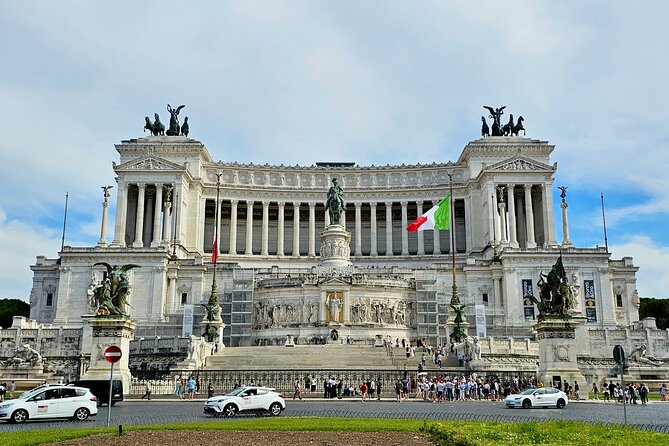
The route also passes through the heart of Ancient Rome and by a grand nineteenth-century monument representing Italian unity. The supplied details do not promise an interior visit, so think of these stops as outdoor orientation points. This is useful early in a Rome visit, when you are still getting your bearings and deciding which places deserve a separate, longer visit.
More ancient sites near Rome:
- Rome in a Day Tour with Vatican, Colosseum and Historic Center
★ 4.5 · 1,042 reviews - Rome Food Tour in the Historic Centre with 8+ Food Tastings
★ 5.0 · 1,000 reviews - Rome: Forbidden History Walking Tour & Pub Crawl with Drinks
★ 4.9 · 688 reviews
Palazzo Colonna and the families behind Rome
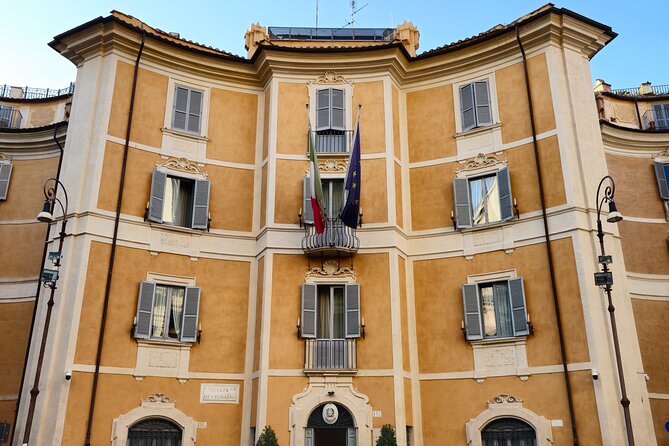
At Palazzo Colonna, the focus shifts from emperors to one of Rome’s oldest and wealthiest clans. The stop lasts only about five minutes, but the subject fits the tour’s theme perfectly: Rome was shaped not only by popes and generals, but also by families protecting status, money, and influence over generations.
This part of the walk should appeal to you if you prefer social history to a simple list of construction dates. The Colonna family gives the guide a way to explain how noble families competed, formed alliances, betrayed rivals, and stayed close to the machinery of church and state.
The short timing is also a clue. You are likely hearing a concise story from outside rather than touring the palace rooms. That keeps the walk moving, but it means you should not book this experience expecting an in-depth palace visit.
Santi Apostoli reveals Rome’s quieter corners
The Church of Santi Apostoli is one of the more unusual stops. The church is described as having frescoes, crypts, and tombs connected with the Colonna and other major Roman families. It also has a secret passage to the papal gardens, a detail that gives the stop a strong sense of intrigue.
The planned 15 minutes is longer than the time at Palazzo Colonna or the Pantheon. That makes sense. There is more to explain here, and the church connects art, burial, noble power, and papal space in one place.
The phrase off-limits locations is part of the tour’s promise, but you should keep your expectations sensible. The available information does not specify exactly which areas are entered on every departure, and church access can depend on conditions. The point is that the guide brings attention to places and stories that a standard route may skip, not that every hidden passage is guaranteed to open.
For me, this is one of the walk’s strongest ideas. Rome can feel crowded around its famous squares, yet a church with family tombs and a passage tied to the papal gardens offers a different kind of city experience. It shows how power operated behind grand public ceremonies.
Trevi Fountain with the story behind the spectacle
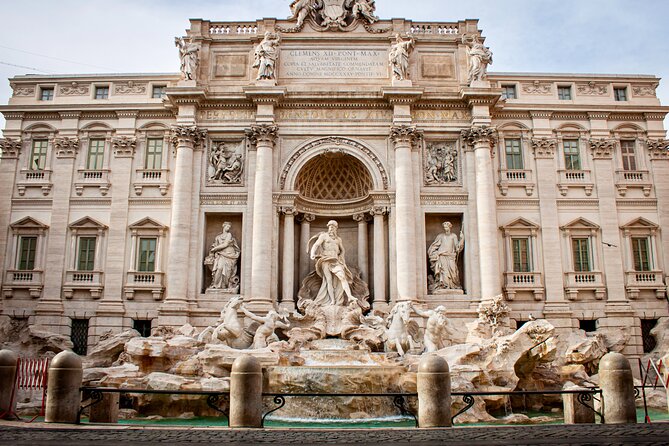
The Trevi Fountain receives about 15 minutes, making it one of the longer outdoor stops. You get the famous theatrical setting, but the emphasis is not only on photographs. The guide connects the monument with scandalous stories and the people who used art and public works to display status.
The fountain is one of Rome’s most recognizable sights, so it is a practical inclusion for anyone with only two days in the city. One person who had just two days found the route useful because it covered several major places while adding historical context.
The drawback is simple: 15 minutes can pass quickly at Trevi Fountain. If you want time for photographs, people watching, or a closer look at the sculpture, you may need to return later. Still, having the guide explain the site before you revisit it can make your second stop more rewarding.
More walking tours in Rome:
- Rome: Trastevere & Campo de Fiori Street Food Walking Tour
★ 4.9 · 2,768 reviews - Rome: Paranormal Night Walking Tour & Secret Backstreets
★ 4.9 · 1,921 reviews - Rome by Night Walking Tour – Legends & Criminal Stories
★ 4.5 · 1,003 reviews - Rome: Guided City Center Evening Sightseeing Walking Tour
★ 4.4 · 953 reviews
Sant’Ignazio and Rome’s painted tricks
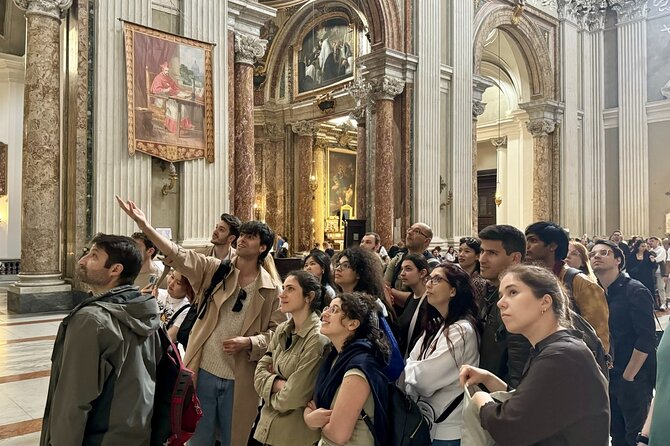
At the Church of Sant’Ignazio di Loyola, the subject changes from family power to Baroque art. The church dates from the seventeenth century and is known here for striking frescoes and optical illusions.
This is an especially good stop for people who think churches are all alike. Baroque artists used painted architecture to make ceilings and spaces appear larger, taller, or more elaborate than they really are. A guide can point out what your eye is meant to see and how the illusion works.
The stop lasts around 10 minutes. That gives you time to look up and understand the main visual effect, but it is not a full art lecture. One useful point from the guide feedback is that the walk helped connect Rome’s history with Baroque art. If you want both subjects in the same outing, Sant’Ignazio gives the tour a welcome change of pace.
The dark humor also matters here. This is not presented as a solemn art-history class. Jacopo, Jacob, and Max are described as funny, friendly, and engaging, and the tour includes politically incorrect jokes. That style will suit you if you enjoy lively storytelling. It may not suit you if you want a quiet, formal presentation.
The Pantheon in a five-minute stop
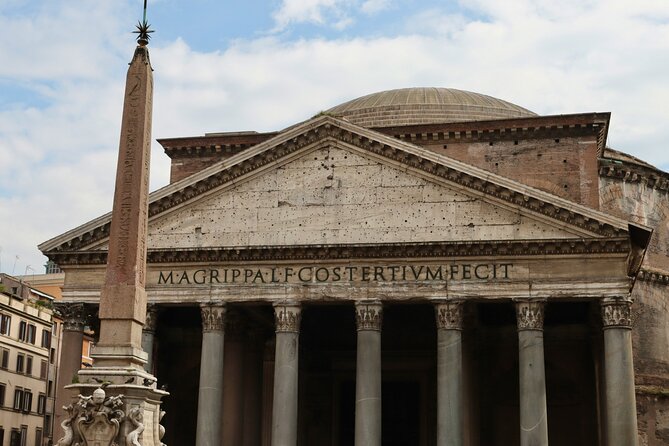
The Pantheon is described as a second-century Roman temple later converted into a basilica, and it is regarded as the best-preserved Ancient Roman monument. The tour allows about five minutes here.
That is enough to place the building in Rome’s long timeline and explain why it matters. It is not enough for an extended interior visit, careful architectural study, or a leisurely look around. This distinction is important when planning your day. The walking tour gives you context and a broad route. It does not replace a dedicated visit to the Pantheon.
I like the stop because it puts a surviving Roman structure beside later papal and Baroque landmarks. In just a few streets, you see how Rome built over, adapted, and reinterpreted its own past. You also get a useful reminder that the modern city is not separate from Ancient Rome. It grew around it.
Piazza Navona and the tale of La Pimpaccia
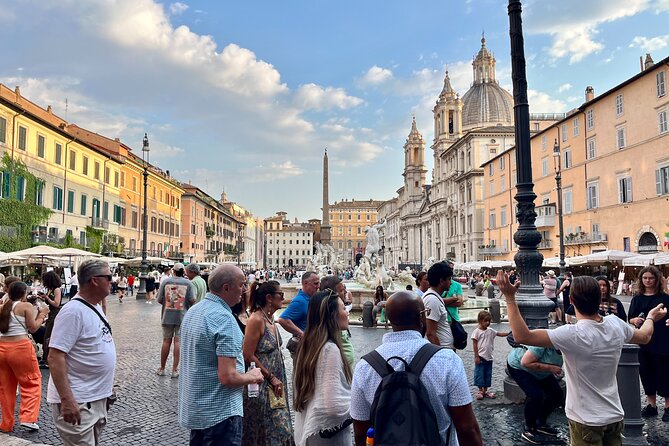
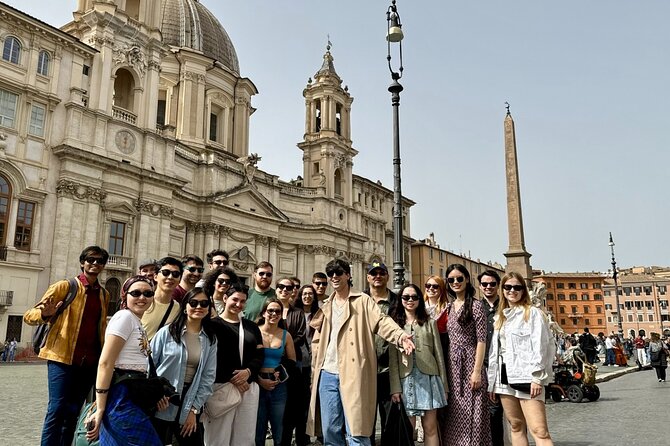
The final stop is Piazza Navona, described as Rome’s most beautiful square and the setting for the story of La Pimpaccia, also known as the Female Pope. The tour ends here after about 2 hours 15 minutes.
Piazza Navona is a natural finish because it brings together public spectacle, art, church influence, and Roman gossip. The story of La Pimpaccia gives the square a character beyond its fountains and façades. This is exactly the kind of tale the experience is built around: memorable, slightly wicked, and tied to the way Rome’s elite used public spaces.
Ending in Piazza Navona is convenient for continuing your day. You are already in the historic center, surrounded by places to eat, churches to visit, and streets to explore on your own. The tour does not include a return transfer, but none is really needed for this central route.
What the low price really means
The listed price is $4.84 per person, which looks almost impossibly cheap for more than two hours with a licensed guide. The explanation is that this is a tip-based tour. The guide works for tips alone, so the booking price should be treated as a small reservation cost, not the full price of the experience.
That model can offer excellent value if you understand it in advance. You get a long walking route, an English-speaking guide, and access to stories and locations that are not part of a basic monument checklist. The low upfront price also makes it easier to fit into a short Rome visit.
You should still budget a tip that reflects the guide’s time and the quality of the tour. One Australian couple specifically chose to tip well because the experience exceeded what they expected and because the tip system was not part of their usual culture. You do not need to guess what the payment model means. It is explained clearly, and planning for it avoids an awkward finish.
The tour has a maximum of 25 people. That is not an intimate private walk, but it is smaller than a large city group. Your experience will depend partly on how well you can hear and where you stand around each monument. A group of this size works best when the guide has a strong voice and keeps the storytelling focused.
Jacopo, Jacob, and Max set the tone
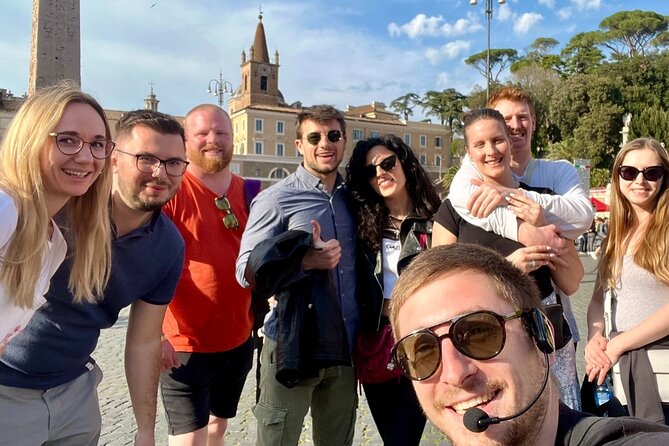
Guide style is central to this experience. Jacopo is repeatedly associated with humor, passion, and a strong command of Rome’s story. Jacob is praised for mixing humor with clear explanations, and one family said their teenagers enjoyed both his personality and his knowledge. Max is described as friendly, engaging, fun, and passionate.
Those details help you choose the tour more intelligently. This is not a silent walk with an audio guide. You are signing up for a person-led performance, with jokes, scandal, and strong opinions about the darker side of history.
The company states that the walk uses dark humor and politically incorrect jokes. That can make stories about corruption, murder, war, and betrayal more memorable, but it also means the tone will not suit everyone. If you prefer a strictly reverent presentation, select another tour. If you like a guide who can make a complicated story easy to remember, this approach should work well.
The feedback also suggests that the guides allow time to look around rather than rushing from one point to the next. That matters at churches and monuments, where a few quiet moments can help you absorb what you have just heard.
Timing, route, and practical planning
The meeting point is at the Church of the Most Holy Name of Mary at the Forum of Trajan, Foro Traiano 89. The start time is 11 a.m., and the walk finishes at Piazza Navona. You receive a mobile ticket, and the tour is offered in English.
Allow a little time to find the starting church. The area around Trajan’s Forum contains major landmarks and busy streets, so arriving early gives you room to orient yourself. The route is central and close to public transportation, according to the supplied details.
The full walk takes approximately 2 hours 15 minutes. You should wear comfortable shoes and expect to spend the whole time moving between outdoor monuments and churches. The information does not specify a dedicated meal break, so eat beforehand if you need a solid lunch at a fixed time.
Most people can participate, and service animals are allowed. Free cancellation is available up to 24 hours before the start time for a full refund. Changes or cancellations made inside that window are not accepted for a refund, and the tour requires a minimum number of people to operate.
Who will get the most from this Rome walk
I would choose this tour for a first or second day in Rome, especially if you have only two or three days. It gives you a broad look at the center without asking you to spend hours inside one museum. The route also helps you decide which places deserve a return visit.
It suits people who enjoy:
- Stories about noble families, popes, crime, and political rivalry
- Famous monuments presented with unusual context
- Baroque art and visual illusions
- A funny, informal guide
- A central walking route rather than a bus ride
- A low upfront cost with a tip expected afterward
It is less suitable if you want long interior visits, detailed photography time, or a formal academic lecture. The scheduled minutes at each stop are short, and the route covers many subjects. You will get a lively overview, not a specialist study of Trajan’s Column, the Pantheon, or Baroque painting.
Families with older children and teenagers may find the humor useful. The subject matter includes murder, corruption, and scandal, so parents should decide if that tone fits their group. The guide feedback suggests that teenagers can enjoy the experience when the history is told with energy rather than delivered as a lecture.
Should you book the Historical Walking Tour in Rome City Center?
Book it if you want Rome’s famous sights tied together by stories of power, family rivalry, art, and scandal. The route is especially useful when your time is short, and the guide personalities, particularly Jacopo and Jacob, appear to be a major part of its appeal.
Go in knowing that the $4.84 price is tip based, the group can reach 25 people, and the stop times are brief. Treat it as a lively orientation walk with unusual access and storytelling, then return on your own to the Pantheon, Trevi Fountain, or any church you want to study at length. For an inexpensive first look at central Rome with a memorable human voice, this is a strong choice.
FAQ
How long does the walking tour last?
The tour lasts approximately 2 hours and 15 minutes.
Where does the tour start?
It starts at the Church of the Most Holy Name of Mary at the Forum of Trajan, Foro Traiano 89, Rome.
Where does the tour finish?
The walk ends at Piazza Navona.
What time does the tour begin?
The scheduled start time is 11 a.m.
Is the tour offered in English?
Yes. The experience is offered in English and includes a licensed tour guide.
Is the booking price the guide’s full payment?
No. This is a tip-based tour, and the guides work for tips alone. The listed $4.84 price does not replace the expected tip.
Can I cancel for a full refund?
Yes, if you cancel at least 24 hours before the experience begins. Cancellations or changes made less than 24 hours before the start time are not refundable.
Newest reviews from Rome
- ROME:Colosseum & Ancient Rome – private/small group TOUR★ 5.0 · 24 reviews
- Off the Beaten Track in Rome: Rione VI Parione Private Tour★ 5.0 · 24 reviews
- Cinematic Photoshoot in Rome★ 5.0 · 24 reviews
- Rome: Best of Colosseum and Roman Forum Small Group Guided Tour★ 4.5 · 24 reviews
- The Labyrinth of Rome between catacombs and ancient quarries★ 4.5 · 24 reviews
- Vatican and Trionfale Market Tour with Wine and Food Tasting★ 5.0 · 24 reviews
- private tour: Vatican Museums, Sistine Chapel, St. Peter’s Basilica★ 4.5 · 24 reviews
- Skip the Line: Vatican Wheelchair Accessible Private Tour★ 5.0 · 24 reviews
Walking Tours, compared.
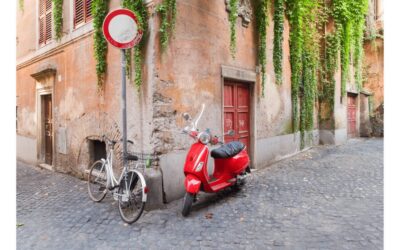
Trastevere & Campo de Fiori Street Food Walking Tour
Read our review →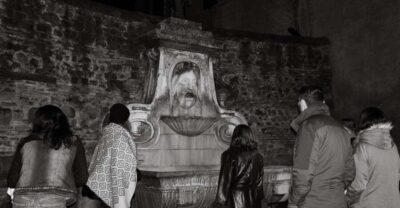
Paranormal Night Walking Tour & Secret Backstreets
Read our review →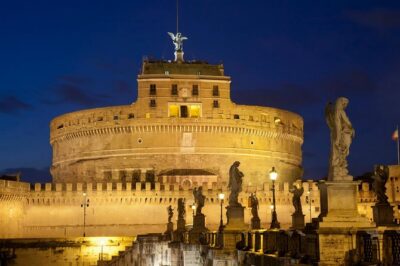
Rome by Night Walking Tour – Legends & Criminal Stories
Read our review →
Guided City Center Evening Sightseeing Walking Tour
Read our review →
Best of Rome Walking Tour including Trevi Fountain
Read our review →

Forbidden History Walking Tour & Pub Crawl with Drinks
Read our review →
Guided Small Group Walking Tour of City Highlights
Read our review →Browse the lists this tour appears in