
Reviewed · EVENING EXPERIENCES
Rome by Night: 3-Hour Guided Walking Tour
Rome changes character when the sun drops. The Colosseum glows, fountains catch the light, and the old stones around the Forum feel calmer without the daytime crush. This three-hour walk gives you a useful first look at the Eternal City, from Piazza Navona to the Colosseum.
I like the sunset start and the broad route, which covers Rome’s big sights without asking you to spend the evening indoors. I also like the headsets, since guides such as Renate, Chiara, Clare, Irina, and Irene have been praised for lively stories and clear explanations. The main drawback is that this is an exterior sightseeing walk, and one guest had trouble understanding the guide’s English.
In This Review
- Key points to know before booking
- Rome after sunset gives the ancient city room to breathe
- Meeting at the Colosseo Metro station
- Piazza Navona and the city’s public face
- The Pantheon, Trevi Fountain, and evening atmosphere
- Capitoline Hill and the Forum area
- The Colosseum under lights
- Why the headsets matter on a walking tour
- A useful introduction, not a full Rome experience
- Who will get the most from this evening walk
- Price, flexibility, and practical value
- Should you book Rome by Night?
- FAQ
- How long is the Rome by Night walking tour?
- What language is the tour offered in?
- Where does the tour meet?
- How early should I arrive?
- Does the tour include entrance to the Colosseum or Roman Forum?
- Are transportation and dinner included?
- Is the tour wheelchair accessible?
Key points to know before booking
- Sunset sets the mood: The tour begins around sundown, giving you changing light over Rome’s grandest monuments.
- A strong first-night route: You see Piazza Navona, the Pantheon, Trevi Fountain, Capitoline Hill, the Forum area, and the Colosseum.
- The Forum is viewed from outside: You get a full explanation of the Imperial Forums and surrounding archaeological area, but evening entrance to monuments is not included.
- Headsets help: You can listen to the guide while looking around instead of standing shoulder to shoulder near the speaker.
- Plan for real walking: The tour lasts three hours, has no transport, and is not suitable for wheelchair users.
- English only: Guide quality can vary, so clear communication matters if history is a major reason for booking.
Rome after sunset gives the ancient city room to breathe
Rome’s daytime sights can feel like a long queue with statues attached. At night, the pace eases. You are still in the middle of a major capital, but the lit facades and shadowed ruins create a more focused experience.
This walk is especially useful if you have just arrived in Rome. One guest used it on the first evening as a way to get familiar with the city, and that is sensible. You cover enough ground to understand how the central sights fit together, then you can return later to the places that deserve more time.
The schedule begins at sundown rather than deep in the night. That distinction matters. In summer, part of the route may take place in evening light. In winter, darkness arrives sooner. Either way, the changing sky is part of the show, especially around the Colosseum and Forum.
The tour costs $66 per person. That is not a bargain walk, but the value depends on how much you want from the guide. You are paying for three hours of live interpretation, a licensed guide, headsets, and a route that joins several major sights. You are not paying for dinner, hotel transfers, public transport, or entry tickets.
If you would simply like to take photographs of Rome at night, you can do much of this route on your own. If you want the political, religious, and architectural stories tied together as you walk, the price is easier to defend.
More walking tours in Rome:
- Rome: Trastevere & Campo de Fiori Street Food Walking Tour
★ 4.9 · 2,768 reviews - Rome: Paranormal Night Walking Tour & Secret Backstreets
★ 4.9 · 1,921 reviews - Rome by Night Walking Tour – Legends & Criminal Stories
★ 4.5 · 1,003 reviews
Meeting at the Colosseo Metro station
The meeting point is outside the Colosseo station on Metro Line B, between the green newsstand kiosk and the yellow bus stop. You need to arrive 25 minutes before departure, not at departure time.
That early arrival is worth taking seriously. The area around the Colosseum can be confusing, especially if you are trying to find a guide among buses, pedestrians, and other tours. Look for the green kiosk and yellow bus stop rather than relying only on the station name.
The tour does not provide transfers or transportation. Once you meet the guide, the rest is on foot. Wear shoes that can handle several hours on Rome’s hard streets and archaeological paving. The information does not specify the exact walking distance, so I would not treat this as a gentle stroll.
There is no dinner included. You can eat before the walk or plan a meal afterward, but do not expect a restaurant stop to be built into the three-hour schedule. A small snack and water are practical choices, especially in warm weather.
Piazza Navona and the city’s public face
Piazza Navona is one of Rome’s best places to begin thinking about how the city layers different eras. The square is grand, open, and theatrical, with fountains and Baroque buildings turning an old urban space into a stage.
Your guide’s job here is not simply to point out pretty architecture. The useful part is learning how Rome’s public spaces have been reshaped over time and how monuments, churches, fountains, and daily life share the same setting.
At night, the square is easier to appreciate as a whole. During the day, you may find yourself dodging tour groups or stopping every few steps for a photograph. After sunset, you still need to watch your footing and your belongings, but you have more space to look upward.
The tour allows time at stops for taking in the surroundings. Do not expect a long, private pause at every monument. Three hours is enough for an overview, not for sitting beside each fountain or studying every facade.
The Pantheon, Trevi Fountain, and evening atmosphere
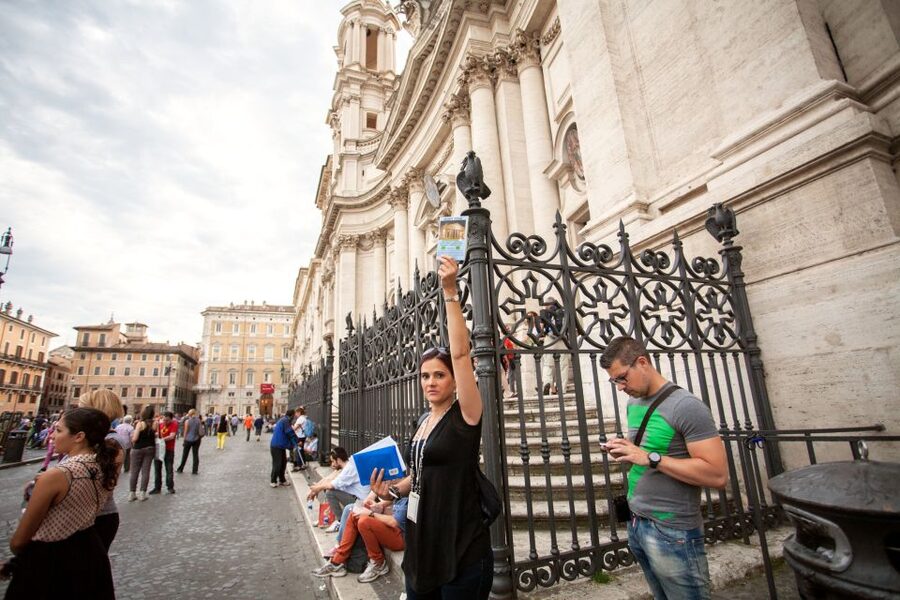
The Pantheon is one of the route’s strongest stops because its plain exterior gives little hint of the astonishing engineering and age inside. The guide can explain why this building matters and how its form connects to Rome’s classical tradition.
The tour information says monuments and sites are closed in the evening, and entrance fees are not included. Treat this as an outside visit. One past description referred to an opportunity to visit inside the Pantheon, but that should not shape your booking decision. If entering the Pantheon is a priority, arrange a separate daytime visit and check the current admission rules.
The Trevi Fountain is another natural night stop. Its lighting brings out the stonework and moving water, while the lack of daytime crowds can make the visit feel less frantic. Still, do not expect an empty fountain. Rome’s most famous places remain popular after dark.
A guide adds value here by explaining what you are seeing instead of reducing the stop to a coin toss and a photograph. You can look at the fountain as a piece of urban design, hear its place in Rome’s story, and then use your free moment for pictures.
The route also includes a beautiful church according to one detailed account of the walk. The specific church is not identified, so do not book expecting a named interior visit. The broader point is that the tour can include more than the headline attractions.
More Rome tours worth comparing
- Rome: City Highlights Open-Top Bus Night Tour
★ 4.1 · 2,038 reviews - Vespa Sidecar Tour By Night with Pickup
★ 5.0 · 1,803 reviews - Rome by Night – Ebike Small Group Tour – Food and Wine (Option)
★ 5.0 · 1,275 reviews - Colosseum Sunset Tour with Entry
★ 4.5 · 1,230 reviews
Capitoline Hill and the Forum area
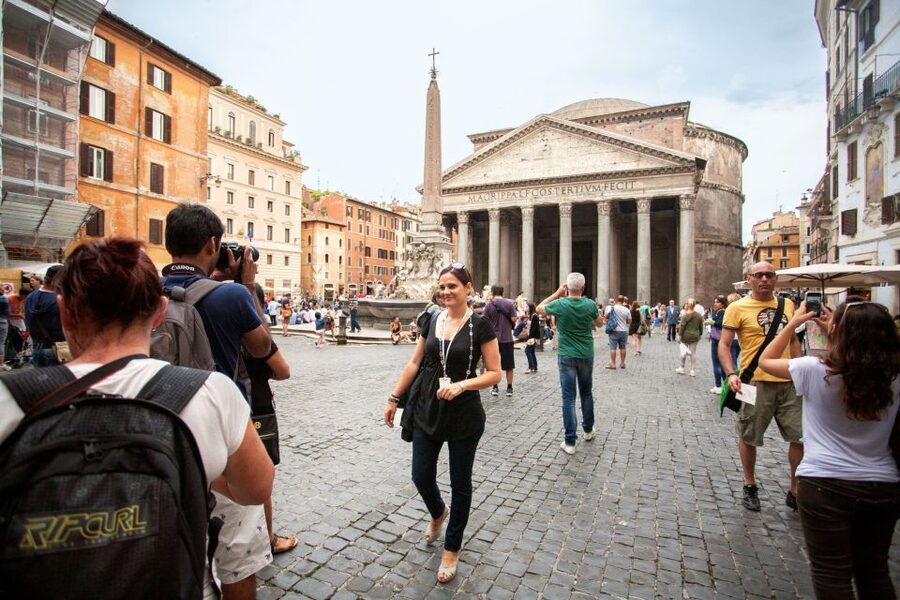
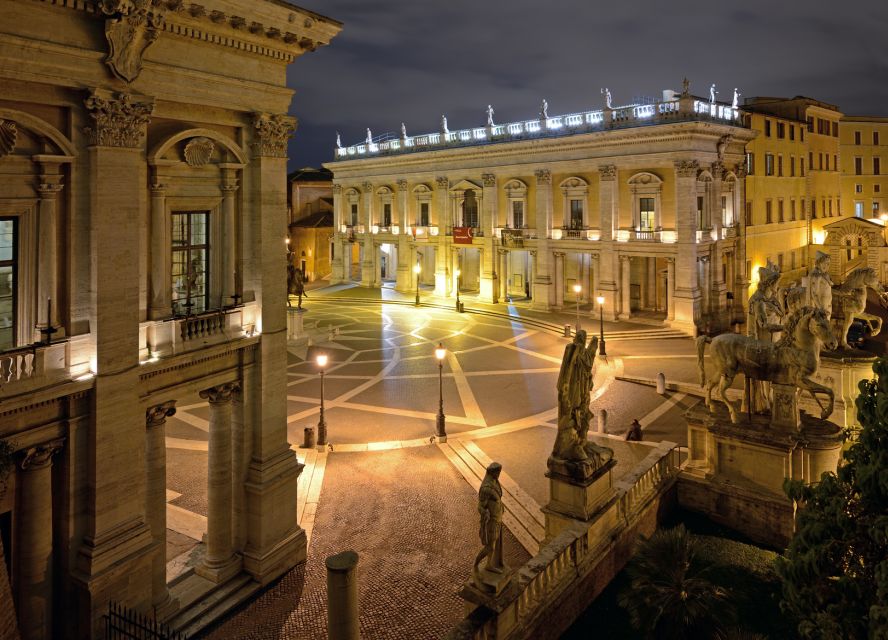
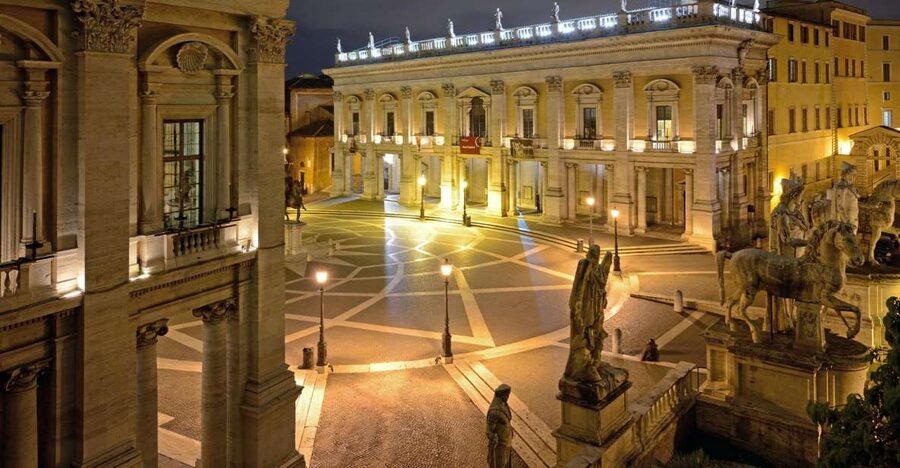
Capitoline Hill gives you a different view of Rome. The area connects the modern city with the ancient political center below, and the guide’s explanation helps turn scattered ruins into a readable plan.
The Forum can be hard to understand when you are walking through it alone. Columns, foundations, arches, and broken walls do not automatically explain which buildings mattered or how the space worked. From the surrounding viewpoints, your guide provides a full overview of the Roman Forum, including the Imperial Forums.
This is one of the best reasons to choose the tour. You do not enter the archaeological sites at night, but you gain an orientation that can make a later daytime visit far more rewarding. You begin to see the Forum not as a field of stones, but as a former center of government, ceremony, trade, and public life.
The Imperial Forums add another layer. Their remains sit close to modern roads and buildings, which can make the ancient city feel both impressive and oddly compact. Rome’s past is not sealed away in one tidy park. It is woven into the routes you walk through the present-day city.
Expect explanation rather than a hands-on archaeological visit. If you want to examine inscriptions or spend an hour at each ruin, book a separate daytime entry. If you want the big picture, this evening overview does the job.
The Colosseum under lights
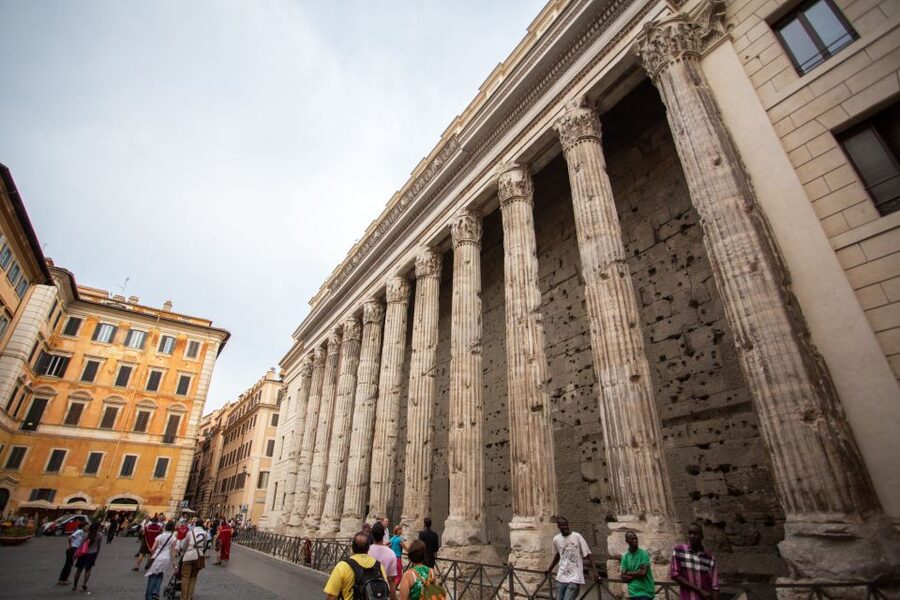
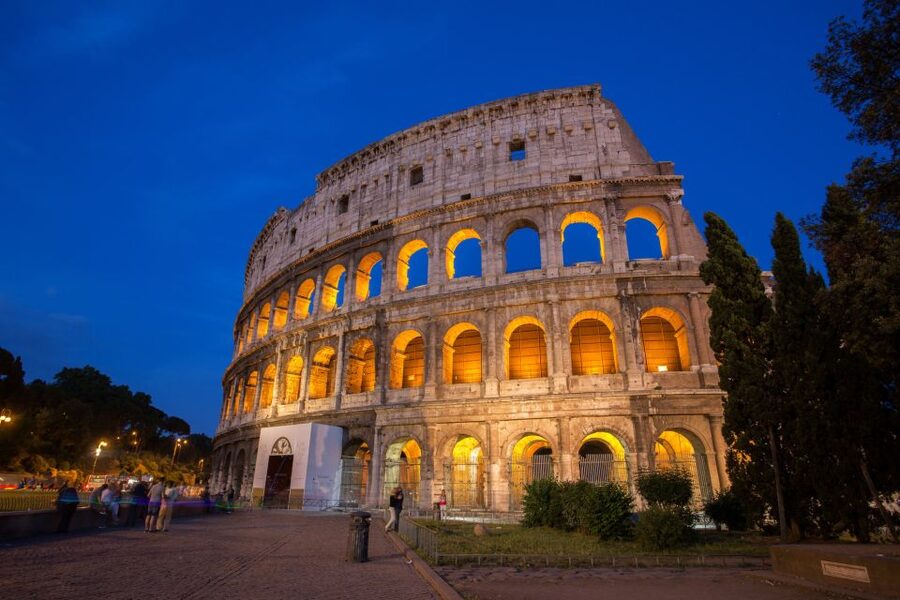
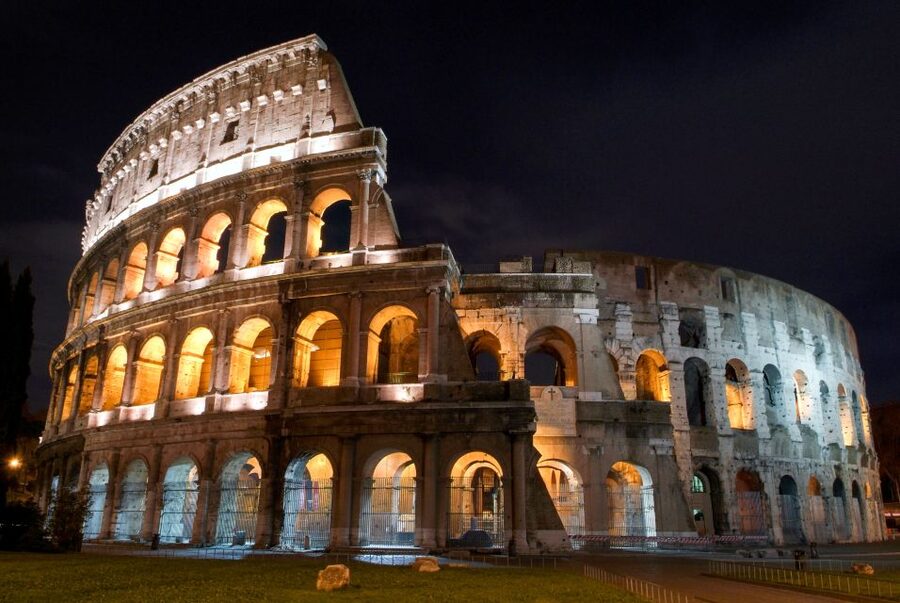
The tour begins near the Colosseum and includes the monument as a major highlight. Seeing it after sunset is a fine way to start or finish a day in Rome. The floodlighting picks out the curves and arches, while the darker sky makes the scale easier to grasp.
One guest described seeing the Colosseum lit up with a full silver moon behind it. That kind of view depends on weather and timing, but the point is sound: the monument has a different force at night.
You will not enter the Colosseum on this tour. Evening access is not included, and the stated plan is an outside sightseeing route. If you want the arena, underground levels, or upper seating areas, schedule a separate ticketed visit during the day.
The exterior stop still has real value. A guide can explain how the building functioned, why its design was so effective, and how it relates to the Forum nearby. You also avoid spending the entire evening in one monument, which suits someone who wants a first survey of Rome rather than a specialist visit.
Why the headsets matter on a walking tour
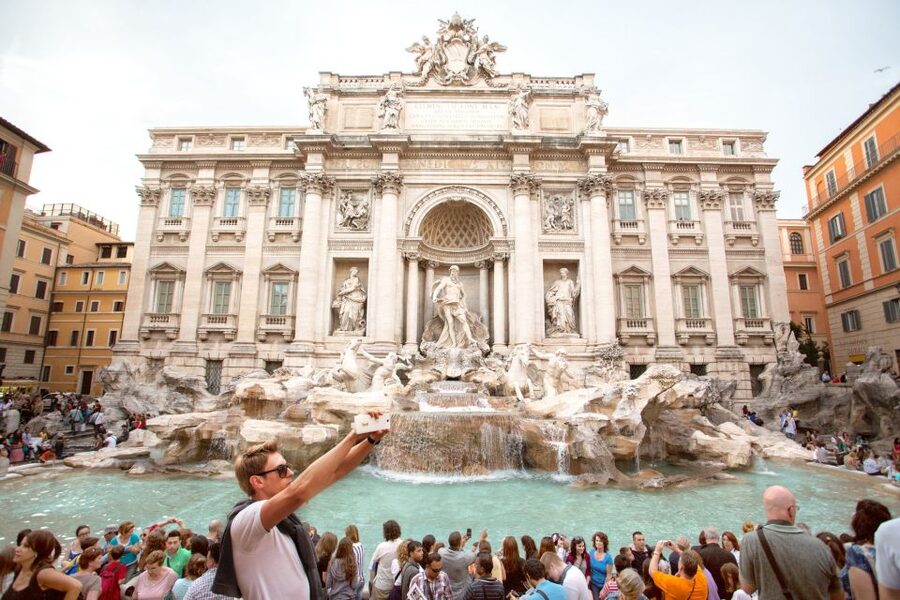
The included headsets are a practical feature, not a luxury extra. Rome is full of traffic noise, conversation, church bells, and other tour groups. Without audio equipment, a guide’s best story can disappear the moment a bus passes.
Several strong experiences specifically praised the headsets for keeping every word clear. You can focus on the building in front of you rather than crowding around the guide. That also makes the walk feel less rigid because you can turn your head, take in a facade, or step aside for a photograph while still following the explanation.
There is one important qualification. A guide’s English delivery can make or break a history tour. One guest enjoyed the route but could not understand the guide, while another found the English quite good. Since this tour is offered only in English, consider your own listening comfort before booking.
Named guides who received especially warm praise include Chiara, Clare, Renate, Irina, Irene, and Elisabeta. The guide assigned to your date may be someone else, so those names are useful evidence of what a strong tour can provide, not a guarantee of who will lead it.
A useful introduction, not a full Rome experience
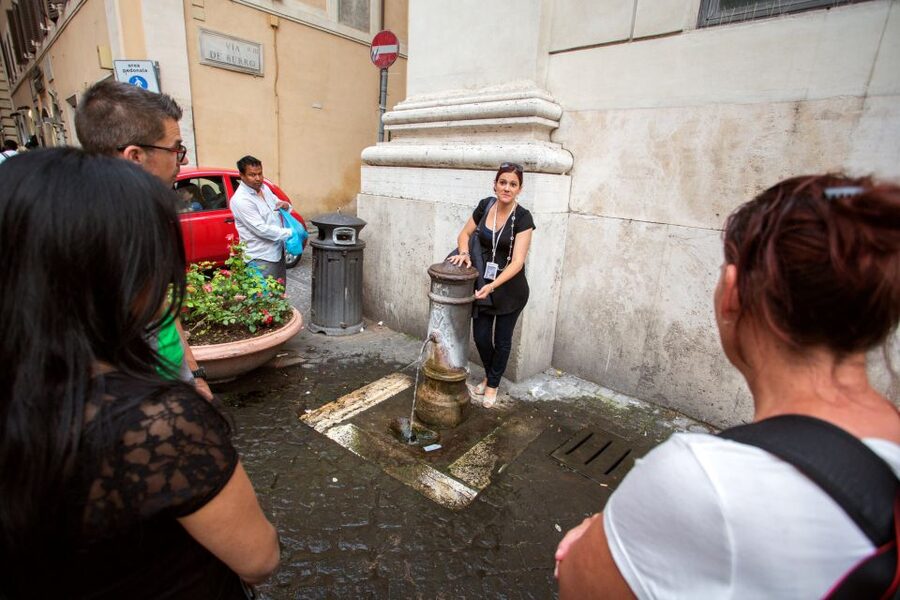
The three-hour route covers a lot. That is its strength and its limit.
You get a broad look at Rome’s famous center, with stories about ancient history, architecture, and modern city life. Irina was praised for linking the past with the realities of living in Rome today, while other guides were remembered for humor, personal attention, and practical tips about nearby places and prices.
That mix can make the walk feel more human than a list of dates. Chiara was praised for adapting to the group and keeping the evening lively. Clare was remembered for making people comfortable while explaining Rome’s past. Those qualities matter because a three-hour walk can drag if the guide treats every stop like a lecture.
At the same time, the experience cannot cover Rome in depth. The route gives you an overview of several key sights, not a close study of each one. You will not get admission to the Colosseum, Forum, or other monuments, and the tour does not replace a museum day.
I would book it early in a Rome trip, especially if you want help deciding where to return. It is less useful for someone who has already spent several days studying the same central sights and prefers independent wandering.
Who will get the most from this evening walk
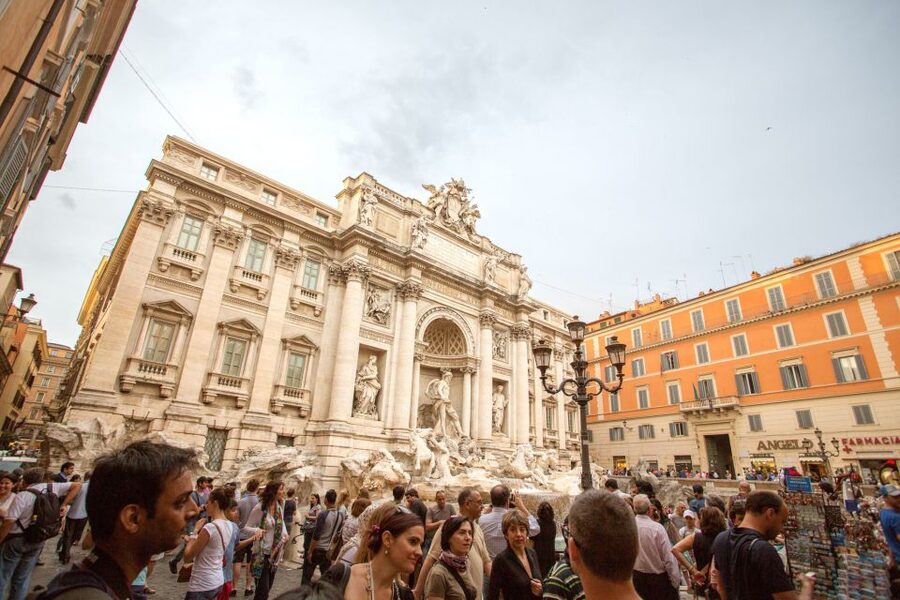
This tour suits first-time visitors who want a quick mental map of central Rome. It also works well for couples, families with older children, and solo visitors who prefer a guided introduction after arrival.
You should be comfortable walking for three hours and listening in English through a headset. The tour is not wheelchair accessible and is not suitable for wheelchair users. Pets are not allowed.
The experience may also suit younger visitors who need history to come with movement and atmosphere. A past 18-year-old guest considered the quality strong for the price, and the variety of plazas, fountains, ruins, and monuments helps keep the evening moving.
I would be more cautious if your main goal is entering monuments. The sites are closed in the evening according to the tour information, and entrance fees are not included. You are buying context and atmosphere, not access behind the doors.
The group size can vary. A low-season departure once had only six people, which made it easy to move through the lanes and ask questions. You should not assume every departure will be that small, but the headsets help even when the group is larger.
Price, flexibility, and practical value
At $66, this is a mid-priced guided city walk. The cost makes sense if you value a live guide who can explain the Forum, connect the monuments, and keep the route organized across a busy part of Rome.
It makes less sense if you plan to use the tour mainly as a way to see the Colosseum from outside. Rome is highly walkable in the center, and independent visitors can visit many of these viewpoints without paying a tour fee.
The strongest value comes from booking it near the start of your stay. A good guide can help you understand what you are seeing and offer useful local advice. You may also discover places you would not have found quickly on your own, as one guest noted after being shown corners and stories beyond the standard checklist.
You can reserve now and pay later, which helps if your schedule is still changing. Cancellation is free up to 24 hours before departure for a full refund. Check the available start time carefully because the tour lasts three hours and begins around sundown.
Should you book Rome by Night?
Book this walk if you want a well-paced first look at Rome, prefer history with your sightseeing, and like the idea of seeing the Colosseum, Forum, fountains, and piazzas after dark. The sunset timing, broad route, headsets, and enthusiastic guides make it a useful opening night activity.
Skip it if you need wheelchair access, want a private or highly specialized tour, or mainly care about entering the Colosseum and Forum. You will need separate daytime tickets for those visits.
My practical advice is to book it early in your stay, arrive at the Colosseo Metro meeting point 25 minutes ahead, and treat the evening as an orientation rather than a complete tour of Rome. With the right expectations, $66 buys a memorable night walk and a much clearer sense of where the Eternal City’s major pieces fit together.
FAQ
How long is the Rome by Night walking tour?
The tour lasts three hours.
What language is the tour offered in?
The live tour is offered only in English.
Where does the tour meet?
Meet outside the Colosseo Metro station on Line B, between the green newsstand kiosk and the yellow bus stop.
How early should I arrive?
You should arrive 25 minutes before the scheduled departure time.
Does the tour include entrance to the Colosseum or Roman Forum?
No. Entrance fees are not included, and the monuments and sites are closed in the evening according to the tour information.
Are transportation and dinner included?
No. The tour does not include dinner, transfers, or transportation.
Is the tour wheelchair accessible?
No. The tour is not wheelchair accessible and is not suitable for wheelchair users.
More 3-Hour Experiences in Rome
- Jewish Ghetto and Synagogues with Jewish Roman Guide 3 Hours
★ 5.0 · 907 reviews - Rome: Private Customizable 3-Hour Golf Cart City Tour
★ 5.0 · 229 reviews - Private: 3 hours ETuk Tour in Rome
★ 5.0 · 190 reviews - Rome Vespa Small Group Sightseeing Tour, 3 Hour Experience
★ 5.0 · 189 reviews
Newest reviews from Rome
- ROME:Colosseum & Ancient Rome – private/small group TOUR★ 5.0 · 24 reviews
- Off the Beaten Track in Rome: Rione VI Parione Private Tour★ 5.0 · 24 reviews
- Cinematic Photoshoot in Rome★ 5.0 · 24 reviews
- Rome: Best of Colosseum and Roman Forum Small Group Guided Tour★ 4.5 · 24 reviews
- Vatican and Trionfale Market Tour with Wine and Food Tasting★ 5.0 · 24 reviews
- private tour: Vatican Museums, Sistine Chapel, St. Peter’s Basilica★ 4.5 · 24 reviews
- The Labyrinth of Rome between catacombs and ancient quarries★ 4.5 · 24 reviews
- Colosseum guided tour with Virtual Reality★ 5.0 · 24 reviews
Evening Experiences, compared.
Paranormal Night Walking Tour & Secret Backstreets
Read our review →
Rome by Night – Ebike Small Group Tour – Food and Wine (Option)
Read our review →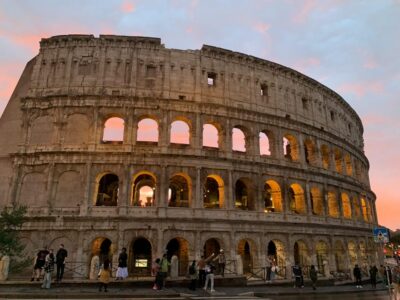
Rome by Night Walking Tour – Legends & Criminal Stories
Read our review →
Guided City Center Evening Sightseeing Walking Tour
Read our review →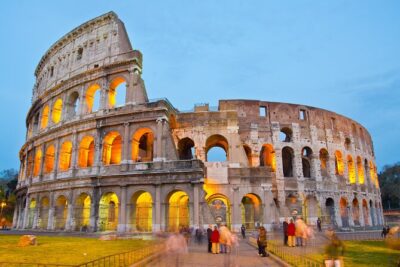
Colosseum by Evening Guided Tour with Optional Arena Floor Access
Read our review →Browse the lists this tour appears in