
Reviewed · WALKING TOURS
Rome: City Highlights Walking Tour
Rome is at its most dramatic after sunset, when the Pantheon glows above Piazza della Rotonda and the Trevi Fountain takes on a theatrical shine. This two-hour evening walk links Rome’s biggest sights with cobbled lanes, grand squares, and a little time for window-shopping on Via del Corso.
I like the route’s efficient mix of famous monuments and street life. I also like that the guide can add personality, from architecture lessons with Serena to photo help, gelato advice, or an espresso stop with guides such as Juan and Mattej. The main drawback is pace: there is a lot to take in, and two hours can make the history feel dense.
I would use this as a first look at central Rome, not as a full study of each monument. Guides including Sandra, Paolo, Arian, Susana, Lumy, Sabrina, Ana, and Annie have been praised for making the walk clear, warm, and engaging, especially for families and first-time visitors.
In This Review
- Key points at a glance
- Starting near the Colosseum
- Via del Corso and Rome’s grand city center
- The Pantheon in Piazza della Rotonda
- Trevi Fountain after sunset
- Piazza Navona and Bernini’s fountains
- Ending around Campo de’ Fiori
- What the guides add
- Is two hours enough for Rome?
- Price, timing, and booking value
- Who should book this walk?
- Should you book the Rome City Highlights Walking Tour?
- FAQ
- Where does the Rome City Highlights Walking Tour start?
- How long does the walking tour last?
- What sights are included on the route?
- Does the tour include entry inside the Colosseum?
- Are hotel pickup and drop-off included?
- What languages are available?
- What happens if I arrive late?
- Can I cancel for a refund?
- Can I reserve now and pay later?
Key points at a glance
- Rome after dark: See the Pantheon, Trevi Fountain, and major piazzas under evening lighting.
- A strong central route: Walk from near the Colosseum through Via del Corso, Piazza della Rotonda, Piazza Navona, and Campo de’ Fiori.
- Architecture with a human touch: Guides explain Rome’s buildings, fountains, and past in a way that can keep older children interested.
- Helpful local extras: Depending on your guide, you might get photo help, a snack or espresso stop, gelato suggestions, or dinner advice.
- A quick orientation: The tour covers a generous amount of central Rome in two hours, making it useful near the start of a stay.
- Check the ending carefully: The route description finishes at Campo de’ Fiori, while the meeting information says the activity ends back at the starting point.
Starting near the Colosseum
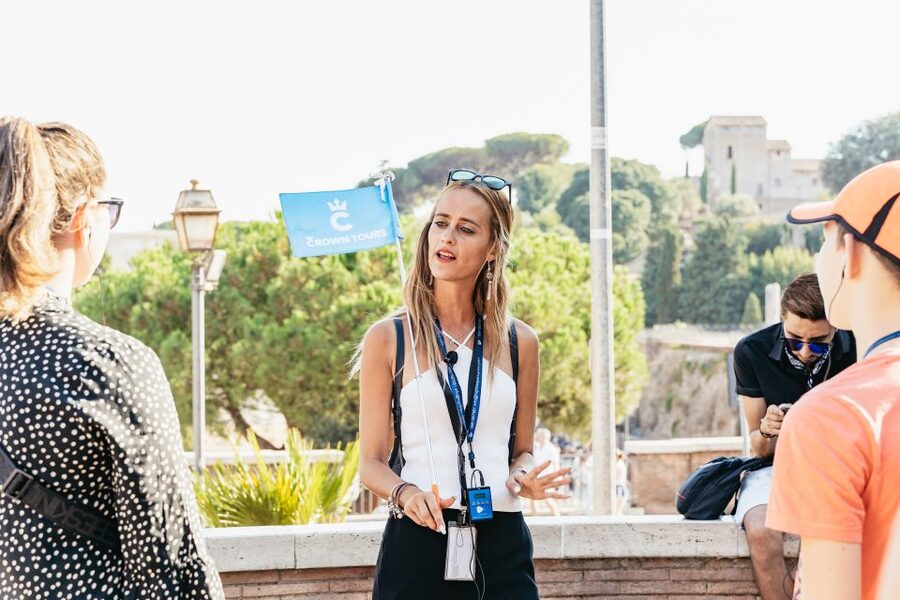
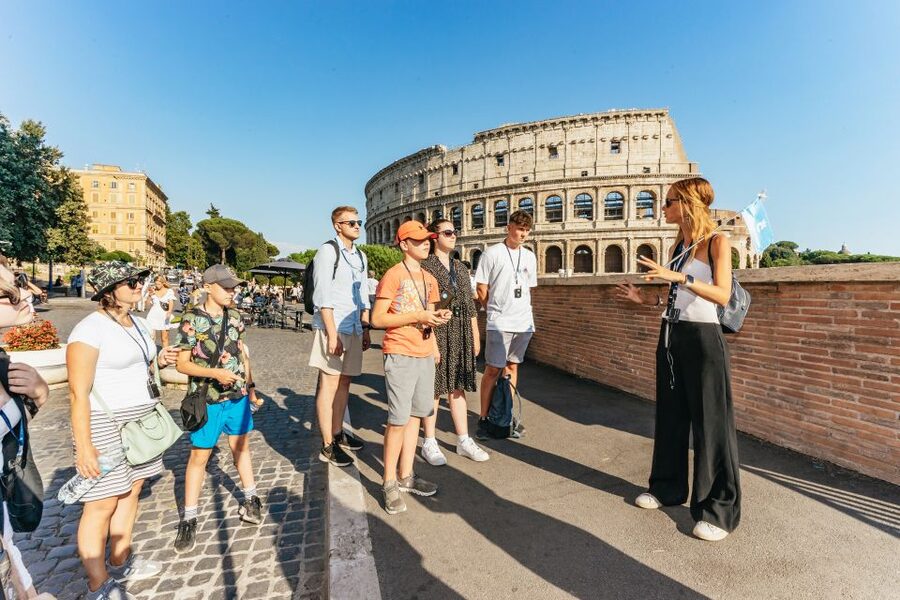
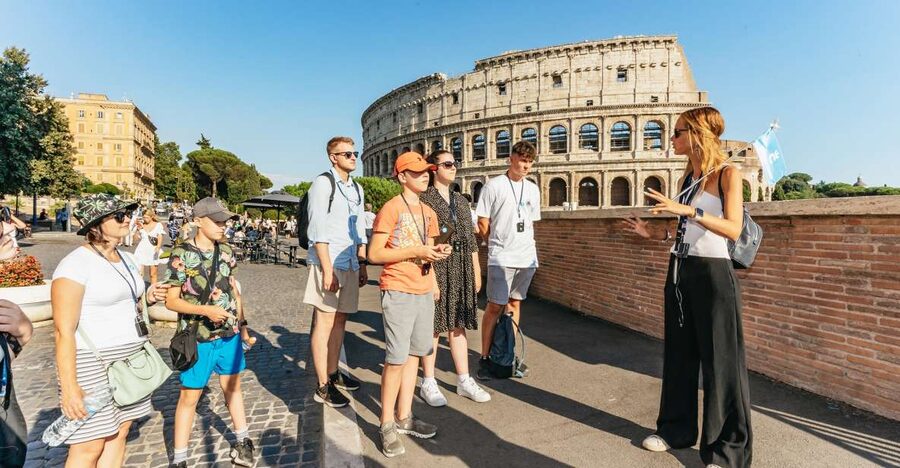
The walk begins about 100 meters from the Colosseum, at the terrace above the Colosseum Metro Station. You need to go upstairs and cross the pedestrian bridge over the road. On the far side, walk about 50 meters to the Crown Tours office and look for the purple flag.
This is not a place where I would cut things close. You are required to arrive early for check-in, and late arrival may mean you cannot join the group. The Colosseum Metro Station is a useful landmark, but the actual office is above and across the road, so allow extra time to orient yourself.
The Colosseum itself is part of the setting rather than a formal stop with entry. That distinction matters. You will not be booking an interior Colosseum visit here, but beginning nearby gives the tour an immediate Roman backdrop before the route moves into the historic center.
The meeting point can also help you plan your evening. If you have just arrived in Rome, the walk gives you a broad first impression without asking you to spend several hours inside one archaeological site. If you already have a Colosseum ticket for another day, this tour fits well around it.
More walking tours in Rome:
- Rome: Trastevere & Campo de Fiori Street Food Walking Tour
★ 4.9 · 2,768 reviews - Rome: Paranormal Night Walking Tour & Secret Backstreets
★ 4.9 · 1,921 reviews - Rome by Night Walking Tour – Legends & Criminal Stories
★ 4.5 · 1,003 reviews
Via del Corso and Rome’s grand city center
From the Colosseum area, the walk heads toward Via del Corso, one of Italy’s best-known shopping streets. The route passes flagship stores associated with Valentino, Fendi, and Armani, offering a quick look at modern Rome’s polished commercial side.
I enjoy this contrast. Rome is not only ruins and churches. Via del Corso cuts through the center as a busy urban artery, linking old monuments with fashion, cafés, and everyday city life. You can window-shop as you walk, though this is not a dedicated shopping tour and there is no time built in for browsing stores.
The guide’s role is especially useful here. Without context, a walk from one square to another can feel like a string of pretty views. A good guide explains how the streets, palaces, churches, and public spaces fit into Rome’s long story.
That is where the personalities matter. Serena has been praised for explaining the architecture of the buildings along the route, while other guides have used humor and clear storytelling to keep the walk moving. Ana, in particular, has been noted for keeping two teenagers interested while adding extra details about Campo de’ Fiori.
The Pantheon in Piazza della Rotonda
The Pantheon is the architectural centerpiece of the walk. In Piazza della Rotonda, you can look up at Hadrian’s ancient temple, lit at night and framed by fountains, bars, and the surrounding square.
The building is famous for its vast concrete dome, one of the largest ever made. The tour focuses on its importance and design from the outside, giving you a chance to appreciate the scale without spending time in an indoor queue.
Piazza della Rotonda is also a good place to slow down. The fountains and cafés give the stop a more relaxed feel than a quick roadside photo. Your guide may explain how a building created as a pagan temple survived through changing eras and remains one of Rome’s most striking monuments.
Do not expect a long architectural lecture if the group is large. The route has several major stops, and the guide must keep an eye on time. One visitor found the amount of information slightly hard to absorb in two hours. I think that is a fair warning: listen for the stories that interest you most, and make a note of places you want to revisit later.
Trevi Fountain after sunset
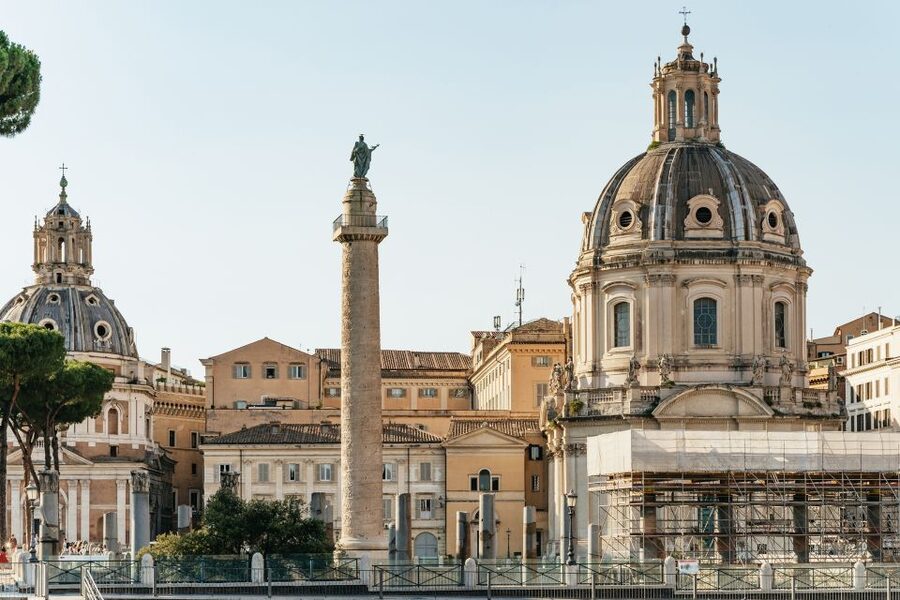
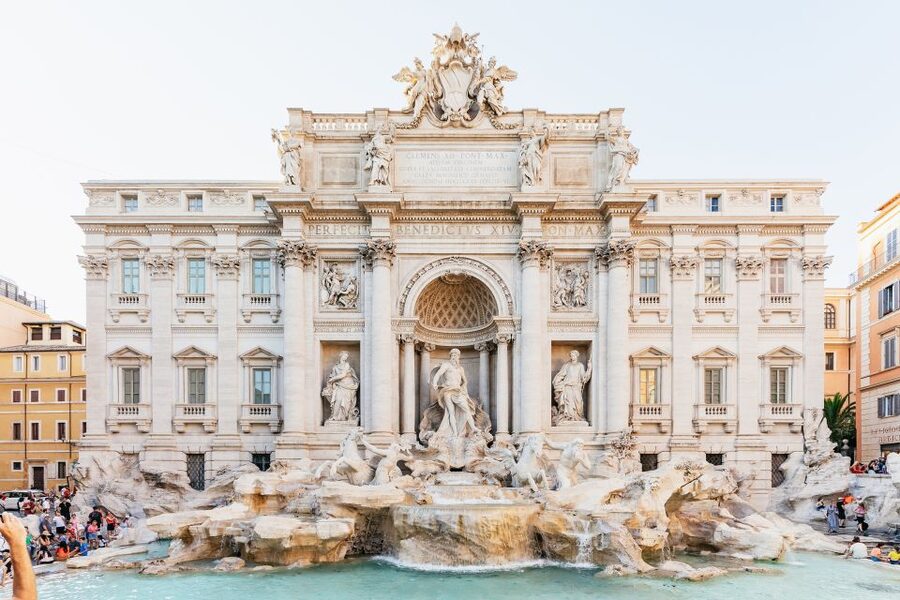
The Trevi Fountain is another major stop, and evening is a sensible time to see it. The lighting brings out the drama of the sculptures and rushing water, while the surrounding streets give you that classic central Rome atmosphere.
The fountain is described as the world’s most famous and highest-earning fountain, a reference to the coins visitors toss into the water. The tour gives you the chance to admire it and hear about its place in Roman culture, rather than treating it as a fast photo stop with no explanation.
Crowds can still be thick here, even after dark. Your guide can help you find a useful viewing position and may offer to take photos. Mattej was praised for doing exactly that, along with pointing out a nearby place for gelato.
That kind of help is small but valuable. At a famous sight, the practical question is often not what is this? but where should I stand, what should I look at, and how do I get a decent picture? A personable guide can answer all three.
More Rome tours worth comparing
- Rome: City Sightseeing Hop-on Hop-off Bus with Audioguide
★ 4.0 · 16,045 reviews - City Sightseeing Rome Hop-On Hop-Off Bus Tour
★ 3.5 · 5,446 reviews - Rome: Fettuccine Pasta Cooking Class in Rome’s City Center
★ 4.8 · 2,414 reviews - Vatican City: Vatican Museums & Sistine Chapel Entry Ticket
★ 4.3 · 2,185 reviews
Piazza Navona and Bernini’s fountains
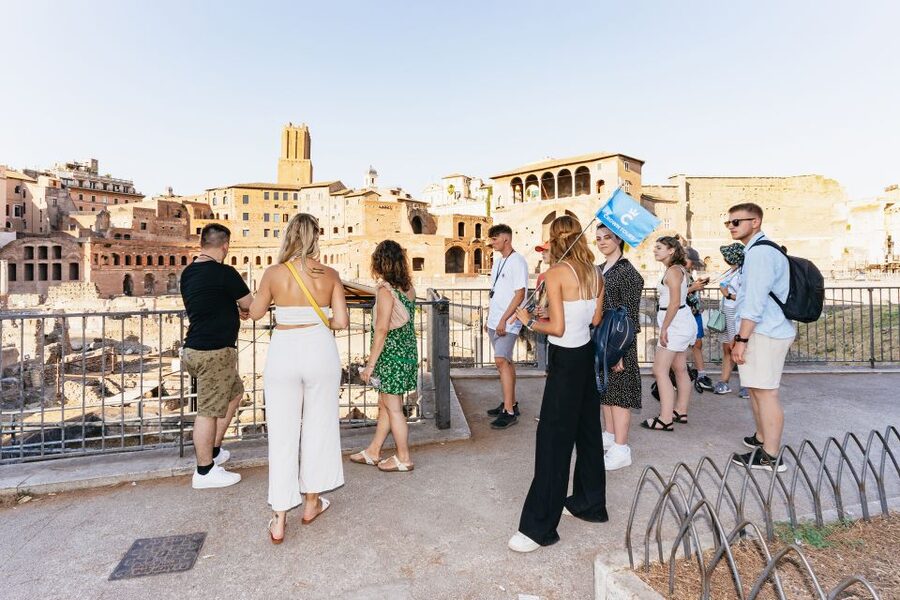
The route continues to Piazza Navona, one of Rome’s most impressive public spaces. Its long, open shape follows the outline of an ancient stadium, while the center is marked by Bernini’s Fountain of the Four Rivers.
The fountain represents four great rivers and is filled with theatrical figures, movement, and detail. Your guide also points out the connection with Bernini’s original design for St. Peter’s church, adding an architectural link beyond the fountain itself.
This is one of the stops where a guide earns the fee. You can admire the sculpture on your own, but the details are easy to miss. A clear explanation helps you understand why Bernini’s work feels so animated and why Piazza Navona has such a strong place in Rome’s public life.
The square can also be a good test of your guide’s style. The best guides do not simply recite dates. Paolo, also called Pablo, has been praised for patience, warmth, and a gift for making a family enjoy Rome more after several days in the city. Those qualities matter when the route includes several monuments close together and you need a story that ties them together.
Ending around Campo de’ Fiori
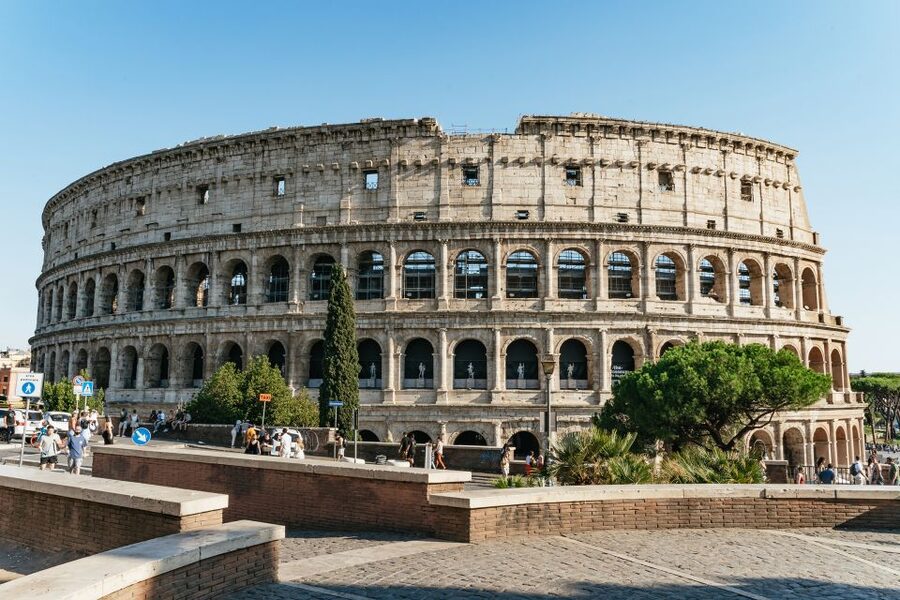
The route description places the final stop at Campo de’ Fiori, a central square known for bars, food, and nightlife. This is a useful ending for an evening walk because you can continue straight into dinner or a drink instead of returning to a quiet meeting point.
Campo de’ Fiori also gives the tour a different flavor from the Pantheon and Trevi Fountain. The focus shifts from grand monuments to street life, restaurants, and Rome’s evening social scene. Ana has been praised for sharing lesser-known details about the square and its past, which can make the ending feel more personal.
There is one practical detail to check before you book. The route description says the guide leaves you in Campo de’ Fiori, and one account describes a finish in or near Piazza Navona. The formal meeting information, however, says the activity ends back at the starting point near the Colosseum. Because those details do not fully match, confirm the end point and return arrangement when you reserve.
If the walk does finish at Campo de’ Fiori, you will need to plan your own way onward. Hotel pickup and drop-off are not included. If it returns to the Colosseum meeting point, you should still allow time for the walk back before arranging dinner or transport.
What the guides add
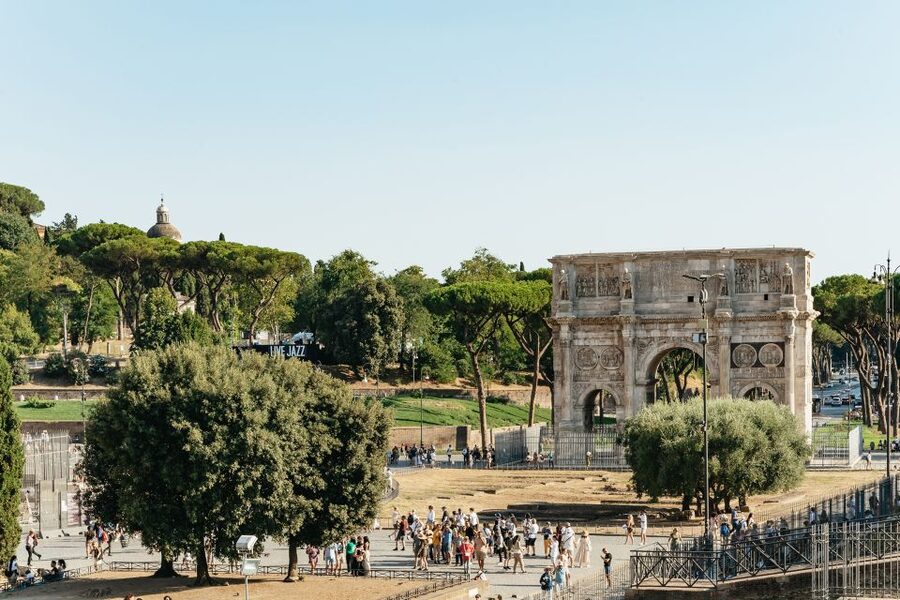
The tour’s real strength is the guide rather than any single monument. The sights are famous and easy to locate, but a good guide gives them order and meaning.
The guide team has included people such as Sandra, Serena, Juan, Paolo, Arian, Susana, Mattej, Lumy, Sabrina, Ana, and Annie. Their praised qualities are consistent: clear explanations, strong knowledge of architecture and Roman history, patience, humor, enthusiasm, and a willingness to answer questions.
Juan was described as an architect who had previously lived in London, and his tour included an espresso tasting. Mattej helped with photographs and suggested gelato near Trevi Fountain. Mercia extended a walk for questions, took photos, and offered dinner advice away from the most tourist-focused spots.
Those extras are not guaranteed, so I would not book expecting a tasting, gelato stop, or personal restaurant escort. Still, they show what can happen when the guide is engaged and the group is small. One 5:30 p.m. departure had only two people, creating something close to a private walk.
Group size is not stated as a fixed feature, so you should be prepared for a normal group tour. At the same time, smaller departures may allow more questions and a more flexible pace. The route itself is fixed enough to cover the main sights, but guides may adjust the conversation and photo stops.
Is two hours enough for Rome?
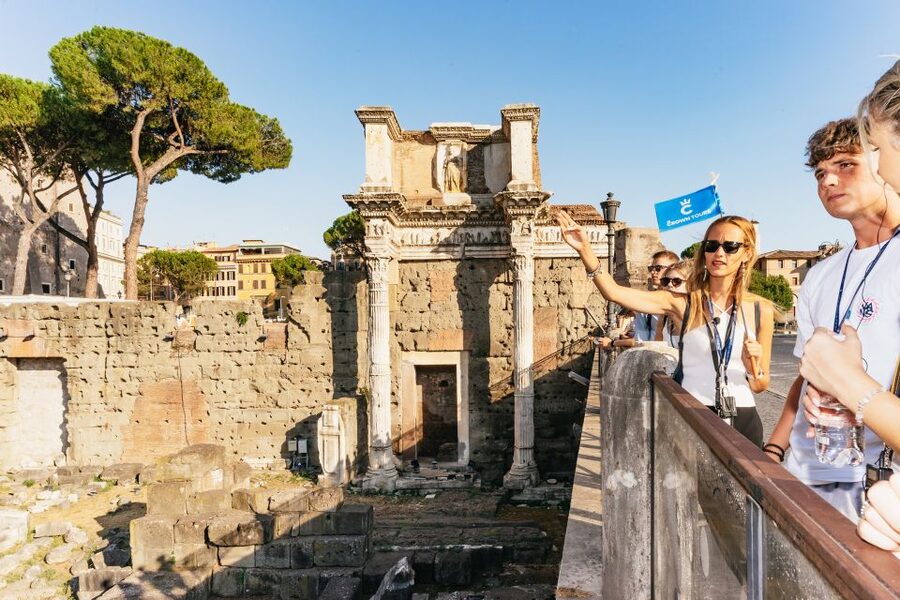
Two hours is enough for an introduction, not a full exploration. You cover a substantial portion of central Rome, with stops at the Pantheon, Trevi Fountain, Piazza Navona, and Campo de’ Fiori, plus the Colosseum area and Via del Corso.
I like this length for your first evening in the city. It gives you a mental map of the center and helps you decide where to return during the rest of your stay. It is also short enough to fit around dinner or another booking.
The tradeoff is information density. Several ancient buildings, fountains, artists, and historical periods appear in quick succession. One guide received praise for making a large amount of material enjoyable, but even a good storyteller cannot turn two hours into a leisurely study of every monument.
If you have young children, the tour can work well when the guide uses stories and humor. Sandra was praised for explaining things clearly and helping children follow along. Teenagers may also respond well to a guide with personality, as Ana did with a family group.
You should be comfortable walking on cobblestones and staying on your feet for the duration. The supplied information does not specify accessibility arrangements, so contact the operator before booking if you need a particular route or pace.
Price, timing, and booking value
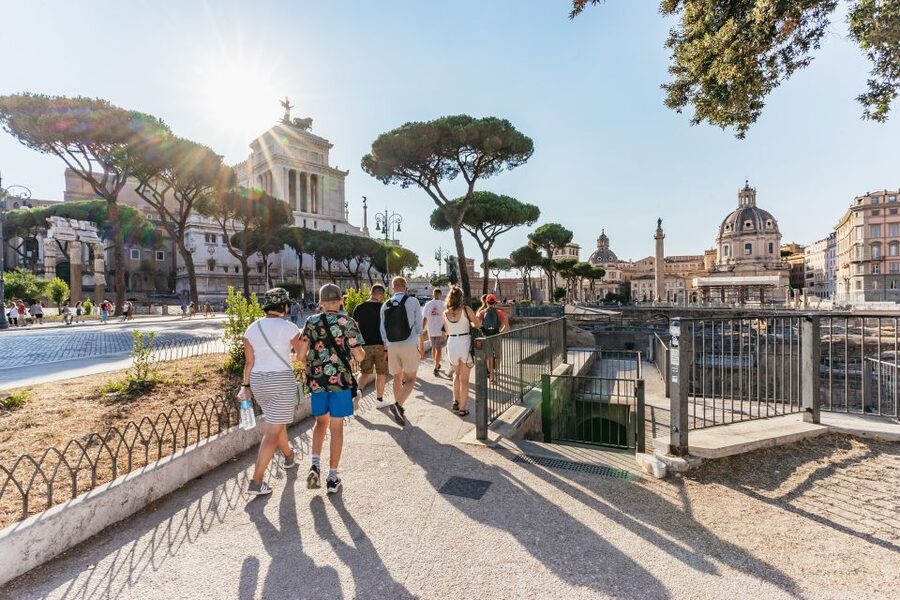
At $56.94 per person, this is not the cheapest way to see Rome’s fountains and squares. You can walk past many of them independently for free. The price makes more sense if you want a structured route, historical explanation, help with photos, and a local person to connect the sights.
I see the best value for first-time visitors who have only a short stay. You get a compact orientation without spending time planning the sequence yourself. It can also save you from arriving at each monument with no idea why it matters.
The tour includes a guide only. Hotel pickup and drop-off are not included, and there is no stated admission to the Colosseum or Pantheon. Treat this as a guided city walk, not an entry-ticket tour.
The departure time must be checked when you select your date. The information gives a two-hour duration but no fixed daily start time. One departure was expected at 5:30 p.m. but began at 6 p.m., so I would arrive early and avoid booking a tight dinner reservation immediately afterward.
You can cancel up to 24 hours in advance for a full refund, and the reserve-now, pay-later option keeps payment flexible. Those terms are useful when your Rome plans are still shifting.
Who should book this walk?
I would choose this tour if you want Rome’s big central sights explained in one evening and prefer a guide to a self-led route. It suits first-time visitors, families who want help keeping children engaged, and anyone who likes architecture but does not want a formal museum lecture.
It is also a good choice if you want practical suggestions during the walk. Guides have helped with photos, pointed out places for gelato and espresso, and offered dinner ideas. Those touches can make the tour feel more connected to the city.
I would skip it if you want to enter the Colosseum, Pantheon, or other monuments during the same booking. I would also avoid it if you prefer a slow, highly detailed look at just one site. This is a broad sampler with a lot of ground and history packed into two hours.
Should you book the Rome City Highlights Walking Tour?
I would book it as an early Rome activity, especially for an evening arrival or the first full day of a short visit. The route brings together the Colosseum area, Via del Corso, the Pantheon, Trevi Fountain, Piazza Navona, and Campo de’ Fiori, while the guide supplies the connections that make the route more than a series of photographs.
The strongest reason to book is the guide quality. Names such as Sandra, Paolo, Juan, Mattej, Sabrina, and Lumy are associated with clear explanations, patience, humor, and useful local help. The main cautions are the compact pace, the lack of included admissions, and the conflicting information about the final meeting point.
Confirm the start and end details, arrive early at the Crown Tours office, and keep your evening plans flexible. If you do that, this is a practical way to get your bearings and see Rome’s most famous center in a memorable nighttime setting.
FAQ
Where does the Rome City Highlights Walking Tour start?
It starts about 100 meters from the Colosseum, at the terrace above the Colosseum Metro Station. Cross the pedestrian bridge, then walk about 50 meters to the Crown Tours office and look for the purple flag.
How long does the walking tour last?
The tour lasts two hours. Starting times vary, so you need to check availability for your chosen date.
What sights are included on the route?
The route includes the Colosseum area, Via del Corso, the Pantheon in Piazza della Rotonda, Trevi Fountain, Piazza Navona, and Campo de’ Fiori.
Does the tour include entry inside the Colosseum?
No. The included service is a tour guide, and the information does not include Colosseum admission.
Are hotel pickup and drop-off included?
No. Hotel pickup and drop-off are not included.
What languages are available?
The listed guide languages are French, Spanish, and German.
What happens if I arrive late?
You must arrive early for check-in. Late arrivals cannot be guaranteed entrance to the tour.
Can I cancel for a refund?
Yes. You can cancel up to 24 hours in advance for a full refund.
Can I reserve now and pay later?
Yes. The reserve-now, pay-later option lets you book without paying at the time of reservation.
Newest reviews from Rome
- Rome: Vatican Museums & Sistine Chapel Skip-the-Line Ticket★ 4.4 · 148 reviews
- Shared Shuttle Transfer from Rome to Civitavecchia Port★ 5.0 · 148 reviews
- Rome: Crypts & Catacombs After Hours Tour with Bone Chapel★ 4.6 · 149 reviews
- Ghosts Legends and Mysteries of Rome Walking Tour★ 5.0 · 149 reviews
- Skip the Line: Vatican and Sistine Chapel with Guided Tour★ 4.0 · 149 reviews
- Tivoli: Villa Gregoriana Entrance Ticket★ 4.7 · 150 reviews
- Pizza and Tiramisu Cooking Class in Rome, Piazza Navona★ 5.0 · 150 reviews
- Rome: Borghese Gallery Skip-the-Line Entry and Guided Tour★ 4.7 · 150 reviews
Walking Tours, compared.
Trastevere & Campo de Fiori Street Food Walking Tour
Read our review →
Paranormal Night Walking Tour & Secret Backstreets
Read our review →
Rome by Night Walking Tour – Legends & Criminal Stories
Read our review →
Guided City Center Evening Sightseeing Walking Tour
Read our review →
Best of Rome Walking Tour including Trevi Fountain
Read our review →

Forbidden History Walking Tour & Pub Crawl with Drinks
Read our review →
Guided Small Group Walking Tour of City Highlights
Read our review →Browse the lists this tour appears in