
Reviewed · TREVI FOUNTAIN & PANTHEON WALKS
Rome City, Pantheon, and Trevi Fountain Walking Tour
Rome gives you a lot to take in before you have learned which street leads where. This two-hour walk solves that problem neatly, linking Piazza Venezia, Trevi Fountain, the Pantheon, and Piazza Navona with quieter stops that are easy to miss. Guides such as Dan, Sharon, Domenica, Anna, and Vlad have been praised for clear stories, humor, and useful local advice.
I like the small group limit of 15, which makes it easier to hear the guide and ask questions. I also like the route’s mix of famous sights and overlooked details, including Galleria Sciarra’s art nouveau paintings and Rome’s smallest chapel, Capella Della Madonna, which one guide pointed out along the way. The main caution is simple: you will walk for nearly two hours on city streets, and Pantheon admission is not included.
In This Review
- Key points to know before you book
- Why this walk works as a Rome introduction
- Piazza Venezia and the layers of ancient Rome
- Galleria Sciarra and an easy-to-miss interior
- Trevi Fountain with context, not just a photograph
- Sant’Ignazio and the painted dome illusion
- The Pantheon, Rome’s great architectural lesson
- Piazza Navona and the best place to continue
- What the guide adds to the experience
- Pace, walking demands, and timing
- Who should book this tour
- Practical value and final booking advice
- Should you book the Rome walking tour?
- FAQ
- How long does the Rome walking tour last?
- How many people can join the tour?
- Where does the tour start?
- Where does the tour finish?
- Is Pantheon admission included?
- What sights are included on the route?
- Are morning and afternoon departures available?
- Can I cancel for a full refund?
Key points to know before you book
- A useful first look at central Rome: The route helps you understand how Piazza Venezia, Trevi Fountain, the Pantheon, and Piazza Navona fit together.
- Small groups capped at 15: You get a better chance to hear the guide and ask questions than on a large coach-style walk.
- Several guides earn strong praise: Dan, Sharon, Domenica, Anna, Sila, Pollina, and Vlad are among the guides singled out for humor, warmth, and clear explanations.
- One quiet architectural surprise: Galleria Sciarra adds a beautiful 19th-century interior that many people would pass without noticing.
- Pantheon entry costs extra: The church and former Roman temple are viewed as part of the route, but admission is not covered.
- Best for your first day or two: The walk gives you restaurant suggestions, orientation, and ideas for places to revisit later.
Why this walk works as a Rome introduction
The route begins at Piazza d’Aracoeli, near Piazza Venezia, and finishes at Piazza Navona. That point-to-point design is more useful than a loop that drops you back where you started. You finish in one of Rome’s best-known squares, surrounded by restaurants and bars, with plenty of options for continuing your evening.
At $24.20 per person, the price is modest for a two-hour guided walk. You are paying mainly for a local guide who can connect scattered monuments into one story, not for entry to a major museum or an elaborate food tasting. That makes the tour good value if you want orientation and context, but less appealing if you prefer to explore quietly at your own pace.
The group size matters here. A limit of 15 is small enough for the guide to keep the group together without shouting across a crowd. It also leaves room for questions, a point several guides appear to handle well. Vlad, for example, made a point of speaking with each person in a group of 13, while other guides were praised for stopping, explaining, and not rushing.
I would book this near the start of a Rome visit. You can use the route as a map for the rest of your stay. It shows you places to return to, helps you recognize the city’s main districts, and gives practical suggestions for food, gelato, drinks, and later sightseeing.
More Trevi and Pantheon walks:
- Rome: Pantheon Timeless Marvel Guided Tour with Entry Ticket
★ 4.9 · 4,002 reviews - Rome: Pantheon Priority Entry Ticket & Audio Guide App
★ 4.1 · 3,234 reviews - Enjoy Spritz and Pasta Making in Piazza Navona
★ 5.0 · 1,681 reviews
Piazza Venezia and the layers of ancient Rome
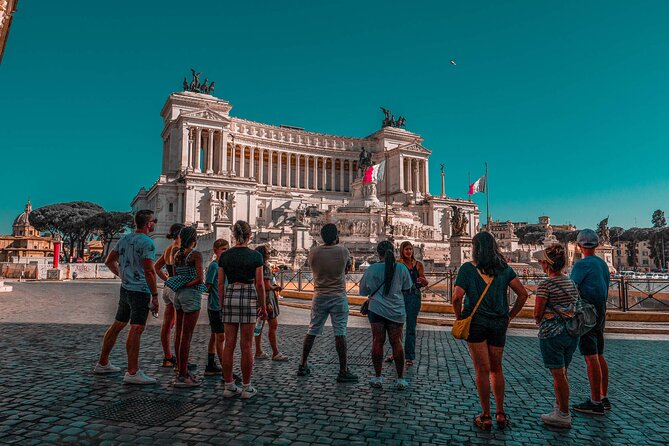
The first stop is Piazza Venezia, where the tour introduces the ancient forums and the changing role of the area. In about 20 minutes, your guide moves through three periods: imperial Rome, Renaissance Rome, and the era connected with Napoleon.
That layered approach is useful because Rome is not arranged like a single archaeological park. Ancient remains appear beside churches, palaces, traffic, and modern streets. A guide can point out how the city changed instead of treating every ruin as an isolated object.
You will not enter a paid site here. The stop is about views, orientation, and explanation. It also gives you a sense of the monumental scale of central Rome before the walk turns into narrower streets and smaller discoveries.
This is one of the strongest reasons to take the walk early in your visit. You start learning how Rome’s famous center fits together, rather than seeing each monument as a separate photo stop.
Galleria Sciarra and an easy-to-miss interior
Galleria Sciarra is scheduled for about 10 minutes. It is a 19th-century building decorated with art nouveau frescoes and paintings, and it offers a welcome change from the huge monuments nearby.
The value of this stop comes from the contrast. Trevi Fountain and the Pantheon demand attention. Galleria Sciarra rewards you for looking up and noticing decoration in an ordinary-looking passage. Without a guide, you might walk past it while hurrying toward the next major sight.
Ten minutes is enough to appreciate the painted details, though not enough for a long architectural discussion. That is typical of this tour: you get a first look, then decide which places deserve more of your time later.
The route also appears to include other small surprises when guides have time and conditions allow. A stop near Capella Della Madonna, described as Rome’s smallest chapel, gave one group a sight they would likely have missed alone. Do not treat every extra stop as guaranteed, but do expect the guide to point out details beyond the six main locations.
Trevi Fountain with context, not just a photograph
The Trevi Fountain receives about 20 minutes. This is enough time to see the sculpture, listen to its story, and take photographs, though the square can be crowded and noisy.
The guide’s role matters most here. You already know the fountain is famous. What you need is a clearer sense of what you are looking at, how the sculpture works as a whole, and why it became such a powerful symbol of Rome.
Some departures have been enjoyed after dark or around dusk, when the fountain is lit. The supplied schedule lists morning and afternoon choices, so check your exact departure before counting on evening lighting. If your tour does run later in the day, the illuminated stone can give the stop a different mood.
Twenty minutes can pass quickly at Trevi. You may want to return later for more photographs or simply to sit nearby and watch the square. The tour gives you an introduction, not private access or a long quiet visit.
More walking tours in Rome:
- Rome: Trastevere & Campo de Fiori Street Food Walking Tour
★ 4.9 · 2,768 reviews - Rome: Paranormal Night Walking Tour & Secret Backstreets
★ 4.9 · 1,921 reviews - Rome by Night Walking Tour – Legends & Criminal Stories
★ 4.5 · 1,003 reviews - Rome: Guided City Center Evening Sightseeing Walking Tour
★ 4.4 · 953 reviews
Sant’Ignazio and the painted dome illusion
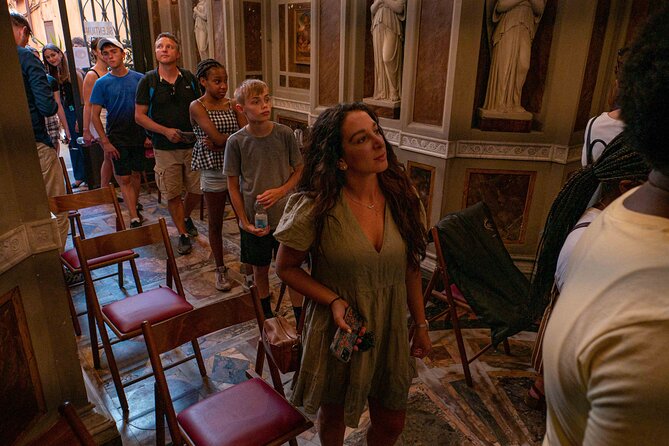
Chiesa di Sant’Ignazio di Loyola is a 15-minute stop. It is one of Rome’s best-known Baroque churches, and its artificial dome is the key feature.
This is exactly the sort of place that makes a guided walk worthwhile. A church can look impressive at first glance, but the visual trick becomes more interesting once someone explains what you are seeing. The artificial dome shows how Baroque artists used perspective and painted architecture to create an effect beyond the limits of the building itself.
Because the stop is free, it adds real value without raising the tour price. You also get a break from the major-ticket sights. If churches are important to you, you may want to note this one for a longer return visit, since 15 minutes allows only a quick look.
As with any active church, access can depend on services or local conditions. The tour information does not promise extended interior time, so keep your expectations practical.
The Pantheon, Rome’s great architectural lesson
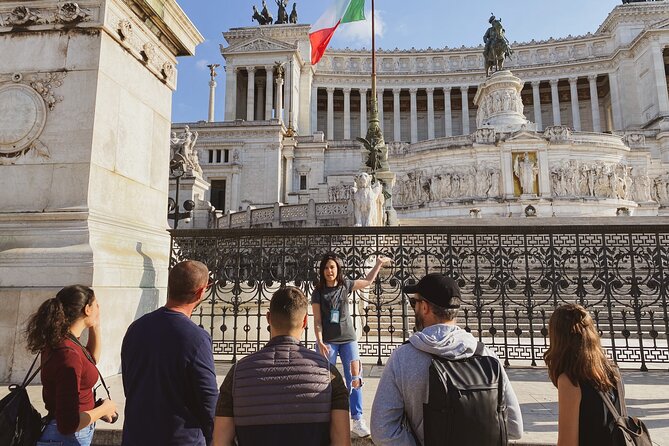
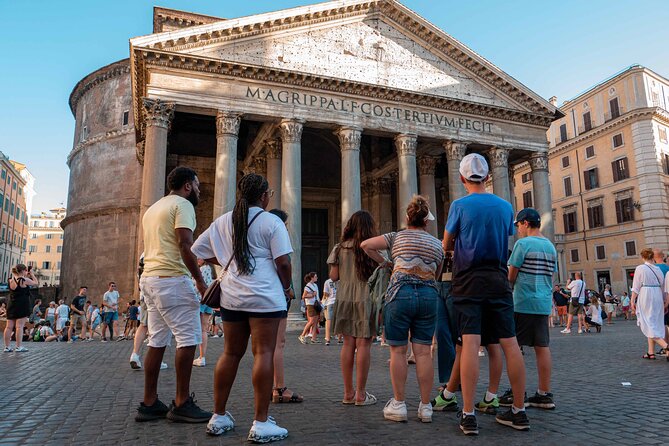
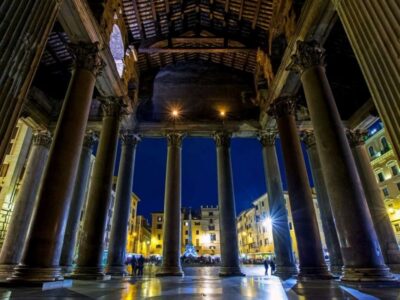
The Pantheon is scheduled for about 20 minutes and is the route’s most important paid stop. It began as a Roman temple and later became a church. Its survival makes it one of the clearest places in Rome to see ancient engineering still shaping a living building.
Your guide explains the building’s design and the secrets behind its architecture. This is where the tour’s history lessons should feel most concrete. Instead of hearing only dates and names, you can connect the structure’s shape, scale, and purpose to the story of Rome.
Admission is not included in the $24.20 price. That is not a hidden cost, since it is clearly excluded, but you should plan for it when comparing the total price with other walking tours. The guide can explain the exterior and set up the visit, but the tour price itself does not cover entry.
Twenty minutes is a short visit for a building this important. I would treat it as a guided introduction and return if you want more time inside. The tour is especially useful if you have not yet learned how the Pantheon differs from the Colosseum and the Roman Forum. Those sites tell different parts of the Roman story, and this walk helps fill in the gaps.
Piazza Navona and the best place to continue
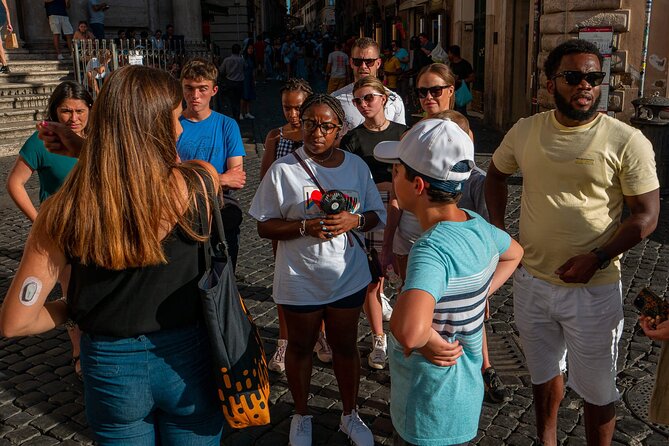
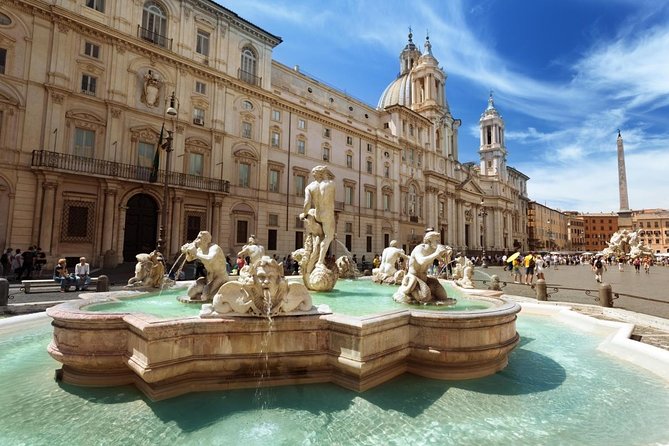
The tour ends at Piazza Navona after about 15 minutes there. The square is famous for its three fountains and the Baroque church of Sant’Agnese in Agone. Its long shape reflects an earlier stadium, while its present appearance is one of Rome’s classic public spaces.
Ending here is practical. You are not left beside a bus stop or in an anonymous street. You can stay for a meal, order a drink, or use the guide’s suggestions for restaurants, bars, gelato, and rooftop terraces nearby.
Do not expect the final stop to be a long, quiet study of every fountain. It is a closing overview and a useful handoff into the rest of your evening. You might return later when you have more time, especially if you want to compare the square’s details without keeping pace with a group.
The route’s endpoint also means you should plan transportation from Piazza Navona if your hotel is elsewhere. The meeting area and endpoint are both near public transportation, but the experience itself is entirely on foot.
What the guide adds to the experience
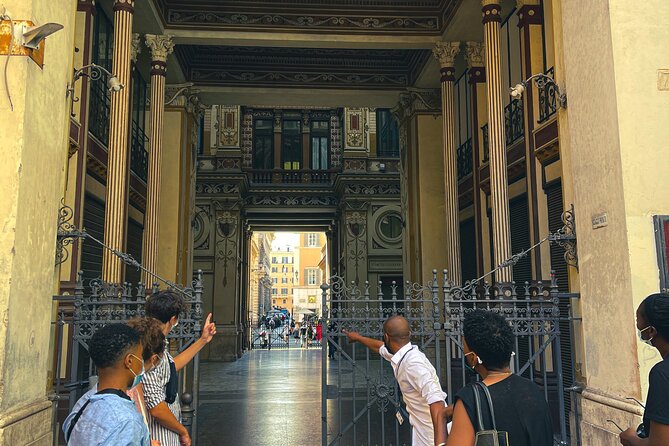
The strongest part of this tour is the human explanation. Several guides have been praised for making Roman history easy to follow without turning the walk into a lecture.
Dan is repeatedly described as friendly, funny, and full of useful information. He was also praised for explaining less obvious details at the Pantheon and Trevi Fountain. Sharon is a good fit if you want practical orientation, since she has helped people spot areas to explore on later days and offered advice for managing a first visit.
Domenica, also written as Dominica in some feedback, has been praised for making the route memorable and giving a good overview beyond the Colosseum and Vatican City. Anna is described as patient, personable, and amusing, especially on a later departure. Sila and Pollina also earned praise for keeping the walk engaging and pointing out places people would have missed alone.
You cannot choose a particular guide from the information provided, so book the tour for the route and format rather than expecting one named person. Still, the repeated praise for warmth, humor, and clear communication is a good sign for anyone who worries about dry history talks.
Pace, walking demands, and timing
The experience lasts about two hours. Reviews describe it as manageable rather than punishing, but you should be ready to keep moving through central Rome. One person specifically noted a considerable amount of walking, while another said the length was not too arduous.
The tour is not recommended for people with foot injuries. That warning is worth taking seriously. Rome’s central streets can be tiring even when the distance looks modest on a map, and standing at several monuments adds to the effort.
Wear comfortable shoes and bring water. The tour includes several pauses, and one account notes stops to catch a breath and get a drink, but this is still a walking experience, not a sightseeing ride. Most people can participate, and service animals are allowed.
Morning and afternoon departures make the tour easier to fit into a short visit. A morning departure leaves the afternoon open for a museum or major archaeological site. An afternoon walk can be a pleasant way to connect sightseeing with dinner in Piazza Navona.
Who should book this tour
I would recommend it most strongly to first-time visitors who want a lay of the land before tackling Rome on their own. It is also useful if you have already seen the Vatican or Colosseum and want a broader look at the city center.
Families and mixed-age groups may appreciate the short format and small group cap, though anyone with mobility concerns should consider the walking requirement first. People who enjoy architecture, church interiors, fountains, and urban history will get more from this than someone interested only in entering major attractions.
Experienced Rome visitors can still benefit. One person who had already visited Rome three times found that the guide added facts and details they had not heard before. The route is not only for beginners, but beginners are likely to gain the most from its organization.
I would skip it if you want a slow photography walk, long interior visits, or a tour devoted to one monument. The schedule moves through six main stops, so the tradeoff for seeing more is limited time at each place.
Practical value and final booking advice
At $24.20, this is a fair way to buy structure, local explanation, and a useful introduction to central Rome. The tour does not include Pantheon entry, and it does not replace a full visit to the Roman Forum, Colosseum, or Vatican Museums. Its value is in connecting the city’s smaller and larger pieces.
The 98 percent recommendation rate and 4.9 rating from 249 reviews point to a consistently strong experience, especially in guide quality. The most praised traits are clear storytelling, friendly manners, humor, patience, and practical advice. Those qualities matter more than a flashy route when you are trying to understand Rome in only two hours.
Meet at Piazza d’Aracoeli, Via di S. Venanzio 8, and finish at Piazza Navona. One person had trouble finding the starting point, so check the exact location on a map before you leave. Confirmation arrives at booking, and free cancellation is available up to 24 hours before the start time. Cancellations or changes inside that window are not accepted for a refund, and a minimum group size is required.
Should you book the Rome walking tour?
Book it if you want a small, affordable orientation walk with a guide who can explain both headline sights and easy-to-miss corners. It is especially smart for your first morning or afternoon in Rome, when the city still feels like a puzzle.
Do not book it expecting admission to the Pantheon, a private tour, or a leisurely examination of every stop. If you accept the brisk pace and extra entry cost, this is a practical way to meet Rome’s center, collect useful tips, and decide where to spend more time later.
FAQ
How long does the Rome walking tour last?
The tour lasts approximately two hours.
How many people can join the tour?
The group is capped at a maximum of 15 people.
Where does the tour start?
The meeting point is Piazza d’Aracoeli, Via di S. Venanzio 8, 00186 Rome, Italy.
Where does the tour finish?
The tour ends at Piazza Navona, 00186 Rome, Italy.
Is Pantheon admission included?
No. Access to the Pantheon is not included in the tour price.
What sights are included on the route?
The route includes Piazza Venezia and the ancient forums, Galleria Sciarra, Trevi Fountain, Chiesa di Sant’Ignazio di Loyola, the Pantheon, and Piazza Navona.
Are morning and afternoon departures available?
Yes. You can choose between morning and afternoon departure times.
Can I cancel for a full refund?
Yes, if you cancel at least 24 hours before the experience start time. Cancellations or changes made less than 24 hours before the start time are not accepted for a refund.
Newest reviews from Rome
- Rome: Vatican Museums & Sistine Chapel Skip-the-Line Ticket★ 4.4 · 148 reviews
- Shared Shuttle Transfer from Rome to Civitavecchia Port★ 5.0 · 148 reviews
- Skip the Line: Vatican and Sistine Chapel with Guided Tour★ 4.0 · 149 reviews
- Rome: Crypts & Catacombs After Hours Tour with Bone Chapel★ 4.6 · 149 reviews
- Ghosts Legends and Mysteries of Rome Walking Tour★ 5.0 · 149 reviews
- Tivoli: Villa Gregoriana Entrance Ticket★ 4.7 · 150 reviews
- Pizza and Tiramisu Cooking Class in Rome, Piazza Navona★ 5.0 · 150 reviews
- Rome: Borghese Gallery Skip-the-Line Entry and Guided Tour★ 4.7 · 150 reviews
Trevi Fountain & Pantheon Walks, compared.
Pantheon Timeless Marvel Guided Tour with Entry Ticket
Read our review →
Pantheon Priority Entry Ticket & Audio Guide App
Read our review →
Enjoy Spritz and Pasta Making in Piazza Navona
Read our review →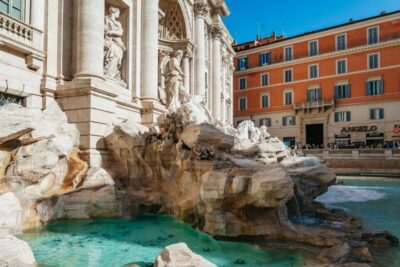
Pantheon Elite Guided Tour – Rome’s Iconic Ancient Temple
Read our review →
Pasta & Tiramisu Cooking Class near the Spanish Steps
Read our review →
Traditional Pizza Cooking Class near Piazza Navona
Read our review →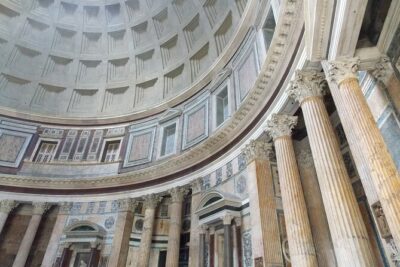
Rome’s Iconic Temple: Pantheon Audio Guided Tour with Fast Access
Read our review →Browse the lists this tour appears in