
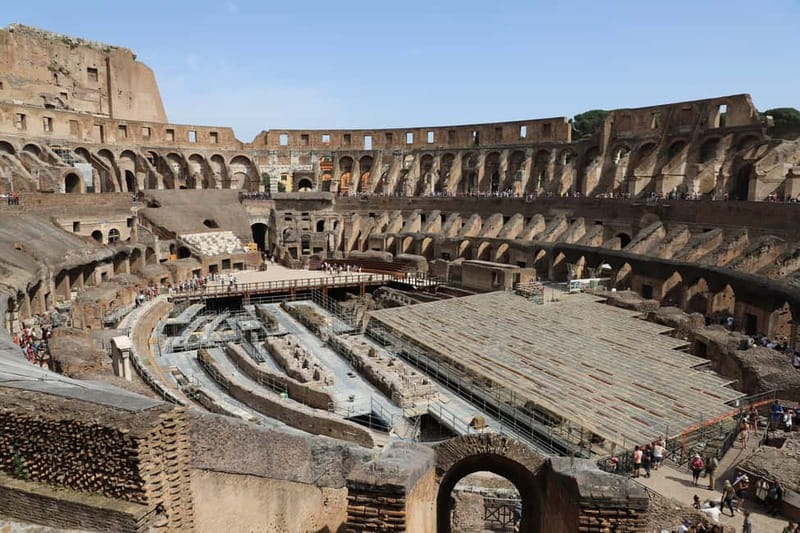
Reviewed · COLOSSEUM TOURS
Rome: Colosseum & Roman Forum Guided Tour
The best thing about this tour is its full sweep of ancient Rome in one morning or afternoon. You move from the Colosseum’s arena to the Roman Forum, then up Palatine Hill, following the political, religious, and social story of the city rather than seeing one famous monument in isolation.
I like the express entrance, which saves precious time at one of Rome’s busiest sights. I also like the guide-led storytelling, especially when guides such as Anna, Tania, Francesco, and Ferdinando explain how gladiators trained, how crowds reacted, and how the Forum worked as a real city center. The main consideration is the heat and uneven ground. This is a long walking tour, and it is not suitable for wheelchair users or people with mobility impairments.
In This Review
- Key points at a glance
- Why this tour works as an introduction to ancient Rome
- Meeting near the Colosseum metro stop
- The Roman Forum, where Rome did its daily business
- Palatine Hill and the Farnese Gardens
- Entering the Colosseum through the express lane
- The value of a three-hour guided visit
- Heat, crowds, and the right time of day
- How the guides shape the experience
- What to bring and what to leave behind
- Who should book this Colosseum tour
- Should you book it?
- FAQ
- How long does the tour last?
- Which places are included?
- Does the tour include Colosseum entry?
- Which parts of the Colosseum can I visit?
- What languages are available?
- Where is the meeting point?
- Is hotel pickup included?
- Is the tour suitable for wheelchair users?
Key points at a glance
- Three major ancient sites in three hours: The Colosseum, Roman Forum, and Palatine Hill form one connected historical visit.
- First and second Colosseum levels: You get more than an outside look at Rome’s most famous monument.
- Express entry: A separate entrance helps reduce waiting time, though security and crowd conditions can still affect the pace.
- Strong guide focus: Anna, Tania, Francesco, Sara, Elena, Francesca, and Ferdinando are among the guides praised for humor, clarity, and deep command of Roman history.
- English and Russian tours: The live tour is offered in both languages.
- Bring only the essentials: Comfortable shoes, identification, water, and a small bag are the sensible choices.
Why this tour works as an introduction to ancient Rome
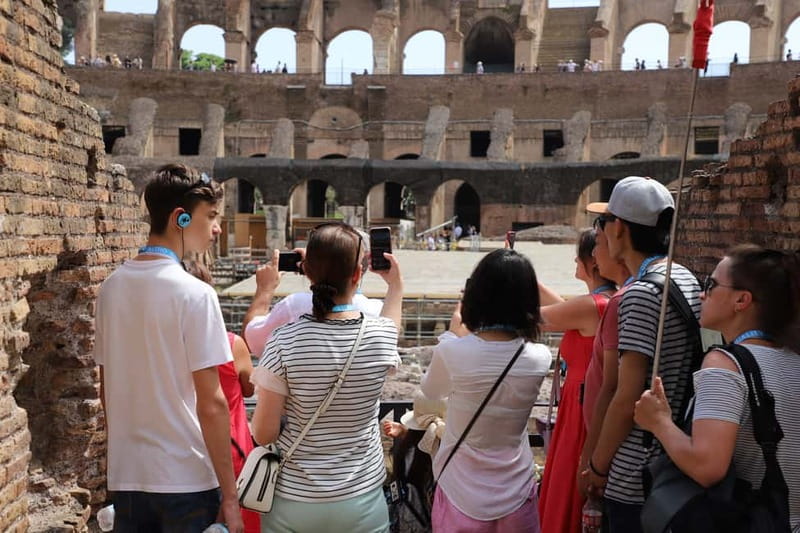
Rome’s ancient center can feel like a pile of broken stones until someone explains what you are seeing. This tour gives you a useful order: the arena where public spectacles took place, the Forum where civic life unfolded, and Palatine Hill where emperors and wealthy Romans built their homes.
That order matters. The Colosseum grabs your attention, but the Forum explains how Rome functioned. Palatine Hill then shows you who controlled the city and why this hill became the address of emperors.
You spend about three hours on foot. The stated schedule gives roughly 90 minutes in the Roman Forum, 30 minutes on Palatine Hill, and one hour inside the Colosseum. That is enough time to see the major sights and build a clear picture, but not enough to inspect every ruin at leisure.
I would choose this tour early in a Rome visit. Once you understand the Forum’s temples, roads, arches, and government buildings, later visits to the city’s museums and churches make more sense.
More ways to see the Colosseum:
- Rome: Colosseum, Palatine Hill and Roman Forum Guided Tour
★ 4.8 · 32,814 reviews - Rome: Guided Tour of Colosseum, Roman Forum & Palatine Hill
★ 4.7 · 27,897 reviews - Rome: Colosseum & Forum with Audio Guide App -Optional Arena
★ 4.2 · 24,770 reviews
Meeting near the Colosseum metro stop
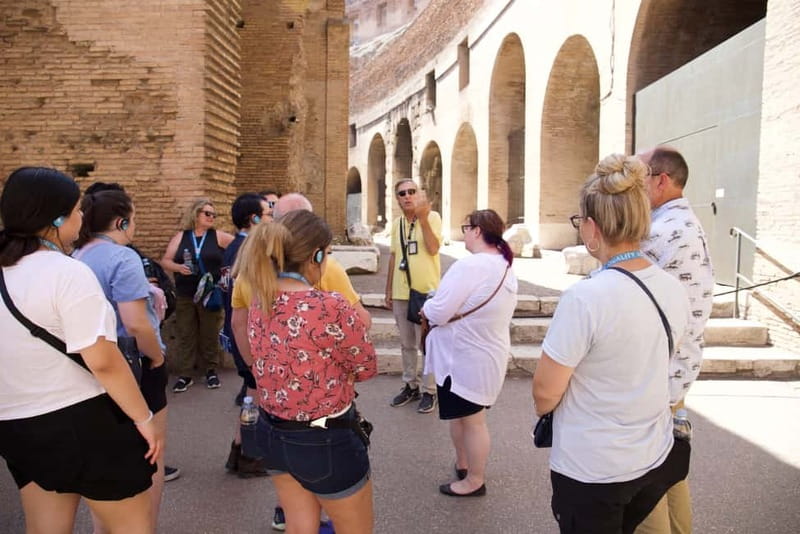
The meeting point is on the corner near Caffè Roma at Largo Agnesi 1, close to the Colosseo stop on Metro Line B. The instructions specify the upper metro exit, with the meeting point to the right as you come out.
Look for the guide holding the rounded Emotion.club logo sign. This is worth taking seriously because the area around the Colosseum has several exits, tour groups, souvenir sellers, and large crowds. Arrive with enough time to orient yourself rather than rushing up from the platform at the last minute.
The tour does not include hotel pickup or drop-off. You handle your own transport to the meeting point. The activity is listed as ending at Piazza del Colosseo, although the meeting instructions also describe the activity as ending back at the meeting point. Confirm the exact finishing spot when you book, especially if you have a timed reservation or dinner plan afterward.
The Roman Forum, where Rome did its daily business
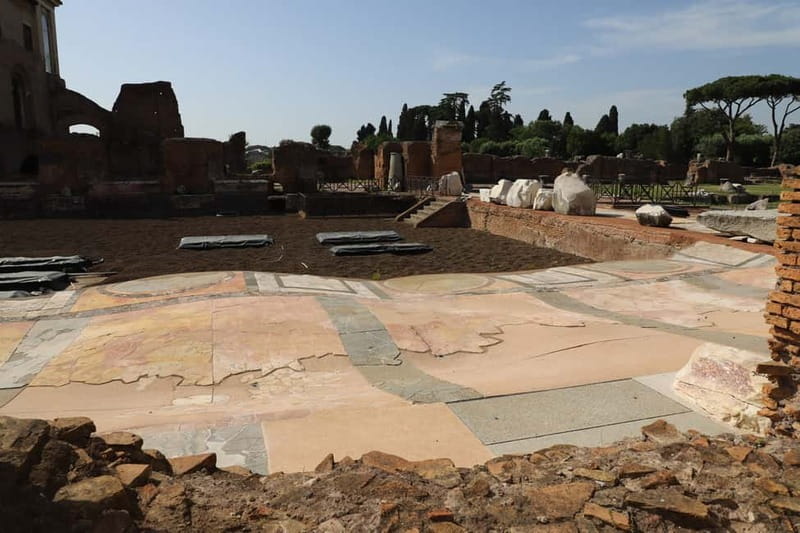
The tour begins with the Roman Forum, and that is a smart choice. The Forum is not one single building. It is a broad archaeological area filled with temples, arches, roads, civic spaces, and fragments of homes. Without a guide, you can easily spend an hour looking at stones without knowing which ones mattered most.
Here you follow the Sacred Road, the route used by Roman citizens, priests, soldiers, and officials. Your guide explains how the Forum served as a center for politics, trade, religion, and public life.
The useful part is the human scale. Ancient Rome was not only emperors and military victories. The Forum connected people from many backgrounds, including doctors, sailors, priests, and prostitutes. The tour also covers clothing, homes, markets, and the social differences between the wealthy and poor.
I particularly value this section because it gives context to the empire’s power. The roads and monuments were not decoration. They were part of a system that helped Rome govern a huge territory and bring public life into one highly visible place.
The Forum can be physically demanding. The paths are uneven, and you may walk over ancient paving stones, dirt, and slopes. Keep your attention on your footing while listening. Comfortable shoes are not a minor suggestion here.
Palatine Hill and the Farnese Gardens
From the Forum, the tour continues to Palatine Hill. Roman legend places Romulus and Remus here, raised by a she-wolf before Rome was founded. The story is myth, but the hill’s importance is firmly tied to Rome’s growth.
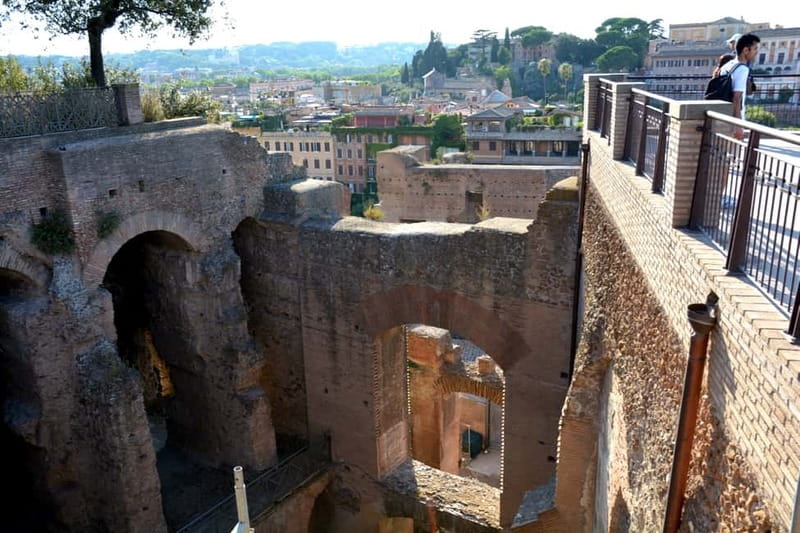
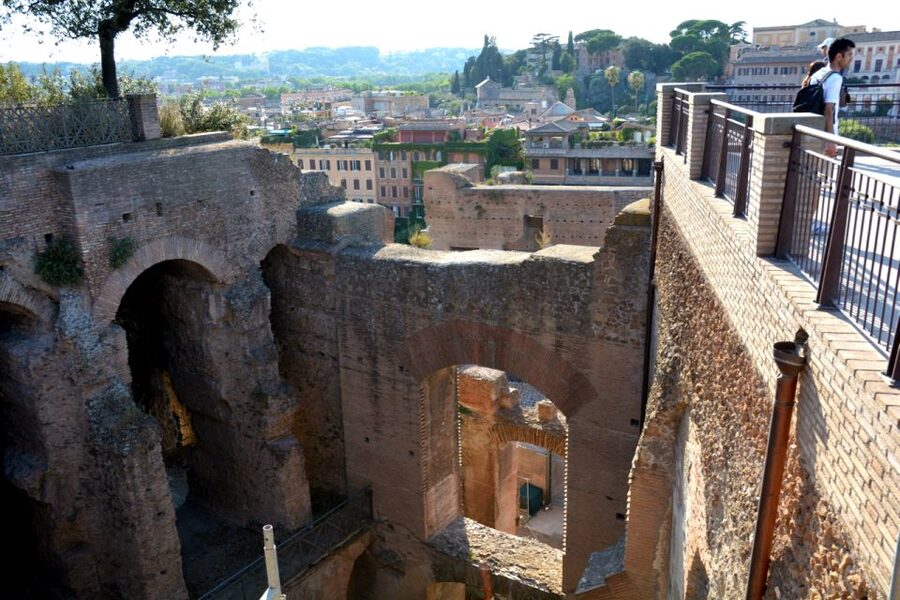
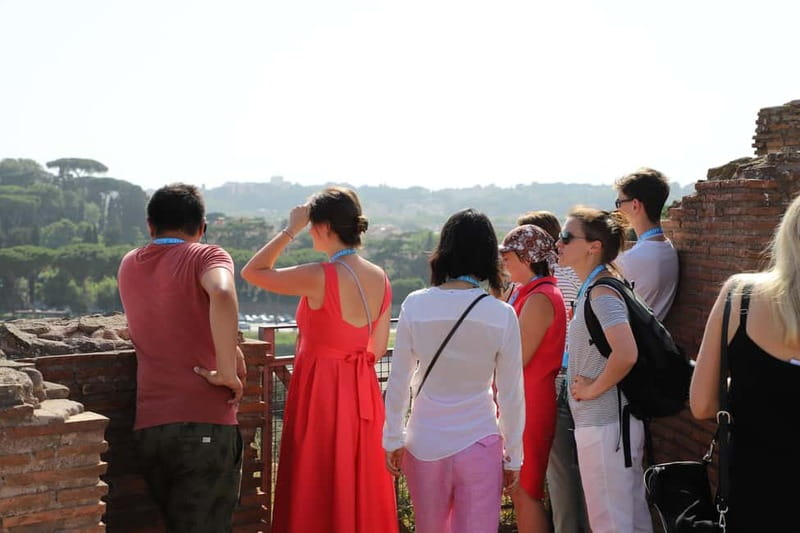
The Palatine later became the preferred address of emperors and wealthy Romans. The remains of imperial villas show the scale of elite life, while the height of the hill gives you views toward Circus Maximus and the surrounding ancient center.
The 30-minute stop is shorter than the Forum visit, so expect a guided overview rather than a slow exploration of every ruin. That is a fair trade in a three-hour tour. You get the story of Rome’s foundation, the rise of imperial power, and the contrast between the hilltop villas and the public life below.
The Farnese Gardens add another layer to the visit. They help you see how later generations treated the Palatine as a place of prestige and memory. The hill is also one of the better places to pause and absorb the scale of the archaeological area.
There is a practical catch: Palatine Hill involves slopes and walking on old surfaces. If stairs, inclines, or rough paths are difficult for you, this tour may be uncomfortable. The activity is specifically not suitable for wheelchair users or people with mobility impairments.
More Roman Forum and Palatine Hill visits:
- Rome: Colosseum, Roman Forum and Palatine Hill Guided Tour
★ 4.5 · 23,903 reviews - Rome: Colosseum, Forum & Palatine Hill Tour & Optional Arena
★ 4.4 · 13,839 reviews - Rome: Colosseum, Palatine Hill & Roman Forum Guided Tour
★ 4.6 · 12,703 reviews - Rome: Colosseum Arena, Palatine Hill & Forum Guided Tour
★ 4.6 · 10,584 reviews
Entering the Colosseum through the express lane
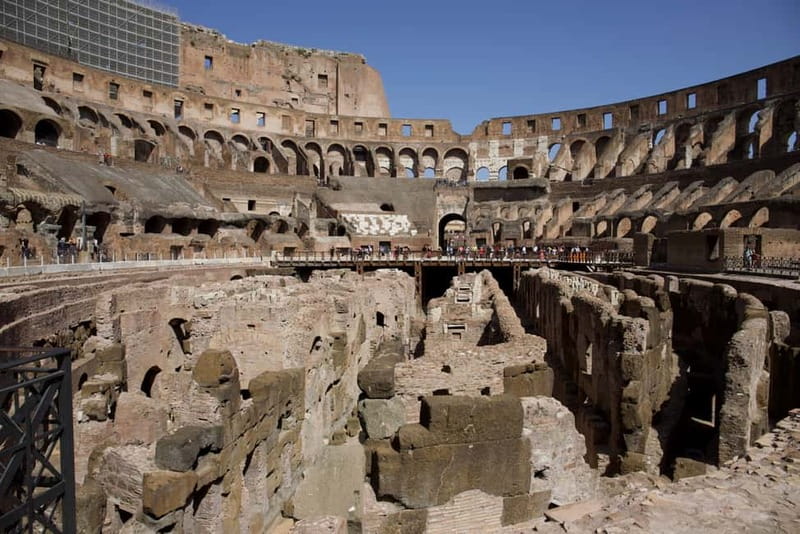
The Colosseum comes at the end of the route, after you have learned about the city that built and used it. The tour includes access to the first and second levels, giving you a proper interior view rather than a quick photo from outside.
The separate express entrance is a major benefit. The Colosseum is one of Rome’s most crowded attractions, and avoiding the standard entry line can make a real difference. Express access does not mean you skip every procedure. Security checks and the crowd inside can still slow the group.
Inside, the guide explains the arena’s spectacles, including gladiator contests and fights involving wild animals. You learn why these events were staged, how the crowd took part, how gladiators lived and trained, and how they were paid.
The most interesting material concerns the machinery behind the show. The Colosseum was not simply a stone bowl with an arena in the middle. It had backstage systems, tunnels, and underground spaces that helped move people and animals into view.
The guide’s job is especially important here because the bare structure can be hard to picture. A good explanation helps you imagine the building covered in spectators, filled with noise, and managed by staff working below the arena floor.
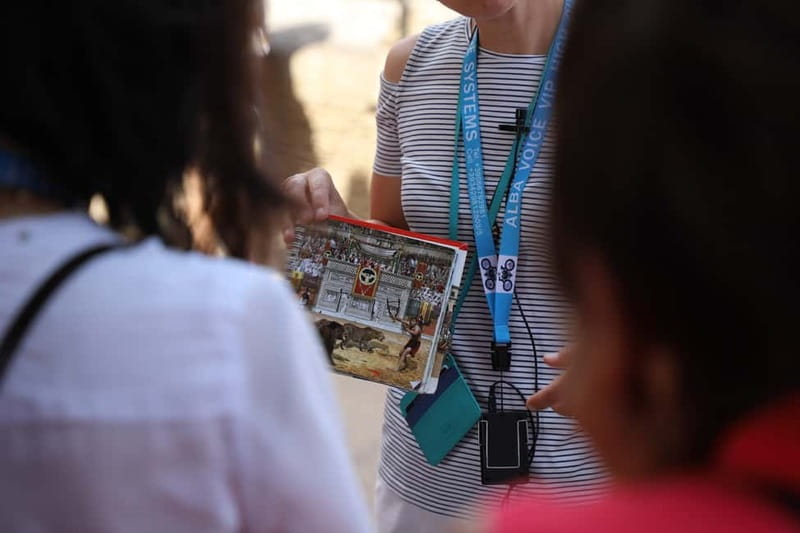
Several guides receive especially warm praise for making this material memorable. Anna is noted for humor, visual aids, and a strong feel for the city. Francesco is praised for explaining small details and adjusting the pace in very hot weather. Ferdinando, an archaeologist, brings a specialist’s understanding to the Colosseum, Forum, and Palatine Hill. Helena is also described as an archaeologist who has worked in the Forum area.
Guide assignments can change, so you should not book on the assumption that one particular person will lead your group. Still, the range of strong guide feedback suggests that the experience depends heavily on the company’s guiding team, not just on entry tickets.
The value of a three-hour guided visit
At $89.50 per person, this is not the cheapest way to see the Colosseum area. You are paying for access, a live guide, headsets, and a planned route through three major sites.
The value is strongest if you want context and efficient use of time. A self-guided visit gives you freedom, but you must decide what matters, interpret the ruins, and keep track of the route yourself. Here, the guide connects the monuments and keeps the three-hour visit moving.
Headsets are included. That matters in a crowded archaeological zone, where a guide speaking to a group can otherwise become difficult to follow. You can keep your eyes on the ruins instead of standing shoulder to shoulder around the guide.
The tour also makes sense for a first visit to Rome, families with older children, and anyone who wants a clear historical framework. It may be less suitable if you prefer to wander alone, take many photographs, or spend half a day at one site.
Several tour participants describe small groups and attentive guides, but group size is not specified as a fixed feature. Do not assume that every departure will be intimate. The guide may need to manage people with different walking speeds and interests.
Heat, crowds, and the right time of day
Rome’s ancient center offers little shade in some open areas, especially around the Forum and Palatine Hill. One guide, Francesco, reportedly took care to find shade and provide regular water breaks during temperatures of 36 to 37 degrees Celsius. That is encouraging, but you should still prepare as if the day will be hot.
Bring water, wear a hat, and use sun protection. Comfortable shoes matter more than stylish ones. You will be walking for three hours, often over uneven ground, and the Forum and Palatine are not easy places to navigate in flimsy footwear.
Tour timing can change the feel of the visit. One 3 p.m. departure was described as less crowded than the period from late morning to mid-afternoon. That does not guarantee quiet conditions, but an afternoon start may suit you if you want to avoid the heaviest midday rush.
On the other hand, an earlier start can leave more of the day free for other sights. Check the available starting times before booking and choose based on your heat tolerance, sleep schedule, and plans for the rest of the day.
How the guides shape the experience
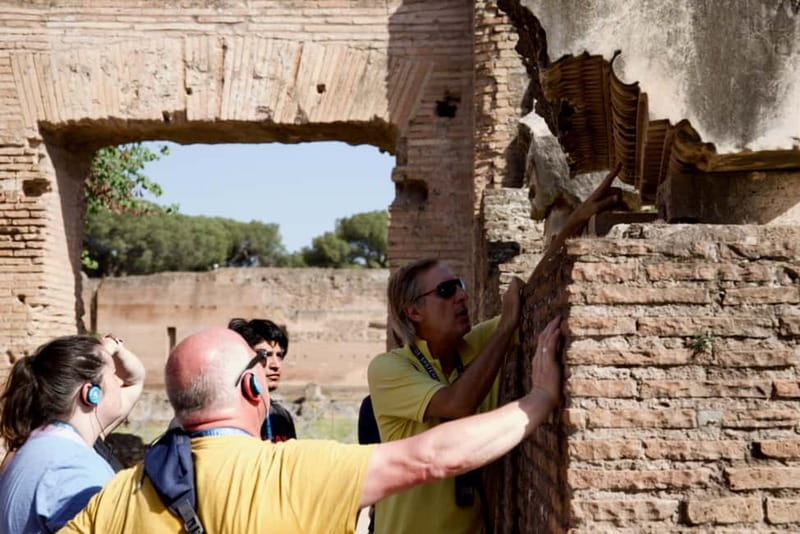
This tour is built around explanation, and the strongest part is the human delivery. Guides are praised for humor, patience, clear speech, and the ability to answer questions without losing the group.
Tania is described as caring and attentive, waiting for the full group and helping people keep pace. Sara is praised for making a complex site easier to understand. Elena is described as patient and warm, while Francesca is noted for her love of Roman history.
That mix is useful because ancient Rome can become a list of dates and names. A guide who can explain why a building mattered, how people used it, and what remains uncertain gives you a better memory of the place.
The Russian-language option is another practical advantage for Russian speakers. English and Russian are the stated tour languages, so check the departure language carefully when selecting your time.
What to bring and what to leave behind
Bring a passport or ID card. Identification is listed as required, so do not treat it as optional.
Wear comfortable shoes and carry water. A small day bag is sensible, but large bags and luggage are not allowed. Pets are also not allowed.
Because the tour includes open archaeological areas, pack lightly. You will be moving between sites rather than returning to a hotel or transport vehicle. Large luggage would be awkward even if it were permitted.
The tour is non-refundable. That makes it important to check your schedule, arrival plans, and the walking demands before paying. If your Rome itinerary is uncertain, a more flexible activity may suit you better.
Who should book this Colosseum tour
I would recommend this tour if you want the essential ancient sights with a live explanation and a separate entrance. It is particularly useful for first-time visitors who want to understand how the Colosseum, Forum, and Palatine fit together.
It also suits people who like history delivered with humor rather than a dry list of facts. The guides praised for wit and storytelling appear to make a real difference, especially at the Forum, where the remains can otherwise be difficult to read.
You should think twice if you have limited mobility, dislike walking on uneven ground, or need a relaxed pace with long stops for photographs. The tour covers a lot in three hours, and the archaeological area can be hot and tiring.
If you book, choose a time that matches the weather, arrive at the correct upper metro exit, bring identification and water, and keep your bag small. For $89.50, the tour earns its price when you use the guide to understand the ruins, not simply to enter them.
Should you book it?
Book this tour if you want a focused introduction to ancient Rome and prefer a guide to connect the sites into one story. The express entrance, headsets, and access to the Colosseum’s first two levels add practical value, while guides such as Anna, Francesco, Tania, and Ferdinando have shown the kind of humor and care that can turn ruins into understandable places.
Skip it if you want complete independence or cannot comfortably manage three hours of walking. For most able-bodied first-time visitors, though, this is a well-shaped way to meet the Colosseum, Forum, and Palatine Hill in one substantial visit.
FAQ
How long does the tour last?
The tour lasts three hours. Starting times vary, so check availability for the date you want.
Which places are included?
The tour includes the Roman Forum, Palatine Hill, the Farnese Gardens area, the Colosseum, and the Imperial Forums area described as part of the ancient city experience.
Does the tour include Colosseum entry?
Yes. Colosseum access is included, with entry through a separate express lane.
Which parts of the Colosseum can I visit?
The tour includes access to the first and second levels of the Colosseum.
What languages are available?
Live guided tours are available in English and Russian.
Where is the meeting point?
Meet on the corner near Caffè Roma at Largo Agnesi 1. Use the upper exit at the Colosseo Metro stop on Line B and look for the guide holding the rounded Emotion.club logo sign.
Is hotel pickup included?
No. You must make your own way to the meeting point, and hotel drop-off is not included.
Is the tour suitable for wheelchair users?
No. The activity is not suitable for wheelchair users or people with mobility impairments because of the walking conditions and uneven ancient surfaces.
Newest reviews from Rome
- Rome: Vatican Museums & Sistine Chapel Skip-the-Line Ticket★ 4.4 · 148 reviews
- Shared Shuttle Transfer from Rome to Civitavecchia Port★ 5.0 · 148 reviews
- Skip the Line: Vatican and Sistine Chapel with Guided Tour★ 4.0 · 149 reviews
- Rome: Crypts & Catacombs After Hours Tour with Bone Chapel★ 4.6 · 149 reviews
- Ghosts Legends and Mysteries of Rome Walking Tour★ 5.0 · 149 reviews
- Tivoli: Villa Gregoriana Entrance Ticket★ 4.7 · 150 reviews
- Pizza and Tiramisu Cooking Class in Rome, Piazza Navona★ 5.0 · 150 reviews
- Rome: Borghese Gallery Skip-the-Line Entry and Guided Tour★ 4.7 · 150 reviews
Colosseum Tours, compared.
Colosseum, Palatine Hill and Roman Forum Guided Tour
Read our review →
Guided Tour of Colosseum, Roman Forum & Palatine Hill
Read our review →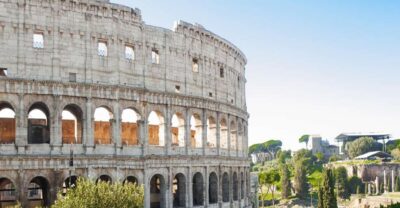
Colosseum & Forum with Audio Guide App -Optional Arena
Read our review →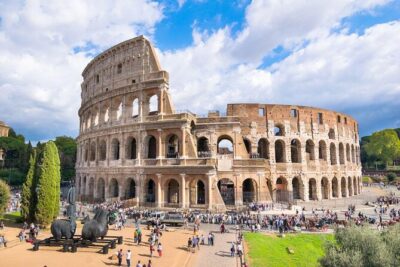
Colosseum, Roman Forum and Palatine Hill Guided Tour
Read our review →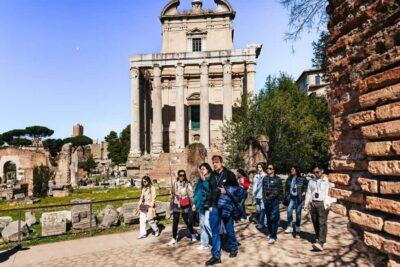
Colosseum, Forum & Palatine Hill Tour & Optional Arena
Read our review →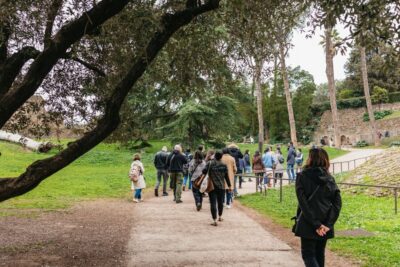
Colosseum, Palatine Hill & Roman Forum Guided Tour
Read our review →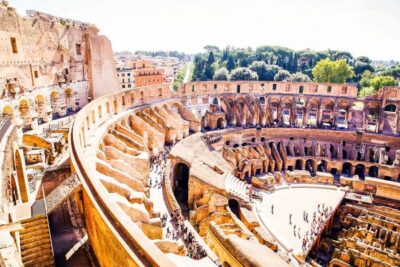
Colosseum: Underground and Ancient Rome Tour
Read our review →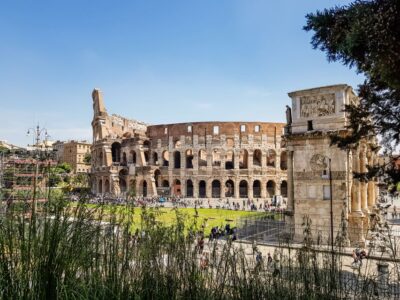
Colosseum Arena, Palatine Hill & Forum Guided Tour
Read our review →Browse the lists this tour appears in