
Reviewed · PIZZA MAKING CLASSES
Rome: Family-Friendly Pizza Master Class
Making pizza beside Piazza Navona is a smart way to give children a hands-on break from Rome’s grand churches and ancient ruins. In a small local pizzeria, an English-speaking chef shows you how dough becomes a Roman-style pizza, then bakes your creation in a real stone oven.
I like the class’s family focus and its simple, useful lesson: dough, sauce, toppings, heat. I also like that you eat what you make, rather than watching a demonstration and leaving hungry. The main thing to consider is the short one-hour format. It gives you a fun taste of pizza making, but not a long cooking course.
In This Review
- Key points to know before you book
- A pizza lesson in Rome’s historic center
- Starting with three basic ingredients
- Rolling, topping, and choosing your own style
- The stone oven turns the lesson into lunch
- How the family experience works in practice
- Timing your workshop around Piazza Navona
- Is one hour enough for the money?
- Practical details that matter to families
- Who should book this pizza class?
- Should you book the Family-Friendly Pizza Master Class?
- FAQ
- Where does the pizza class take place?
- How long does the workshop last?
- Is the class suitable for children?
- What language is the class taught in?
- Do I eat the pizza I make?
- Is the class private?
- Is a vegetarian option available?
Key points to know before you book
- A real pizzeria near Navona Square: You meet in the historic center and cook inside a working pizza restaurant with a stone oven.
- Good for children and adults: The class has worked well for families with children from about six years old, though younger children may need extra help.
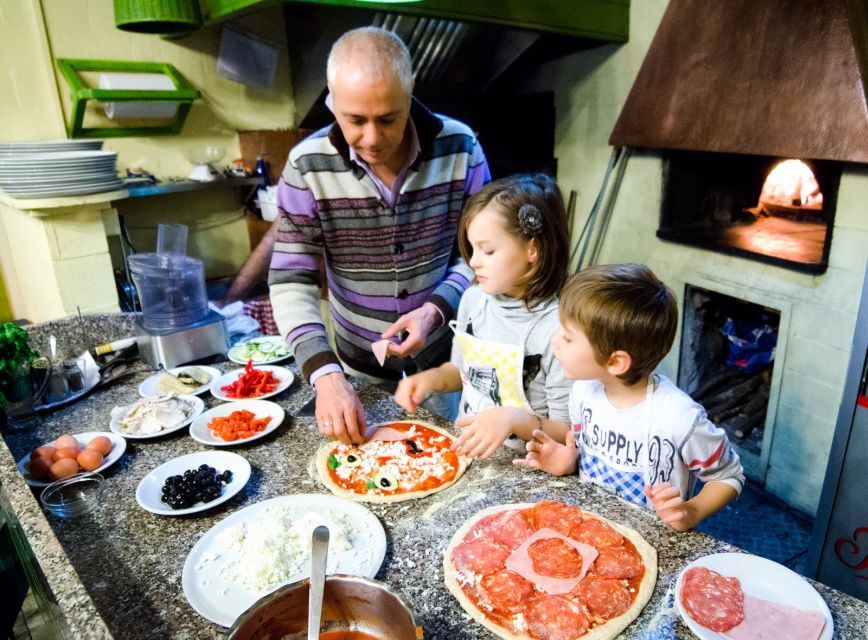
- You shape and top your own pizza: The chef explains how to prepare, roll, and squeeze the dough before you choose toppings.
- Named chefs have made the class especially family-friendly: Past sessions were led by Leo, Federico, and Gaetano, all praised for patience and friendly instruction.
- Shared groups keep the cost sensible: Classes have ranged from small groups of about 12 people to larger sessions of roughly 15.
- One hour is enough for a fun activity, not a full culinary lesson: You learn the basics and eat your pizza, but the pace stays brisk.
A pizza lesson in Rome’s historic center
This class takes place near Navona Square, one of the easiest parts of central Rome to pair with a sightseeing day. The exact restaurant name, address, meeting point, and class time arrive by email within 12 to 24 hours of booking, so do not rely on the general map pin alone.
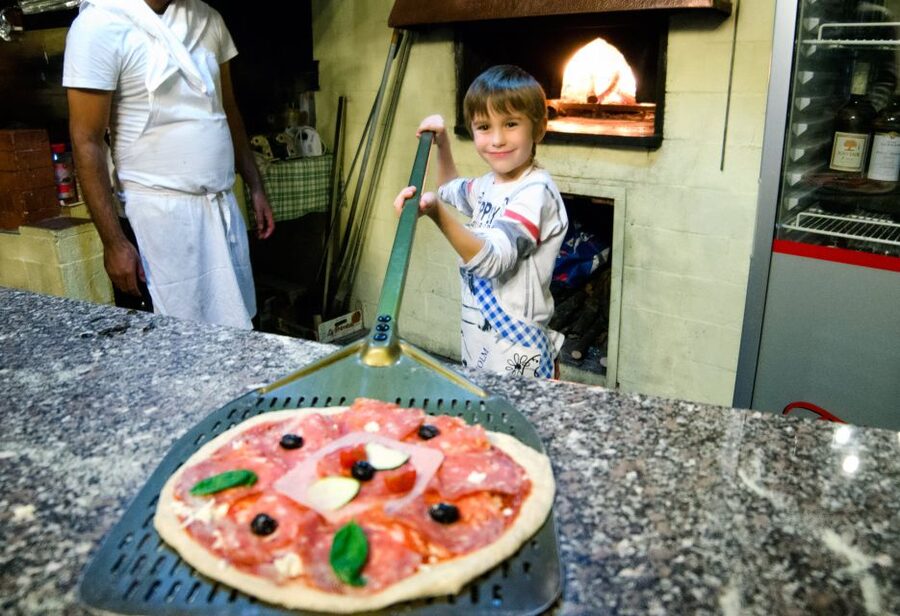
You meet at a little local pizzeria with a real stone oven. That setting matters. You are not in a hotel meeting room with a portable cooking station. You are in the sort of place where pizza is made for the public, with the oven and restaurant staff close at hand.
The class is shared, so you cook alongside other families and adults. Past groups have held around 12 people, while one larger session had about 15 students. That size can make the lesson lively, but it also means you should not expect a private chef devoted only to your family.
The teaching is in English. The chef and staff introduce the basic process, then help you work through the dough. The mood is meant to be relaxed and social, with children included rather than left to watch from the side.
More pizza making classes in Rome:
- Pompeii and Mount Vesuvius Day Trip from Rome with Pizza Lunch
★ 4.5 · 6,151 reviews - Cooking Class in the Heart of Rome: Pizza and Tiramisu Making
★ 5.0 · 1,330 reviews - Rome: Traditional Pizza Cooking Class near Piazza Navona
★ 4.7 · 1,241 reviews
Starting with three basic ingredients
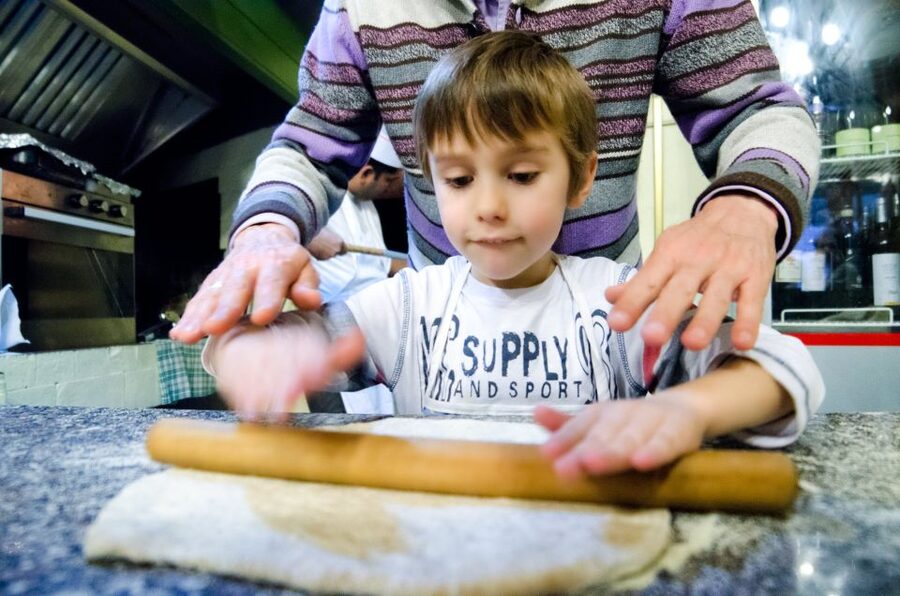
The class presents pizza in an appealingly simple way. At its heart, you work with only three basic ingredients to create the dough. The chef explains how to prepare it properly, then shows you how to roll and squeeze it into shape.
For children, this is the best part of the activity. Dough is tactile, forgiving, and easy to understand. A child who has spent the morning looking up at paintings and monuments finally gets to use both hands and make something.
Adults get a useful lesson, too. The class does not stop at spreading sauce on a ready-made base. One past session began with basic dough made from scratch, then moved to dough that had already risen. That approach makes sense in a one-hour class. You get to see the beginning of the process, but you also receive dough that is ready to shape, so the workshop can reach the oven on time.
Do not expect a detailed lesson on fermentation, flour types, or regional pizza traditions. The focus is practical. You learn enough to repeat the general method at home, which is exactly what many families want from a short Rome activity.
Rolling, topping, and choosing your own style
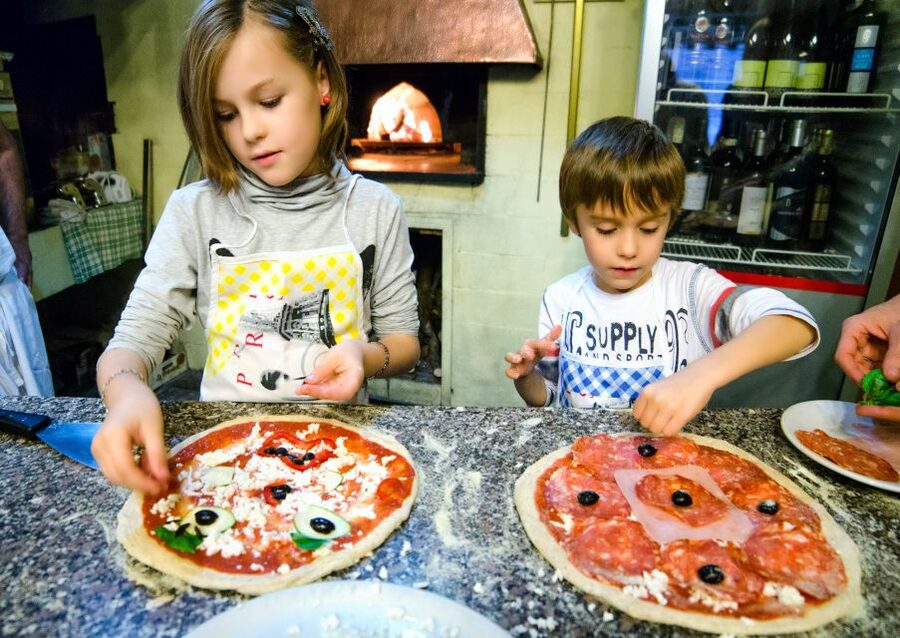
Once the dough is ready, you roll it into a crust and add sauce and toppings. The class allows you to choose as many toppings as you like, so each pizza can reflect the cook. A child can keep things plain, while an adult adds more adventurous choices.
This choice is useful for families with different tastes. You do not need to agree on one pizza for the table. Each person gets the pleasure of building a personal meal, and picky eaters have more control over what goes on their plate.
The chef helps with the practical part, including getting the shaped dough ready for the oven. That guidance is important because a thin crust can tear and an overloaded pizza may be hard to handle. The class is designed to let you work independently while still having an experienced hand nearby.
Vegetarian food is available, but you need to request it when booking. That is a small detail worth handling early, especially if a member of your family has a strict preference or dietary need.
The stone oven turns the lesson into lunch
The best payoff comes when your pizza goes into the real stone oven. You have seen the dough at each stage, selected the toppings, and then watched the chef take over the part that requires the oven and professional timing.
You then sit down and eat your own pizza. That meal is included in the point of the class, even if the exact menu beyond your pizza can vary. One family session also included juice for children, wine for adults, and an appetizer while people waited for their turn, but you should not treat those extras as guaranteed for every time slot.
The shared cooking setup may mean that not everyone is at the oven at the same moment. One older session divided the group into two working sections. That arrangement can create a little waiting, but it also gives you time to sit, watch, and enjoy the restaurant.
Air conditioning and comfortable seating were especially welcome for one family after a long day of sightseeing. If you are planning this for the middle of a busy Rome day, that pause can be as valuable as the food. You get a chair, a meal, and a change of pace without leaving the historic center.
More Rome tours worth comparing
- 3 in 1 Cooking Class near Navona: Fettuccine, Ravioli & Tiramisu
★ 5.0 · 7,376 reviews - Rome: Pasta & Tiramisu Class with Fine Wine by the Vatican
★ 4.9 · 4,852 reviews - Rome: Pasta Making Class with Wine, Limoncello, and Dessert
★ 4.9 · 3,177 reviews - Rome: 3-in-1 Fettuccine, Ravioli, and Tiramisu Cooking Class
★ 4.9 · 2,704 reviews
How the family experience works in practice
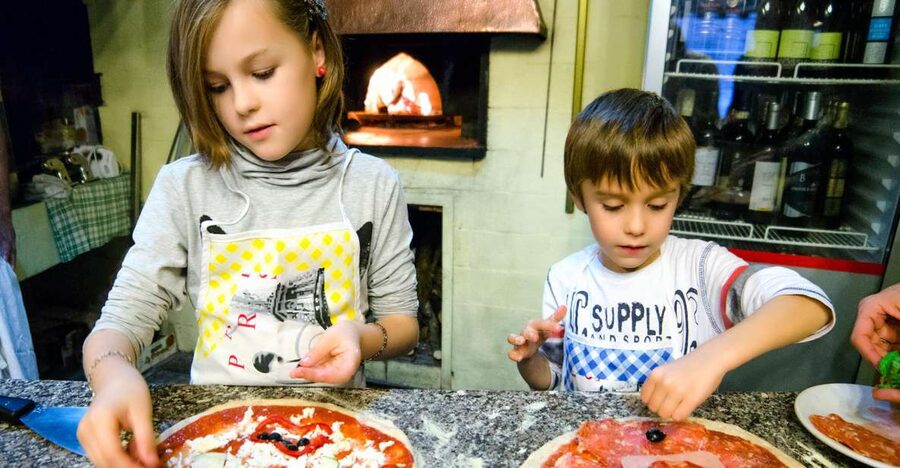
The strongest feature here is the way the chef adjusts to children. A session led by Leo included five children, and he was patient with all of them. Federico was praised for explaining each step while keeping the activity playful, and Gaetano was described as attentive to a group that included both a four-year-old and a ten-year-old.
That last age mix points to an important limit. The activity can include younger children, but a four-year-old may not have the patience or focus for every step. A six-year-old or older child is likely to get more from the lesson, especially if they enjoy touching food and following short instructions.
Parents should be ready to help. This is not a drop-off activity, and the class is shared with other people. Your child may need a hand with the dough, toppings, or waiting time while another group uses the oven.
Teenagers and adults should not assume the class is only for little children. Families with children aged 11, 13, and 9 have enjoyed it, and couples without children have also found the activity worthwhile. The format works because everyone gets a job, from shaping the base to choosing toppings.
The tone depends partly on the chef leading your session. The named instructors from past classes were Leo, Federico, and Gaetano, but you may meet a different chef. The fixed promise is an English-speaking pizza chef and staff in the pizzeria, not a particular instructor.
Timing your workshop around Piazza Navona
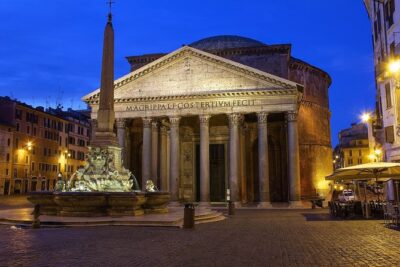
The class lasts one hour, with starting times dependent on availability. It can fit neatly before or after a walk around Piazza Navona, the Pantheon area, or the nearby streets of central Rome.
An early lunch slot may work well for families who want to eat soon after the lesson. A late morning class can also give children a clear goal during a sightseeing day. Past sessions have taken place at 11:30 and in the afternoon, with one family enjoying the class toward early evening.
Timing deserves a little thought. A session close to the main lunch rush may feel more pressed, since the restaurant is also serving its regular customers. One past class found that the second group was making pizzas as the lunch period began. If you can choose among several start times, an earlier slot may offer a calmer rhythm.
The workshop is only one hour, so plan your arrival carefully. Since the exact address comes after booking, allow time to find the restaurant once you receive the details. The meeting point is described as near Navona Square, but the confirmed email is the information you should follow.
Is one hour enough for the money?
No price is provided here, so I cannot judge the exact euro amount. I can still explain what you are paying for. The value comes from a meal, a guided activity, use of a working pizzeria, and a shared social experience in central Rome.
For a family, that combination can make sense. You are not paying for a long formal cooking school. You are paying for a compact activity that replaces part of a restaurant meal while giving children something active to do.
The value is strongest if you would otherwise need to buy lunch or dinner for the family. You get food and entertainment in one stop, and children often remember making the pizza more clearly than another hour of looking at monuments.
The value is weaker if you want a serious lesson in Roman baking. The one-hour schedule leaves little room for detailed dough theory, extended practice, or a tour of the kitchen. You will learn the basic actions and eat the result, not train as a professional pizzaiolo.
Because the class is shared, a private lesson comparison would be unfair. A group setting helps keep the experience social and likely more affordable, but you have less control over the pace. The restaurant may also need to coordinate several pizzas and regular service.
Practical details that matter to families
Book with the group format in mind. You may cook with about 12 people, or possibly a larger group, so tell children beforehand that they will have their own turn rather than constant access to the oven.
Wear clothes that can handle flour and sauce. The provided information does not specify an apron, so it is sensible not to dress for a formal dinner before the class. You will be handling dough, adding toppings, and working around a restaurant kitchen.
Ask for the vegetarian option when you book. Do not wait until you arrive, since the operator specifically asks for advance notice.
The class is taught in English, which makes the instructions easier to follow for English-speaking families. The operator sends the restaurant name, address, and workshop time within 12 to 24 hours after booking, so check your email before setting out.
Flexible booking is another practical benefit. You can reserve now and pay later, and cancellation is free up to 24 hours before the activity for a full refund. Those terms help if your Rome schedule is still changing, though you should still check the confirmed booking conditions at the time of purchase.
Who should book this pizza class?
I would choose this for families who want a break from museums, churches, and ruins. It suits children who like making things, eating their own work, and having some say in the toppings.
It also works for adults. The food is not a token children’s meal, and the chefs provide real guidance. Couples or groups of friends can enjoy the same simple pleasure, especially if they want an easy activity near Navona Square rather than a long class across town.
Children around six and up are the safest match based on the way the class is structured. Younger children can take part, but their enjoyment may depend on mood, patience, and how much help an adult provides.
I would hesitate if you dislike group activities or want a private, slow-paced lesson. I would also look elsewhere if your main goal is to master dough from start to finish. This is a friendly introduction, not a full-day cooking course.
Should you book the Family-Friendly Pizza Master Class?
Book it if you want a short, practical Rome activity that gives your family a meal and a story to take home. The strongest reasons are the real stone oven, the chance to shape and top your own pizza, and the patient approach shown by chefs such as Leo, Federico, and Gaetano.
Choose an earlier time if possible, and request vegetarian food in advance. Keep your expectations sensible: this is a one-hour shared workshop, not a private master class. For families with children who need a hands-on change of pace, that simplicity is the point, and the 4.4 rating from 44 ratings reflects a consistently well-liked experience.
FAQ
Where does the pizza class take place?
It takes place near Piazza Navona in Rome’s historic center, inside a small authentic pizzeria with a real stone oven. The operator confirms the exact restaurant name and address by email within 12 to 24 hours of booking.
How long does the workshop last?
The workshop lasts one hour. Starting times vary, so you need to check availability when booking.
Is the class suitable for children?
Yes. It is designed for children and adults, and children from about six years old are likely to get the most from the hands-on format. Younger children can join but may need more help and patience.
What language is the class taught in?
The instructor teaches in English.
Do I eat the pizza I make?
Yes. After preparing, shaping, topping, and baking your pizza, you sit down and eat your own creation.
Is the class private?
No. This is a shared class with other people. Past sessions have included groups of about 12 to 15 participants.
Is a vegetarian option available?
Yes. A vegetarian option is available, but you must advise the operator when booking.
Newest reviews from Rome
- ROME:Colosseum & Ancient Rome – private/small group TOUR★ 5.0 · 24 reviews
- Off the Beaten Track in Rome: Rione VI Parione Private Tour★ 5.0 · 24 reviews
- Cinematic Photoshoot in Rome★ 5.0 · 24 reviews
- Rome: Best of Colosseum and Roman Forum Small Group Guided Tour★ 4.5 · 24 reviews
- The Labyrinth of Rome between catacombs and ancient quarries★ 4.5 · 24 reviews
- Vatican and Trionfale Market Tour with Wine and Food Tasting★ 5.0 · 24 reviews
- private tour: Vatican Museums, Sistine Chapel, St. Peter’s Basilica★ 4.5 · 24 reviews
- Colosseum guided tour with Virtual Reality★ 5.0 · 24 reviews
Pizza Making Classes, compared.

Pompeii and Mount Vesuvius Day Trip from Rome with Pizza Lunch
Read our review →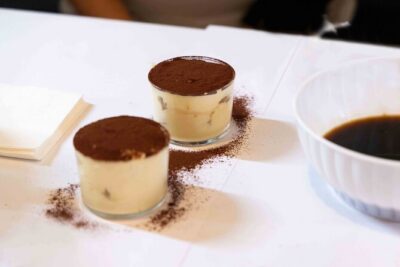
Cooking Class in the Heart of Rome: Pizza and Tiramisu Making
Read our review →
Traditional Pizza Cooking Class near Piazza Navona
Read our review →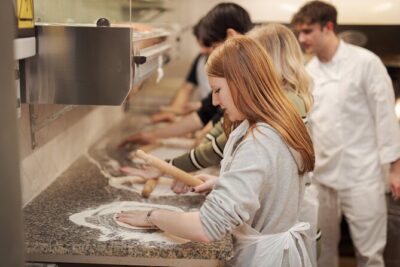
Pizza Cooking Class in Rome – Near Piazza Navona
Read our review →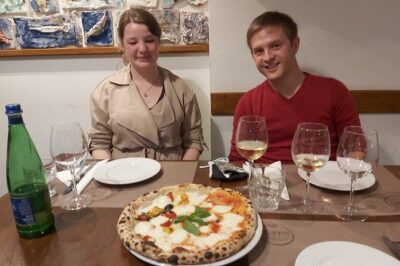
Pizza & Tiramisu Class with Free Flowing Fine Wine
Read our review →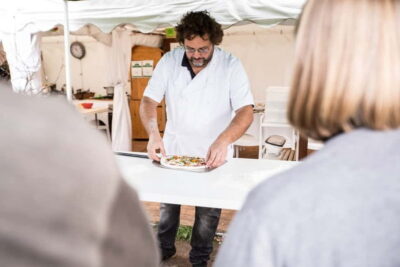
Night Tour of Rome with Local Pizza Dinner and Gelato Experience
Read our review →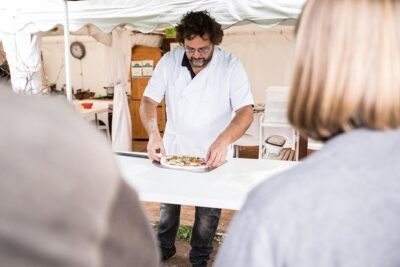
Rome Cooking Class: Make Pizza and Pasta with Wine & Dessert
Read our review →Browse the lists this tour appears in