
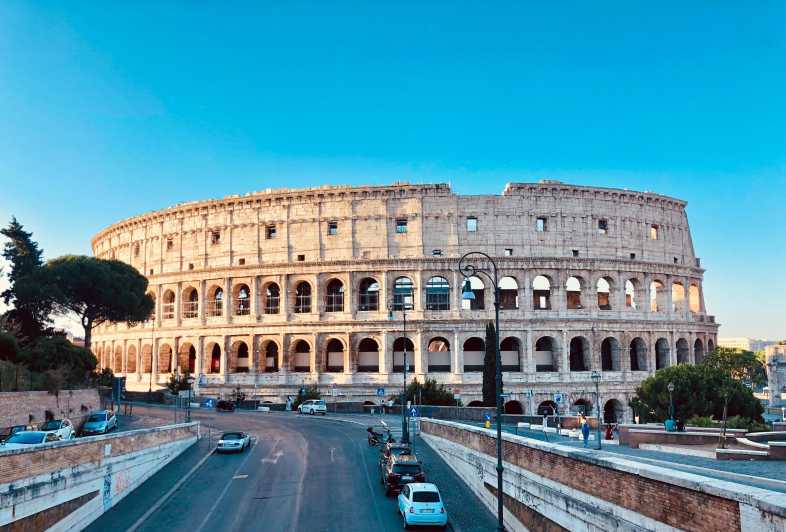
Reviewed · UNDERGROUND ROME TOURS
Rome: Guided Colosseum Underground Tour
The most striking part of this three-hour Rome tour is the Colosseum Underground, where animals and performers once waited beneath the arena before being lifted into view. You also walk onto the Arena Floor, then continue to the Roman Forum and Palatine Hill with an English-speaking guide who connects the ruins into one clear story.
I like the practical route and the strong guiding. The tour takes care of difficult Colosseum access, supplies listening devices, and includes the Forum and Palatine Hill instead of leaving you to puzzle over scattered stones alone. Guides such as Amanda, Renata, and Lorenzo are praised for lively storytelling, humor, and small details that are easy to miss.
The main drawback is the price, $163.11 per person, and the physical demands. Expect uneven ground, stairs, and plenty of walking. The schedule may also shift when underground tickets are limited, so flexibility matters.
In This Review
- Key points at a glance
- Why the Colosseum Underground changes the visit
- Entering near the Arch of Constantine
- From the hypogeum to the Arena Floor
- The Roman Forum, where the city made its decisions
- Palatine Hill and the view over ancient Rome
- Is $163.11 a fair price?
- How the guiding style shapes the day
- Timing, crowds, and what to bring
- Who should book this Colosseum tour?
- Should you book it?
- FAQ
- How long does the guided Colosseum Underground Tour last?
- Where do I meet the guide?
- What does the ticket include?
- Is the tour offered in English?
- What should I bring?
- Is the tour suitable for wheelchair users?
Key points at a glance
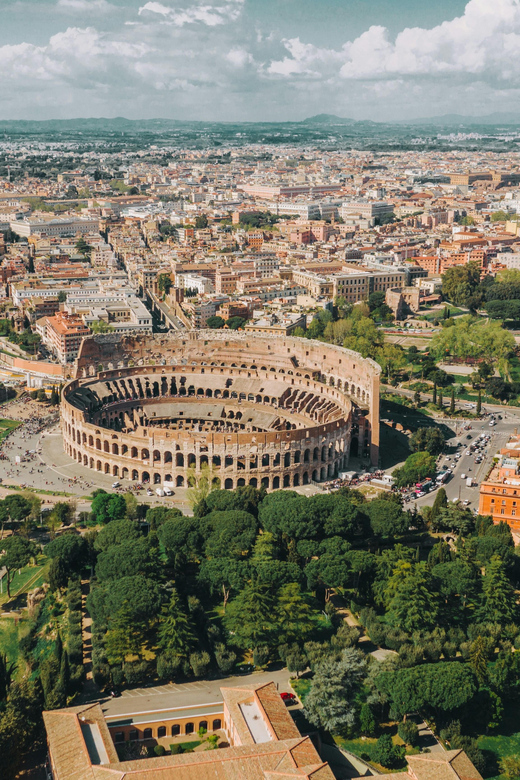
- The Underground is the star attraction: See the hypogeum, the staging area beneath the arena, and the mechanisms used to raise animals and performers.
- The Arena Floor adds a different view: Look up at the seating and imagine the scale of the ancient crowd from the center of the action.
- Three major Roman sites fit into one route: The tour covers the Colosseum, Roman Forum, and Palatine Hill in about three hours.
- Guides bring personality as well as facts: Amanda is known for animated humor, while Renata and Lorenzo are praised for vivid detail and clear explanations.
- Skip-the-line access saves valuable time: This matters most during Rome’s hot, busy periods, when independent entry can be confusing.
- Plan for uneven surfaces: This tour is not suitable for wheelchair users or people with mobility impairments.
Why the Colosseum Underground changes the visit
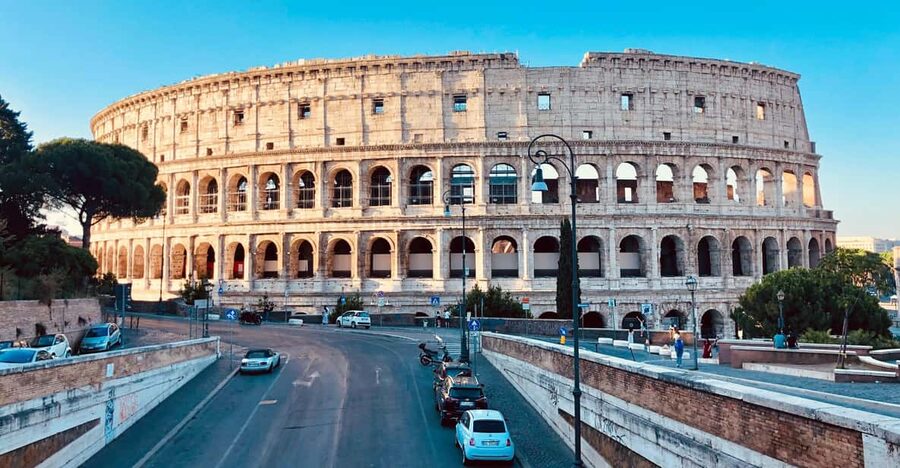
Most people picture the Colosseum as a giant oval of arches and broken seats. The underground changes that picture. Below the arena, the hypogeum reveals the working side of the show: corridors, chambers, and lifting systems that helped move animals and performers into the public spectacle above.
This is where the building feels less like a monument and more like a machine. The arena floor concealed a carefully arranged staging area. From here, the organizers could prepare people and animals, then send them upward at the right moment. Your guide explains how the engineering supported the drama, making the Colosseum easier to understand than it is from the upper tiers alone.
The underground portion lasts about one hour. That is enough time to see the restricted area and hear the stories without turning the whole visit into a technical lecture. You will hear about bravery, sacrifice, cruelty, discipline, and clemency, all themes tied to the Roman appetite for public spectacle.
I especially like this section for visitors who have already seen photographs of the Colosseum. Photos usually show the grand exterior or the Arena Floor. The hypogeum supplies the missing middle, the place where the event was prepared before the crowd saw it.
Access to this area is limited, which is one reason the tour costs more than a basic Colosseum ticket. Tickets for the underground are difficult to secure independently. Here, the underground entry is built into the booking, along with a guide who explains what you are seeing.
More ways to see the Colosseum:
- Rome: Colosseum, Palatine Hill and Roman Forum Guided Tour
★ 4.8 · 32,814 reviews - Rome: Guided Tour of Colosseum, Roman Forum & Palatine Hill
★ 4.7 · 27,897 reviews - Rome: Colosseum & Forum with Audio Guide App -Optional Arena
★ 4.2 · 24,770 reviews
Entering near the Arch of Constantine
You meet the guide next to the Arch of Constantine, close to the Colosseum. Look for the red Trajan Tours sign. This is a useful meeting point, but the area is busy and full of tour groups, so give yourself enough time to find the arch and identify the correct sign.
The tour team has used advance messages to confirm arrangements and clarify the meeting place. That extra contact can help if you are unsure where to go, especially around major holidays or periods when Rome’s opening times and ticket supply are under pressure.
You will need a passport or identity card. A copy is accepted. Security rules prohibit weapons, sharp objects, large bags, luggage, sprays, aerosols, and glass objects. Pack lightly. A bottle of water is a good idea, particularly when the tour takes place in warm weather.
After meeting the guide, the group enters the Colosseum grounds. Skip-the-line access is valuable here, but it does not mean the monument will be empty. Security checks, ticket points, and other groups still shape the pace. The guide helps organize the route and keeps the group together.
Several guides receive especially warm praise. Amanda is described as funny, energetic, and very good at pushing through crowded areas while keeping the group engaged. Renata is praised for linking one event to the next and using visual clues around the ruins. Lorenzo is noted for offering details that other guides may pass over. The exact guide is not guaranteed, but the experience clearly depends heavily on who leads your group.
From the hypogeum to the Arena Floor
After the underground, you move up to the Arena Floor. The change in viewpoint matters. In the hypogeum, you are looking at preparation and machinery. On the arena level, you see the public stage where that preparation became a show.
The guide explains the building’s design and engineering, including how the Colosseum handled the movement of performers and animals. Look outward from the Arena Floor and you can better understand the seating tiers, the sightlines, and the scale of the crowd the building was made to hold.
This stop also helps put Roman entertainment into human terms. The stories are not limited to architecture. You hear about the people who entered the arena, the discipline behind the performances, and the hard choices tied to Roman ideas of power and mercy.
The Arena Floor is one of the strongest reasons to choose this tour instead of a simple exterior visit. You are not only looking at the Colosseum from the outside or viewing it from a distant tier. You are placed in the center of the building’s most important space.
Your guide uses a radio or audio listening system, so you can hear the explanation even when other groups are nearby. This is a small feature with a big effect. At a site this crowded, a good story is not much use if you cannot hear it.
The Roman Forum, where the city made its decisions
The Roman Forum takes about 45 minutes with the guide. It is the part of the visit that can be hardest to appreciate alone. You see columns, foundations, arches, and fragments of temples, but the original purpose of each ruin is not always clear at first glance.
The guide points out sites such as the Arch of Titus and the remains of the Temple of Saturn. Temples, basilicas, and government buildings fill out the picture of the Forum as the center of public life. This was a place of politics, religion, law, ceremony, and power.
I like the way this stop follows the Colosseum. The Colosseum shows how Rome displayed power to a crowd. The Forum shows how that power was organized and argued over. The guide can connect emperors, public buildings, military victories, and political authority in a way that makes the broken stones easier to read.
Forty-five minutes gives you a focused introduction, not an exhaustive archaeological study. You will see important landmarks and learn how they fit together, but you may still want extra time to wander after the guided portion. The timing is especially useful if you have a packed Rome schedule, though it can feel brisk if you want to examine every ruin closely.
The tour’s ending information places the finish near Via dei Fori Imperiali, close to the ancient sites and major city sights. Confirm the final point with the guide on the day, especially if you plan to meet someone or catch a timed reservation afterward.
More underground Rome tours:
- Colosseum: Underground and Ancient Rome Tour
★ 4.7 · 12,691 reviews - Rome: Crypts and Catacombs Underground Tour with Transfers
★ 4.6 · 5,341 reviews - Expert Guided Tour of Colosseum Arena OR Underground, and Forum
★ 4.5 · 5,041 reviews - Rome: Colosseum Underground Small Group Guided Tour
★ 4.7 · 4,844 reviews
Palatine Hill and the view over ancient Rome
The final guided section lasts about 45 minutes on Palatine Hill. This rise above the Forum is tied to Rome’s earliest legends and later imperial residences. The tour specifically includes the Palace of Domitian, one of the major remains on the hill.
The palace ruins help you see the Palatine as more than a scenic overlook. This was an imperial address, a place linked with the rulers who shaped Rome’s government, buildings, and public image. Your guide explains the remains while placing them against the Forum and the wider city.
The views are a real reward after the underground and Forum. From above, you can see how closely the main ancient areas relate to one another. The Colosseum, Forum, and Palatine are not isolated attractions. Together they form the core of ancient Rome, and this route lets you move through them in a logical order.
The hill is also where the physical challenge becomes more noticeable. Uneven surfaces and walking are part of the visit, and the ancient paths are not designed like a modern museum. If you have difficulty with stairs, rough ground, or sustained walking, think carefully before booking.
Is $163.11 a fair price?
At $163.11 per person, this is an expensive Colosseum tour. You are paying far more than you would for basic entry, so the value depends on what you want from the visit.
The price includes entry to the Colosseum, Underground, Arena Floor, Roman Forum, and Palatine Hill. It also includes the local English-speaking guide and guided visits through all four areas. The underground access is the key value. Since those tickets can be difficult to get on your own, the booking removes a major source of uncertainty.
Skip-the-line entry is another practical advantage. Rome’s major monuments can consume hours through queues and ticket checks. A guide also helps you move through the different access points, which can be confusing if this is your first visit.
The tour becomes better value if you care about context and want the three main archaeological areas explained in one outing. It is weaker value if you prefer to walk at your own speed, read signs quietly, or spend a long time photographing each ruin.
Several people found the tour lasted closer to four hours than three. That is worth considering when planning lunch, museum reservations, or a train. The time can run long because of the crowd, the pace of the guide, or the amount of explanation. I would avoid scheduling another fixed activity immediately afterward.
How the guiding style shapes the day
This tour is not a silent audio guide with a person standing nearby. The strongest feature is the live presentation. Amanda is repeatedly praised for humor, energy, and memorable character voices for Roman emperors. That style will suit you if you like history with a bit of theater.
Renata’s approach is described as warm, clear, and full of connections between different parts of the site. Lorenzo is praised for unusual details and enthusiasm. One useful practical touch is attention to sightlines. A guide who positions shorter members of the group where they can see makes a real difference at crowded monuments.
The tone can also be direct. Amanda is noted for reminding visitors about basic courtesy around the monument. That may sound minor, but it helps when groups are trying to hear a story beside a busy passage.
The exact guide is not promised, and each person will have a different style. Still, the company’s communication is part of the service. A coordinator named Phil has been praised for friendly messages, meeting-point help, and updates when the scheduled time changed because of ticket availability.
Timing, crowds, and what to bring
The listed duration is three hours, with starting times shown when you check availability. Ticket supply may affect the start time. One tour scheduled for 9:30 was moved to 12:30 during a busy holiday period, so do not build an inflexible day around the original time until it is confirmed.
A later start can have one advantage: you may get a slower morning before heading to the Colosseum. The tradeoff is heat and stronger crowds, depending on the season. The tour includes outdoor walking at the Forum and Palatine Hill, so water is essential.
Wear shoes that can handle uneven stone paths. Large bags and luggage are not allowed, and neither are sharp objects, weapons, aerosols, sprays, or glass items. Assistance dogs are allowed, but other pets are not.
The tour is not suitable for wheelchair users or people with mobility impairments. That warning should be taken seriously. The ancient surfaces, changes in level, and walking demands can make the route difficult even for people who usually manage city sightseeing comfortably.
Free cancellation is available up to three days in advance for a full refund. That gives you some protection while planning, but it does not solve last-minute access issues, so check the confirmed starting time and meeting instructions before heading out.
Who should book this Colosseum tour?
I would choose this tour for a first visit to Rome when the Colosseum is a priority and you want more than the standard public areas. The combination of Underground, Arena Floor, Forum, and Palatine Hill gives you a strong first look at ancient Rome in one organized visit.
It also suits families and mixed-age groups that benefit from a guide who keeps the pace moving. Amanda’s humor and energetic delivery may be especially helpful for children or anyone who finds long archaeological explanations tiring.
History fans will appreciate the underground machinery, the Palace of Domitian, and the political story of the Forum. The tour also works well for visitors who dislike planning complicated ticket purchases or standing in hot queues.
I would not choose it if you want a quiet, slow archaeological study. The three-hour schedule is structured, and the most popular areas can be crowded. You also need to accept a high price and a possible schedule change.
One useful bonus is that some ticket arrangements may let you return to the Colosseum or remain in the Forum area after the guided part, depending on the ticket terms for your date. Confirm this with the tour team rather than assuming it applies. If available, extra time is valuable because the guided portion gives you the framework, while independent wandering lets you look more closely.
Should you book it?
Book this tour if the Underground and Arena Floor are high on your Rome wish list. Those areas are the part most difficult to arrange alone, and the guide adds real value by explaining the machinery, the people, and the political meaning behind the ruins.
At $163.11, it is not a budget outing. Yet the cost can make sense when you include restricted access, skip-the-line entry, three major sites, listening equipment, and help navigating the Colosseum’s checkpoints.
Skip it if you need wheelchair access, dislike uneven ground, or prefer complete freedom over your schedule. For everyone else, this is a well-organized way to see the Colosseum as both a stage and a working system, then connect it to the Forum and Palatine Hill.
FAQ
How long does the guided Colosseum Underground Tour last?
The listed duration is three hours. The Colosseum Underground portion takes about one hour, followed by roughly 45 minutes at the Roman Forum and 45 minutes on Palatine Hill. The total visit may run longer, so leave some space afterward.
Where do I meet the guide?
Meet next to the Arch of Constantine, beside the Colosseum. The guide will be holding a red Trajan Tours sign.
What does the ticket include?
The ticket includes entry to the Colosseum, Underground, Arena Floor, Roman Forum, and Palatine Hill. Guided visits and a local English-speaking guide are included.
Is the tour offered in English?
Yes. The live tour guide language is English.
What should I bring?
Bring water and a passport or identity card. A copy of your passport or ID card is accepted.
Is the tour suitable for wheelchair users?
No. The tour is not suitable for wheelchair users or people with mobility impairments because of uneven surfaces and the physical demands of the route.
Newest reviews from Rome
- Rome: Vatican Museums & Sistine Chapel Skip-the-Line Ticket★ 4.4 · 148 reviews
- Shared Shuttle Transfer from Rome to Civitavecchia Port★ 5.0 · 148 reviews
- Rome: Crypts & Catacombs After Hours Tour with Bone Chapel★ 4.6 · 149 reviews
- Ghosts Legends and Mysteries of Rome Walking Tour★ 5.0 · 149 reviews
- Skip the Line: Vatican and Sistine Chapel with Guided Tour★ 4.0 · 149 reviews
- Tivoli: Villa Gregoriana Entrance Ticket★ 4.7 · 150 reviews
- Pizza and Tiramisu Cooking Class in Rome, Piazza Navona★ 5.0 · 150 reviews
- Appian Way E-bike Tour with Gourmet Picnic and Catacombs★ 4.5 · 150 reviews
Underground Rome Tours, compared.
Colosseum: Underground and Ancient Rome Tour
Read our review →
Crypts and Catacombs Underground Tour with Transfers
Read our review →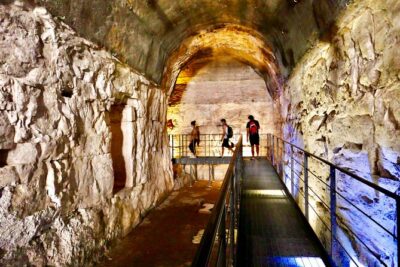
Expert Guided Tour of Colosseum Arena OR Underground, and Forum
Read our review →
Colosseum Underground Small Group Guided Tour
Read our review →
St. Peter’s Basilica, Dome Climb, and Underground Tour
Read our review →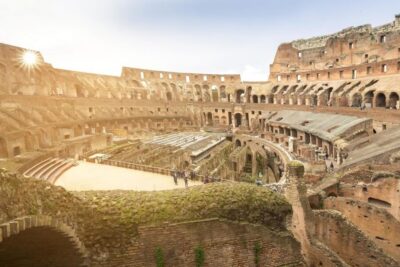
Colosseum Underground & Ancient Rome Guided Tour
Read our review →
Browse the lists this tour appears in