
Reviewed · UNDERGROUND ROME TOURS
Rome: Immersive Underground and Piazzas Tour
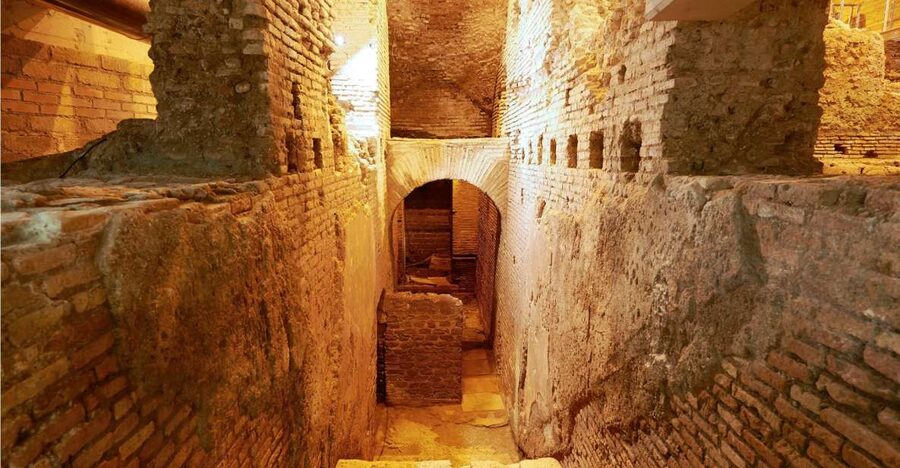
Rome is easiest to understand when you look below street level. This three-hour walking tour links famous squares with two striking archaeological sites: the Stadium of Domitian beneath Piazza Navona and Vicus Caprarius, an ancient water system beneath the Trevi district.
I like the mix of famous sights and lesser-seen ruins, and I like that many guides are trained archaeologists. Guides including Amanda, Francesca, and Alessandra have been praised for clear explanations, humor, patience, and strong answers to questions. The main caution is simple: despite the title, much of the tour takes place above ground, so expect plenty of walking through central Rome.
In This Review
- Key points to know before booking
- Why the underground stops change your view of Rome
- Piazza Navona and the Stadium of Domitian
- The Pantheon, explained rather than merely entered
- Trevi Fountain and the City of Water
- What the three-hour pace feels like
- The guides are the tour’s biggest strength
- Value, flexibility, and practical limits
- Who should book this Rome underground tour?
- Should you book it?
- FAQ
- How long does the Rome underground and piazzas tour last?
- Which sites are visited?
- Is the whole tour underground?
- What languages are available?
- What should I wear?
- Can I enter the Pantheon on every tour date?
- Is the tour suitable for wheelchair users?
Key points to know before booking
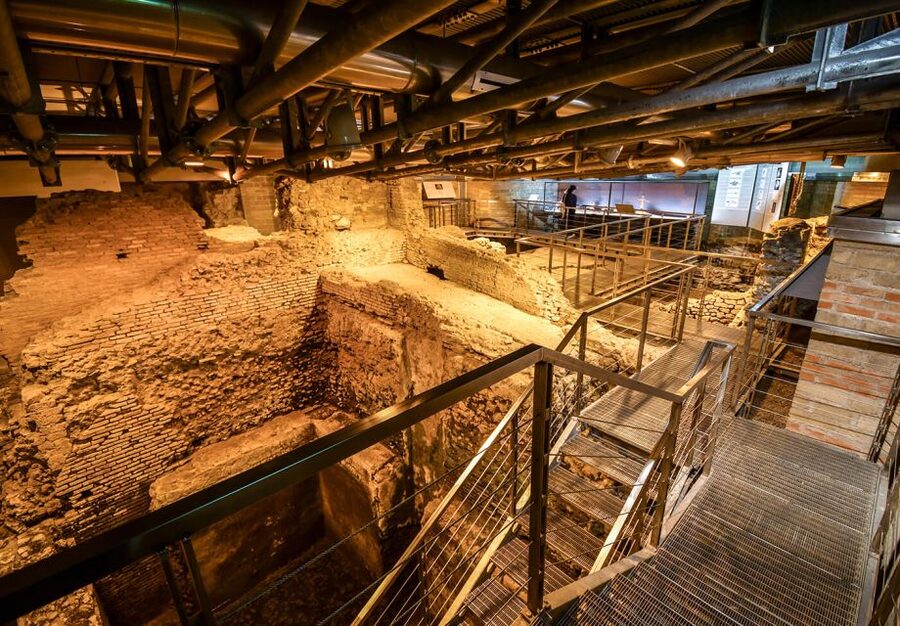
- The Stadium of Domitian lies beneath Piazza Navona, offering a rare look at the athletic complex that once occupied the site.
- Vicus Caprarius reveals Rome’s water story, including remains linked to the Aqua Virgo aqueduct.
- The Pantheon adds a major landmark and a guided explanation rather than a quick walk-through.
- Archaeologist guides give the tour its strength, with names such as Amanda, Francesca, Maria, and Alessandra receiving especially warm praise.
- The route is about three hours, with roughly 10 minutes of walking listed between Piazza Navona and the Stadium of Domitian, plus continued walking through busy streets.
- Dress for the Pantheon, covering your shoulders and knees, and wear comfortable shoes.
Why the underground stops change your view of Rome
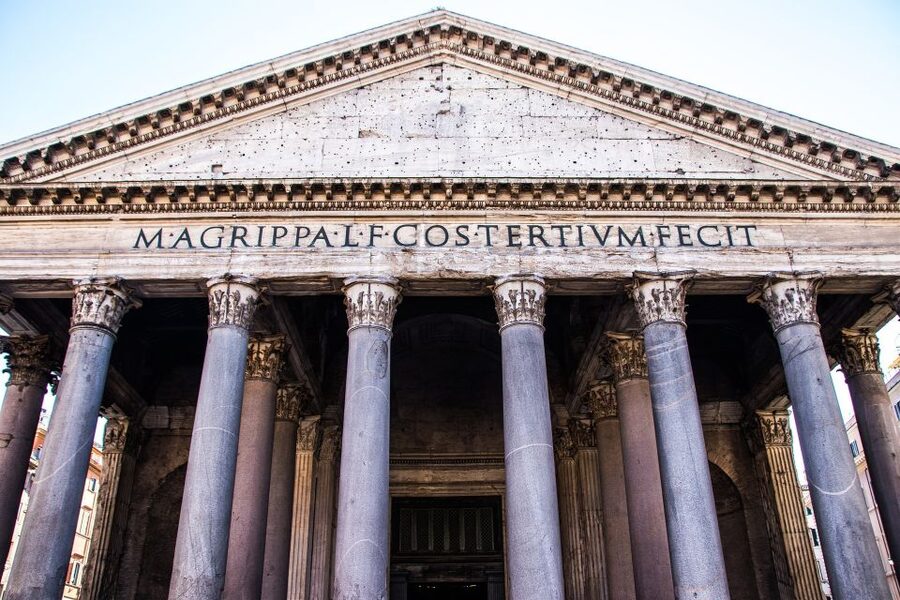
Rome can feel like an open-air museum, but its modern streets often sit several feet above the ancient city. This tour makes that point in a practical way. You begin in grand public squares, then descend into remains that explain what stood there long before today’s cafés, shops, and traffic.
The two underground visits are not identical. The Stadium of Domitian is a large ancient sports site beneath Piazza Navona. Vicus Caprarius is a tighter archaeological area near Trevi, with domestic remains and water infrastructure. Together, they show two sides of Roman life: public spectacle and the practical business of supplying a city with water.
I also like the route because the sights connect naturally. Piazza Navona leads to the Pantheon, and the Pantheon leads toward Trevi Fountain and Vicus Caprarius. You are not being driven from one isolated attraction to another. You walk through the city and see how the monuments relate to the streets around them.
The tradeoff is that this is not a full archaeological excavation tour. The underground sections total about an hour in the listed schedule, while the rest includes outdoor walks, explanations, and photo stops. If you want three uninterrupted hours below street level, choose a more specialized crypt or catacomb visit instead.
More underground Rome tours:
- Colosseum: Underground and Ancient Rome Tour
★ 4.7 · 12,691 reviews - Rome: Crypts and Catacombs Underground Tour with Transfers
★ 4.6 · 5,341 reviews - Expert Guided Tour of Colosseum Arena OR Underground, and Forum
★ 4.5 · 5,041 reviews
Piazza Navona and the Stadium of Domitian
Piazza Navona is an excellent place to begin because it looks elegant now but has a very different origin. The long oval shape follows the footprint of the Stadium of Domitian, an imperial venue used mainly for athletic contests.
Your guide first helps you read the square as a Roman site rather than just a beautiful Baroque piazza. The three fountains and surrounding façades belong to later Rome, while the ancient stadium lies underneath. That contrast is one of the best teaching moments of the tour.
The underground visit lasts about 30 minutes. You can expect a guided look at the surviving remains and an explanation of how the stadium functioned. For a short visit, it gives useful scale: this was not a small local sports ground but a substantial public complex built for crowds and competition.
The stadium also had a brief connection with gladiatorial entertainment. After fire damage affected the Colosseum in 217 AD, gladiator shows were held here for a limited period. That detail helps correct the common idea that every Roman arena had the same purpose from the beginning.
This stop suits you if you enjoy seeing the layers beneath a familiar monument. It may be less satisfying if you want large, fully restored structures. Much of the interest comes from learning to interpret partial remains, not from walking through a complete ancient building.
The walk between the square and the archaeological entrance is listed at about 10 minutes. Central Rome can be crowded, so stay close to the guide. One useful suggestion from the tour feedback was a more visible flag or sign, since a guide can become hard to spot in a busy street. Headphones and a microphone have also made explanations easier to hear when groups are larger.
The Pantheon, explained rather than merely entered
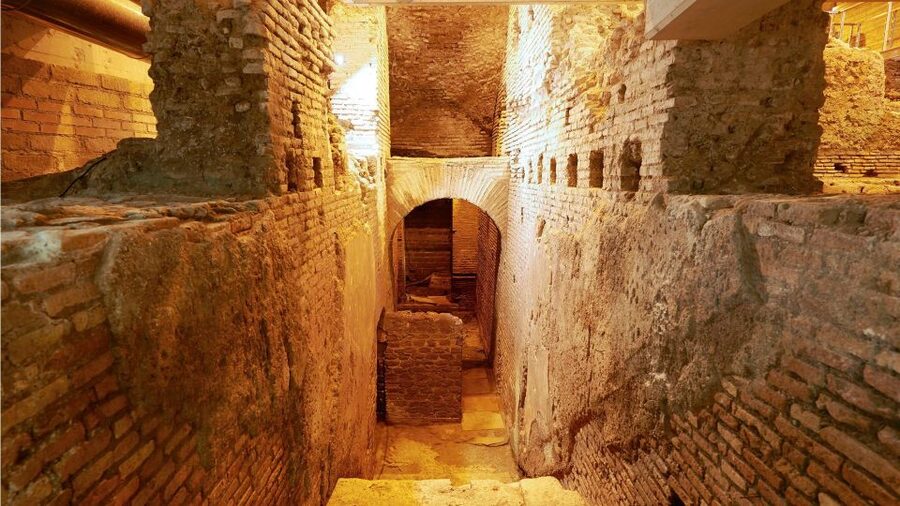
The Pantheon receives about 45 minutes, making it the longest single stop on the route. That is important. You get time for an explanation of the building and its place in Roman history, rather than simply stepping inside, taking a picture, and moving on.
The building is also an active church, so clothing matters. Your shoulders and knees must be covered. Shorts, short skirts, and sleeveless shirts are listed as unsuitable for this tour, and the dress rule is especially important here because religious services can affect access.
A guide gives the Pantheon more meaning than a silent visit usually does. The tour information includes the Roman legend that Romulus, Rome’s founder, was taken into the heavens by an eagle after his death. Whether you treat that as myth or cultural evidence, it shows how Romans connected sacred stories with important places.
You can expect a guided visit rather than a broad architectural lecture packed with dates. The strongest guides on this route are praised for explaining clearly, allowing questions, and giving you time for photographs. Amanda, Maria, Gloria, Caterina, and Alessandra are among the guides singled out for warmth and strong storytelling in past departures.
Access can change because the Pantheon is a functioning religious site. Religious functions may prevent entry on certain days. Restoration work connected with the Jubilee may also alter routes or affect some monuments, so check messages before you go.
Trevi Fountain and the City of Water
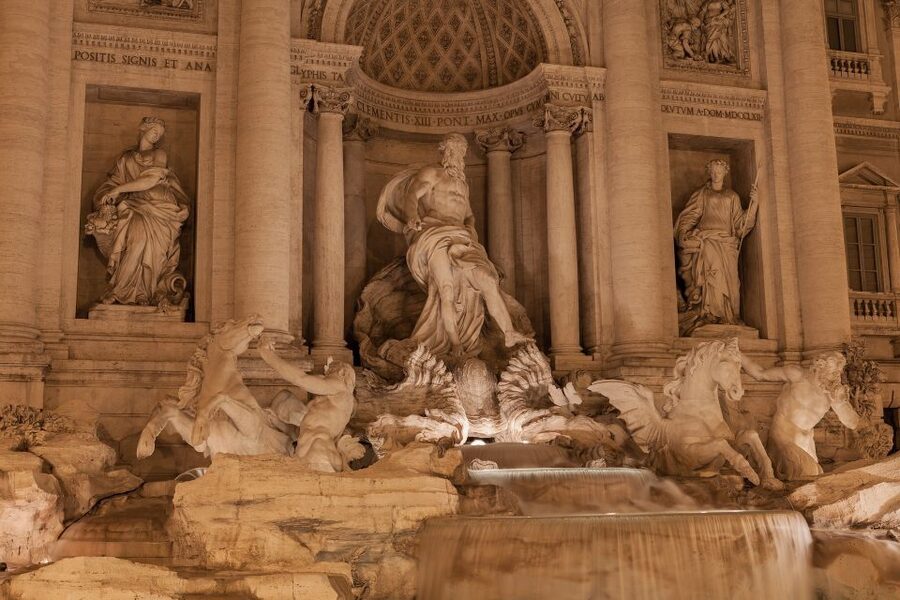
Trevi Fountain is the tour’s most familiar sight, but here it works as a link to the underground visit rather than the main event. You have time for a photo stop and the traditional coin toss, then continue into the archaeological area known as Vicus Caprarius, or the City of Water.
The fountain itself can be extremely crowded. Do not expect a quiet, lingering visit in the middle of the route. Instead, use the stop to orient yourself, take your photograph, and listen as the guide connects the monumental fountain with Rome’s ancient water supply.
Vicus Caprarius is the more surprising part of this section. Beneath the Trevi district, you find a maze of ancient remains, including a domus from the imperial period and the castellum aquae associated with the Aqua Virgo aqueduct. A castellum aquae was a water distribution structure, so this visit makes the city’s engineering easier to understand.
The Aqua Virgo connection is particularly useful because it ties the underground ruins to the water flowing through one of Rome’s best-known fountains. You are not looking at unrelated stones. You are seeing part of the system that helped carry and distribute water through the city.
The archaeological area was only identified within the last 25 years, according to the information provided for the tour. That recent discovery adds a modern lesson: Rome is not finished revealing itself. New construction and careful excavation can still expose earlier layers below ordinary streets and buildings.
Expect the Vicus Caprarius visit to last about 30 minutes. The setting is underground, and one useful benefit on a hot day is the cooler temperature below street level. On the other hand, underground archaeological areas can feel confined, and they are not suitable for wheelchair users according to the tour details.
A completely different way to spend the day in Rome:
- Vatican: Museums & Sistine Chapel Entrance Ticket
★ 4.5 · 144,003 reviews - Vatican Museums & Sistine Chapel Tour with Optional Basilica
★ 4.3 · 67,413 reviews - Vatican Museums, Sistine Chapel & St Peter’s Basilica Guided Tour
★ 4.5 · 39,149 reviews - Rome: Colosseum, Palatine Hill and Roman Forum Guided Tour
★ 4.8 · 32,814 reviews
What the three-hour pace feels like
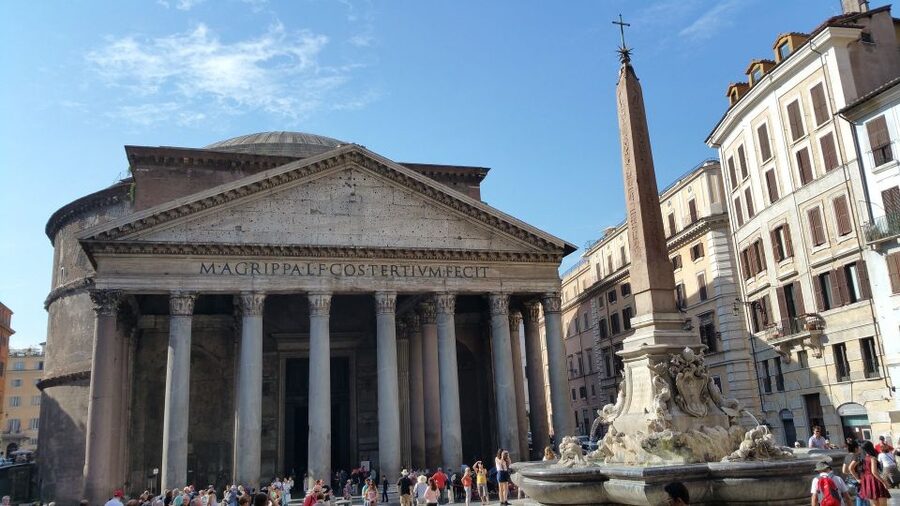
Three hours is a good length for this route. You cover five major stops without giving an entire day to one theme. The schedule allows about 30 minutes at the Stadium of Domitian, 45 minutes at the Pantheon, 30 minutes at Vicus Caprarius, and 20 minutes at Trevi Fountain, with walking between them.
The pace is active but not designed as a race. You will stand, walk, listen, descend underground, and stop for photographs. Past groups have appreciated guides who add short rest or toilet stops, particularly during hot weather. Still, you should not treat this as a low walking activity simply because the underground rooms provide shade.
A morning start can be sensible. One past participant found a 10 a.m. departure useful because some areas were less crowded at that hour. Availability and start times vary, so check the schedule when booking.
The route finishes at Trevi Fountain. That is convenient if you want to remain in the area afterward, continue toward the Spanish Steps, or find lunch nearby. The tour does not return you to Piazza Navona, so plan the rest of your day from Trevi rather than from the starting point.
There are two possible starting points listed: the Fiumi Fountain or the National Academy of San Luca. The exact meeting point depends on the option booked, and one past departure involved a change that the company communicated by phone. Check your messages and arrive early enough to find the guide without stress.
The guides are the tour’s biggest strength

The subject is strong, but the guide makes the difference. Many guides assigned to this experience are archaeologists, and that background matters when you are looking at incomplete foundations, reused walls, and water channels.
Amanda has been especially praised for combining detailed explanations with humor and enthusiasm. Francesca is described as friendly, helpful, and strong at bringing the underground areas to life. Alessandra, also called Alex, has archaeological training and local childhood experience, which gives her both academic context and a personal connection to Rome.
Other past guides include Maria, Sabrina, Gloria, Caterina, Karolina, Martha, Giuliana, and Eleonora. The descriptions of their guiding styles vary, but the repeated strengths are clear: patient answers, strong command of Roman history, a welcoming manner, and enough time for questions.
You cannot necessarily request a particular guide, so book this tour for the route and format rather than assuming Amanda or Francesca will lead it. The language choices are Italian, English, and Spanish. If you need a particular language, confirm its availability for your chosen departure.
Small groups can make a major difference at the Pantheon and underground sites. One past booking was effectively a private tour, while other groups were larger. Group size is not specified here, so ask if that matters to you. A microphone and headphones can help when the streets are noisy.
Value, flexibility, and practical limits
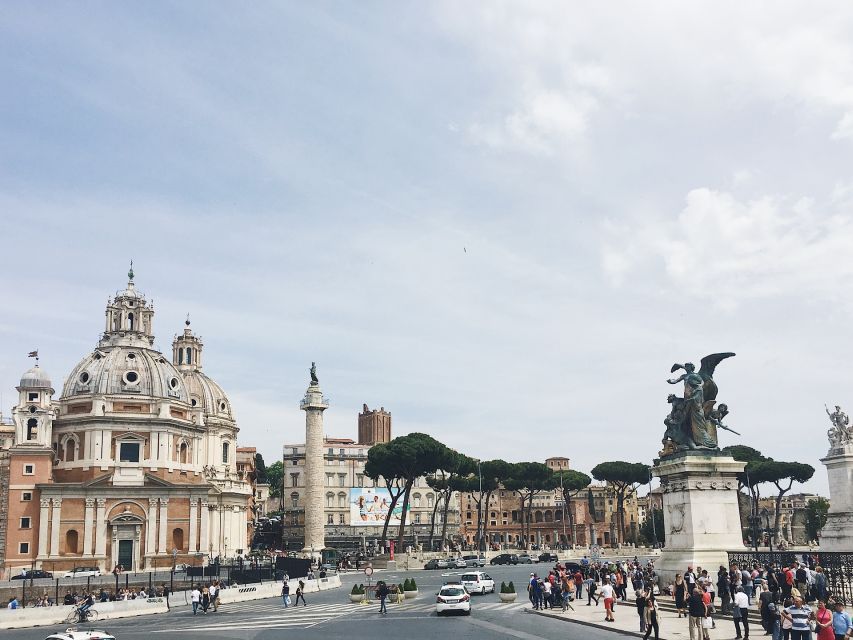
No price is supplied in the tour information, so I cannot call it a bargain at a specific figure. The value depends on how much you want interpretation. You are paying for a guide who connects five sites, explains archaeological remains, and handles the flow between famous landmarks and less obvious places.
For many people, that is better value than paying separate entry fees and trying to understand the underground sites alone. Vicus Caprarius and the Stadium of Domitian are easy to overlook, and the Pantheon gains much from a good explanation. The route also saves you from planning the sequence yourself.
If you already have a strong background in Roman archaeology, you may prefer individual site visits at your own pace. The tour gives a broad introduction rather than an extended specialist study. You also spend a fair amount of time outside, so the title should not lead you to expect a purely subterranean experience.
The booking terms are useful for uncertain plans. You can cancel up to 24 hours before the start for a full refund, and the reserve now, pay later option lets you delay payment. These policies do not improve the actual sightseeing, but they reduce the risk of fitting the tour into a changing Rome itinerary.
Wear comfortable shoes. Dress with the Pantheon in mind from the start, since you do not want to discover at the entrance that bare shoulders or knees will prevent entry. Wheelchair users should choose another activity because this tour is not listed as suitable for them.
Who should book this Rome underground tour?
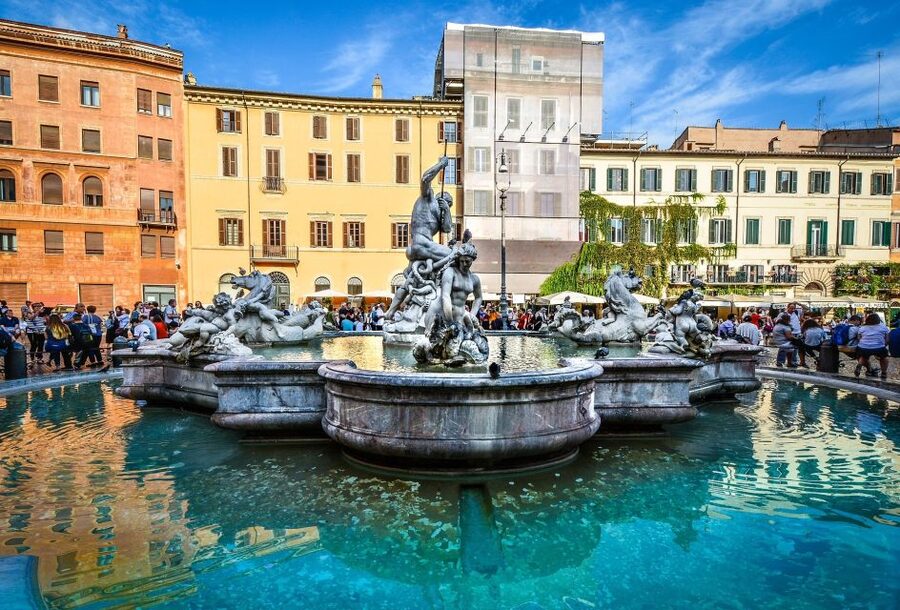
I would choose this experience for a first or second visit to Rome when I wanted more than the standard postcard sights. It is also a smart choice for anyone who has already seen Piazza Navona, the Pantheon, and Trevi Fountain but never understood what lies beneath them.
History fans will get the most from the archaeological explanations. Families with older children may also enjoy the shift from public squares to underground remains, especially if the guide uses stories and questions to keep the group involved.
I would be more cautious if you have limited mobility, dislike walking, or want a tour focused entirely on ancient ruins. The route includes busy streets, standing, stairs or uneven access may be involved underground, and a large portion takes place above ground.
Should you book it?
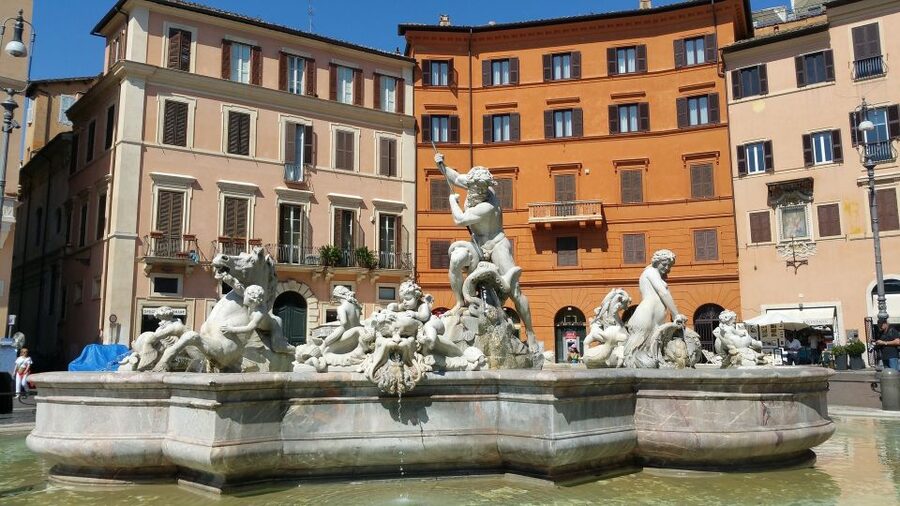
Book it if you want context, not just checkmarks. The tour’s best feature is the connection between modern Rome and its buried past: a piazza above a stadium, a fountain linked to an aqueduct, and a famous monument explained by an archaeologist.
Skip it if your priority is a quiet visit, a fully underground experience, or total independence. For most curious visitors, though, the combination of Piazza Navona, the Pantheon, Trevi Fountain, the Stadium of Domitian, and Vicus Caprarius makes three hours well spent, especially when you are lucky enough to have a guide as engaging as Amanda, Francesca, or Alessandra.
FAQ
How long does the Rome underground and piazzas tour last?
The tour lasts three hours.
Which sites are visited?
The route includes Piazza Navona, the Stadium of Domitian, the Pantheon, Trevi Fountain, and Vicus Caprarius.
Is the whole tour underground?
No. The tour includes substantial walking above ground through central Rome, along with visits to the Stadium of Domitian and Vicus Caprarius below street level.
What languages are available?
Live guiding is available in Italian, English, and Spanish.
What should I wear?
Wear comfortable shoes and clothing that covers your shoulders and knees. The Pantheon is an active church and requires appropriate dress.
Can I enter the Pantheon on every tour date?
Not always. Religious functions may prevent access on some days, and restoration work or changing access routes may affect some monuments during the Jubilee.
Is the tour suitable for wheelchair users?
No. The activity is not suitable for wheelchair users.
Newest reviews from Rome
- ROME:Colosseum & Ancient Rome – private/small group TOUR★ 5.0 · 24 reviews
- Off the Beaten Track in Rome: Rione VI Parione Private Tour★ 5.0 · 24 reviews
- Cinematic Photoshoot in Rome★ 5.0 · 24 reviews
- Rome: Best of Colosseum and Roman Forum Small Group Guided Tour★ 4.5 · 24 reviews
- The Labyrinth of Rome between catacombs and ancient quarries★ 4.5 · 24 reviews
- Vatican and Trionfale Market Tour with Wine and Food Tasting★ 5.0 · 24 reviews
- private tour: Vatican Museums, Sistine Chapel, St. Peter’s Basilica★ 4.5 · 24 reviews
- Colosseum guided tour with Virtual Reality★ 5.0 · 24 reviews
Underground Rome Tours, compared.
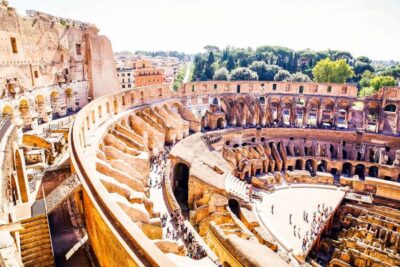
Colosseum: Underground and Ancient Rome Tour
Read our review →
Crypts and Catacombs Underground Tour with Transfers
Read our review →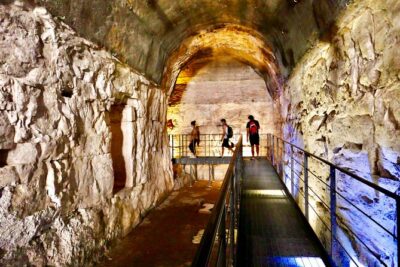
Expert Guided Tour of Colosseum Arena OR Underground, and Forum
Read our review →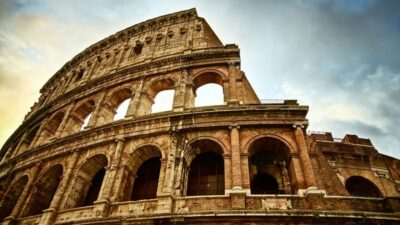
Colosseum Underground Small Group Guided Tour
Read our review →
St. Peter’s Basilica, Dome Climb, and Underground Tour
Read our review →
Colosseum Underground & Ancient Rome Guided Tour
Read our review →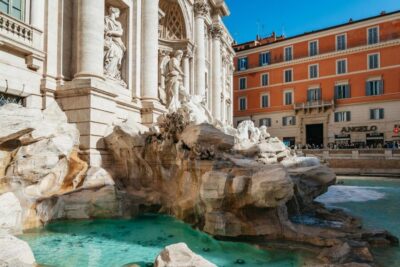
Browse the lists this tour appears in