
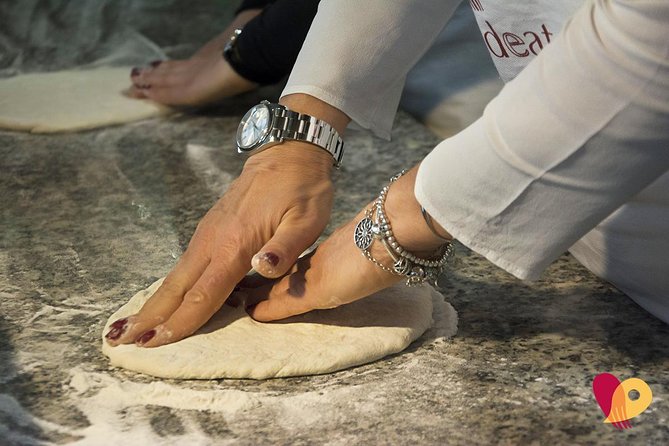
Reviewed · PIZZA MAKING CLASSES
Rome: Pizza Making Class Small Group Experience
The clever part of this Rome experience is that you do not just eat pizza, you learn what makes the dough work. In about two hours, you mix and knead, shape your base, choose toppings, and slide the pizza into a wood-fired oven. Each person gets a workstation, so you are not left watching someone else do the cooking.
I like the welcoming aperitivo, with a Spritz and homemade Romano cheese and pepper chips. I also like the practical finish: your pizza becomes lunch, and you receive a cookbook with recipes for home. The main consideration is that the dough you begin mixing may not be the dough you eventually bake, since proper pizza dough needs time to rest. That is sensible kitchen practice, but it can surprise anyone expecting to eat the exact dough made at the start.
In This Review
- Key points to know before booking
- What the two-hour pizza class is really like
- Starting with a Roman aperitivo
- From flour and water to workable dough
- Shaping, topping, and choosing your pizza
- Sliding your pizza into the oven
- Eating your pizza in the restaurant or terrace
- Why this works for families and solo visitors
- Dietary needs and practical comfort
- Fitting the class into a Vatican day
- What I would watch for before booking
- Booking, cancellation, and the final call
- FAQ
- Where does the pizza-making class meet?
- How long does the experience last?
- What food and drinks are included?
- Is the class taught in English?
- How many people can join the class?
- Do I need previous cooking experience?
- Can dietary requirements be accommodated?
- Are children allowed to participate?
- What happens if I need to cancel?
Key points to know before booking
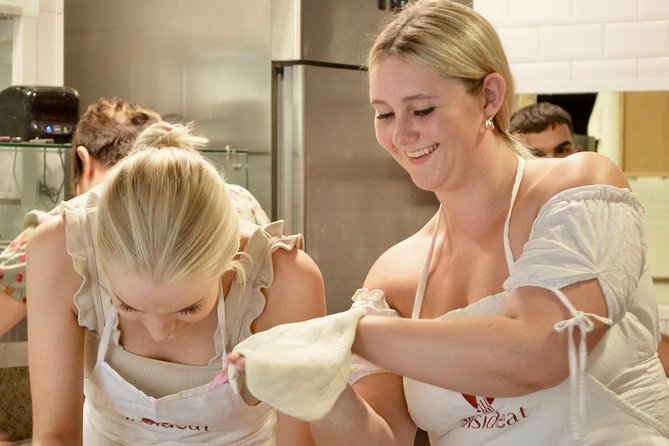
- A hands-on Roman food class: Mix, knead, shape, top, and bake your own pizza rather than sitting through a demonstration.
- Aperitivo before the cooking: Begin with a Spritz or sparkling wine, plus homemade chips with a classic Roman cheese.
- A meal is included: Your pizza comes with water and one wine, beer, or soft drink.
- Small-group setting: The class has a maximum of 14 people, with an individual workstation for each participant.
- Useful for mixed groups: Vegetarian, vegan, pescatarian, lactose-intolerant, and gluten-free options can be arranged with advance notice.
- Convenient Vatican location: Meet at Via Andrea Doria, 41 M, close to the Vatican Museums and public transportation.
What the two-hour pizza class is really like
This is a food lesson with a meal attached, not simply a pizza tasting. You arrive at Via Andrea Doria, 41 M, in the Prati area near the Vatican Museums. The activity begins and ends at the same meeting point, which makes it easy to fit into a day built around the Vatican.
The class is offered in English and is capped at 14 people. That is small enough for an instructor to help with dough and shaping, while still giving the session a social feel. You work at your own fully equipped station, using the apron, utensils, and ingredients provided.
The exact instructor can vary. The experience has been led by Italian chefs including Carlo, Davide, and Mara. Their teaching style is part of the appeal: expect humor, patience, and an explanation of why each step matters, not just a command to copy the person beside you.
The timing is listed as about two hours, with roughly one hour of hands-on pizza preparation. The rest covers the welcome drink, the meal, baking, and time to sit down with your food. If you have a tight Vatican reservation afterward, leave a generous cushion rather than planning the class and museum entrance back to back.
More pizza making classes in Rome:
- Pompeii and Mount Vesuvius Day Trip from Rome with Pizza Lunch
★ 4.5 · 6,151 reviews - Cooking Class in the Heart of Rome: Pizza and Tiramisu Making
★ 5.0 · 1,330 reviews - Rome: Traditional Pizza Cooking Class near Piazza Navona
★ 4.7 · 1,241 reviews
Starting with a Roman aperitivo
The first taste is a classic Italian aperitivo. You receive a Spritz or sparkling wine, along with homemade crunchy chips made with Romano cheese and pepper. This is a small course, but it gives the class a relaxed beginning and introduces a distinctly Roman flavor before the flour appears.
You also receive water during the meal. The welcome drink is separate from the drink served with your pizza, so the package includes a good bit more than the main dish alone. The meal drink can be wine, beer, or a soft drink.
I find this opening useful for two reasons. First, it lets a group settle in before handling dough. Second, it gives you something to enjoy while the instructor explains the cooking session. If you are booking this as lunch, you will not need to arrange another meal immediately afterward.
The aperitivo can also make the class work well for a family group with different appetites. Children may prefer the chips and pizza, while adults can choose the Spritz or wine. Children must be accompanied by an adult.
From flour and water to workable dough
The central lesson begins with basic ingredients. You mix flour, water, and yeast, then knead the dough and learn how the texture changes as the ingredients come together. The teaching includes the science behind the process, including why mixing, kneading, and resting affect the final crust.
This is where the class offers more value than a quick tourist cooking stunt. You are shown the reasons behind the technique. That matters because pizza often looks simple, yet small changes in dough handling can produce a soft, chewy base or a heavy, tough one.
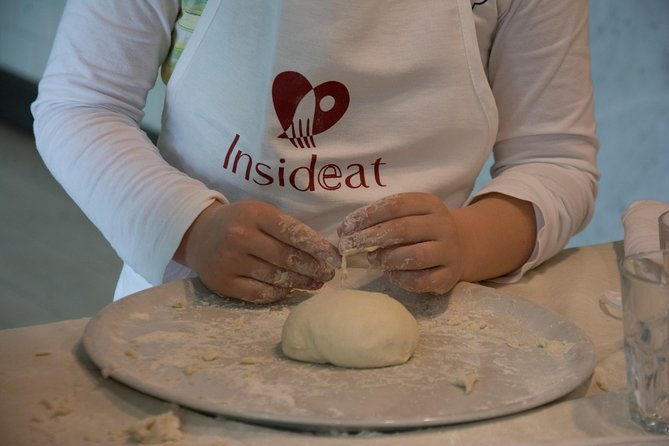
There is one practical detail you should understand before arriving. Proper dough may need around two days to rest before baking. Because of that, the dough you first mix may be replaced with dough that has already had the required resting time. You then continue with the hands-on shaping and baking stages.
That arrangement is honest cooking rather than a shortcut pretending to be a complete fermentation lesson. You still handle the early mixture and learn the method, but you eat dough that has been prepared on the correct schedule. The trade-off is that you do not follow one single ball of dough from start to finish.
Shaping, topping, and choosing your pizza
Once the dough is ready, you shape it by hand. This is often the most entertaining part for children and adults alike, since you begin to see an actual pizza take form. You are guided through stretching and handling the dough, rather than being expected to arrive with professional kitchen skills.
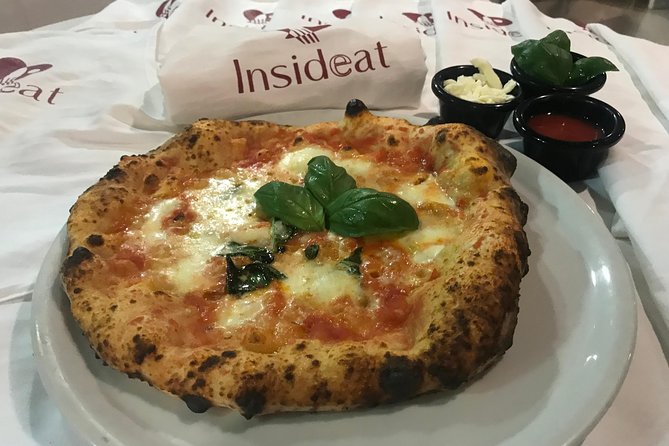
You can keep things classic with a Margherita or choose your own combination of fresh, seasonal toppings. The emphasis is on making your pizza your own, while still learning the basic structure of an Italian pie.
The topping stage gives the class a personal touch without turning it into a complicated cooking contest. You select from the ingredients provided, assemble your pizza, and prepare it for the oven. If you are cooking with friends, comparing toppings can become part of the fun.
The class is suitable for all skill levels. You do not need prior experience, and the instructor helps with the steps that require a little practice. The individual workstation is especially helpful here. You have room to work, rather than taking turns at one shared table.
More Rome tours worth comparing
- 3 in 1 Cooking Class near Navona: Fettuccine, Ravioli & Tiramisu
★ 5.0 · 7,376 reviews - Rome: Pasta & Tiramisu Class with Fine Wine by the Vatican
★ 4.9 · 4,852 reviews - Rome: Pasta Making Class with Wine, Limoncello, and Dessert
★ 4.9 · 3,177 reviews - Rome: 3-in-1 Fettuccine, Ravioli, and Tiramisu Cooking Class
★ 4.9 · 2,704 reviews
Sliding your pizza into the oven
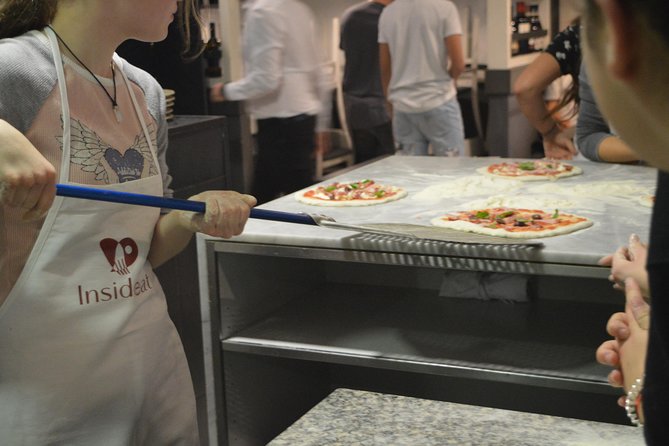
The final cooking step is more memorable than simply receiving a finished pizza. You get to place your prepared pizza into the wood-fired oven, with the instructor guiding the process. That hands-on moment gives the session a clear payoff: you can see the result of your own mixing, shaping, and topping.
The class teaches authentic Italian pizza-making techniques, and the wood-fired oven adds the right sense of occasion. At the same time, you should keep your expectations sensible. A two-hour class cannot turn you into a professional pizzaiolo, and your home oven may not produce exactly the same result.
What you do take home is a better understanding of dough texture, resting time, shaping, topping balance, and baking. The included cookbook adds practical value because it gives you recipes to try after Rome. One useful tip is to save the recipe information when it arrives by email after the session, as one participant found this helpful for recreating the dish later.
Eating your pizza in the restaurant or terrace
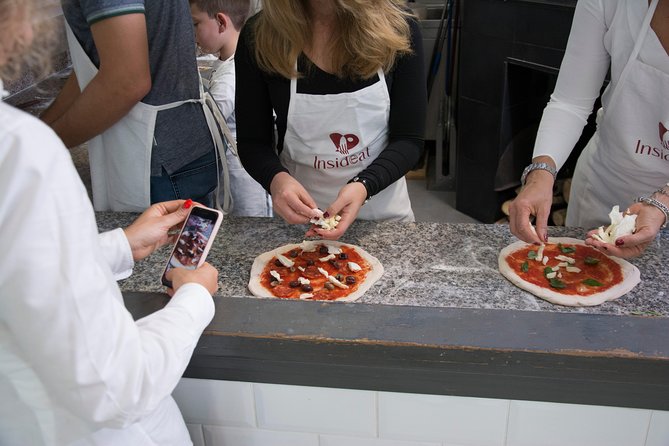
After the pizza comes out of the oven, you sit down to eat it in the cozy restaurant or on the outdoor terrace. You have no washing up to do, which is a real advantage when this is part of a busy sightseeing day.
The meal includes your pizza, water, and one wine, beer, or soft drink. The Spritz or sparkling wine and cheese chips from the opening are also included. In practical terms, the $64.09 price covers a class, ingredients, cooking equipment, an aperitivo, a freshly baked lunch, a second drink, and a cookbook.
That is not the cheapest pizza you can buy in Rome. It is reasonable value if you want a structured activity and would otherwise pay separately for lunch and a cooking lesson. It is less compelling if your only goal is to eat a good pizza. Rome has plenty of excellent pizzerias where you can dine for much less.
The terrace is a pleasant option after working in the kitchen, especially on a mild day. The restaurant is air-conditioned, which makes the class a smart choice during hot Roman weather. You can cook in comfort instead of spending an hour in a warm kitchen.
Why this works for families and solo visitors
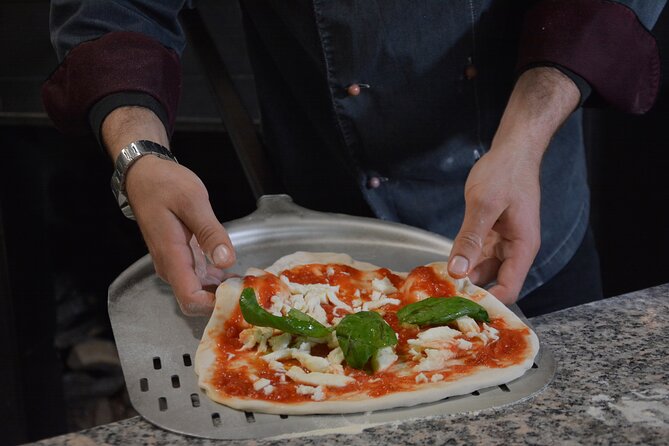
This class has a broad age range. A six-year-old can take part with adult help, and older children can handle more of the shaping and topping themselves. The activity gives children a job to do, which can be a welcome change from long museum visits and formal sightseeing.
Families also get a shared result at the end. Everyone makes an individual pizza, but you still eat together and compare the finished dishes. The cooking process can become one of the more memorable family moments of a Rome trip.
You do not need to arrive with a group. Solo participants can be paired with other people, and couples may find themselves in a small class or, depending on attendance, a much more private session. One couple ended up being the only two people in their class, creating an unusually personal lesson with Davide.
That possibility is worth treating as a bonus, not a guarantee. The normal maximum is 14 people, and the actual size depends on bookings. Group discounts are available, so this can make sense for friends or a larger family group.
Dietary needs and practical comfort
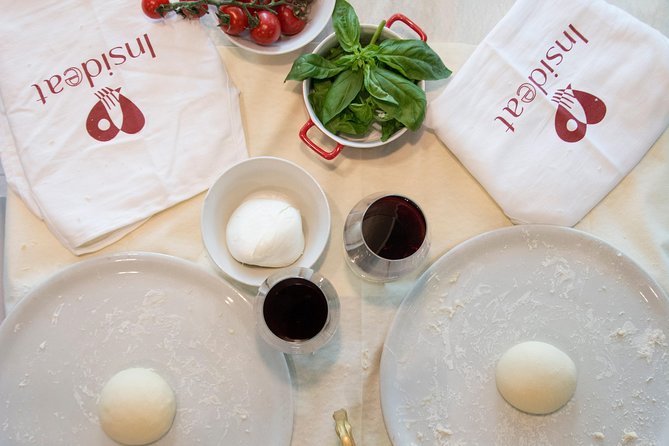
Vegetarian, vegan, pescatarian, and lactose-intolerant diners can be accommodated. Gluten-free pizza is also available on request. You need to provide this information in advance, since the kitchen must prepare the right ingredients and equipment.
The available details do not promise that every dietary request can be handled at the last minute. If your needs are strict, contact the provider before the class and confirm the arrangement rather than relying on a same-day conversation.
The venue is air-conditioned, an important detail in Rome from late spring through summer. You receive an apron and cooking utensils, so you do not need to pack special clothing or equipment. Wear something comfortable enough for kneading and shaping, and avoid bringing anything you would worry about near flour or sauce.
Service animals are allowed, and the meeting point is near public transportation. The activity is not described as a walking tour, so you should arrange your own route to Via Andrea Doria, 41 M.
Fitting the class into a Vatican day
The location near the Vatican Museums makes this class easy to combine with sightseeing, but timing still matters. You can schedule it around a Vatican visit, though the class itself lasts about two hours and may run close to that estimate depending on the group.
I would avoid booking a museum entrance immediately after the class. Cooking, baking, eating, and settling the group at the table all take time. If you have a timed ticket, arrive at the meeting point early and leave enough time for the journey afterward.
The reverse plan can also work: visit the Vatican first, then use the class as a less formal lunch and afternoon activity. After several hours of art and architecture, kneading dough can be a welcome change of pace.
Because the activity returns to the same meeting point, you do not need to work out a second pickup location. That is handy if you plan to continue around Prati or return toward central Rome by public transportation.
What I would watch for before booking
The biggest strength is the balance of instruction and eating. You are not merely shown how pizza is made, and you are not left alone with a bowl of flour. You get guidance, your own work area, a finished meal, and a recipe book.
The instructors also seem to matter. Carlo is described as warm, funny, and passionate, while Davide is noted for patience and helpful instruction. Mara has also led the class for families. Since the chef may vary by date, book this for the format and content rather than expecting one named instructor unless the provider confirms who will teach your session.
The main limitation is the short hands-on window. About one hour of cooking is enough to learn the basics, but not enough to cover every regional style or advanced dough technique. You will get a clear introduction to Italian pizza, not a full professional course.
The dough exchange can also feel unusual. It allows you to eat properly rested dough, but it means the mixture you make at the start will not necessarily be the same dough you bake. Knowing this in advance prevents disappointment.
Booking, cancellation, and the final call
The experience costs $64.09 per person and is often reserved well ahead, with an average booking lead time of about 46 days. That suggests you should reserve early if your Rome dates are fixed, particularly if you want a certain time or are arranging a family group.
Confirmation is provided when you book, and the ticket is mobile. You can cancel for a full refund up to 24 hours before the local start time. Cancellations or changes made inside that 24-hour window are not refunded or accepted. If the minimum number needed to operate the class is not reached, you are offered another date or experience, or a full refund.
I would book this class if you want an easy, social way to learn a core Italian food while getting lunch included. It is especially suited to families, couples, solo visitors, and anyone who wants more than another restaurant meal near the Vatican.
I would skip it if you are seeking a serious multi-day pizza course or if you only want the lowest-cost lunch in Rome. For most people, though, the individual workstation, patient teaching, included drinks, air-conditioned kitchen, and cookbook make the price fair. The pizza is the meal, but the real souvenir is knowing how to make a better one at home.
FAQ
Where does the pizza-making class meet?
The class begins at Via Andrea Doria, 41 M, 00192 Roma RM, Italy, near the Vatican Museums. The activity ends back at the meeting point.
How long does the experience last?
The class lasts approximately two hours. About one hour is devoted to hands-on pizza preparation.
What food and drinks are included?
You receive a Spritz or sparkling wine, homemade chips with a typical Roman cheese, your pizza, water, and one meal drink. The meal drink can be wine, beer, or a soft drink.
Is the class taught in English?
Yes. The experience is offered in English.
How many people can join the class?
The maximum group size is 14 people. Each participant receives an individual workstation.
Do I need previous cooking experience?
No. The class is designed for all ages and skill levels, with an Italian chef guiding you through mixing, kneading, shaping, topping, and baking.
Can dietary requirements be accommodated?
Vegetarian, vegan, pescatarian, and lactose-intolerant diners can be accommodated. Gluten-free options are available on request, but you must inform the provider in advance.
Are children allowed to participate?
Yes. Children can join, but they must be accompanied by an adult.
What happens if I need to cancel?
You can cancel up to 24 hours before the local start time for a full refund. Cancellations or changes made less than 24 hours before the start are not refunded or accepted.
Newest reviews from Rome
- Rome: Vatican Museums & Sistine Chapel Skip-the-Line Ticket★ 4.4 · 148 reviews
- Shared Shuttle Transfer from Rome to Civitavecchia Port★ 5.0 · 148 reviews
- Rome: Crypts & Catacombs After Hours Tour with Bone Chapel★ 4.6 · 149 reviews
- Ghosts Legends and Mysteries of Rome Walking Tour★ 5.0 · 149 reviews
- Skip the Line: Vatican and Sistine Chapel with Guided Tour★ 4.0 · 149 reviews
- Tivoli: Villa Gregoriana Entrance Ticket★ 4.7 · 150 reviews
- Pizza and Tiramisu Cooking Class in Rome, Piazza Navona★ 5.0 · 150 reviews
- Appian Way E-bike Tour with Gourmet Picnic and Catacombs★ 4.5 · 150 reviews
Pizza Making Classes, compared.
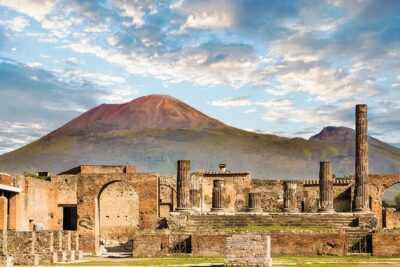
Pompeii and Mount Vesuvius Day Trip from Rome with Pizza Lunch
Read our review →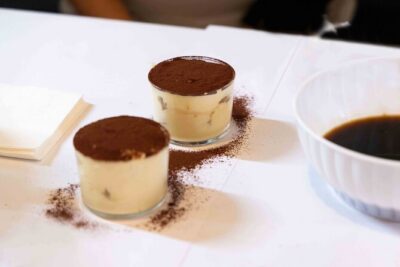
Cooking Class in the Heart of Rome: Pizza and Tiramisu Making
Read our review →
Traditional Pizza Cooking Class near Piazza Navona
Read our review →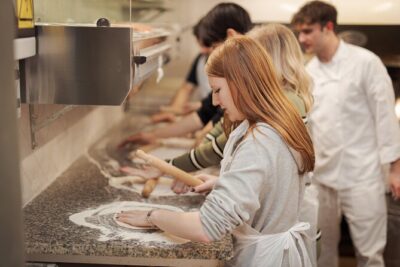
Pizza Cooking Class in Rome – Near Piazza Navona
Read our review →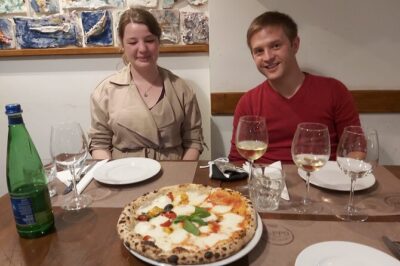
Pizza & Tiramisu Class with Free Flowing Fine Wine
Read our review →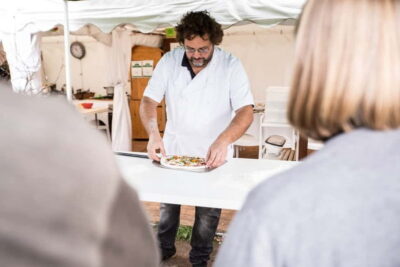
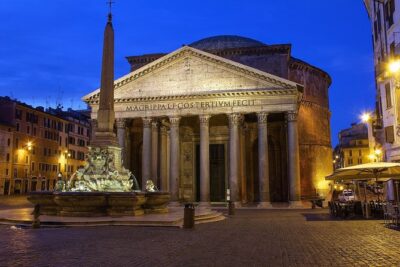
Night Tour of Rome with Local Pizza Dinner and Gelato Experience
Read our review →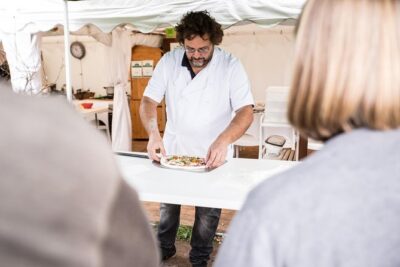
Rome Cooking Class: Make Pizza and Pasta with Wine & Dessert
Read our review →Browse the lists this tour appears in