Reviewed · GUIDED
Rome street art tour: off the beaten path with a local guide
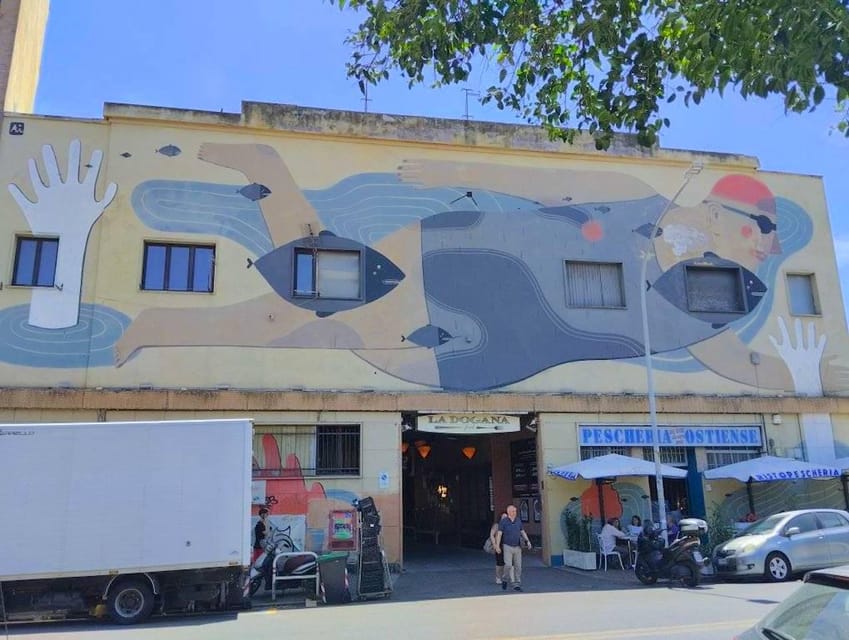
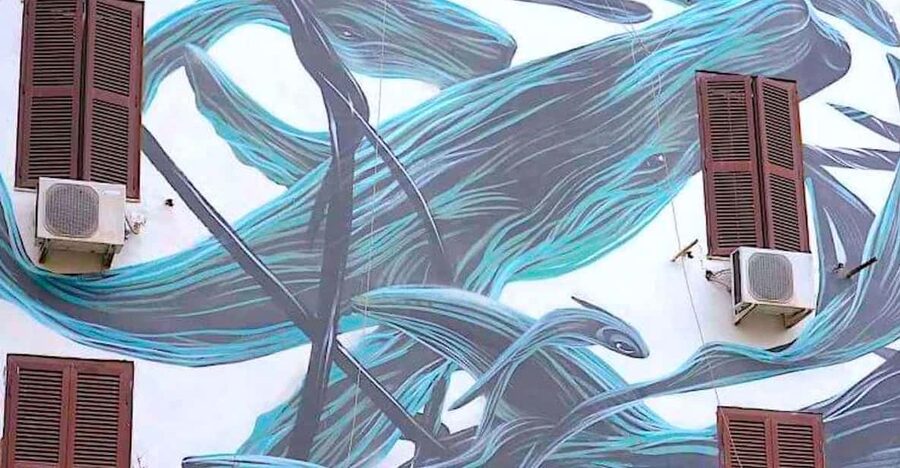
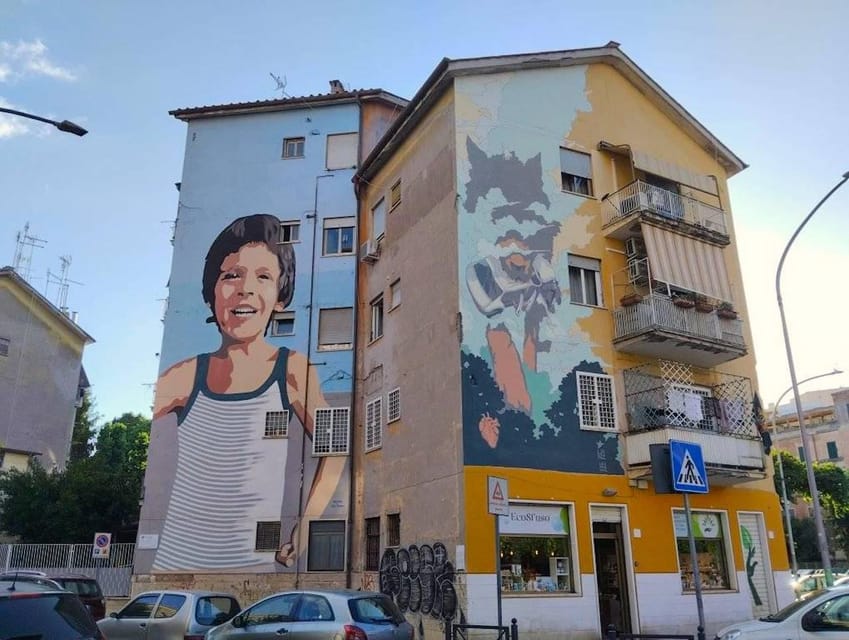
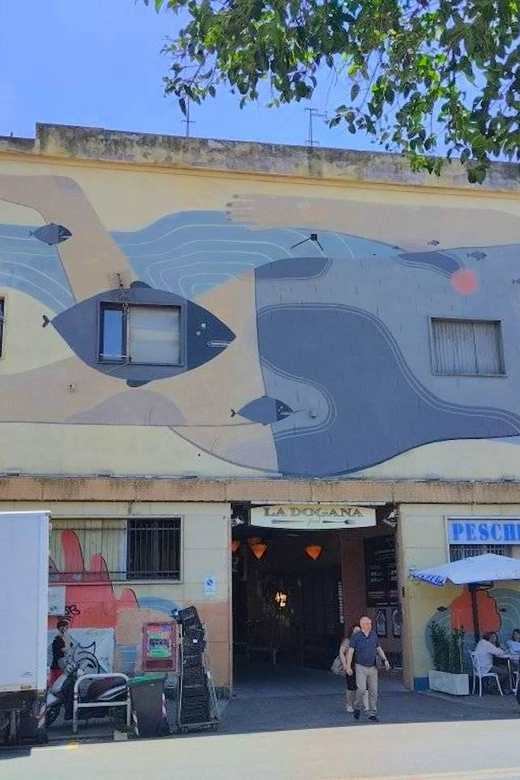
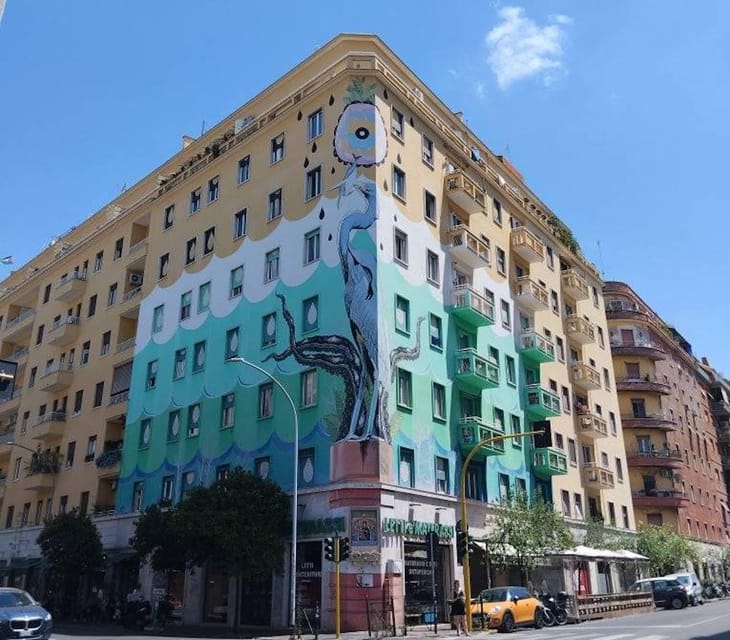
Rome’s street art scene gives you a very different way to read the city. On this 4-kilometer urban walk, Lisa leads you through Garbatella and Tor Marancia, two neighborhoods far removed from the Colosseum crowds, while connecting roughly 30 murals to local stories, architecture, and daily life.
I like the way the tour joins public art with neighborhood history, rather than treating murals as quick photo stops. I also like the easy Metro B access and the chance to finish with gelato at a respected local gelateria. The main consideration is simple: this is a walking tour, not a seated sightseeing ride, and comfortable shoes are required.
In This Review
- At a glance
- Why this tour changes the way you see Rome
- Meeting Lisa at Garbatella Metro station
- Garbatella: architecture, murals, and a neighborhood with its own character
- Walking from Garbatella to Tor Marancia
- Tor Marancia’s open-air contemporary art display
- The return route and optional gelato stop
- What the $41 price gets you
- Who should book this street art walk?
- Practical tips for making the most of it
- Should you book it?
- FAQ
- Where does the Rome street art tour meet?
- How long is the tour?
- How far do you walk?
- Which neighborhoods does the tour visit?
- How many murals will I see?
- Who leads the tour?
- Is gelato included?
- What should I bring?
At a glance
- About 30 murals: See a broad range of Rome’s large-scale public art, with background on the artists and the works.
- Two very different districts: Garbatella brings unusual early 20th-century architecture, while Tor Marancia offers an open-air contemporary art display.
- Lisa leads in English: She was born and raised in Rome and focuses on local stories as well as the artwork.
- A 4-kilometer route: The walk forms a loop from Garbatella Metro station and returns there.
- Optional gelato stop: You can pause at one of Rome’s highly regarded gelato parlors, though the treat costs extra.
- Away from the standard Rome circuit: This is a strong choice if you already plan to see the major ancient and Baroque sights.
Why this tour changes the way you see Rome
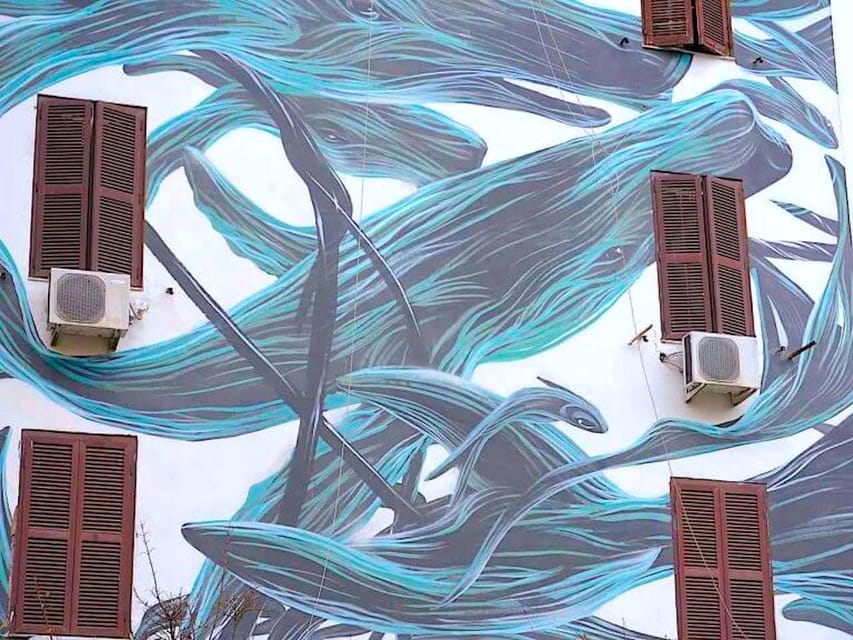
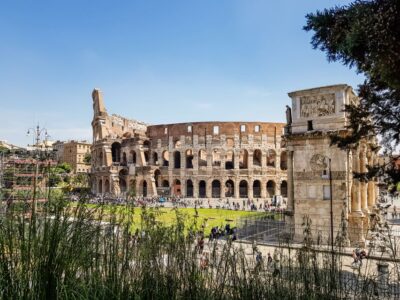
Most first visits to Rome revolve around monuments built for emperors, popes, and wealthy families. This tour shifts attention to walls, apartment blocks, courtyards, and streets where contemporary artists have added another layer to the city.
That change matters. Street art can be easy to photograph and just as easy to misunderstand. Lisa’s role is to explain who made the work, why the neighborhood became a setting for murals, and how the local area fits into Rome’s wider story. You are not simply ticking off colorful walls. You are learning how modern art can bring attention to places that rarely appear on a first-time Rome itinerary.
The experience has earned a perfect 5.0 rating from 30 bookings, and the repeated praise centers on three things: Lisa’s friendly manner, her clear English, and the way she links art to the past of each district. That combination is the real value here. Without the explanations, you would still see striking paintings. With them, the walk has more shape and meaning.
Tours travellers often pair with this one in Rome:
- Vatican: Museums & Sistine Chapel Entrance Ticket
★ 4.5 · 144,003 reviews - Vatican Museums & Sistine Chapel Tour with Optional Basilica
★ 4.3 · 67,413 reviews - Vatican Museums, Sistine Chapel & St Peter’s Basilica Guided Tour
★ 4.5 · 39,149 reviews
Meeting Lisa at Garbatella Metro station
The meeting point is the exit of Garbatella Metro station, on Rome’s blue Metro B line. As you come out, look for the small colored amphitheater. Lisa waits there and introduces you to the other people joining the walk before explaining the route.
This is a practical starting point. You do not need to hunt for a street address in a residential district, and the Metro makes the tour straightforward to reach from central Rome. Give yourself enough time to find the correct station exit, since large Roman stations can have several ways out.
The walk starts with basic orientation, then moves into the surrounding district. The route returns to the same station at the end, so you can continue to another part of Rome without arranging a separate pickup or figuring out an unfamiliar finish point.
The advertised duration is 2.5 hours, while the itinerary also describes the guided portion as about 3 hours. Allow a relaxed morning or afternoon rather than scheduling a major attraction immediately afterward. A walking tour with many murals and local stories can take longer when the group pauses for questions and photographs.
Garbatella: architecture, murals, and a neighborhood with its own character
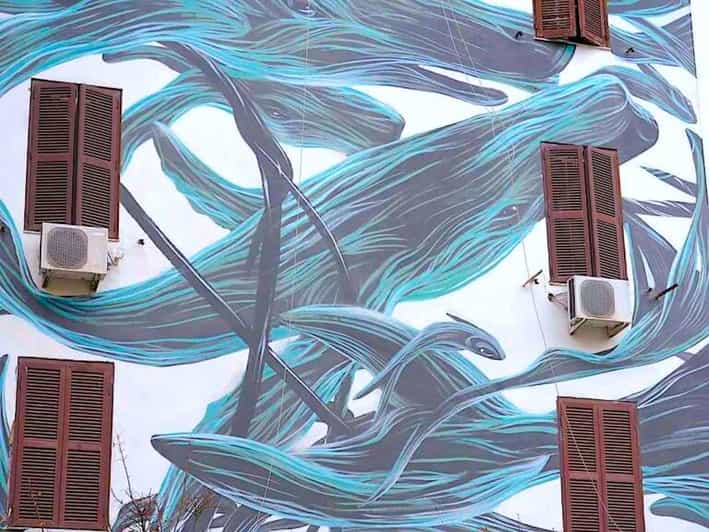
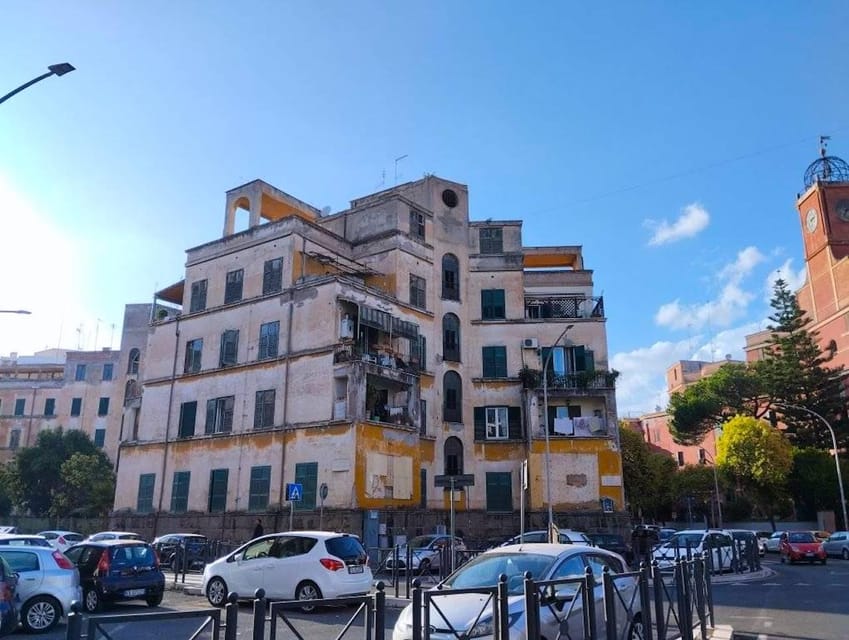
Garbatella is the first major part of the route, and it gives the tour more than a series of painted walls. The neighborhood was designed by architects in the early 20th century, creating a setting unlike the historic center around the Pantheon or Trevi Fountain.
The details you see here are tied to the district’s design and monuments. Lisa uses them to explain the area as you walk, so the architecture becomes part of the lesson rather than background scenery. The supplied information does not identify every building or mural in advance, which is useful in a way: the walk is not presented as a rigid checklist. You follow Lisa through the district and discover the art in relation to the streets around it.
Garbatella is especially good for people who want to see how Romans live beyond the postcard center. The neighborhood is described as quiet and beautiful, with a strong local identity. You get time to notice the scale of the streets, the shape of the buildings, and the way monumental art sits beside ordinary urban life.
The murals here are not treated as decoration alone. Lisa discusses their history and authors, giving you a framework for looking closely. Pay attention to the details she points out, since the appeal is not only in the size of the paintings. The subject, placement, and connection to the neighborhood all help explain why these works belong here.
Bring a camera, but do not let photography turn the walk into a race. The route is designed for looking and listening. A phone is enough for most visitors, and you will want your hands free for walking and perhaps a refill of your water bottle.
Walking from Garbatella to Tor Marancia
The tour then continues on foot toward Tor Marancia. This is part of the experience, not dead time between two art sites. As you move between the districts, Lisa continues to discuss local culture and the story of the area.
The route covers about 4 kilometers in total, so you should be comfortable walking for several hours. Rome’s streets are not always gentle on tired feet, and the instructions make comfortable shoes mandatory. That advice is practical, not ceremonial. Sandals with poor support or fashionable shoes that work for a short evening stroll are a poor match for this outing.
The pace is intended for an urban walk with regular stops, but the tour still demands more effort than a compact museum visit. Summer adds heat and sun exposure. A hat is recommended in warm weather, and a water bottle is important. You can refill it for free during the walk, which helps reduce the need to carry a large supply.
This section also gives the tour a more natural rhythm. You begin with one neighborhood, cross into another, and return by a route that includes additional street art. Instead of seeing two isolated attractions, you get a sense of how the districts connect.
More Rome tours worth comparing
- Rome: Colosseum, Palatine Hill and Roman Forum Guided Tour
★ 4.8 · 32,814 reviews - Rome: Guided Tour of Colosseum, Roman Forum & Palatine Hill
★ 4.7 · 27,897 reviews - Rome: Colosseum & Forum with Audio Guide App -Optional Arena
★ 4.2 · 24,770 reviews - Rome: Colosseum, Roman Forum and Palatine Hill Guided Tour
★ 4.5 · 23,903 reviews
Tor Marancia’s open-air contemporary art display
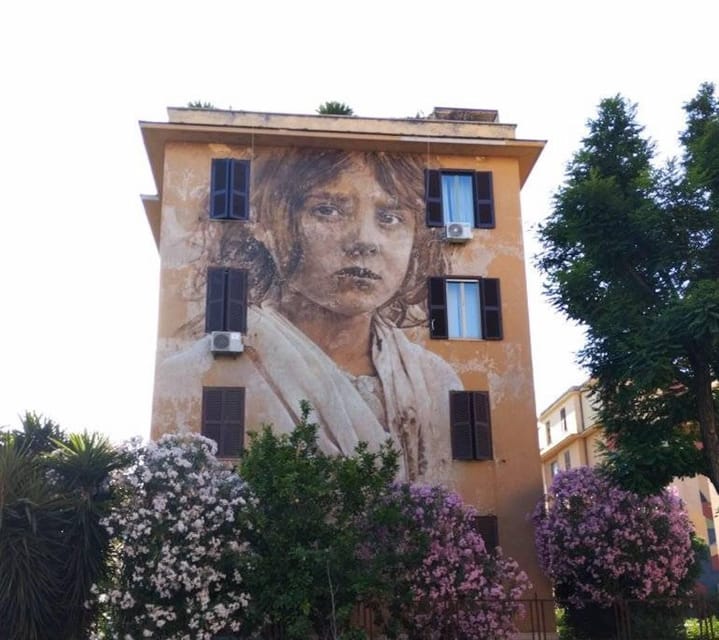
Tor Marancia is the tour’s major art-focused stop. It is described as an open-air museum of contemporary art, and that phrase explains why the area makes such a strong impression. Large-scale works transform the neighborhood into a setting where art is encountered outdoors, in the same streets where people live.
The setting changes the way you look. In a gallery, a painting has controlled lighting and a clear border. Here, the walls are part of the work’s experience. You see art in relation to buildings, roads, and the surrounding district. That public setting also gives the murals a social purpose: the art is available to people passing through, not only to those who buy a ticket to a museum.
Lisa explains the background of the works and their artists. Her local connection is important here because the tour is not only about identifying techniques or taking photographs. She provides the neighborhood context that turns a large wall into part of a bigger story.
This is likely to be the most rewarding section for anyone already interested in contemporary art. It is also accessible if you know little about street art. The tour does not require specialist knowledge, and the focus stays on clear stories, visible details, and the relationship between the paintings and the district.
You may find that the murals in Tor Marancia are the strongest reason to book this experience. But the tour works best when you give equal attention to the walk itself. The area is not simply a backdrop for art. It is one of the subjects.
The return route and optional gelato stop
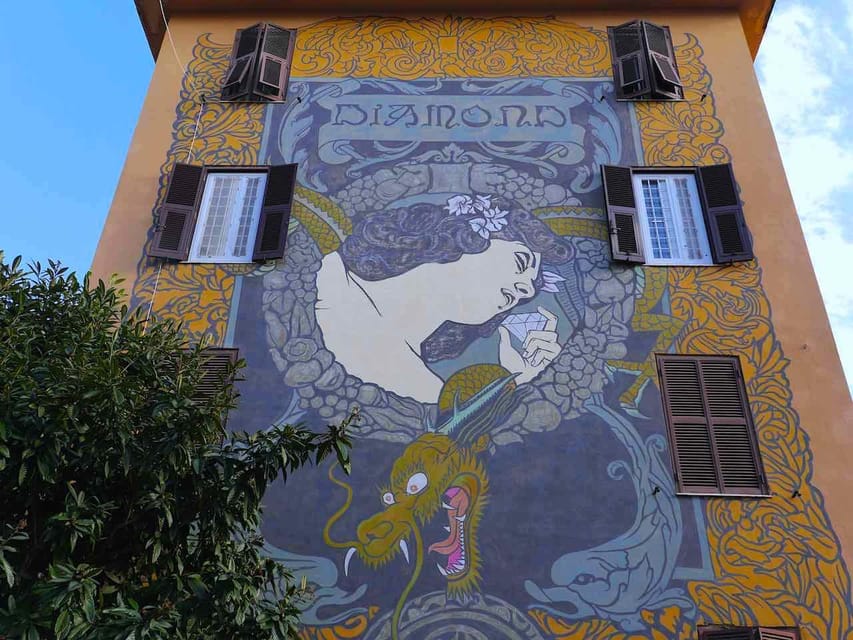
After Tor Marancia, you walk back toward Garbatella Metro station through more street art. This return portion adds variety and gives Lisa another chance to discuss local history and culture without the pressure of reaching a distant ending point.
An optional gelato stop may be included along the way at one of Rome’s best gelato parlors. Gelato is not included in the $41 price, so bring a little extra money if you want the break. The stop is best viewed as a pleasant addition, not a central feature of the booking.
Finishing where you began is helpful. You do not need to arrange a taxi from a distant neighborhood or work out a new Metro station after the tour. Once back at Garbatella, you can return to central Rome on Metro B or continue with your own plans.
What the $41 price gets you
At $41 per person, this is not the cheapest way to spend a few hours in Rome. You can, of course, walk through a neighborhood without a guide and photograph murals for nothing. The question is what the fee adds.
Here, the payment covers a live English-language guide, a planned route through two districts, and explanations of approximately 30 murals, their creators, and their surroundings. You are also paying for the local knowledge needed to make sense of places that are not part of most standard Rome sightseeing routes.
I see the price as fair for visitors who value interpretation. If you only want a list of mural locations, a self-guided outing may suit you better. If you want a Roman voice explaining why the districts matter and how the artwork fits into them, the guide is the part that makes the cost worthwhile.
The price also compares well with a private guide, though no group size is provided, so you should not assume this is a private tour. The experience is most valuable when you participate, ask questions, and take time to observe rather than treating it as a fast photo walk.
Free cancellation up to 24 hours before the start and the reserve-now, pay-later option add useful flexibility. Keep in mind that the gelato is extra and that the walk itself is the main product.
Who should book this street art walk?
I would recommend it to repeat visitors who have already seen the Colosseum, Roman Forum, Vatican Museums, or other major sights. It also suits first-time visitors who want to balance famous monuments with a quieter look at modern Rome.
This tour is a good fit for:
- Street art fans: You will see about 30 murals and learn about the artists behind them.
- Architecture fans: Garbatella’s early 20th-century design is a major part of the experience.
- Culture-focused visitors: Lisa connects paintings with neighborhood history and local life.
- Photographers: The route offers plenty of large-scale subjects, though you should still listen rather than hurry from wall to wall.
- Independent-minded visitors: Metro access and the circular route make the outing easy to fit into a Rome schedule.
It may be less suitable if you have limited mobility, dislike walking, or want a tour centered on famous ancient monuments. The supplied information does not give accessibility details, so contact the provider before booking if stairs, uneven streets, or a 4-kilometer route could be difficult.
Families may enjoy the large paintings and outdoor format, but the walk’s appeal depends on patience and interest in local stories. Young children who need constant activity may find the explanations lengthy. There is no indication of a child-specific format.
Practical tips for making the most of it
Wear supportive shoes from the start. Do not save your best footwear for dinner afterward, since the route is long enough for small discomforts to become a problem.
Carry water and a hat in summer. You can refill your bottle for free during the walk, but you should still arrive with water. Rome’s heat can make an exposed urban route feel much harder than the distance suggests.
Use Metro B to Garbatella station and meet at the exit beside the small colored amphitheater. Arrive with enough time to orient yourself and avoid beginning the tour flustered.
Schedule the walk when you can spare the full period. The listed time is 2.5 hours, and the itinerary also gives a 3-hour guided duration. If you want gelato, photographs, and questions without watching the clock, leave extra room.
Finally, keep your attention on Lisa’s explanations. The murals are visually strong, but the tour’s special value comes from the connection between art and place. You can take photographs later. The local context is harder to recreate on your own.
Should you book it?
Book this tour if you want a side of Rome that is quieter, more contemporary, and connected to ordinary neighborhoods rather than imperial ruins and grand churches. Lisa’s Roman background, clear English, and friendly approach are central strengths, and the route gives you two different settings in one outing.
Skip it if you want a short, effortless attraction or if your Rome schedule is already packed with major sights and long museum visits. At $41, the tour earns its price through the guide’s explanations and the carefully planned route, not through transport or admission tickets.
For most visitors with comfortable shoes and a free half-day, this is a smart way to add modern Rome to your itinerary. It offers memorable art, useful local context, and a good break from the city center crowds without requiring a complicated journey.
FAQ
Where does the Rome street art tour meet?
The meeting point is outside Garbatella Metro station. As you exit the station, look for the small colored amphitheater.
How long is the tour?
The stated duration is 2.5 hours. The itinerary also describes the guided tour as about 3 hours, so allow extra time rather than planning a tight connection afterward.
How far do you walk?
The route is a ring walk of about 4 kilometers. The tour begins and ends at Garbatella Metro station.
Which neighborhoods does the tour visit?
The walk visits Garbatella and Tor Marancia, then returns to Garbatella through additional street art.
How many murals will I see?
You can expect to see about 30 murals and learn about their history and authors.
Who leads the tour?
Lisa leads the tour in English. She was born and raised in Rome and focuses on street art, neighborhood history, and local culture.
Is gelato included?
No. You may stop for gelato at a local gelateria, but the cost is not included in the tour price.
What should I bring?
Wear comfortable shoes, bring a water bottle, and consider wearing a hat in summer. Water refills are available for free during the walk.
Newest reviews from Rome
- ROME:Colosseum & Ancient Rome – private/small group TOUR★ 5.0 · 24 reviews
- Off the Beaten Track in Rome: Rione VI Parione Private Tour★ 5.0 · 24 reviews
- Cinematic Photoshoot in Rome★ 5.0 · 24 reviews
- Rome: Best of Colosseum and Roman Forum Small Group Guided Tour★ 4.5 · 24 reviews
- The Labyrinth of Rome between catacombs and ancient quarries★ 4.5 · 24 reviews
- Vatican and Trionfale Market Tour with Wine and Food Tasting★ 5.0 · 24 reviews
- private tour: Vatican Museums, Sistine Chapel, St. Peter’s Basilica★ 4.5 · 24 reviews
- 3 Hours Mosaic Workshop in Trastevere★ 5.0 · 24 reviews
Guided, compared.
Vatican Museums, Sistine Chapel & St Peter’s Basilica Guided Tour
Read our review →
Colosseum, Palatine Hill and Roman Forum Guided Tour
Read our review →
Guided Tour of Colosseum, Roman Forum & Palatine Hill
Read our review →
Colosseum & Forum with Audio Guide App -Optional Arena
Read our review →
Colosseum, Roman Forum and Palatine Hill Guided Tour
Read our review →
Colosseum, Palatine Hill & Roman Forum Guided Tour
Read our review →
Vatican Museums & Sistine Chapel Guided Tour
Read our review →