
Reviewed · UNDERGROUND ROME TOURS
Rome: Tour of St. Clement’s Basilica Underground Temples
Beneath Rome’s quiet Basilica of San Clemente, a stairway leads you through centuries of worship, street life, and buried buildings. Fourteen meters below ground, you’ll reach a remarkably preserved Mithraic temple beside the sound of an underground river. This is Rome’s historical lasagna, with each layer resting on the one below it.
I especially like two things here: the tour connects art with archaeology, and the guide helps you make sense of spaces that would otherwise feel like dark stone rooms. I also like the choice of adding Santo Stefano Rotondo, where huge martyrdom frescoes give early Christian history a more unsettling face. The main drawback is practical: narrow underground spaces, stairs, and strict clothing and photography rules make this a poor fit for wheelchair users, anyone with claustrophobia, or visitors wanting a casual walk-through.
In This Review
- Key points to know before booking
- Why San Clemente feels unlike Rome’s larger churches
- The golden apse mosaic comes first
- Descending through the fourth-century church
- The Mithraic temple and the underground river
- Adding Santo Stefano Rotondo for another 45 minutes
- What the guide adds to the archaeology
- Is $70 a fair price?
- Practical limits you should take seriously
- Who will get the most from this tour?
- Should you book San Clemente Underground?
- FAQ
- How long does the San Clemente tour last?
- Is Santo Stefano Rotondo included?
- What languages are available?
- Is the tour accessible by wheelchair?
- Can I take photographs inside?
- What should I wear and bring?
Key points to know before booking
- Fourteen meters below San Clemente: Descend through a fourth-century church, an earlier Roman house, and a Mithraic temple.
- A rare pagan site: See one of Rome’s best-preserved temples devoted to Mithras and learn how its secretive cult operated.
- Art at two very different levels: Begin with San Clemente’s glowing gold apse mosaic, then see early Christian frescoes underground.
- Optional Santo Stefano Rotondo: Add a 45-minute walk and guided visit to a circular church filled with graphic martyrdom scenes.
- Strong guide element: Past guides have included Francesca, Lorenzo, Paul, Anestis, Tara, Tom, and Daniel, with especially high praise for clear storytelling and answers to questions.
- Short but tightly packed: The basic visit lasts about an hour. The extended version takes about two hours, including a 15-minute walk.
Why San Clemente feels unlike Rome’s larger churches
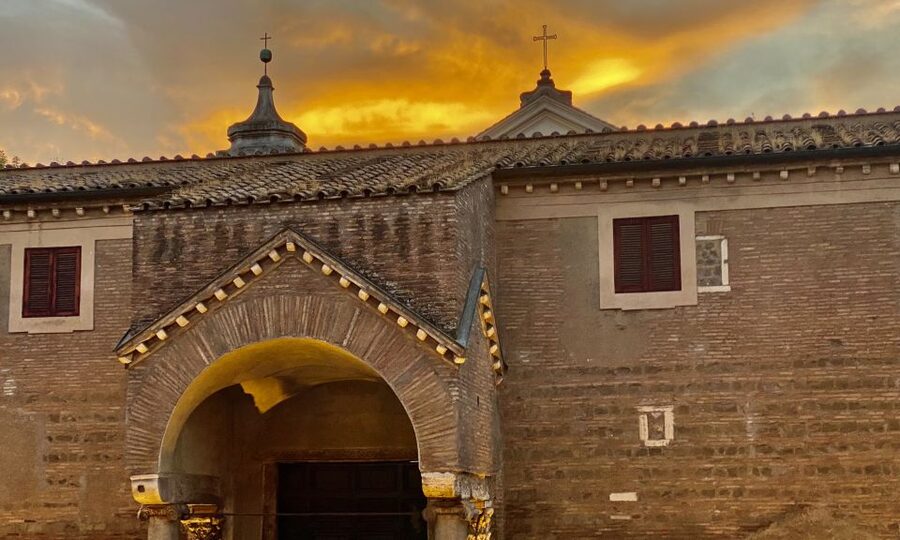
San Clemente is not Rome’s grandest basilica, and that is part of its appeal. It does not compete with St. Peter’s for scale or with the Colosseum for fame. Instead, it gives you a close look at how Rome was repeatedly built, altered, abandoned, and reused.
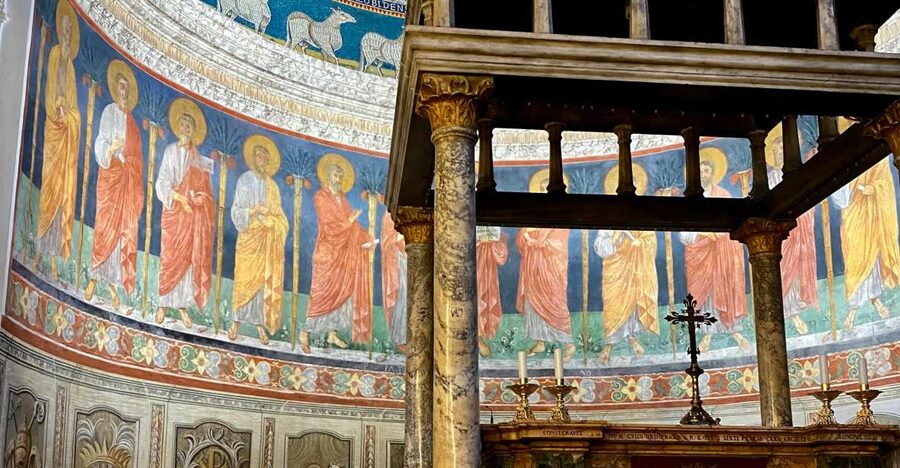
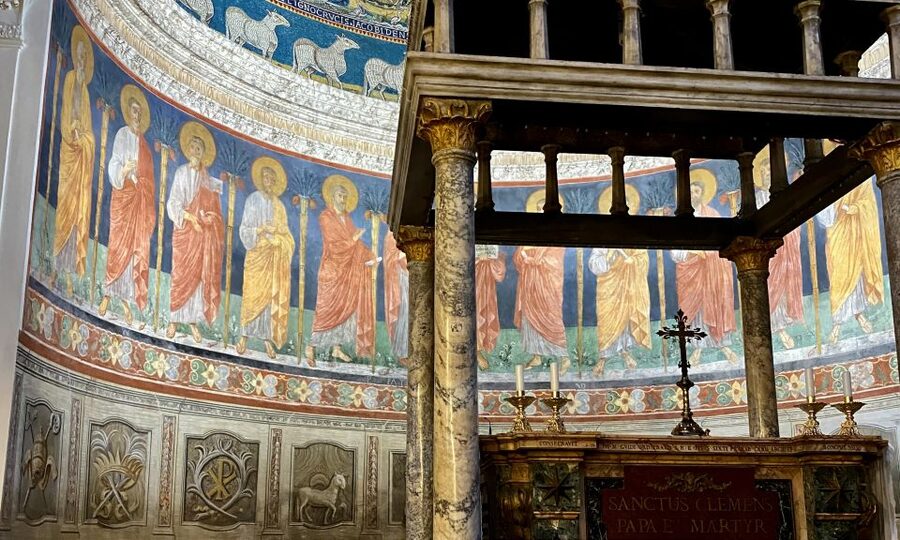
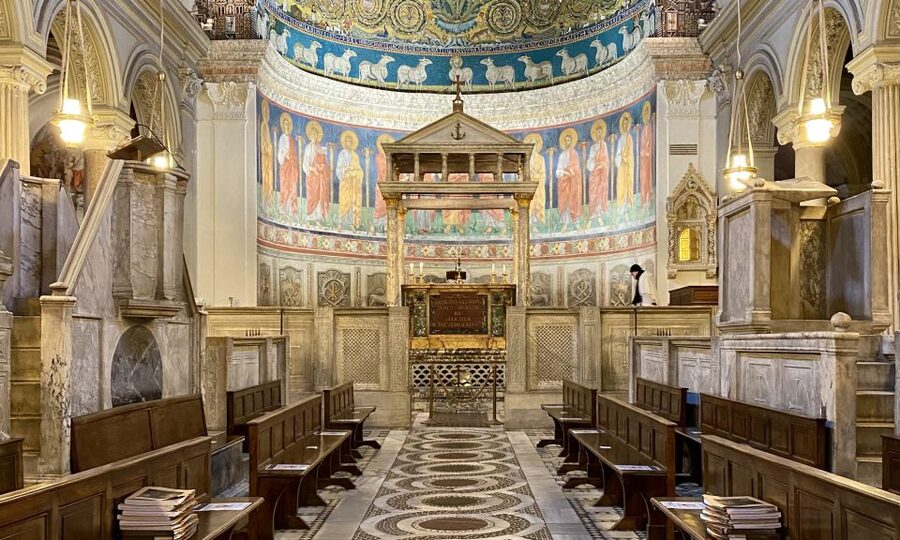
You begin at the present basilica, a 12th-century church. The first thing to notice is the apse mosaic, with its brilliant gold background and dense Christian symbolism. Your guide explains how the imagery works, so you are not left staring at a beautiful but confusing wall of figures and patterns.
That opening matters. San Clemente is easier to understand when you first see the living church above ground, then follow its story downward. The tour is not simply a walk through old foundations. It shows how a place of worship changed as the city changed.
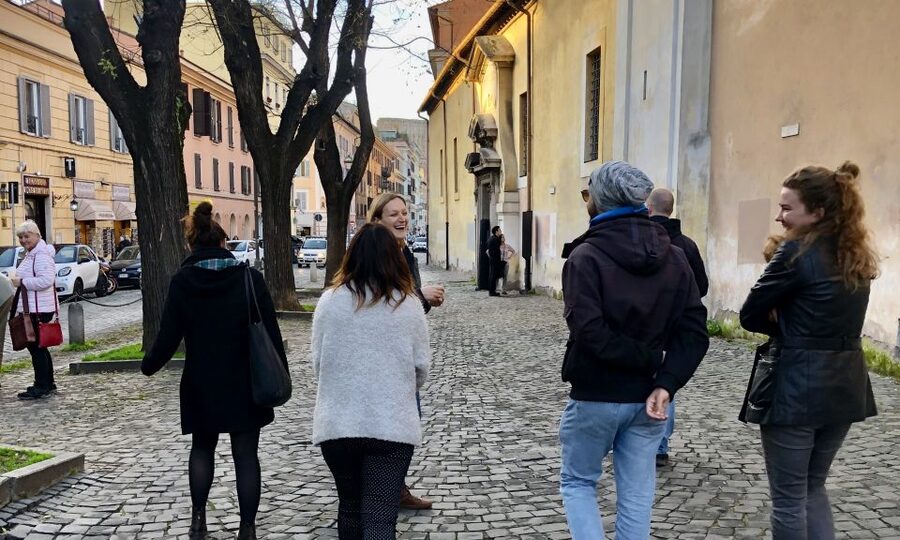
The guides are a major part of the experience. Francesca is praised for her enthusiasm, humor, and clear explanations. Lorenzo has been especially appreciated for his excellent English, personable manner, and willingness to welcome questions. Some departures may feature Paul, an archaeologist and professor based in Rome, whose background brings extra detail about the excavation and artifacts.
You should still expect the exact guide and group size to vary. Private groups are available, but the standard option may not be private. The supplied experiences range from very small groups, including only two people, to regular guided departures.
More underground Rome tours:
- Colosseum: Underground and Ancient Rome Tour
★ 4.7 · 12,691 reviews - Rome: Crypts and Catacombs Underground Tour with Transfers
★ 4.6 · 5,341 reviews - Expert Guided Tour of Colosseum Arena OR Underground, and Forum
★ 4.5 · 5,041 reviews
The golden apse mosaic comes first
Before the stairs and underground chambers, take time to look up. San Clemente’s apse mosaic is one of the tour’s best visual moments, especially if you have already spent hours seeing Roman churches without understanding their symbols.
The gold catches your eye first. Then the guide draws you into the details and explains the religious meaning behind the imagery. This is where a good guide earns the admission price. Without help, you can admire the color and craftsmanship, but miss the links between the cross, plants, figures, and Christian ideas presented in the apse.
The basilica also gives you a useful sense of scale. It feels modest beside Rome’s major pilgrimage churches, yet its decoration is not modest in ambition. That contrast makes the visit pleasant after the crowds and grand ceremonial spaces elsewhere in central Rome.
You cannot photograph inside, so prepare to look rather than document. If you prefer to collect images of every stop, this restriction may frustrate you. If you are willing to put your phone away, the ban helps keep attention on the art and the guide’s explanation.
Dress with the church’s rules in mind. Shorts, short skirts, sleeveless shirts, food, and drinks are not allowed. Comfortable shoes are essential because the tour involves stairs and walking between sites.
Descending through the fourth-century church
The first major underground level is a fourth-century Christian basilica. It was built over an earlier Roman house associated with St. Clement, traditionally identified as the third pope of Rome.
Here, San Clemente becomes more than an archaeological curiosity. You are seeing one religious community build over another, using the same patch of ground for a different faith and a different style of worship. The guide sets the site within the period when Christianity faced persecution, and points out frescoes showing early Christian stories, martyrs, and scenes from the faith’s first centuries.
The paintings are important partly because of their age and partly because they help you picture Christianity before the grand medieval churches took shape. These are not the polished, spacious fresco cycles you may see in later Italian art. They feel closer to a community trying to preserve stories and beliefs in a difficult world.
This level rewards slow listening. The rooms may not look dramatic at first, particularly in the subdued underground light. A guide such as Anestis, Daniel, or Tom can turn the worn walls into a sequence of human choices: where people gathered, what they believed, and how one building was altered to serve another purpose.
The tour’s strongest feature is the way each level is explained as part of a chain. You do not simply hear that a church is old. You learn what lies below it, why the layers survived, and how the religious use of the site changed.
The Mithraic temple and the underground river
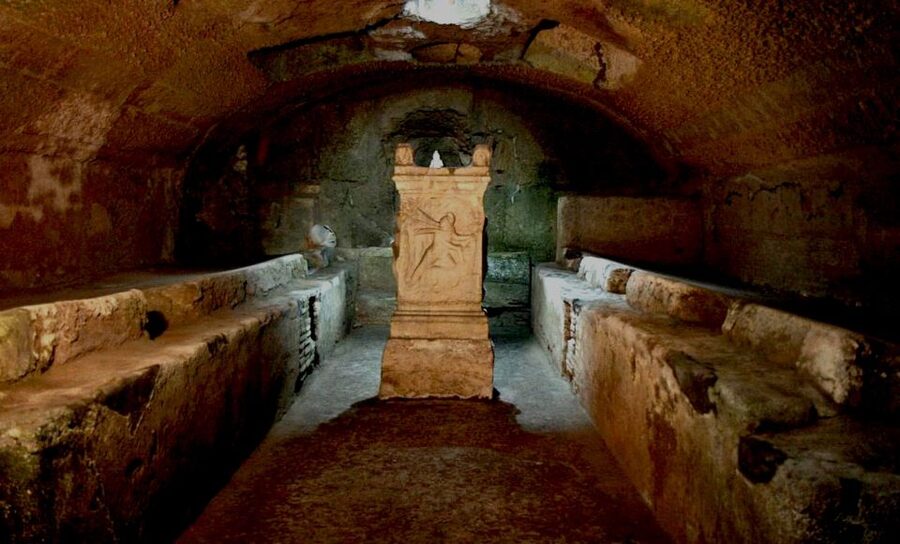
The final descent leads to one of Rome’s best-preserved Mithraic temples. Mithraism was a pagan cult centered on the god Mithras, and it flourished in the Roman world before Christianity became dominant. The group’s rites were secretive, which gives the chamber an air of mystery, but the guide keeps the discussion grounded in what is known about its beliefs and rituals.
The temple is not huge. Its power comes from its location and condition. You are in a room that once served a very different religious purpose, below a Christian church, below the medieval basilica you entered. That physical arrangement makes the religious changes of Rome easy to grasp.
Your guide explains the cult’s hidden rituals and the role of its members without turning the site into a fantasy story. The best part is the contrast between the formal Christian spaces above and this more enclosed pagan setting below. San Clemente lets you compare the two rather than study either one in isolation.
Nearby, you can hear and see water from an underground river. It adds atmosphere, but it is also a reminder that ancient buildings were shaped by practical conditions as much as religious ones. The water helps explain why these lower chambers feel cool, dark, and enclosed.
Claustrophobia is a real concern here. The underground areas are not suited to everyone, and wheelchair access is not available because of the architecture and stairs. If you dislike confined spaces, you should skip this tour rather than hope the lower levels will feel comfortable once you arrive.
A completely different way to spend the day in Rome:
- Vatican: Museums & Sistine Chapel Entrance Ticket
★ 4.5 · 144,003 reviews - Vatican Museums & Sistine Chapel Tour with Optional Basilica
★ 4.3 · 67,413 reviews - Vatican Museums, Sistine Chapel & St Peter’s Basilica Guided Tour
★ 4.5 · 39,149 reviews - Rome: Colosseum, Palatine Hill and Roman Forum Guided Tour
★ 4.8 · 32,814 reviews
Adding Santo Stefano Rotondo for another 45 minutes
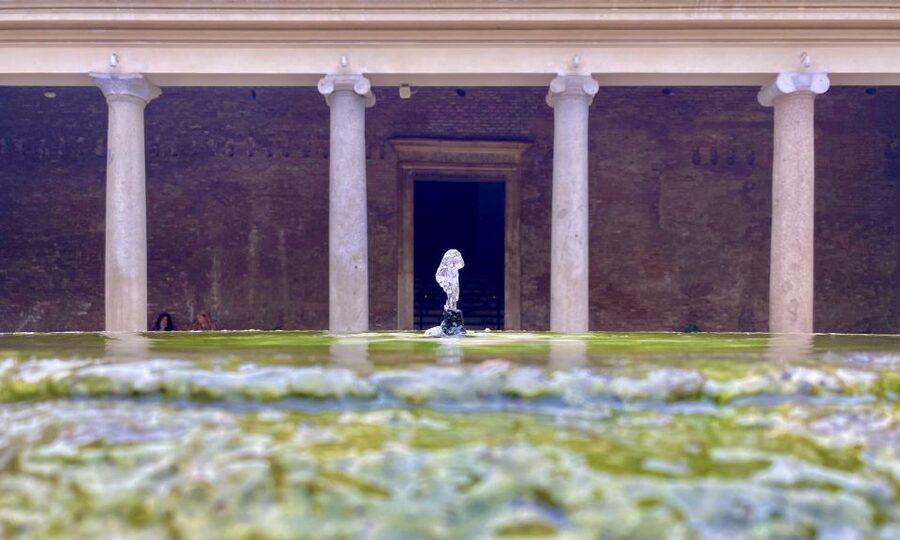
The optional extension takes you on foot to Santo Stefano Rotondo. Allow about 15 minutes for the walk, then another 45 minutes for the guided visit. The full experience lasts roughly two hours instead of one.
Santo Stefano Rotondo is known for its circular architecture and its powerful scenes of Christian martyrdom. The frescoes show graphic violence, so this is not an easygoing family attraction for young children. You should also expect a darker emotional tone than at San Clemente.
I find the extension worthwhile if you want more early Christian art and do not mind difficult images. San Clemente shows the development of Christian worship through layers of construction and older frescoes. Santo Stefano Rotondo puts martyrdom directly in front of you, in a series of scenes designed to confront the viewer.
The optional stop can occasionally be unavailable because of special events or liturgical celebrations. The order may also change. Depending on the schedule, you may visit Santo Stefano first and San Clemente second, so keep your plans flexible and follow the meeting instructions for the option you book.
The walking connection makes sense geographically, but it does mean the extension is not simply an extra room at the first basilica. Wear shoes you can use comfortably on both the underground stairs and the city walk.
What the guide adds to the archaeology
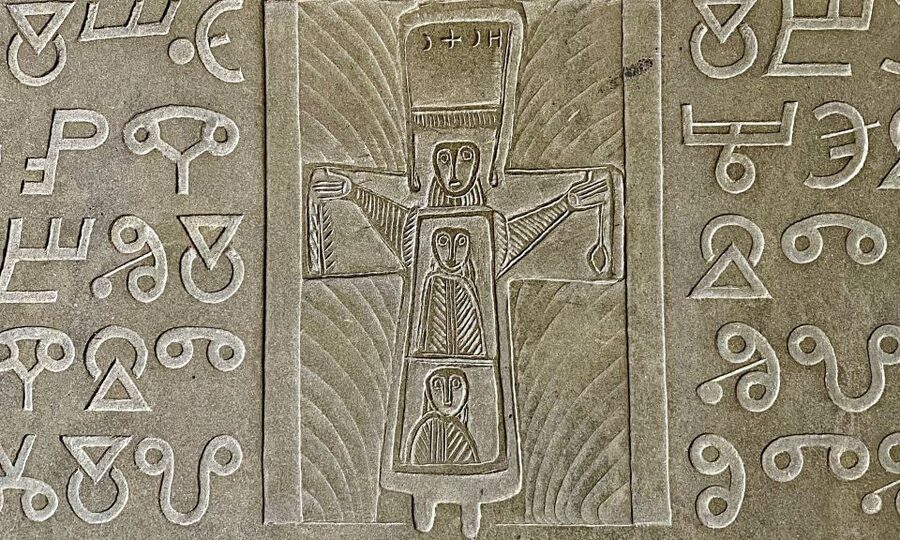
San Clemente is a place where a guide is much more useful than an audio recording or a quick self-guided visit. The rooms are layered, the frescoes are often worn, and the meaning of the Mithraic temple is not obvious without context.
I would book this with the expectation that the guide will do most of the interpretive work. The strongest guide reports describe lively explanations, excellent English, humor, and an ability to answer questions. Paul, in particular, has been praised for his archaeological and academic background. Francesca and Lorenzo also receive especially warm attention for making complicated history easy to follow.
That does not mean every guide will have the same style. You may get a more academic presentation or a more conversational one. The listed languages include English, Italian, Spanish, French, German, and Portuguese, but confirm your preferred language when choosing a time.
Headsets are included, which is useful in underground rooms where sound can echo. They also let you keep looking at the architecture instead of standing shoulder to shoulder around the guide.
A good question to ask is how each layer relates to the next. The tour works best when you treat San Clemente as a record of changing beliefs, not as a collection of disconnected ruins.
Is $70 a fair price?
At $70 per person, this is not a bargain-basement church visit. The value depends on how much you want interpretation and whether you add Santo Stefano Rotondo.
For the one-hour San Clemente visit, the price includes the entrance fee, a live guide, and headsets. You are paying for access to a complicated archaeological site plus an explanation that ties together the basilica, fourth-century church, Roman house, and Mithraic temple. If you visit without guidance, you may see the same rooms but understand far less of their sequence and purpose.
The optional Santo Stefano visit gives you another 45 minutes and a second major church, along with the 15-minute walk between sites. For someone focused on early Christian Rome, that makes the higher total cost easier to justify. If you mainly want to see one unusual underground site, choose the basic version and use the rest of your day elsewhere.
The tour is also a good use of limited sightseeing time. In one to two hours, you get architecture, religious history, archaeology, Roman paganism, Christian art, and a short walk through the Celio area. It is not a substitute for a full ancient Rome tour, but it adds a different layer to the usual Colosseum and forum route.
Free cancellation up to 24 hours before the start and a reserve-now, pay-later option make the booking less risky. Still, church events, weather, and the liturgical calendar can affect the route. If part of a church is closed, the guide will use alternative sites and keep the overall duration unchanged.
Practical limits you should take seriously
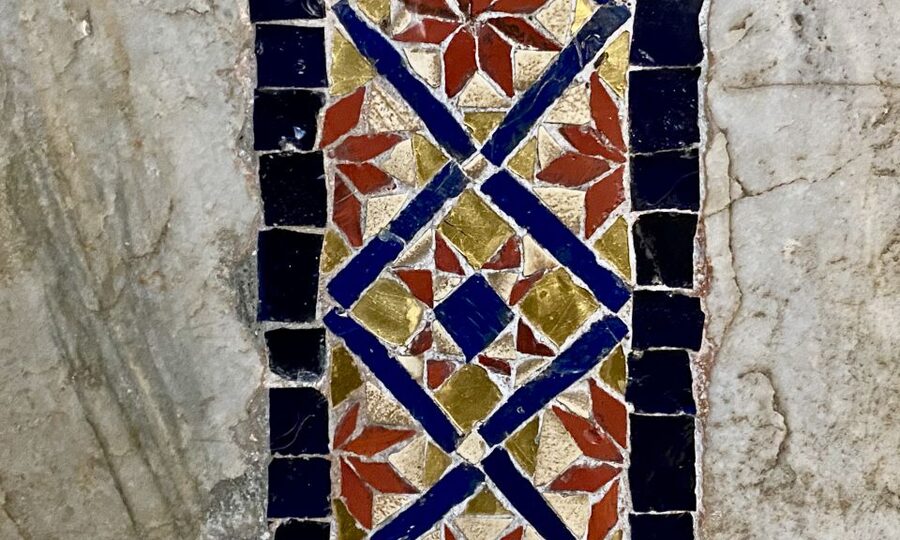
The clothing rules are stricter than at a typical archaeological site. Wear covered shoulders and knees, and leave food and drinks outside. Photography and video recording inside are not allowed.
You will need comfortable shoes. The tour includes a descent into underground spaces, a return to street level, and, with the extension, a 15-minute walk to Santo Stefano Rotondo. The basic tour lasts about one hour, while the extended option takes about two hours.
The meeting point is at Piazza di San Clemente, though it can vary by booking option. Drop-off may be at Piazza di San Clemente or Basilica di Santo Stefano Rotondo al Celio, so check your selected option before setting out.
Pets are not allowed, and sharp objects, weapons, alcohol, and drugs are prohibited. These rules are straightforward, but the clothing restrictions matter most for summer visitors.
Because the lower levels are not wheelchair accessible, this is not a suitable choice for wheelchair users. It may also be uncomfortable for anyone with claustrophobia. Santo Stefano Rotondo’s martyrdom scenes can be graphic, so use your judgment if you are visiting with children.
Who will get the most from this tour?
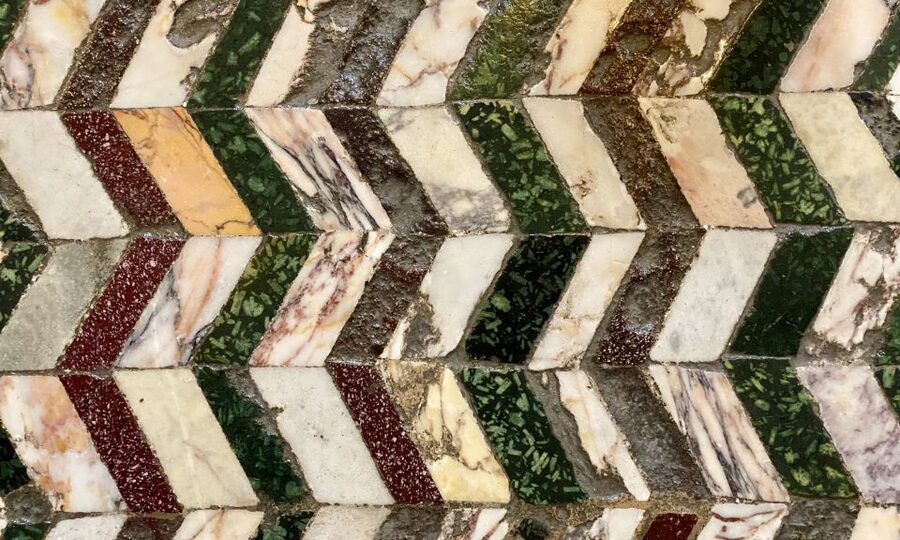
I recommend San Clemente to anyone who wants Rome beyond its headline monuments. It suits people interested in archaeology, religious art, Roman cults, and the way old buildings are reused over time.
It is particularly good for you if you like asking why a building looks the way it does. The tour gives you several answers: the ground level changed, the faith changed, the city changed, and later builders kept working over what came before.
The optional Santo Stefano extension is best for visitors who want a stronger focus on early Christian martyrdom and church art. Skip it if graphic scenes bother you, if you are short on time, or if you would rather spend the extra hour at a different Roman site.
I would not choose this as your only church visit in Rome. San Clemente’s beauty is more intimate and archaeological than grand. But after seeing major basilicas, it can be a welcome change, with fewer distractions and a much clearer sense of how Rome was built in layers.
Should you book San Clemente Underground?
Book this tour if you want a compact, guide-led look at Rome’s buried past and are comfortable with stairs and enclosed rooms. The Mithraic temple, underground river, early Christian frescoes, and apse mosaic give you four distinct reasons to go.
I would choose the Santo Stefano extension if early Christian art is a main interest. Otherwise, the one-hour version offers the best balance of cost and time. The $70 price is easiest to defend when your guide is as strong as Francesca, Lorenzo, Paul, or Anestis, because the interpretation is what turns the underground remains into a coherent story.
FAQ
How long does the San Clemente tour last?
The basic guided visit to Basilica di San Clemente lasts about one hour. The extended option adds a 45-minute guided visit to Santo Stefano Rotondo, with about 15 minutes of walking between the churches, for a total of roughly two hours.
Is Santo Stefano Rotondo included?
Only the option that specifically includes Santo Stefano Rotondo provides the guided visit there. The extension can sometimes be unavailable because of special events or liturgical celebrations.
What languages are available?
Live guides are available in English, Italian, Spanish, French, German, and Portuguese. Check the available language and start time when booking.
Is the tour accessible by wheelchair?
No. The architectural layout and underground stairs at San Clemente mean that this tour is not accessible to wheelchair users.
Can I take photographs inside?
No. Photography and video recording inside are not allowed. Food and drinks are also prohibited inside the churches and underground areas.
What should I wear and bring?
Wear comfortable shoes and clothing that covers your shoulders and knees. Shorts, short skirts, and sleeveless shirts are not allowed. You should also be prepared for enclosed underground spaces, which may not suit people with claustrophobia.
Newest reviews from Rome
- Rome: Vatican Museums & Sistine Chapel Skip-the-Line Ticket★ 4.4 · 148 reviews
- Shared Shuttle Transfer from Rome to Civitavecchia Port★ 5.0 · 148 reviews
- Skip the Line: Vatican and Sistine Chapel with Guided Tour★ 4.0 · 149 reviews
- Rome: Crypts & Catacombs After Hours Tour with Bone Chapel★ 4.6 · 149 reviews
- Ghosts Legends and Mysteries of Rome Walking Tour★ 5.0 · 149 reviews
- Tivoli: Villa Gregoriana Entrance Ticket★ 4.7 · 150 reviews
- Pizza and Tiramisu Cooking Class in Rome, Piazza Navona★ 5.0 · 150 reviews
- Rome: Borghese Gallery Skip-the-Line Entry and Guided Tour★ 4.7 · 150 reviews
Underground Rome Tours, compared.
Colosseum: Underground and Ancient Rome Tour
Read our review →
Crypts and Catacombs Underground Tour with Transfers
Read our review →
Expert Guided Tour of Colosseum Arena OR Underground, and Forum
Read our review →
Colosseum Underground Small Group Guided Tour
Read our review →
St. Peter’s Basilica, Dome Climb, and Underground Tour
Read our review →
Colosseum Underground & Ancient Rome Guided Tour
Read our review →
Browse the lists this tour appears in