
Reviewed · WINE TOURS
Shades of Italian Terroir – a tasting of minimal intervention wines
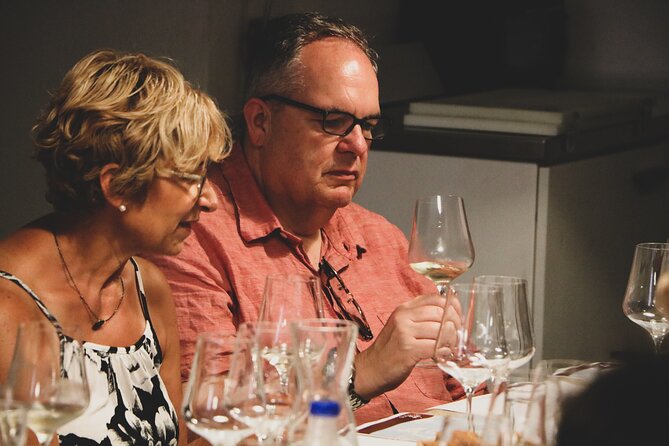
The most interesting part of this Rome tasting is its focus on low-intervention Italian wines. Rather than offering six safe, familiar pours, sommelier Frank guides you through very different bottles and explains how organic farming, soil, climate, grape variety, and cellar technique shape what reaches your glass.
I like the small maximum of 12 people, which gives you room to ask questions and follow your own interests. I also like the practical teaching: you learn how to taste, understand your own reactions to wine, and make smarter choices later. The main consideration is that natural and low-intervention wines can be unusual, so this is a better match for curious drinkers than for anyone seeking only classic, predictable styles.
In This Review
- Key points to know before booking
- Six Italian wines, six ways to understand terroir
- What the first tasting lesson gives you
- Why low-intervention wine changes the conversation
- From grapes and soil to Italian culture
- The value of two hours at $96.12
- Who will get the most from this Rome tasting
- Timing, location, and the shape of the evening
- Should you book Shades of Italian Terroir?
- FAQ
- Where does the wine tasting take place?
- What time does the experience start?
- How long does the tasting last?
- How many wines are included?
- Is food included?
- Can children attend?
- How large is the group?
- Is cancellation free?
Key points to know before booking
- Six wines from across Italy: Expect contrasting regions, grapes, soils, climates, and winemaking approaches rather than one narrow style.
- Frank leads the tasting: Your sommelier and wine educator brings decades of experience and adjusts the discussion to the group.
- A real lesson, not just a line of pours: You refresh the basic steps of tasting and learn how to identify what you like.
- Low-intervention focus: The wines connect to organic and sustainable farming, terroir, Italian culture, and modern wine ideas.
- Small, casual setting: The group is capped at 12 people, and finger foods accompany the tasting.
- Easy evening timing: The session begins at 5:00 p.m., lasts about two hours, and returns to the same Rome meeting point.
Six Italian wines, six ways to understand terroir
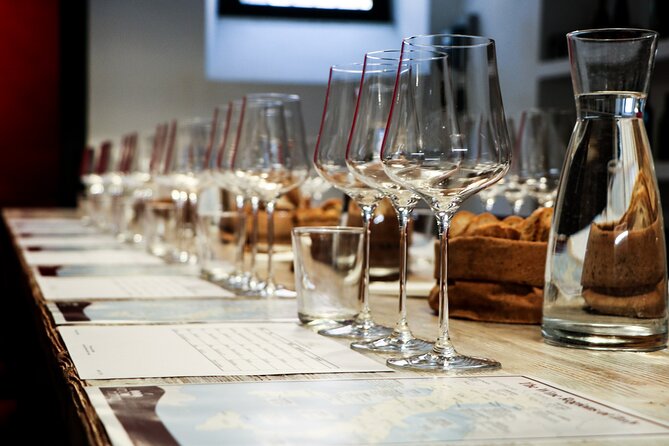
At 5:00 p.m., you meet at VinoRoma Wine Studio & Social Club on Via in Selci, 84/G, in Rome. The experience takes place at the studio and ends there, so you do not spend the evening moving between bars or wineries.
That fixed setting matters. You can concentrate on the wine instead of checking directions, keeping up with a walking group, or trying to hear a guide over restaurant noise. The venue is described as intimate and casual, with an atmosphere built around learning and enjoying wine rather than putting on a formal show.
The tasting includes six Italian low-intervention wines. The exact bottles are not listed in advance, and that is part of the point. You are not booking a tasting built around one famous label or one familiar grape. You are comparing different expressions from around Italy and learning why they taste the way they do.
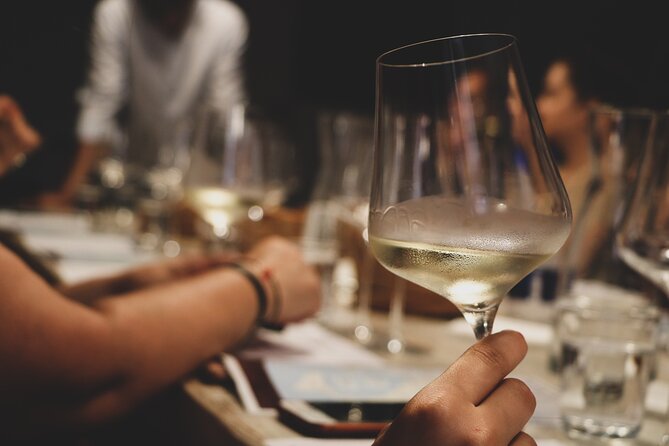
For each wine, Frank introduces a new characteristic. That may involve the grape, the place where it grew, the soil, the climate, or what happened during winemaking. You are encouraged to consider your own response rather than simply accept a professional verdict.
This approach is useful if wine menus usually leave you guessing. Instead of memorizing labels, you begin to notice patterns. You may find that you prefer bright acidity, earthy notes, softer tannins, a certain texture, or wines with more aromatic intensity. The lesson is designed to help you use those preferences when ordering wine in Rome or shopping at home.
Finger foods are served with the tasting. They are there to support the wine rather than replace dinner, so plan another meal if you need a full evening spread. The food pairing also gives you a chance to see how a wine changes with something to eat, an important part of how wine is enjoyed in Italy.
More Rome wine tastings worth an afternoon:
- Rome: Tuscany & Montepulciano Day Trip with Lunch & Wine Tasting
★ 4.5 · 5,232 reviews - Rome: Pasta & Tiramisu Class with Fine Wine by the Vatican
★ 4.9 · 4,852 reviews - Rome Food Tour: Unlimited Tastings with Fine Wine & Barolo
★ 5.0 · 3,365 reviews
What the first tasting lesson gives you
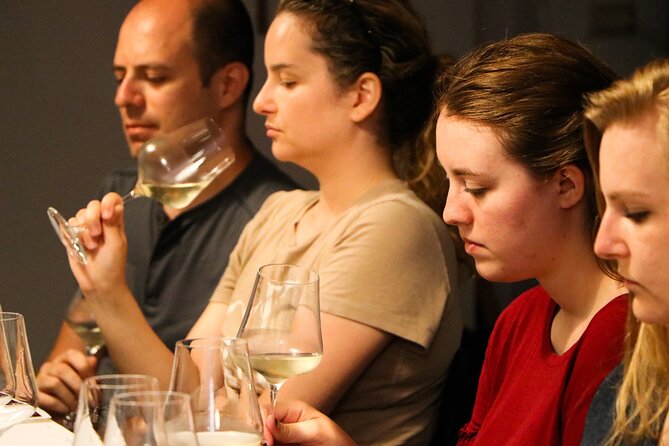
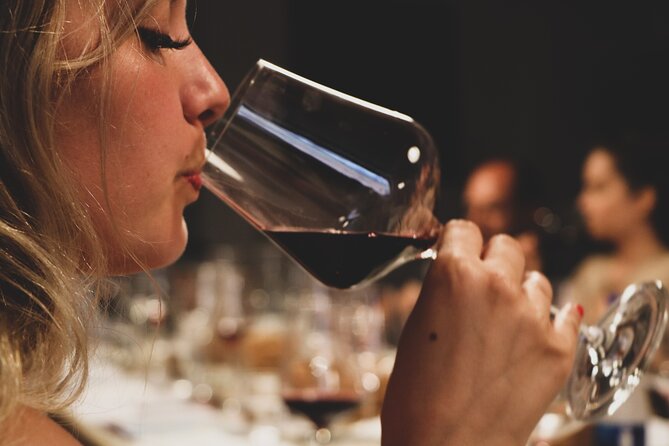
The session begins with a refresher on the basic steps of wine tasting. You learn how to look at the wine, smell it, taste it, and think about its structure. This is not presented as a test, and you do not need previous wine experience.
That beginner-friendly start is valuable because many people know what they like but have trouble explaining why. The tasting gives you simple language for those reactions. You might learn to separate sweetness from fruitiness, acidity from sharpness, or tannin from bitterness.
I especially like that the instruction is tied to your own perception. You are not asked to repeat a list of approved tasting notes. Instead, you consider what you notice and how that helps you choose wine in the future.
The discussion can also move in different directions depending on the group. A first-time wine drinker can stay with the basics, while an enthusiast can ask about farming, fermentation, or regional differences. The guide is prepared to meet people at different levels, including participants with professional wine experience.
Printed information and learning materials are provided. These give you something useful to refer to after the tasting, especially if you want to remember a grape, technique, or idea that came up during the evening.
Why low-intervention wine changes the conversation
Low-intervention wine is not simply a fashionable label. It refers broadly to winemaking that aims to interfere less with the grapes and the wine, though practices can vary from producer to producer. The tasting gives you a way to think about those choices through actual examples rather than abstract definitions.
The wines also connect to organic and sustainable farming. You learn how agricultural decisions affect the fruit before it ever reaches the cellar. Soil, weather, farming methods, and grape variety all have a role in the final result.
That makes the tasting more than a series of unrelated samples. You are learning to connect the bottle to its place and production method. Italian wine becomes easier to understand when you see it as a meeting of land, weather, local traditions, and human choices.
You should also expect some wines to challenge your usual taste. Low-intervention wines can be less polished in the conventional sense, and their aromas or textures may surprise you. That does not mean every pour will become a favorite. The benefit is learning how to describe your reaction and deciding for yourself what works.
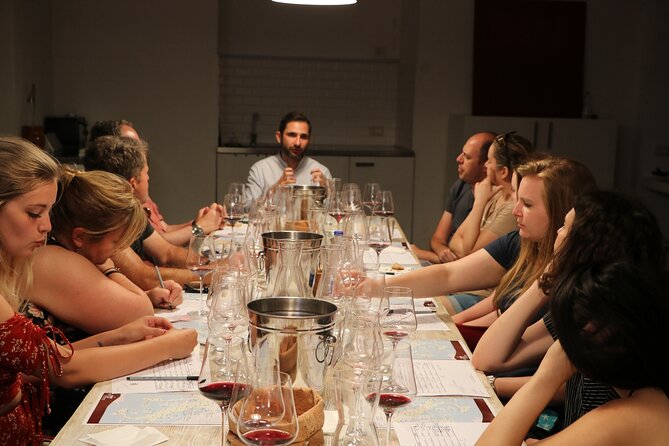
This is where the small group helps. With no more than 12 people, you have a better chance to ask why a wine tastes unfamiliar or how it differs from a more conventionally made bottle. The conversation can stay lively without feeling like a lecture in a large classroom.
From grapes and soil to Italian culture
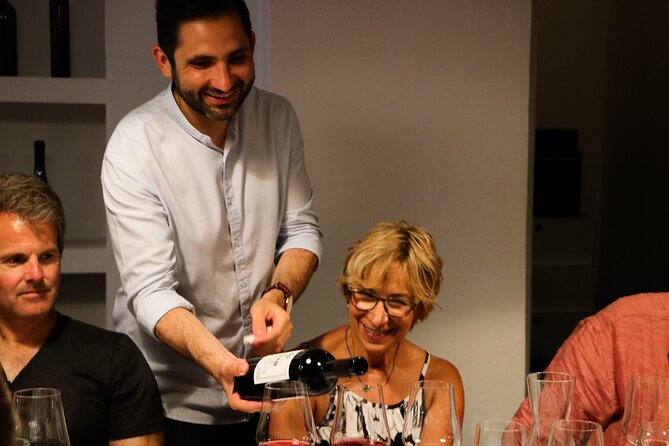
The tasting places wine within Italian culture and history. You learn why wine matters beyond the liquid in the glass and how it fits into meals, agriculture, and social life.
You also receive general guidance on pairing wine with food. The finger foods provide a practical setting for that discussion. You can think about balance, texture, and how food can soften or sharpen certain qualities in a wine.
The course may also touch on neuro-enology, the study of how the brain and senses affect the way we experience wine. That is a less familiar subject for many visitors, but it fits the larger lesson: tasting is both a physical and personal experience.
Two people can drink the same wine and notice different things. Your memories, expectations, smell, palate, and surroundings all influence your response. Understanding that can make wine feel less intimidating. You do not need to agree with every tasting note to have a valid opinion.
Frank’s role is important here. He is a certified sommelier and wine educator with decades of experience, but the format is meant to stay conversational. You can ask about the wine in front of you, Italian regions, farming, food pairing, or how to improve your own tasting skills.
More food tours in Rome:
- Winner 2025 Rome Twilight Trastevere Food Tour by Eating Europe
★ 5.0 · 5,157 reviews - Rome: Trastevere or Jewish Quarter Street Food Tour
★ 4.8 · 3,839 reviews - Rome: Trastevere Food tour with Free-Flowing Fine Wine
★ 5.0 · 2,853 reviews - Rome: Trastevere & Campo de Fiori Street Food Walking Tour
★ 4.9 · 2,768 reviews
The value of two hours at $96.12
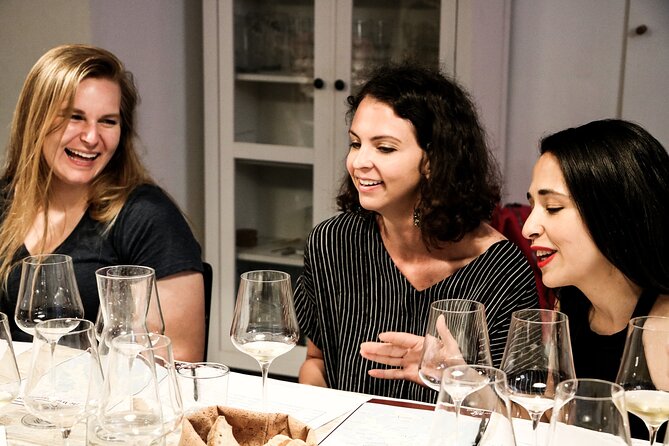
The price is $96.12 per person. That is not a casual price for six glasses of wine, but it includes more than the liquid: a two-hour guided class, a certified sommelier, finger foods, printed learning materials, and a small group capped at 12.
The value depends on what you want from the evening. If you are looking for the cheapest way to drink Italian wine, you can spend less at a wine bar. If you want a structured introduction to low-intervention wine and a chance to ask questions, the cost is easier to justify.
I would compare it with the price of an ordinary wine tasting plus a separate bottle or two chosen without much guidance. Here, the point is not only to sample six wines. You are building skills that can help you order more confidently for the rest of your trip.
The tasting also saves you from trying to decode Italian wine labels on your own. Italy has a huge range of grapes and regional styles, and a guided comparison can make those differences clearer in a short time.
Still, you should not book this expecting a full dinner. The listed food is finger food, and the main feature is wine education. Plan a meal afterward if you want something substantial.
Who will get the most from this Rome tasting
I would recommend this experience to several kinds of visitors:
- Curious beginners who want a friendly introduction without needing wine vocabulary.
- Wine enthusiasts who want to explore organic, sustainable, and low-intervention Italian bottles.
- Couples and small groups who prefer a seated, focused evening over a busy bar crawl.
- Food-minded visitors who want to understand pairing rather than simply drink before dinner.
- Repeat Rome visitors looking for a cultural activity that goes beyond the usual ancient monuments.
It is also a good choice if you like experiences that leave you with a practical skill. Afterward, you should have a better sense of how to describe what you enjoy and how to ask for it.
I would hesitate if you dislike unfamiliar wine styles or want a tasting built around famous, easy-to-recognize labels. The low-intervention focus means the wines may be deliberately different from standard supermarket selections. That can be rewarding, but it requires an open mind.
Children under 12 are not admitted to the premises. Children aged 12 to 16 may be present but cannot take part in the tasting and must sit quietly, so this is best planned as an adults-focused activity.
Timing, location, and the shape of the evening
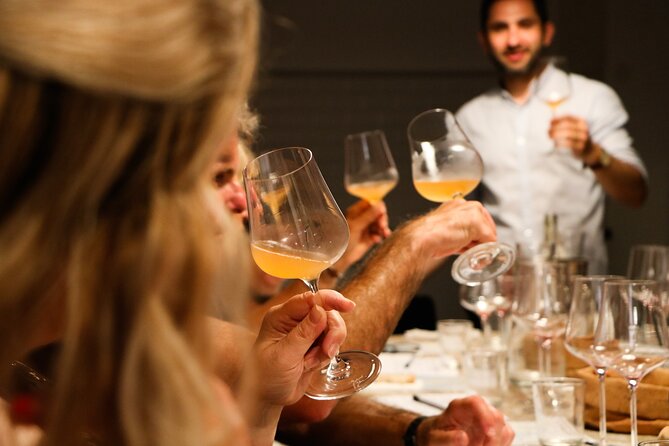
The 5:00 p.m. start works well as a bridge between sightseeing and dinner. You can spend the afternoon elsewhere in Rome, attend the tasting, then continue your evening from the same central meeting point.
The studio is near public transportation, which makes the arrival practical. Your mobile ticket is accepted, and confirmation is sent at booking. Since the activity lasts about two hours and ends where it begins, you know exactly how much time to set aside.
The company has operated wine tastings in Rome for many years, and the setup reflects that focus. This is not a rushed stop added to a larger tour. Wine is the entire subject, giving Frank time to explain each pour and respond to questions.
The group size is one of the strongest practical details. Twelve people is small enough for conversation but large enough to create a mix of opinions. You may learn as much from hearing another person describe a wine as from the guide’s explanation.
The experience is offered in English. If you are booking well ahead, note that it is commonly reserved about 30 days in advance. That does not guarantee every date will sell out, but it is a good reason to add it to your Rome plans early, especially if your schedule is tight.
Should you book Shades of Italian Terroir?
Book it if you want a focused, hands-on wine lesson rather than a quick sampling session. The six wines, the low-intervention theme, Frank’s experience, printed materials, and small group make this a strong choice for anyone who wants to understand Italian wine instead of simply consume it.
The best reason to choose it is the combination of variety and guidance. You taste very different wines, then learn how region, grape, climate, soil, farming, and technique help explain those differences. The relaxed setting keeps the subject approachable.
Skip it if you want a full meal, a tour of several wine estates, or only traditional styles that feel familiar from the first sip. For the right drinker, though, this two-hour Rome experience offers useful knowledge, plenty of comparison, and a more personal way to connect with Italian food culture.
Free cancellation is available if you cancel at least 24 hours before the 5:00 p.m. start time. Changes or cancellations made later are not accepted for a refund, and the activity may be canceled if its minimum group size is not reached.
FAQ
Where does the wine tasting take place?
The tasting takes place at VinoRoma Wine Studio & Social Club, Wine Tastings, Food Tours, Courses, Training, Special Events, at Via in Selci, 84/G, 00184 Rome, Italy.
What time does the experience start?
The tasting begins at 5:00 p.m.
How long does the tasting last?
The experience lasts approximately two hours and ends back at the meeting point.
How many wines are included?
You taste six Italian low-intervention wines.
Is food included?
Finger foods are included with the wine tasting. The provided information does not describe it as a full meal.
Can children attend?
Children under 12 are not admitted. Children aged 12 to 16 may be present but cannot take part in the tasting and must remain quiet.
How large is the group?
The activity has a maximum of 12 participants.
Is cancellation free?
You can cancel for a full refund up to 24 hours before the experience begins. Cancellations made less than 24 hours in advance are not refunded.
Newest reviews from Rome
- Off the Beaten Track in Rome: Rione VI Parione Private Tour★ 5.0 · 24 reviews
- ROME:Colosseum & Ancient Rome – private/small group TOUR★ 5.0 · 24 reviews
- Cinematic Photoshoot in Rome★ 5.0 · 24 reviews
- Rome: Best of Colosseum and Roman Forum Small Group Guided Tour★ 4.5 · 24 reviews
- The Labyrinth of Rome between catacombs and ancient quarries★ 4.5 · 24 reviews
- Vatican and Trionfale Market Tour with Wine and Food Tasting★ 5.0 · 24 reviews
- private tour: Vatican Museums, Sistine Chapel, St. Peter’s Basilica★ 4.5 · 24 reviews
- Colosseum guided tour with Virtual Reality★ 5.0 · 24 reviews
Wine Tours, compared.

Tuscany & Montepulciano Day Trip with Lunch & Wine Tasting
Read our review →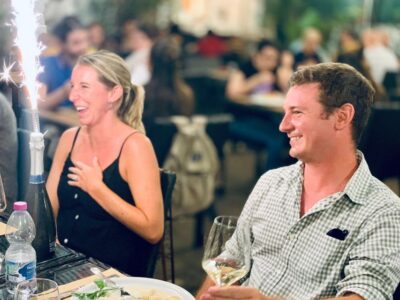
Pasta & Tiramisu Class with Fine Wine by the Vatican
Read our review →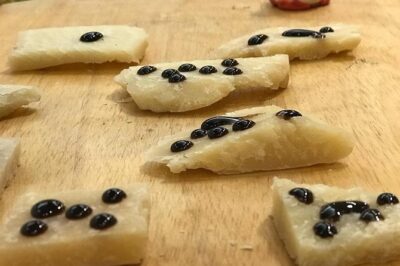
Rome Food Tour: Unlimited Tastings with Fine Wine & Barolo
Read our review →
Pasta Making Class with Wine, Limoncello, and Dessert
Read our review →
Trastevere Food tour with Free-Flowing Fine Wine
Read our review →
Learn to Make Pasta & Tiramisu with Wine and Limoncello Included
Read our review →
Award Winning Trastevere Group Food Tour with Wine
Read our review →
Fettuccine and Tiramisu Cooking Class with Wine
Read our review →Browse the lists this tour appears in