
Reviewed · COOKING CLASSES
Classic Roman Pasta Making Carbonara & More
Fresh pasta is one of Rome’s best souvenirs because you can take the skill home, not just a photo. In this roughly three-hour class, you make pasta by hand, prepare Roman sauces, and sit down to eat what you cooked with wine, water, and soft drinks.
I like the hands-on format, especially for beginners. I also like the personal teaching from chefs such as Francesca and Michela, who explain both the cooking steps and the food traditions behind them. The main consideration is the price: at $106.65 per person, this is not a cheap meal, though the instruction, drinks, recipes, and full lunch or dinner help make the cost easier to justify.
In This Review
- Key points to know before booking
- What the three-hour Roman cooking class includes
- Making tonnarelli, Rome’s sturdy pasta shape
- Carbonara, Amatriciana, and Cacio e Pepe
- Eating your own pasta with wine and soft drinks
- How personal is the teaching?
- A good fit for couples, families, and first-time cooks
- What makes the experience feel Roman
- Price, timing, and practical value
- Small drawbacks to keep in mind
- Cancellation and booking advice
- Should you book this Roman pasta class?
- FAQ
- Where does the pasta-making class begin?
- Where does the activity end?
- How long does the class last?
- What language is the class offered in?
- What pasta and sauces will I learn to make?
- Are drinks included in the price?
- Is transportation included?
- Can I cancel for a refund?
Key points to know before booking
- You make tonnarelli by hand, a classic Roman pasta shape with a firm, chewy bite.
- Three Roman sauces are central to the class: Carbonara, Amatriciana, and Cacio e Pepe.
- Francesca and Michela have earned especially warm praise for clear teaching, patience, humor, and local food advice.
- The class can feel very personal, with some sessions running for only two to five people, though the stated maximum is 50.
- Wine, water, soft drinks, and the food you prepare are included, so you do not pay extra for the meal.
- Recipes are provided afterward, giving you a practical way to repeat the dishes at home.
What the three-hour Roman cooking class includes
The class begins at Italian Cooking Classes in Rome, at Piazza Margana, 21. The meeting point is near public transportation, and the activity ends back there, so you will not need to arrange a separate ride to a restaurant or another dining site.
The exact order may vary, but the heart of the session is consistent: you work with fresh pasta dough, learn how to shape it, prepare sauces, and then eat the finished dishes. The class is offered in English, which matters when you are learning small details such as dough texture, cooking time, and how to combine cheese with heat without creating a heavy sauce.
A three-hour session gives the lesson room to breathe. You are not simply shown a plate and handed a recipe. You have time to work with the pasta, ask questions, and sit down for a proper tasting afterward.
More cooking classes in Rome:
- 3 in 1 Cooking Class near Navona: Fettuccine, Ravioli & Tiramisu
★ 5.0 · 7,376 reviews - Rome: Pasta Making Class with Wine, Limoncello, and Dessert
★ 4.9 · 3,177 reviews - Rome: 3-in-1 Fettuccine, Ravioli, and Tiramisu Cooking Class
★ 4.9 · 2,704 reviews
Making tonnarelli, Rome’s sturdy pasta shape
Tonnarelli is a useful pasta to learn because it has more body than a very thin noodle. Its square shape holds sauce well, which is exactly what you want with Roman preparations built around cheese, egg, pork, or tomato.
You should expect to take part in the pasta preparation rather than watch a chef do every step. The class is designed for beginners, so you do not need previous cooking experience. That makes this a good choice if your kitchen skills stop at boiling water, or if you simply want help getting fresh pasta right.
The practical value is in learning by touch. Pasta dough can look simple, but flour, moisture, pressure, and resting time all affect the final result. An instructor can correct your technique as you go, which is more useful than reading a recipe alone.
Some sessions have included other pasta styles as well. One private class prepared tonnarelli with pesto and ravioli with red sauce. That suggests the menu can vary, so you should treat the listed Roman sauces as the main promise while allowing for some flexibility in the dishes prepared.
Carbonara, Amatriciana, and Cacio e Pepe
The sauces are the real Roman lesson. Each one uses relatively few ingredients, so technique matters.
Carbonara is usually the dish many people most want to learn. It is also the easiest to get wrong at home. The class teaches you how to create a creamy sauce without relying on cream, and how to handle the heat so the eggs do not turn into scrambled eggs. The result depends on timing and control, not a long ingredient list.
Amatriciana gives you a different Roman flavor, with tomato and savory pork elements. It is a useful contrast to Carbonara because it shows how the same pasta can take on a completely different character with a brighter sauce.
Cacio e Pepe looks almost too simple: pasta, cheese, and pepper. Yet the sauce depends on managing starchy pasta water and grated cheese. A cooking class is a good place to learn this because an instructor can show you the consistency you want before the sauce becomes lumpy or dry.
The appeal here is not just eating three famous dishes. You learn why each sauce behaves differently, and that gives you a better chance of making them successfully at home.
Eating your own pasta with wine and soft drinks
After the cooking, you sit down to taste the food you prepared. Bottled water, soft drinks, and alcoholic drinks are included, with both red and white wine available. Some sessions have also included appetizers and Aperol Spritz, though those extras should not be treated as a guaranteed part of every booking unless confirmed.
I like this part because it turns the class into a meal rather than a demonstration. You do not leave with dough under your fingernails and an empty stomach. The food is the point of the lesson, and tasting it right away helps you understand what your work produced.
The included drinks also add value to the $106.65 price. A separate Roman meal with wine can quickly become expensive, especially in the center of Rome. You are paying for instruction as well, but the meal and beverages mean the experience is not simply a costly cooking lecture.
The atmosphere is meant to be friendly and relaxed. Francesca has been praised for making the class feel more like cooking with friends than sitting in a formal classroom. That tone may suit you if you want a social activity with your meal, rather than a strict professional kitchen course.
More Rome tours worth comparing
- Rome: Pasta & Tiramisu Class with Fine Wine by the Vatican
★ 4.9 · 4,852 reviews - Rome: Fettuccine Pasta Cooking Class in Rome’s City Center
★ 4.8 · 2,414 reviews - Rome: Traditional Pasta with Cocktails Cooking Class
★ 5.0 · 2,374 reviews - Learn to Make Pasta & Tiramisu with Wine and Limoncello Included
★ 5.0 · 2,345 reviews
How personal is the teaching?
The group size deserves a close look. The stated maximum is 50 participants, but the experience is also described as a small-group class, and some sessions have had only two to five people. A private class has also been offered, including one honeymoon session.
That difference matters. A two-person class gives you far more time to ask questions and receive corrections than a large group. A larger group can still be enjoyable, but individual attention may be less constant. If a small class is important to you, check the available date and group arrangement before paying.
The instructors are one of the strongest parts of the experience. Francesca is repeatedly praised for being warm, funny, patient, and clear. She has helped people make several pasta shapes and sauces while also sharing practical food advice. Michela has been praised for detailed instruction and for answering questions about Italian food culture and places to eat in Rome.
That personal guidance is especially useful for beginners. You can ask why the dough feels too sticky, how much cheese to use, or what went wrong with a sauce. The class is not only about copying movements. It gives you a chance to understand the choices behind the recipes.
A good fit for couples, families, and first-time cooks
This activity works well for couples looking for a hands-on date or a birthday surprise. One couple attended as part of a 30th birthday celebration and found the very small class made the occasion feel personal.
It also suits families and groups of friends. A group of seven, including two babies, was able to make pasta, share wine, and take part in the meal. That does not mean every family setup will be equally easy, but it does show that the class can accommodate a mixed group.
For honeymooners, the option of a private class can make the experience feel more special. For solo visitors, the class offers a natural way to meet other people through a shared meal, though the available group size will depend on the date.
You should choose this if you want to do something active. If you only want to eat excellent pasta, Rome has plenty of restaurants. The value here comes from making the food yourself, getting instruction in English, and leaving with recipes you can use again.
What makes the experience feel Roman
Many cooking classes in Italy focus on a broad collection of national dishes. This one is narrower, which is a strength if your Rome visit is short. Carbonara, Amatriciana, and Cacio e Pepe are closely tied to Roman cooking, and tonnarelli gives the lesson a local focus.
The menu also reflects a useful Roman principle: simple food leaves little room to hide. With fewer ingredients, the quality of the pasta, cheese, pepper, tomato, and pork matters more. You learn to respect temperature and timing instead of covering mistakes with complicated seasoning.
The class uses high-quality local ingredients, according to the activity details. That helps explain why the dishes can taste better than a rushed home version, but you should remember that the ingredients alone are not the whole lesson. The cooking method is what lets you repeat the result later.
The recipes you receive afterward are an important extra. You will not need to rely on memory when you return home. For me, that makes the experience more useful than a meal with no lasting skill attached.
Price, timing, and practical value
The price is $106.65 per person for about three hours. That puts it in the premium range for a cooking activity, but it includes the class, food, alcoholic beverages, soft drinks, and water.
To judge the price fairly, compare it with what you would spend on a good Roman meal with drinks, then assign a value to the instruction. You are getting a meal and an activity in one booking. The cost is harder to justify if you dislike cooking or would rather spend those three hours sightseeing.
The timing is also important. Three hours is long enough to take up a meaningful part of your day, so do not schedule it immediately before a timed attraction. It works well around a relaxed lunch or dinner plan, but the exact start time should guide your itinerary.
The meeting point is Piazza Margana, 21, in Rome. Private transportation is not included, so plan to reach the meeting point yourself. The location is near public transportation, and confirmation is provided when you book.
This activity is offered in English. A licensed or certified guide is included, which should give you a clear point of contact during the lesson.
Small drawbacks to keep in mind
The biggest drawback is uncertainty around group size. The experience is promoted as intimate, and some classes have been very small, but the listed maximum is 50. You should not assume that every date will be a private or semi-private session.
The menu may also vary. Carbonara, Amatriciana, and Cacio e Pepe are the key Roman sauces, but other sessions have included pesto and ravioli. That flexibility can be fun, but if you are booking only to learn one exact dish, confirm the planned menu first.
The class is not ideal for someone who wants a quiet meal. You will be working, asking questions, and sharing the space with other cooks. That is the point, but it may not suit you after a long day of walking through Rome.
Finally, there is no private transportation. This is a minor issue for most people because the meeting point is near public transportation, but you need to handle the journey to Piazza Margana yourself.
Cancellation and booking advice
You can cancel for a full refund up to 24 hours before the local start time. Cancellations or changes made less than 24 hours ahead are not refunded or accepted.
The class also requires a minimum number of participants. If the provider cancels because that minimum is not reached, you will be offered another date or experience, or a full refund.
The activity is booked an average of 47 days ahead, so planning early is sensible, especially if you want a private class, a very small group, or a particular date in a busy Rome itinerary.
Should you book this Roman pasta class?
I would book it if you want more than a restaurant meal and you like the idea of carrying a Roman skill home. The strongest reasons are the hands-on pasta work, the focus on classic Roman sauces, and the patient instruction associated with Francesca and Michela.
It is particularly good for first-time cooks, couples, families, and friends who want a shared activity. The included wine and food improve the value, while the recipes make the experience useful after your holiday ends.
I would skip it if you are watching your budget closely, dislike group activities, or want a guaranteed private lesson without checking the date. For everyone else, this is a well-focused way to spend three hours in Rome: you cook, you eat, you learn why the sauces work, and you leave with something better than another souvenir.
FAQ
Where does the pasta-making class begin?
The class begins at Italian Cooking Classes in Rome, Piazza Margana, 21, 00187 Roma RM, Italy.
Where does the activity end?
The experience ends back at the meeting point.
How long does the class last?
The class lasts approximately three hours.
What language is the class offered in?
The class is offered in English.
What pasta and sauces will I learn to make?
The class includes handmade pasta, including the Roman shape tonnarelli, along with sauces such as Carbonara, Amatriciana, and Cacio e Pepe. Some sessions have also included pasta such as ravioli and tonnarelli with pesto.
Are drinks included in the price?
Yes. Bottled water, soft drinks, and alcoholic beverages are included. Red and white wine are provided.
Is transportation included?
No. Private transportation is not included. The meeting point is near public transportation.
Can I cancel for a refund?
Yes. You can cancel at least 24 hours before the local start time for a full refund. Cancellations and changes made less than 24 hours before the start time are not accepted or refunded.
Newest reviews from Rome
- ROME:Colosseum & Ancient Rome – private/small group TOUR★ 5.0 · 24 reviews
- Off the Beaten Track in Rome: Rione VI Parione Private Tour★ 5.0 · 24 reviews
- Cinematic Photoshoot in Rome★ 5.0 · 24 reviews
- Rome: Best of Colosseum and Roman Forum Small Group Guided Tour★ 4.5 · 24 reviews
- The Labyrinth of Rome between catacombs and ancient quarries★ 4.5 · 24 reviews
- Vatican and Trionfale Market Tour with Wine and Food Tasting★ 5.0 · 24 reviews
- private tour: Vatican Museums, Sistine Chapel, St. Peter’s Basilica★ 4.5 · 24 reviews
- Colosseum guided tour with Virtual Reality★ 5.0 · 24 reviews
Cooking Classes, compared.
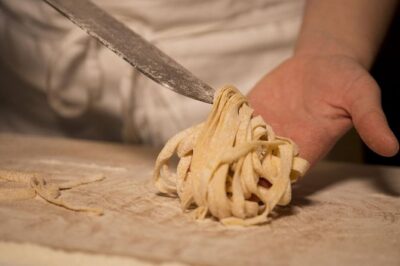
3 in 1 Cooking Class near Navona: Fettuccine, Ravioli & Tiramisu
Read our review →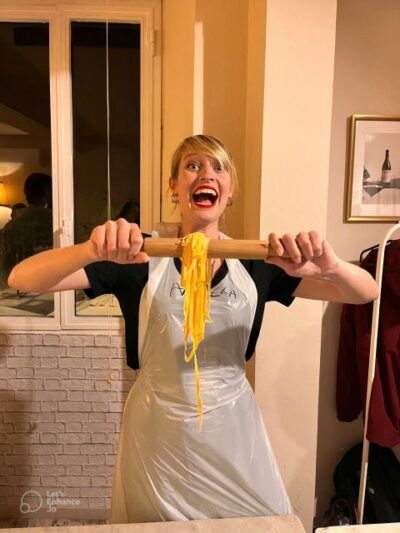
Pasta Making Class with Wine, Limoncello, and Dessert
Read our review →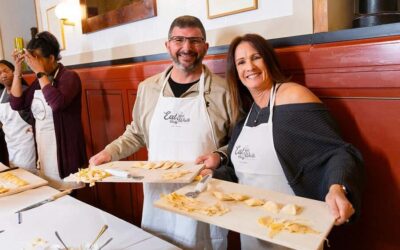
3-in-1 Fettuccine, Ravioli, and Tiramisu Cooking Class
Read our review →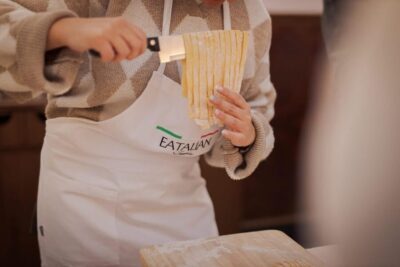
Fettuccine Pasta Cooking Class in Rome’s City Center
Read our review →
Traditional Pasta with Cocktails Cooking Class
Read our review →
Fettuccine and Tiramisu Cooking Class with Wine
Read our review →
Pasta Cooking Class Near the Colosseum with 3 Spritz Cocktails
Read our review →
Enjoy Spritz and Pasta Making in Piazza Navona
Read our review →Browse the lists this tour appears in