
Reviewed · CITY TOURS
German port city of Ostia Antica
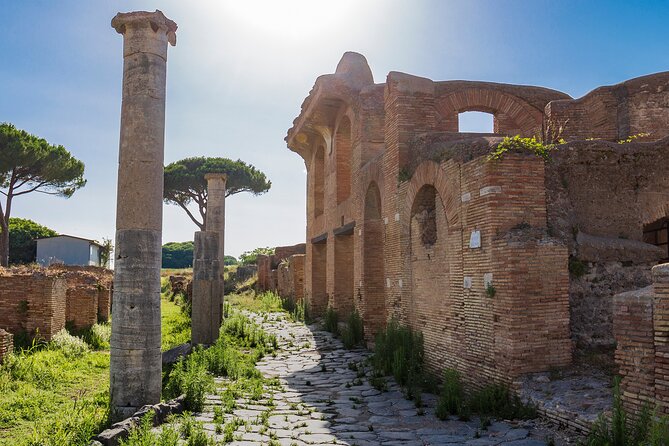
Ostia Antica gives you something Rome itself cannot: an ancient city you can walk through at street level, with shops, apartment buildings, bakeries, baths, and a theater still laid out in one place. This was Rome’s inland port, where goods arrived from across the Mediterranean before moving up the Tiber to the capital.
I like the easy escape from central Rome and the way the tour focuses on ordinary city life, not only emperors and monuments. I also like the practical setup: admission and headsets are included, and the German-speaking guide can make the ruins easier to picture. The main drawback is the short two-hour format. Ostia is large, so you will see the key sights but may want extra time afterward.
In This Review
- Key points to know before you book
- Why Ostia Antica is worth leaving Rome for
- Meeting at Viale dei Romagnoli at 10:00 am
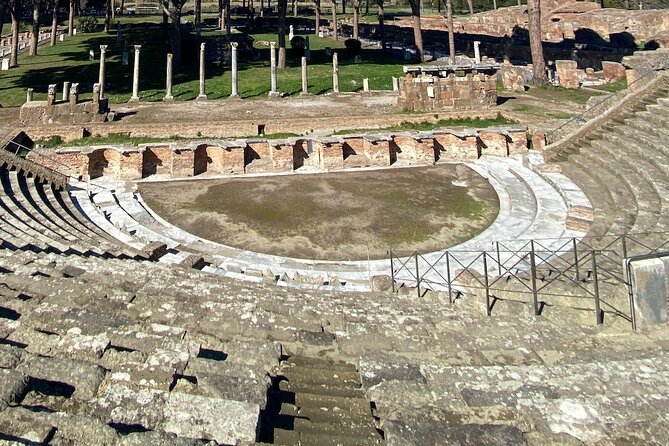
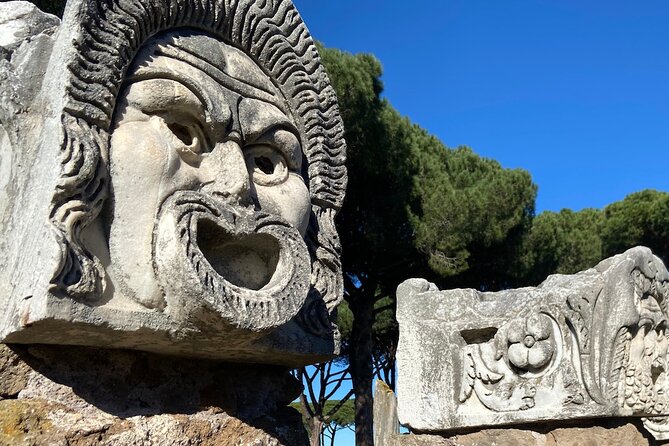
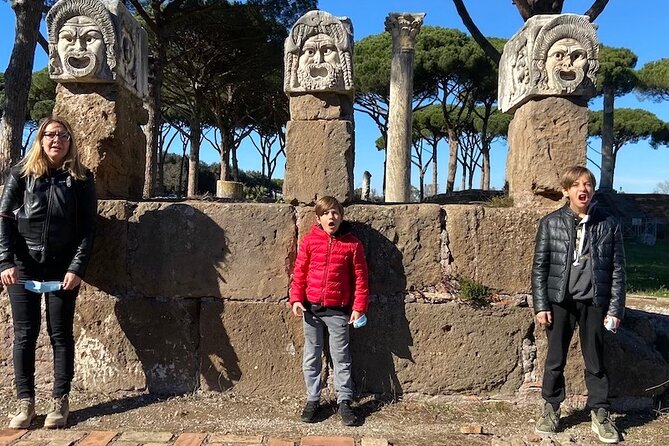
- The theater gives you Ostia’s public face
- Apartment blocks show how crowded Ostia could be
- The forum connects commerce, politics, and religion
- Bakeries and inns reveal what people ate and where they stopped
- Neptune’s Baths make public leisure easy to picture
- Warehouses explain Ostia’s role as Rome’s port
- Latrines offer a memorable lesson in urban life
- What two hours lets you see, and what it leaves out
- Price, included tickets, and the real value
- How the tour compares with Pompeii
- Who should book the German-language visit
- Booking details worth knowing
- Should you book Ostia Antica?
- FAQ
- Where does the Ostia Antica tour start?
- How long does the guided tour last?
- Is admission to Ostia Antica included?
- Is transportation from Rome included?
- What language is the tour conducted in?
- Where does the tour end?
Key points to know before you book
- An ancient port city near Rome: Ostia once handled goods bound for the capital, though the Tiber and coastline have shifted over the centuries.
- A daily-life tour: Expect bakeries, inns, apartment blocks, public toilets, warehouses, tombs, villas, and thermal baths.
- A 10:00 am start: The meeting point is at Viale dei Romagnoli 717, near public transportation.
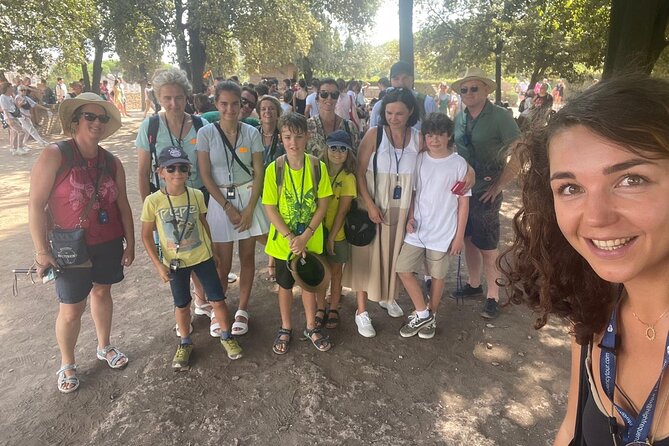
- German-speaking guidance: Headsets are supplied so you can follow explanations in a group of up to 20 people.
- A useful finish: The tour ends in the archaeological park, with the option to return toward Rome or continue one stop farther to Ostia Lido.
- Good value on paper: The listed price is $0 per person, and entrance tickets are included, but check the final booking details before relying on that figure.
Why Ostia Antica is worth leaving Rome for
Rome can fill every hour with famous churches, piazzas, and ancient monuments. Ostia Antica offers a different kind of visit. Instead of seeing one isolated ruin, you move through the remains of a whole working town.
That change in scale matters. A theater tells you about public entertainment. A bath complex shows how people spent leisure time. A bakery, shop, or public latrine gives you a sharper sense of ordinary routines. The pieces fit together better here because the streets, buildings, and blocks remain visible across a broad archaeological park.
Ostia was tied closely to Rome’s survival. Ships brought supplies from around the Mediterranean, and the port passed goods inland toward the capital. The water is not where ancient residents knew it, however. The Tiber has changed course in practical terms, and the coastline has moved over thousands of years. The tour’s title refers to a port city, but you should not expect a sea view from every ruin today.
I find that this setting makes a good companion to the Colosseum or Roman Forum. Those sites explain Rome’s power. Ostia helps explain the systems behind it: trade, storage, food production, housing, sanitation, religion, and entertainment.
More Ostia Antica visits:
- Ancient Ostia Antica Semi-Private Day Trip from Rome by Train with Guide
★ 4.5 · 579 reviews - From Rome: Ostia Antica Guided Half-Day Trip by Train
★ 4.8 · 486 reviews - Horse Sanctuary & Trail Ride in Ostia Antica
★ 4.5 · 276 reviews
Meeting at Viale dei Romagnoli at 10:00 am
The tour starts at Viale dei Romagnoli 717, in the Ostia Antica area. Transport is not included, so you need to arrange your own way there. The site is near public transportation and is easy to reach by train from Rome, but your ticket covers the guided experience, not the ride.
Give yourself enough time to locate the meeting point. A 10:00 am start leaves a useful part of the day afterward, yet the tour’s fixed beginning means a late arrival could be awkward. Your confirmation should provide the current meeting information, especially if you book close to the departure time.
The advertised group limit is 20 people. That is not a private visit, but it is small enough for headsets to make a real difference. At a large archaeological site, clear sound matters. Without it, you may spend more time trying to hear than looking at the ruins.
The guide may vary. Named guide feedback connected with the Ostia experience includes Rob Miller and the archaeologist Philip or Philipp, while other German-speaking guides from the same team also lead Rome tours. Do not assume a particular person will lead your date unless the booking confirms it. The strongest descriptions point to lively storytelling, good answers to questions, and a clear picture of Roman life. One less favorable account found the explanation too general and felt an audio guide might have offered better value. That is a fair warning: a guided site is only as strong as the person leading it.
The theater gives you Ostia’s public face
The theater is one of the clearest highlights because it shows how Ostia gathered as a community. You can picture residents leaving their homes and shops for a shared performance rather than experiencing the ruins as scattered stones.
A guide adds value here by connecting the building to the rest of the town. The theater was not an isolated monument in a field. It belonged to a city with businesses, housing, public bathing, religious spaces, and commercial storage all close by.
You should expect a visual introduction rather than a long theater study. The entire tour lasts about two hours, and several major areas are included. If you are especially interested in architecture, performance, or ancient urban design, stay after the guided portion if conditions and opening arrangements allow. The tour ends inside the archaeological park, so you can continue on your own rather than immediately leaving the site.
Apartment blocks show how crowded Ostia could be
Ostia’s multi-storey apartment buildings are among the most useful stops for understanding housing. Rome is often presented through villas and grand public buildings, but apartment blocks bring the subject down to human scale.
Look closely at the surviving walls and layout as your guide explains how different parts of the city worked. You might find it easier to imagine residents moving through shared spaces, shopping nearby, and using public facilities than in the grander ruins of central Rome.
This is also where the port’s importance becomes tangible. A busy commercial town needed housing for people who worked in transport, trade, food production, administration, and services. The remains do not give you every answer, but the street plan and building types show that Ostia was a functioning city, not merely a ceremonial outpost.
More Rome tours worth comparing
- Rome: City Sightseeing Hop-on Hop-off Bus with Audioguide
★ 4.0 · 16,045 reviews - City Sightseeing Rome Hop-On Hop-Off Bus Tour
★ 3.5 · 5,446 reviews - Rome: Fettuccine Pasta Cooking Class in Rome’s City Center
★ 4.8 · 2,414 reviews - Vatican City: Vatican Museums & Sistine Chapel Entry Ticket
★ 4.3 · 2,185 reviews
The forum connects commerce, politics, and religion
The forum served as a civic center, and it helps organize your understanding of Ostia. Ancient cities were not just collections of private homes. They needed places for public business, official activity, religious practice, and gatherings.
The forum is likely to feel more abstract than the shops or bakeries, especially if you are visiting without a guide. That is one reason the tour’s narrative can help. A good explanation turns columns and foundations into evidence of how the city operated.
I would pay attention to how the forum relates to the streets around it. The best part of Ostia is not one perfect monument. It is the chance to see how civic buildings fitted into a larger urban plan.
Bakeries and inns reveal what people ate and where they stopped
The ancient bakeries and inns are some of the most appealing stops for anyone who wants details rather than broad dates. Food production and casual eating are practical subjects, and they make the past easier to understand.
A bakery points to the work needed to feed a town. An inn suggests movement, trade, and short visits. Together, these places help you picture Ostia as a port where people arrived, worked, bought supplies, stored goods, and moved on.
You will not be served snacks, and food is not included. Bring something if you need it, but keep in mind that the tour takes place in an archaeological park. The supplied information does not specify refreshment facilities or rules for eating on site, so check locally rather than planning a full picnic during the guided walk.
Neptune’s Baths make public leisure easy to picture
The Neptune thermal baths are a major architectural stop and a good example of how public facilities shaped Roman city life. Baths were not simply places to wash. They were social spaces, and their size and decoration could reflect civic pride.
The name points to the famous Neptune mosaics associated with the complex, though the precise viewing experience depends on the route and current site conditions. Your guide should help you read the floors, walls, and room sequence rather than treating the baths as a quick photo stop.
This is one place where the headset earns its keep. A large bath complex can be difficult to understand from the remains alone. Listen for how the guide explains movement through the building and the role of public bathing in Roman routines.
Warehouses explain Ostia’s role as Rome’s port
Ostia’s warehouses are vital to the port story. Goods from around the Mediterranean arrived here before continuing toward Rome, so storage was as important as transport.
The ruins can look plain beside a theater or decorated bath, but they answer a basic question: where did the supplies go after reaching the port? Warehouses show the practical machinery of a large ancient city.
I especially like this part of the visit because it keeps the tour from becoming a parade of pretty ruins. Ostia was a place of labor and logistics. The commercial buildings help you see the city as an economic engine connected to Rome and the wider Mediterranean.
Latrines offer a memorable lesson in urban life
The latrines may get the biggest laugh, but they are not a throwaway stop. Public sanitation tells you about city planning, shared facilities, and the everyday conditions of ancient residents.
This is also the kind of detail that younger visitors often remember. Families with teenagers may find the subject more engaging than a long explanation of political institutions. Several families have found the site suitable for both adults and older children, and the tour’s mix of practical details and major monuments helps keep the subject moving.
Do not expect privacy, modern comfort, or a polished museum display. The value is in seeing a real piece of city infrastructure and understanding that ancient urban life involved systems as well as statues and temples.
What two hours lets you see, and what it leaves out
Two hours is enough for a strong first look. You should see the theater, apartment buildings, forum, bakeries, inns, Neptune Baths, and latrines, along with other remains such as villas, tombs, and warehouses when the route permits.
It is not enough for a full examination of Ostia Antica. The archaeological park covers a substantial area, and every street can invite another question. One especially useful feature is that the tour ends in the park rather than at a distant restaurant or transport stop. You can extend the visit independently if you still have energy.
Plan for walking and standing on ancient streets. The supplied information says most people can participate, but it does not provide detailed accessibility information. If you have mobility concerns, ask the operator about the exact route and current ground conditions before booking.
The experience is also weather-dependent in a practical sense. Much of the visit takes place outdoors, and one guide account describes a worthwhile tour even in rain. Still, you will enjoy the ruins more with suitable clothing, sun protection, and comfortable shoes.
Price, included tickets, and the real value
The experience is listed at $0 per person. Entrance tickets to Ostia Antica and headsets are included, while snacks and transport are not.
That displayed price makes the tour appear exceptional value, but I would verify the amount at checkout. A zero-dollar listing can reflect a special arrangement, a date-specific offer, or a booking display that changes before payment. The important point is that admission is stated as included, so you should not budget a second site-entry fee unless the operator tells you otherwise.
The value of a guide depends on what you want. If you enjoy reading signs and following an audio guide at your own pace, you may prefer exploring alone, especially since one critical account found the commentary too shallow. If you want the ruins explained as a connected city and like asking questions, a live German-speaking guide can save you preparation time and help you notice details you might otherwise pass.
The included headsets are useful in a group of up to 20. You are paying, if the final price changes, for interpretation and structure as much as for admission.
How the tour compares with Pompeii
Ostia is often compared with Pompeii because both let you walk through an ancient town. The comparison is helpful, but the experiences are not identical.
Pompeii is famous for the sudden disaster that ended its active life in 79 AD. Ostia continued into late antiquity, so its story is one of gradual change and continued urban use. That gives Ostia a different tone. You are looking at a port city that developed over time, not only at a town frozen by catastrophe.
I like Ostia for its calmer feel and its focus on how a Roman city worked day by day. If Pompeii is already on your itinerary, Ostia is not simply a smaller copy. It adds a different view of Roman commerce, housing, and public services.
Who should book the German-language visit
I would choose this tour if you want to get beyond Rome’s central monuments without spending a full day on a distant excursion. It suits first-time visitors who want a manageable introduction and returning visitors who have already seen the main sights.
Families can benefit from the variety. A theater, bath, apartment block, bakery, inn, warehouse, and latrine give you several different hooks for conversation, and the site is less dependent on admiring one long row of columns.
German-speaking visitors should find the format especially useful, since the guides explain the site in German and supply headsets. The experience also fits people who prefer a human guide to a recorded narration.
You may want to skip it if your Rome schedule is extremely tight, if you dislike outdoor archaeological sites, or if you want a slow architectural study of every building. Two hours gives you an overview, not a complete exploration.
Booking details worth knowing
The start time is 10:00 am, and the advertised maximum is 20 people. Confirmation is normally sent at booking, though reservations made within eight hours of the start may be confirmed as soon as possible, subject to availability.
The experience is non-refundable and cannot be changed after booking. That makes it important to check your date, meeting point, and transport plan before committing. If the minimum number is not reached and the operator cancels, you are offered another date or experience, or a full refund.
After the tour, you can head back toward Rome or continue one stop farther to Ostia Lido, the beach area. This gives you a useful way to extend the outing, though your own transport and any beach plans are separate from the guided experience.
Should you book Ostia Antica?
Book it if you want ancient Rome explained through ordinary city life, not just famous rulers and monumental ruins. The combination of a theater, forum, apartments, baths, bakeries, warehouses, and latrines gives you a clear sense of how a port town worked.
I would particularly recommend it to German-speaking families, repeat visitors to Rome, and anyone who wants a half-day outside the city center. Confirm the final price, prepare for outdoor walking, and allow extra time after the two-hour tour if you want to explore more.
If your priority is a fully scholarly, highly detailed visit, ask who will guide your date and what route is planned. The archaeological park deserves careful attention, and the quality of the experience will depend heavily on how much context your guide provides.
FAQ
Where does the Ostia Antica tour start?
The meeting point is Viale dei Romagnoli 717, 00119 Rome, Italy. The tour starts at 10:00 am.
How long does the guided tour last?
The guided experience lasts approximately two hours.
Is admission to Ostia Antica included?
Yes. Entrance tickets to Ostia Antica are included in the experience.
Is transportation from Rome included?
No. Transport is not included, so you need to arrange your own way to the meeting point and back.
What language is the tour conducted in?
The tour is conducted by German-speaking city guides. Headsets are provided so you can hear the guide clearly.
Where does the tour end?
The tour ends in the archaeological park at Ostia Antica. From there, you can return toward Rome or continue one stop farther to Ostia Lido.
Newest reviews from Rome
- ROME:Colosseum & Ancient Rome – private/small group TOUR★ 5.0 · 24 reviews
- Off the Beaten Track in Rome: Rione VI Parione Private Tour★ 5.0 · 24 reviews
- Cinematic Photoshoot in Rome★ 5.0 · 24 reviews
- Rome: Best of Colosseum and Roman Forum Small Group Guided Tour★ 4.5 · 24 reviews
- The Labyrinth of Rome between catacombs and ancient quarries★ 4.5 · 24 reviews
- Vatican and Trionfale Market Tour with Wine and Food Tasting★ 5.0 · 24 reviews
- private tour: Vatican Museums, Sistine Chapel, St. Peter’s Basilica★ 4.5 · 24 reviews
- Colosseum guided tour with Virtual Reality★ 5.0 · 24 reviews
City Tours, compared.

Fettuccine Pasta Cooking Class in Rome’s City Center
Read our review →
Vatican Museums & Sistine Chapel Entry Ticket
Read our review →
Rome City Small Group Bike Tour with quality Cannondale EBike
Read our review →
Rome Highlights City Tour by Golf Cart with Gelato
Read our review →
Imperial City Tour by Golf Cart with Optional Transfer
Read our review →
Guided City Center Evening Sightseeing Walking Tour
Read our review →
Golf Cart Small-Group Guided Tour: Rome City Highlights
Read our review →
Browse the lists this tour appears in