
Reviewed · WINE TOURS
Off the Beaten Path: Semi Private Rome Food and Wine Walking Tour in Testaccio
Testaccio is where this Rome food walk earns its keep. Instead of staying among the crowded sights in the historic center, you spend about three and a half hours eating your way through a local neighborhood, from morning coffee and buffalo mozzarella to pasta, wine, pastries, and gelato. Fifteen tastings are included, and the portions are generous enough to serve as lunch.
I like the chance to see a different side of Rome and the way the food stops are tied to local customs. Guides such as Sara, Holly, and Nina have been praised for making the walk friendly and personal. The main caution is that the guide quality can vary, and a few people found the commentary light or the tour shorter than expected. Do not eat breakfast first.
In This Review
- Key points at a glance
- Why Testaccio is the right place for a food walk
- Start with Italian coffee and a pastry
- Market stops bring the neighborhood to life
- Supplì, cod, and pizza show Rome’s savory side
- Pasta at an award-winning trattoria
- An enoteca adds three wines and cheese
- Pastries and gelato finish the route sweetly
- The guides shape the experience
- What the $99.15 price really includes
- Group size, timing, and who should book
- My verdict: book it for food, not monuments
- FAQ
- How long does the Testaccio food tour last?
- How much does the tour cost?
- How many tastings are included?
- Are wine tastings included?
- Is a full meal included?
- Is a vegetarian option available?
- Is hotel pickup included?
- Is the tour offered in English?
- Can I cancel for a refund?
Key points at a glance
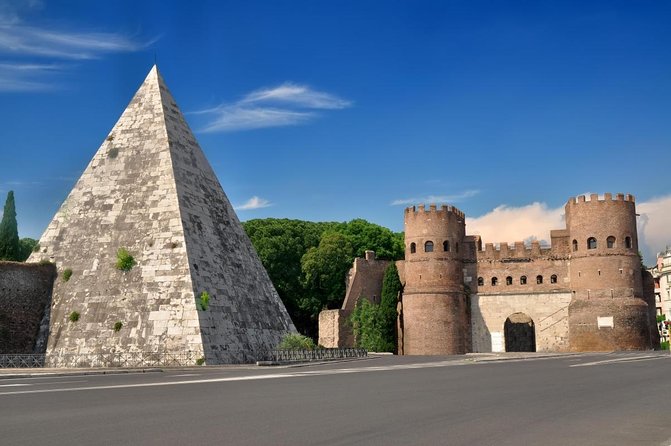
- Testaccio beyond the usual sights: Walk through a food-focused Roman neighborhood away from the busiest center.
- A full meal in tasting form: Fifteen samples can include coffee, pastries, pizza, pasta, fried rice balls, meats, cheeses, wine, and gelato.
- Three regional wines: Taste wine at an enoteca with cheese while learning where the food and wine come from.
- Small-group feel: The tour is promoted as a personalized walk, with up to eight people in the main description, though another booking note lists a maximum of 20.
- Strong guide experiences: Sara, Holly, and Nina are singled out for warmth, local insight, and practical food advice.
- A few rough edges: One stop has drawn criticism for service, and some tours have started late or ended early.
Why Testaccio is the right place for a food walk
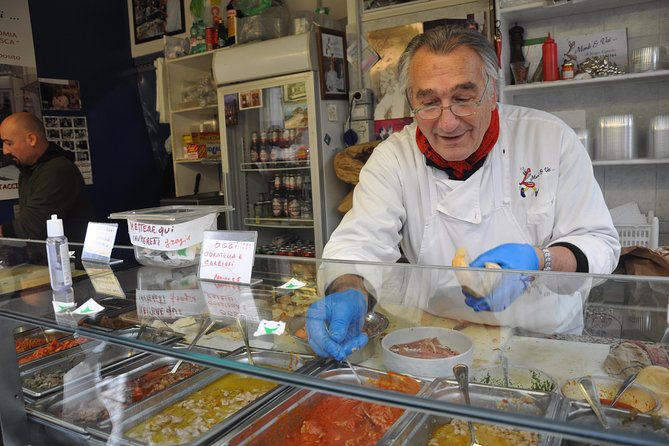
Rome has no shortage of famous food streets, but the center can make eating feel like a contest for a table. Testaccio gives you a different setting. The walk takes you through a neighborhood where the focus is on food shops, markets, bakeries, wine, and ordinary Roman routines rather than major monuments.
That change of scenery matters. You still get a taste of Rome, but you also see how food fits into daily life. The route includes a local market and several businesses that serve residents as well as visitors. You may pass places you would never spot while walking between the Colosseum, Trevi Fountain, and Pantheon.
The tour is best for you if food is one of your main ways of understanding a city. It is less suited to someone who wants a full sightseeing tour with long stops at ancient sites. The history comes through the neighborhood and the food, with some guides offering much more background than others.
More Rome wine tastings worth an afternoon:
- Rome: Tuscany & Montepulciano Day Trip with Lunch & Wine Tasting
★ 4.5 · 5,232 reviews - Rome: Pasta & Tiramisu Class with Fine Wine by the Vatican
★ 4.9 · 4,852 reviews - Rome Food Tour: Unlimited Tastings with Fine Wine & Barolo
★ 5.0 · 3,365 reviews
Start with Italian coffee and a pastry
The day begins at a typical Italian coffee bar. You learn about the local roasting process, then drink coffee in the way Romans commonly start the day. A pastry stop is also part of the opening stretch, with cappuccino, croissant, and tiramisu included on some routes.
One charming detail is the cappuccino served with your name written on the foam. It is small, but it helps the first stop feel personal rather than rushed. The century-old pastry shop, which has been run by generations of the same family, adds a sense of continuity to the food story.
This is also where the walk may test your appetite planning. Coffee and pastry sound modest, but they are only the beginning. If you have breakfast before meeting the guide, you may struggle later when the pasta, pizza, cheese, desserts, and wine begin arriving.
The guide should explain how coffee is ordered and enjoyed in Italy, as well as what makes local roasting different. Sara and Holly have been praised for adding this sort of useful context. Not every guide has been equally talkative, so ask questions if you want more than the basic explanation.
Market stops bring the neighborhood to life
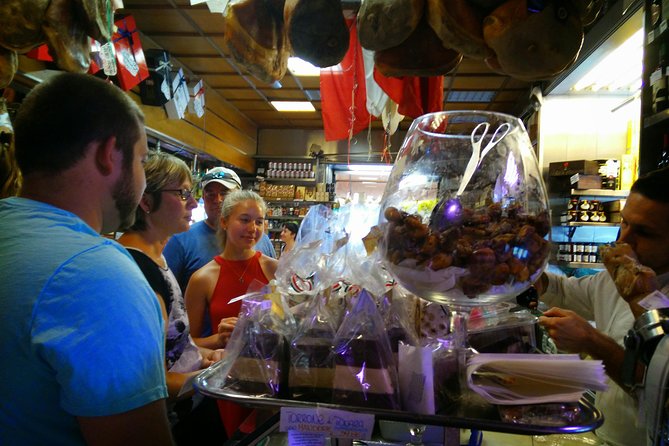
The local market is one of the most useful parts of the route. You can browse fresh produce and gourmet ingredients while sampling some of the foods that make Italian cooking so appealing. The tastings can include Italian ham, buffalo mozzarella, cheeses, vinegar, truffles, and other specialty products.
Buffalo mozzarella is a highlight for many people because it gives you a clear comparison with the more familiar cow’s milk version. You may also encounter less common cheeses, along with products such as truffle salt and olive oil. If you find something worth bringing home, there are chances to buy food products during the walk.
The market stop gives you more than a parade of bites. It helps you understand how ingredients are chosen and combined. A good guide will point out what to look for when buying food in Rome, which is especially useful if you have just arrived and are still learning how Italian menus and shops work.
The market can also be the least structured section. You may have time to browse, taste, and ask questions, but the exact rhythm can depend on the group and the guide. Holly has been praised for allowing extra time when participants wanted help choosing cheese, olive oil, or truffle salt to take home.
Supplì, cod, and pizza show Rome’s savory side
The savory tastings move beyond simple samples. Expect Roman specialties such as supplì, fried rice balls with mozzarella and tomato sauce, along with salted cod, pecorino, and pizza. These foods give you a good sense of the city’s love of crisp textures, strong cheese, tomato, and simple ingredients.
Supplì is particularly useful as a first taste of Roman street food. The best part is the contrast between the crisp outside and the soft rice and melted cheese inside. Salted cod offers something different, and pecorino brings the sharp, salty flavor that appears in many Roman dishes.
The pizza tasting may include two types. Since the tour visits established food businesses rather than giving you a cooking lesson, you are there to taste and compare, not make the food yourself. That suits you if you want to cover a lot of ground in a short time.
The amount of food is a recurring theme here. Some people have described the portions as so large they could barely finish. A free period of about 30 minutes has also been part of at least one tour, giving your stomach time to catch up. Treat this as a meal, not an appetizer crawl.
More food tours in Rome:
- Winner 2025 Rome Twilight Trastevere Food Tour by Eating Europe
★ 5.0 · 5,157 reviews - Rome: Trastevere or Jewish Quarter Street Food Tour
★ 4.8 · 3,839 reviews - Rome: Trastevere Food tour with Free-Flowing Fine Wine
★ 5.0 · 2,853 reviews - Rome: Trastevere & Campo de Fiori Street Food Walking Tour
★ 4.9 · 2,768 reviews
Pasta at an award-winning trattoria
The pasta stop is the heart of the tour for many food-focused visitors. At a popular trattoria, you can try two pasta dishes, along with bread and wine. The meal gives you a chance to sit down and enjoy a proper Roman restaurant setting after several standing tastings.
The route has included Perilli, a well-known trattoria, and the food itself has been praised. Still, this stop has not pleased everyone. One group received a half-finished bottle of wine and was told to use water tumblers, which made the service feel careless. That complaint is specific, but it points to a useful consideration: the restaurant is chosen by the operator, not by you.
This is the point where expectations matter. You are paying for a food tour with several arranged tastings, not a private restaurant reservation. The meal can be excellent, but the welcome may depend on the day and the restaurant staff. A strong guide can help keep the experience comfortable, yet cannot control every part of a partner venue.
The pasta stop is also where a guide’s commentary makes a real difference. Some guides explain the dishes, ingredients, and Roman food customs in detail. Others have been described as quiet, answering questions but offering little information without being asked.
An enoteca adds three wines and cheese
The wine stop takes place at a local wine shop, or enoteca. You taste three wines from different parts of Italy, accompanied by cheese. This is a worthwhile part of the walk because it connects regional food with regional wine rather than treating Italian wine as one single style.
The tasting is not presented as a formal wine course. Instead, your guide explains the origins of the food and wine while you sample them. That approach suits most people who want practical information without a long lecture.
Three glasses can be a generous amount when added to coffee, pasta, pizza, pastries, and gelato. Pace yourself, especially if you are not used to drinking wine in the middle of the day. You can enjoy the tasting more if you treat each pour as something to compare rather than something to finish quickly.
The enoteca also gives you a seated pause. After the market and food shops, this change of pace is welcome. It is one reason the tour feels closer to a meal with neighborhood stops than a basic walking tour.
Pastries and gelato finish the route sweetly
Dessert is not an afterthought here. The walk includes a century-old pastry shop and a final stop at a respected gelato shop. Depending on the route, you may taste tiramisu, cannoli, biscotti, or other sweets before choosing freshly made gelato.
The pastry stops are especially useful if you want to compare styles. Tiramisu offers a soft coffee and cream finish, while cannoli brings a crisp shell and sweet filling. Biscotti can appear with wine at the market or enoteca, giving you another small contrast in texture.
Gelato is the logical last stop. By this stage you will probably be full, but the cold dessert provides a pleasant finish. The route ends at a location convenient for public transportation, so you can continue sightseeing or return to your hotel without arranging a private ride.
Keep your schedule loose after the tour. Although the stated duration is about three hours and 30 minutes, one group found its walk ended roughly 30 minutes early. Most people will not need another meal immediately, and you may want a quiet afternoon rather than a booked museum visit across town.
The guides shape the experience
The strongest guide comments center on personality and personal attention. Sara has been praised for being down to earth, easy to talk with, and good at explaining Testaccio, Rome, and practical food choices. Holly has received especially warm feedback for her enthusiasm, patience, and knowledge of the neighborhood and local culture.
Nina has also been praised for making time for everyone in the group. That matters on a food tour, where some people want restaurant advice, others want help choosing products, and some simply want to understand what they are eating.
The guide record is not perfectly even. One guide was described as low-key and not very informative, with the walk ending early. Another arrived late because of difficulty parking. These are not reasons to reject the tour outright, but they are fair warnings if you expect polished timing and a detailed history talk.
The best way to get more from a quieter guide is to ask direct questions. Ask why a dish is Roman, how to identify good ingredients, which products travel well, or what to order later in your trip. The tour format gives you plenty to discuss if you take the lead.
What the $99.15 price really includes
At $99.15 per person, this is not a cheap snack tour. It is a reasonable value if you treat it as a large meal, wine tasting, neighborhood walk, and orientation to Roman food all at once.
The advertised package includes food tastings, wine tastings, and the three-and-a-half-hour walk. With 15 different tastings, the cost can compare favorably with paying for several separate meals and drinks, especially since the food is described as generous and varied.
You are also paying for access and planning. A guide connects the stops, explains the dishes, and takes you to places you might not find on your own. That is most valuable on your first days in Rome, when practical food advice can improve every meal afterward.
The value drops if you dislike large portions, do not drink wine, or want a history tour with major monuments. Hotel pickup and drop-off are not included, so you must reach the starting point yourself. The meeting information only identifies the Province of Rome area, so check the exact confirmation carefully before setting out.
The tour is offered in English and uses a mobile ticket. Vegetarian food is available if you request it when booking. Since the activity is non-refundable and cannot be changed after booking, do not reserve it until your Rome schedule is firm.
Group size, timing, and who should book
The tour is designed to feel personal. The main description gives a maximum of eight people, while the additional booking information lists a maximum of 20. That difference is worth confirming before you pay if group size is important to you.
Several outings have been especially small, including groups of two, three, four, or five. A small group makes it easier to talk with the guide, ask for food advice, and linger at a market stall. It also helps when a participant has dietary needs or wants to buy products to take home.
The three-and-a-half-hour length works well as a morning or early afternoon activity. The food is substantial enough to replace breakfast and lunch, depending on the start time. You will walk between stops, stand in shops and market areas, and spend some time seated for wine or the trattoria meal.
Most people can participate, and the route is near public transportation. Hotel transfers are not offered. Plan to arrive with enough time to find the meeting point, since one delayed start involved a guide who had trouble parking and another participant initially went to the wrong place.
My verdict: book it for food, not monuments
I would book this tour if you want to eat seriously, see Testaccio, and get practical advice about Roman food. The strongest elements are the sheer amount of food, the wide range of stops, the wine tasting, and the chance to visit businesses outside the main tourist circuit.
I would choose it early in your Rome stay. The guide’s advice about ingredients and local dishes can help you make better choices for the rest of the trip. Come hungry, wear comfortable shoes, and leave room for gelato.
I would skip it if you want strict timing, a formal wine lesson, or a major sightseeing itinerary. The guide can make the day excellent, but the level of history and commentary is not always consistent. At just over $99, the tour makes sense when you value the food and access more than polished presentation.
FAQ
How long does the Testaccio food tour last?
The tour lasts approximately three hours and 30 minutes.
How much does the tour cost?
The listed price is $99.15 per person.
How many tastings are included?
The tour includes 15 different food and drink tastings.
Are wine tastings included?
Yes. Wine tasting is included, with three wines from different regions of Italy and cheese.
Is a full meal included?
The tastings are described as generous enough to add up to a meal. They can include pasta, pizza, meats, cheeses, pastries, and gelato.
Is a vegetarian option available?
Yes. You must advise the tour provider at the time of booking if you need a vegetarian option.
Is hotel pickup included?
No. Hotel pickup and drop-off are not included.
Is the tour offered in English?
Yes. The activity is offered in English.
Can I cancel for a refund?
No. The experience is non-refundable and cannot be changed for any reason. A cancellation or amendment request will not be refunded.
More Walking Tours in Rome
- Rome: Paranormal Night Walking Tour & Secret Backstreets
★ 4.9 · 1,921 reviews - Rome by Night Walking Tour – Legends & Criminal Stories
★ 4.5 · 1,003 reviews - Rome: Guided City Center Evening Sightseeing Walking Tour
★ 4.4 · 953 reviews - Best of Rome Walking Tour including Trevi Fountain
★ 4.5 · 923 reviews
Newest reviews from Rome
- ROME:Colosseum & Ancient Rome – private/small group TOUR★ 5.0 · 24 reviews
- Off the Beaten Track in Rome: Rione VI Parione Private Tour★ 5.0 · 24 reviews
- Cinematic Photoshoot in Rome★ 5.0 · 24 reviews
- Rome: Best of Colosseum and Roman Forum Small Group Guided Tour★ 4.5 · 24 reviews
- The Labyrinth of Rome between catacombs and ancient quarries★ 4.5 · 24 reviews
- Vatican and Trionfale Market Tour with Wine and Food Tasting★ 5.0 · 24 reviews
- private tour: Vatican Museums, Sistine Chapel, St. Peter’s Basilica★ 4.5 · 24 reviews
- Colosseum guided tour with Virtual Reality★ 5.0 · 24 reviews
Wine Tours, compared.
Tuscany & Montepulciano Day Trip with Lunch & Wine Tasting
Read our review →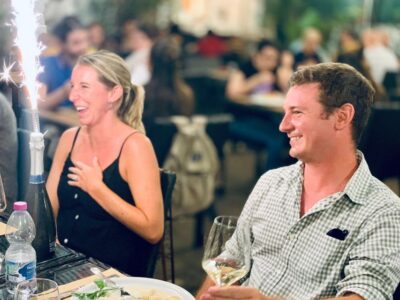
Pasta & Tiramisu Class with Fine Wine by the Vatican
Read our review →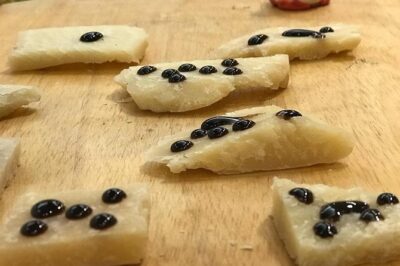
Rome Food Tour: Unlimited Tastings with Fine Wine & Barolo
Read our review →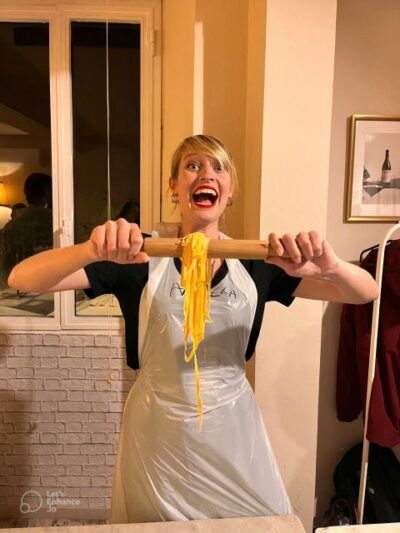
Pasta Making Class with Wine, Limoncello, and Dessert
Read our review →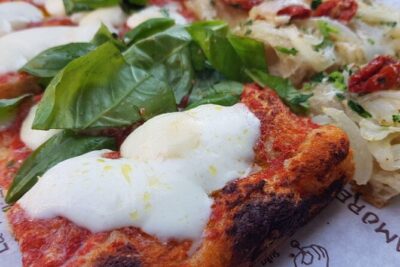
Trastevere Food tour with Free-Flowing Fine Wine
Read our review →
Learn to Make Pasta & Tiramisu with Wine and Limoncello Included
Read our review →
Award Winning Trastevere Group Food Tour with Wine
Read our review →
Fettuccine and Tiramisu Cooking Class with Wine
Read our review →Browse the lists this tour appears in