
Reviewed · PASTA
Pasta & Tiramisù making in the heart of Rome
The best part of this Rome cooking class is its cool, central kitchen, a welcome break from the city’s summer heat and crowded streets. You make pasta dough and tiramisu, then sit down to eat with wine, Prosecco, coffee, and other drinks.
I like the friendly teaching style and the well-planned timing: the dough rests while you prepare dessert, then you shape the pasta. I also like the honest focus on pasta itself. The main thing to know is that you may not cook the pasta or sauce yourself, so this is more about preparation, shaping, and eating than running a full restaurant kitchen.
In This Review
- Key points
- A Roman cooking class with a cool escape from the heat
- Starting with Prosecco and pasta dough
- Making tiramisu while the pasta rests
- Shaping pasta and seeing the cooking process
- Sitting down to a generous Italian meal
- What makes the $65 price worthwhile
- Who should book this pasta class?
- Timing, meeting point, and booking details
- A practical look at the strengths and limits
- Should you book iQook Experience?
- FAQ
- Where does the pasta and tiramisu class meet?
- How long does the cooking class last?
- How much does the experience cost?
- What language is the class conducted in?
- Is the cooking space air-conditioned?
- What food and drinks are included?
- Do I cook the pasta and sauce myself?
Key points
- Air-conditioned workstation: A practical advantage in hot Rome, with a modern space near the Opera House.
- Pasta and tiramisu in one class: You prepare pasta dough, shape fresh pasta, and make the classic dessert.
- English-speaking chefs: Instruction has been led by chefs including Giuseppe, Dani, and Agnes.
- A full meal is included: Expect your homemade food with Prosecco, regional wine, soft drinks, bread, coffee, and lemoncello.
- Organized two-and-a-half-hour format: The dough rests while you work on tiramisu, keeping the class active without feeling rushed.
- Recipes sent afterward: You leave with instructions to repeat the dishes at home.
A Roman cooking class with a cool escape from the heat
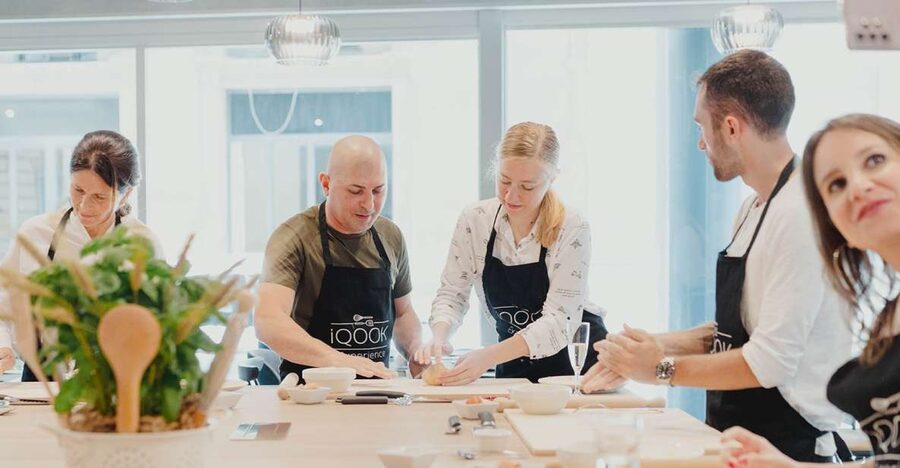
Cooking classes in Rome can sound charming until you picture kneading dough in a warm room during July. Here, the air conditioning is not a minor extra. It may be the difference between enjoying the lesson and watching the clock.
The class takes place at iQook Experience, connected with the iQ Hotel, in a modern open space near Rome’s Opera House. The meeting point is the iQ Hotel’s blue building on the left side of the Opera House. That location puts you in central Rome, close to major sights and easy to fit into a day of sightseeing.
I like the setting because it keeps the experience practical. You are not sent far outside the center for a class, and you get a comfortable workstation rather than a rustic setup that may look good in photographs but feel awkward in use.
The class lasts about 2.5 hours, long enough for a proper meal and instruction without taking over your day. You can schedule it around sightseeing, though it is wise to leave some breathing room. A cooking class tends to run on kitchen time, not museum time.
More Rome tours worth comparing
- Rome: Pasta & Tiramisu Class with Fine Wine by the Vatican
★ 4.9 · 4,852 reviews - Rome: Pasta Making Class with Wine, Limoncello, and Dessert
★ 4.9 · 3,177 reviews - Rome: Fettuccine Pasta Cooking Class in Rome’s City Center
★ 4.8 · 2,414 reviews
Starting with Prosecco and pasta dough
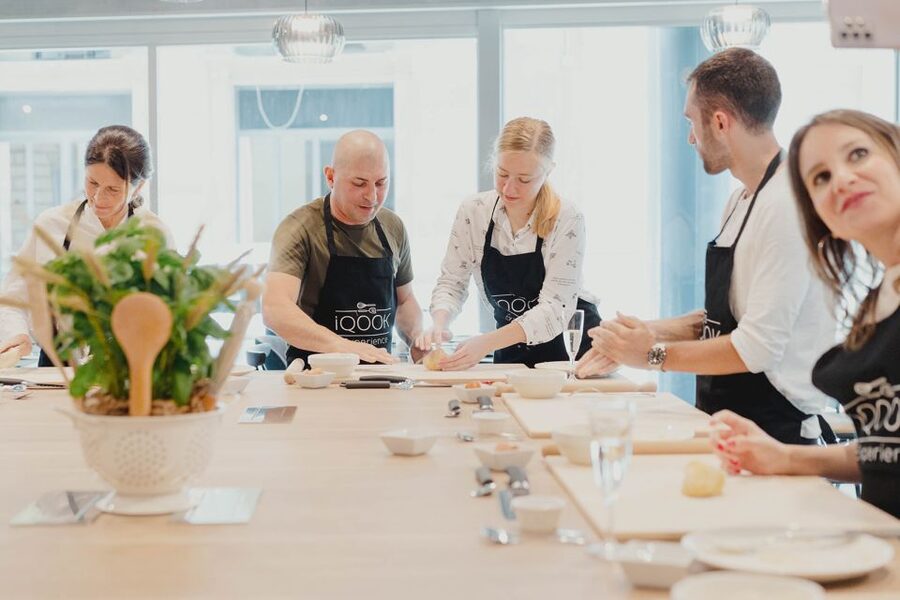
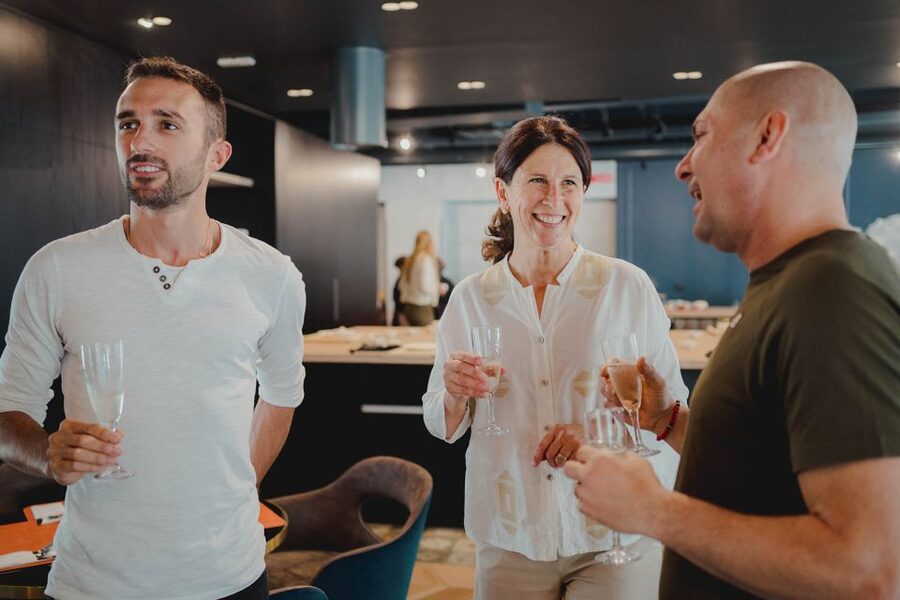
The welcome sets a social tone right away. You are offered Prosecco before getting to work, which gives everyone a chance to settle in and meet the group.
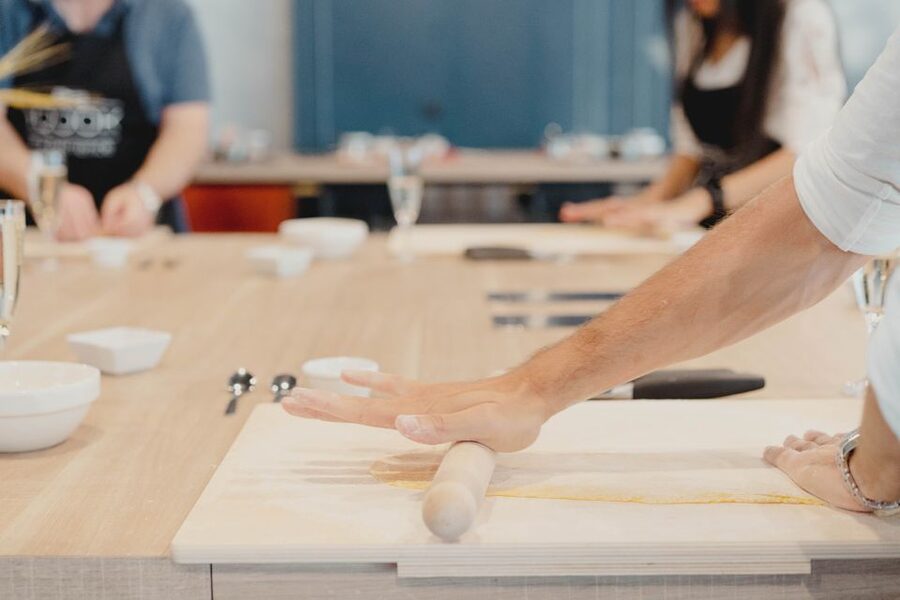
The first major task is pasta dough. The chef explains the process and gives you instructions for combining and working the ingredients. This is the part of the class where you get the most useful hands-on practice, since dough texture and handling are central to making fresh pasta successfully.
The instructors have been praised for giving clear directions and useful little tips. Agnes, in particular, has been described as cheerful and attentive, while Giuseppe received strong praise for his teaching. Dani has also been noted for being kind and patient. Since the chef leading your class can vary, you should expect the same English-language format but not assume a particular instructor will be present.
You will see the process from preparation through cooking, but keep one important distinction in mind: the class is not necessarily a full cook-your-own-sauce session. A participant specifically noted that the chef handled the pasta cooking and sauce rather than having everyone cook those parts personally.
That is not a dealbreaker for me. Fresh pasta dough is the skill that is hardest to understand from a recipe alone, and shaping it gives you useful practice. Still, if your dream is to stand over a pot and prepare a complete sauce from start to finish, this class may feel lighter on that side.
Making tiramisu while the pasta rests
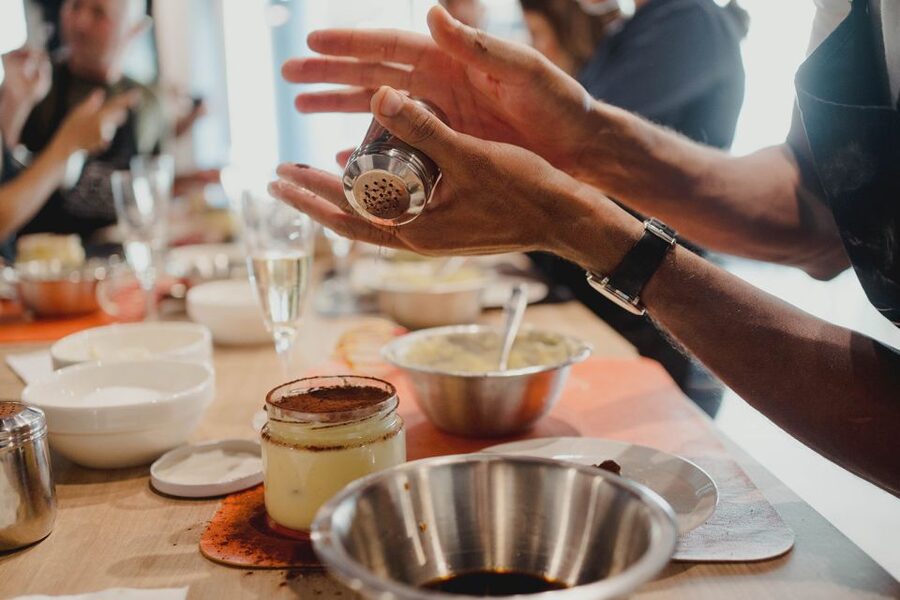
The timing is smart. Once the pasta dough has been prepared, it needs time to rest. Instead of leaving you idle, the chef moves the class to tiramisu.
This gives the experience a good rhythm. You switch from a hands-on dough task to a dessert that has its own sequence of preparation. The change keeps the class lively, and it means the pasta can be shaped later when the dough is ready.
The tiramisu portion also adds variety. You are not spending the entire class on one technical task, and you finish with both a savory dish and dessert. For first-time cooking students, that balance matters. You get an introduction to two familiar Italian staples without needing advanced kitchen skills.
I would pay close attention during the dessert lesson, since tiramisu is one of the easier Italian dishes to repeat at home. The class sends recipes afterward, so you are not forced to rely on memory once you return from Rome.
The instruction is designed to keep everyone involved. One chef has been praised for encouraging participation across the group, rather than letting only the most confident cooks take over. That makes the class a better fit for couples, friends, and solo visitors who want a social activity without needing prior experience.
Shaping pasta and seeing the cooking process
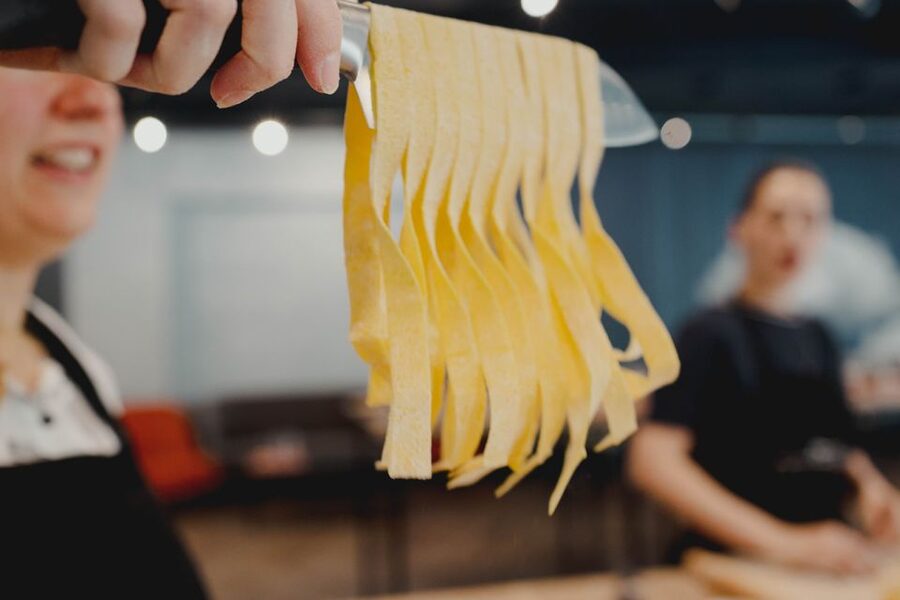
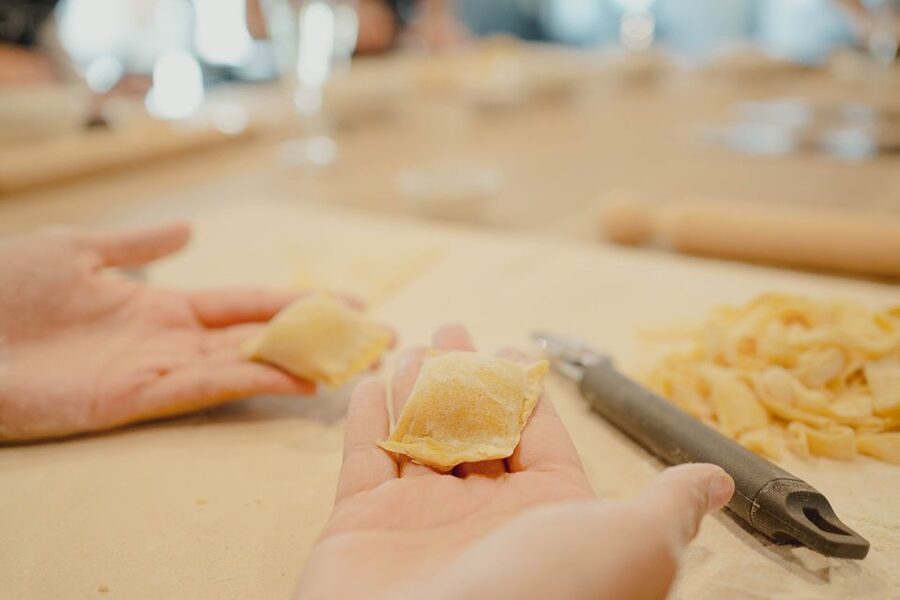
After the tiramisu preparation, you return to the rested pasta dough. This is where the class becomes more tactile and visual. You shape the pasta and learn how the dough changes from a simple mixture into something ready for the pot.
The class lets you see the whole process, including the cooking of the pasta. The exact division of tasks matters here. You prepare and shape your pasta, but the chef may take care of boiling it and preparing the sauce. In practical terms, you receive a lesson in fresh pasta making, not a completely independent kitchen shift.
That arrangement has an advantage. The chef can keep the meal on schedule and control the cooking, which helps avoid a table full of pasta at different stages of doneness. It also allows you to watch the final step closely, even if you are not the person holding the pan.
The class focuses on the pasta rather than the sauce. This is worth knowing before booking, especially if sauce-making is your main reason for attending. If your goal is to understand dough, shaping, and the general flow of a traditional pasta meal, the emphasis works well.
A completely different way to spend the day in Rome:
- Vatican: Museums & Sistine Chapel Entrance Ticket
★ 4.5 · 144,003 reviews - Vatican Museums & Sistine Chapel Tour with Optional Basilica
★ 4.3 · 67,413 reviews - Vatican Museums, Sistine Chapel & St Peter’s Basilica Guided Tour
★ 4.5 · 39,149 reviews - Rome: Colosseum, Palatine Hill and Roman Forum Guided Tour
★ 4.8 · 32,814 reviews
Sitting down to a generous Italian meal
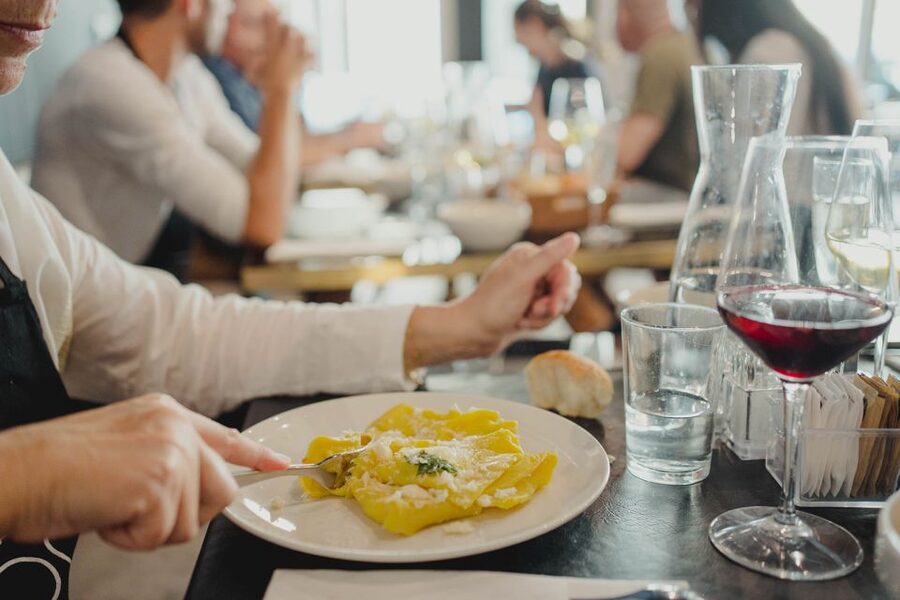
The class ends at the table, where you eat the food prepared during the session. This is more than a quick taste. The experience includes a homemade meal, Prosecco, wine, soft drinks, bread, coffee, and, according to one detailed account, lemoncello.
The drink service adds value at the $65 price point. You are not simply paying for a short demonstration and a small sample. You receive ingredients, equipment, chef instruction, and a meal with drinks in a central Rome location.
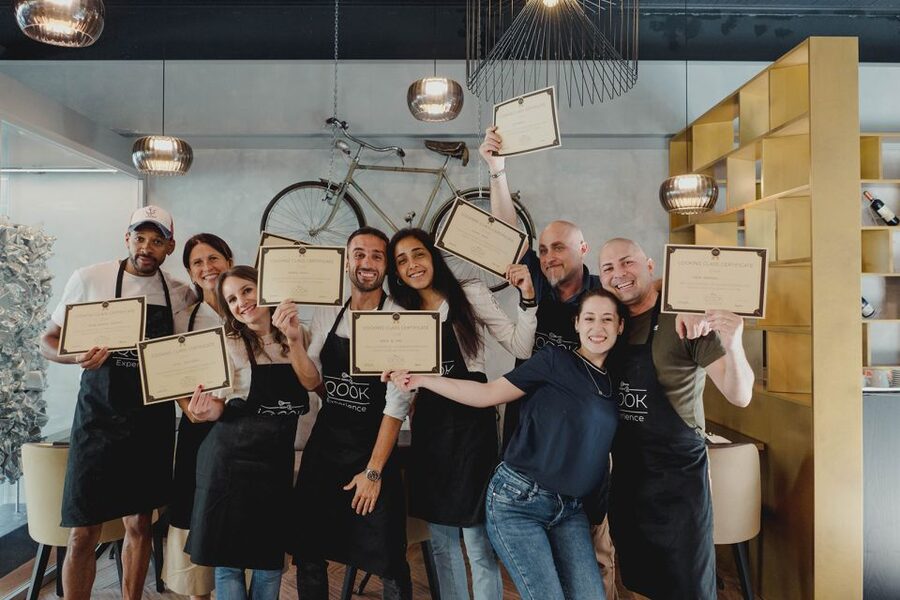
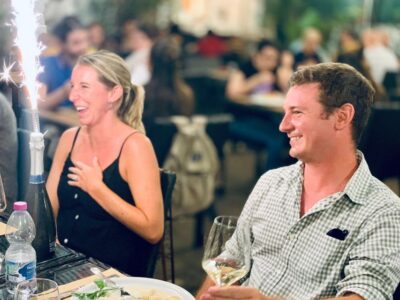
The meal is also the social payoff. You have spent the previous part of the class working beside other people, and the shared table gives the group time to talk. The atmosphere has been described as fun and welcoming, with plenty of conversation and laughter.
One particularly strong account came from a couple celebrating an anniversary, who found the class one of the best choices of their Rome trip. That makes sense to me. A cooking class gives you an evening activity with a clear focus, but it also leaves room for conversation. It can work better than another formal sightseeing stop when you want a break from monuments.
Do not expect a quiet, private dinner. This is a group experience, and the social element is part of the point. If you prefer to cook entirely alone or want a private chef lesson, check the booking details before paying.
What makes the $65 price worthwhile
At $65 per person, the class sits in a reasonable range for a central Rome food activity. The value comes from the combination of instruction, ingredients, equipment, drinks, and a full meal.
You are also paying for convenience. The location is near the Opera House, the room is air-conditioned, and the class is conducted in English. Those details reduce the friction that can make a cooking activity tiring during a busy city break.
I would judge the price in three ways:
- If you want a social meal with a hands-on activity, the price is strong.
- If you mainly want a detailed technical lesson on sauces and pasta cooking, the value is less clear.
- If you are traveling in a hot month, the air conditioning adds real practical value.
The class also sends recipes afterward. That will not matter much if you only want an afternoon activity, but it improves the long-term value if you hope to recreate the dishes at home.
The provider is a newer cooking school, but it belongs to the iQ Hotel, which has an established history of welcoming visitors. That gives the experience a hotel-backed setting without turning it into a formal hotel dining event.
Who should book this pasta class?
I would recommend it to first-time visitors who want a break from Rome’s churches, ruins, and galleries. It is especially suited to people who like food but do not want a demanding professional cooking lesson.
It also fits several kinds of groups:
- Couples: The shared meal works well for an anniversary or a relaxed date activity.
- Friends: The class has a social, conversational feel and gives a group something to do together.
- Solo visitors: The format makes it easy to meet people while working on a clear task.
- Families with older children: The hands-on dough and dessert work may be more engaging than a long museum visit, though the provided information does not specify age rules.
- Hot-weather visitors: The air-conditioned workstation is a major comfort point.
You should think twice if you want to prepare every element independently. The clearest limitation is that you may shape the pasta without cooking it yourself, and the sauce is not the focus.
You should also know that the class is conducted in English. That is useful for clear instruction, but it may not be the right choice if you specifically want an Italian-language lesson.
Timing, meeting point, and booking details
The meeting point is straightforward: look for the blue iQ Hotel building on the left side of the Opera House. Allow a little extra time to find it, especially if you are arriving from another part of central Rome.
The activity lasts 2.5 hours, with starting times shown according to availability. That length includes the welcome drink, cooking instruction, meal, and social time.
The class offers free cancellation up to 24 hours before the start for a full refund. You can also reserve now and pay later, which is useful if your Rome schedule is still moving around.
The advertised language is English, and chef guidance is included. Fresh ingredients, equipment, the air-conditioned station, the homemade meal, drinks, and follow-up recipes are all part of the experience.
A practical look at the strengths and limits
The strongest point is the overall flow. You begin with Prosecco, work on pasta dough, prepare tiramisu while the dough rests, shape the pasta, and then eat. That sequence uses the waiting time well and helps the 2.5 hours pass naturally.
The second strength is the teaching. The chefs are presented as active guides rather than people who simply perform in front of you. Agnes has been praised for detailed answers and constant attention, while other sessions with Giuseppe and Dani were described as friendly and effective.
The third strength is the meal itself. The food has been described as a highlight of a Rome visit, and the class includes enough extras to make the finish feel like a proper Italian table experience.
The main limit is the level of hands-on cooking. You are clearly involved in the pasta and tiramisu preparation, but you may not boil the pasta or make the sauce yourself. Read the class as a pasta-making and food experience, not a complete lesson in every part of an Italian meal.
The group size has been described as good, though no fixed maximum is provided. That means the social feel should be part of your expectations, but you should not book assuming a private or very small class.
Should you book iQook Experience?
I would book this class if you want fresh pasta, tiramisu, drinks, and a relaxed social meal in a central, air-conditioned room. The price is fair because it covers much more than a demonstration, and the scheduling is thoughtful.
I would skip it only if your priority is making the sauce and cooking the pasta entirely on your own. For everyone else, especially couples, friends, and first-time visitors looking for a memorable change of pace, this is a practical and enjoyable addition to a Rome itinerary.
FAQ
Where does the pasta and tiramisu class meet?
It meets at the iQ Hotel’s blue building on the left side of Rome’s Opera House.
How long does the cooking class last?
The class lasts approximately 2.5 hours.
How much does the experience cost?
The listed price is $65 per person.
What language is the class conducted in?
The instruction is in English.
Is the cooking space air-conditioned?
Yes. The class includes an air-conditioned workstation.
What food and drinks are included?
You prepare pasta and tiramisu, then enjoy a homemade meal with Prosecco, wine, soft drinks, and other listed extras including bread, coffee, and lemoncello.
Do I cook the pasta and sauce myself?
You prepare the pasta dough and shape the pasta, but the chef may handle the pasta cooking and sauce. The class focuses mainly on pasta preparation rather than sauce-making.
Newest reviews from Rome
- ROME:Colosseum & Ancient Rome – private/small group TOUR★ 5.0 · 24 reviews
- Off the Beaten Track in Rome: Rione VI Parione Private Tour★ 5.0 · 24 reviews
- Cinematic Photoshoot in Rome★ 5.0 · 24 reviews
- Rome: Best of Colosseum and Roman Forum Small Group Guided Tour★ 4.5 · 24 reviews
- The Labyrinth of Rome between catacombs and ancient quarries★ 4.5 · 24 reviews
- Vatican and Trionfale Market Tour with Wine and Food Tasting★ 5.0 · 24 reviews
- private tour: Vatican Museums, Sistine Chapel, St. Peter’s Basilica★ 4.5 · 24 reviews
- 3 Hours Mosaic Workshop in Trastevere★ 5.0 · 24 reviews
Pasta, compared.
Pasta & Tiramisu Class with Fine Wine by the Vatican
Read our review →
Pasta Making Class with Wine, Limoncello, and Dessert
Read our review →
Fettuccine Pasta Cooking Class in Rome’s City Center
Read our review →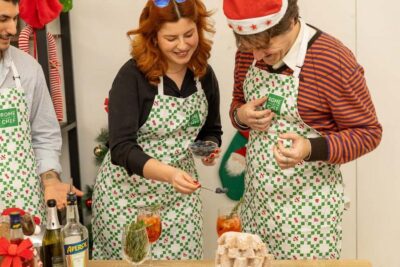
Traditional Pasta with Cocktails Cooking Class
Read our review →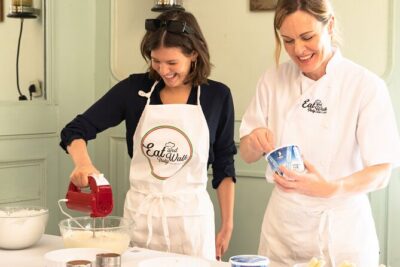
Learn to Make Pasta & Tiramisu with Wine and Limoncello Included
Read our review →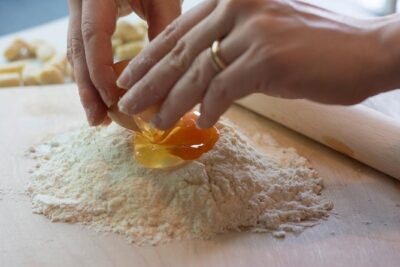
Become a Masterchef in Rome: Pasta, Ravioli and Tiramisù Class
Read our review →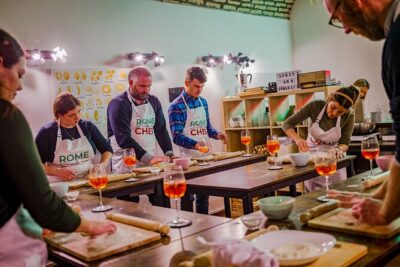
Pasta Cooking Class Near the Colosseum with 3 Spritz Cocktails
Read our review →
Enjoy Spritz and Pasta Making in Piazza Navona
Read our review →Browse the lists this tour appears in