
Reviewed · COLOSSEUM TOURS
Rome: Colosseum and Ancient Rome Guided Walking Tour
The most powerful part of this tour is the change in scale. Inside the Colosseum, you are not just looking at an old stone shell. You are standing where gladiators and wild animals were sent into the arena for public spectacles. Then the route moves through the Forum and up Palatine Hill, where ancient Rome’s temples, roads, and imperial homes make more sense as one great center of power. I like the tour’s three-part route and the fact that entry fees, a guide, and headsets are included. I also like that the guides keep the history lively, with myths and human stories instead of a dry list of dates.
The main caution is pace. The tour lasts only 2.5 hours, and one guide has been praised for keeping breaks short while another was said to move quickly at times. You should also expect a security queue, changing meeting times, and no refund if you arrive late.
In This Review
- Key points to know before booking
- Why this route works for first-time Rome visitors
- Meeting near Via delle Terme di Tito 93
- Entering the Colosseum and its arena
- Reading the Roman Forum along the Via Sacra
- Climbing Palatine Hill for Rome’s wide views
- Guides, languages, and the value of a live explanation
- Timing, weather, and what to bring
- Who should book this Colosseum walking tour
- Should you book it?
- FAQ
- How long does the tour last?
- What sites are included?
- Is the entrance fee included?
- Are headsets provided?
- What languages are available?
- Where is the meeting point?
- Do I need identification?
- Can I bring a large bag or luggage?
- Is the tour suitable for wheelchair users?
Key points to know before booking
- Three major ancient sites in 2.5 hours: Visit the Colosseum, Roman Forum, and Palatine Hill in one compact walking tour.
- The best views come at the end: Climbing Palatine Hill gives you wide views over Rome and helps you understand the city’s ancient layout.
- Guides make the difference: Maria, Joseph, and archaeologist Stefania De Majo have all been praised for clear explanations, humor, and family-friendly storytelling.
- Headsets are included: These help you follow the guide near busy roads and inside crowded archaeological areas.
- The meeting point needs care: Begin at Via delle Terme di Tito 93, near the Colosseum and the terrace above the Colosseo Metro station.
- Not an easy-access tour: The route includes walking and climbing, and it is not suitable for wheelchair users or people with mobility impairments.
Why this route works for first-time Rome visitors
Rome’s ancient center can feel like a pile of broken columns until someone explains what you are seeing. This tour gives you a useful order: first the arena, then the political heart of the city, then the hill where Rome’s earliest rulers and emperors lived.
I like that progression. The Colosseum grabs your attention with its size and drama. The Roman Forum then shows you the machinery behind the spectacle: temples, public buildings, markets, roads, and meeting places. Palatine Hill finishes the story with space and views.
At $41 per person, the price is reasonable for Rome, particularly because entry fees, a live guide, and headsets are included. You are paying for interpretation as much as access. The Colosseum and Forum are places where a plaque rarely tells you enough, and a good guide can turn scattered ruins into a readable city.
The value depends on how you like to sightsee. If you want a slow visit with long pauses for your own photographs, this may feel brisk. If you want to understand the main ancient monuments in one morning or afternoon, the compact format is useful.
More ways to see the Colosseum:
- Rome: Colosseum, Palatine Hill and Roman Forum Guided Tour
★ 4.8 · 32,814 reviews - Rome: Guided Tour of Colosseum, Roman Forum & Palatine Hill
★ 4.7 · 27,897 reviews - Rome: Colosseum & Forum with Audio Guide App -Optional Arena
★ 4.2 · 24,770 reviews
Meeting near Via delle Terme di Tito 93
The meeting point is Via delle Terme di Tito 93. If you arrive by Metro, get off at the Colosseo station and walk to the terrace above the station. Follow Via Nicola Salvi for about 100 meters, then turn left.
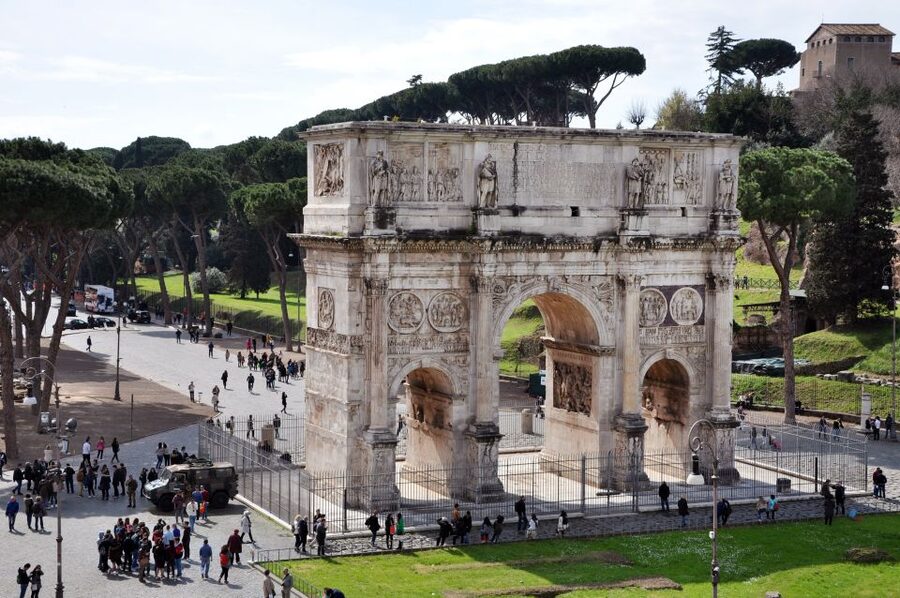
Give yourself extra time here. The Colosseum area has several monuments, walkways, and people looking for their own meeting spots. One past booking had conflicting directions involving a newspaper stand and Constantine’s Arch, so check the latest message from the operator before setting out. The meeting time can change, and you will receive a phone call or text if it does.
This is not a tour where arriving late is harmless. No refund is issued for late arrivals, and the group may need to pass through timed entry and security procedures. I would aim to be in the area early, then use the spare minutes to get a drink or take in the view toward the Colosseum.
Entering the Colosseum and its arena
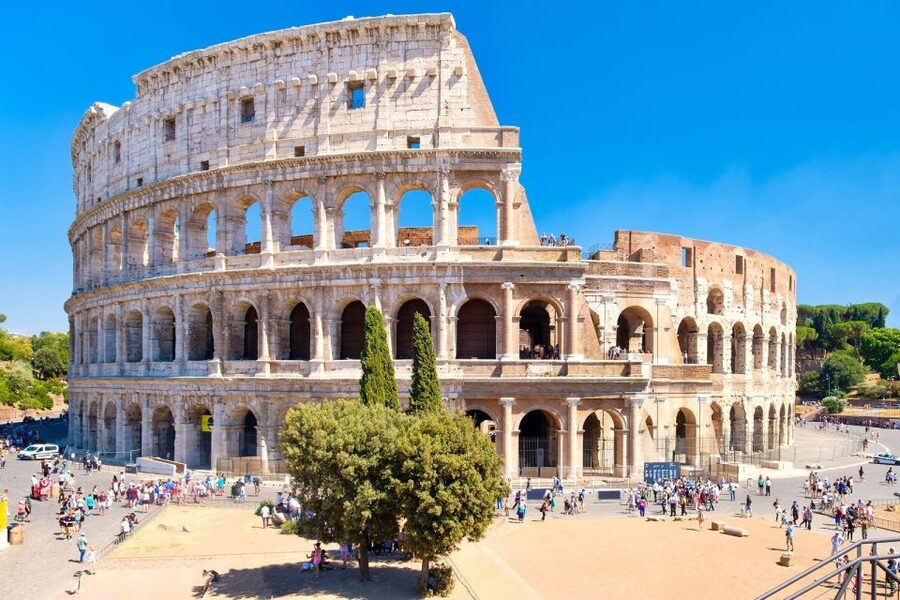
The tour begins with the Colosseum, the site most people picture when they think of ancient Rome. Its curved walls and stacked seating are impressive from outside, but the guided visit matters most once you are inside.
Your guide explains how the arena functioned as a public stage where gladiators fought and animals were brought out for spectacles. The central idea is not simply that people died here. It is that the Roman state used organized entertainment, architecture, and mass attendance to display power.
Look for the remains that show how large and carefully planned the building was. The Colosseum was designed to move huge crowds through its entrances and seating areas. Your guide can connect those practical features with the stories of emperors, citizens, gladiators, and the animals that met their final moments in the arena.
This is also where the headset earns its keep. The Colosseum can be noisy, and the group may spread out as people stop for photographs. With an audio connection to the guide, you can look around without losing the explanation.
Security checks can create a queue before entry. The time spent waiting is not part of the sightseeing, so keep your expectations realistic. The exact order of the stops can change if Colosseum ticket availability changes.
Guides have received especially warm praise for this part of the visit. Joseph has been described as funny and clear, with enough energy to keep teenagers interested. Stefania De Majo, an archaeologist, has been praised for her command of the sites and for stopping in shaded areas when possible. Those details matter in Rome, where hot stone and strong sun can wear you down quickly.
Reading the Roman Forum along the Via Sacra
After the Colosseum, the route leads into the Roman Forum. This was the center of political, religious, and social life in ancient Rome. Today it is a field of columns, foundations, steps, and fragments, so this is the section where a guide adds the most value.
The Via Sacra, or Sacred Way, cuts through the Forum. As you walk, your guide brings attention to the remains of temples and public buildings. The road was not just a path through ruins. It was a route used for ceremonies, processions, political business, and daily movement through the city.
I find the Forum more rewarding once you stop treating it as one giant archaeological site. Each foundation marks a different purpose. Some buildings served worship, some public debate, some trade, and some imperial display. Your guide helps you picture how these uses overlapped in a small area.
This portion can also feel less dramatic than the Colosseum. There is no single grand interior to organize your attention. You may see broken stone and wonder what deserves your focus. Listen for the explanations about the temples, markets, and public life, then look at the roads and building platforms with that story in mind.
One consideration is that the route may not give the Forum as much time as you want. A 2.5-hour tour must cover three substantial sites, and at least one booking felt that too much time went to general Rome sights rather than the Forum. The stated route focuses on the Colosseum, Forum, and Palatine Hill, so ask your guide how much time is planned for each if the Forum is your top priority.
More walking tours in Rome:
- Rome: Trastevere & Campo de Fiori Street Food Walking Tour
★ 4.9 · 2,768 reviews - Rome: Paranormal Night Walking Tour & Secret Backstreets
★ 4.9 · 1,921 reviews - Rome by Night Walking Tour – Legends & Criminal Stories
★ 4.5 · 1,003 reviews - Rome: Guided City Center Evening Sightseeing Walking Tour
★ 4.4 · 953 reviews
Climbing Palatine Hill for Rome’s wide views
Palatine Hill brings a change of mood. After the tight, built-up feel of the arena and the crowded remains of the Forum, you gain higher ground and broader views across Rome.
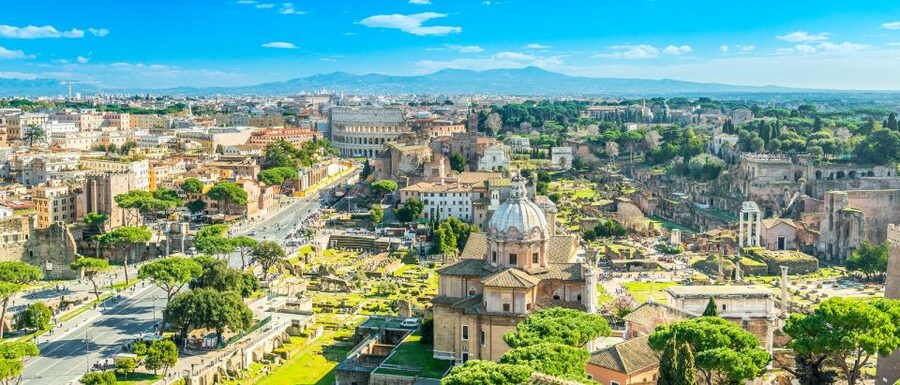
The hill is important because it connects Rome’s political power with its earliest traditions and imperial residences. From above, the Forum’s position becomes easier to understand. The ancient center was not a random collection of monuments. It was a carefully placed core below the hill, with roads, temples, and public buildings spreading around it.
The views are one of the tour’s strongest rewards. You can look over the remains and toward the wider city, giving you a useful sense of Rome beyond the individual stones. This is also a good place for photographs, though the route does not promise a dedicated photo stop at every viewpoint.
The climb means this is not suitable for everyone. The activity is specifically not recommended for people with mobility impairments and does not accommodate wheelchair users. Wear shoes suitable for uneven paths and be ready to walk in all weather. The tour operates in rain or sunshine.
The pace may be comfortable for some families and demanding for others. A past family visit praised Stefania for keeping a 10-year-old involved and allowing time for photographs. Another booking found the group was sometimes running to catch up. Your experience will depend on the guide, group, heat, and crowd levels.
Guides, languages, and the value of a live explanation
The tour is offered with a live guide in English, Italian, French, German, or Spanish. A live guide gives you something an audio guide cannot: the chance to ask a question, follow up on a detail, or pause over the part of Rome that interests you most.
The strongest guide comments point to three qualities: clear speech, humor, and the ability to adjust to a family group. Joseph has been praised for keeping two teenagers engaged. Stefania De Majo has been praised as an archaeologist who explained the sites clearly and stopped in shaded areas. Maria has also received warm praise for making the visit feel memorable.
You should not book on the assumption that a particular guide will lead your departure. Names are useful examples of the standard you might encounter, not a promise of assignment. The operator is Tours About, and the available guide language should be checked when you select your time.
Headsets are included. That small detail makes a real difference in an open site, especially when the guide is explaining something while you are standing several steps away. Entry fees are also included, so the $41 price is easier to judge against the cost and effort of arranging access and explanations separately.
Timing, weather, and what to bring
The listed duration is 2.5 hours, with starting times shown according to availability. That makes the tour easy to fit into a Rome schedule, but the short length also explains the steady pace.
Bring a passport or ID card. Children need their own identification as well. Entry cannot be guaranteed if the complete names of everyone on the reservation are missing, so enter every participant’s name carefully when booking.
Large bags, luggage, glass objects, weapons, sharp objects, alcohol, and drugs are not allowed. Pets are also not permitted. Since the route passes through archaeological grounds and includes a climb, keep your belongings light.
The activity runs in all weather. A past group dealt with an afternoon thunderstorm, which is a useful reminder that Rome’s summer weather can change quickly. A hat, water, sun protection, and a light rain layer are practical choices, though only the identification requirement is specifically stated for entry.
Breaks may be limited because the guide is trying to cover the three sites. If you need frequent rest stops, this may not be the right format. If you want steady movement and a lot of explanation in a short time, the structure should suit you.
Who should book this Colosseum walking tour
I would choose this tour for a first visit to Rome, especially if you want the ancient center explained rather than simply photographed. It suits families when the guide uses stories and humor well, and the past response from parents suggests that children around age 10 and teenagers can stay involved.
It also works for visitors who prefer a live person to an app. The guide can place the Colosseum’s spectacle beside the Forum’s public life and Palatine Hill’s imperial setting, which creates a fuller picture than three separate visits.
I would hesitate if you have limited mobility, dislike uneven walking, or want to spend most of the visit quietly taking pictures. I would also think twice if the Roman Forum is your main reason for booking, since the route has to divide its time among three major areas.
Free cancellation is available up to three days in advance for a full refund. That is helpful if your Rome schedule is still shifting, but it does not protect against arriving late.
Should you book it?
Book this tour if you want the Colosseum, Roman Forum, and Palatine Hill covered in one well-organized introduction, with a guide to explain the ruins and headsets to keep you connected. The $41 price is fair for the included entry, live commentary, and three major sites.
Skip it if you need wheelchair access, a slow pace, or a long, detailed Forum study. For most first-time visitors who can manage the walking, this is a practical way to make ancient Rome readable in a single 2.5-hour visit.
FAQ
How long does the tour last?
The tour lasts 2.5 hours.
What sites are included?
The route includes the Colosseum, Roman Forum, and Palatine Hill.
Is the entrance fee included?
Yes. Entry fees are included in the price.
Are headsets provided?
Yes. Headsets are included so you can hear the guide during the walking tour.
What languages are available?
The live tour guide may speak English, Italian, French, German, or Spanish.
Where is the meeting point?
Meet at Via delle Terme di Tito 93. From the Colosseo Metro station, walk to the terrace above the station, follow Via Nicola Salvi for about 100 meters, and turn left.
Do I need identification?
Yes. Bring a passport or ID card. Children also need a passport or ID card.
Can I bring a large bag or luggage?
No. Luggage and large bags are not allowed. Pets, weapons, sharp objects, alcohol, drugs, and glass objects are also prohibited.
Is the tour suitable for wheelchair users?
No. The tour is not suitable for wheelchair users or people with mobility impairments.
Newest reviews from Rome
- ROME:Colosseum & Ancient Rome – private/small group TOUR★ 5.0 · 24 reviews
- Off the Beaten Track in Rome: Rione VI Parione Private Tour★ 5.0 · 24 reviews
- Cinematic Photoshoot in Rome★ 5.0 · 24 reviews
- Rome: Best of Colosseum and Roman Forum Small Group Guided Tour★ 4.5 · 24 reviews
- Vatican and Trionfale Market Tour with Wine and Food Tasting★ 5.0 · 24 reviews
- private tour: Vatican Museums, Sistine Chapel, St. Peter’s Basilica★ 4.5 · 24 reviews
- The Labyrinth of Rome between catacombs and ancient quarries★ 4.5 · 24 reviews
- Colosseum guided tour with Virtual Reality★ 5.0 · 24 reviews
Colosseum Tours, compared.
Colosseum, Palatine Hill and Roman Forum Guided Tour
Read our review →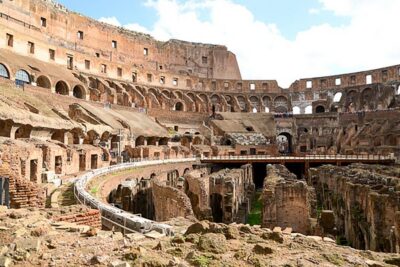
Guided Tour of Colosseum, Roman Forum & Palatine Hill
Read our review →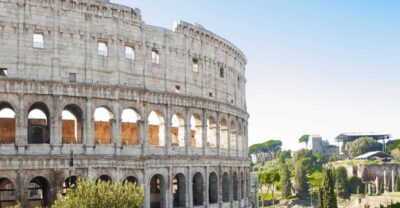
Colosseum & Forum with Audio Guide App -Optional Arena
Read our review →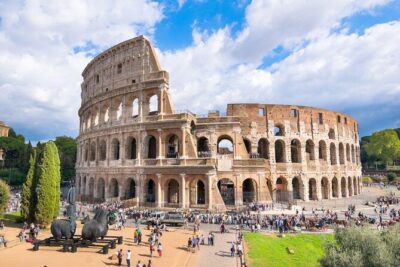
Colosseum, Roman Forum and Palatine Hill Guided Tour
Read our review →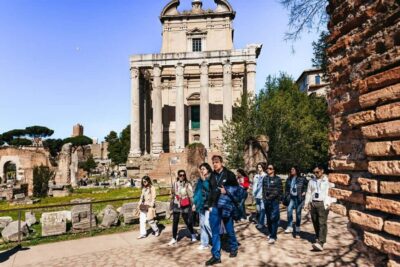
Colosseum, Forum & Palatine Hill Tour & Optional Arena
Read our review →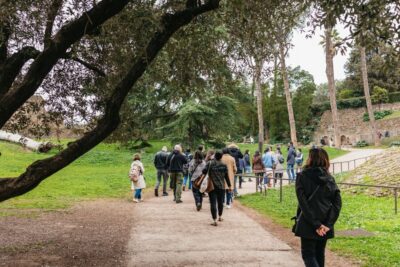
Colosseum, Palatine Hill & Roman Forum Guided Tour
Read our review →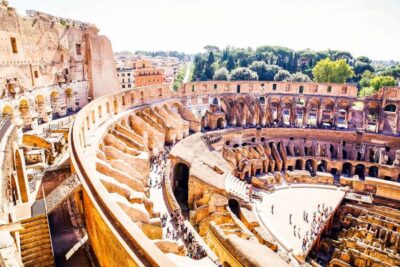
Colosseum: Underground and Ancient Rome Tour
Read our review →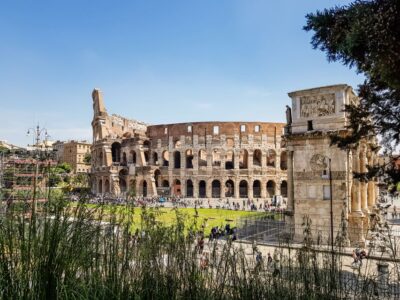
Colosseum Arena, Palatine Hill & Forum Guided Tour
Read our review →Browse the lists this tour appears in