Reviewed · COLOSSEUM TOURS
Rome: Colosseum Guided Tour
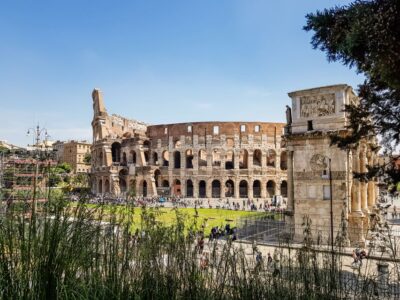
The most memorable part of this Rome tour is the way the Colosseum’s stones become a stage again. Your guide explains how gladiators, animal hunts, trapdoors, arches, travertine, and tuff all fit together, so you are not just looking at old walls. I especially like the small-group limit of 24 people and the use of visual aids, which guides such as Giovanna and Scott have used to show what the building once looked like.
I also like that the ticket includes the Roman Forum and Palatine Hill, letting you continue without another booking. The main caution is timing: a 3 p.m. tour may finish too close to the Forum and Palatine Hill closing time, so you may need to visit those sites before the Colosseum rather than afterward.
In This Review
- Key points to know
- Why the Colosseum works best with a guide
- Meeting outside the Colosseum Metro Station
- Inside the Colosseum for 75 minutes
- Gladiators, trapdoors, and the arena
- Roman engineering in plain language
- Continuing to the Roman Forum and Palatine Hill
- Is $56.11 a fair price?
- Practical comfort and access
- Who should book this Colosseum tour?
- FAQ
- How long does the guided Colosseum tour last?
- What language is the tour conducted in?
- What sites are included?
- Where do I meet the tour staff?
- Do I need photo identification?
- Can I bring luggage or a large bag?
- Is the tour suitable for wheelchair users?
- Can I cancel the booking?
Key points to know
- The Colosseum tour lasts 75 minutes, with access to the first level and views of the arena, trapdoors, and ancient construction.
- English-speaking guides make the difference, with Giovanna, Marco, Scott, and Giovanni praised for clear stories, humor, and care for children and older visitors.
- Roman Forum and Palatine Hill tickets are included, but those visits are self-guided rather than led by the same guide.
- The meeting point is outside the Colosseum Metro Station, near Caffe Roma BAR and the red M and SOS signs.
- Bring photo ID, comfortable shoes, water, and sun protection, and expect security screening at the entrance.
- The tour is not suitable for wheelchair users, and large bags, luggage, sharp objects, glass, and pets are not allowed.
Why the Colosseum works best with a guide
The Colosseum is impressive even when you know little about it, but its scale can also leave you staring at a wall of stone without knowing what mattered. A guide gives the building a sequence and a human story.
You begin with the amphitheater’s construction in AD 80. The guide explains how Roman builders combined travertine limestone and tuff with arches and other engineering methods to support a huge structure. The point is not just to admire the surviving exterior. You learn why the building could hold more than 50,000 spectators and how Roman construction solved the problem of moving people, animals, performers, and equipment through a busy public venue.
The storytelling then shifts to the people who used the arena. You hear about different gladiator types, including the heavily armed murmillo and the faster retiarius. That contrast helps you picture how combat was staged and why each fighter carried a different style of armor and weapon.
Animal hunts form another part of the story. Exotic animals were brought from distant lands for spectacles that were entertaining to Roman crowds but grim by modern standards. A good guide does not soften that reality, and the best moments here come when the facts are linked to the spaces around you.
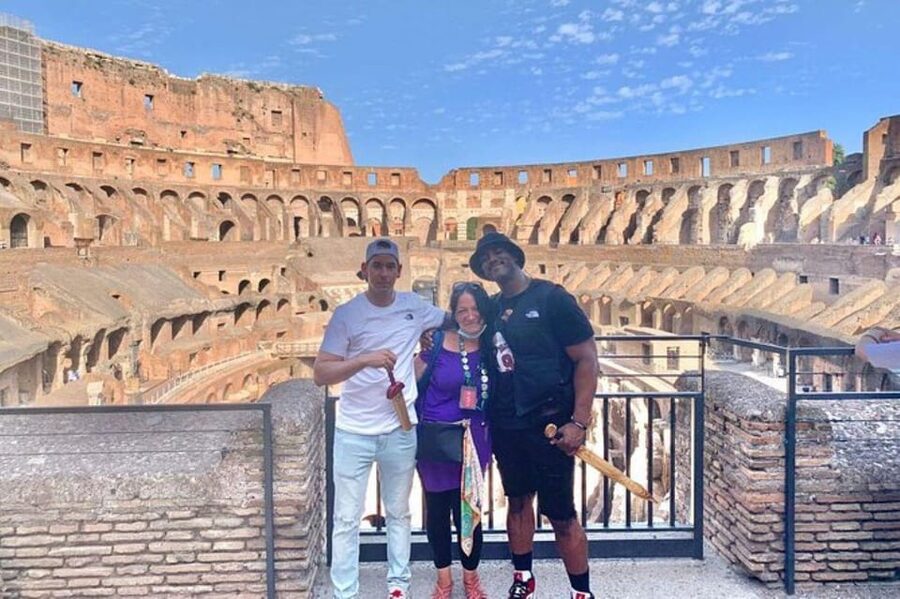
This is where guides such as Giovanna and Marco seem particularly useful. Their style combines facts with stories, humor, and questions directed at the group. Marco also made a point of including children, while other guides kept older visitors involved rather than treating the tour as a race through the building.
More ways to see the Colosseum:
- Rome: Colosseum, Palatine Hill and Roman Forum Guided Tour
★ 4.8 · 32,814 reviews - Rome: Guided Tour of Colosseum, Roman Forum & Palatine Hill
★ 4.7 · 27,897 reviews - Rome: Colosseum & Forum with Audio Guide App -Optional Arena
★ 4.2 · 24,770 reviews
Meeting outside the Colosseum Metro Station
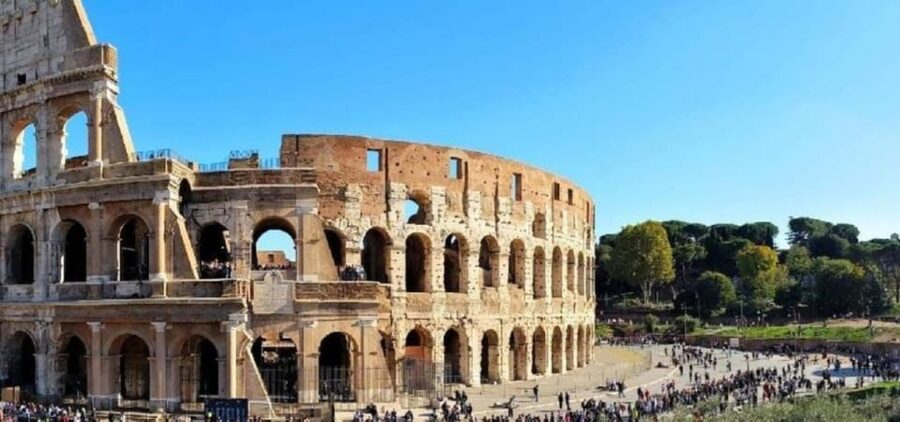
The tour begins outside the Colosseum Metro Station on the upper level. Look for Caffe Roma BAR, then the red M and SOS signs. Staff carrying a Discover Rome Tours sign should be waiting nearby.
This is a practical meeting place because the Colosseum is easy to recognize, but the station area can be crowded and confusing. Give yourself time to reach the upper level and locate the staff. Do not simply wait by the Colosseum entrance itself, since the group gathers at the station.
You must have a picture ID or a copy on your phone to enter the Colosseum. This is not a minor suggestion. Without it, you may be refused entry even if your booking is confirmed. Security checks also take place at the entrance, so keep prohibited items out of your bag.
Large bags and luggage are not permitted. Weapons, sharp objects, and glass are also banned. Assistance dogs are allowed, but other pets are not.
Inside the Colosseum for 75 minutes
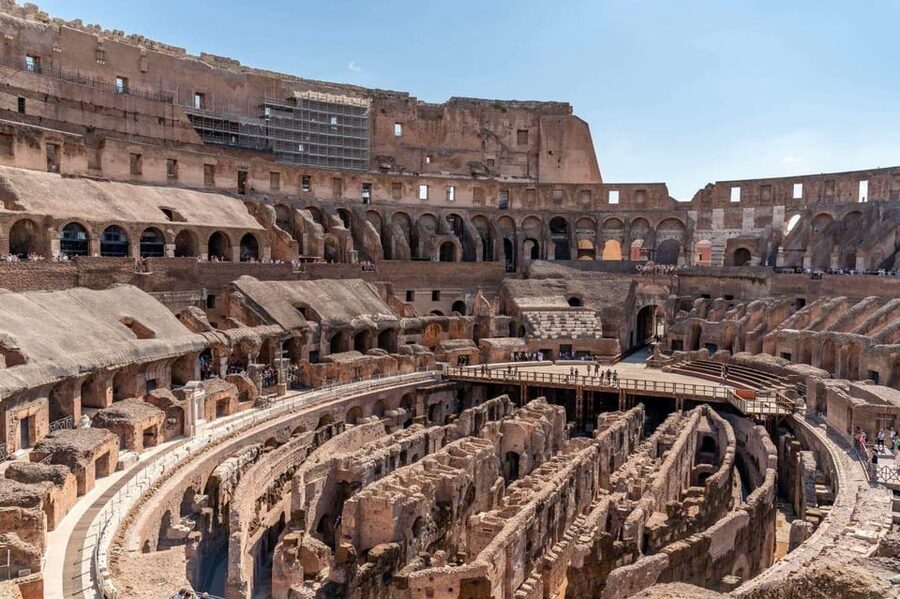
The guided portion focuses on the Colosseum. You walk through the first level and see the arena, including features such as trapdoors that helped create the sudden entrances and exits central to the shows.
The 75-minute length is a reasonable compromise. You get enough time for an organized explanation and a look at the key areas, but this is not an all-day archaeological seminar. The guide keeps the group moving, which matters in a site that can feel crowded inside.
Crowds are the main complication. One guide can give a clear explanation, but noise and movement around the group can make it harder to hear. One participant found that the audio sometimes broke up when the guide moved farther away. Stay close, especially during the busiest parts of the visit.
The guides use different tools to make the ruins easier to read. Scott showed images from a book to help the group picture the original building. Giovanna has also used pictures and helped with photo positions. These touches matter because the Colosseum today is a weathered shell, while its original appearance was far more complete and organized.
The experience is not only about gladiators. You also learn how the architecture supported the spectacle. The arches, stone types, access routes, and hidden mechanisms tell you as much about Roman society as the fights did. The building had to move tens of thousands of people efficiently, give spectators a view, and keep the performances running on schedule.
Rain does not necessarily ruin the visit. A guide has kept the group moving and helped people stay as dry as possible during wet weather. Still, you should dress for conditions rather than assume the ancient stone will provide shelter.
Gladiators, trapdoors, and the arena
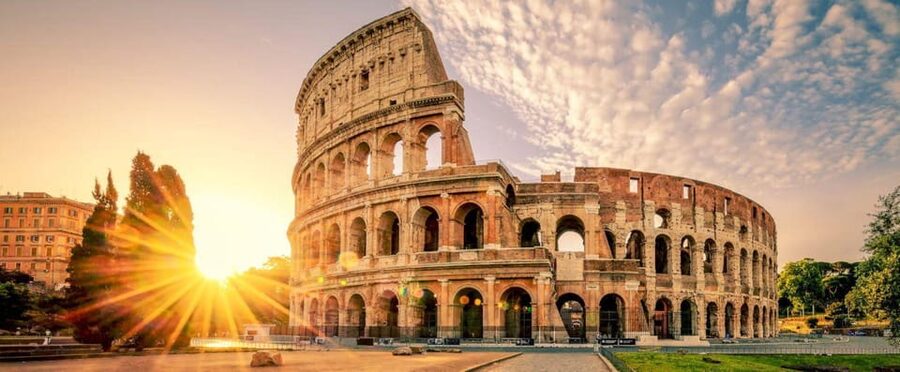
The arena is the emotional center of the tour. From the first level, you can look toward the space where combat and animal hunts took place. The guide helps you imagine the action without turning the visit into a cartoon version of ancient Rome.
You learn about the different gladiators and the choices behind their equipment. The murmillo, with heavy protection, and the retiarius, built around speed, represent very different approaches to combat. Those details give the stories shape. Instead of hearing only that gladiators fought, you understand that the contests were carefully structured around contrasting skills.
Trapdoors add another layer. The arena was designed for surprise, and hidden openings helped bring animals or performers into the show. Hearing about that system while looking across the arena connects the technical side of the building to the emotional effect it had on the crowd.
The guide’s personality matters here. A dry lecture can make a crowded ruin feel flat, while a guide with humor and timing can help you remember the details. Giovanna has been especially effective at mixing jokes with serious explanation. Scott’s visual comparisons and Marco’s effort to include every age group show the kind of personal attention that can make a short tour feel worthwhile.
Accents and audio equipment can occasionally create obstacles. One guide’s accent was difficult for a participant to follow in places, and the audio sometimes weakened when the guide moved too far ahead. If you miss a point, ask the guide to repeat it. A small group gives you a better chance of being heard than a large coach tour.
More Rome tours worth comparing
- Vatican Museums, Sistine Chapel & St Peter’s Basilica Guided Tour
★ 4.5 · 39,149 reviews - Rome: Colosseum, Roman Forum and Palatine Hill Guided Tour
★ 4.5 · 23,903 reviews - Rome: Colosseum, Palatine Hill & Roman Forum Guided Tour
★ 4.6 · 12,703 reviews - Rome: Vatican Museums & Sistine Chapel Guided Tour
★ 4.3 · 12,117 reviews
Roman engineering in plain language
I like that the construction section is not treated as a footnote. Rome’s engineering is one of the best reasons to visit the Colosseum with a guide.
Travertine limestone and tuff were used together, and the Roman arch helped distribute weight across the structure. Your guide explains how those choices allowed the builders to create a vast amphitheater instead of a simple open field with temporary seating.
You do not need a technical background to follow this part. The building itself becomes the diagram. Look at the repeated arches and the surviving stonework while the guide points out how the pieces supported the whole. This approach helps you notice details you might otherwise walk past.
The Colosseum has survived earthquakes, stone removal, weather, and centuries of change. The tour does not require you to memorize dates and materials. It gives you enough information to see the ruin as a working machine built for crowds, spectacle, and control.
That balance between architecture and storytelling is one of the strongest features of the experience. The guides are not simply reciting a list of emperors. They explain what the building did and how its design served the people who came to watch.
Continuing to the Roman Forum and Palatine Hill
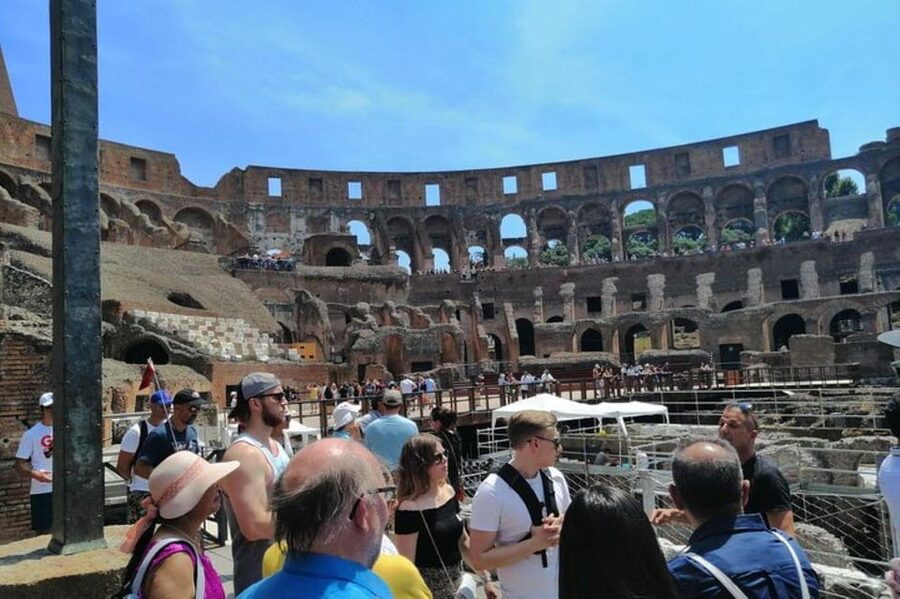
After the guided Colosseum visit, you receive access to the Roman Forum and Palatine Hill. These visits are self-guided, so you are free to move at your own pace, but you should not expect the Colosseum guide to lead you through every ruin.
The Roman Forum is where you can shift from public entertainment to the daily machinery of Roman power. The remains are spread out, and without a guide you will need to use signs, a map, or your own reading to identify the temples, meeting places, and political spaces. I would set aside time to wander slowly rather than treating it as a quick add-on.
Palatine Hill gives you a different experience. The climb takes you above the Forum and provides views across Rome. It is a useful final stop because you can look back at the ancient center from a higher point and better understand how the separate ruins fit together.
The self-guided format has one clear advantage: flexibility. You can linger at a favorite view, pause for water, or move on when your attention fades. The drawback is that the Forum can feel less clear without help. One participant specifically wished for some direction there, and that is fair. The Colosseum tour is guided, but the later archaeological area is yours to interpret.
Pay close attention to the time of your Colosseum booking. The tickets for the Forum and Palatine Hill are valid for 24 hours before or after the tour, but a late Colosseum start can create a problem. With a 3 p.m. tour and access closing around 4 p.m., you may not have enough time afterward. If you are not free the next day, visit the Forum and Palatine Hill before the Colosseum.
Is $56.11 a fair price?
At $56.11 per person, this is not the cheapest way to see the Colosseum. You are paying for a guided experience, access to three major ancient sites, and a smaller group capped at 24 people.
The value depends on what you want from the visit. If you already know Roman archaeology well and prefer to read at your own speed, the 75-minute guided portion may feel unnecessary. You still need to explore the Forum and Palatine Hill on your own.
For a first visit, I think the price is easier to justify. The Colosseum is a complicated site, and the guide fills in the missing pieces: how the structure was built, how the arena worked, who fought there, and how the crowd experienced the shows. You also avoid the ticket line, which saves time in a city where every hour counts.
The small-group limit is important. Twenty-four people is not intimate, but it is more manageable than a large group. Guides can answer questions, keep children included, and help with photos. The strongest guide experiences here appear to come from people such as Giovanna, Marco, Scott, and Giovanni, all praised for combining clear facts with warmth and humor.
The price does not include food, drinks, or hotel pickup and drop-off. You arrange your own transport to the meeting point and should carry water, especially in hot weather.
Practical comfort and access
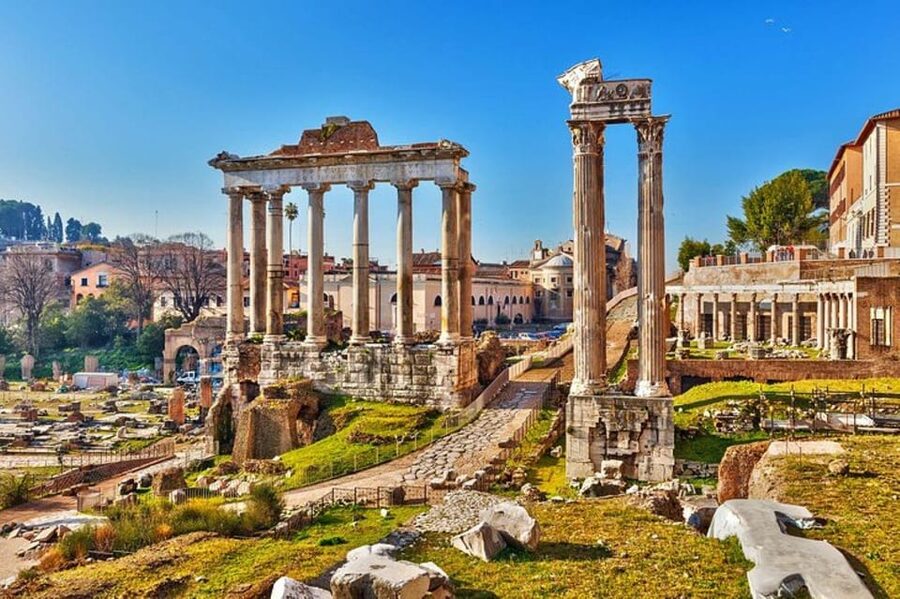
Wear comfortable shoes. The tour involves a moderate amount of walking, and the later visit to the Forum and Palatine Hill adds more time on your feet.
Bring a water bottle, a hat, and sunscreen in hot weather. The ancient stone offers little comfort when the sun is strong. In rain, carry suitable protection and be ready for the guide to adjust the pace.
The activity is not suitable for wheelchair users. This is an important limitation to check before booking, especially since both the guided Colosseum visit and the self-guided archaeological areas involve walking.
The tour is conducted in English. If you are comfortable listening in English in a crowded place, the format should work well. Stay near the guide so the audio remains clear, and speak up if you need a point repeated.
Free cancellation is available up to 24 hours before the tour for a full refund. You can also reserve now and pay later, which helps if your Rome schedule is still shifting.
Who should book this Colosseum tour?
I would choose this tour for a first-time Rome visitor who wants the major ancient sites explained without committing to a half-day program. The 75-minute guided visit gives you a firm foundation, then the Forum and Palatine Hill let you continue independently.
Families may also like it. Guides have made a clear effort to include children, and the stories of gladiators, animals, and trapdoors give younger visitors something concrete to follow. Older visitors should know that the group keeps moving and that comfortable footwear is essential.
This may not suit you if you need wheelchair access, want a fully guided visit to all three sites, or have only a narrow time window late in the day. A 3 p.m. booking deserves special care because the Forum and Palatine Hill may not be practical afterward.
For most visitors, I would book it, provided the timing works. The guide is the main reason to choose this experience. Giovanna’s humor and visual aids, Marco’s care with families, and Scott’s use of reconstruction images show how much a good explanation adds to the stonework. Just plan the Forum and Palatine Hill separately, bring ID, and stay close enough to hear.
FAQ
How long does the guided Colosseum tour last?
The guided tour lasts 75 minutes. Afterward, you can visit the Roman Forum and Palatine Hill on your own.
What language is the tour conducted in?
The live tour guide speaks English.
What sites are included?
The experience includes the Colosseum, Roman Forum, and Palatine Hill. The Colosseum visit is guided, while the Forum and Palatine Hill are self-guided.
Where do I meet the tour staff?
Meet outside the Colosseum Metro Station on the upper level, near Caffe Roma BAR and the red M and SOS signs. Look for staff holding a Discover Rome Tours sign.
Do I need photo identification?
Yes. A picture ID or a copy on your phone is mandatory for entry to the Colosseum.
Can I bring luggage or a large bag?
No. Luggage and large bags are not allowed. Weapons, sharp objects, and glass objects are also prohibited.
Is the tour suitable for wheelchair users?
No. The activity is not suitable for wheelchair users.
Can I cancel the booking?
Yes. You can cancel up to 24 hours in advance for a full refund. You can also reserve now and pay later.
Newest reviews from Rome
- Fiumicino Airport Arrivals Private Transfer Free with private half day tour of Rome★ 5.0 · 23 reviews
- Full Day Tour of Rome★ 5.0 · 23 reviews
- Private Tour – Palazzo Barberini★ 5.0 · 23 reviews
- From Rome: Private Day-Tour of Tuscany★ 4.3 · 23 reviews
- Rome at the Sunset; Navona, Trevi Fountain, Pantheon and more★ 5.0 · 23 reviews
- Rome: Wonders of Ancient Rome at Dusk★ 4.8 · 23 reviews
- Private Golf Cart Twilight Tour Rome★ 4.5 · 23 reviews
- Rome Key Sights Golf Cart Tour | Private & Groups★ 5.0 · 23 reviews
Colosseum Tours, compared.
Colosseum, Palatine Hill and Roman Forum Guided Tour
Read our review →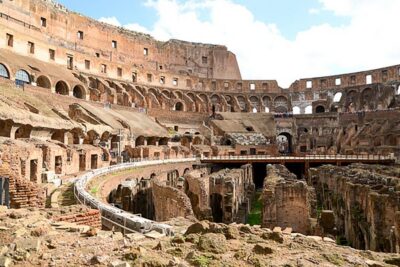
Guided Tour of Colosseum, Roman Forum & Palatine Hill
Read our review →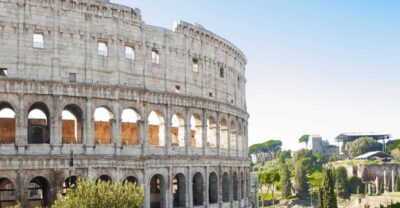
Colosseum & Forum with Audio Guide App -Optional Arena
Read our review →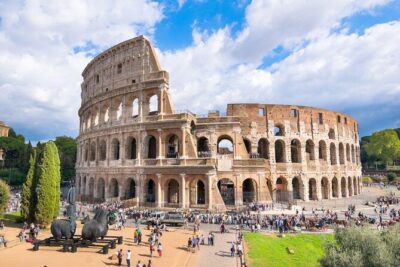
Colosseum, Roman Forum and Palatine Hill Guided Tour
Read our review →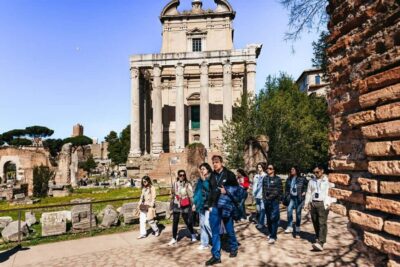
Colosseum, Forum & Palatine Hill Tour & Optional Arena
Read our review →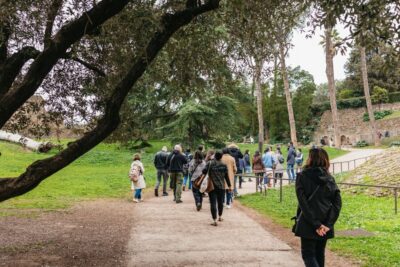
Colosseum, Palatine Hill & Roman Forum Guided Tour
Read our review →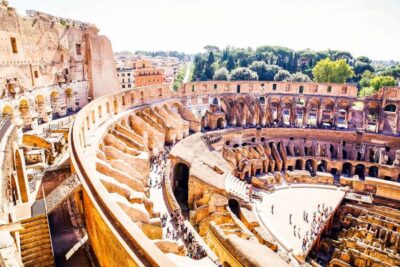
Colosseum: Underground and Ancient Rome Tour
Read our review →