
Reviewed · COOKING CLASSES
Rome cooking: Gelato & Tiramisu with savoiardi Baking class
Rome’s most famous dessert gets a proper kitchen treatment here. You do not simply watch a chef layer mascarpone and coffee. You bake the savoiardi biscuits from scratch, assemble the tiramisu, then make a fruit-based gelato sorbet.
I like the small-group format and the fact that the class takes place inside a working tiramisu laboratory. I also like the practical finish: you eat what you make and leave with recipes, so the experience keeps paying off after Rome.
The main consideration is the dietary policy. The sorbet can suit lactose-free and vegan diets, but the class is not generally suitable for vegans or people with lactose intolerance. Ask about a private class before booking if that applies to you.
In This Review
- Key points to know before booking
- From raw ingredients to real tiramisu
- Baking savoiardi instead of buying them
- Building the layers and tasting the result
- Making fruit sorbet, the lighter second act
- A real laboratory, not just a photo stop
- What the 2.5-hour schedule feels like
- The teaching style and what you take home
- Is $80 a fair price?
- Who should book this Rome dessert class?
- What makes the class memorable
- My verdict: book it if dessert is part of your Rome plans
- FAQ
- Where does the cooking class meet?
- How long does the experience last?
- What language is the class conducted in?
- What desserts will I make?
- Is the tiramisu suitable for vegetarians?
- Can people with dietary restrictions attend?
- When does the class operate?
Key points to know before booking
- Bake the savoiardi yourself: The tiramisu starts with its biscuit base, not a packet from the supermarket.
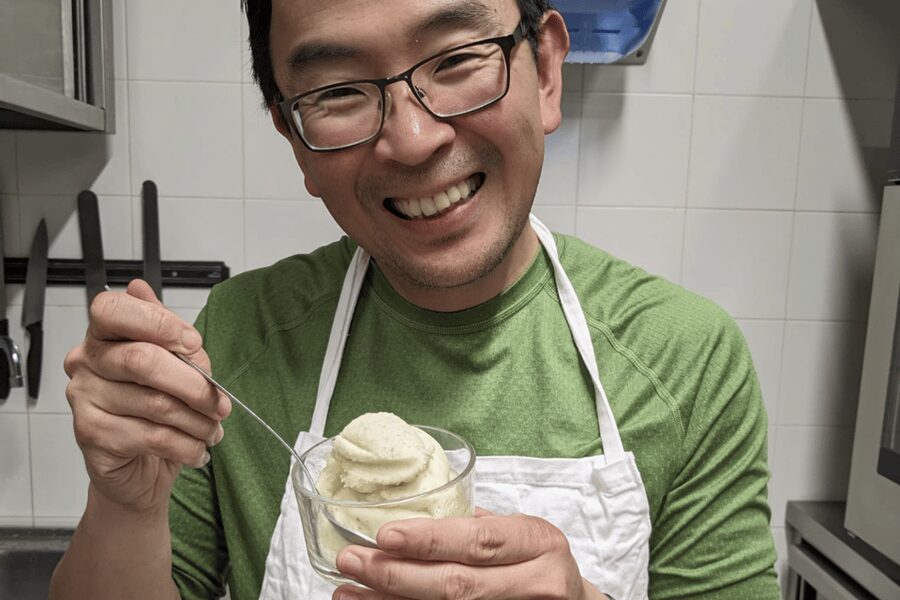
- Make fruit sorbet: You learn why sorbet is water-based and how seasonal fruit affects the result.
- Work in a real dessert laboratory: The class takes place in an authentic tiramisu shop rather than a generic demonstration room.
- Expect hands-on instruction: You wear an apron and hat, follow each stage, and take part rather than sit in the audience.
- Bring the lesson home: Recipes, cooking advice, and food recommendations are included, with some classes also offering a certificate and apron.
- Plan around the restrictions: The activity runs daily except Sundays, lasts about 2.5 hours, and is not suited to large bags, very young children, or people with certain mobility and health needs.
From raw ingredients to real tiramisu
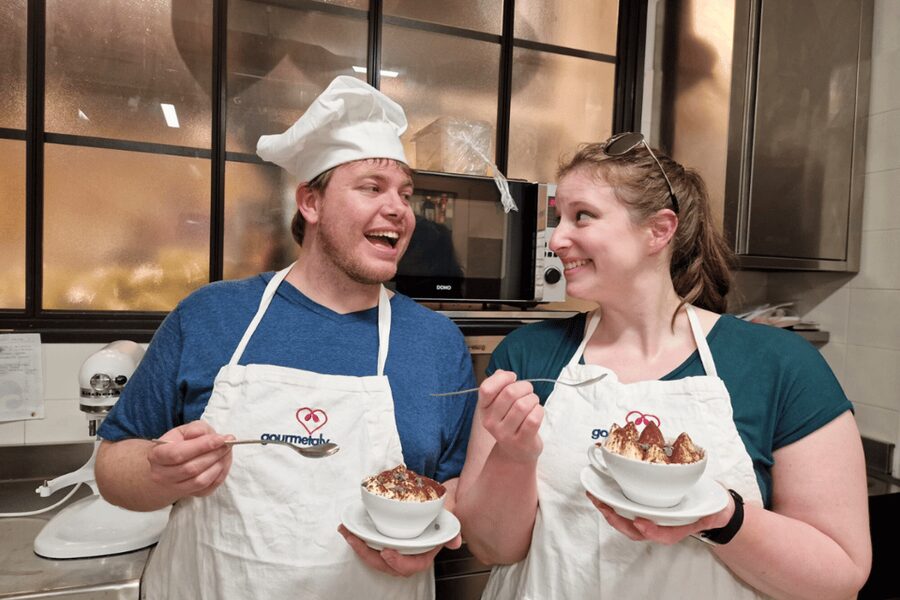
The best part of this class is its order of attack. You begin with the foundation of tiramisu, the savoiardi, also called ladyfingers. Instead of treating the biscuit as a forgettable layer beneath the cream, the lesson shows you how the dessert comes together from the base upward.
That matters because homemade tiramisu is not just about mixing mascarpone. The biscuits control the texture. They need enough structure to absorb the coffee mixture without collapsing into mush. Making them yourself gives you a better feel for that balance.
The class is designed as a step-by-step workshop, with the instructor explaining the techniques as you work. You are not expected to arrive with pastry experience. The tone is practical, and the teaching is aimed at people who want to repeat the recipe at home.
The tiramisu is alcohol-free and vegetarian. That makes it a fairly easy choice for many people, though you should still state any dietary needs when booking.
More gelato and tiramisu classes:
- 3 in 1 Cooking Class near Navona: Fettuccine, Ravioli & Tiramisu
★ 5.0 · 7,376 reviews - Rome: Pasta & Tiramisu Class with Fine Wine by the Vatican
★ 4.9 · 4,852 reviews - Rome: 3-in-1 Fettuccine, Ravioli, and Tiramisu Cooking Class
★ 4.9 · 2,704 reviews
Baking savoiardi instead of buying them
Baking the biscuits is the detail that gives this experience more substance than a simple dessert tasting. You get to see how the base is made and how it affects the finished cake.
The exact kitchen method is taught on site, but the value is clear: you learn the recipe from the first stage rather than receiving a prepared component. If you have made tiramisu at home with packaged ladyfingers, this is the part most likely to change your approach.
The instructor guides you through the work while pointing out the importance of ingredient quality. The class places particular weight on fresh and organic ingredients, not as a marketing afterthought but as part of the lesson’s basic cooking logic.
You will also learn what to look for when choosing food. That advice can be useful beyond tiramisu, especially if you enjoy visiting markets, specialty shops, or food producers during your time in Italy.
Building the layers and tasting the result
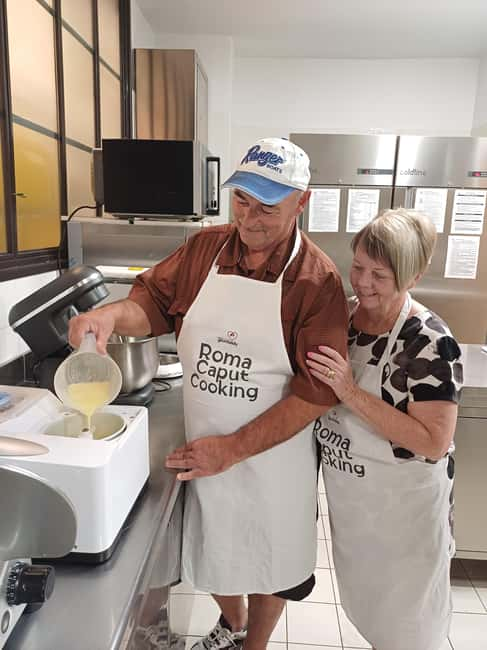
Once the biscuits are ready, you move on to the familiar tiramisu components and assemble the dessert. The class gives you the chance to understand how each part affects the finished dish, from the biscuit base to the final creamy layers.
This is also where a small group helps. The instructor can watch what you are doing, correct a technique, and answer questions without turning the session into a lecture. Past classes have been led by Camilla and Federica, both of whom are described as patient, friendly, and attentive during the cooking.
Federica has also given participants a certificate, apron, and recipes at the end of the class. Those extras may vary by session, so I would treat them as a pleasant possibility rather than the main reason to book.
The final tasting is built into the experience. You eat the tiramisu and sorbet you have prepared, rather than leaving with a demonstration portion made by somebody else. That makes the result more useful: you can taste the texture and sweetness while the process is still fresh in your mind.
Making fruit sorbet, the lighter second act
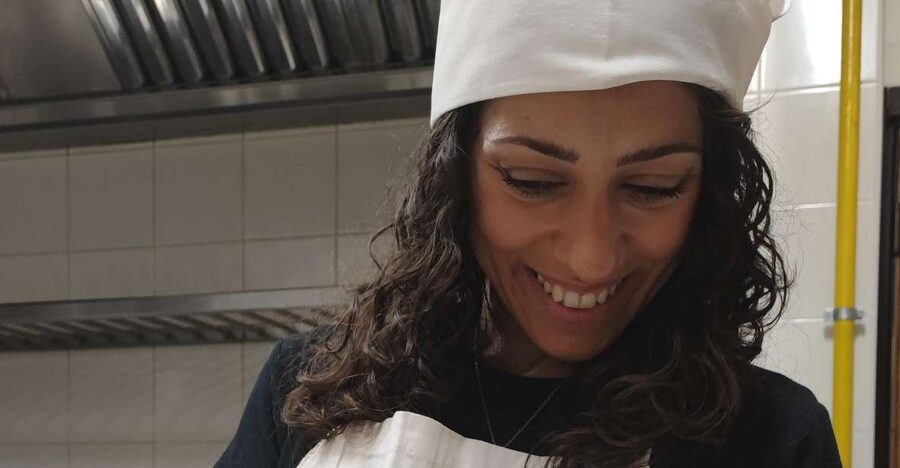
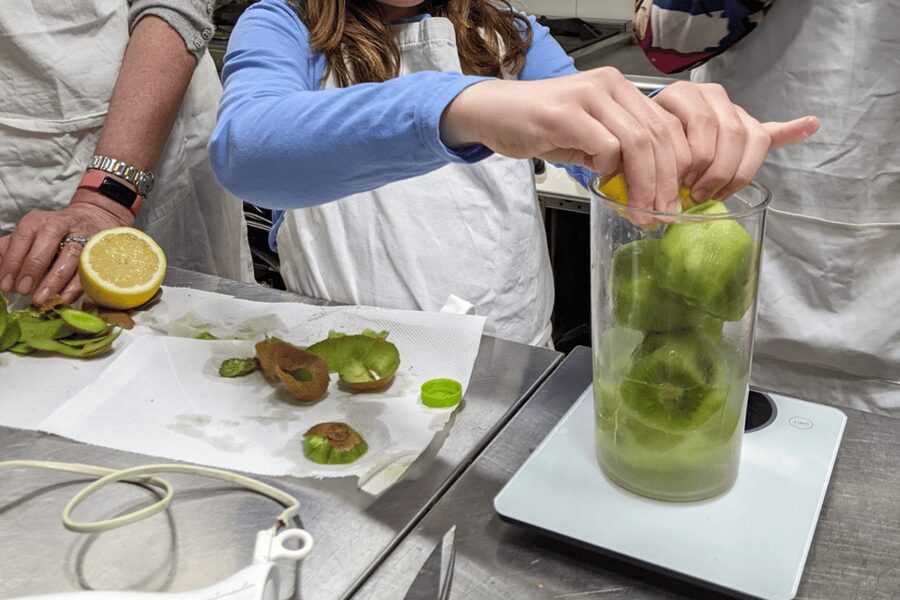
The second recipe is gelato sorbet, a water-based frozen dessert. The class uses the sorbet to explain a different side of Italian frozen sweets, one that does not depend on dairy.
You start by considering the quality and season of the fruit. That is a good lesson for home cooks because fruit-based desserts often succeed or fail on the raw ingredient. Overripe, bland, or out-of-season fruit can leave you with a dull result, while good fruit needs less help.
The sorbet section is especially useful if you avoid dairy. Since it is water-based, sorbet can work for people with lactose intolerance and for vegans in principle. However, the booking information also lists vegans and people with lactose intolerance among those who should not take the standard class. Contact the provider first and ask about a private arrangement rather than assuming the sorbet alone makes the full experience suitable.
The activity also identifies the sorbet as one of the oldest gelato recipes. That small bit of food context adds interest without taking the class away from the kitchen.
More cooking classes in Rome:
- Rome: Pasta Making Class with Wine, Limoncello, and Dessert
★ 4.9 · 3,177 reviews - Rome: Fettuccine Pasta Cooking Class in Rome’s City Center
★ 4.8 · 2,414 reviews - Rome: Traditional Pasta with Cocktails Cooking Class
★ 5.0 · 2,374 reviews - Rome: Fettuccine and Tiramisu Cooking Class with Wine
★ 4.8 · 2,013 reviews
A real laboratory, not just a photo stop
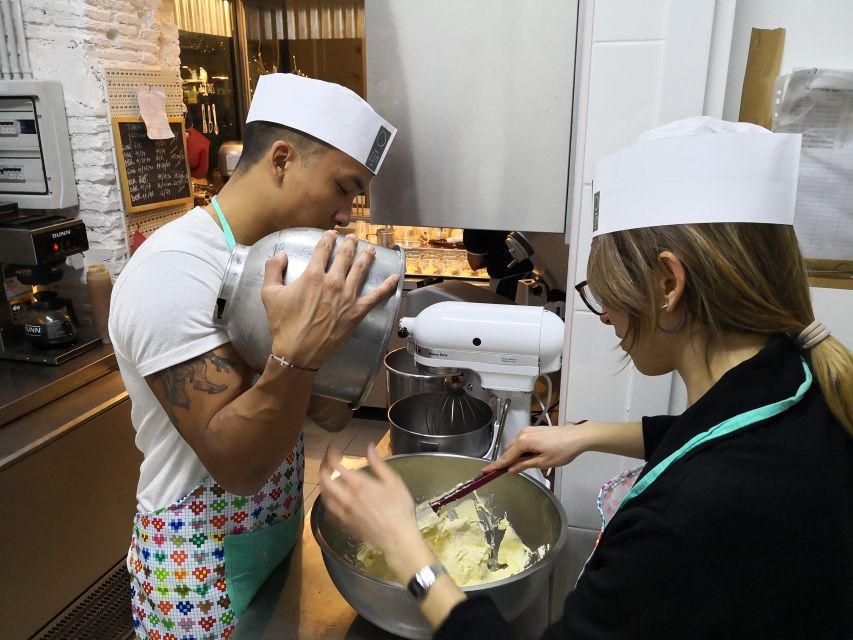
The class takes place inside an authentic laboratory belonging to a tiramisu shop popular in Rome. That setting gives the lesson a stronger connection to the city’s food culture than a hotel meeting room would.
You get to wear an apron and hat before entering the kitchen. It is a simple detail, but it signals that this is meant to be a working class. You are there to prepare food, not just pose beside it.
The English-speaking local guide and professional chef lead the session. The group is kept small, which is important for a hands-on lesson. In a large class, you can end up waiting for equipment or watching someone else do the key steps. Here, the format is meant to keep you involved.
The meeting point is at the corner with Via Natale del Grande. Transportation is not included, so you need to make your own way there and leave extra time to find the corner. The information provided does not specify a hotel pickup or transfer service.
What the 2.5-hour schedule feels like
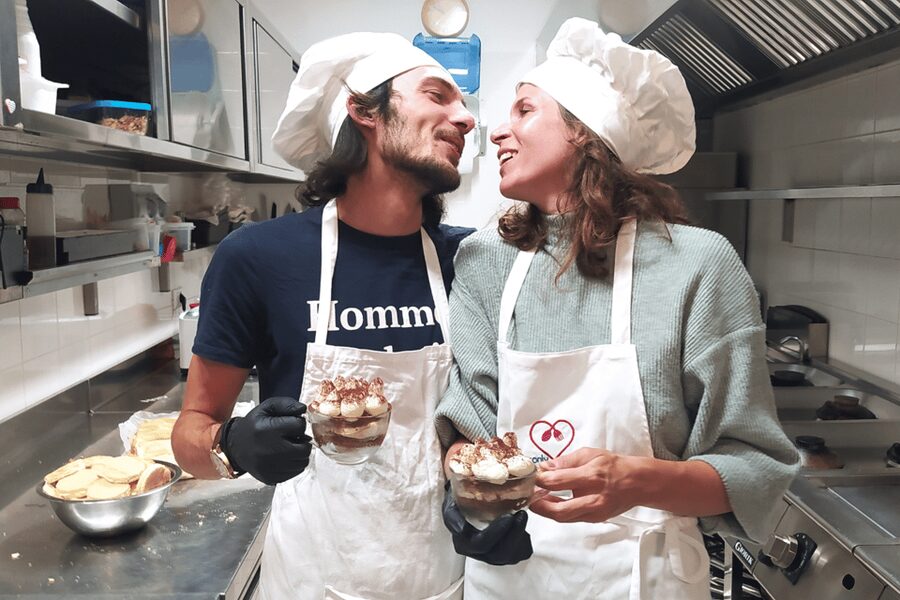
The full experience lasts 2.5 hours, while the cooking lesson itself is described as taking about two hours. The remaining time likely covers arrival, preparation, tasting, and the close of the session, though the exact division can vary.
A typical flow looks like this:
- You meet the English-speaking guide at the specified corner.
- You are introduced to gelato, sorbet, and the role of ingredient quality.
- You put on the apron and hat and enter the kitchen.
- You prepare and bake the savoiardi for the tiramisu.
- You assemble the dessert through the stages shown by the chef.
- You make a seasonal fruit sorbet.
- You taste both desserts and receive recipes and practical advice.
Do not expect a full meal. This is a dessert class with tasting, not a general Italian cooking course. The included food is tied to the recipes you prepare, and food or drinks beyond what is specified are not included.
The schedule runs daily except Sundays. Starting times depend on availability, so check the time carefully before arranging another tour or meal around it.
The teaching style and what you take home
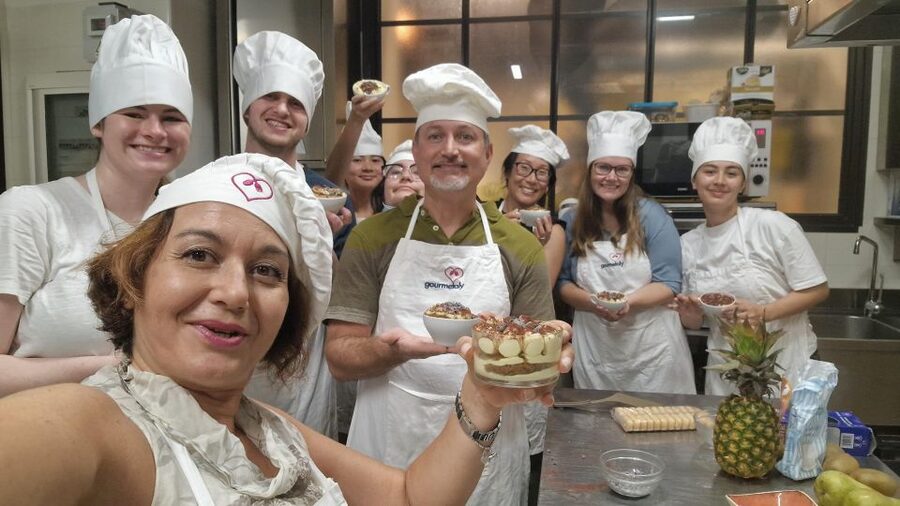
The class earns its value through instruction rather than through the amount of food served. You get recipes and tips for making the desserts at home, along with recommendations for food lovers.
That home-use element is important. Plenty of cooking activities end with a pleasant meal but leave you unsure how to repeat it. Here, the stated purpose is to teach the method from the base, and participants have been given advice on recreating both tiramisu and sorbet outside the class.
Camilla has been praised for taking time to explain each stage and for being considerate and patient. Federica has also been singled out for her kind, informative approach and hands-on teaching. Since instructors can change, you should not book expecting a particular person unless the provider confirms it.
Children can take part if they are old enough and accompanied by an adult. One family found the session especially enjoyable for children, but the official restrictions still matter: children under three are not accepted, and unaccompanied minors cannot join.
Is $80 a fair price?
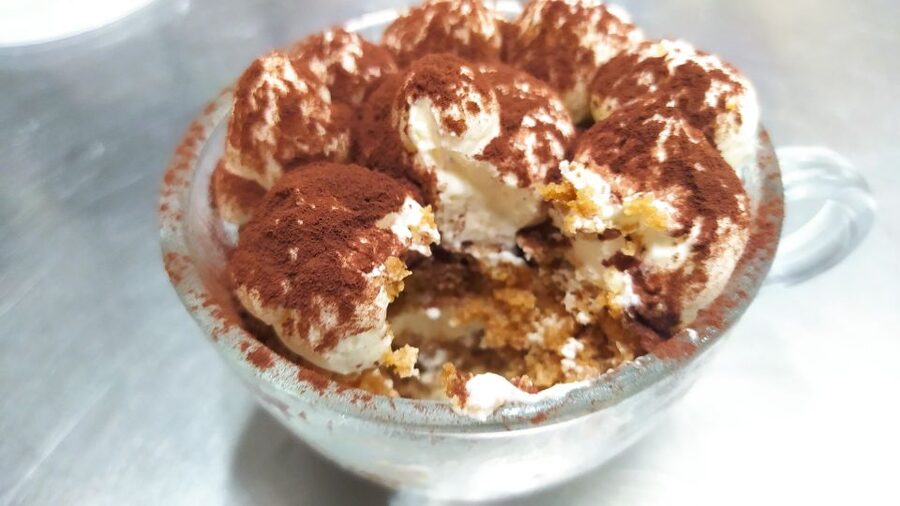
At $80 per person, this is not the cheapest way to eat tiramisu in Rome. You could buy a slice and a scoop of gelato for far less.
The comparison changes once you count the hands-on instruction, professional chef, small group, tasting, and recipes. You are paying for a practical food lesson in a real laboratory, not simply for dessert. If you want to learn a recipe you can use again, the price is reasonable.
The value is strongest for couples, friends, families with older children, and solo visitors who enjoy cooking. It is less compelling if you only want a quick sweet treat or if you have no interest in making the desserts yourself.
There is also a souvenir value that does not take up much luggage space. The recipes are more useful than another Rome trinket, and some sessions have included an apron and certificate. Since the experience does not include transportation, add the cost and time of getting to the meeting point when comparing it with classes that offer transfers.
Who should book this Rome dessert class?
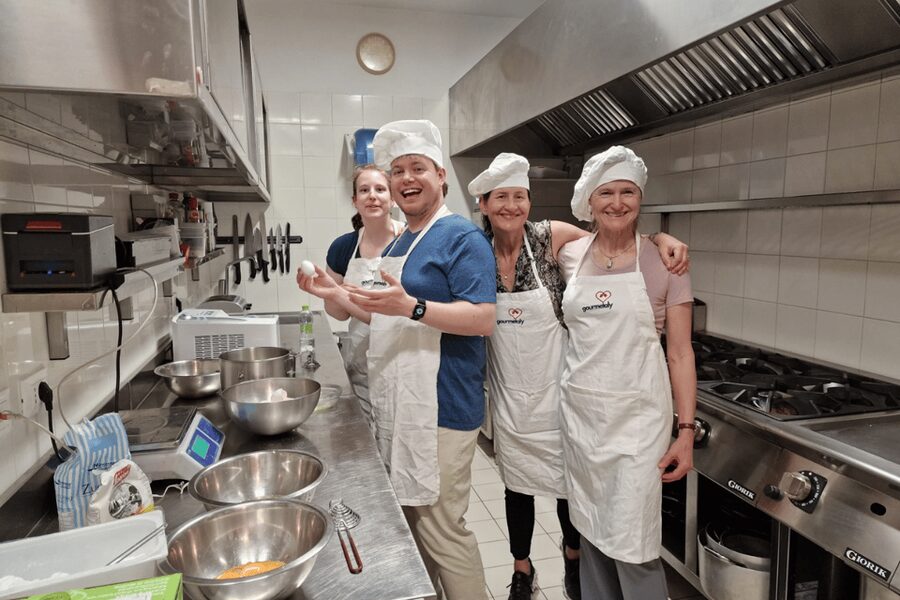
I would recommend it to anyone who wants a clear, relaxed introduction to Italian dessert making. You do not need advanced cooking skills, and the class is structured so you can follow the process while the guide explains what matters.
It suits food-focused families, but remember that children under three cannot attend. Older children must remain with an adult, and the small-group format may work better for families who enjoy taking part rather than simply watching.
It is also a good fit for a rainy afternoon or a break from Rome’s outdoor sights. The class takes place indoors and gives you a different view of local food culture, though the activity itself is not designed as a wider city tour.
You should be cautious if you have dietary restrictions. The tiramisu contains dairy and gluten unless a private version is arranged, and the standard experience is listed as unsuitable for people with lactose intolerance, vegans, pregnant women, people with epilepsy, wheelchair users, and people with mobility impairments. Contact Gourmetaly before booking with any specific requirement.
Large luggage and large bags are not allowed. Leave your suitcase at your accommodation or in suitable storage before arriving.
What makes the class memorable
The class works because it treats tiramisu as a recipe with structure, not just a famous Italian name. Baking the savoiardi gives you a better understanding of the dessert, while the sorbet offers a separate lesson in fruit, freshness, and water-based gelato.
I also like the balance between instruction and eating. You get enough kitchen time to feel involved, then you sit down to taste the result. The experience does not ask you to choose between learning and enjoying the food.
The strongest element is the patient, hands-on teaching. Camilla and Federica have both been noted for explaining carefully and offering tips that make sense for home cooking. That is exactly what you want from a short class: clear instruction, useful recipes, and no pressure to already know what you are doing.
My verdict: book it if dessert is part of your Rome plans
Book this class if you want more than a good tiramisu. The combination of homemade savoiardi, fruit sorbet, a real dessert laboratory, and a small English-speaking group gives you a useful taste of Italian food craft.
At $80, it is a fair splurge for food lovers who value learning and will use the recipes later. Skip it if you want a cheap tasting, need full accessibility, carry large bags, or require a special diet that has not been confirmed in advance.
For most suitable participants, the best reason to go is simple: you leave knowing how the dessert was made, not just knowing that it tasted good.
FAQ
Where does the cooking class meet?
You meet at the corner with Via Natale del Grande in Rome, Lazio. Transportation to and from the attraction is not included.
How long does the experience last?
The full activity lasts 2.5 hours. The cooking lesson itself is described as taking approximately two hours, followed by tasting and the final part of the session.
What language is the class conducted in?
The live tour guide and class instruction are in English.
What desserts will I make?
You will make tiramisu from the beginning, including baking the savoiardi biscuits, and prepare a fruit-based gelato sorbet.
Is the tiramisu suitable for vegetarians?
Yes. The tiramisu is alcohol-free and suitable for vegetarians.
Can people with dietary restrictions attend?
You must advise the provider of dietary requirements when booking. Private classes may be available for gluten-free or lactose-free customers, but the standard activity is listed as unsuitable for vegans and people with lactose intolerance.
When does the class operate?
The experience is available daily except Sundays. Children must be accompanied by an adult, children under three are not accepted, and large bags or luggage are not allowed.
More Workshops in Rome
- Become a Masterchef in Rome: Pasta, Ravioli and Tiramisù Class
★ 5.0 · 2,156 reviews - Pasta Cooking Class Near the Colosseum with 3 Spritz Cocktails
★ 5.0 · 1,686 reviews - Rome: Pasta & Tiramisu Cooking Class near the Spanish Steps
★ 4.8 · 1,395 reviews - Rome Tipsy Cooking Class: Make Pasta and Mix 3 Spritz Cocktails
★ 5.0 · 1,357 reviews
Newest reviews from Rome
- Appia Antica & Aqueducts e-Bike Tour – Official Provider★ 4.8 · 21 reviews
- Colosseum, Vatican Museum, and Sistine Chapel Experience★ 4.5 · 21 reviews
- The Truffle Experience in Rome★ 4.9 · 21 reviews
- Rome Walking Tour of Holy Sites: Basilica of the Holy Cross in Jerusalem, San Giovanni in Laterano and Scala Santa★ 5.0 · 21 reviews
- Roman Forum and Palatine Hill Access★ 3.5 · 21 reviews
- Private Double Wine Tasting Tour in Frascati – Exclusive★ 5.0 · 21 reviews
- Rome By Night Private Tour with Pick Up★ 5.0 · 21 reviews
- Rome Colosseum PRIVATE TOUR with a Local Private Guide★ 5.0 · 21 reviews
Cooking Classes, compared.
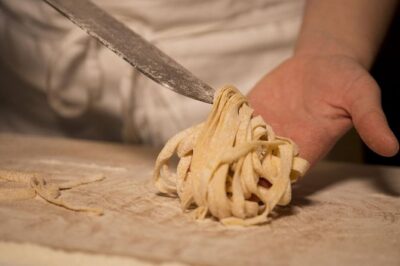
3 in 1 Cooking Class near Navona: Fettuccine, Ravioli & Tiramisu
Read our review →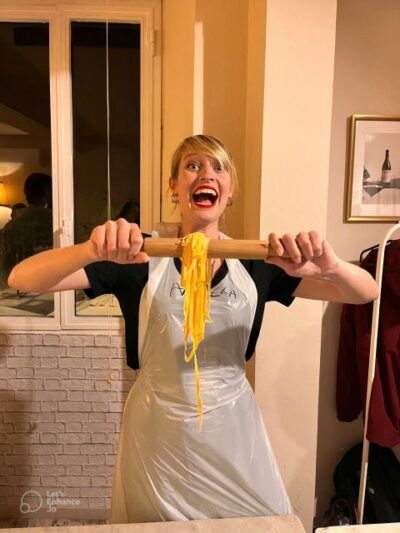
Pasta Making Class with Wine, Limoncello, and Dessert
Read our review →
3-in-1 Fettuccine, Ravioli, and Tiramisu Cooking Class
Read our review →
Fettuccine Pasta Cooking Class in Rome’s City Center
Read our review →
Traditional Pasta with Cocktails Cooking Class
Read our review →
Fettuccine and Tiramisu Cooking Class with Wine
Read our review →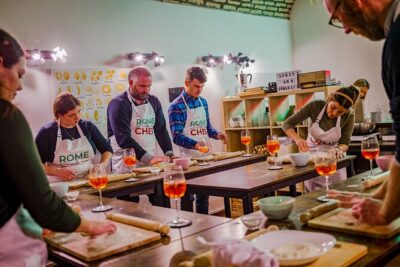
Pasta Cooking Class Near the Colosseum with 3 Spritz Cocktails
Read our review →
Enjoy Spritz and Pasta Making in Piazza Navona
Read our review →Browse the lists this tour appears in