
Reviewed · CATACOMBS & CRYPTS
Rome: Dark Past Walking Tour with Capuchin Crypt Ticket
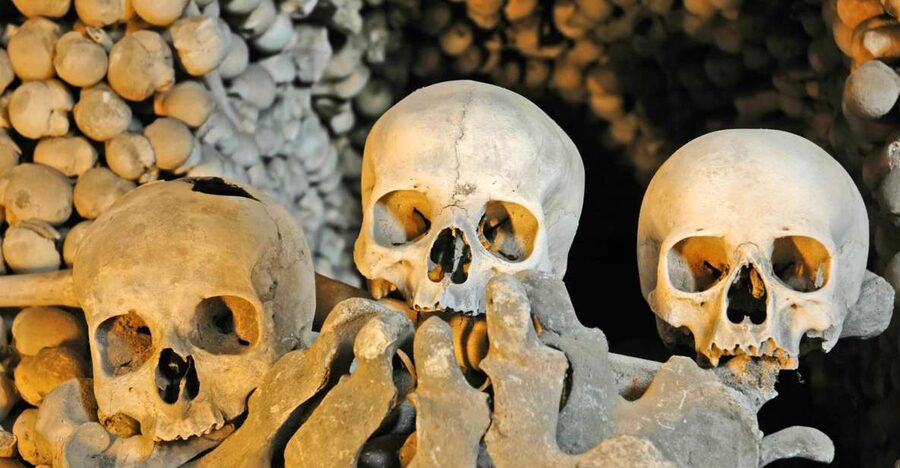
The Capuchin Crypt is the reason to book this tour. Beneath a church near Piazza Barberini, six small chapels are decorated with the bones of Capuchin friars. It is solemn, strange, and far more memorable than another quick look at a Roman facade. I also like the route: it links the crypt with the Trevi Fountain, Pantheon, Piazza Navona, and Campo de’ Fiori, so you get both eerie stories and Rome’s essential sights in one evening walk.
I like the small-group format and the local storytelling. Guides such as Sarah, Fabienne, Gabriela, Gabby, and Giuseppe have been praised for making the tales lively and personal, often adding restaurant or sightseeing tips. The main drawback is that two hours is tight for this many stops, and the tour is not suitable for children under 12, wheelchair users, or anyone who has trouble walking.
In This Review
- Key points to know before booking
- Why the Capuchin Crypt is the real draw
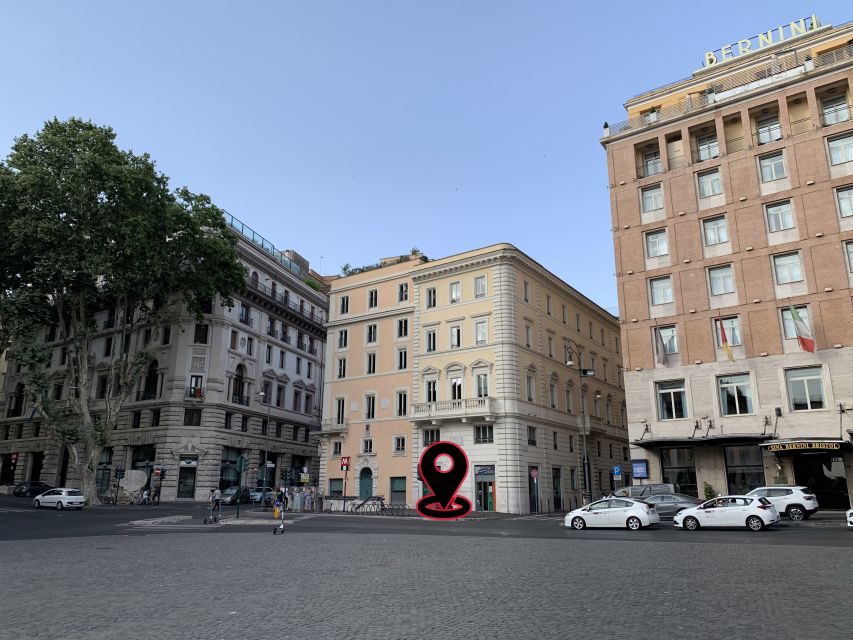
- Meeting at Piazza Barberini
- Trevi Fountain: famous wishes with a darker edge
- The Pantheon in a quick 15-minute stop
- Piazza Navona and its spectral stories
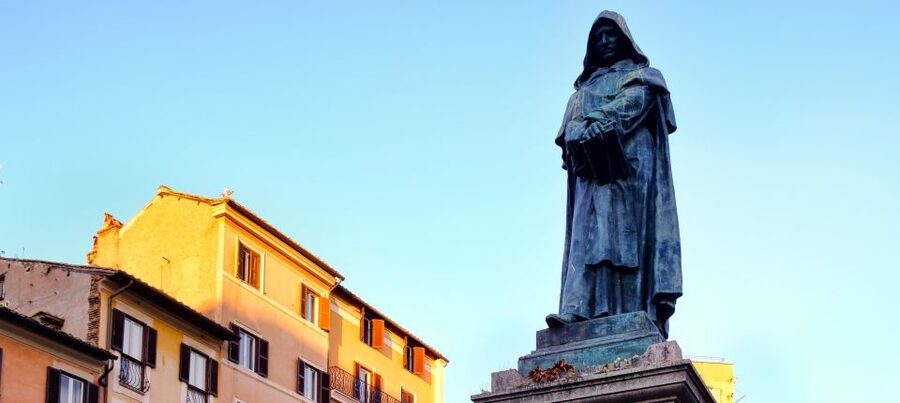
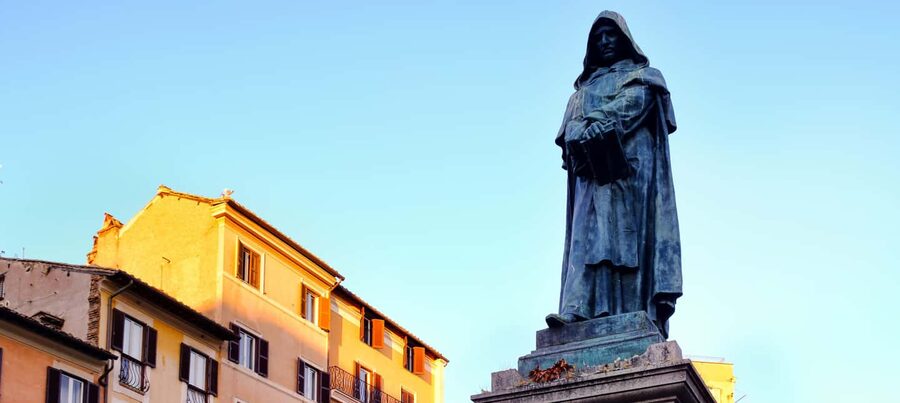
- Campo de’ Fiori and the story of Giordano Bruno
- Ending at the Church of St. Mary of the Oration and Death
- How much walking and crowding should you expect?
- The guide can make or break the evening
- Is $76 a fair price?
- What to wear and what not to bring
- Who should book this Rome dark past tour?
- Should you book it?
- FAQ
- How long does the Dark Past Walking Tour last?
- Where does the tour begin?
- Where does the tour end?
- Is the Capuchin Crypt ticket included?
- Are photographs allowed inside the Capuchin Crypt?
- Which languages are available?
- Is the tour suitable for children?
- Can wheelchair users join the tour?
Key points to know before booking
- The Capuchin Crypt takes center stage: Allow about 30 minutes for the bone-lined chapels and museum.
- The route covers six major stops: You walk from Piazza Barberini to the Trevi Fountain, Pantheon, Piazza Navona, Campo de’ Fiori, and the Church of St. Mary of the Oration and Death.
- The stories mix fact, legend, and local lore: Expect Giordano Bruno’s execution, spectral tales around Piazza Navona, and curious details about Rome’s monuments.
- Small groups make the guide matter: Past guides including Sarah, Fabienne, Célia, Giuseppe, and Gabby have been praised for warmth and strong storytelling.
- Dress carefully for the crypt: Shorts, short skirts, sleeveless shirts, luggage, and large bags are not allowed.
- Plan for a steady city walk: Comfortable shoes are essential, and late arrivals cannot join the tour.
Why the Capuchin Crypt is the real draw
Many Rome walking tours begin with a fountain or square. This one begins underground, among the carefully arranged bones of former Capuchin friars. That opening gives the rest of the evening a different mood. You are not simply ticking off monuments. You are looking at Rome through its stories of death, faith, superstition, punishment, and memory.
The crypt visit lasts about 30 minutes. It is not a casual museum stop, and it is not designed for taking photographs. Photography and video are forbidden inside, so you need to pay attention rather than worry about getting the perfect picture.
The bone decoration can be shocking, especially if you have never seen the crypt before. At the same time, the setting is religious, not a haunted-house attraction. You should expect a quiet and serious place, with the macabre decoration forming part of the Capuchin message about mortality.
The tour includes the entrance ticket, which is useful because the crypt is the one paid admission built into the experience. Your guide supplies the context that makes the visit more meaningful. Without explanation, you might simply see bones arranged in patterns. With the background, the crypt becomes a window into how religious communities thought about death and remembrance.
If you are sensitive to human remains, think carefully before booking. The crypt is the emotional high point of the walk, and its atmosphere may be too intense for some people. Children under 12 are not allowed on the tour, which gives you a good sense of the intended audience.
More catacomb and crypt visits from Rome:
- Rome: Crypts and Catacombs Underground Tour with Transfers
★ 4.6 · 5,341 reviews - The Original Roman Crypts and Catacombs Tour with Transfers
★ 4.5 · 4,896 reviews - Rome: Catacombs of St. Callixtus Entry Ticket & Guided Tour
★ 4.6 · 3,037 reviews
Meeting at Piazza Barberini
The meeting point is at the corner of Piazza Barberini, 21, and Via di S. Nicola da Tolentino, beside the Hotel Bernini. Arrive early. One of the few practical weaknesses reported about the experience is that finding the guide can be difficult if you do not know exactly where to look, and arriving late means you cannot join.
The instructions do not specify a flag or large sign, so save the meeting-point details on your phone and give yourself extra time. Piazza Barberini is a busy place, and the corner beside the hotel is more useful as a reference than simply searching the whole square.
You receive a headset, an important detail once the group reaches the Trevi Fountain and other crowded places. Rome’s central streets can be noisy, and a headset lets you hear the guide without everyone needing to crowd around.
The available languages are English, Italian, Portuguese, Russian, Spanish, and French. Private and small-group options are available, but the exact group size and guide assignment depend on the booking you choose.
Trevi Fountain: famous wishes with a darker edge
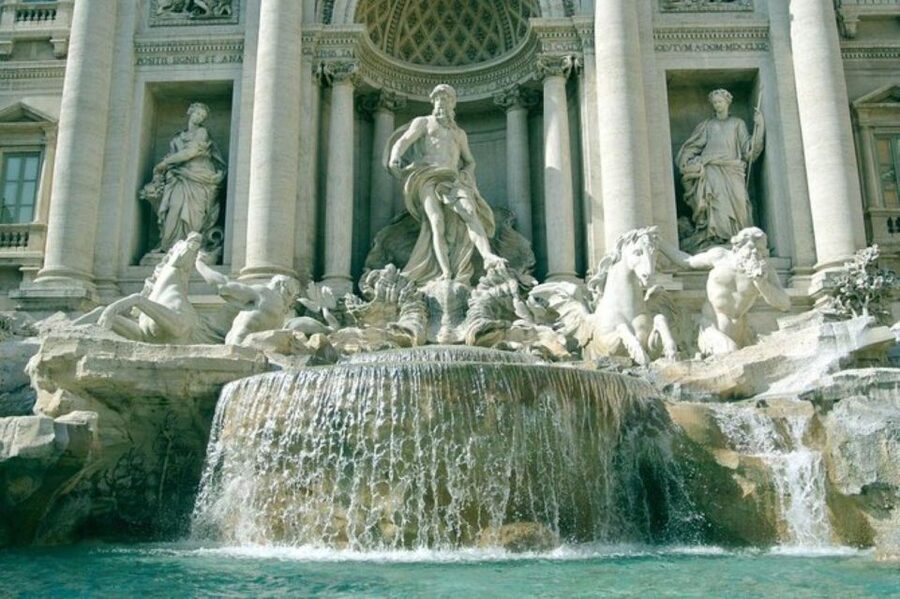
From the crypt, the walk continues toward the Trevi Fountain. The fountain is one of Rome’s most famous sights, but the experience here is less about architectural detail and more about the stories tied to the place.
You will have about 20 minutes for a guided visit. The guide explains the fountain and its coin-toss tradition, giving you time to take in the Baroque design and make the familiar wish for a return to Rome.
This stop can be crowded. One guide, Sarah, was specifically praised for navigating the busy fountain area in a way that kept the visit enjoyable. That is where a small group and headset earn their keep. You still need to watch your belongings and stay close to the guide, but you are less likely to lose the thread of the explanation.
Do not expect an extended architectural lecture or a long break at the fountain. Twenty minutes passes quickly, especially when the area is packed. The value here is that the guide gives you a way to read the scene and its legends, rather than leaving you to fight through the crowd alone.
The Pantheon in a quick 15-minute stop

The next major stop is the Pantheon, one of ancient Rome’s most impressive survivals. The guided visit lasts about 15 minutes, so this is an orientation stop rather than a full tour of every feature.
The guide connects ancient myths with the building’s later meaning and points out facts you might miss while visiting independently. The short format works well if you are using this tour to get your bearings in central Rome, but it may feel brief if the Pantheon is a priority for you.
The tour information does not include an interior admission ticket for the Pantheon. The included ticket is specifically for the Capuchin Crypt. Plan your expectations accordingly, and check the arrangements for your date if entering the Pantheon is important to you.
Even with limited time, the stop helps put Rome’s timeline together. You have just been among modern-era religious remains, then you are looking at a monument rooted in ancient Roman life and later Christian use. That contrast is central to the tour’s appeal.
More walking tours in Rome:
- Rome: Trastevere & Campo de Fiori Street Food Walking Tour
★ 4.9 · 2,768 reviews - Rome: Paranormal Night Walking Tour & Secret Backstreets
★ 4.9 · 1,921 reviews - Rome by Night Walking Tour – Legends & Criminal Stories
★ 4.5 · 1,003 reviews - Rome: Guided City Center Evening Sightseeing Walking Tour
★ 4.4 · 953 reviews
Piazza Navona and its spectral stories
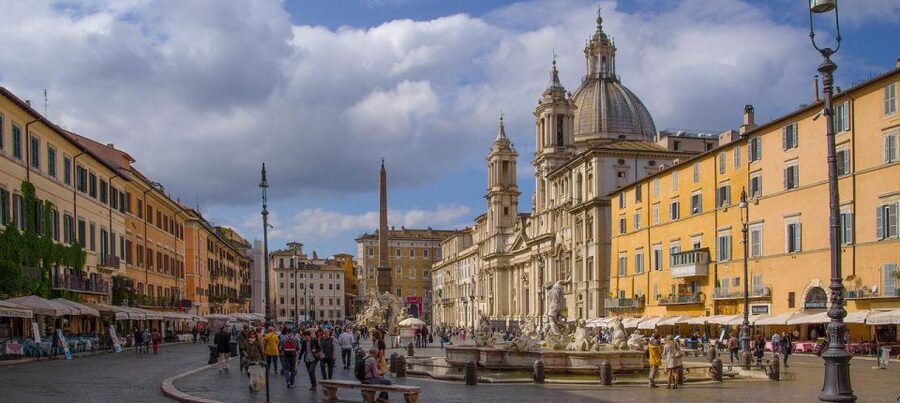
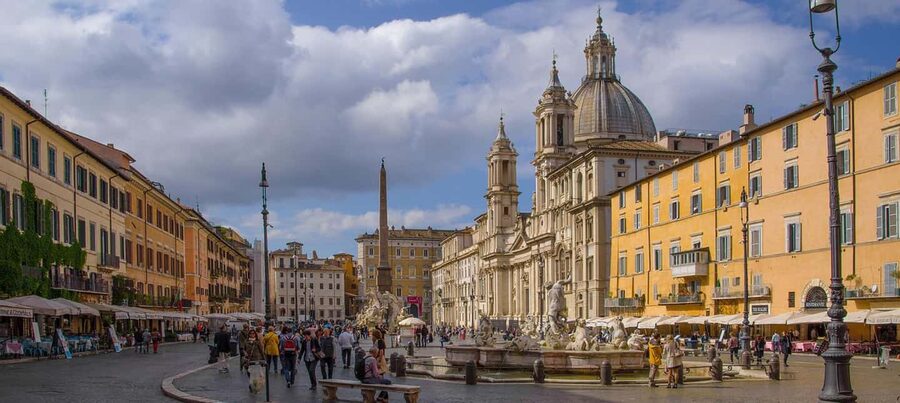
Piazza Navona receives another 15-minute guided visit. Its long, open shape and Baroque buildings make it one of Rome’s most recognizable public spaces, but this tour focuses on the stories attached to the palaces facing the square.
The guide brings in tales of spectral presences and unsettling events. These stories add a slightly spooky layer without turning the entire visit into theater. You still see the square as a major Roman monument, but you also hear the kind of local legends that are easy to miss in a standard sightseeing walk.
This is one of the places where the guide’s personality matters most. Past guides including Célia, Sarah, Camilla, and Marinelly were praised for being animated, friendly, and able to make frightening stories entertaining rather than gloomy. Guide assignments can change, so do not assume you will receive a particular person, but the experience clearly depends on strong delivery.
If you prefer strictly academic history, the mix of fact and legend may not suit you. If you like Rome’s stranger side, Piazza Navona should be one of the more enjoyable parts of the route.
Campo de’ Fiori and the story of Giordano Bruno
The walk then reaches Campo de’ Fiori, a square with an impressive but painful connection to Giordano Bruno. The guide explains Bruno’s story and the events that made the square a place of public punishment and memory.
This stop gives the tour more weight. The crypt is unsettling because of the bones. The ghost stories are entertaining because they play with uncertainty. Giordano Bruno’s story is different: it brings in real conflict, intellectual freedom, religion, and punishment.
You spend about 15 minutes here. That is enough for the main account, but not enough for a long discussion of Bruno’s ideas or the full political background. Think of it as a sharp introduction that may encourage you to read more later.
Campo de’ Fiori is also a useful point in the walk because it shifts the mood away from supernatural rumor and toward documented human suffering. The tour is at its best when it makes those two sides sit next to each other.
Ending at the Church of St. Mary of the Oration and Death
The final stop is the Church of St. Mary of the Oration and Death, known in Italian as Chiesa Santa Maria dell’Orazione e della Morte. The name alone tells you that this is not a standard postcard stop.
The guide explains the church’s mysterious stories and the ideas surrounding its religious work. The tour ends here with a sense of unfinished questions, fitting the subject better than a grand finale at a famous fountain.
The supplied details do not promise an interior visit or an entry ticket for this church, so treat it as the final storytelling stop unless your guide explains otherwise. Its value lies in the atmosphere and the tale connected with the building.
Ending away from Piazza Barberini is also practical. You finish in central Rome, surrounded by places where you can continue walking or stop for dinner. One guide even helped a participant choose a restaurant, and that kind of local advice can be useful on a first visit.
How much walking and crowding should you expect?
The tour lasts two hours and links several central sights on foot. The exact distance is not provided, but the route between Piazza Barberini, the Trevi Fountain, the Pantheon, Piazza Navona, Campo de’ Fiori, and the final church requires steady walking on Roman streets.
Wear comfortable shoes. Cobblestones, crowded pavements, and frequent stops can make the route more tiring than the short duration suggests. Bring an umbrella because the tour runs outdoors between the indoor and religious sites, and weather can change.
This is not a good choice if you use a wheelchair or have limited mobility. It is also not recommended for young children. The experience works best for adults and older teenagers who can walk at a steady pace and appreciate material that deals with death and punishment.
Crowds are part of the setting, especially at the Trevi Fountain. One participant found an evening walking portion busy, though still worthwhile. A small group helps, but it cannot make central Rome quiet.
The guide can make or break the evening
The strongest part of this experience is the human delivery. You are not buying a long list of facts. You are paying for someone to connect a crypt, a fountain, a square, and a church through stories.
Several guides have received especially warm praise. Fabienne was described as exciting and thorough. Sarah was appreciated for her animated stories and skill at handling the Trevi crowds. Célia was praised for her passion, while Giuseppe was credited with presenting both the attractive and difficult sides of Rome.
Other guides mentioned positively include Gabriela, Gabby, Camilla, and Marinelly. Gabby, in particular, was remembered for offering useful restaurant and sightseeing suggestions along with the tour. These names reflect past guide experiences, not a guarantee that you can select one when booking.
The tour can sometimes become private or nearly private if few people book a particular departure. That can be a lucky outcome, giving you more chances to ask questions and a closer connection with the guide. On the other hand, a private-style experience depends on the guide being prepared and energetic. One participant felt the stories could have been presented with more drama and noted that forgotten photographs were not available during the walk.
That is a fair warning. Some guides may use visual material, but you should not count on it. The experience is built around listening and looking at the actual streets and buildings.
Is $76 a fair price?
At $76 per person, this is not the cheapest way to see Rome’s central sights. You can visit many of these outdoor locations on your own for free, and the tour does not include food, drinks, hotel pickup, or drop-off.
The price makes more sense if you value three things: a Capuchin Crypt admission ticket, a guide who can tell the stories in several languages, and a compact route through major sights. Buying the crypt ticket separately and arranging a private guide could cost more, while walking the route alone would cost less but leave you to research the legends and history yourself.
I would call the price reasonable for a first visit if the crypt is high on your list and you want an evening activity that is more unusual than a standard city walk. It is less attractive if you have already toured the Pantheon, Trevi Fountain, and Piazza Navona in depth, or if you want long stops at each monument.
The free cancellation policy, available up to 24 hours before the tour, and the reserve-now, pay-later option reduce some booking risk. Still, check the starting time for your date and arrive early. Flexibility does not help if you miss the meeting point.
What to wear and what not to bring
Dress for both a religious site and a walking tour. Shorts, short skirts, and sleeveless shirts are not allowed. Bring a passport or other ID, comfortable shoes, and an umbrella.
Large bags and luggage are not allowed. Pack lightly, especially if you are coming directly from a train station or hotel checkout. You also cannot take photos or videos inside the crypt, so do not plan the visit around collecting images.
The modest dress rule is more than a technical detail. You are entering a religious setting, and suitable clothing makes the visit smoother. If you are uncertain about what to wear, choose covered shoulders and knees.
Who should book this Rome dark past tour?
I would recommend it to you if you enjoy unusual history, local legends, old churches, and walking tours that go beyond the standard highlights. It is particularly useful during a first Rome visit because you see several essential sights while learning how to notice the less obvious stories around them.
It also suits couples, friends, and older teenagers. The small-group option gives the walk a more personal feel, and a private departure may be available. If you enjoy asking questions, check whether a private format fits your budget.
I would skip it if you dislike human remains, ghost stories, or mixed fact-and-legend storytelling. It is also a poor match for anyone who wants a slow architectural tour, a fully accessible route, or a child-focused activity.
Should you book it?
Book this tour if the Capuchin Crypt sounds fascinating and you want Rome’s famous center explained through its darker stories. The crypt is the main reason to go, while the route through the Trevi Fountain, Pantheon, Piazza Navona, Campo de’ Fiori, and the Church of St. Mary of the Oration and Death gives you a useful overview of central Rome.
Do not book it expecting lengthy visits inside every monument. The schedule is brisk, the walk can be crowded, and the quality depends heavily on your guide’s storytelling. Arrive early, dress modestly, wear good shoes, and keep your group small if possible. For the right audience, this is an engaging two hours that shows Rome as a city of beauty, faith, folklore, and uncomfortable truths.
FAQ
How long does the Dark Past Walking Tour last?
The tour lasts two hours.
Where does the tour begin?
It begins at the corner of Piazza Barberini, 21, and Via di S. Nicola da Tolentino, next to the Hotel Bernini.
Where does the tour end?
The tour ends at the Church of St. Mary of the Oration and Death.
Is the Capuchin Crypt ticket included?
Yes. The entrance ticket to the Crypt of the Capuchins is included.
Are photographs allowed inside the Capuchin Crypt?
No. Photography and video are not allowed inside the crypt.
Which languages are available?
The tour is available in English, Italian, Portuguese, Russian, Spanish, and French.
Is the tour suitable for children?
No. Children under 12 are not suitable for this tour.
Can wheelchair users join the tour?
No. The tour is not recommended for wheelchair users or people with mobility impairments.
Newest reviews from Rome
- ROME:Colosseum & Ancient Rome – private/small group TOUR★ 5.0 · 24 reviews
- Off the Beaten Track in Rome: Rione VI Parione Private Tour★ 5.0 · 24 reviews
- Cinematic Photoshoot in Rome★ 5.0 · 24 reviews
- Rome: Best of Colosseum and Roman Forum Small Group Guided Tour★ 4.5 · 24 reviews
- The Labyrinth of Rome between catacombs and ancient quarries★ 4.5 · 24 reviews
- Vatican and Trionfale Market Tour with Wine and Food Tasting★ 5.0 · 24 reviews
- private tour: Vatican Museums, Sistine Chapel, St. Peter’s Basilica★ 4.5 · 24 reviews
- Skip the Line: Vatican Wheelchair Accessible Private Tour★ 5.0 · 24 reviews
Catacombs & Crypts, compared.

Crypts and Catacombs Underground Tour with Transfers
Read our review →
The Original Roman Crypts and Catacombs Tour with Transfers
Read our review →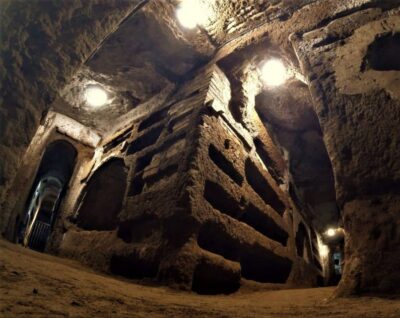
Catacombs of St. Callixtus Entry Ticket & Guided Tour
Read our review →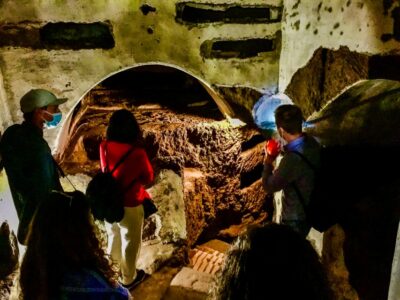


Rome EBike Tour: Appian Way, Catacombs & Roman Aqueducts
Read our review →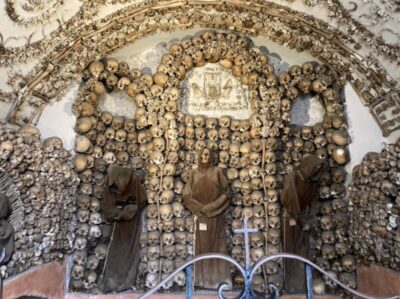
Catacombs and Capuchin Crypt Guided Tour with Transfer
Read our review →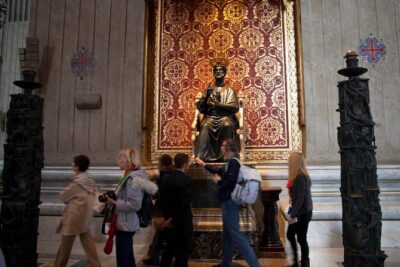
St. Peter’s Basilica Priority Access Tour with Dome & Crypt
Read our review →Browse the lists this tour appears in