
Reviewed · TRASTEVERE TOURS
Rome: Food & Wine Tour of Campo de Fiori, Ghetto, Trastevere
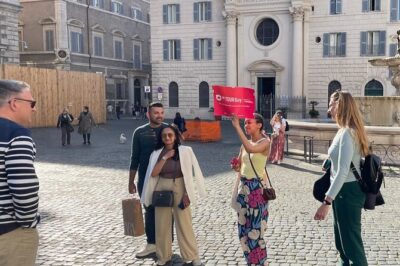
Rome’s food story is easiest to understand one bite at a time. This tour links Campo de’ Fiori, the Jewish Ghetto, and Trastevere, pairing Roman specialties with the streets, shops, and neighborhood traditions that gave them meaning.
I like the generous range of tastings, from crisp supplì and fried artichoke to pizza bianca, fresh pasta, and gelato. I also like the small group limit, which gives guides such as Natasha, Lisa, Mariel, and Anastasia room to answer questions and keep the walk social.
The main caution is dietary flexibility. The provider cannot guarantee special food restrictions, and the tour is not suitable for vegans or people with food allergies. Afternoon departures also skip the Campo de’ Fiori market.
In This Review
- Key points at a glance
- Why this food walk works so well in Rome
- Starting with Campo de’ Fiori Market
- Pizza bianca, mortadella, mozzarella, and salami
- Exploring the Jewish Ghetto through its food
- Trastevere for pasta and gelato
- How much food and wine do you receive?
- Group size, guides, and the walking pace
- Choosing morning or afternoon
- Dietary limits and who should skip it
- Should you book this Roman food tour?
- FAQ
- How long does the food tour last?
- What neighborhoods does the tour visit?
- Does every departure visit Campo de’ Fiori Market?
- What food is included?
- Is the tour suitable for vegetarians or people with allergies?
- What should I bring to the tour?
Key points at a glance
- A full Roman tasting menu on foot: Try pizza bianca with mortadella, mozzarella, salami, supplì, fried artichoke, codfish, pasta, wine, and gelato.
- Three very different neighborhoods: The route connects the market quarter, the Jewish Ghetto, and Trastevere.
- Morning and afternoon routes differ: Morning tours include Campo de’ Fiori Market, while afternoon tours replace it with a grocery shop and aperitif.
- Small groups help: The maximum group size is 15, with private options also available.
- Come hungry: Several people found the portions generous enough to feel like a full meal.
- A useful first-day activity: You leave with tips on Roman food, shops, restaurants, ordering customs, and places to return to later.
Why this food walk works so well in Rome
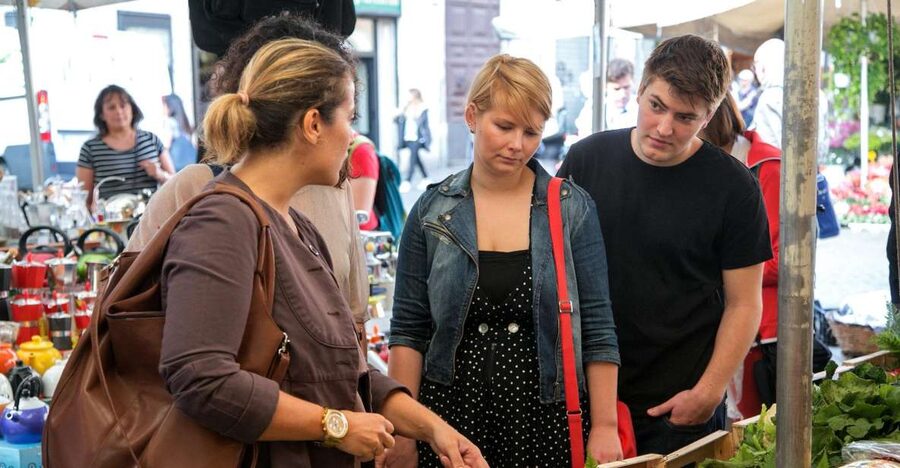
Rome can be hard to read from a sightseeing map. The Colosseum and Pantheon are obvious stops, but the city’s food culture is tucked into bakeries, counters, markets, and family-run restaurants. This experience helps you connect those places.
The route is not just a series of snacks. Your guide explains how Roman food fits into daily life, how to judge pasta quality, and why certain dishes belong to particular neighborhoods. You also get practical help with ordering, choosing gelato, and spotting good food shops after the tour ends.
That mix of eating and local context is the tour’s strongest feature. Several guides, including Natasha, Valeria, Lisa, Mariel, and Gloria, have been praised for making the walk both informative and relaxed. The guide matters here because the food samples are only half the point. You want someone who can explain what you are eating without turning lunch into a lecture.
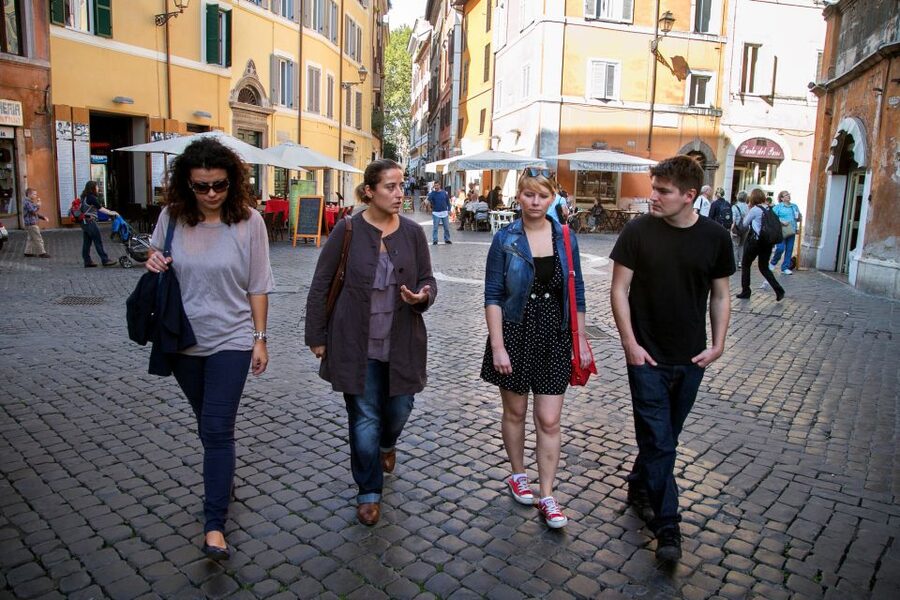
The pace is a useful middle ground. You walk through several central districts, but the route includes regular food stops and bathroom opportunities. It is not a strenuous hike, though Rome’s paving stones and uneven streets make comfortable shoes important.
More Trastevere tours and tastings:
- Winner 2025 Rome Twilight Trastevere Food Tour by Eating Europe
★ 5.0 · 5,157 reviews - Rome: Trastevere or Jewish Quarter Street Food Tour
★ 4.8 · 3,839 reviews - Rome: Trastevere Food tour with Free-Flowing Fine Wine
★ 5.0 · 2,853 reviews
Starting with Campo de’ Fiori Market
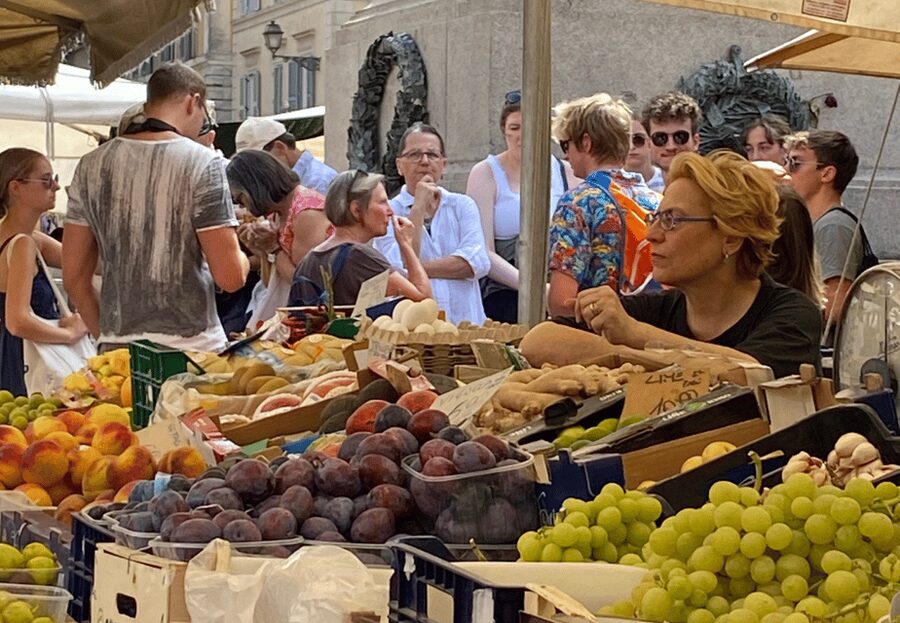
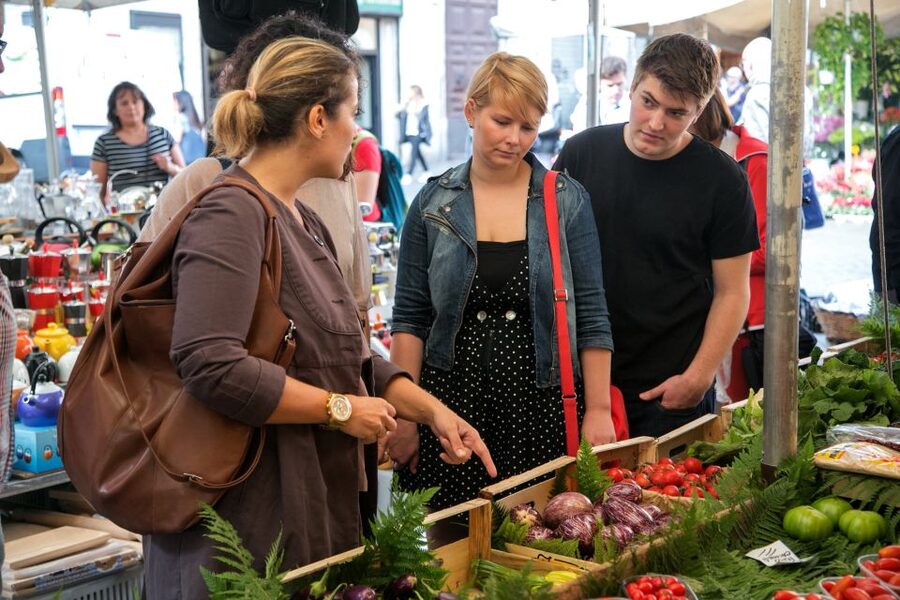
The morning option begins with Campo de’ Fiori Market, one of Rome’s best-known places to see produce, spices, and specialty foods displayed for shoppers. The market gives the tour an immediate sense of place. Instead of hearing a general speech about Italian ingredients, you can look at the fruits, vegetables, cheeses, and other products that shape Roman cooking.
The market portion is especially useful if you are new to Italian food shopping. Your guide can point out the difference between everyday ingredients and items aimed mainly at visitors, while explaining how food sellers fit into Roman life. The provided details do not promise a set list of market samples, so the exact experience may vary with the season and the stalls open that day.
One of the clear advantages of the morning departure is timing. You see Campo de’ Fiori as a working market rather than simply a pretty square surrounded by restaurants. If the market is important to you, choose the morning option and check the meeting point carefully, since it can change with the option booked.
Afternoon departures do not include the market because of opening hours. Instead, the tour visits a typical grocery shop and includes an aperitif. That substitute still gives you a look at local food buying, but it is not the same experience as walking through the open-air market.
Pizza bianca, mortadella, mozzarella, and salami
A Roman food tour should explain pizza bianca, and this one does. The airy, lightly salted bread is served with thin slices of mortadella, making a simple snack that is closely tied to Roman eating habits.
This is one of the tour’s most useful tastings because it shows how Roman food often depends on quality ingredients rather than elaborate preparation. The contrast between warm bread and savory mortadella is straightforward, satisfying, and easy to find again on your own.
You also taste mozzarella with Roman salami. That stop shifts attention from baked food to dairy and cured meat, giving you a chance to compare texture, freshness, and seasoning. The tasting is also a practical lesson in how Italians build a meal from a few well-chosen products.
Do not treat these early stops as small samples that will leave you waiting for lunch. The portions are described as generous across the experience, and many people found themselves comfortably full before the final gelato. A light breakfast, or no breakfast, makes sense for the morning departure.
Exploring the Jewish Ghetto through its food
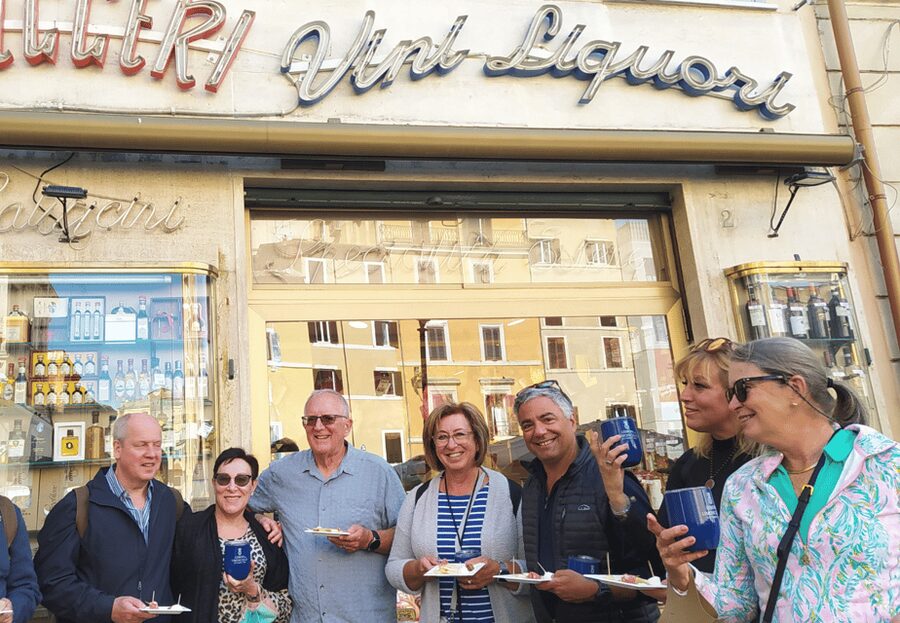
The Jewish Ghetto is one of the most rewarding sections of the walk because food and neighborhood history are closely linked here. Your guide explains the area’s past while taking you to groceries and food stops connected with Roman cooking.
The tasting may include fried artichoke, supplì, and codfish. Fried artichoke is a signature specialty of the area, with a crisp exterior and tender center. Since artichokes are seasonal, the exact preparation and availability may depend on the time of year. One particularly useful tip is to visit during artichoke season if this dish is a priority.
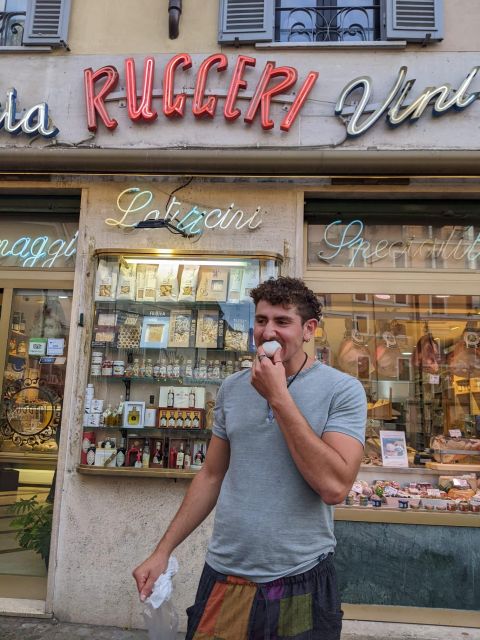
Supplì is a very Roman snack: a fried rice ball with tomato flavor and melted mozzarella inside. The outside should be browned and crisp, while the center remains soft and cheesy. It is filling, portable, and a good example of how Rome turns simple ingredients into satisfying street food.
Fried codfish adds another angle. Its presence shows that the neighborhood’s food traditions are not limited to pasta and pizza. The guide uses these tastings to connect cooking with local customs and the area’s Jewish-Roman identity.
This part of the tour also seems to be a favorite for people who want more than restaurant recommendations. The guide points out the relationship between streets, food shops, and the people who have shaped the district. You get a better sense of why a dish belongs in one neighborhood rather than another.
More Jewish Ghetto walks:
- Jewish Ghetto and Trastevere Tour Rome
★ 4.5 · 1,729 reviews - Jewish Ghetto and Synagogues with Jewish Roman Guide 3 Hours
★ 5.0 · 907 reviews - Rome: Eat Like a Roman Ghetto & Campo de’ Fiori Food Tour
★ 5.0 · 743 reviews - Jewish Ghetto & Piazza Navona: Food, Wine & Sightseeing Rome Tour
★ 5.0 · 460 reviews
Trastevere for pasta and gelato
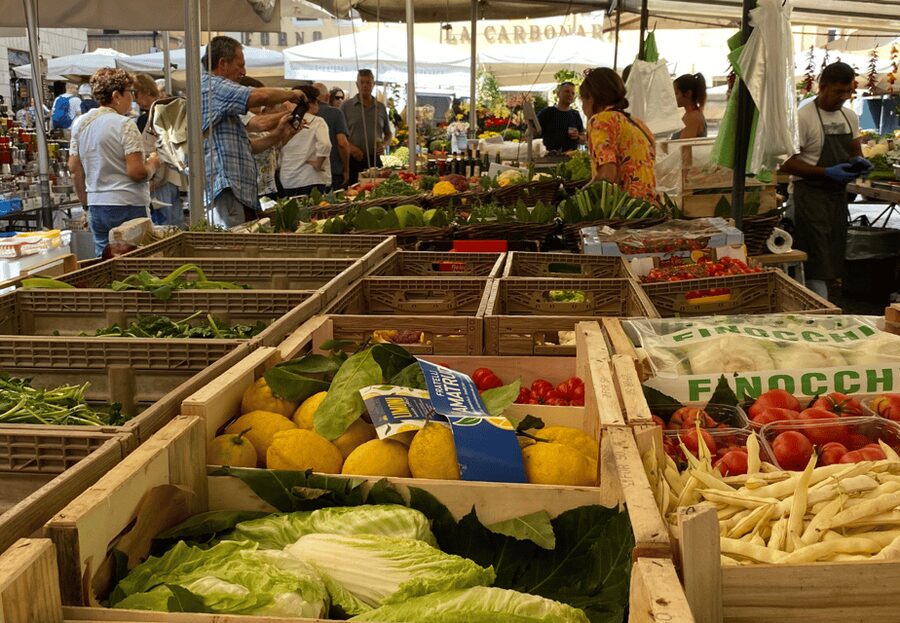
The walk continues into Trastevere, where the food stops move toward traditional restaurants, pasta, and dessert. The neighborhood is known for its picturesque lanes and lively atmosphere, but the value of the tour is that you are directed toward places selected for their food rather than left to guess among menus.
The pasta tasting comes with a lesson on what separates good pasta from the rest. You may learn about texture, preparation, ingredients, or the way pasta is served, but the supplied information does not specify one fixed dish. That flexibility is sensible in Rome, where menus and restaurant offerings can change.
This stop is more useful than simply eating a plate of pasta because it gives you a reference point for later meals. After tasting well-made pasta and discussing it with your guide, you can pay closer attention to texture and sauce balance at other restaurants.
The final food stop is gourmet gelato in Trastevere. Your guide explains how to recognize quality gelato, a skill that can save you from choosing based only on bright colors or oversized displays. The tour ends on a cool, sweet note, which works particularly well after several savory stops and a long walk.
Even people who arrive ready for dinner should plan carefully. The food is plentiful enough that this can function as a substantial meal, especially on an afternoon tour. If you book it as a pre-dinner activity, keep your later meal flexible.
How much food and wine do you receive?
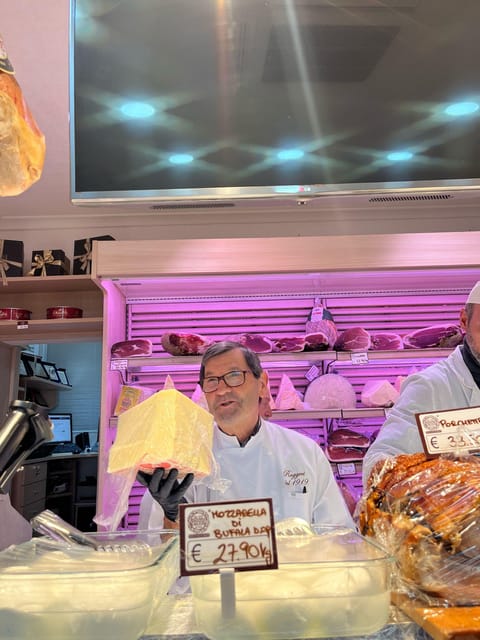
The listed tastings include pizza bianca with mortadella, mozzarella and Roman salami, Jewish Ghetto specialties, pasta, wine, and gelato. The food is presented across several stops rather than in one formal sitting, so you experience the city as Romans often do, through short meals, snacks, and shared plates.
The tour description also refers to regional wines. The exact wines and pours are not specified, so you should not book it expecting a formal wine class or a set tasting flight. Think of wine as part of the meal and neighborhood experience.
At $81 per person, the price is reasonable if you value guidance and variety. You are paying for several tastings, an English-speaking food guide, a walking route through three districts, and access to places you might not identify on your own. The tour can also replace one large meal, which improves the value.
It is less compelling if you mainly want a market visit and plan to eat only a few bites. In that case, the afternoon grocery stop may not match your expectations, and additional food beyond the program costs extra. The best value comes when you arrive hungry, ask questions, and use the guide’s restaurant and shop suggestions later in your trip.
Group size, guides, and the walking pace
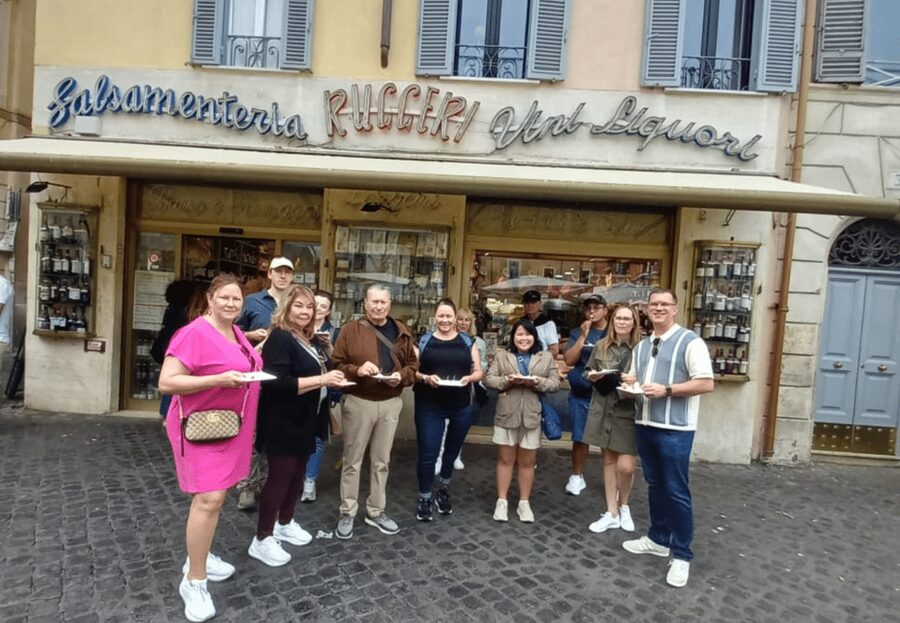
Groups are limited to 15 people, with private group options available. That is a sensible size for a food walk. You can hear explanations at each stop without needing to crowd around the guide, and there is a better chance to ask about dishes, restaurants, and Roman habits.
The experience depends partly on your guide’s style. Past departures have been led by Natasha, Lisa, Mariel, Valeria, Gloria, Anastasia, Federica, Luca, and others. The strongest pattern is a warm, social approach mixed with food and neighborhood knowledge.
Solo visitors should consider this tour in particular. The shared stops make it easy to chat with the rest of the group, and the food gives everyone an immediate subject. Couples and families also get a good introduction to local dishes without having to plan several restaurant visits.
The walk is described as manageable, but you still need to be ready for Rome’s streets. Wear comfortable shoes, and bring sun protection in hot weather. Sunglasses, a hat, sunscreen, and an umbrella are sensible choices because the tour operates in all weather.
Large bags and luggage are not allowed. Do not arrive directly from a hotel transfer with a suitcase or oversized day bag, since that could create a problem at the meeting point.
Choosing morning or afternoon
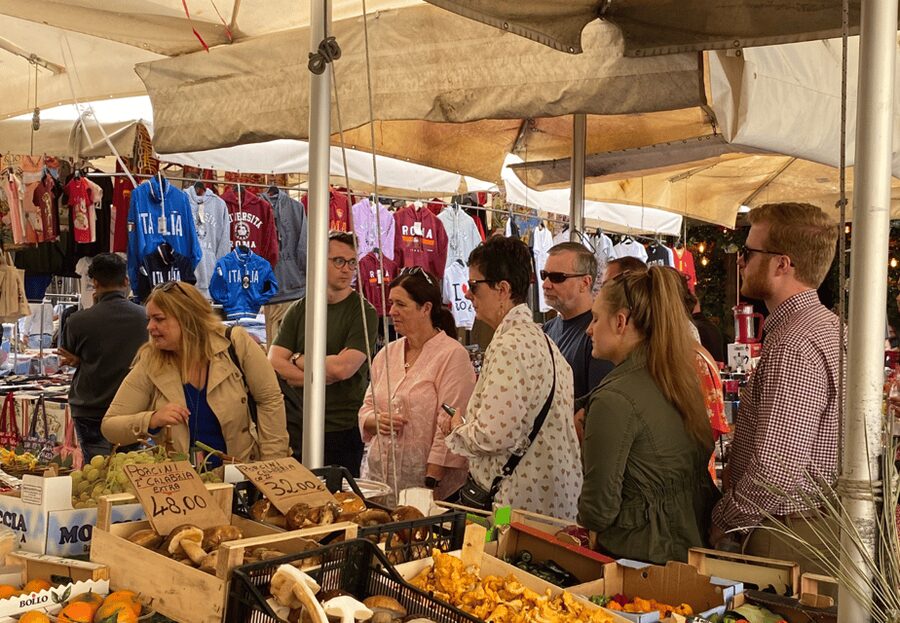
The morning option is the better choice if Campo de’ Fiori Market is a major reason for booking. You get the open-air market visit and can then use the rest of the day to revisit a shop or restaurant that caught your attention.
The afternoon option has a different rhythm. It replaces the market with a grocery store and aperitif, then still covers the Jewish Ghetto and Trastevere tastings. This may suit you better if you prefer a later start or want the tour to serve as an early dinner.
The tour length is listed as two to three and a half hours, with the full route described as three and a half hours. Check the exact option and start time before booking, since timing and the meeting point can vary.
I would schedule this near the beginning of your Rome stay. You will learn where to eat, how to order, and which foods deserve another try. Several people used the tour’s restaurant and shop suggestions on later evenings, which is one of the best signs that the experience has practical value beyond the day itself.
Dietary limits and who should skip it
This is not a good choice for vegans or people with food allergies. The provider cannot guarantee accommodations for special food restrictions, so you should contact them before booking if your needs are significant.
Vegetarians may find some flexibility. One vegetarian participant received accommodation, but that does not mean every departure can offer a complete vegetarian menu. Ask in advance and do not assume substitutions will be available.
The tour is also not suitable for wheelchair users. The route is a walking experience through central neighborhoods, and no hotel pickup or drop-off is included. You need to reach the meeting point independently, with the exact location depending on the option selected.
Free cancellation is available up to 24 hours before the tour for a full refund, and you can reserve now while paying later. Those policies help if your Rome schedule is still shifting, but the food and access limits matter more when deciding if the tour fits you.
Should you book this Roman food tour?
Book it if you want a filling, social introduction to Roman food with enough neighborhood history to give each dish meaning. The variety is the main strength: pizza bianca, mortadella, mozzarella, salami, supplì, fried artichoke, codfish, pasta, wine, and gelato cover much more ground than a single restaurant meal.
I would choose the morning departure for the Campo de’ Fiori Market and book the tour early in your visit. Come hungry, wear good shoes, and save the guide’s restaurant tips in your phone. Skip it if you need strict allergy control, follow a vegan diet, use a wheelchair, or prefer a short tasting with little walking.
At $81, it is a solid buy for anyone who wants Rome explained through what people eat, where they shop, and how they share a meal. The 4.8 rating from 413 reviews fits the experience’s strongest qualities: plentiful food, friendly guides, a relaxed route, and useful advice you can apply for the rest of your stay.
FAQ
How long does the food tour last?
The tour lasts between two and three and a half hours, depending on the option booked. The full walking tour is described as three and a half hours.
What neighborhoods does the tour visit?
The route visits Campo de’ Fiori, the Jewish Ghetto, and Trastevere. The exact meeting point may vary by booking option.
Does every departure visit Campo de’ Fiori Market?
No. The morning option includes the market visit. The afternoon option replaces it with a typical grocery store visit and aperitif because the market is closed later in the day.
What food is included?
Included tastings are pizza bianca with mortadella, mozzarella with Roman salami, Jewish Ghetto specialties such as fried artichoke, supplì, and codfish, plus pasta and gourmet gelato in Trastevere. Wine is also part of the food experience.
Is the tour suitable for vegetarians or people with allergies?
The provider cannot guarantee accommodations for special food restrictions. The tour is not suitable for people with food allergies or vegans. Some vegetarian accommodations have been possible, but you should ask before booking.
What should I bring to the tour?
Bring comfortable shoes, sunglasses, a sun hat, sunscreen, and an umbrella. Luggage and large bags are not allowed, and hotel pickup and drop-off are not included.
More Food Tours in Rome
- Rome: Trastevere & Campo de Fiori Street Food Walking Tour
★ 4.9 · 2,768 reviews - Rome Street Food Tour with Local Guide
★ 5.0 · 2,361 reviews - Rome: Award Winning Trastevere Group Food Tour with Wine
★ 5.0 · 2,273 reviews - Rome: Guided Food Tour in Trastevere
★ 4.8 · 2,266 reviews
More Wine Tours in Rome
- Rome: Tuscany & Montepulciano Day Trip with Lunch & Wine Tasting
★ 4.5 · 5,232 reviews - Rome: Pasta & Tiramisu Class with Fine Wine by the Vatican
★ 4.9 · 4,852 reviews - Rome Food Tour: Unlimited Tastings with Fine Wine & Barolo
★ 5.0 · 3,365 reviews - Rome: Pasta Making Class with Wine, Limoncello, and Dessert
★ 4.9 · 3,177 reviews
Newest reviews from Rome
- Rome: Vatican Museums & Sistine Chapel Skip-the-Line Ticket★ 4.4 · 148 reviews
- Shared Shuttle Transfer from Rome to Civitavecchia Port★ 5.0 · 148 reviews
- Rome: Crypts & Catacombs After Hours Tour with Bone Chapel★ 4.6 · 149 reviews
- Ghosts Legends and Mysteries of Rome Walking Tour★ 5.0 · 149 reviews
- Skip the Line: Vatican and Sistine Chapel with Guided Tour★ 4.0 · 149 reviews
- Tivoli: Villa Gregoriana Entrance Ticket★ 4.7 · 150 reviews
- Pizza and Tiramisu Cooking Class in Rome, Piazza Navona★ 5.0 · 150 reviews
- Rome: Borghese Gallery Skip-the-Line Entry and Guided Tour★ 4.7 · 150 reviews
Trastevere Tours, compared.
Winner 2025 Rome Twilight Trastevere Food Tour by Eating Europe
Read our review →
Trastevere or Jewish Quarter Street Food Tour
Read our review →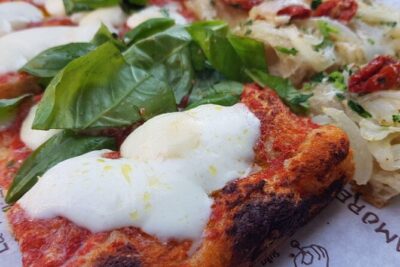
Trastevere Food tour with Free-Flowing Fine Wine
Read our review →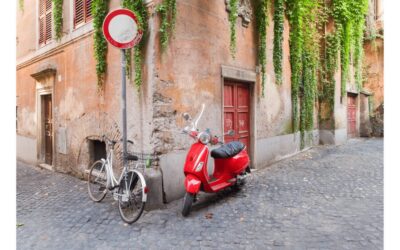
Trastevere & Campo de Fiori Street Food Walking Tour
Read our review →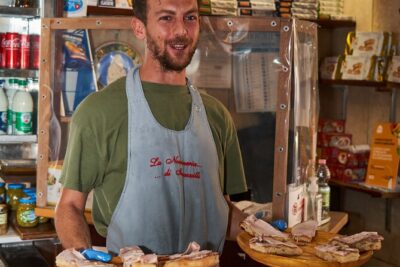
Award Winning Trastevere Group Food Tour with Wine
Read our review →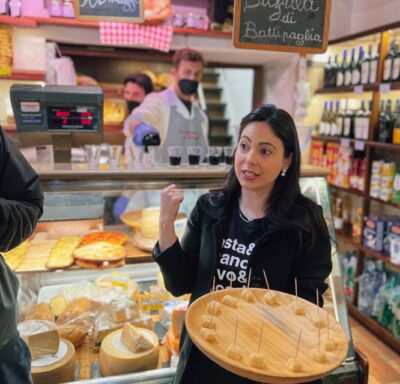
Rome Food Tour: Hidden Gems of Trastevere with Dinner & Wine
Read our review →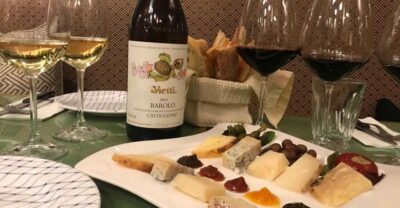
Trastevere Guided Food and Wine Tour with 20+ Tastings
Read our review →Browse the lists this tour appears in