
Reviewed · GELATO & TIRAMISU CLASSES
Rome: Gelato Masterclass with Live Chief and Tastings
The best part of this one-hour Rome experience is that it teaches you to look at gelato differently. You will measure ingredients, follow a step-by-step lesson, and learn why some gelato is smooth and flavorful while other tubs are simply frozen sugar. The class covers fiordilatte, stracciatella, and fruit gelato, then lets you taste what you have helped prepare.
I like the small group, limited to six people, and the practical tips you can use for the rest of your trip. I also like that children can take part, with families reporting that kids as young as five enjoyed the activity. The main consideration is value: one hour passes quickly, and one participant felt the price was high for the amount of hands-on time.
In This Review
- Key points at a glance
- What this Rome gelato class actually teaches
- Meeting the chef near Verde Pistacchio
- Fiordilatte: the plain base that explains everything
- Stracciatella adds the chocolate contrast
- Fruit gelato brings freshness to the lesson
- The tasting is more than a final reward
- How much value do you get in one hour?
- Why the six-person limit matters
- Is this suitable for families?
- Useful planning advice before you book
- Who should book this gelato experience?
- Should you book the Rome gelato masterclass?
- FAQ
- How long does the Rome gelato class last?
- Where is the meeting point?
- Which gelato flavors are included?
- Is the class taught in English?
- How many people can join?
- Can I cancel or pay later?
Key points at a glance
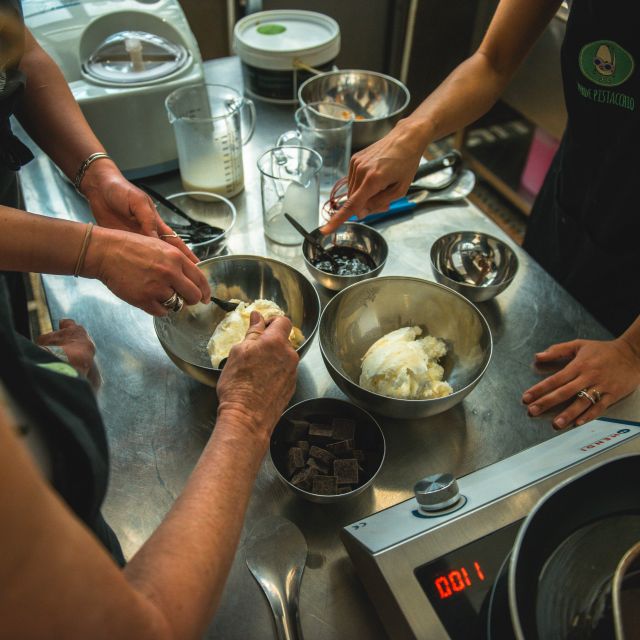
- Three classic flavors: Learn the bases behind fiordilatte, chocolate-studded stracciatella, and fruit gelato.
- A small group of six: The format gives you a better chance to ask questions and take part in measuring.
- Useful gelato-shop advice: Learn how ingredients affect flavor and what to look for when choosing gelato in Rome.
- Hands-on preparation: Tools and ingredients are ready, so you can focus on the method rather than setup.
- Family-friendly format: Children have enjoyed the class, and the instructions are designed to be easy to follow.
- A short, focused activity: The one-hour length fits neatly between sightseeing stops, but it leaves little room for delay.
What this Rome gelato class actually teaches
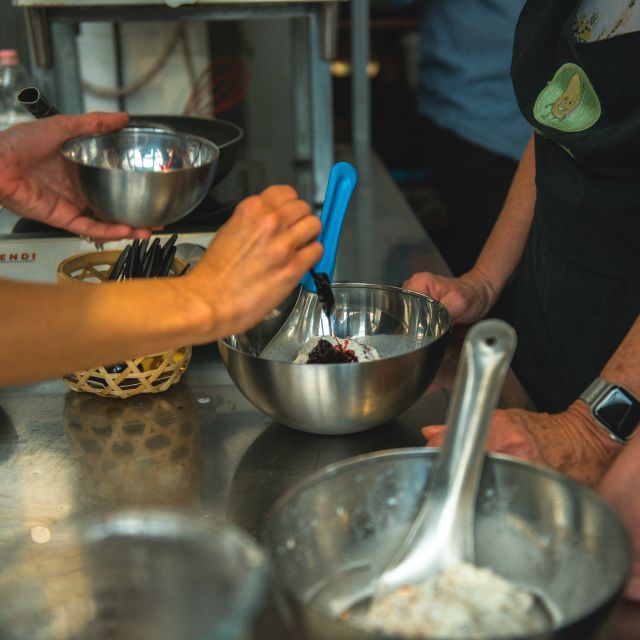
This is not just a tasting where you sit back while a chef does all the work. You meet the local chef outside Verde Pistacchio, across the road from the church, then take part in a guided lesson on making Italian gelato.
The chef provides the tools and ingredients. You learn how to choose suitable ingredients, measure them, and follow the steps needed to prepare the mixture. The lesson also covers the science of gelato, a detail that one participant found especially useful. That makes the class more than a pleasant sugar break. You leave with a better idea of how texture and flavor are built.
The teaching language is English or Italian. The guide may use both languages during the class, so if you need every explanation in English, keep that in mind when booking. The information does not name the individual chef, but the format is built around a live instructor rather than a video or printed demonstration.
At the end, you taste the gelato you made. You also try the featured flavors, which gives you a useful comparison between the basic mixture and the finished versions with chocolate or fruit.
More gelato and tiramisu classes:
- 3 in 1 Cooking Class near Navona: Fettuccine, Ravioli & Tiramisu
★ 5.0 · 7,376 reviews - Rome: Pasta & Tiramisu Class with Fine Wine by the Vatican
★ 4.9 · 4,852 reviews - Rome: 3-in-1 Fettuccine, Ravioli, and Tiramisu Cooking Class
★ 4.9 · 2,704 reviews
Meeting the chef near Verde Pistacchio
Your meeting point is outside Verde Pistacchio, across the road from the church. The listed coordinates are 41.901363372802734, 12.493927955627441, which can help if you are using a map app and want to avoid searching around the wrong side of the street.
This is a simple meeting arrangement, but it is worth arriving with a few minutes to spare. The class lasts only one hour, so a late start takes a noticeable bite out of the lesson. Look for the chef outside the shop rather than assuming the class begins at a separate cooking school.
The activity takes place rain or shine. That matters less than it would for a walking tour, since the class is held around a shop and work area, but you still need to plan for wet weather while getting there. Pets are not allowed.
Because the group is limited to six, this should feel more personal than a large food demonstration. A couple once found themselves as the only participants, which gave them plenty of room for questions and direct instruction. Group size can vary, but the six-person limit is a real advantage for anyone who wants to do more than watch.
Fiordilatte: the plain base that explains everything
The first flavor is fiordilatte. It is made with sugar, milk, and cream, and its appeal comes from its clean, simple taste.
This is the right place to start because a plain base makes the ingredients and technique easy to notice. There is no fruit or chocolate to cover a mistake. You can pay attention to the balance between dairy, sweetness, and texture.
I find this part especially useful for people who usually order the most decorated flavor on the menu. Once you understand fiordilatte, you have a reference point for judging other choices. A good plain gelato should taste fresh and milky rather than merely sweet.
The class also shows why ingredient quality matters. One of the strongest themes from the participant feedback is the difference between gelato made with good ingredients and lower-quality products. You will not simply learn a recipe. You will learn what each ingredient contributes and why a short ingredient list can be a good sign.
Stracciatella adds the chocolate contrast
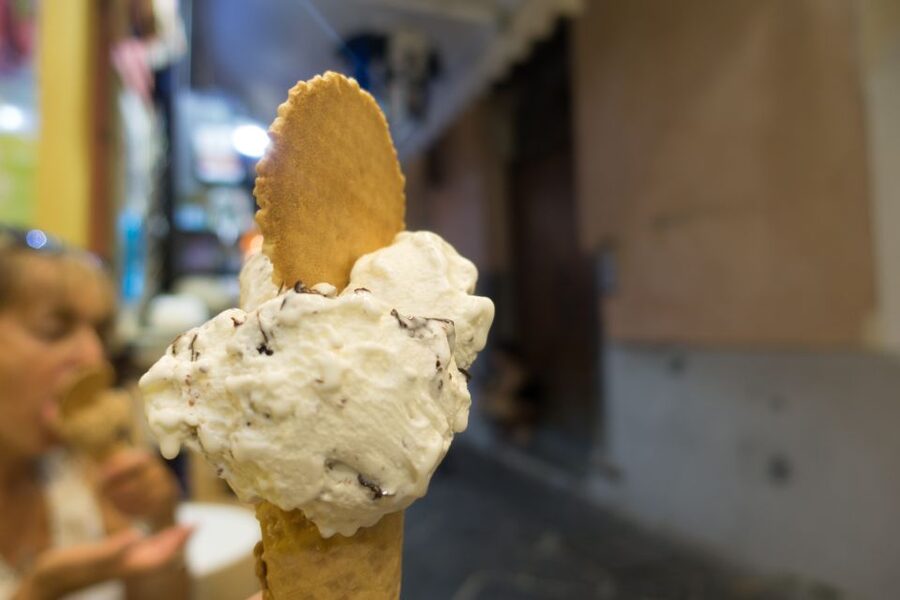
Next comes stracciatella, a creamy fiordilatte or cream base with pieces of chocolate mixed through it. The appeal is the contrast between cold, smooth gelato and crisp chocolate.
This flavor is familiar, but the class gives you a better sense of what makes it work. The chocolate should add texture and flavor without overwhelming the dairy base. The lesson also helps explain why the same flavor can taste refined in one shop and flat in another.
Stracciatella is an easy favorite for children and adults, which makes it a sensible choice for mixed-age groups. Families with children have found the activity easy to follow, and a 12-year-old participant was actively involved in the explanations and preparation.
Do not expect a long pastry-school session devoted to every possible flavor. The class focuses on a few core recipes, and that is part of its strength. You get a clear lesson rather than a rushed tour through a dozen unrelated desserts.
A completely different way to spend the day in Rome:
- Vatican: Museums & Sistine Chapel Entrance Ticket
★ 4.5 · 144,003 reviews - Vatican Museums & Sistine Chapel Tour with Optional Basilica
★ 4.3 · 67,413 reviews - Vatican Museums, Sistine Chapel & St Peter’s Basilica Guided Tour
★ 4.5 · 39,149 reviews - Rome: Colosseum, Palatine Hill and Roman Forum Guided Tour
★ 4.8 · 32,814 reviews
Fruit gelato brings freshness to the lesson
The fruit version begins with the fiordilatte base and adds pieces of fruit. The result is fresher and lighter in character than stracciatella, though the exact fruit is not specified in the activity details.
This section is useful because fruit exposes freshness in a different way. You can think about how the fruit changes the taste of the dairy base and how the pieces affect the texture. It also gives you a third style to compare with the plain and chocolate versions.
The recipes are presented as straightforward enough to repeat at home. You should not expect to leave with a professional gelato machine or a full kitchen manual, but you do receive easy-to-follow instruction and a better understanding of the process.
That practical angle is one of the strongest reasons to book. Several participants left feeling able to make gelato at home, or at least better prepared to understand recipes and ingredients. The class does not promise professional training, yet it gives you a useful foundation.
The tasting is more than a final reward
The tasting at the end is the fun part, but it also serves a purpose. You compare the flavors and notice how the same base changes when chocolate or fruit is added.
You also get to taste gelato from the shop. This is important because the class teaches both production and selection. During the rest of your Rome visit, you can use the same ideas when choosing a gelateria.
Pay attention to the points the chef makes about ingredients and quality. The most useful takeaway is not a rigid rule about which shop to choose. It is a set of questions: Does the flavor taste like its main ingredient? Is the texture pleasant? Does the product seem carefully made rather than loaded with artificial color or excess sweetness?
The specific shop flavor singled out in the feedback was salted pistachio, which one participant thought was worth the effort. Pistachio is a good test flavor because poor versions can taste overly sweet or artificial, while a well-made version has a clear nutty character. The class should help you approach such choices with a more informed palate.
How much value do you get in one hour?
The activity is short, and that cuts both ways. One hour is easy to fit into a busy Rome schedule. You can place it between major sights without sacrificing half a day, and it suits families who may not want a long cooking lesson.
The tradeoff is that the class cannot cover everything. You get three featured preparations, ingredient advice, a live explanation, and tastings, but not an extended session on many recipes or advanced technique.
No price is provided in the supplied details, so I cannot judge the exact cost. The fairest way to assess the value is to ask what you want from the experience. If you want a relaxed food tasting with a few practical lessons, the small group and generous sampling may justify a higher price. If you mainly want to eat gelato, buying several scoops in Rome will cost less and take less time.
One participant considered it overpriced, even while praising the chef and the salted pistachio. That is a useful warning. The class is best booked for the teaching and the hands-on element, not simply for the quantity of dessert.
Why the six-person limit matters
A small group changes the feel of a practical class. With no more than six participants, you should have a better chance to handle ingredients, ask about substitutions, and follow the measuring process closely.
One participant specifically enjoyed measuring their own gelato. That detail matters because many cooking activities call themselves hands-on while allowing only one person to stir or pour. Here, the information indicates that participants take part in the preparation rather than only watching the chef.
Small groups also make it easier for the guide to adjust explanations. Children can ask basic questions without slowing a large class, and adults can ask about making gelato at home or judging a shop.
Still, the guide may speak in both English and Italian. If the class is mixed-language, some explanations may take longer or be repeated. That is not necessarily a problem, but it is worth knowing before you arrive.
Is this suitable for families?
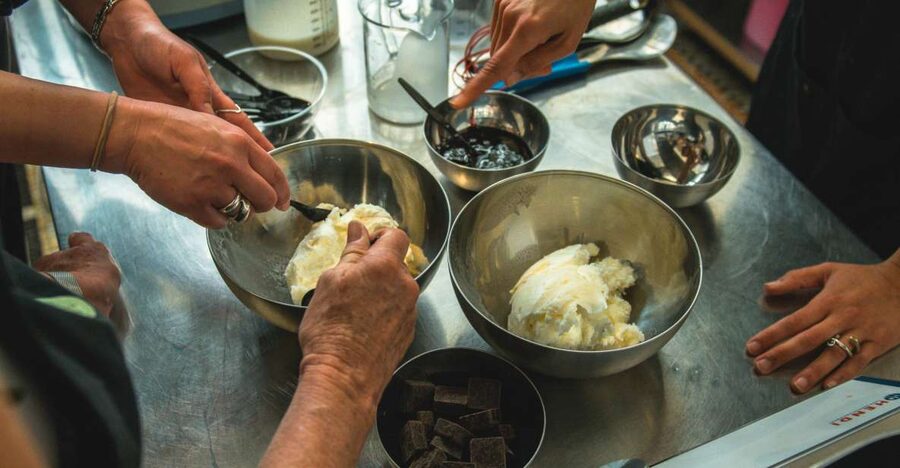
Yes, especially for families who want a short activity with an edible result. Children aged five and eight have enjoyed the class, and a 12-year-old was included in the explanations. The measuring and tasting should give younger participants something concrete to do.
You will need to judge your own children’s attention span. The class lasts one hour, and the topic includes ingredients and the science of making gelato. Children who like cooking, sweets, or simple experiments should have an easier time staying involved.
The class is also a good choice for couples and solo visitors. A couple once had a very small session and appreciated the direct contact with the chef. Solo participants may find the six-person format less awkward than a large group class.
It is less suitable if you want a full meal, a long social evening, or a broad tour of Roman food. This is a compact dessert workshop, not a general food tour.
Useful planning advice before you book
Set aside enough time to reach the meeting point outside Verde Pistacchio. Since the activity lasts only one hour, arriving late has a bigger effect here than it would on a three-hour class.
Wear something comfortable for standing and taking part in a food preparation activity. The supplied details do not promise a full meal, so do not book it as a substitute for lunch or dinner.
The experience runs in all weather, and pets are not allowed. The guide speaks English and Italian, but may use both during the class. If language clarity is important to you, ask about the session language before confirming.
Cancellation is flexible: you can cancel up to 24 hours ahead for a full refund. You can also reserve now and pay later, which helps if your Rome schedule is still changing. Availability and start times vary, so check the schedule for your date.
Who should book this gelato experience?
I would recommend it to anyone who wants a compact, practical food activity rather than a passive tasting. It is especially well suited to families, couples, and first-time visitors who plan to sample gelato throughout Rome and want to make smarter choices.
It also suits people who enjoy knowing how food works. The science, ingredient selection, and measuring give the hour a useful structure. You get more from it if you listen for the reasons behind the recipe instead of racing toward the tasting.
I would think twice if you are focused only on quantity or price. For a single hour, the experience may feel costly if you judge it by the amount of gelato served. The value rests in the instruction, small group, and advice you can use at home and in other gelaterias.
Should you book the Rome gelato masterclass?
Book it if you want to combine dessert with a simple cooking lesson. The class gives you hands-on practice, three classic flavors, shop tastings, and useful guidance on ingredients and gelato quality. The 4.7 rating from 24 recorded ratings supports the picture of a well-liked, well-run activity, with the main reservation being price.
For the best fit, choose it early in your Rome stay. That way, the advice about texture, flavor, and ingredients can guide your later gelato stops. If you want a short family activity or a cheerful break from churches and ancient ruins, this is a tasty and practical choice.
FAQ
How long does the Rome gelato class last?
The class lasts one hour. Check availability for the starting times offered on your chosen date.
Where is the meeting point?
Meet the chef outside Verde Pistacchio, across the road from the church. The listed coordinates are 41.901363372802734, 12.493927955627441.
Which gelato flavors are included?
The class covers fiordilatte, stracciatella, and fruit gelato. You taste the gelato made during the workshop and gelato from the shop.
Is the class taught in English?
The live guide speaks English and Italian. The guide may use both languages during the class.
How many people can join?
The activity is limited to six participants, making it a small-group experience.
Can I cancel or pay later?
You can cancel up to 24 hours before the activity for a full refund. You can also reserve your place and pay later, with no payment required at the time of booking.
Newest reviews from Rome
- ROME:Colosseum & Ancient Rome – private/small group TOUR★ 5.0 · 24 reviews
- Off the Beaten Track in Rome: Rione VI Parione Private Tour★ 5.0 · 24 reviews
- Cinematic Photoshoot in Rome★ 5.0 · 24 reviews
- Rome: Best of Colosseum and Roman Forum Small Group Guided Tour★ 4.5 · 24 reviews
- The Labyrinth of Rome between catacombs and ancient quarries★ 4.5 · 24 reviews
- Vatican and Trionfale Market Tour with Wine and Food Tasting★ 5.0 · 24 reviews
- private tour: Vatican Museums, Sistine Chapel, St. Peter’s Basilica★ 4.5 · 24 reviews
- 3 Hours Mosaic Workshop in Trastevere★ 5.0 · 24 reviews
Gelato & Tiramisu Classes, compared.
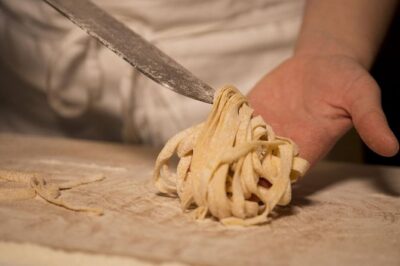
3 in 1 Cooking Class near Navona: Fettuccine, Ravioli & Tiramisu
Read our review →
Pasta & Tiramisu Class with Fine Wine by the Vatican
Read our review →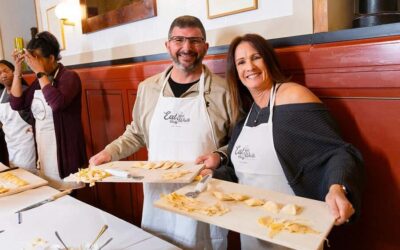
3-in-1 Fettuccine, Ravioli, and Tiramisu Cooking Class
Read our review →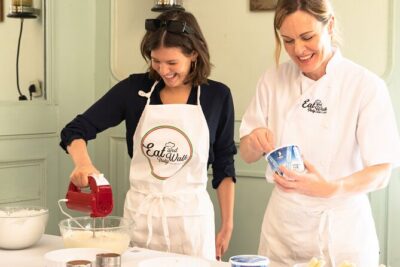
Learn to Make Pasta & Tiramisu with Wine and Limoncello Included
Read our review →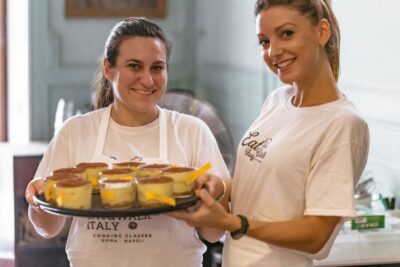
Fettuccine and Tiramisu Cooking Class with Wine
Read our review →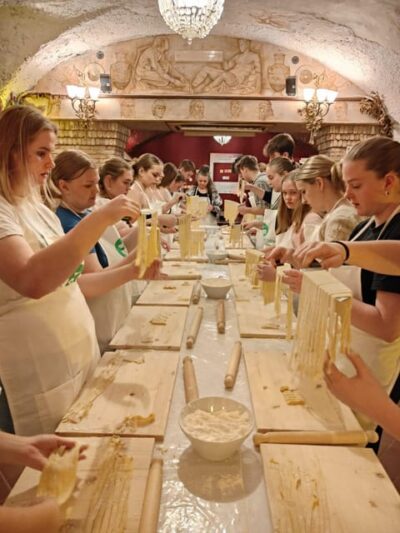
Pasta & Tiramisu Cooking Class near the Spanish Steps
Read our review →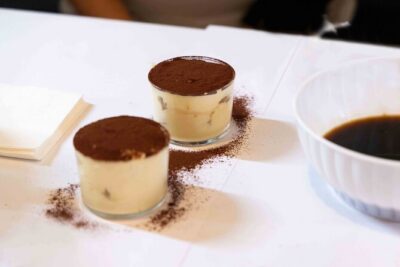
Cooking Class in the Heart of Rome: Pizza and Tiramisu Making
Read our review →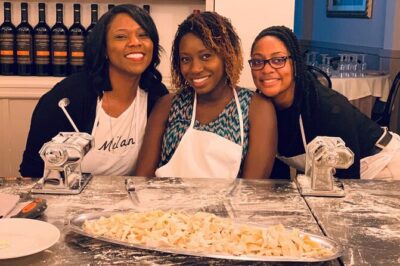
Rome Pasta and Tiramisu Class: Ravioli, Fettuccine & Fine Wine 5*
Read our review →Browse the lists this tour appears in