
Reviewed · ROME GHOST & LEGEND TOURS
Rome: Ghosts, Legends, and Haunted History Night Tour
Rome gets a different face after dinner. On this 80-minute night walk, quiet lanes, grand palaces, and familiar squares become settings for executions, poisonings, disappearances, and ghost stories. The focus is not jump scares. It is Rome’s darker past, told through real people and old legends.
I like the way the route brings you to places you might pass without a second glance, especially Via Giulia and Via Monserrato. I also like the strong storytelling style of Mike, who mixes grim facts with humor and personal knowledge of the neighborhood. The main consideration is that this is a walking tour with disturbing subjects, including murder, torture, execution, and decapitation. It is not for everyone.
In This Review
- Key things to know before you book
- Why Rome’s darker stories work so well at night
- Meeting Mike near Via del Banco di Santo Spirito
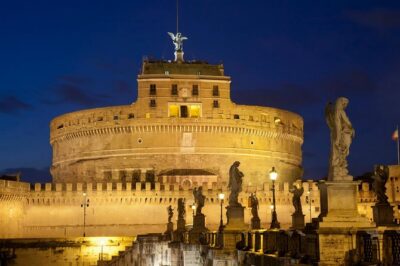
- Castel Sant’Angelo and the story of Beatrice Cenci
- Via Giulia, poison, and the Church of Death
- Via Monserrato and the stories of disappearance
- Palazzo Farnese and the beauty of a dark secret
- Campo de’ Fiori, Giordano Bruno, and public execution
- What makes the guide important
- Is $19 a fair price for 80 minutes?
- Who should book this Rome ghost tour?
- Practical tips for a smoother evening
- Should you book it?
- FAQ
- How long does the Rome Ghosts, Legends, and Haunted History Night Tour last?
- What language is the tour conducted in?
- Where does the tour meet?
- Where does the tour finish?
- What should I bring?
- Is transportation included?
- Can I cancel the tour for a refund?
Key things to know before you book
- Beatrice Cenci’s ghost: Hear the tragic tale of a young Roman noblewoman whose story ends in execution and a legend of her severed head appearing on the bridge near Castel Sant’Angelo.
- Giulia Tofana’s poison trade: Learn how a 17th-century woman helped wives escape unhappy marriages through poison, with deadly consequences.
- Rome’s execution ground: Campo de’ Fiori connects Giordano Bruno’s burning at the stake with centuries of public punishment.
- A quieter side of central Rome: Via Giulia and Via Monserrato offer atmospheric lanes away from the city’s busiest sights.
- A guide-led story walk: Mike is praised for an engaging, unscripted style that keeps adults, teenagers, and families involved.
- Good evening value: At $19 per person, the tour offers a low-cost way to see central Rome at night, though it does not include food, drinks, or transportation.
Why Rome’s darker stories work so well at night
Rome has no shortage of grand daytime sights. The Colosseum, Pantheon, and Vatican Museums make the headlines, but the city’s smaller streets often carry the stranger stories. This tour uses that less obvious side of Rome as its stage.
You walk through central streets where beautiful façades hide tales of family violence, secret crimes, religious conflict, and public death. The setting does much of the work. A narrow lane feels more unsettling after sunset, and a quiet Renaissance palace seems less polished when you hear that someone may have been walled inside it.
I would think of this as a historical storytelling walk with a ghostly edge, not a theatrical haunted attraction. The supernatural claims are part of the atmosphere, but the strongest material comes from the documented figures and events behind them.
That balance is useful if you enjoy history but do not want a formal lecture. The stories are serious, yet the tour is meant to be amusing as well as eerie. Mike’s style is reported to include humor, questions, side details, and room for conversation instead of a guide reading a fixed script.
More Rome legends after dark:
- Rome by Night Walking Tour – Legends & Criminal Stories
★ 4.5 · 1,003 reviews - Haunted Rome Ghost Tour – The Original
★ 4.5 · 668 reviews - Rome: Angels and Demons Guided Tour
★ 4.7 · 610 reviews
Meeting Mike near Via del Banco di Santo Spirito
The meeting point is at Via del Banco di Santo Spirito 25. Look for the closed barbershop with the large BARBIERE sign. This is a useful detail to note before leaving your hotel because the starting point is identified by the shop rather than a famous monument.
The tour is conducted in English and lasts about 80 minutes. That length works well after dinner. You get enough time for several stories and a proper walk without committing to a late-night marathon.
I would arrive a little early, especially if you are unfamiliar with this part of Rome. The activity does not include transport to or from the route, so you need to arrange your own way to the meeting point and onward from the finish.
The route is on foot, so wear shoes that can handle uneven city paving. Bring a light jacket too. Even on a mild Roman evening, the temperature can drop in narrow streets and open squares.
Castel Sant’Angelo and the story of Beatrice Cenci
The first major stop is Castel Sant’Angelo, the massive fortress beside the Tiber. The tour does not treat it simply as a photogenic monument. Here, the focus turns to Beatrice Cenci, one of Rome’s most disturbing and enduring legends.
Beatrice’s story involves an abusive father, an act of resistance, and a public execution that shocked 16th-century Rome. Her ghost is said to appear on the bridge near the castle, carrying her severed head.
This is the kind of story that gives the tour its shape. You are not only hearing about a ghost in an old city. You are learning how violence within a powerful family became a public drama, and how that drama later grew into a haunting tale.
The material can be grim. If you prefer light folklore, this section may feel heavy. If you want the human story behind the legend, it is likely to be one of the evening’s strongest stops.
Via Giulia, poison, and the Church of Death
From the castle area, the walk continues toward Via Giulia, one of Rome’s attractive historic streets. Its elegant appearance makes the darker stories more effective. You may find yourself looking at the street differently once you hear what happened there.
One featured figure is Giulia Tofana, a 17th-century poisoner associated with helping women escape unhappy marriages. The story is morally complicated. It is not simply a tale of a criminal. It also raises questions about women trapped in marriages and the limited choices available to them at the time.
The tour also visits the Church of Death on Via Giulia. The church was built by a confraternity devoted to burying unclaimed bodies. That purpose gives the site a stark connection to Rome’s poor, forgotten, and unidentified dead.
You hear about the group’s work and the unsettling crypt below. Access to special areas is possible when permitted, but it should not be treated as guaranteed. That distinction matters if the crypt is one of the features that attracts you. The story remains worthwhile even if access changes, but the physical setting can add a powerful jolt to the experience.
This stretch of the walk is also a good example of the tour’s value. You are not being taken only to famous monuments. You are being shown how religious groups, public charity, crime, and death shaped everyday life in old Rome.
More ancient sites near Rome:
- Rome in a Day Tour with Vatican, Colosseum and Historic Center
★ 4.5 · 1,042 reviews - Rome Food Tour in the Historic Centre with 8+ Food Tastings
★ 5.0 · 1,000 reviews - Rome: Forbidden History Walking Tour & Pub Crawl with Drinks
★ 4.9 · 688 reviews - Twilight Treasures: An Evening Tour Through Rome’s Rich History
★ 4.5 · 263 reviews
Via Monserrato and the stories of disappearance
Via Monserrato is quieter and less immediately recognizable than Rome’s major avenues. The tour uses it for stories of unsolved crimes, mysterious disappearances, and apparitions.
The strength of this stop is the setting. Narrow streets and older buildings leave room for suggestion. You can listen to the story, look at the surrounding architecture, and picture how a neighborhood might have felt before electric lighting and modern policing.
The details supplied for this stop are intentionally broad, so you should expect several eerie tales rather than one single headline event. That can be a plus if you enjoy folklore and local atmosphere. It also means the experience depends heavily on the guide’s delivery.
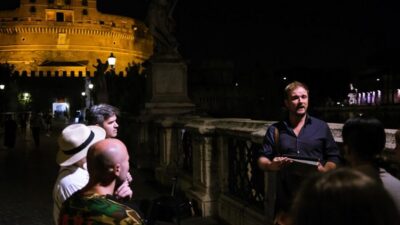
Mike is the central part of that equation. His style is described as personal, lively, and flexible, with a knack for answering questions and adding details that are easy to miss when walking alone. Families with teenagers may appreciate that energy. A younger audience is more likely to keep listening when the guide uses humor and asks for reactions.
Palazzo Farnese and the beauty of a dark secret
Palazzo Farnese brings a grand Renaissance façade into the evening’s darker mood. From the outside, it is imposing and refined. The tale attached to it is far less polished: a woman is said to have been walled up alive centuries ago, and her spirit is rumored to remain connected to the building.
This is classic Roman ghost-story territory. A beautiful building, a secret crime, and a lingering spirit create a sharp contrast between appearance and memory.
You should not expect a full interior tour of Palazzo Farnese. The attraction here is the story and the view of the building from the street. That makes the stop easy to fit into a walking route, but it also means the value comes from the guide rather than from access inside the palace.
I like this type of stop because it encourages you to look up. Rome’s famous buildings are often treated as art-history objects, yet local legends give them another layer. The palace becomes more than a Renaissance façade. It becomes a place connected to power, secrecy, and fear.
Campo de’ Fiori, Giordano Bruno, and public execution
The walk ends at Campo de’ Fiori, one of central Rome’s best-known squares. During the day, the area is associated with market stalls, restaurants, and social life. At night, its past takes over.
The square was the site of public executions, including the burning of philosopher Giordano Bruno in 1600. He was condemned for heretical beliefs and burned at the stake. His bronze statue now watches over the square, creating one of the clearest visual reminders of Rome’s history of religious punishment.
This is more than a spooky final stop. It gives the tour a serious historical edge. The ghost stories are entertaining, but the account of Bruno points to real conflict between intellectual ideas and religious authority.
Campo de’ Fiori is also a practical ending point. You are left in a lively central area with places to eat and continue your evening, although the activity itself does not include food or drinks. The supplied route information identifies Campo de’ Fiori as the finish, while the meeting details also say the activity ends back at the meeting point. Confirm the final return arrangement when booking so you know exactly where to collect yourself afterward.
What makes the guide important
A tour built around stories lives or dies by its storyteller. Here, Mike receives unusually strong praise for being friendly, funny, passionate, and able to keep people involved.
That matters because several subjects are grim. A flat delivery could make the evening feel like a list of dates and deaths. A good guide can explain the setting, give the human context, and then let the eerie part emerge naturally.
The best details associated with Mike’s tours include stories about a pleasure-seeking pope, Roman family drama, public executions, a female serial poisoner, and the conflict between science and religion. The range helps prevent the night from becoming repetitive.
You may also hear small architectural or local details that have little to do with ghosts but make the city easier to read. One account describes a visit to a hotel basement containing Roman-period construction below a newer building. Access to such areas is not guaranteed, but it shows the kind of unexpected local detail that can make a short walking tour feel personal rather than standard.
The tone seems especially suitable for families with older children and teenagers. One account describes a teenage participant staying engaged and asking for more stories. Still, parents should remember that the subject matter includes abuse, murder, poison, decapitation, and execution.
Is $19 a fair price for 80 minutes?
At $19 per person, this is inexpensive by Rome tour standards. You are paying for a live English-speaking guide, a planned route through several historic locations, and the chance to hear stories you might not find while walking alone.
The tour does not include transport, food, drinks, or guaranteed access to every special area. Those limits are reasonable at this price, but they help define what you are buying. This is a compact story walk, not a museum visit or a full sightseeing tour with admission tickets.
I see the best value in the combination of low price and unusual subject matter. If you have already seen Rome’s major monuments, this gives you a fresh evening activity. If this is your first night in the city, it can also help you notice streets and buildings that would otherwise blend into the background.
The 80-minute duration is another value point. You can fit it into an evening without giving up a full dinner or a major daytime visit. It is also short enough for people who enjoy stories but do not want hours of walking.
Free cancellation up to 24 hours before the start and the option to reserve now and pay later make the booking less rigid. Check the available start times because the exact schedule can vary.
Who should book this Rome ghost tour?
I would recommend it to you if you enjoy:
- Historical stories with a supernatural touch
- Short evening walks after dinner
- Local legends tied to real buildings and events
- Guides who use humor and conversation
- Unusual Rome experiences beyond the headline sights
- A low-cost activity for couples, friends, or families with older children
I would think twice if you dislike stories about violence, executions, abuse, or death. The tour is not suitable for people with heart problems, and it is not suitable for wheelchair users. The route involves walking through historic streets, so comfortable shoes are important.
It is also not the right choice if you expect a theatrical show with actors, costumes, or elaborate effects. The appeal is the guide, the locations, and the stories. You will spend most of the time listening outdoors and moving between sites.
Practical tips for a smoother evening
Meet at the closed barbershop at Via del Banco di Santo Spirito 25 and look for the large BARBIERE sign. Bring a light jacket even if the afternoon was warm.
Wear comfortable walking shoes. Rome’s historic center can be tiring underfoot, and the tour is more enjoyable when you are not thinking about sore feet.
Keep your expectations flexible about special access. The experience includes access to certain areas when permitted, but permission and conditions can change.
If you are traveling with teenagers, explain the subject before you arrive. The macabre material may be exactly what interests them, but the stories are not softened into harmless fantasy.
Finally, let the guide do the talking. The value comes from details tied to the exact street or building in front of you. A quick independent walk through the same area will not offer the same context.
Should you book it?
Book this tour if you want Rome after dark to feel strange, human, and full of stories rather than simply pretty. The strongest reasons are the unusual route, the Beatrice Cenci story, the Church of Death, Giordano Bruno’s execution site, and Mike’s lively storytelling.
At $19, the risk is small. The main question is your comfort with grim subjects and walking at night. If those suit you, this is a smart, affordable way to see familiar central Rome from a less polished and more unsettling angle.
FAQ
How long does the Rome Ghosts, Legends, and Haunted History Night Tour last?
The tour lasts 80 minutes. Check availability for the exact starting times.
What language is the tour conducted in?
The live tour guide conducts the experience in English.
Where does the tour meet?
Meet at Via del Banco di Santo Spirito 25. Look for the barbershop with the large BARBIERE sign. The shop will be closed.
Where does the tour finish?
The route information identifies Campo de’ Fiori as the finish. The meeting details also state that the activity ends back at the meeting point, so confirm the final arrangement when booking.
What should I bring?
Bring comfortable walking shoes and a light jacket. It can feel chilly at night.
Is transportation included?
No. Transportation to and from the attractions is not included.
Can I cancel the tour for a refund?
Yes. You can cancel up to 24 hours in advance for a full refund. You can also reserve now and pay later.
More Evening Experiences in Rome
- Rome: City Highlights Open-Top Bus Night Tour
★ 4.1 · 2,038 reviews - Rome: Paranormal Night Walking Tour & Secret Backstreets
★ 4.9 · 1,921 reviews - Vespa Sidecar Tour By Night with Pickup
★ 5.0 · 1,803 reviews - Rome by Night – Ebike Small Group Tour – Food and Wine (Option)
★ 5.0 · 1,275 reviews
Newest reviews from Rome
- ROME:Colosseum & Ancient Rome – private/small group TOUR★ 5.0 · 24 reviews
- Off the Beaten Track in Rome: Rione VI Parione Private Tour★ 5.0 · 24 reviews
- Cinematic Photoshoot in Rome★ 5.0 · 24 reviews
- Rome: Best of Colosseum and Roman Forum Small Group Guided Tour★ 4.5 · 24 reviews
- The Labyrinth of Rome between catacombs and ancient quarries★ 4.5 · 24 reviews
- Vatican and Trionfale Market Tour with Wine and Food Tasting★ 5.0 · 24 reviews
- private tour: Vatican Museums, Sistine Chapel, St. Peter’s Basilica★ 4.5 · 24 reviews
- Colosseum guided tour with Virtual Reality★ 5.0 · 24 reviews
Rome Ghost & Legend Tours, compared.
Rome by Night Walking Tour – Legends & Criminal Stories
Read our review →


Small Group Rome’s Dark Side – Ghosts & Legends Tour
Read our review →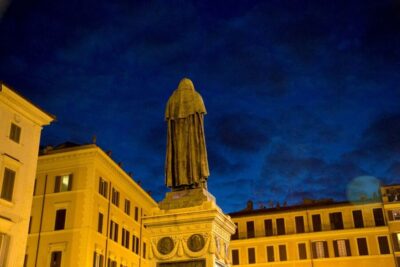
Dark Heart of Rome – Facts, Legend & Mystery Walking Tour
Read our review →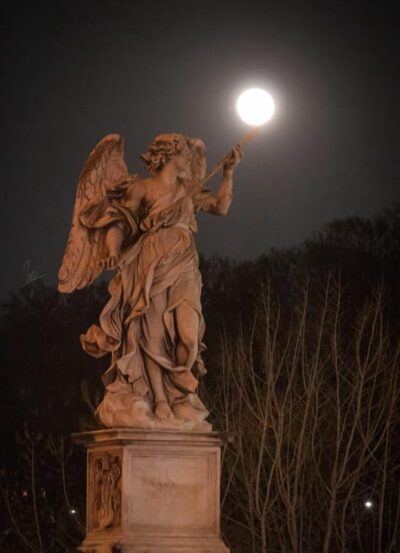
Ghosts, Legends & Mysteries of Rome Tip-Based Walking Tour
Read our review →Browse the lists this tour appears in