
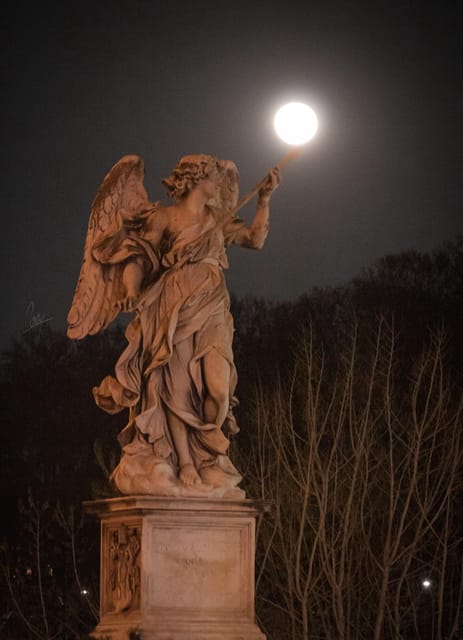
Reviewed · ROME GHOST & LEGEND TOURS
Ghosts, Legends & Mysteries of Rome Tip-Based Walking Tour
Rome has plenty of tours about emperors, fountains, and grand churches. This one takes a less polished route, following executions, poisoners, haunted places, and ugly crimes through the historic center after dark. The stories reach from Castel Sant’Angelo to Campo de’ Fiori, where Rome’s past feels much more personal and unsettling.
I like the guides’ lively delivery, especially the work of Ivan, Leonardo, Simone, Simon, and Max. I also like the direct style: you get history without tidy moral lessons, plus dark humor and useful suggestions for food, drinks, gelato, and local stops. The main drawback is the short 1.5-hour length, and the tip-based price means the advertised $3.77 is not the full amount you should plan to spend.
In This Review
- Key points to know before you go
- Why Rome’s dark side works so well at night
- Meeting at Castel Sant’Angelo
- The unnamed stops and secret corners
- The Fountain of the Mask and Rome’s strange details
- Farnese Palace and the power behind the stories
- Campo de’ Fiori and the final stories
- The stories: crimes, ghosts, witches, and poison
- Dark humor and the right audience
- Value, tips, and what the low price means
- Languages, pace, and practical planning
- Should you book the Ghosts, Legends & Mysteries of Rome walk?
- FAQ
- Where does the tour start?
- Where does the tour finish?
- How long is the tour?
- Is the tour offered in English?
- How does the tip-based payment work?
- What subjects are covered?
Key points to know before you go
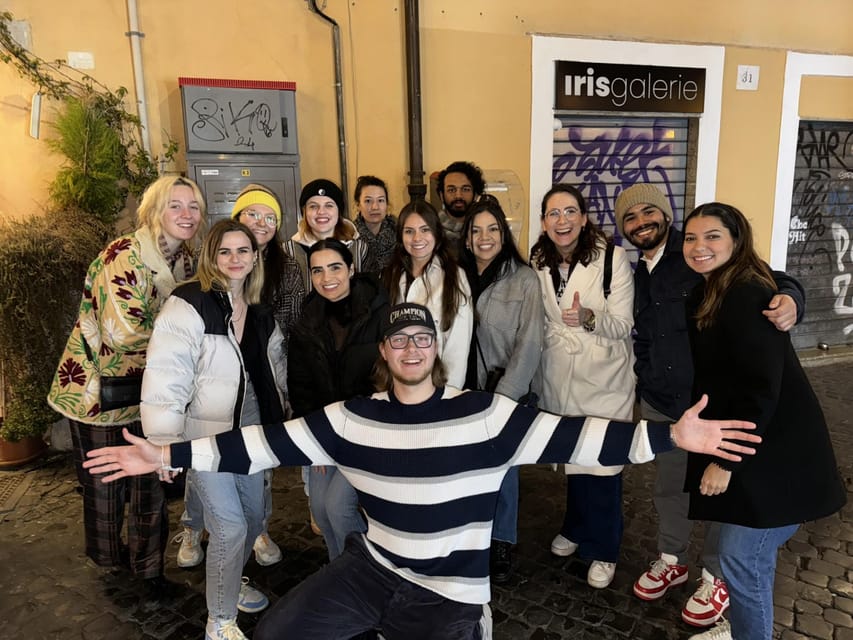
- Castel Sant’Angelo begins the story: Meet by the Sant’Angelo Bridge, directly in front of the castle entrance, then set off through Rome’s darker past.
- The walk ends at Campo de’ Fiori: The route links famous sights with less obvious corners, churches, palaces, alleyways, and secret stops.
- The subject matter is genuinely grim: Expect stories of assassins, poisoners, executions, witches, heretics, corrupt popes, and the Inquisition.
- Your guide makes or breaks the evening: Ivan and Leonardo are frequently named, while Simone, Simon, and Max have also led the walk.
- It is history with jokes: The humor is intentionally dark and sometimes politically incorrect, so this is not a gentle family story hour.
- Budget for a real tip: The booking price is low, but the guide works from tips alone. A practical amount is at least €10 per person, with the final choice left to you.
Why Rome’s dark side works so well at night
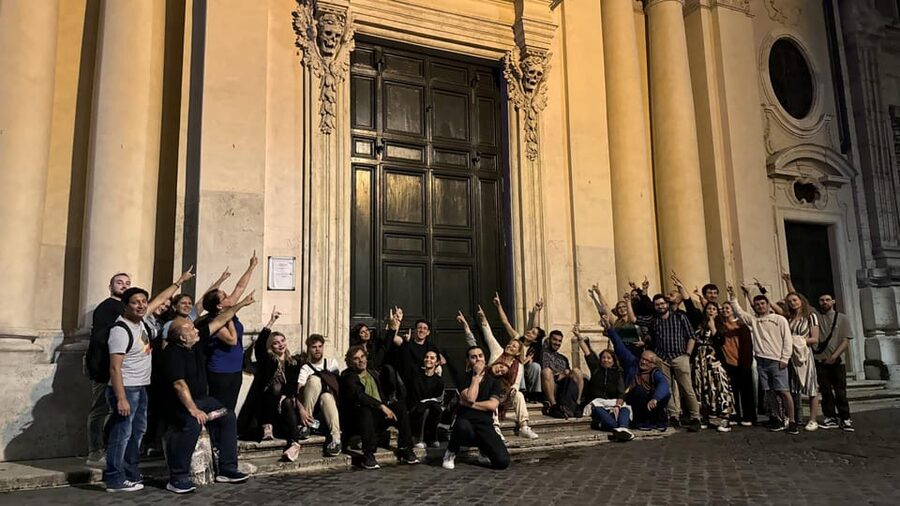
Rome can feel almost too beautiful during the day. Marble fountains, ocher walls, and postcard views tend to smooth away the unpleasant parts of the past. After sunset, the same streets make a better setting for stories about betrayal, punishment, murder, and fear.
This is not presented as a ghost-hunting expedition. The focus is the human record behind the legends. Some tales involve supernatural claims, but much of the material concerns real people and violent events connected to actual places. That mix gives the walk more substance than a simple collection of spooky anecdotes.
I especially like the way this approach adds another layer to familiar Rome. You may already know Castel Sant’Angelo as a fortress and museum, or Campo de’ Fiori as a market square and nightlife stop. Here, those places become part of a darker chain of events. The point is not to replace Rome’s major sights, but to make you look at them differently.
The humor matters, too. Guides such as Ivan and Leonardo use jokes to keep the mood from becoming relentlessly grim. That will appeal to you if you like black comedy and plain speaking. If you prefer solemn historical interpretation, the politically incorrect tone may feel too casual.
More Rome legends after dark:
- Rome by Night Walking Tour – Legends & Criminal Stories
★ 4.5 · 1,003 reviews - Haunted Rome Ghost Tour – The Original
★ 4.5 · 668 reviews - Rome: Angels and Demons Guided Tour
★ 4.7 · 610 reviews
Meeting at Castel Sant’Angelo
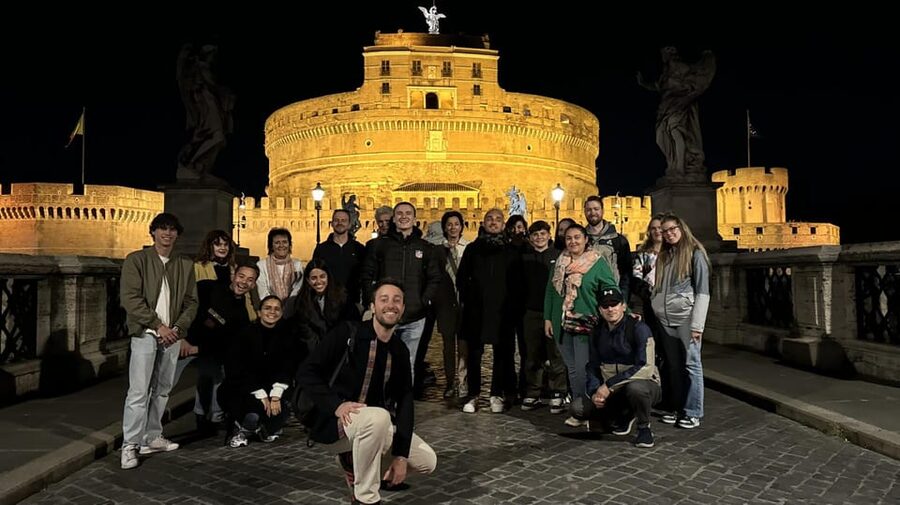
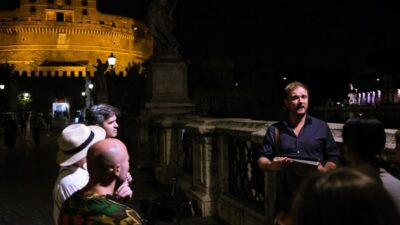
The tour starts directly in front of the entrance to Castel Sant’Angelo, by the Sant’Angelo Bridge. This is a useful meeting point because the castle is easy to recognize, but give yourself enough time to reach it. The starting area can be busy, and you do not want to begin the evening by trying to locate a guide at the last minute.
The castle provides an immediate sense of place. Its massive shape and long connection with Rome’s political and religious power make it a fitting opening for stories about imprisonment, death, and intrigue. You stop for about 15 minutes for an introduction, sightseeing, and guided storytelling.
You do not enter the castle as part of this walking tour. The experience uses the exterior setting and then continues on foot through the surrounding streets. If you want the castle museum itself, plan that as a separate visit.
This first stop also sets the tone. You are not being led through a list of standard facts about architecture. Instead, you hear about the people and events tied to the area, with the guide using the site as a stage. A strong storyteller can make a familiar building feel newly strange.
The unnamed stops and secret corners
After Castel Sant’Angelo, the route moves through several short stops. The exact names of some locations are not provided in advance, but the schedule includes guided visits of about five to ten minutes, two marked as secret stops.
That structure is worth understanding. This is not a tour where you settle in at one landmark for a long lecture. You walk, pause, listen, and move on. The short segments help keep the evening lively, but they also mean you should not expect a detailed architectural study of every building.
The secret stops are part of the appeal. They suggest a route built around lesser-known corners rather than only the monuments printed on every city map. You may find that the most memorable moments come from an ordinary-looking doorway, lane, or wall that gains meaning through the story attached to it.
The walk is also designed for face-to-face interaction. One useful detail is that the guides do not use headphones on this experience. That makes it easier to ask questions and follow a natural conversation, though you should stay close to the guide if the group spreads out.
Group size can vary. Some experiences have felt comfortably small, while one account described a larger group that made it harder for everyone to speak up. If you want to ask many questions, arrive ready to stay near the front and take opportunities to speak during pauses.
The Fountain of the Mask and Rome’s strange details
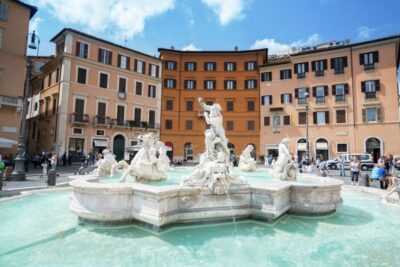
One named stop is the Fountain of the Mask, where the guide spends about five minutes on sightseeing and storytelling. It is exactly the kind of place that benefits from a local explanation. On your own, you may walk past a fountain, carving, or wall without knowing why it matters.
The stop is brief, so expect a focused story rather than a full lesson in Roman art. The value comes from the connection between a small public feature and the city’s less respectable past. This tour repeatedly asks you to notice details that standard sightseeing can leave behind.
I like this part of the route because it keeps the evening grounded. The tour is not just a string of dramatic crimes told in abstract terms. You are standing in the actual streets and squares associated with the material, seeing the setting as the guide speaks.
More walking tours in Rome:
- Rome: Trastevere & Campo de Fiori Street Food Walking Tour
★ 4.9 · 2,768 reviews - Rome: Paranormal Night Walking Tour & Secret Backstreets
★ 4.9 · 1,921 reviews - Rome: Guided City Center Evening Sightseeing Walking Tour
★ 4.4 · 953 reviews - Best of Rome Walking Tour including Trevi Fountain
★ 4.5 · 923 reviews
Farnese Palace and the power behind the stories
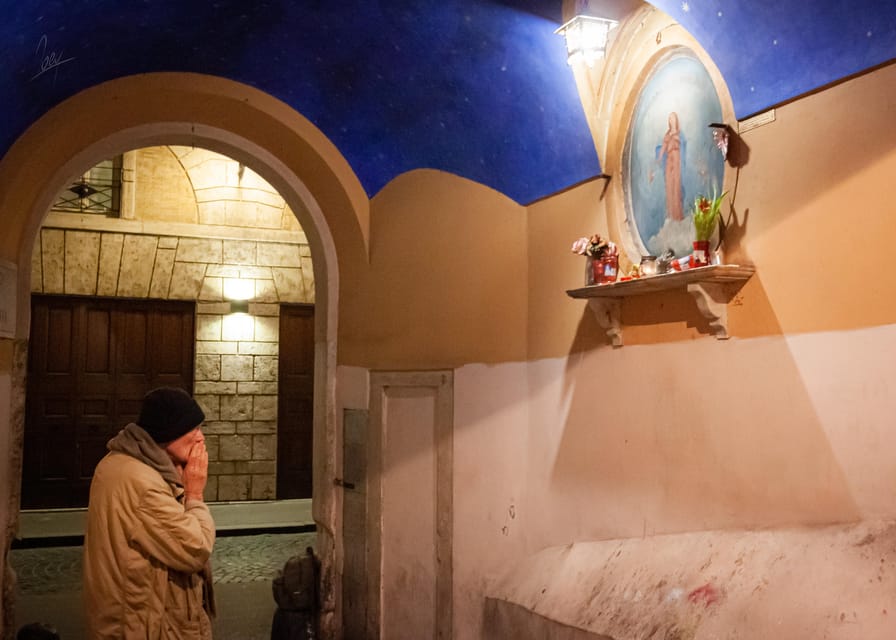
The next named stop is Farnese Palace, with another short guided visit of about five minutes. The palace adds a powerful backdrop to the walk because Rome’s darker stories are often tied to people with political, religious, or social power.
Do not expect to go inside as part of the walk. The itinerary describes sightseeing from the route, not an interior visit. The emphasis is on the building and what it represents within the broader stories of popes, influence, corruption, and punishment.
This stop is also a reminder that Rome’s crimes were not confined to shadowy alleys. Grand palaces and respected institutions could be connected to greed, cruelty, and political maneuvering. That contrast gives the tour some bite. The city’s most impressive façades do not always tell you what happened behind them.
Campo de’ Fiori and the final stories
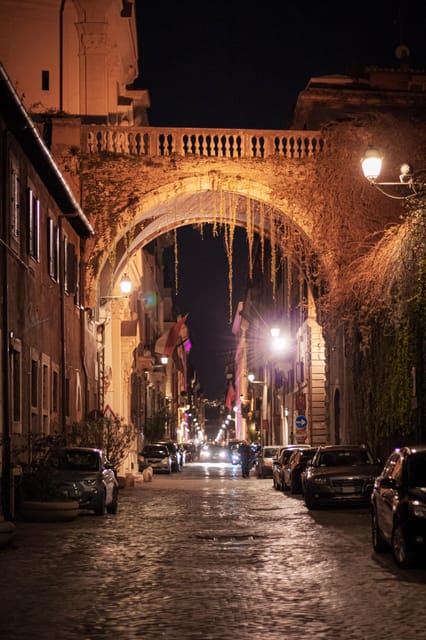
The tour finishes at Campo de’ Fiori after about ten minutes of guided storytelling and sightseeing. This is one of Rome’s most recognizable public squares, and it makes a strong ending because its present-day atmosphere can hide its darker associations.
The square is a practical place to finish. You are close to restaurants, bars, and other evening options, and the guide provides food and drink recommendations at the end. Those suggestions are a useful bonus, particularly if you want to continue the night nearby rather than return across the city.
The final stop also gives the route a sense of direction. You begin at a major fortress and finish in a famous square, passing through central Rome instead of circling one monument. The distance is manageable within the 1.5-hour schedule, but the tour is still a walking activity, so comfortable shoes make sense.
Some people may find the ending arrives too soon. The route includes many short pauses, and there is a lot of material to cover. One practical criticism is that the stories can feel loosely connected, with one person or event followed by another without a strong final climax. If you want a carefully plotted mystery with a dramatic conclusion, this may feel scattered.
The stories: crimes, ghosts, witches, and poison
The subject list is broad. You hear about ghosts and urban legends, but also executions, assassins, heretics, witches, the Inquisition, corrupt popes, and real crimes. The story of Giulia Tofana, Rome’s infamous poisoner, is one example of the more unusual material you may encounter.
That variety is a strength. You are not hearing the same ghost story in different forms for 90 minutes. The guide shifts between documented events, local legends, religious persecution, and people whose lives ended violently. The changing subject matter helps maintain interest.
At the same time, you should keep your expectations clear. This is a storytelling walk, not an academic seminar. The advertised approach is history with no filters, and the guides favor memorable detail and sharp delivery over a long discussion of sources or competing interpretations.
The best version of the experience depends on the guide’s ability to separate fact from legend while keeping the narrative moving. Ivan, Leonardo, and Simone have all been singled out by name for their strong delivery, humor, and command of the material. Simon and Max have also led well-received walks. Guide assignments can change, so book this for the format and subject, not one guaranteed individual.
Dark humor and the right audience
The humor is a central feature, not a minor extra. Guides use black jokes and sometimes politically incorrect lines to make grim material easier to follow. That can turn a serious historical subject into an entertaining evening, especially when the group is comfortable with that style.
I would recommend it to adults, couples, friends, solo visitors, and families with older teenagers who already know what they are signing up for. It suits curious people who have seen the Colosseum, Trevi Fountain, and Pantheon and want something less familiar.
I would be cautious about bringing young children. The experience includes brutality, executions, crimes, poisoning, and disturbing stories. The data does not set a minimum age, so use your own judgment, but the tone and content are clearly not designed as a child-focused tour.
It is also not ideal if you want a quiet, reverent night walk. The guide may invite questions, make jokes, and involve the group. That energy is part of the attraction, but it will not suit everyone.
Value, tips, and what the low price means
The advertised price of $3.77 per person makes this look like one of Rome’s cheapest guided activities. It is a good way to reserve a place without paying a large fixed fee, and you can cancel up to 24 hours ahead for a full refund. You can also reserve now and pay later, which keeps your plans flexible.
But the booking price is not the real cost. This is a pay-what-you-want tour, so the guides work for tips. You should plan on at least €10 per person in cash, with a typical suggested range reaching €50 in some cases. The final amount is up to you and should reflect the guide’s effort, the quality of the storytelling, and your own budget.
At €10, the tour can be excellent value for a central Rome walk lasting 90 minutes. You get a local guide, a route through several notable areas, unusual subject matter, and food and drink suggestions. At the same time, do not compare the price directly with a fully paid museum tour that includes admission, an audio system, or a longer visit.
The short duration keeps the cost and commitment low. It also means the tour works well on a busy Rome itinerary. You can place it after dinner or use it as an evening introduction to the historic center. Just remember that starting times vary, so check the schedule when you book.
Languages, pace, and practical planning
The tour is offered in English and Spanish. The guides are live and speak directly to the group, with no headphones. This encourages questions and gives the evening a more personal feel.
The pace has generally been described as comfortable, though the route includes several walking sections. Because some stops last only five minutes, the guide has to keep moving. You will get more from it if you stay alert between stops and listen for the connections between places.
Wear shoes suitable for Rome’s streets and arrive at the castle entrance before the scheduled start. The meeting point is specific, but being early helps you identify the group and avoid missing the opening story.
If you are delayed, contact the provider rather than assuming the group will wait. A couple of minutes may be manageable, but this is a moving walking tour, not a fixed attraction where you can join at any time.
Should you book the Ghosts, Legends & Mysteries of Rome walk?
Book it if you like Rome with its good manners removed. You will get unusual stories, real crimes, ghost lore, executions, and local legends, all delivered with humor and a brisk pace. It is especially useful after you have seen the famous monuments and want a different way to read the city.
I would skip it if you dislike dark jokes, want a detailed scholarly account, or expect to visit the inside of Castel Sant’Angelo or Farnese Palace. The tour is short, some stops are unnamed, and the story line may feel more like a collection of connected episodes than one grand mystery.
For most curious adults, the low booking price and central route make it a sensible choice. Budget a proper tip, meet at Castel Sant’Angelo, and let the evening end at Campo de’ Fiori with one of the guide’s food recommendations. That is a good use of 90 minutes in Rome.
FAQ
Where does the tour start?
It starts directly in front of the entrance to Castel Sant’Angelo, by the Sant’Angelo Bridge.
Where does the tour finish?
The walk ends at Campo de’ Fiori.
How long is the tour?
The experience lasts 1.5 hours.
Is the tour offered in English?
Yes. Live guiding is available in English and Spanish.
How does the tip-based payment work?
The advertised booking price is only a starting point. You pay the guide what you feel the tour was worth at the end. A practical tip is at least €10 per person, and cash is useful.
What subjects are covered?
The tour covers haunted places, executions, urban legends, witches, heretics, the Inquisition, corrupt popes, assassins, crimes, and the poisoner Giulia Tofana.
Newest reviews from Rome
- Rome: Vatican Museums & Sistine Chapel Skip-the-Line Ticket★ 4.4 · 148 reviews
- Shared Shuttle Transfer from Rome to Civitavecchia Port★ 5.0 · 148 reviews
- Rome: Crypts & Catacombs After Hours Tour with Bone Chapel★ 4.6 · 149 reviews
- Ghosts Legends and Mysteries of Rome Walking Tour★ 5.0 · 149 reviews
- Skip the Line: Vatican and Sistine Chapel with Guided Tour★ 4.0 · 149 reviews
- Tivoli: Villa Gregoriana Entrance Ticket★ 4.7 · 150 reviews
- Pizza and Tiramisu Cooking Class in Rome, Piazza Navona★ 5.0 · 150 reviews
- Appian Way E-bike Tour with Gourmet Picnic and Catacombs★ 4.5 · 150 reviews
Rome Ghost & Legend Tours, compared.
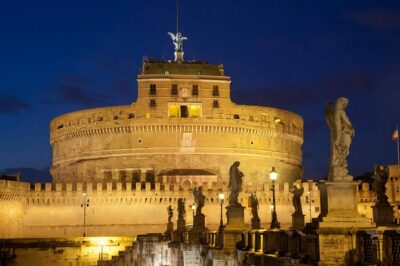
Rome by Night Walking Tour – Legends & Criminal Stories
Read our review →


Small Group Rome’s Dark Side – Ghosts & Legends Tour
Read our review →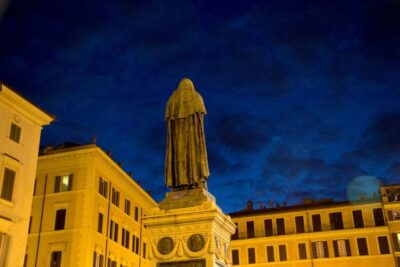
Dark Heart of Rome – Facts, Legend & Mystery Walking Tour
Read our review →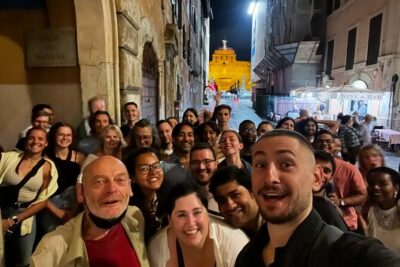
Ghosts Legends and Mysteries of Rome Walking Tour
Read our review →Browse the lists this tour appears in