
Reviewed · ROME OPERA & CONCERTS
Rome: La Traviata at St. Paul’s Within the Walls
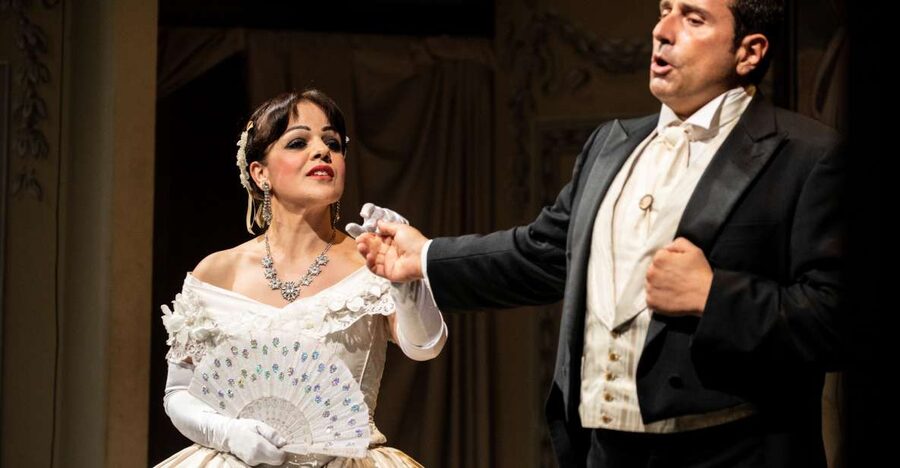
Verdi’s La Traviata takes on a different character inside St. Paul’s Within the Walls, where church architecture, live music, and opera drama share the same intimate space. You’ll hear the Orchestra I Virtuosi dell’opera di Roma and professional singers perform the tragic love story of Violetta and Alfredo, with costumes and scenes rather than a simple concert presentation.
I like the beautiful acoustics and setting, and I like the chance to see a full Italian opera in Rome without paying traditional opera-house prices. At $47 per person, it is a strong value if you want a memorable evening performance. The main drawback is practical: the church has flat seating, wooden benches, and no raised audience section, so people in the back may struggle to see the singers.
In This Review
- Key points before you book
- Why La Traviata works so well in Rome
- Arriving at St. Paul’s Within the Walls
- The orchestra and the first act
- Acts two and three, where the drama takes hold
- Choosing a seat without regretting it
- Sound, singing, and the church acoustics
- What the church setting adds, and what it cannot provide
- Is $47 a good value?
- Who will enjoy this performance most
- Practical details that shape the evening
- Should you book La Traviata at St. Paul’s Within the Walls?
- FAQ
- How long does the La Traviata performance last?
- Where does the opera take place?
- What is included in the ticket?
- Are food and drinks included?
- Is the performance in English?
- Is La Traviata performed in full?
- Are different seating categories available?
- Is the venue wheelchair accessible?
- Can I bring a pet?
- Can I cancel the booking?
Key points before you book
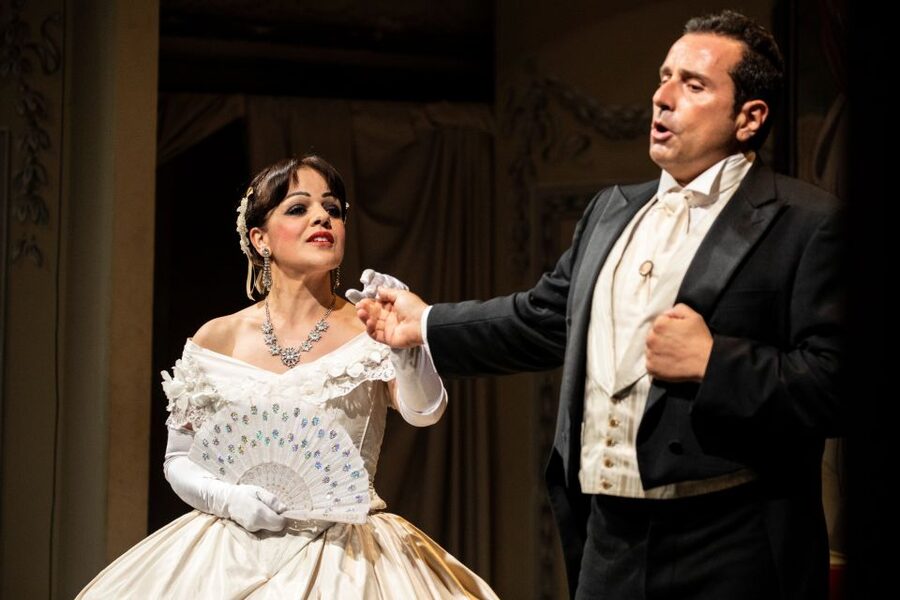
- Verdi’s complete La Traviata: Hear the opera in three acts, with costumes, scenes, orchestra, and professional singers.
- A church instead of an opera house: St. Paul’s Within the Walls gives the performance an intimate look and distinctive sound.
- VIP seating can be worth the extra cost: Front rows give you a clearer view of faces, singers, and musicians.
- Flat seating affects visibility: The church floor is not sloped, and the stage is not raised for every viewing angle.
- Expect about 130 minutes: Plan for a full evening performance with pauses between sections.
- Italian-language performance: The host or greeter and the activity language are Italian, so knowing the story beforehand can help.
Why La Traviata works so well in Rome
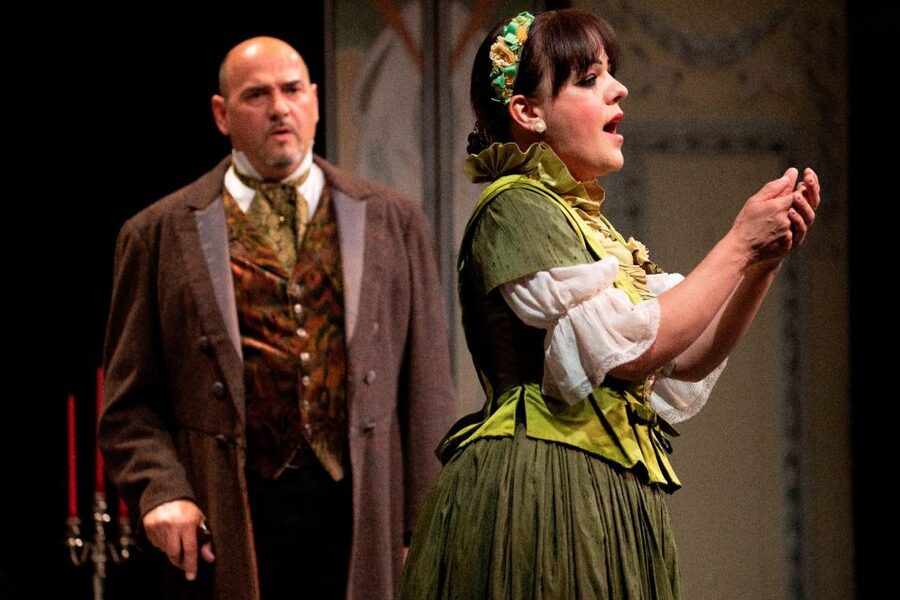
Rome offers plenty of grand sights, but an opera night gives you a different kind of connection with the city. This production places one of Italy’s best-known operas in St. Paul’s Within the Walls, a church in the center of Rome with an impressive interior and a sound that carries naturally.
La Traviata tells the story of Violetta, a famous courtesan in Paris, and Alfredo, a young nobleman. Their love faces social pressure, personal sacrifice, and illness, so the evening moves between charm, tenderness, conflict, and tragedy.
You do not need to be an opera expert to follow the basic story. Still, I suggest reading a short plot outline before you arrive. Since the performance is in Italian, knowing who Violetta and Alfredo are, and understanding the main turns of their relationship, will help you focus on the acting and music instead of trying to work out the plot from scratch.
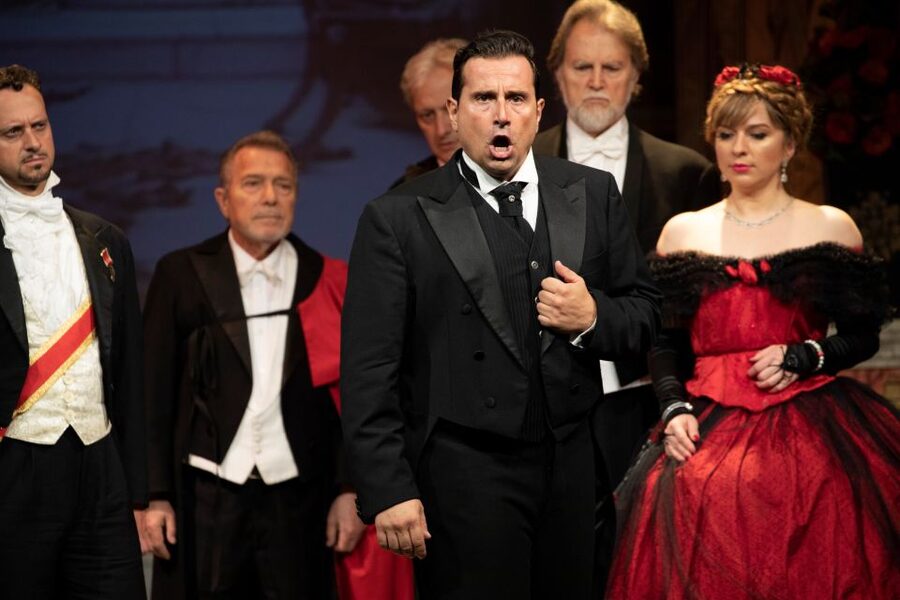
This is not simply a recital of famous arias. The production is presented in three acts, with costumes and scenery, so you get a proper theatrical version of the work. The church setting changes the scale. You are closer to the performers than you might be in a large opera house, and small gestures and facial expressions can matter.
More opera and concerts in Rome:
- Rome: “The Most Beautiful Opera Arias” Concert
★ 4.3 · 2,495 reviews - Rome: Opera Concert at Palazzo Poli – Fontana di Trevi
★ 4.7 · 1,026 reviews - Rome: The Four Seasons by Vivaldi
★ 4.7 · 595 reviews
Arriving at St. Paul’s Within the Walls
Your first task is to exchange your voucher at the St. Paul’s Within the Walls ticket counter before the performance begins. Build in enough time to do this without rushing. The meeting point is at the church itself, so check the exact starting time and arrive early, especially if you have selected a particular seating category.
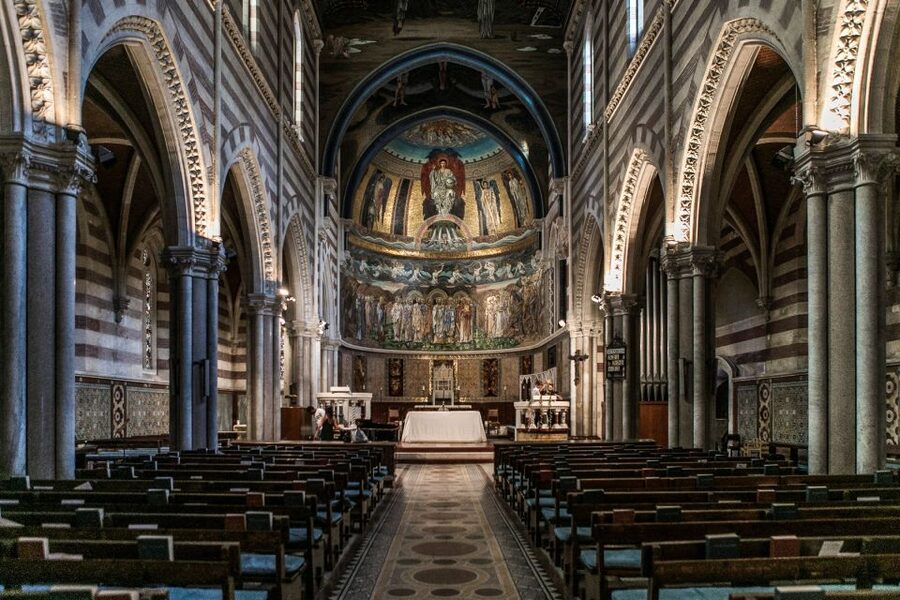
The venue is one of the central attractions of the evening. St. Paul’s Within the Walls is a striking church, and the architecture gives the performance a solemn backdrop that a standard theater cannot match. Lighting helps shape the stage area, while the high interior adds atmosphere before the first note is played.
The setting also creates a few compromises. This is a church adapted for performance, not a purpose-built opera house. You should expect less formal theater seating and a more compact arrangement. Some people appreciate that closeness. Others may miss the polished stage design, raised seating, and clear sightlines of a traditional venue.
Staff are present at the ticket counter, and one visitor specifically praised the directions to the meeting point. That matters in Rome, where a simple venue change can become a late arrival if you do not know where to go. Keep your voucher ready for exchange before the show.
The orchestra and the first act
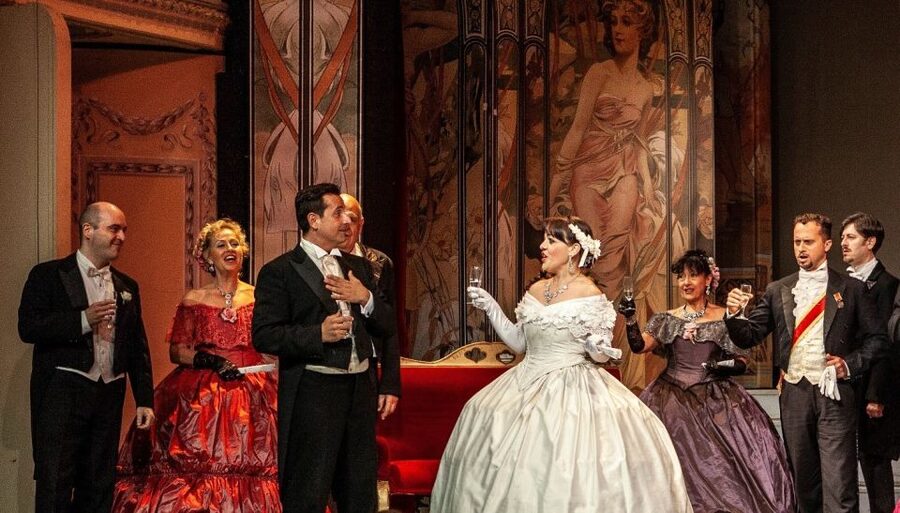
The performance is presented by the Orchestra I Virtuosi dell’opera di Roma. The ensemble is made up of professors from prestigious Italian conservatories and specializes in the Italian lyrical tradition. That background is important because La Traviata depends on more than volume. The orchestra needs to support the singers, shape the mood, and move easily from lively social scenes to quiet personal moments.
The first act introduces Violetta and Alfredo and establishes the social world around them. It also gives you the first taste of the production’s balance between opera-house tradition and church intimacy. The musicians are close enough to see, particularly from the front rows, and the venue’s acoustics help the sound travel across the room.
The acoustics receive frequent praise, but they are not perfect for every ear. A large church can create reverberation, and some passages may sound less crisp than they would in a theater designed for spoken drama. A few people found that the orchestra occasionally covered the singers, especially in stronger musical passages.
Your seat affects this balance. From the front, you are close to the performers and can watch the musicians as well as the cast. From farther back, the sound may still carry well, but the singers can be harder to see. If you are choosing between seating categories, the extra cost for VIP or front-row seats may be worthwhile.
Acts two and three, where the drama takes hold
The second act brings the central conflict into sharper focus. Violetta and Alfredo’s relationship must face the demands of family and society, and the opera shifts from romantic excitement to painful choices. The singers’ acting becomes especially important here, since the drama depends on emotional changes as much as vocal power.
The third act brings the story to its tragic end. You can expect the production to continue the complete narrative rather than presenting only selected highlights. That makes the evening more satisfying for someone who wants to experience La Traviata as an opera, but it also means you should be comfortable sitting for around two hours.
The full duration is listed as 130 minutes. Some people find the length just right, while others find the pauses and total running time tiring after a long day in Rome. The wooden or church-style seating is the bigger concern. Cushions are available, but some have found them uncomfortable during a long performance.
The church can also become warm. One account described the interior as uncomfortable and noted that fans were present but not being used. Conditions may vary by season and evening, but this is worth keeping in mind if you are sensitive to heat or stiff seating.
A completely different way to spend the day in Rome:
- Vatican: Museums & Sistine Chapel Entrance Ticket
★ 4.5 · 144,003 reviews - Vatican Museums & Sistine Chapel Tour with Optional Basilica
★ 4.3 · 67,413 reviews - Vatican Museums, Sistine Chapel & St Peter’s Basilica Guided Tour
★ 4.5 · 39,149 reviews - Rome: Colosseum, Palatine Hill and Roman Forum Guided Tour
★ 4.8 · 32,814 reviews
Choosing a seat without regretting it
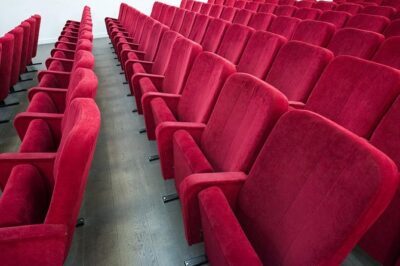
Seating is the most important practical decision for this experience. There are several categories, including VIP options, but the venue does not provide the usual theater arrangement of raised rows behind one another.
The audience and performance area are largely on the same level. If you sit toward the back, taller people in front may block part of your view. Even some front-corner seats can have drawbacks if an instrument, such as the piano, sits between you and the performers.
Here is how I would think about the choices:
- Front or VIP seats: Best for seeing faces, costumes, musicians, and acting. Several people considered the extra cost worthwhile.
- Middle sections: A reasonable compromise if front-row prices are higher than you want to pay.
- Back sections: Fine if sound matters more to you than a close view, but sightlines may be limited.
- Far-side seats: Check the angle carefully, since instruments or the stage arrangement may obstruct part of the performance.
Arriving early is useful within your assigned zone. It may not let you change categories, but it can help you settle into the better available position. If clear visibility is important, I would not treat the cheapest seat as an automatic bargain. A lower price loses some value if you spend much of the evening looking around another person’s head.
Sound, singing, and the church acoustics
The strongest part of the experience is the vocal performance. The cast is expected to carry the story through demanding music, and the small-scale church setting lets you hear the power and technique of the singers at close range.
The acoustics can be thrilling. Voices travel through the church with a full, resonant quality, and the setting adds a sense of occasion. At the same time, resonance can blur fast passages or make the orchestra seem stronger than the singers. This is the central sound tradeoff: the church gives the performance atmosphere and reach, but not always the clean separation you would get in a modern theater.
The orchestra also receives plenty of praise for its playing. It supplies the dramatic shape of the evening, from the social energy of the opening to the more serious final act. In a few moments, the balance may favor the instruments, but that does not erase the quality of the musicianship.
The performers use Italian, and the evening is not presented as an English-language event. If this is your first opera, read the story before you go. You can still understand the broad emotions through the music, acting, costumes, and familiar stage action, but preparation makes the experience easier to follow.
What the church setting adds, and what it cannot provide
The church is not just a backdrop. Its architecture changes how you experience the opera. Instead of sitting in a large, formal theater, you watch the performance in a sacred building with a close relationship between audience, musicians, and cast.
That intimacy is a major benefit. You may feel more directly connected to the performers, especially from the front rows. The lighting and costumes create a theatrical focus within the church, while the surrounding architecture gives the evening a sense of place that a generic venue would lack.
There is also a limit. A church cannot reproduce every part of an opera-house production. Scenery is more restrained, sightlines are less controlled, and the flat floor can make it hard to see when performers move across the stage. If your priority is grand sets and a formal theater experience, this may feel more like a well-produced cultural evening than a major opera-house visit.
I see that as a fair trade at this price. You are paying for live Verdi, professional singers, and a distinctive Rome setting, not for a full-scale production with a deep stage and tiered seating.
Is $47 a good value?
At $47 per person, the ticket is priced well for an evening that includes the entrance to a complete La Traviata performance with orchestra, costumes, and scenes. Food and drinks are not included, so this is not a dinner package or all-inclusive night out.
The value depends on what you want. If you are curious about opera, this is a relatively cost-friendly introduction. You get a famous work, live musicians, and a memorable venue without committing to a much more expensive formal opera evening.
If you are an experienced opera fan, the price remains attractive, but your expectations should be realistic. The main compromises are the church seating, possible sound reverberation, and more limited scenery. Paying for VIP seating may improve the experience more than spending the same money on extras before or after the performance.
There is no drink service included. One account said you could bring your own drinks, but you should not expect refreshments as part of the ticket. Have dinner before the show or plan a meal afterward, and remember that the performance itself lasts 130 minutes.
Who will enjoy this performance most
I would recommend it most strongly to:
- First-time opera visitors who want a manageable introduction
- Couples looking for a cultural evening in central Rome
- Music lovers who value live orchestra and vocal performance
- Visitors who enjoy historic religious architecture as much as theater
- People willing to pay a little more for front or VIP seating
- Anyone who wants a complete La Traviata rather than a short collection of arias
You may want to choose another option if comfortable seating and perfect sightlines are essential. The flat layout is a real issue, not a minor footnote. People with mobility needs should know that the activity is listed as wheelchair accessible, but you may still want to confirm the specific seating arrangement before arrival.
This experience also suits you better if you can give the evening your full attention. Phone filming has been a problem during some performances, even though flash photography and video recording are not allowed. Staff have asked people to stop, but distractions can still occur. Bring your attention, not your phone camera.
Practical details that shape the evening
The host or greeter information is Italian, and the activity language is Italian. The performance itself is La Traviata by Giuseppe Verdi, with a libretto by Francesco Maria Piave and a setting in Paris during the mid-1800s.
Pets are not allowed. The ticket includes entrance, while food and drinks are separate. You can reserve now and pay later, which helps if your Rome plans are still changing, and cancellation is allowed up to 24 hours before the activity for a full refund.
Starting times vary, so check availability for your date. Since you must exchange your voucher at the church ticket counter, do not treat the ticket as a reason to arrive at the last second. Give yourself time to reach St. Paul’s Within the Walls, exchange the voucher, and find your seating zone.
Should you book La Traviata at St. Paul’s Within the Walls?
Book it if you want live Italian opera in a memorable Roman setting, especially if this is your first time seeing La Traviata. The singing, orchestra, church architecture, and close-up atmosphere offer a lot for $47.
Choose VIP or front seating if you care about seeing the performers clearly. Avoid the back if possible, and prepare for firm seating and a church interior that may become warm. Read the plot beforehand, arrive early for the voucher exchange, and keep your phone away during the performance.
I would skip it only if you need theater-style seating, flawless sound separation, or elaborate scenery. For everyone else, this is a thoughtful and fairly priced way to spend an evening with one of Verdi’s most famous works.
FAQ
How long does the La Traviata performance last?
The experience lasts 130 minutes.
Where does the opera take place?
The performance takes place at St. Paul’s Within the Walls in Rome, in the Lazio region of Italy.
What is included in the ticket?
The ticket includes entrance to the performance.
Are food and drinks included?
No. Food and drinks are not included in the ticket.
Is the performance in English?
The activity language is Italian, and the host or greeter information is Italian.
Is La Traviata performed in full?
The opera is presented in three acts, with costumes and scenes, as a complete version.
Are different seating categories available?
Yes. You can choose from several seating categories, including VIP seating.
Is the venue wheelchair accessible?
Yes. The activity is listed as wheelchair accessible.
Can I bring a pet?
No. Pets are not allowed.
Can I cancel the booking?
Yes. You can cancel up to 24 hours in advance for a full refund. You can also reserve now and pay later.
Newest reviews from Rome
- Rome: Vatican Museums & Sistine Chapel Skip-the-Line Ticket★ 4.4 · 148 reviews
- Shared Shuttle Transfer from Rome to Civitavecchia Port★ 5.0 · 148 reviews
- Rome: Crypts & Catacombs After Hours Tour with Bone Chapel★ 4.6 · 149 reviews
- Ghosts Legends and Mysteries of Rome Walking Tour★ 5.0 · 149 reviews
- Skip the Line: Vatican and Sistine Chapel with Guided Tour★ 4.0 · 149 reviews
- Tivoli: Villa Gregoriana Entrance Ticket★ 4.7 · 150 reviews
- Pizza and Tiramisu Cooking Class in Rome, Piazza Navona★ 5.0 · 150 reviews
- Rome: Borghese Gallery Skip-the-Line Entry and Guided Tour★ 4.7 · 150 reviews
Rome Opera & Concerts, compared.
Opera Concert at Palazzo Poli – Fontana di Trevi
Read our review →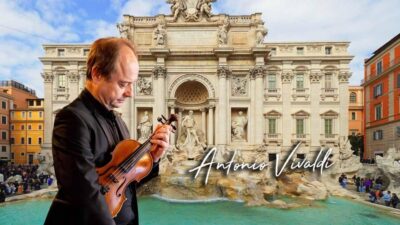
The Great Opera Arias Concert at Palazzo Poli – Trevi Fountain
Read our review →
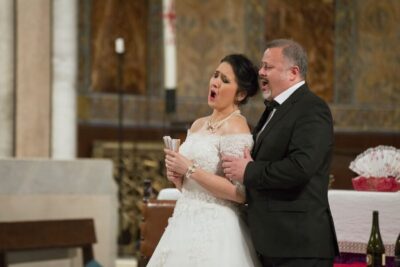
Giuseppe Verdi’s “La Traviata” Live Performance
Read our review →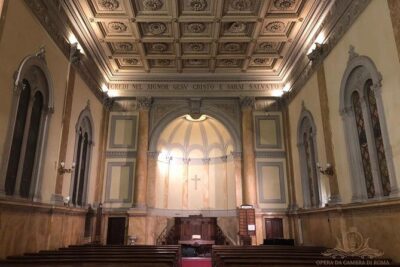
Concert Ticket – The Most Beautiful Opera Arias by Opera da Camera di Roma
Read our review →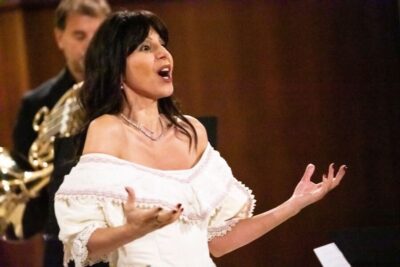
St. Paul’s Within the Walls Church Opera Arias Ticket
Read our review →Browse the lists this tour appears in