
Reviewed · CAPITOLINE MUSEUMS TOURS
Rome: Private Capitoline Museums Tour
The best part of this tour is the way it links Michelangelo’s grand square to the objects inside the Capitoline Museums. You are not simply walking past statues: your guide helps fit Roman politics, myth, emperors, and archaeology into one clear story. I especially like the private format and the final view across the Roman Forum.
I also like that the route includes the famous She Wolf and the bronze Marcus Aurelius, two powerful symbols of Rome. The main drawback is access: the museum has one elevator, but it does not reach every level, so this tour is not suitable for wheelchair users or people with limited mobility.
In This Review
- Key points to know before booking
- Why the Capitoline Museums deserve a place on your Rome itinerary
- Beginning in Michelangelo’s Capitoline Square
- Marble and bronze works that make Rome’s story clearer
- Meeting Rome’s She Wolf
- The Marcus Aurelius Exedra and its bronze emperor
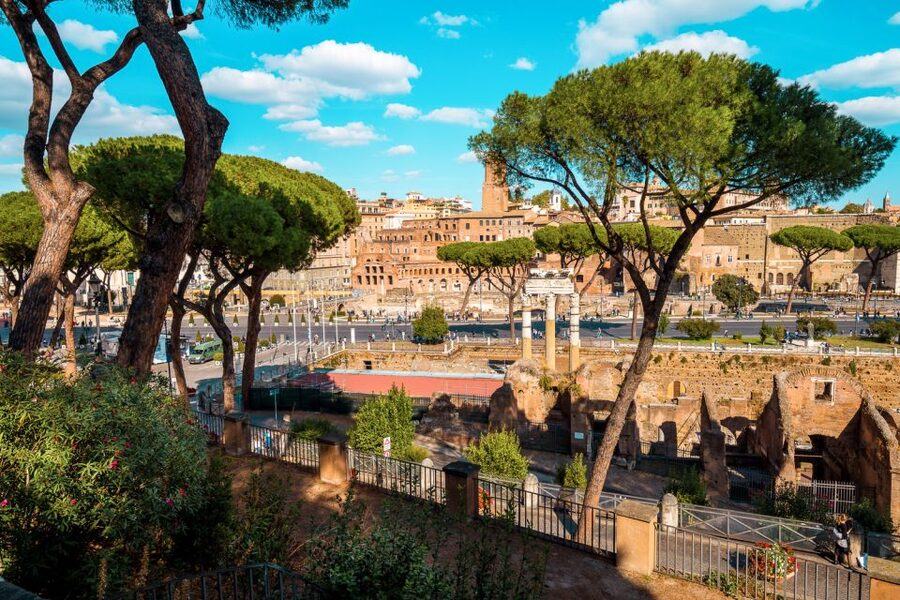
- Ancient ruins beneath the museum
- The Roman Forum view that finishes the visit
- What the private format is really worth
- Timing, access, and useful planning details
- Who will get the most from this museum tour
- Should you book the Capitoline Museums tour?
- FAQ
- How long does the Capitoline Museums tour last?
- Where does the tour begin?
- How will I recognize my guide?
- What does the price include?
- Is hotel pickup included?
- What languages are available?
- Is this a private group tour?
- Can wheelchair users join?
- Can I cancel for a full refund?
Key points to know before booking
- Meet beneath Marcus Aurelius: Your guide waits at the statue in the center of Capitoline Square with your name and the museum tickets.
- Michelangelo’s square comes first: The setting outside is part of the lesson, not just a meeting point.
- Rome’s She Wolf is a central highlight: You will see the famous symbol of the city among ancient marble and bronze works.
- The private guide shapes the visit: Guides including Vincenzo, Vicente, and Martina are praised for lively explanations, useful context, and practical Rome tips.
- The Roman Forum view is a fitting finish: The museum gives you a high, memorable look over one of the city’s most important ancient sites.
- Allow 2.5 hours and pack light: Large bags and video recording are not allowed, and the tour runs rain or shine.
Why the Capitoline Museums deserve a place on your Rome itinerary
Rome has no shortage of ancient monuments. The problem is that the pieces can blur together after a few days: emperors, temples, wolves, gods, marble heads, and Latin names competing for your attention.
The Capitoline Museums help bring those pieces into one place. Created by Pope Sixtus IV at the end of the 15th century, this is described as the oldest European public collection of antiquities. That matters because the museum is not just a room full of attractive objects. It is part of Rome’s long effort to preserve and display its own ancient past.
I find the museum especially useful early in a Rome visit. A private guide can give you a framework for the city before you tackle larger sites such as the Roman Forum or Colosseum. After the tour, the monuments scattered across Rome make more sense because you have already met some of the key figures and symbols.
The 2.5-hour length is sensible. It gives you enough time for the important works and the surrounding archaeology without turning the visit into an exhausting museum marathon. You will not see every object in detail, but that is usually a strength. A good guide keeps the focus on the pieces that help explain Rome.
More Capitoline Museums visits:
- Rome: Capitoline Museums Experience with Multimedia Video
★ 4.3 · 1,093 reviews - Capitoline Museum Experience with Multimedia Video
★ 4.0 · 98 reviews - Private Tour – Capitoline Museums
★ 5.0 · 90 reviews
Beginning in Michelangelo’s Capitoline Square
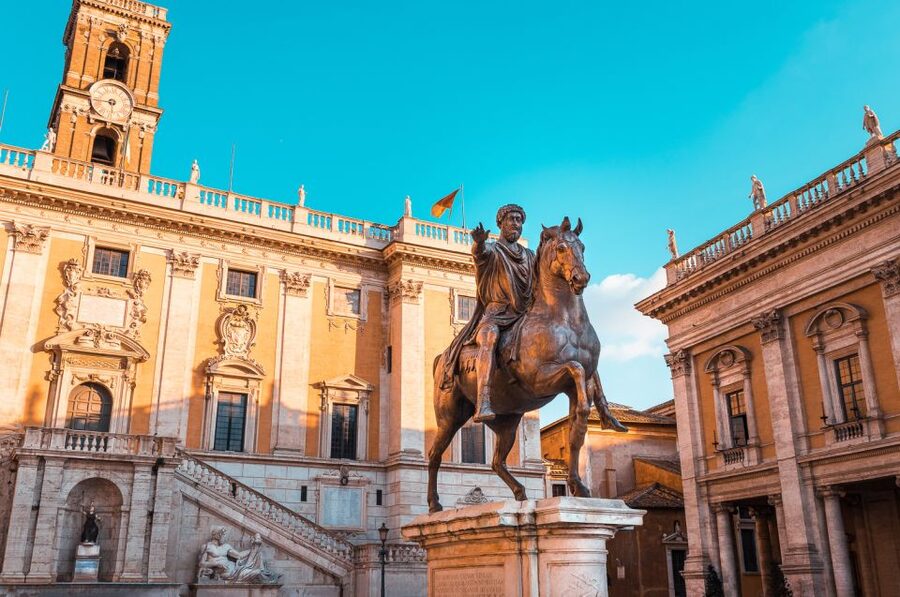
Your meeting point is the statue of Marcus Aurelius in the middle of Capitoline Square. Your guide holds a sign with your name and gives you the museum tickets, so you do not need to work out where to collect admission once you arrive.
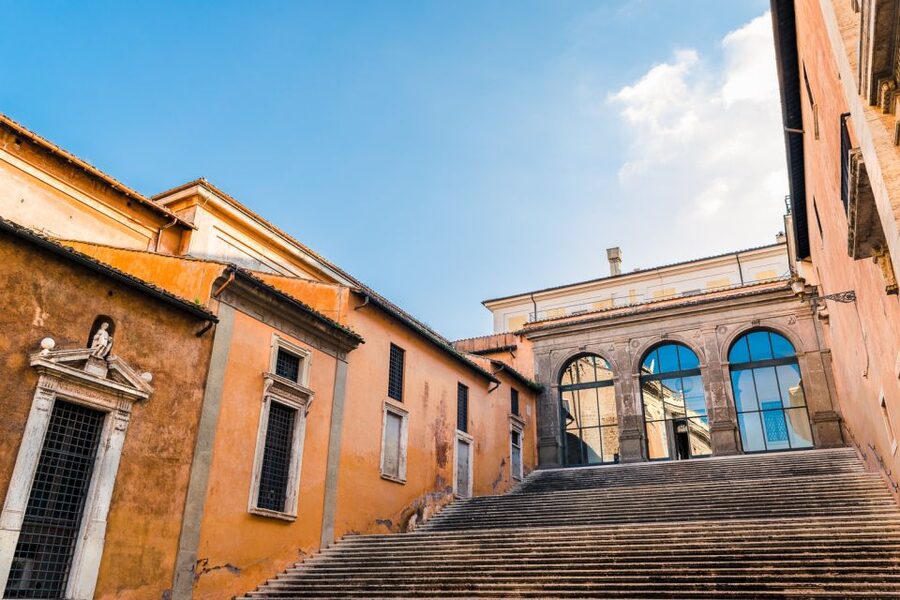
The square itself deserves your attention before you enter. Michelangelo designed this elegant space, and its shape gives the Capitoline hill a very different feel from the crowded streets below. The architecture creates a controlled approach to the museum, with the statue of Marcus Aurelius at the center.
This is a useful start because the square introduces an important idea: Rome is built in layers. Ancient power, Renaissance design, papal authority, and modern tourism all meet here. Your guide can explain that setting before the museum objects begin competing for your eyes.
The meeting location is also practical. You begin and end in the same place, and there is no hotel pickup or private transportation. Plan to reach the square independently and allow time to find the statue in the center. The tour does not include food or drinks, so have water with you if needed, provided it complies with the museum’s rules.
Marble and bronze works that make Rome’s story clearer
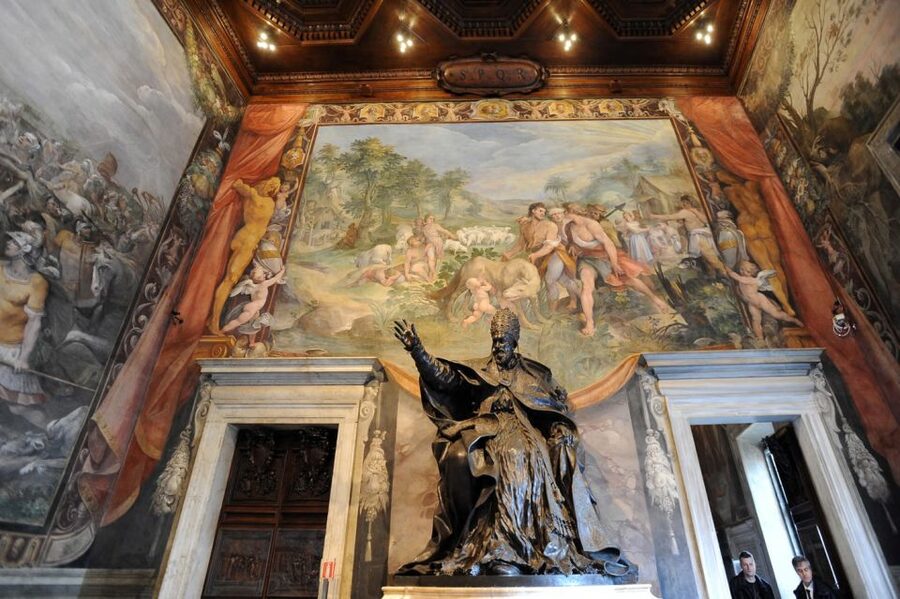
Inside, the tour focuses on important marble and bronze statues. The value of a guide here is not simply naming each piece. It is understanding why a work mattered, what it represented, and how it fits into the larger story of Roman society.
A private tour gives you room to ask questions and follow your interests. If one statue catches your attention, you can ask for more explanation instead of waiting for a large group to move along. That flexibility is one reason I think the format works well for first-time visitors who want a clear introduction rather than a long academic lecture.
The guides are described as lively and engaging. Vincenzo, also called Vincent, is noted for high energy and strong command of the subject. Vicente is praised for interesting facts and for steering the visit toward the major highlights. Martina is described as friendly, well informed, and generous with useful advice about staying in Rome.
Those details point to the right expectation. This is not a silent audio-guide visit. You should expect conversation, stories, questions, and explanations aimed at making the collection easier to remember. The experience depends partly on the individual guide, but the named guides associated with the tour have received strong praise for energy and clear storytelling.
Meeting Rome’s She Wolf
The She Wolf is one of the museum’s essential stops. The image of a wolf nursing Romulus and Remus is tied to Rome’s founding story and remains one of the city’s most recognizable symbols.
The sculpture is valuable even if you already know the legend. Seen in the museum, it becomes part of a larger discussion about how Romans presented their origins. The story is not just a children’s tale. It helped give the city a heroic beginning and a sense of destiny.
Your guide can help separate the myth from the historical questions around the object. That is precisely where a guided visit earns its price. Without context, you might admire the wolf, take a photo if permitted, and move on. With an explanation, you can consider how art, legend, and civic identity work together.
Video recording is not allowed, and large luggage or big bags are not permitted. Travel with a small day bag and be ready to give the artwork your attention rather than trying to document every moment.
More museums and galleries in Rome:
- Vatican: Museums & Sistine Chapel Entrance Ticket
★ 4.5 · 144,003 reviews - Vatican Museums & Sistine Chapel Tour with Optional Basilica
★ 4.3 · 67,413 reviews - Vatican Museums, Sistine Chapel & St Peter’s Basilica Guided Tour
★ 4.5 · 39,149 reviews - Rome: Vatican Museums, Sistine Chapel & Basilica Tour
★ 4.3 · 13,872 reviews
The Marcus Aurelius Exedra and its bronze emperor
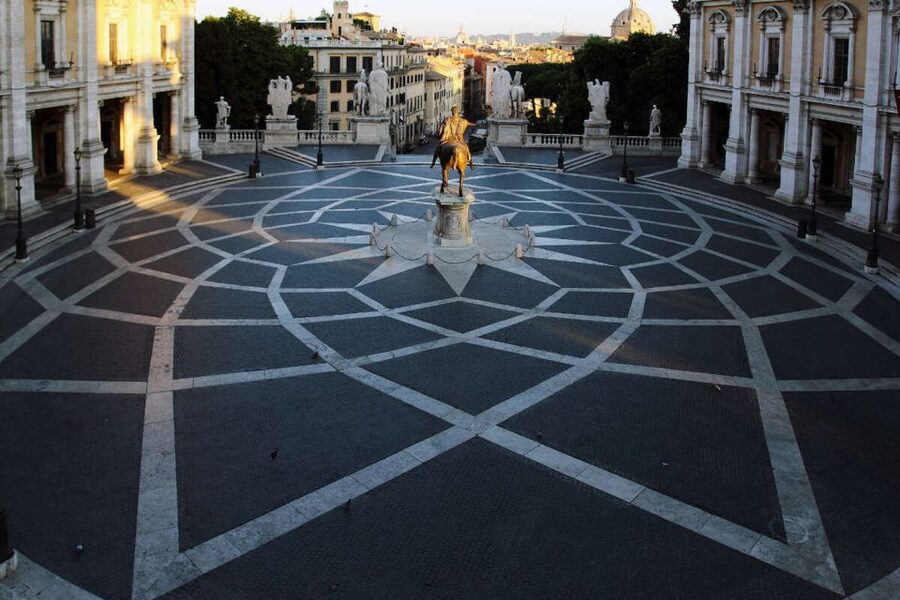
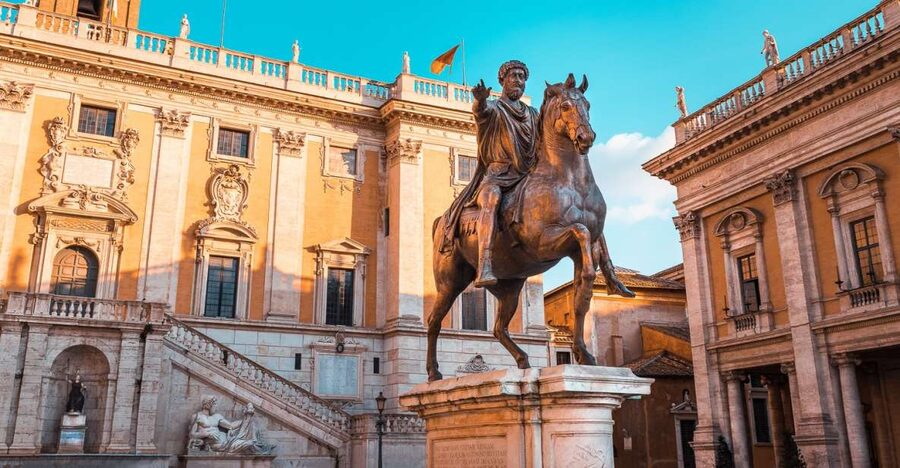
The route continues to the Marcus Aurelius Exedra, where you see the bronze statue of Marcus Aurelius dating from the second century AD. This is one of the tour’s strongest connections between the starting point outside and the museum interior.
Marcus Aurelius is shown on horseback, and the work carries both political and artistic weight. The statue presents the emperor as a calm, commanding figure. Your guide can help you read the pose and symbolism rather than treating the statue as a simple portrait.
The connection to the square is particularly helpful. You meet beside a version of Marcus Aurelius in the outdoor setting, then see the famous bronze work in the museum. That creates a natural thread through the tour and makes the museum layout easier to follow.
I like this kind of repeated reference. Rome can feel confusing when you see the same names and subjects in several places. Returning to Marcus Aurelius gives you an anchor, and the guide can explain why this statue became such an important part of the Capitoline setting.
Ancient ruins beneath the museum
The tour also includes archaeological ruins connected with the ancient Capitoline Temple of Jupiter. This stop reminds you that the museums are not detached from ancient Rome. The building and hill contain remains linked to the religious and political center of the city.
The Temple of Jupiter was associated with the Capitoline hill, one of Rome’s most important sacred areas. Even if only ruins remain in the section you see, they help you picture how the hill functioned in antiquity.
This is where the guide’s ability to connect places becomes important. The statue rooms show what Rome chose to preserve. The ruins show what remains in the ground. Together, they create a fuller picture of a city that has been rebuilt many times.
Do not expect a complete archaeological site visit on the scale of the Roman Forum. This is one part of a museum tour, not a full day among ruins. Still, it is a useful addition because it adds physical evidence to the stories told by the statues.
The Roman Forum view that finishes the visit
After the main museum highlights, you take in views over the Roman Forum from the museum. This is one of the most practical reasons to include the Capitoline Museums in your Rome plans.
The Forum is often difficult to understand from ground level. Columns, foundations, pathways, and scattered walls can seem like separate fragments. From above, the layout becomes easier to grasp. You can see the relationship between the ancient public spaces and the modern city around them.
The view also gives the tour a natural ending. You have looked at individual statues and ruins, then step back to see the wider setting. It is a visual reminder that the museum’s objects belonged to a real city of temples, speeches, ceremonies, and imperial power.
The view is not a substitute for entering the Roman Forum. If you want to walk among its ruins, you will need a separate plan and ticket. But this outlook is an excellent preview, especially if you are still deciding how much ancient Rome you want to explore.
What the private format is really worth
At $135.94 per person, this is not a budget museum visit. The price makes the most sense when you value a personal guide, a focused route, and the chance to ask questions.
For a couple, family, or small group, a private tour can be good value because the guide’s attention is not split among a large crowd. You are paying for interpretation as much as admission. Tickets and a professional local guide are included, while transportation, hotel pickup, food, and drinks are not.
I would compare the price with your own museum habits. If you like reading every label at your own pace, you may prefer to visit independently. If you want help identifying the important works and understanding how they connect to Rome, the guide can save time and prevent the museum from feeling like a list of unfamiliar names.
The strong praise for Vincenzo, Vicente, and Martina centers on energy, clear explanations, engaging facts, and practical Rome suggestions. Those qualities matter in a collection like this. A dry guide could make even famous statues feel remote. A lively guide can turn the visit into a conversation about how Rome remembers itself.
Timing, access, and useful planning details
The experience lasts 2.5 hours, with starting times depending on availability. That makes it easy to place in a morning or afternoon, but you should check the schedule before building the rest of your day around it.
The tour runs rain or shine. Much of the visit is indoors, but Capitoline Square is outdoors, so bring suitable clothing for the forecast. Since the tour begins and ends at the meeting point, you can continue elsewhere in central Rome afterward without arranging a transfer.
Accessibility requires careful thought. The tour is not recommended for people with limited mobility, wheelchair users, or people with mobility impairments. There is one elevator, but it does not serve every museum level. If stairs or uneven movement are difficult for you, contact the provider before booking rather than assuming the elevator solves the problem.
Keep your luggage elsewhere. Large bags are not allowed, and the museum does not suit anyone arriving with full-size travel gear. Video recording is also prohibited. These rules are easy to manage if you visit with a small bag and treat the tour as a museum experience, not a filming session.
The tour is available in English or Italian. If you need a particular language, check the selected option and starting time when booking.
Who will get the most from this museum tour
I would choose this tour for a first visit to Rome, especially if you want an introduction to ancient Roman art before visiting more spread-out archaeological sites. The guide helps you see the museum’s main works without spending hours trying to decide what deserves attention.
It also suits anyone who enjoys stories more than labels. The She Wolf, Marcus Aurelius, Michelangelo’s square, and the Temple of Jupiter all become more memorable when tied to Rome’s political and religious life.
Families and mixed-interest groups may also appreciate the private structure. One person can ask about art, another about Roman history, and another about the city itself without holding up a large group. Martina, for example, is noted for offering useful tips about the rest of a Rome stay, which can make the tour helpful beyond the museum walls.
I would be more cautious if you want a completely independent visit, need full step-free access, or have large bags with you. The price is also a serious consideration for solo visitors, since the per-person cost does not become easier to justify through group sharing.
Should you book the Capitoline Museums tour?
Book it if you want clear historical context, a private guide, and the major Capitoline highlights in a manageable 2.5-hour visit. The She Wolf, Marcus Aurelius, Michelangelo’s square, the Temple of Jupiter ruins, and the Roman Forum view give you a well-shaped introduction to Rome’s ancient identity.
The tour is especially worthwhile at the beginning of your stay, when you need help making sense of the city. Guides such as Vincenzo, Vicente, and Martina are praised for energy, facts, friendly explanations, and practical advice.
Skip it if you prefer a slow solo museum visit, need fully accessible routes, or are trying to keep costs low. For everyone else, this is a focused way to meet some of Rome’s most important symbols without getting lost in a huge collection.
FAQ
How long does the Capitoline Museums tour last?
The tour lasts 2.5 hours. Starting times depend on availability.
Where does the tour begin?
Meet your guide in front of the statue of Marcus Aurelius in the middle of Capitoline Square.
How will I recognize my guide?
Your guide will hold a sign with your name and issue your museum tickets at the meeting point.
What does the price include?
The price includes museum tickets, a professional local guide, and a private tour.
Is hotel pickup included?
No. Hotel pickup and drop-off are not included, and the tour does not provide private transportation.
What languages are available?
The tour is available with a live guide in English or Italian.
Is this a private group tour?
Yes. The experience is offered as a private group tour.
Can wheelchair users join?
No. The tour is not suitable for wheelchair users or people with mobility impairments. There is one elevator, but it does not serve every museum level.
Can I cancel for a full refund?
Yes. You can cancel up to 24 hours in advance for a full refund. You can also reserve now and pay later.
Newest reviews from Rome
- ROME:Colosseum & Ancient Rome – private/small group TOUR★ 5.0 · 24 reviews
- Off the Beaten Track in Rome: Rione VI Parione Private Tour★ 5.0 · 24 reviews
- Cinematic Photoshoot in Rome★ 5.0 · 24 reviews
- Rome: Best of Colosseum and Roman Forum Small Group Guided Tour★ 4.5 · 24 reviews
- The Labyrinth of Rome between catacombs and ancient quarries★ 4.5 · 24 reviews
- Vatican and Trionfale Market Tour with Wine and Food Tasting★ 5.0 · 24 reviews
- private tour: Vatican Museums, Sistine Chapel, St. Peter’s Basilica★ 4.5 · 24 reviews
- Skip the Line: Vatican Wheelchair Accessible Private Tour★ 5.0 · 24 reviews
Capitoline Museums Tours, compared.
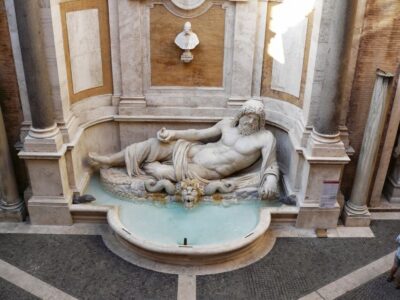
Capitoline Museums Experience with Multimedia Video
Read our review →
Capitoline Museum Experience with Multimedia Video
Read our review →
Percy Jackson and the Olympian Gods Tour at the Capitoline Museums
Read our review →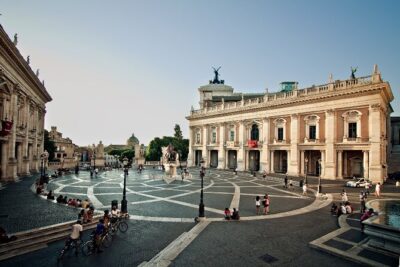
Percy Jackson Tour for Kids at the Capitoline Museums of Rome with Special Guide
Read our review →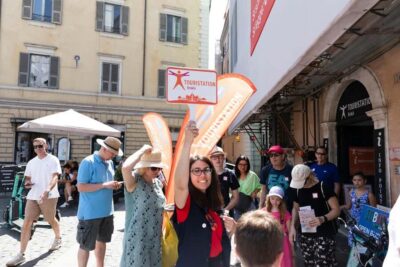
Capitoline Museum English Guided Tour & skip the line ticket
Read our review →Browse the lists this tour appears in