
Reviewed · ROME STREET FOOD TOURS
Rome: Street Food, Local Market and Hidden Gems Tour
Rome’s best food stories often come with a side of neighborhood history. This tour moves from Trastevere into Testaccio, where you’ll visit the local market, taste Roman street food, learn about the old slaughterhouse, and finish with pasta at a century-old trattoria. The food is tied to the places you see, not served as a detached tasting menu.
I like the small maximum of 10 people, which gives you a better chance to hear your guide and ask questions. I also like the mix of bites: maritozzo for breakfast, supplì and country cheese at the market, three wines, a pasta lunch, and dessert. The main consideration is pace. Three and a half hours covers a lot of ground, and the tour requires good weather.
In This Review
- Key points to know
- Why Testaccio makes a fine food-tour base
- Starting with maritozzo in Trastevere
- Crossing Ponte Testaccio and reading the city
- Mattatoio, from slaughterhouse to cultural center
- Walking through Testaccio with a local guide
- Inside Mercato di Testaccio
- Monte Testaccio and the story beneath your feet
- The Roman War Cemetery and the final walk
- What you actually eat
- Is the $119.48 price good value?
- Who should book this Rome food walk?
- Booking, weather, and cancellation details
- Should you book the Testaccio food tour?
- FAQ
- How long does the Rome street food tour last?
- What time does the tour start?
- Where does the tour begin?
- Where does the tour end?
- What food is included?
- Is the tour suitable for vegetarians and pescatarians?
- How many people can join the tour?
Key points to know
- Testaccio is the heart of the tour: You’ll spend the most time in this traditional Roman district and its food market.
- The meal is substantial: Tastings lead into a sit-down pasta lunch, so you should not plan another large meal right afterward.
- Giulia brings local roots: One praised guide, Giulia, grew up in the area and explains both the food and the neighborhood.
- The route has historical variety: You’ll see a former slaughterhouse, Monte Testaccio, a bridge tied to urban development, and a World War II cemetery.
- The group stays small: No more than 10 people are accepted, a useful feature for a food walk.
- The finish is practical: The tour ends a few steps from Piramide Metro Station.
Why Testaccio makes a fine food-tour base

Testaccio is a good choice for a food tour because it feels connected to everyday Roman life. The district grew around the old slaughterhouse, and its food traditions reflect practical cooking, market shopping, and the use of ingredients that once had little glamour.
That gives this experience more shape than a string of restaurant stops. You’ll see where the neighborhood’s food culture developed, then taste dishes while the setting is still fresh in your mind. I like that order. A supplì or plate of pasta means more when you have just heard how Roman working districts fed themselves.
The route begins at Stazione Trastevere, at Piazza Flavio Biondo 7, at 10:30 a.m. You’ll meet your local guide and the rest of the group there. The tour then crosses into Testaccio, ending near Piramide rather than returning you to the starting point.
That one-way route matters. You get a sense of moving through Rome instead of circling back to where you began. It also means you should plan your day around the endpoint. Piramide Metro Station is close to the finish, making it easy to continue sightseeing or return to your accommodation.
More Rome street food crawls:
- Rome: Trastevere or Jewish Quarter Street Food Tour
★ 4.8 · 3,839 reviews - Rome: Trastevere & Campo de Fiori Street Food Walking Tour
★ 4.9 · 2,768 reviews - Rome Street Food Tour with Local Guide
★ 5.0 · 2,361 reviews
Starting with maritozzo in Trastevere
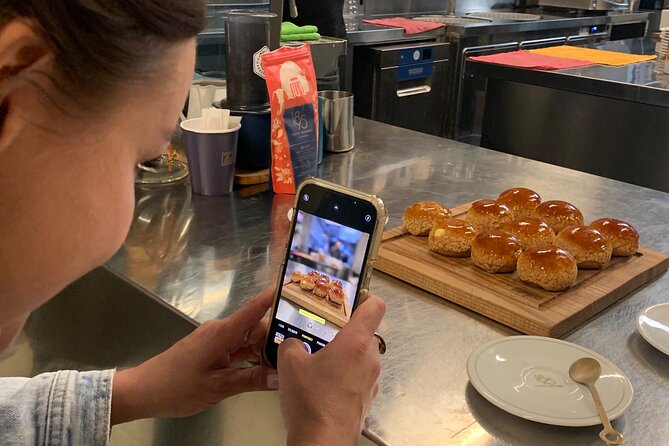
The first food is a traditional Roman breakfast with maritozzo. This soft sweet bun, usually associated with a creamy filling, gives you an early taste of Rome’s fondness for simple foods with plenty of character.
The opening stop is short, about 15 minutes, so think of it as a gentle start rather than a full breakfast stop. You’ll meet the guide, settle into the group, and begin learning how the neighborhood connects with the food ahead.
This is also a useful point to mention dietary needs. The tour is suitable for vegetarians and pescatarians, but the provided details do not promise a fully customized menu for every restriction. If you have a serious allergy or need to avoid specific ingredients, ask before booking rather than relying on substitutions during the walk.
Crossing Ponte Testaccio and reading the city
The crossing of Ponte Testaccio takes only about five minutes, but it gives the guide a chance to explain Roman urban development. That may sound like a small piece of the day, yet it helps connect the separate stops.
You are not simply being moved from one tasting to another. The bridge is part of the transition from Trastevere toward Testaccio, and the short explanation gives you a better sense of how Rome’s neighborhoods fit together.
Do not expect a long sightseeing stop here. The value is in the context, so keep your attention on the guide rather than waiting for a major monument visit. This is a food and neighborhood walk, not a substitute for a Colosseum or Vatican tour.
Mattatoio, from slaughterhouse to cultural center
Mattatoio was once Rome’s main slaughterhouse. Today, it serves as a cultural center for exhibitions and academic study, making it one of the tour’s most interesting examples of old and new Rome sharing the same address.
The stop lasts around 15 minutes. Your guide can explain why the site mattered to Testaccio’s working life and how its present use differs from its original purpose. I find this kind of change more revealing than a polished monument because it shows how a city reuses difficult or industrial parts of its past.
The visit is mainly for orientation and discussion. You should not expect a long indoor museum visit or a detailed exhibition program as part of the tour. The experience uses Mattatoio as a window into the district’s past and present.
More food tours in Rome:
- Rome: Tuscany & Montepulciano Day Trip with Lunch & Wine Tasting
★ 4.5 · 5,232 reviews - Winner 2025 Rome Twilight Trastevere Food Tour by Eating Europe
★ 5.0 · 5,157 reviews - Rome Food Tour: Unlimited Tastings with Fine Wine & Barolo
★ 5.0 · 3,365 reviews - Rome: Trastevere Food tour with Free-Flowing Fine Wine
★ 5.0 · 2,853 reviews
Walking through Testaccio with a local guide
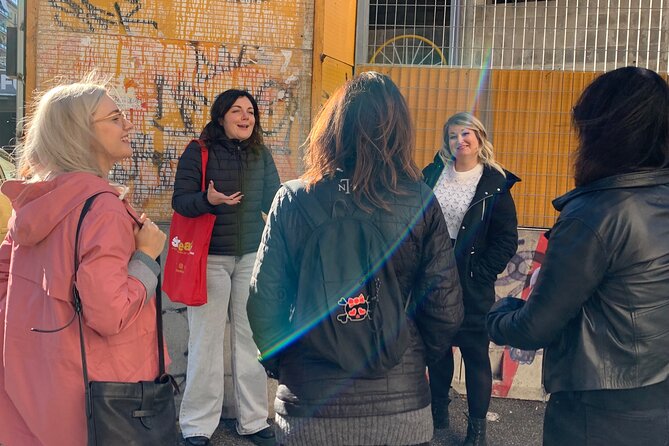
The main neighborhood walk lasts about 1 hour and 10 minutes. This is where the tour slows down and lets Testaccio do the talking. You’ll hear about the district’s history, see ancient and modern sights, and get a sense of the local setting before entering the market.
Giulia is one guide associated with this experience, and her personal connection is useful. She grew up in the area, so the explanations can move beyond dates and labels toward the food customs and places that shaped her home district. The provider also lists the experience in English, which is helpful if you want the stories explained as you walk rather than pieced together later.
The group limit of 10 is especially valuable during this part. A large group can make a neighborhood walk feel like a parade, with people straining to hear at corners. A small group gives you more room to ask why a dish matters, how a market works, or what a building was used for.
Testaccio is not a quick photo stop. You’ll spend enough time here to notice how the food market, former industrial sites, and local streets belong to the same story. Wear comfortable shoes and be ready to walk for most of the 3.5-hour experience.
Inside Mercato di Testaccio
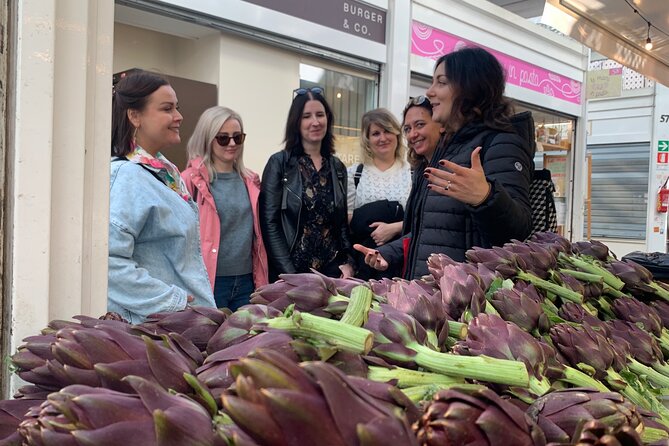
The market stop lasts about an hour and is the food center of the tour. Your guide walks you around the food stalls, introduces local cuisine, and arranges several tastings. This is where the experience feels most useful for anyone who wants help choosing Roman foods beyond the famous tourist staples.
The tasting list includes supplì, country cheese, and old-school dishes, along with wine. Supplì is a classic Roman fried rice croquette, often associated with a crisp outside and a warm center. The country cheese gives the meal a different texture and shows how a market tasting can move between prepared food and basic local ingredients.
You’ll also taste polpette and cacio e pepe, according to the food selections highlighted by the tour. Polpette are meatballs, while cacio e pepe is one of Rome’s best-known pasta dishes, built around cheese and black pepper. These foods give you a useful contrast: one is a handheld or casual bite, while the other is a Roman pasta classic that depends on technique.
The market setting is a major advantage. You can watch ordinary commerce around the tasting rather than sitting in a room arranged only for a tour group. The tradeoff is that markets are active places. You may have to stand, move between stalls, and share your attention with the surrounding activity.
The tour includes three wines. That adds value for adults who want to understand how local food and wine work together, but it also means you should pace yourself. This is not a wine class, and the available information does not identify the bottles or pours. Treat the wine as part of the meal rather than the main event.
Monte Testaccio and the story beneath your feet
After the market, the route spends about 40 minutes at Monte Testaccio. The guide presents it as a place of unusual local interest, and the stop adds another layer to the district’s food story.
Monte Testaccio is an artificial hill formed from discarded ancient pottery, a reminder of how trade and food storage shaped this part of Rome. The tour description calls attention to the secrets of the mount, but you should expect the guide-led explanation to be the main feature rather than a lengthy archaeological visit.
This stop is valuable because it links Roman eating habits with the physical city. Earlier, you were tasting food in a modern market. Here, you get a sense of the ancient systems that moved goods through Rome. It is a clever pause between lunch stops and a good reason not to judge the tour only by the number of samples.
The Roman War Cemetery and the final walk
The last listed stop is the Rome War Cemetery, with about five minutes devoted to learning about the Allied disembarkation during World War II. It is a brief but serious closing note.
This is not a long cemetery visit or a full military history lesson. Instead, it gives the walk a modern historical marker before the tour ends near Piramide. The subject may feel separate from the food, but it reminds you that Testaccio and its surrounding areas have lived through many different chapters.
The endpoint is close to Piramide Metro Station. That is practical if you want to continue your day without paying for a separate return transfer. There is no hotel pickup, so you must make your own way to the starting point and plan for the return from Piramide.
What you actually eat
The menu is generous for a half-day walk. It includes:
- Maritozzo as a traditional Roman breakfast
- Supplì and other market street foods
- Country cheese
- Polpette
- Cacio e pepe
- A sit-down pasta lunch in a century-old trattoria
- A seasonal dessert
- Three wines
The exact seasonal dessert and the precise dishes served at the market can vary. The guide chooses the foods, and the tour does not include extra portions or drinks that are not ordered for the group.
That last point is worth noting. You are paying for the planned tastings, lunch, dessert, and wine. If you want second helpings, additional dishes, or more drinks, those costs are separate. Still, the combination of standing market bites and a proper pasta meal should leave you well fed. I would not schedule a major lunch reservation immediately afterward.
The sit-down meal is one of the strongest parts of the package. Street food gives you variety and a sense of place, while the trattoria meal lets you sit down and enjoy a classic Roman dish at a slower pace. A century-old setting also adds a feeling of continuity, though the supplied details do not name the trattoria or guarantee a particular pasta on every date.
Is the $119.48 price good value?
At $119.48 per person, this is not the cheapest way to eat in Rome. It is also more than the cost of buying a few snacks at the market on your own. The value comes from the amount packed into 3.5 hours: a local guide, a neighborhood walk, market tastings, three wines, a full pasta lunch, dessert, and the advantage of a group capped at 10.
I think the price makes sense if you want a guided introduction and would otherwise spend time deciding what to order. You are paying for access to a planned route, explanations of the district, and food choices that fit together. The personal background of a guide such as Giulia adds another useful layer.
The price is less attractive if you already know Testaccio, prefer to eat independently, or want a long sit-down meal with plenty of choices. The tour controls the menu, and extra food is not included. You should book it for the combination of food and context, not simply for the quantity of lunch.
The experience is recommended by 100 percent of the supplied booking feedback and has a 5 rating from 57 reviews. That record supports confidence in the overall format, especially the market section and the guide’s role. Still, food preferences vary, and the tour’s fixed structure may not suit someone who wants complete control over every dish.
Who should book this Rome food walk?
I would choose this tour if you want to understand Roman food through a real district rather than through a list of central restaurants. It works well for first-time visitors who want a low-stress introduction to Testaccio, as well as repeat visitors who have already seen the major ancient sites.
It is also a good fit for people who enjoy local markets, modest historical sites, and meals that unfold in several stages. The small group is helpful if you like asking questions or want a guide who can explain food customs without shouting across a crowd.
You may want to skip it if you dislike walking, need a highly flexible schedule, or prefer a food tour built around fine dining. The route includes outdoor walking, requires good weather, and covers several stops before lunch is complete.
The start at 10:30 a.m. makes it a late breakfast and early lunch experience. Plan your morning accordingly. Since the route ends at Piramide, it can also fit neatly before an afternoon visit elsewhere in Rome.
Booking, weather, and cancellation details
You receive confirmation when you book, and the tour is offered in English. It is near public transportation, and most people can participate, though the experience is still a walking tour and comfortable shoes are sensible.
Free cancellation is available up to 24 hours before the 10:30 a.m. start time for a full refund. Changes or cancellations made within 24 hours are not accepted for a refund. The local cut-off time applies.
Good weather is required. If rain or other poor conditions force a cancellation, you’ll be offered another date or a full refund. The experience also requires a minimum number of participants. If that minimum is not met, you’ll be offered another date or experience, or a full refund.
Should you book the Testaccio food tour?
Book it if you want a small-group food walk with a real meal, not just a few samples and a quick goodbye. The route gives you Roman breakfast, market food, wine, pasta, dessert, neighborhood history, and a convenient finish near Piramide.
I especially like the balance between eating and understanding. You’ll learn why Testaccio matters, then taste food in the places that make the story easier to remember. The main caution is the fixed menu and walking pace, so check that the included foods suit you and leave room in your schedule for three and a half hours.
For a first look at Rome’s food culture away from the busiest sights, this is a strong choice.
FAQ
How long does the Rome street food tour last?
The experience lasts approximately 3 hours and 30 minutes.
What time does the tour start?
The tour starts at 10:30 a.m.
Where does the tour begin?
You meet at Piazza Flavio Biondo 7 in Rome, at Stazione Trastevere.
Where does the tour end?
The tour ends near Piramide Metro Station, a few steps from the station.
What food is included?
The included food consists of a traditional maritozzo breakfast, market tastings such as supplì and country cheese, a sit-down pasta lunch at a century-old trattoria, a seasonal dessert, and three wines.
Is the tour suitable for vegetarians and pescatarians?
Yes. The experience is listed as suitable for vegetarians and pescatarians.
How many people can join the tour?
The group has a maximum of 10 participants.
More Shopping Tours in Rome
- Rome: Pasta Cooking Class with Market Visit and Wine
★ 4.9 · 274 reviews - Rome: Food Tour with Market Visit
★ 4.9 · 200 reviews - Devour Rome Testaccio Market Food Tour
★ 5.0 · 180 reviews - Kitchen of Mamma: Pasta Cooking Class with market visit in Rome
★ 5.0 · 140 reviews
More Markets in Rome
- Rome: Colosseum, Roman Forum & Trajan’s Market Exterior Tour
★ 4.3 · 2,038 reviews - Roman Food Tour with Visit to the Trionfale Food Market
★ 5.0 · 471 reviews - Authentic Roman Cooking Class & Market Experience
★ 5.0 · 363 reviews - Trevi Fountain, Pantheon, and Campo Dei Fiori Market Food and Wine Tour
★ 5.0 · 320 reviews
Newest reviews from Rome
- ROME:Colosseum & Ancient Rome – private/small group TOUR★ 5.0 · 24 reviews
- Off the Beaten Track in Rome: Rione VI Parione Private Tour★ 5.0 · 24 reviews
- Cinematic Photoshoot in Rome★ 5.0 · 24 reviews
- Rome: Best of Colosseum and Roman Forum Small Group Guided Tour★ 4.5 · 24 reviews
- The Labyrinth of Rome between catacombs and ancient quarries★ 4.5 · 24 reviews
- Vatican and Trionfale Market Tour with Wine and Food Tasting★ 5.0 · 24 reviews
- private tour: Vatican Museums, Sistine Chapel, St. Peter’s Basilica★ 4.5 · 24 reviews
- Colosseum guided tour with Virtual Reality★ 5.0 · 24 reviews
Rome Street Food Tours, compared.
Trastevere or Jewish Quarter Street Food Tour
Read our review →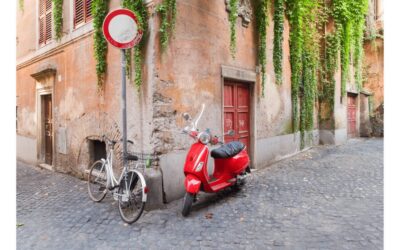
Trastevere & Campo de Fiori Street Food Walking Tour
Read our review →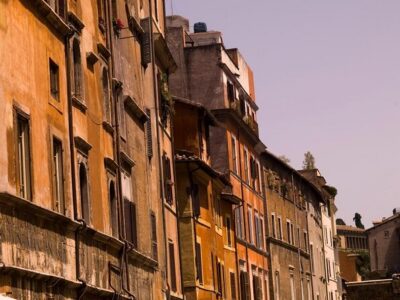
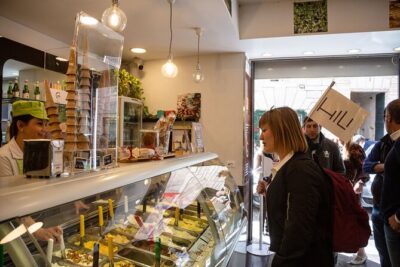
Trastevere & Campo de’ Fiori Street Food Tour, Eat Like a Local
Read our review →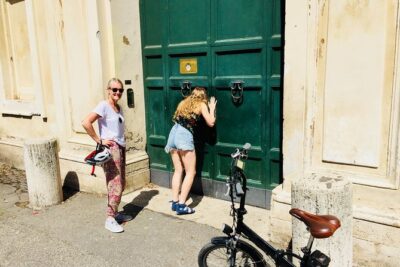
Hidden Rome: Small Group E-Bike Tour with Street Food Stops
Read our review →Hidden Rome: Small Group E-Bike Tour with Street Food Stops
Read our review →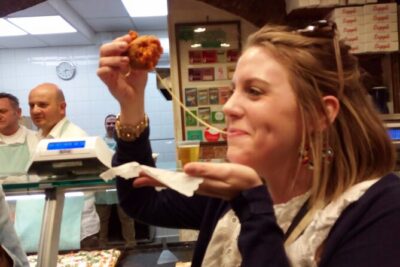
Trastevere and Jewish Ghetto Street Food Walking Tour
Read our review →Browse the lists this tour appears in