
Reviewed · TRASTEVERE TOURS
Rome: Trastevere and Roman Ghetto Guided Walking Tour
Rome’s story changes block by block on this 2 to 2.5-hour walk from Trastevere to the Jewish Ghetto. You begin among neighborhood squares, move through a famous market, then reach streets marked by centuries of Jewish life and painful memory before finishing beside the ancient Theatre of Marcellus.
I like the route’s contrast: Trastevere feels intimate and lived-in, while the Ghetto gives you a more serious look at Rome’s past. I also like the strong guiding element. Estefi, Celia, Sarah, Giuseppe, and others have been praised for clear explanations, humor, patience, and useful food advice.
The main drawback is practical rather than cultural. You walk for around two hours with no advertised restroom stop, and the tour is not suitable for wheelchair users or people with mobility impairments. In summer, bring water and expect Rome’s hard paving underfoot.
In This Review
- Key points to know before you book
- Starting at Piazza Mastai in Trastevere
- Santa Maria in Trastevere and its mosaics
- Piazza Trilussa and the Roman habit of gathering
- Campo de’ Fiori, market life and a useful pause
- Entering the Roman Jewish Ghetto
- The Great Synagogue and Jewish Rome
- Finishing at the Theatre of Marcellus
- What $41 buys you
- Languages, timing, and who should book
- Should you book this Trastevere and Ghetto walk?
- FAQ
- Where does the tour begin?
- How long does the walking tour last?
- Which places does the tour visit?
- Is the tour offered in English?
- Are headsets provided?
- Is the tour suitable for wheelchair users?
- What should I bring?
Key points to know before you book
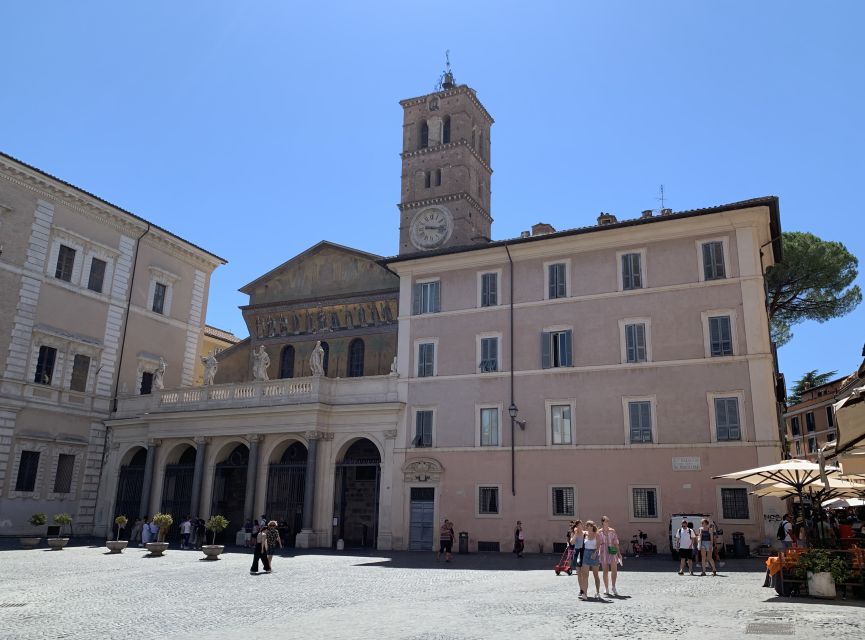
- Piazza Santa Maria gives you an early Roman highlight: Its 12th-century basilica has striking mosaics and a fountain at the center of the square.
- The route links two very different neighborhoods: You move from Trastevere’s café-and-square atmosphere to the more solemn streets of the Jewish Ghetto.
- The guide makes the difference: Estefi, Celia, Sarah, Giuseppe, and other guides are praised for storytelling, humor, answers, and food suggestions.
- Small groups can feel personal: Some departures have had only two or three people, giving the guide plenty of time for questions and photos.
- The walk ends at an ancient theatre: The Theatre of Marcellus, dating to 13 BC, gives the route a strong Roman-era finish.
- The price is reasonable for a guided city walk: At $41 per person, you are paying mainly for interpretation and a well-planned route, not entrance tickets.
Starting at Piazza Mastai in Trastevere
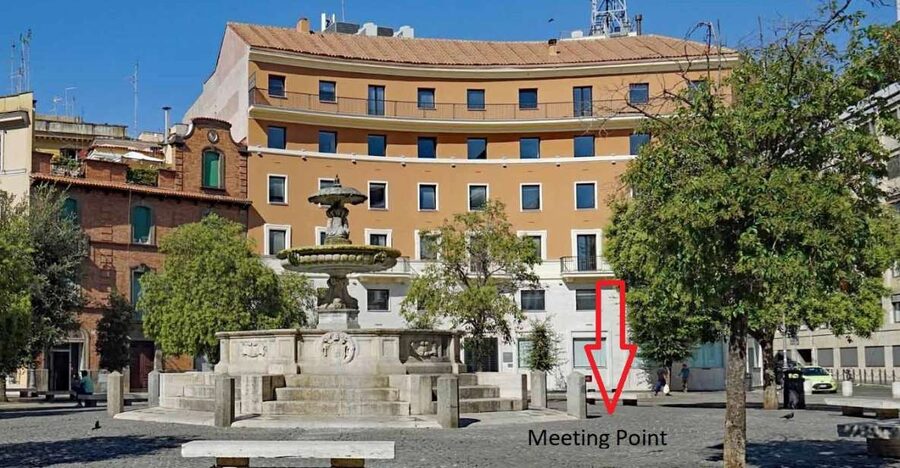
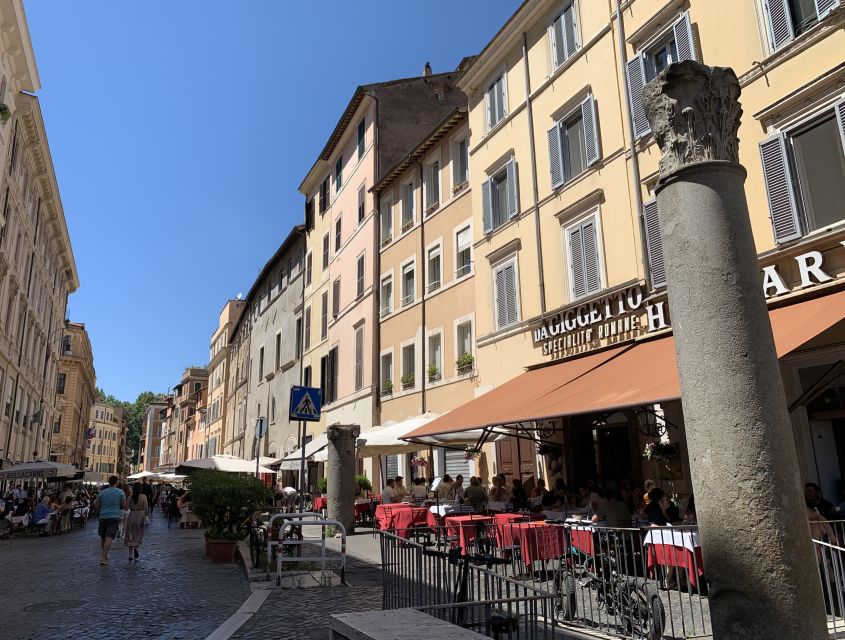
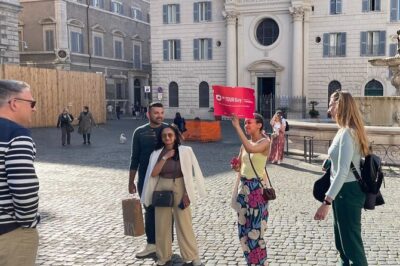
Your meeting point is Piazza Mastai, where the guide waits near the square’s main fountain about 15 minutes before departure. Look for the sign bearing the tour name. This is a simple meeting point, but give yourself enough time to reach it, since Rome’s streets can make short distances feel longer than they look on a map.
Piazza Mastai is a useful place to begin because Trastevere does not reveal itself through one grand monument alone. Its appeal comes from the movement between small streets, churches, squares, and ordinary local scenes. The tour lets you get your bearings with a guide instead of simply wandering and missing the stories behind the facades.
You should expect the guide to set the historical frame early, then add details as you walk. That matters in Trastevere, where the visual charm is easy to appreciate but harder to understand without context. A good guide connects the neighborhood’s buildings and public spaces to Rome’s wider past.
Several guides have made a strong impression here. Estefi has been praised for being attentive, taking photos, and offering food recommendations. Sarah has been especially good with families, with two teenagers calling the tour their favorite so far. That suggests this is not a stiff lecture, and younger visitors may stay interested.
More Trastevere tours and tastings:
- Winner 2025 Rome Twilight Trastevere Food Tour by Eating Europe
★ 5.0 · 5,157 reviews - Rome: Trastevere or Jewish Quarter Street Food Tour
★ 4.8 · 3,839 reviews - Rome: Trastevere Food tour with Free-Flowing Fine Wine
★ 5.0 · 2,853 reviews
Santa Maria in Trastevere and its mosaics
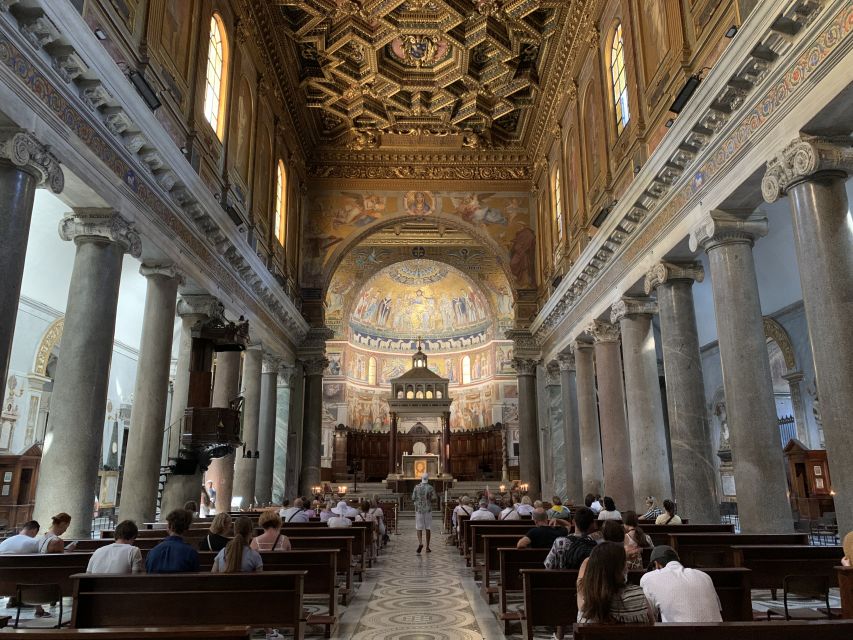
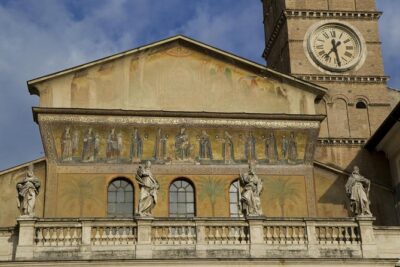
The first major stop is Piazza di Santa Maria in Trastevere, home to the Basilica of Santa Maria in Trastevere. The church dates to the 12th century and is the visual centerpiece of the square.
The stop gives you more than a quick photograph. The guide explains what you are looking at, helping you read the basilica’s mosaics and understand why this church matters within the neighborhood. The fountain in the middle of the piazza adds a calm focal point, while the surrounding streets keep the square connected to daily Roman life.
I like this early stop because it provides the tour’s first clear architectural reward without requiring a long wait or a separate museum visit. You get art, religious history, and public space in one place. The guide’s explanation is particularly useful if you are not familiar with how Rome layers ancient, medieval, and modern life in the same neighborhood.
The itinerary allows about 20 minutes for the guided walk to this area. That pace is manageable, but you should not expect a long interior visit or an in-depth study of every mosaic. This is a city walk, not a basilica tour. You get a focused introduction, then continue through the streets.
Piazza Trilussa and the Roman habit of gathering
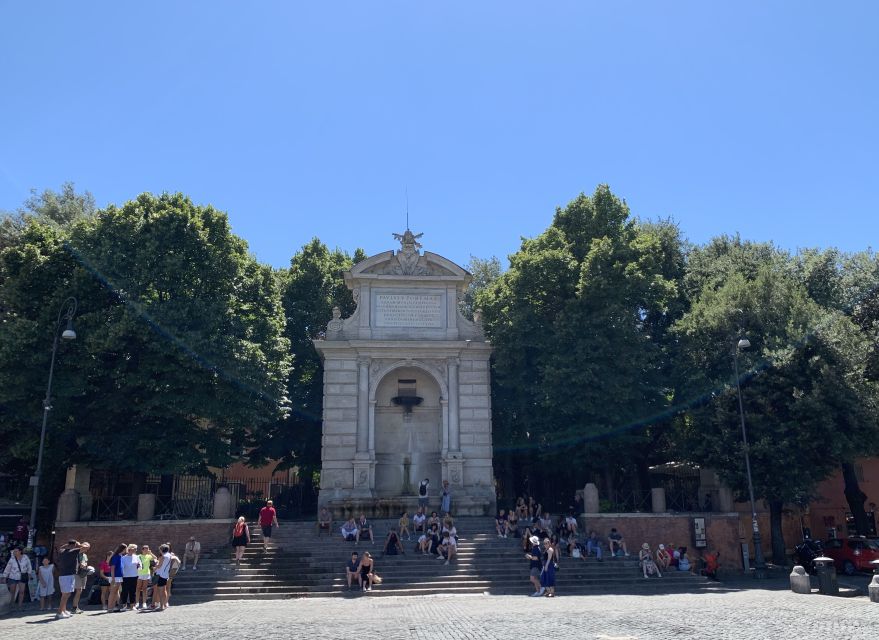
From Santa Maria, the route continues toward Piazza Trilussa. The square is named after Carlo Alberto Salustri, the Roman satirical poet who wrote under the name Trilussa.
This is a good stop for seeing how Rome’s public spaces work. Street performers and local activity give the piazza an open, social feel. The guide can also use the square to explain a piece of Roman culture that is easy to miss if you rush from landmark to landmark: Romans have long used piazzas as places to meet, watch, talk, and linger.
The square also helps balance the tour’s heavier material later on. You are not moving through a museum of old stones. You are walking through a neighborhood where history and present-day life share the same pavement.
Several people have found the overall pace relaxed, with time to take in each place rather than being pushed from stop to stop. That is important for photography, too. You will have room to look around, though the 2 to 2.5-hour schedule still means the guide must keep the group moving.
Campo de’ Fiori, market life and a useful pause
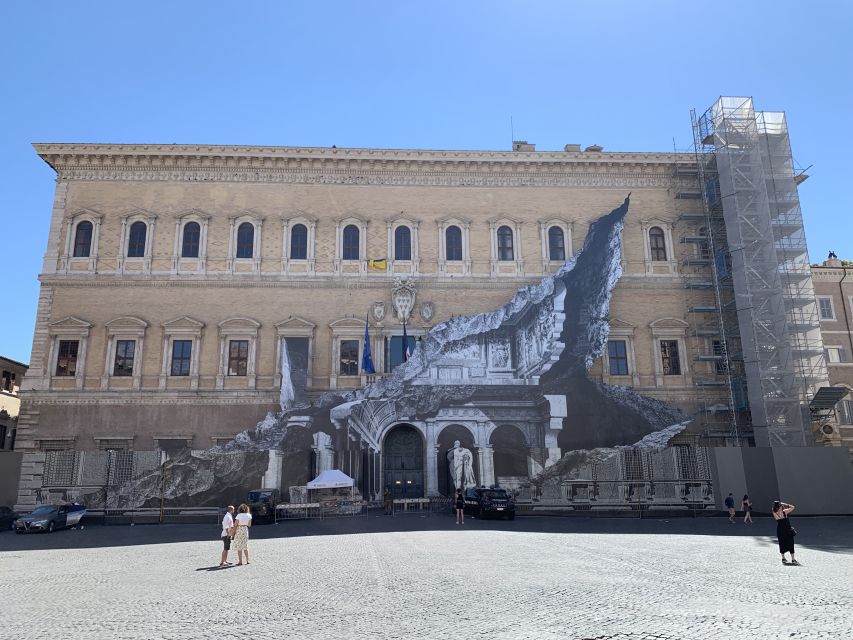
The walk then reaches Campo de’ Fiori, one of Rome’s best-known squares. The area is associated with its market atmosphere, giving you a shift from Trastevere’s neighborhood streets to a more open and recognizable Roman gathering place.
Your guide uses the square to add historical background and point out details you might otherwise pass without noticing. The market setting also offers a small taste of everyday Rome rather than another formal monument. One guide-led departure included time to pick up coffee and juice, so you may have a brief chance for a drink, though this should not be treated as a guaranteed refreshment stop.
That distinction matters. The tour does not include food or drinks, and you should bring water. A reusable bottle is specifically recommended. If you are taking the walk during hot weather, Giuseppe’s reported habit of seeking shade for the group shows why the guide’s judgment matters, but shade cannot be promised at every stop.
Campo de’ Fiori is also a sensible place to think about your energy. The route is not long by Rome standards, but it is continuous. If you need a formal restroom break, plan ahead when possible. One practical criticism of the walk is that a bathroom stop is not built into the advertised sequence.
More Jewish Ghetto walks:
- Jewish Ghetto and Trastevere Tour Rome
★ 4.5 · 1,729 reviews - Jewish Ghetto and Synagogues with Jewish Roman Guide 3 Hours
★ 5.0 · 907 reviews - Rome: Eat Like a Roman Ghetto & Campo de’ Fiori Food Tour
★ 5.0 · 743 reviews - Jewish Ghetto & Piazza Navona: Food, Wine & Sightseeing Rome Tour
★ 5.0 · 460 reviews
Entering the Roman Jewish Ghetto
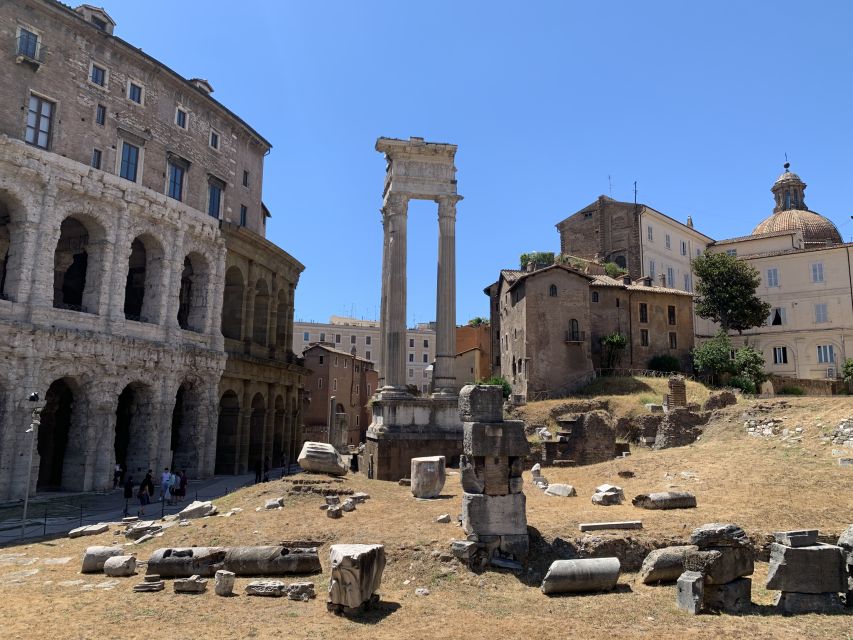
The most meaningful part of the experience comes as you enter the Jewish Ghetto. This section changes the tone. The streets carry the memory of a Jewish community that has lived in Rome for centuries, along with the restrictions and suffering imposed on it over time.
This is where a guide adds real value. Without explanation, you might see attractive streets, old walls, and plaques, but miss the human story behind them. The tour presents the Ghetto as a place of endurance and community, not merely a picturesque quarter.
Expect the guide to discuss the long and difficult history connected with the area. The subject deserves attention and a respectful pace. The walk does not turn the Ghetto into entertainment, but it does use stories and local legends to make the past easier to understand.
The mood here may feel more solemn than in Trastevere or Campo de’ Fiori. That contrast is one of the route’s strengths. Rome can be visually beautiful while carrying memories of exclusion, hardship, and survival. You get a fuller sense of the city by seeing both sides in one outing.
The Great Synagogue and Jewish Rome
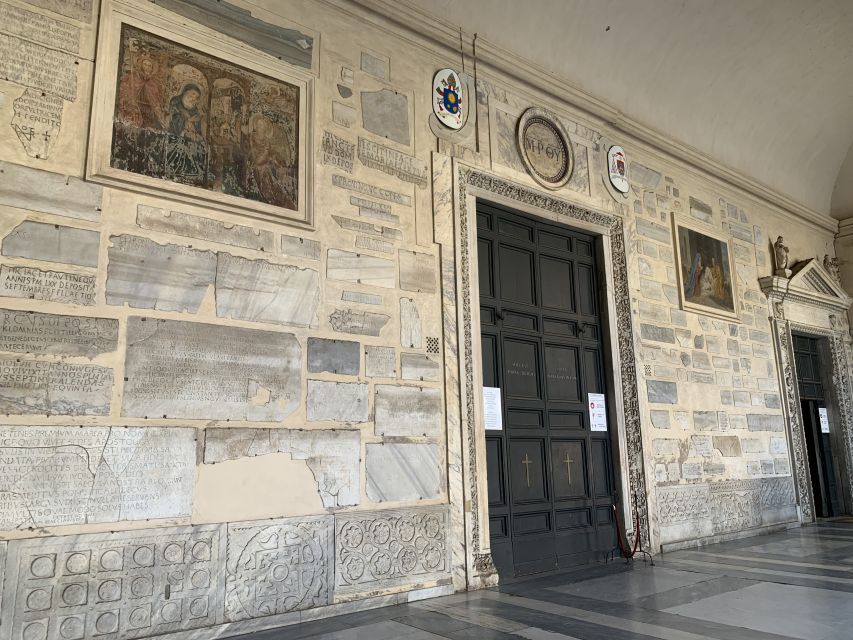
Within the Ghetto, the route reaches the Great Synagogue of Rome. The synagogue is presented as an important architectural and cultural symbol for the city’s Jewish community.
The tour does not list an interior visit, so you should expect to learn about the building from outside rather than enter as part of the standard walk. Even so, this stop gives the Ghetto a clear focal point. The guide can connect the building’s design and presence to the community’s strength after a long period of hardship.
This is also a useful place to ask questions. The small-group format can make a difference, especially here. When only two or three people join a departure, the guide has more room to slow down, answer specific questions, and adjust the explanation to your interests. On larger departures, headsets are supplied when the group has more than 10 people, so you can still hear the guide clearly.
Guides have been singled out for making this material approachable without flattening it. Fabiano has been praised for explaining architecture and history in depth, while other guides have been described as friendly, funny, and patient. Names and personalities vary by departure, but the guiding style is central to the experience.
Finishing at the Theatre of Marcellus
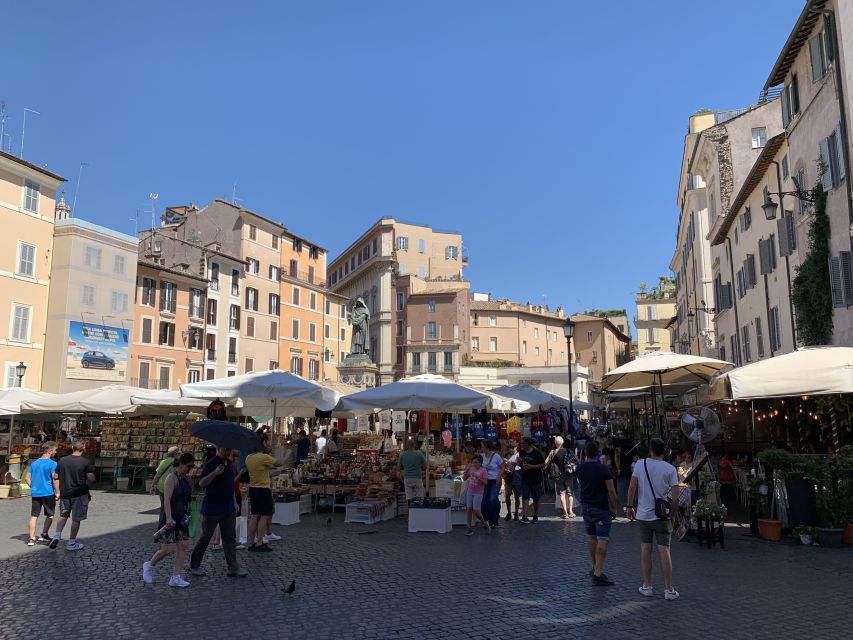
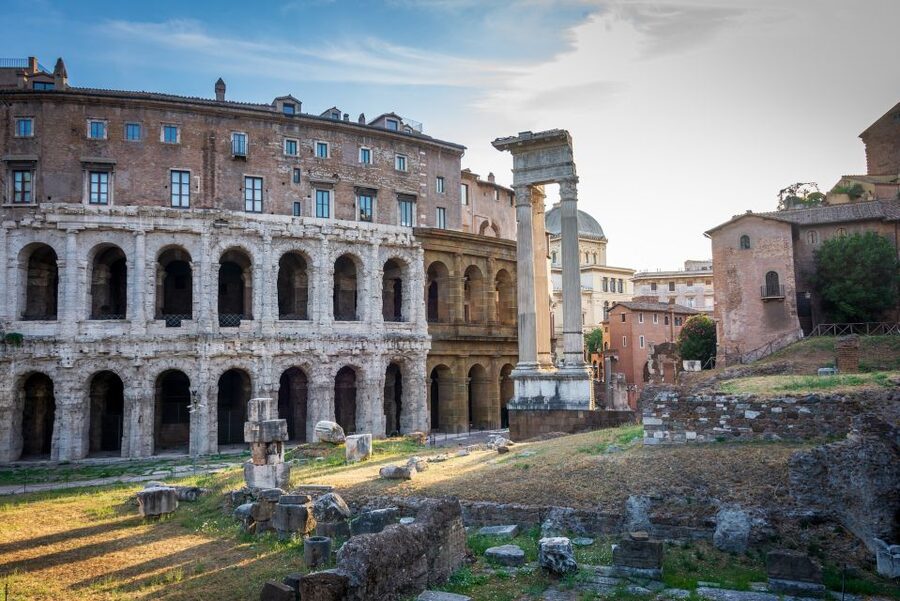
The final stop is the Theatre of Marcellus, an ancient Roman amphitheater dating to 13 BC. Ending here gives the route a strong sense of time travel. You begin with medieval and neighborhood Rome, pass through the market and Jewish Ghetto, and finish beside one of the city’s oldest major structures.
The theatre is a fitting final image because it shows how Rome reuses its past. The tour does not promise an extended archaeological visit or entrance to the site. Instead, you get a guided look at the exterior and an explanation of its place in the city’s ancient story.
By this point, the route has covered art, religion, neighborhood culture, Jewish history, architecture, and ancient Rome. The stops are not isolated attractions. Together, they show how different eras sit side by side in central Rome.
You will want comfortable shoes, water, and a little patience with uneven streets. The tour is described as a walking experience, and it is not suitable for wheelchair users or people with mobility impairments. If you have trouble standing or walking for long periods, this is not the right Rome tour for you.
What $41 buys you
At $41 per person, the cost is fair if you want context rather than a self-guided stroll. There are no major entrance tickets included, so the value comes from the guide’s explanations, the connected route, and the chance to ask questions along the way.
I would especially consider it good value early in a Rome visit. The tour gives you a practical introduction to several central neighborhoods and may help you decide where to return for dinner, photography, or a slower independent walk. Estefi’s food suggestions are a useful bonus, although restaurant recommendations are not the main product.
The price is less compelling if you already know Trastevere and the Ghetto well or prefer to explore silently at your own pace. You can walk through these districts independently. What you cannot easily reproduce is the flow between the places and the historical explanation delivered at the right spot.
The group size can also affect the value. Some departures have been nearly private, with just two or three people. That makes questions and photos easy. Larger groups receive headsets when there are more than 10 participants, but the experience may feel less personal.
Languages, timing, and who should book
The live guide is available in English, French, or Spanish. Check the departure language carefully when booking, since the quality of the experience depends on being able to follow the stories and ask questions comfortably.
The tour lasts two to two and a half hours. That length works well for a first look at the neighborhoods, though it leaves little room for an extended café stop or an unplanned interior visit. The itinerary lists roughly 20 minutes of walking between major points, so you should expect a steady city pace with explanations at each stop.
I would recommend this walk to:
- First-time Rome visitors who want more than the Colosseum and Vatican route
- Families with older children or teenagers who respond well to stories
- People interested in architecture, local culture, and Jewish history
- Visitors who prefer a relaxed walk to a large bus tour
- Anyone who wants food suggestions and neighborhood orientation from a guide
I would be cautious about booking it if you need frequent sitting or restroom breaks, use a wheelchair, or have significant mobility limits. It is also not the best match if you want long visits inside churches or monuments. The focus is on streets, squares, exteriors, and spoken interpretation.
The cancellation policy allows a full refund if you cancel at least 24 hours ahead, and you can reserve now and pay later. Those options are useful when your Rome schedule is still shifting.
Should you book this Trastevere and Ghetto walk?
Book it if you want Rome explained through its neighborhoods rather than reduced to a checklist of famous sights. The best parts are the contrast between Trastevere and the Ghetto, the moving historical material, and guides who can make architecture and local stories easy to follow.
The tour is especially appealing with a small group. You may get a guide such as Estefi, Celia, Sarah, or Giuseppe, though the assigned guide is not guaranteed. Bring water, wear supportive shoes, and plan for a continuous walk.
Skip it if you need step-free access, a built-in bathroom break, or extensive time inside monuments. For everyone else, $41 buys a thoughtful introduction to several sides of Rome, with enough structure to make the city easier to understand and enough free time afterward to return on your own.
FAQ
Where does the tour begin?
The tour begins at Piazza Mastai in Trastevere. The guide waits near the main fountain, holding a sign with the tour name, about 15 minutes before the start.
How long does the walking tour last?
The tour lasts approximately 2 to 2.5 hours. Starting times vary, so check availability when choosing a departure.
Which places does the tour visit?
The route includes Piazza Mastai, Piazza di Santa Maria in Trastevere, Piazza Trilussa, Campo de’ Fiori, the Jewish Ghetto, the Great Synagogue of Rome, and the Theatre of Marcellus.
Is the tour offered in English?
Yes. Live guiding is available in English, Spanish, and French.
Are headsets provided?
Headsets are provided when the group has more than 10 people so you can hear the guide clearly.
Is the tour suitable for wheelchair users?
No. The experience is not suitable for wheelchair users or people with mobility impairments.
What should I bring?
Bring water and a reusable water bottle. Comfortable walking shoes are also a sensible choice for this city walk.
More Walking Tours in Rome
- Rome: Trastevere & Campo de Fiori Street Food Walking Tour
★ 4.9 · 2,768 reviews - Rome: Paranormal Night Walking Tour & Secret Backstreets
★ 4.9 · 1,921 reviews - Rome by Night Walking Tour – Legends & Criminal Stories
★ 4.5 · 1,003 reviews - Rome: Guided City Center Evening Sightseeing Walking Tour
★ 4.4 · 953 reviews
Newest reviews from Rome
- ROME:Colosseum & Ancient Rome – private/small group TOUR★ 5.0 · 24 reviews
- Off the Beaten Track in Rome: Rione VI Parione Private Tour★ 5.0 · 24 reviews
- Cinematic Photoshoot in Rome★ 5.0 · 24 reviews
- Rome: Best of Colosseum and Roman Forum Small Group Guided Tour★ 4.5 · 24 reviews
- The Labyrinth of Rome between catacombs and ancient quarries★ 4.5 · 24 reviews
- Vatican and Trionfale Market Tour with Wine and Food Tasting★ 5.0 · 24 reviews
- private tour: Vatican Museums, Sistine Chapel, St. Peter’s Basilica★ 4.5 · 24 reviews
- 3 Hours Mosaic Workshop in Trastevere★ 5.0 · 24 reviews
Trastevere Tours, compared.
Winner 2025 Rome Twilight Trastevere Food Tour by Eating Europe
Read our review →
Trastevere or Jewish Quarter Street Food Tour
Read our review →
Trastevere Food tour with Free-Flowing Fine Wine
Read our review →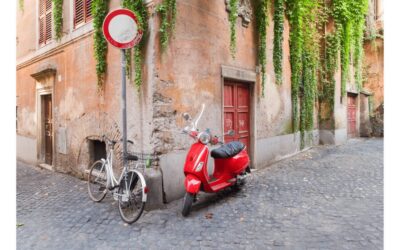
Trastevere & Campo de Fiori Street Food Walking Tour
Read our review →
Award Winning Trastevere Group Food Tour with Wine
Read our review →
Rome Food Tour: Hidden Gems of Trastevere with Dinner & Wine
Read our review →
Trastevere Guided Food and Wine Tour with 20+ Tastings
Read our review →Browse the lists this tour appears in