
Reviewed · UNDERGROUND ROME TOURS
Rome: Trevi Fountain Underground Aqueduct Walking Tour
Rome’s Trevi Fountain is only the grand finale of this two-hour walk. The real story begins at the Spanish Steps, where an ancient aqueduct still feeds a fountain today, then slips beneath modern Rome before reappearing underground near Trevi. Water is the thread tying the whole route together, and it gives familiar sights a new purpose.
I like the small group, capped at 12 people, because you can ask questions without shouting across a crowd. I also like the route’s unusual stops, especially the aqueduct beneath a shopping mall and the old water reservoir near Trevi. The main consideration is that roughly half the tour is outdoor explanation and city walking, so anyone wanting nonstop underground ruins may find the pace slower than expected. The tour runs rain or shine.
In This Review
- Key points at a glance
- Rome’s water story begins at the Spanish Steps
- Following the aqueduct through present-day streets
- Entering the aqueduct below the city
- Trevi Fountain, seen from the water’s end
- Vicus Caprarius and ruins beneath a shopping mall
- Why the small group changes the experience
- Is $59.22 a fair price?
- Timing, weather, and what to plan for
- Who will enjoy this aqueduct walk?
- My verdict on the Trevi Fountain Underground Aqueduct Tour
- FAQ
- Where does the tour start?
- Where does the tour finish?
- How long does the experience last?
- What language is the tour conducted in?
- How large is the group?
- Is entry to the underground aqueduct included?
- Is entry to Vicus Caprarius included?
- Is transportation included?
- What happens if it rains?
Key points at a glance
- Ancient water still in use: Begin beside a fountain near the Spanish Steps that is fed by an aqueduct built in 19 BC.
- A route beneath modern Rome: Follow the aqueduct through streets and buildings, with sections visible below ground.
- Two underground visits: Enter the aqueduct itself and the archaeological site of Vicus Caprarius.
- A new view of Trevi: Reach the fountain after tracing the system that supplies it, then move away from the main crowd.
- A small English-speaking group: The maximum of 12 people makes questions and conversation much easier.
- A useful city lesson: The tour explains not just ruins, but how Rome grew around its ancient infrastructure.
Rome’s water story begins at the Spanish Steps
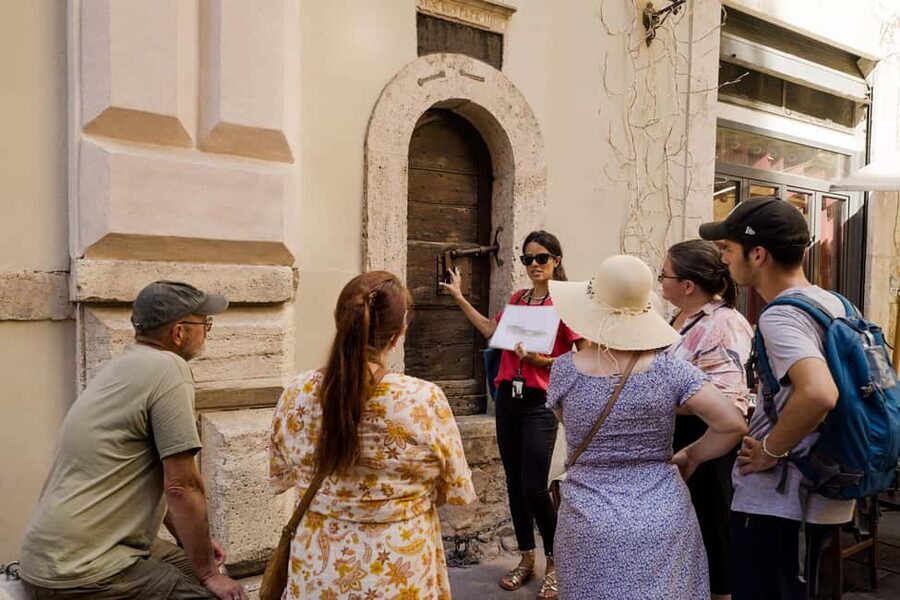
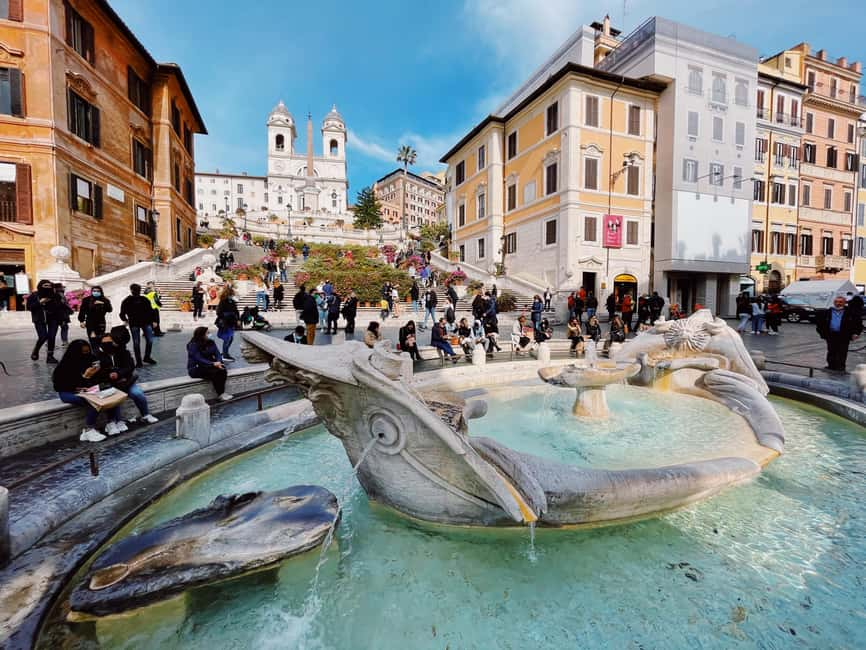
Meet beside the Diesel store at Piazza di Spagna, where your guide carries a Live Virtual Guide sign. The meeting point is easy to place in one of Rome’s most familiar squares, though it can be crowded, so arrive with enough time to spot the sign rather than rushing in at the last minute.
The Spanish Steps are not simply a backdrop for photographs. Your guide explains why they have that name and places the square within Rome’s wider story. The answer may surprise you, and this opening gives you useful context before the tour turns toward water.
At the foot of the steps, you see the first fountain on the route. It is still supplied by an ancient Roman aqueduct built in 19 BC. That fact changes how you look at the fountain. You are not just admiring a decorative basin. You are looking at the working end of an engineering system that has helped shape Rome for more than two thousand years.
I like beginning here because the route starts with something you can see and understand at once. You do not begin in an isolated archaeological site with no sense of place. You begin in a busy modern square, then learn that the water beneath it belongs to a much older city.
More underground Rome tours:
- Colosseum: Underground and Ancient Rome Tour
★ 4.7 · 12,691 reviews - Rome: Crypts and Catacombs Underground Tour with Transfers
★ 4.6 · 5,341 reviews - Expert Guided Tour of Colosseum Arena OR Underground, and Forum
★ 4.5 · 5,041 reviews
Following the aqueduct through present-day streets
From Piazza di Spagna, the walk follows the course of the aqueduct toward Trevi. Much of the route is underground, but the aqueduct appears in pieces among modern buildings. That contrast is the heart of the experience: ancient stone and flowing water remain below the city, while shops, streets, and daily life continue above.
This is where a guide adds real value. On your own, you might pass a small stretch of Roman masonry without knowing what it is or why it matters. The tour connects those fragments, showing how the waterway runs through the city rather than treating each ruin as a separate curiosity.
Expect a walking tour with regular stops for explanation. The first part is more about history and orientation than entering ruins. You will hear how Roman aqueducts brought water into the city and how later Rome was built around, over, and beside the old system.
The small group matters here. With no more than 12 people, it is easier to hear the guide in the street and ask about details that catch your eye. Sabrina has been praised for bringing Rome’s story to life, while Federica has been especially effective at explaining the subject with warmth, humor, and clear detail. Guide assignments can vary, but the experience is conducted in English.
Entering the aqueduct below the city
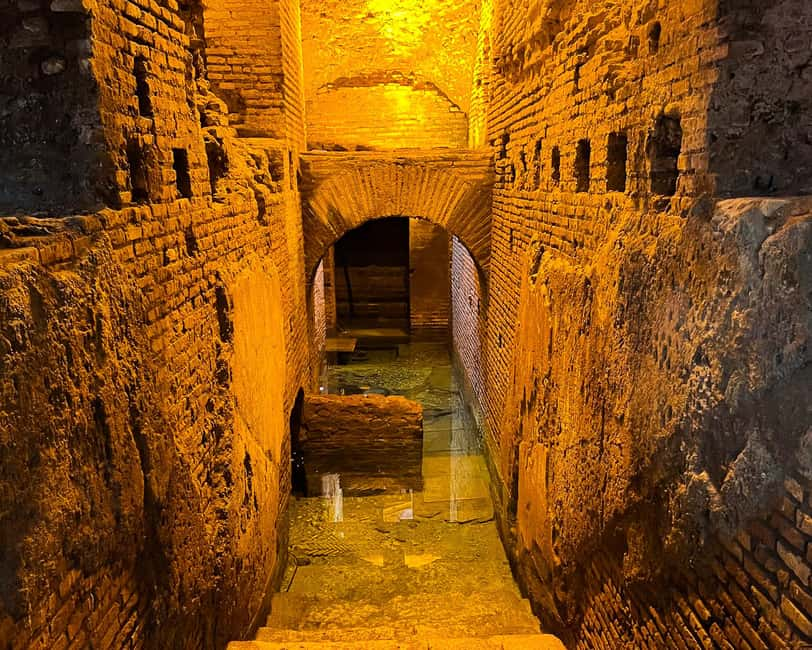
The route includes a couple of opportunities to go underground and see the aqueduct up close, with water still flowing through it. These visits turn an abstract history lesson into something physical. You can see the channel, understand its scale, and grasp that the water system was not just a line on a map.
The underground portions are the most distinctive part of the walk, but they are not the entire tour. You spend time outdoors moving between sites, listening to the explanation, and watching the aqueduct appear between modern structures. If you enjoy a story that builds step by step, this format works well. If you prefer a short site visit with little commentary, the first half may feel talk-heavy.
That balance is worth knowing before you book. The tour is not simply an entry ticket to an underground attraction. The guide follows the water from its source route to its monumental endpoint, so each stop has a reason.
Trevi Fountain, seen from the water’s end
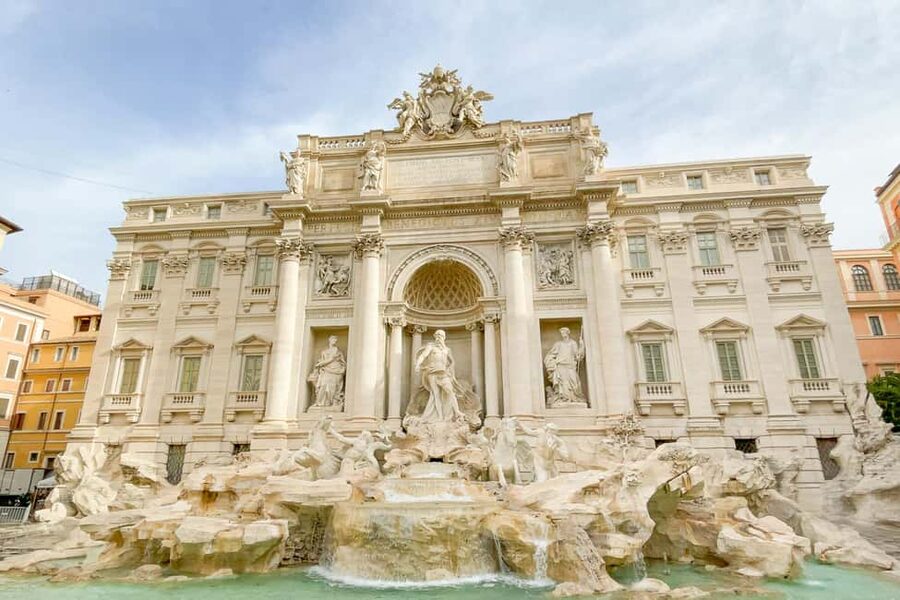
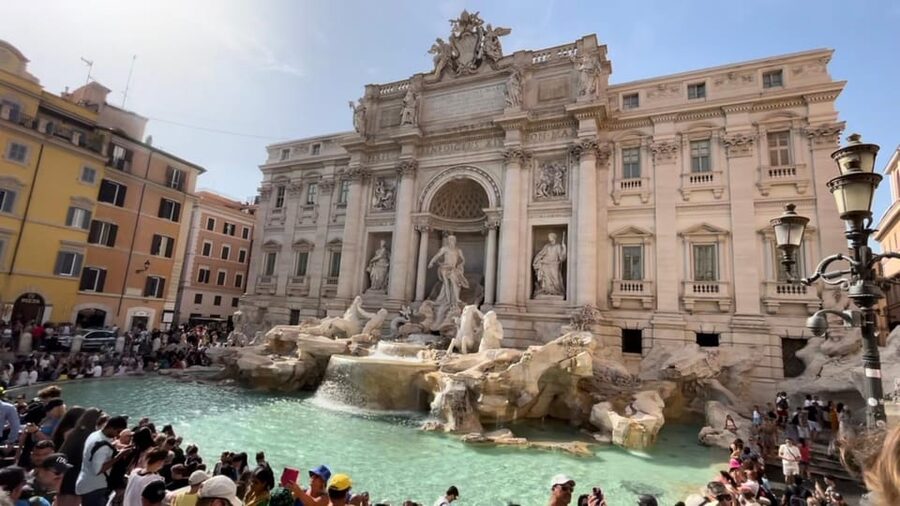
The aqueduct leads to the Trevi Fountain, one of Rome’s most crowded and photographed sights. Most people arrive, take pictures, toss a coin, and move on. This walk gives you a different way to read the fountain because you have just followed the water system that feeds it.
The fountain becomes the endpoint of an engineering story rather than an isolated Baroque monument. You understand why water mattered so much to Rome and why fountains were both practical infrastructure and public art.
The tour does not end at the front of Trevi. After reaching the fountain, the group turns away from the busiest area to visit an underground water reservoir built by the ancient Romans. This is a smart finish. You get the famous view, but the final stop is the quieter and less expected part of the experience.
The route listing gives the finish as Vicolo del Puttarello, near Trevi, and the meeting information says the activity ends back at the meeting point. Confirm the exact end point and directions when you book, especially if you have a restaurant reservation or another timed visit afterward.
More Trevi and Pantheon walks:
- Rome: Pantheon Timeless Marvel Guided Tour with Entry Ticket
★ 4.9 · 4,002 reviews - Rome: Pantheon Priority Entry Ticket & Audio Guide App
★ 4.1 · 3,234 reviews - Enjoy Spritz and Pasta Making in Piazza Navona
★ 5.0 · 1,681 reviews - Rome: Trevi Fountain and Underground Guided Tour
★ 4.3 · 1,664 reviews
Vicus Caprarius and ruins beneath a shopping mall
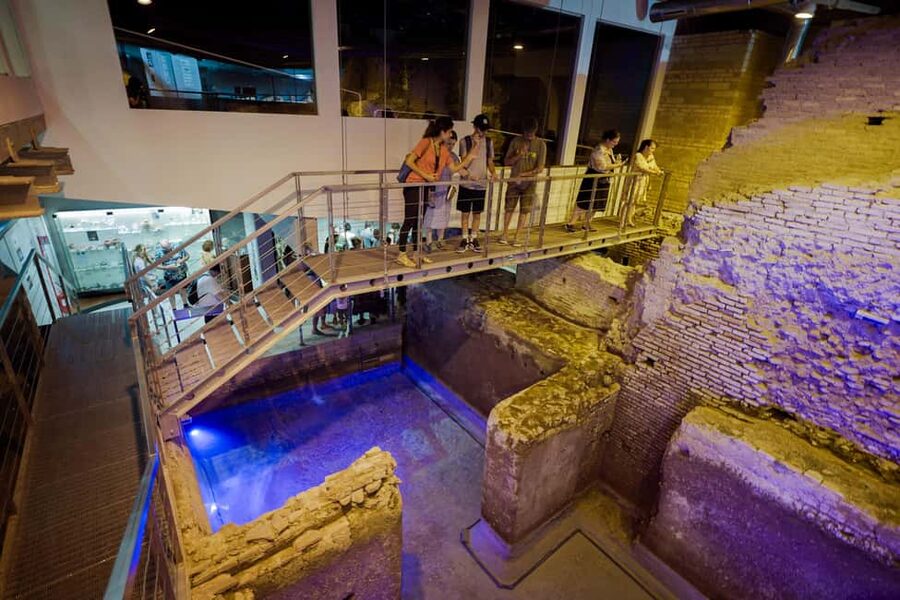
Vicus Caprarius is the tour’s main archaeological visit. The site lies below the modern city, and its presence is a sharp reminder that Rome often hides its oldest layers in places you would never expect.
The unusual setting is part of the appeal. You can find Roman remains beneath a shopping mall, tucked into the streets around Trevi rather than displayed in a large open-air park. The guide explains how the ancient water system and the buildings around it fit together.
This is not a stop that works best as a quick photograph. Its value comes from understanding how Rome was built in layers. A modern commercial space can sit above ancient structures, and an old reservoir can remain part of the city’s underground story. The guide’s explanation helps you connect the fragments.
The archaeological entry is included in the tour price, along with entry to the underground aqueduct. That is important when judging value, since you are paying for both access and a focused explanation across several sites, not just a walk between the Spanish Steps and Trevi.
Why the small group changes the experience
A 12-person maximum is one of the strongest practical features. Rome’s central streets can be noisy, crowded, and hard for a large group to navigate. A compact group is easier to keep together, and you have a better chance of hearing the guide during street-side explanations.
The format also supports conversation. You can ask about Roman construction, the fountains, the route of the aqueduct, or the ruins under the city without holding up a large crowd. Several guides, including Sabrina and Federica, have been praised for making the history easy to follow and for answering questions with patience.
The tour’s strongest praise centers on the guides’ storytelling, local insight, and ability to explain complicated Roman history in a friendly way. That is especially useful here because the aqueduct is often out of sight. The guide has to help you picture what lies below your feet, and a clear storyteller makes the difference.
Still, a small group is not a private tour. You share the guide’s time with up to 11 other people, and the pace needs to suit the whole group. If you want a completely personal itinerary, this is not that. If you want interaction without the cost of a private guide, the arrangement is a good middle ground.
Is $59.22 a fair price?
At the listed price of $59.22 per person, this is not the cheapest way to see Trevi Fountain. You can visit the fountain itself for free, and you can walk between Piazza di Spagna and Trevi without booking anything.
The price makes more sense when you count what is added. You receive a two-hour guided walk, entry to the underground aqueduct, entry to Vicus Caprarius, and a connected explanation of Rome’s water network. The guide also points out details you would likely miss while moving through the area alone.
I would call it fair value for someone who enjoys history and wants more than the standard Trevi photograph. It is less compelling if you only want the famous sights or are trying to keep costs very low. The tour does not include transportation, though the route is designed as a walk through central Rome.
The reserve-now, pay-later option can help if your schedule is still shifting. Free cancellation is available up to 24 hours before the activity for a full refund. These terms make it easier to fit the walk into a Rome itinerary without committing too early.
Timing, weather, and what to plan for
The activity lasts two hours, with starting times shown according to availability. Since the route begins at the Spanish Steps and moves toward Trevi, it fits well into a day focused on central Rome.
Plan for a normal city walk rather than a transport-based excursion. Wear shoes that are comfortable for pavement and standing, and allow a little extra time to reach the meeting point beside the Diesel store. The tour is conducted in English.
The activity runs rain or shine. That matters because part of the experience takes place outdoors, even though the aqueduct and Vicus Caprarius visits are underground. On a wet day, bring suitable rain protection and expect the street portion to be less comfortable.
Because Trevi Fountain can be crowded, keep your belongings secure and stay alert when the group gathers near the monument. The small group helps, but it does not remove the normal need to watch for pickpockets in busy central Rome.
Who will enjoy this aqueduct walk?
I would choose this tour for a first-time Rome visitor who wants a story linking several famous places. It works particularly well if you have already seen Trevi Fountain and now want to understand what lies beneath the polished surface.
It also suits repeat visitors, architecture fans, and anyone interested in Roman engineering. One especially enthusiastic guide, Federica, made a strong impression on an architecture enthusiast by explaining the sites with ease and humor. That tells you something about the tour’s level of detail: it can work for curious beginners, but it also offers enough structure for people who already enjoy buildings and ancient infrastructure.
Families with older children may appreciate the underground sections and the discovery of ruins beneath a shopping mall. The tour is less suited to very young children who need constant movement, since the guide spends substantial time explaining the history of the aqueduct and Rome.
Choose something else if you want a broad city tour covering the Colosseum, Pantheon, and Roman Forum. This experience has a narrow subject, and that is its strength. You spend two hours following one idea, water, from the Spanish Steps to Trevi and below the modern city.
My verdict on the Trevi Fountain Underground Aqueduct Tour
Book this tour if you want to see Rome through an unusual system that is still part of the city. The Spanish Steps, Trevi Fountain, underground aqueduct, and Vicus Caprarius make a satisfying chain, and the small group gives you room to ask questions.
The best reason to go is not simply entering an underground site. It is learning how the sites connect. You leave with a clearer sense of how Rome was built around ancient infrastructure, and why a fountain in a busy square can still depend on work begun in 19 BC.
Skip it if you want a fast sightseeing loop, dislike guided explanations, or only have time for Rome’s headline monuments. For everyone else, the $59.22 cost is reasonable for the access, the route, and the lively storytelling provided by guides such as Sabrina and Federica.
FAQ
Where does the tour start?
The tour starts at Piazza di Spagna, 15, next to the Diesel store. Your guide will hold a sign with the Live Virtual Guide logo.
Where does the tour finish?
The listed finish is Vicolo del Puttarello, 00187 Rome, near the Trevi area. The meeting information also says the activity ends back at the meeting point, so confirm the exact end point when booking.
How long does the experience last?
The walking tour lasts two hours. Starting times depend on availability.
What language is the tour conducted in?
The live guided tour is conducted in English.
How large is the group?
The group is limited to no more than 12 people.
Is entry to the underground aqueduct included?
Yes. Entry to the underground aqueduct is included in the price.
Is entry to Vicus Caprarius included?
Yes. Admission to Vicus Caprarius is included.
Is transportation included?
No. Transportation is not included, and the experience is a walking tour.
What happens if it rains?
The activity runs rain or shine. You should plan for outdoor walking as well as the underground visits.
More Walking Tours in Rome
- Rome: Trastevere & Campo de Fiori Street Food Walking Tour
★ 4.9 · 2,768 reviews - Rome: Paranormal Night Walking Tour & Secret Backstreets
★ 4.9 · 1,921 reviews - Rome by Night Walking Tour – Legends & Criminal Stories
★ 4.5 · 1,003 reviews - Rome: Guided City Center Evening Sightseeing Walking Tour
★ 4.4 · 953 reviews
Newest reviews from Rome
- ROME:Colosseum & Ancient Rome – private/small group TOUR★ 5.0 · 24 reviews
- Off the Beaten Track in Rome: Rione VI Parione Private Tour★ 5.0 · 24 reviews
- Cinematic Photoshoot in Rome★ 5.0 · 24 reviews
- Rome: Best of Colosseum and Roman Forum Small Group Guided Tour★ 4.5 · 24 reviews
- The Labyrinth of Rome between catacombs and ancient quarries★ 4.5 · 24 reviews
- Vatican and Trionfale Market Tour with Wine and Food Tasting★ 5.0 · 24 reviews
- private tour: Vatican Museums, Sistine Chapel, St. Peter’s Basilica★ 4.5 · 24 reviews
- Skip the Line: Vatican Wheelchair Accessible Private Tour★ 5.0 · 24 reviews
Underground Rome Tours, compared.
Colosseum: Underground and Ancient Rome Tour
Read our review →
Crypts and Catacombs Underground Tour with Transfers
Read our review →
Expert Guided Tour of Colosseum Arena OR Underground, and Forum
Read our review →
Colosseum Underground Small Group Guided Tour
Read our review →
St. Peter’s Basilica, Dome Climb, and Underground Tour
Read our review →

Colosseum Underground & Ancient Rome Guided Tour
Read our review →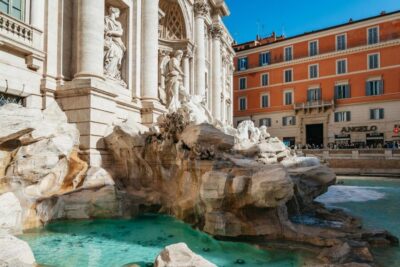
Browse the lists this tour appears in