
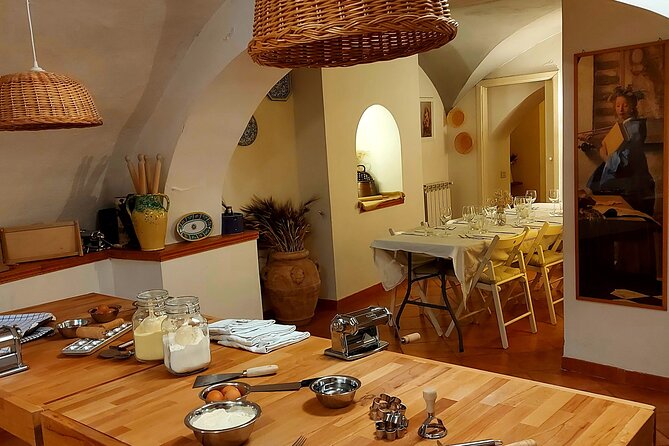
Reviewed · VATICAN MUSEUMS & SISTINE CHAPEL
Small-Group Pasta Making steps from the Vatican Museums
Fresh pasta tastes better when you have made it yourself, and this class puts you to work in a kitchen just steps from St. Peter’s Basilica. Romina welcomes you with sparkling wine and nibbles, then guides a small group through green ravioli, fettuccine, and classic Roman flavors.
I like the small maximum of eight people, which gives you a better chance to ask questions. I also like the unusual setting in a former Vatican granary, plus the easy location for fitting lunch between Vatican plans. The main thing to consider is that the class may feel more like a guided introduction than a full cooking workshop, since the host handles some sauces and cooking.
In This Review
- Key points to know before booking
- A pasta class beside the Vatican
- Meeting Romina and settling into the kitchen
- Making green ravioli with ricotta and pecorino
- Rolling fettuccine and learning Roman sauces
- Bruschetta, dessert, and the meal you helped make
- How much hands-on cooking should you expect?
- The $96 value near St. Peter’s Basilica
- Planning the class around a Vatican day
- Who should book this pasta class?
- Should you book it?
- FAQ
- Where does the pasta-making class meet?
- How long does the experience last?
- Is the class offered in English?
- How many people can join the class?
- What food will I make and eat?
- Can I cancel for a full refund?
Key points to know before booking
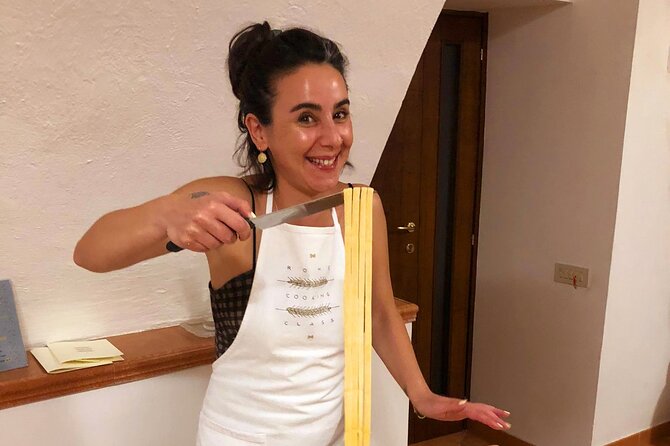
- Former Vatican granary: Cook in a historic kitchen close to St. Peter’s Basilica and Borgo Angelico.
- Two fresh pasta dishes: Prepare green ravioli with ricotta, pecorino, and lemon zest, plus homemade fettuccine.
- Roman sauces: Learn about Amatriciana, Cacio e Pepe, and Carbonara, with Amatriciana included in the sample meal.
- Small English-language class: The group is capped at eight, so you get more direct help than in a large demonstration.
- A full meal with wine: Begin with sparkling wine and nibbles, then eat the pasta, bruschetta, dessert, and local wine.
- Hands-on time varies: You make and roll pasta, but the host may prepare some sauces and handle more of the cooking.
A pasta class beside the Vatican
The location does much of the work here. The meeting point is on Borgo Angelico, in the streets around St. Peter’s Basilica. You are not being sent across Rome for a cooking lesson. You can pair the class with a Vatican Museums visit, a walk around the basilica, or an afternoon in the Prati area.
The kitchen occupies a former Vatican granary, which gives the meal a useful sense of place. This is not simply a rented classroom with stainless-steel counters and a generic menu. The setting connects your food lesson with the neighborhood and with the long Roman habit of turning simple ingredients into satisfying meals.
The class lasts about three hours and is offered in English. You can choose a lunch or dinner start, which helps if you are building a busy Rome schedule. A lunch class works well between sightseeing stops, while dinner gives you a relaxed evening activity that ends with a substantial meal.
The exact flow can vary, but you begin with a warm welcome, sparkling wine, and small bites. That opening matters. It gives you time to settle in, meet the other people at the table, and listen to the host explain the plan before flour starts flying.
More Vatican Museums and Sistine Chapel entries:
- Vatican: Museums & Sistine Chapel Entrance Ticket
★ 4.5 · 144,003 reviews - Vatican Museums & Sistine Chapel Tour with Optional Basilica
★ 4.3 · 67,413 reviews - Vatican Museums, Sistine Chapel & St Peter’s Basilica Guided Tour
★ 4.5 · 39,149 reviews
Meeting Romina and settling into the kitchen
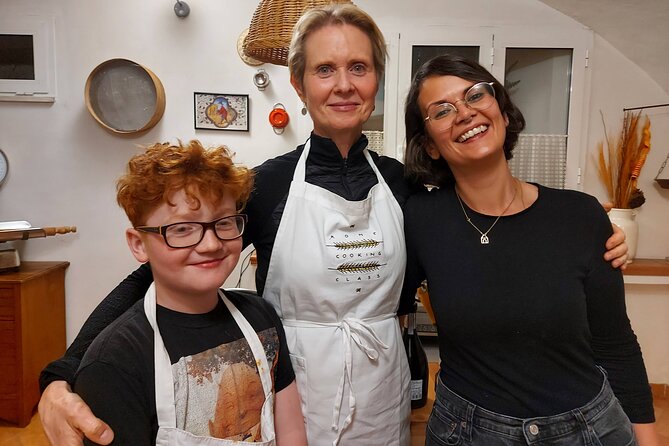
Romina is the central part of the experience. Her role is more than showing a recipe. She shares family cooking traditions, practical tips, and background on Roman food. The class has a friendly, social tone, with plenty of room for questions and conversation.
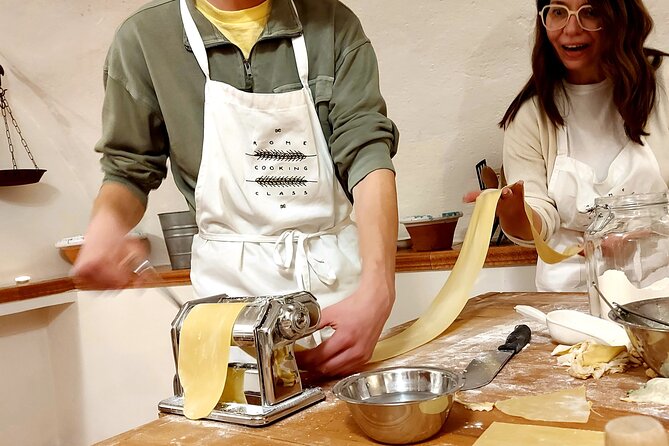
You will be given an apron and then start working with the pasta dough. The pace is meant to be approachable, not rushed. That makes this a good choice if you have never made fresh pasta, are cooking with children, or simply want a Rome activity that does not involve another long walk.
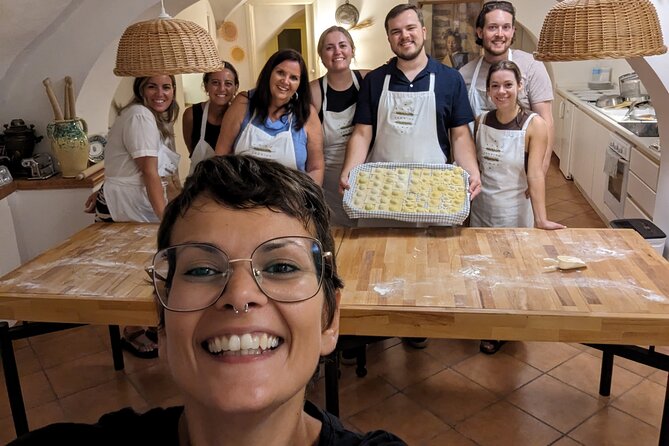
The small group limit is important. With no more than eight people, Romina can watch how you handle the dough and help correct your technique. A large cooking demonstration can leave you balancing a camera, trying to see over someone’s shoulder, and hoping you heard the instructions. This setup should feel more personal.
The class is also social without requiring you to perform. You may arrive with your own party, but the format encourages conversation with the other people at the table. Several couples can share the room comfortably, and families can work together rather than sit quietly through a formal demonstration.
Making green ravioli with ricotta and pecorino
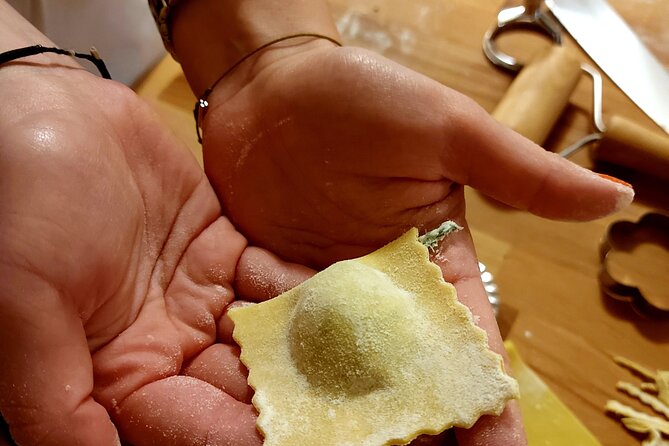
The first major pasta project is green ravioli. The filling combines ricotta, pecorino, and lemon zest, giving the dish a soft, savory center with a bright note. It is a good teaching recipe because you work through several basic skills: preparing the dough, rolling it thin, adding filling, sealing the pasta, and shaping it neatly.
You get your hands on the dough rather than simply watching a chef assemble the finished plate. This is where the class offers its strongest practical value. Fresh pasta can seem fussy at home, but the process becomes less mysterious once you have handled the dough and seen how thin it should be.
The ravioli is served with fresh cherry tomato sauce and basil. The pairing is simple, which is useful for a first lesson. You can taste the pasta itself, rather than covering it with a heavy sauce. The tomato and basil also make the finished plate colorful and fresh.
If you are hoping to prepare every part of the dish yourself, set your expectations carefully. The available information indicates that the hands-on work centers mainly on making and rolling the pasta, while Romina handles some of the sauces and cooking. That approach keeps the class moving, but it may disappoint anyone looking for a detailed, start-to-finish kitchen practicum.
Rolling fettuccine and learning Roman sauces
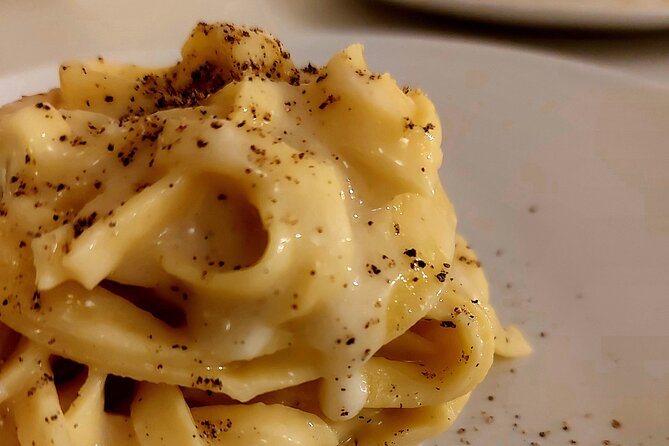
You also make homemade fettuccine, served with traditional Amatriciana sauce. This gives you a second pasta shape and a chance to compare filled pasta with long noodles. Learning both in one session makes the class more useful than a lesson focused on a single finished dish.
Amatriciana is one of Rome’s best-known pasta sauces, built around a savory, tomato-based flavor. The class also introduces Cacio e Pepe and Carbonara, two other Roman standards. These dishes are valuable subjects because they show how Roman cooking depends on a small number of ingredients, careful timing, and confident technique.
The lesson is not only about following measurements. Romina explains food customs and gives cooking tips that you can carry home. You may not leave ready to run a Roman restaurant, but you should have a clearer idea of how fresh pasta is formed and how classic Roman sauces fit into the local food tradition.
Here again, the hands-on level deserves attention. One detailed account described only about 25 minutes of direct work, with more time spent listening, watching, and eating. That may be exactly right for someone who wants a friendly introduction. If you have already taken several cooking classes and want every participant to prepare the sauces, starters, and dessert, this format may feel too light.
More ways to visit the Vatican:
- Rome: Vatican Museums, Sistine Chapel & Basilica Tour
★ 4.3 · 13,872 reviews - Vatican Museums & Sistine Chapel Skip-the-Line Entry Ticket
★ 4.4 · 13,838 reviews - Rome: Vatican Museums, Sistine Chapel & Basilica Tour
★ 4.7 · 13,217 reviews - Skip-the-Line Group Tour of the Vatican, Sistine Chapel & St. Peter’s Basilica
★ 4.5 · 12,779 reviews
Bruschetta, dessert, and the meal you helped make
Pasta is the main event, but the meal includes more than noodles and ravioli. The sample menu starts with bruschetta topped with cheese, roasted peppers, and olives. Seasonal ingredients are used for the starters, so the exact details may change.
That starter gives you something to eat while the pasta is being finished. It also adds a little variety to the class. You are not waiting three hours for one plate of food, and the table feels more like a shared meal than a technical lesson.
Dessert is tiramisu or strawberries and cream. Tiramisu fits the Italian theme, while strawberries and cream offers a lighter ending. Since the sample menu allows either option, you should not assume both will be served.
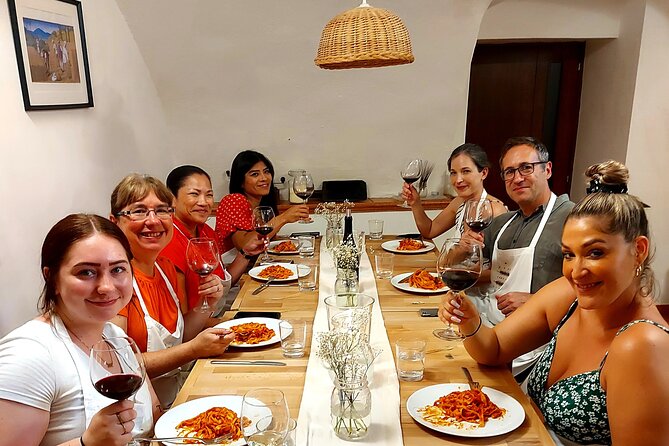
The best part comes when you sit down to eat the results. Your work is paired with carefully selected local wine, and the atmosphere stays relaxed. This is a meal you have helped create, not a restaurant dinner where you simply receive a finished plate.
That distinction gives the activity its lasting appeal. You can recreate some of the experience at home, especially the pasta techniques. A recipe booklet is provided at the end, though the materials may not include every pasta dish prepared during the class. If you want to make both ravioli and fettuccine again, it would be wise to take your own notes during the lesson.
How much hands-on cooking should you expect?
This is the most important point when deciding if the class suits you. The experience is hands-on in the sense that you make the dough and roll out the pasta. You also learn directly from Romina and take part in the food preparation rather than only watching a chef work.
It is not necessarily hands-on at every stage. The host may prepare the sauces, cook the pasta, and manage parts of the menu while you observe. That keeps the class organized and allows everyone to eat at roughly the same time, but it means you may not personally complete every recipe from beginning to end.
I would choose this class if you want a social food experience, clear instruction, and the satisfaction of making fresh pasta during a Rome visit. I would look for a different format if your top goal is intensive technique practice, repeated knife work, sauce preparation, or a recipe-by-recipe workshop where every person cooks every component.
Families should think about the age and patience of their children. The relaxed format can work well for children who enjoy touching dough and helping at the table. The lesson may be less suitable for children who need constant activity, since some of the three hours involves watching and listening.
Couples and small groups are a natural fit. You can make the class part of a special day near the Vatican, and the dinner option gives you a pleasant alternative to another restaurant meal. Solo participants can also fit into the small group and meet people without joining a large tour.
The $96 value near St. Peter’s Basilica
At $96.12 per person, this is not a cheap meal. You are paying for instruction, a small group, sparkling wine and nibbles, a multi-course meal, local wine, and a convenient Rome location. The price makes more sense if you value the experience and the knowledge you take home, not just the amount of food on the plate.
The setting and group size strengthen the value. A class capped at eight provides more personal attention than a mass-market cooking event, and being close to the Vatican can save time and transport costs in a tightly planned day. You are also replacing part of a restaurant meal with an activity.
Still, the price creates a higher expectation. You should want to learn about pasta and Roman food, not simply find the least expensive lunch near St. Peter’s. If you are mainly hungry, a trattoria will likely cost less and require less time. If you want an activity that becomes dinner and a memory, the calculation is different.
The 4.9 rating from 44 reviews and 98 percent recommendation rate suggest that the format works very well for most people. The strongest praise centers on Romina’s warmth, the attractive kitchen, the good food, and the feeling of sharing a real meal. One family’s children even planned a pasta-making party at home afterward, which says a lot about the class’s appeal for young cooks.
The less favorable experience is worth taking seriously rather than brushing aside. A cooking enthusiast found the class too observational and felt the recipe booklet was incomplete. That is a fair warning. The experience is likely to please beginners more than advanced home cooks.
Planning the class around a Vatican day
The starting point is Borgo Angelico, 00193 Rome, and the activity ends back at the same meeting point. The area is close to public transportation, and the short walk from the Vatican makes the timing practical.
Leave yourself enough time to reach the meeting point without rushing from a museum exit. The Vatican Museums are large, and it can take longer than expected to get outside and orient yourself. A lunch class can work between morning and afternoon plans, but only if you leave a sensible buffer.
A dinner class gives you more breathing room after sightseeing. You can finish your Vatican visit, rest for a while, then head to the kitchen for food and conversation. Since the class lasts around three hours, it should be treated as the main event for that part of the day.
The mobile ticket is convenient, and confirmation is provided at booking. The activity requires a minimum number of participants, so a cancellation for that reason can result in another date, a different experience, or a full refund.
Free cancellation is available up to 24 hours before the start time. If you cancel later than that, you will not receive a refund, and changes made inside the 24-hour window are not accepted. The cut-off follows Rome’s local time, so check your schedule carefully before the deadline.
Who should book this pasta class?
I would recommend it to first-time pasta makers, couples, families, and anyone who wants a meal with a personal connection to Rome. It is also a strong pick for people who want to stay near the Vatican instead of spending another evening crossing the city.
You will likely appreciate the class most if you enjoy conversation, wine, and a relaxed pace. Romina’s patience and humor are a big part of the appeal, and the group size gives the experience a friendly feel without turning it into a crowded cooking show.
You may want to skip it if you have advanced pasta skills or expect a fully participatory professional workshop. The sauces and some cooking may be demonstrated rather than assigned to each person, and the recipe booklet may not cover every dish made in class.
Should you book it?
Book this class if you want to make fresh ravioli and fettuccine, eat a Roman meal, and spend three easygoing hours near St. Peter’s Basilica. The setting, small group, generous meal, and Romina’s personal teaching style give it more character than a basic restaurant dinner.
Before paying $96.12, decide how much active cooking you need. For a warm introduction with real pasta-making and plenty of time at the table, it offers good value. For a serious workshop where you prepare every sauce and course yourself, choose another class with a more demanding format.
FAQ
Where does the pasta-making class meet?
The class starts at Borgo Angelico, 00193 Rome, Italy, near St. Peter’s Basilica and the Vatican area.
How long does the experience last?
The class lasts approximately three hours and ends back at the meeting point.
Is the class offered in English?
Yes. The experience is offered in English.
How many people can join the class?
The activity has a maximum of eight participants.
What food will I make and eat?
The sample menu includes green ravioli filled with ricotta, pecorino, and lemon zest, homemade fettuccine with Amatriciana sauce, bruschetta, and tiramisu or strawberries and cream. Sparkling wine, nibbles, and local wine are also included.
Can I cancel for a full refund?
Yes. You can cancel at least 24 hours before the start time for a full refund. Cancellations or changes made less than 24 hours before the start time are not refunded or accepted.
More Pasta in Rome
- Rome: Pasta & Tiramisu Class with Fine Wine by the Vatican
★ 4.9 · 4,852 reviews - Rome: Traditional Pasta with Cocktails Cooking Class
★ 5.0 · 2,374 reviews - Learn to Make Pasta & Tiramisu with Wine and Limoncello Included
★ 5.0 · 2,345 reviews - Become a Masterchef in Rome: Pasta, Ravioli and Tiramisù Class
★ 5.0 · 2,156 reviews
More Cooking Classes in Rome
- 3 in 1 Cooking Class near Navona: Fettuccine, Ravioli & Tiramisu
★ 5.0 · 7,376 reviews - Rome: Pasta Making Class with Wine, Limoncello, and Dessert
★ 4.9 · 3,177 reviews - Rome: 3-in-1 Fettuccine, Ravioli, and Tiramisu Cooking Class
★ 4.9 · 2,704 reviews - Rome: Fettuccine Pasta Cooking Class in Rome’s City Center
★ 4.8 · 2,414 reviews
Newest reviews from Rome
- ROME:Colosseum & Ancient Rome – private/small group TOUR★ 5.0 · 24 reviews
- Off the Beaten Track in Rome: Rione VI Parione Private Tour★ 5.0 · 24 reviews
- Cinematic Photoshoot in Rome★ 5.0 · 24 reviews
- Rome: Best of Colosseum and Roman Forum Small Group Guided Tour★ 4.5 · 24 reviews
- The Labyrinth of Rome between catacombs and ancient quarries★ 4.5 · 24 reviews
- Vatican and Trionfale Market Tour with Wine and Food Tasting★ 5.0 · 24 reviews
- private tour: Vatican Museums, Sistine Chapel, St. Peter’s Basilica★ 4.5 · 24 reviews
- Colosseum guided tour with Virtual Reality★ 5.0 · 24 reviews
Vatican Museums & Sistine Chapel, compared.
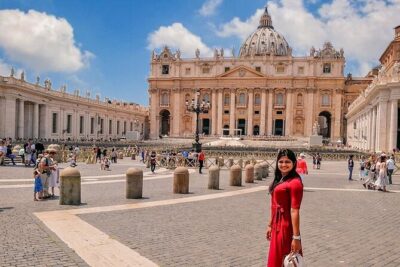
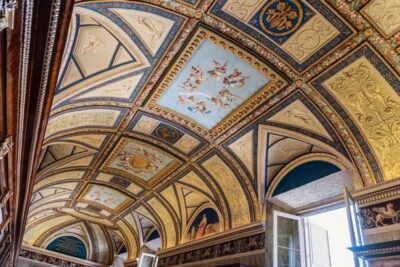
Vatican Museums & Sistine Chapel Tour with Optional Basilica
Read our review →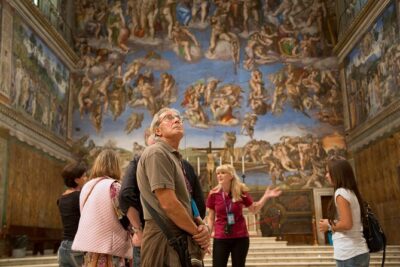
Vatican Museums, Sistine Chapel & St Peter’s Basilica Guided Tour
Read our review →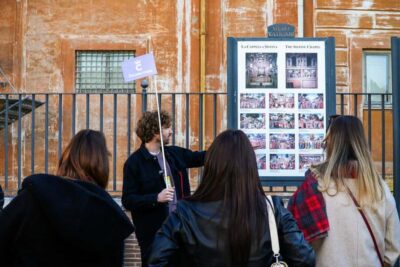
Vatican Museums, Sistine Chapel & Basilica Tour
Read our review →
Vatican Museums & Sistine Chapel Skip-the-Line Entry Ticket
Read our review →Vatican Museums, Sistine Chapel & Basilica Tour
Read our review →
Skip-the-Line Group Tour of the Vatican, Sistine Chapel & St. Peter’s Basilica
Read our review →
Vatican Museums & Sistine Chapel Guided Tour
Read our review →Browse the lists this tour appears in