
Reviewed · VATICAN TOURS
Super Fun Pasta & Gelato Class by Vatican with Wine + Oil Tasting
Making pasta with only flour, eggs, your hands, and a rolling pin is the heart of this friendly Rome cooking class. You’ll also prepare bruschetta, a seasonal tomato sauce, and gelato, then sit down to eat what you made. Massimo is especially good with families and first-time cooks, while other hosts include Carlo, Luca, Max, and David.
I like the hands-on format, since you learn methods you can repeat at home without a pasta machine. I also like the relaxed drinks service, with wine, beer, water, and soft drinks available while you cook. The main caution is that the class has a playful style, and one account found the joking aimed at participants a little different from the usual cooking lesson.
In This Review
- Key points to know before booking
- What this Rome cooking class actually feels like
- Starting at Via Simone de Saint Bon
- Bruschetta begins the meal
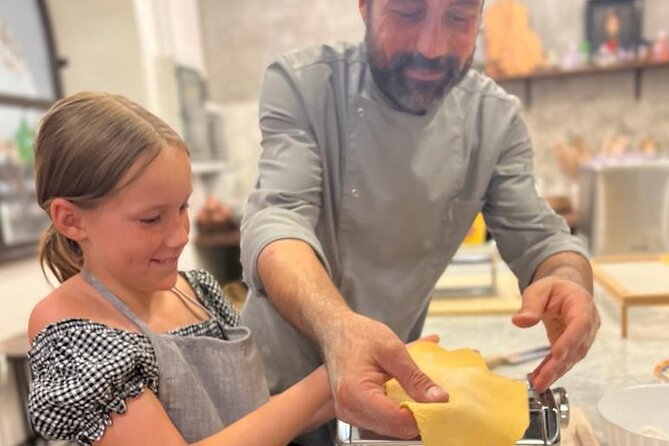
- Making pasta by hand with a rolling pin
- Seasonal tomato sauce and fresh ingredients
- Gelato made during the class
- The chefs shape the experience
- Eating the meal you prepared
- Is $85.26 a fair price?
- Who should book this experience
- Cancellation and planning details
- Should you book it?
- FAQ
- Where does the pasta and gelato class begin?
- Where does the activity finish?
- How long does the experience last?
- Is the class offered in English?
- What food do you prepare?
- Are drinks included?
- Is the class suitable for beginners?
- What is the cancellation policy?
Key points to know before booking
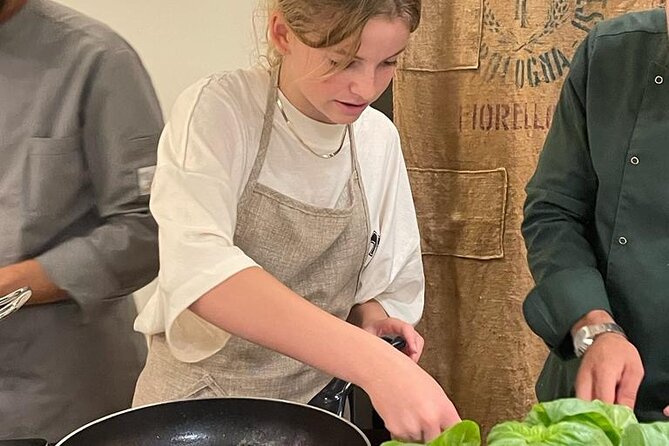
- Hand-rolled pasta: You work with simple tools, including your hands and a rolling pin, so the skills are practical at home.
- Four-part meal: The usual spread includes bruschetta, handmade pasta, seasonal tomato sauce, and gelato.
- Strong family appeal: Children and teenagers can take part, and the chef keeps the class active rather than turning it into a lecture.
- Near the Vatican: The meeting point is on Via Simone de Saint Bon, with public transportation nearby and the Vatican within walking distance according to the activity information.
- Small class size: The maximum is 15 people, though a quiet date may feel almost private.
- Flexible atmosphere: English instruction, drinks, and a meal at the end make this as much a social evening as a lesson.
What this Rome cooking class actually feels like
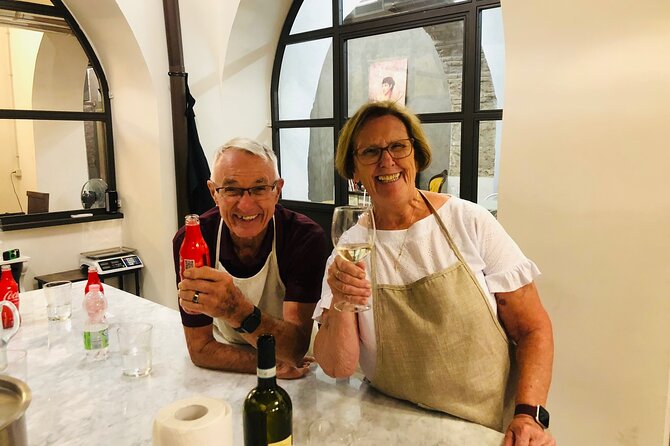
The class is built around a simple idea: Italian food does not need a long ingredient list or expensive equipment. You learn by doing, with the chef showing a step and then letting you copy it at your own work area.
That makes this a good fit if you want more than a restaurant meal but do not want a formal culinary course. You will not simply watch a chef prepare dinner. You will mix, knead, roll, assemble, taste, and eventually eat the result.
The advertised length is about two hours and 30 minutes, enough time for a full meal without taking up an entire day in Rome. I would place it between major sightseeing plans rather than beside a timed museum entry. Cooking has a natural rhythm, and you will enjoy it more if you are not checking the clock every few minutes.
The class is offered in English and welcomes all skill levels. That matters because fresh pasta can look intimidating when you see it in a professional kitchen. Here, the emphasis is on methods you can repeat in an ordinary home kitchen.
More gelato and tiramisu classes:
- 3 in 1 Cooking Class near Navona: Fettuccine, Ravioli & Tiramisu
★ 5.0 · 7,376 reviews - Rome: Pasta & Tiramisu Class with Fine Wine by the Vatican
★ 4.9 · 4,852 reviews - Rome: 3-in-1 Fettuccine, Ravioli, and Tiramisu Cooking Class
★ 4.9 · 2,704 reviews
Starting at Via Simone de Saint Bon
You meet at Via Simone de Saint Bon, 57, 00195 Rome, and return to the same meeting point at the end. The location is near public transportation, and the activity is described as walking distance from the Vatican, making it a sensible choice on a Vatican sightseeing day.
Allow yourself enough time to find the address. The supplied details do not specify a particular metro stop, bus route, or exact walking time from St. Peter’s Basilica, so you should check your own route before setting out. A taxi or ride service may be easiest if you are arriving with luggage or coming straight from the airport.
The class takes place in a clean, comfortable room with air conditioning, based on the practical details shared by participants. That is welcome during Rome’s warmer months, especially when you are kneading dough and working indoors for more than two hours.
The group limit is 15 people. That is small enough for the chef to circulate and help, but it is not guaranteed to feel private. On a quieter date, the group may be much smaller, and one booking became a private lesson after a scheduling change.
Bruschetta begins the meal
The first course is bruschetta. It is a modest dish, but it gives the class a useful introduction to Italian cooking: good bread, fresh toppings, careful seasoning, and restraint.
You can expect this part to be more about assembling and tasting than complex technique. That is a strength. Italian home cooking often depends on knowing when to stop adding ingredients, and bruschetta makes that lesson clear without burying you in instructions.
The starter also gives the group something to enjoy while the pasta dough rests or the sauce develops. With wine, beer, water, and soft drinks available, the early part of the class has the feel of an informal aperitivo rather than a strict schoolroom.
The experience title includes wine and oil tasting. The supplied meal details focus on bruschetta, pasta, sauce, gelato, and drinks, so the exact tasting format may vary. If oil tasting is a major reason for booking, confirm the current setup before paying.
Making pasta by hand with a rolling pin
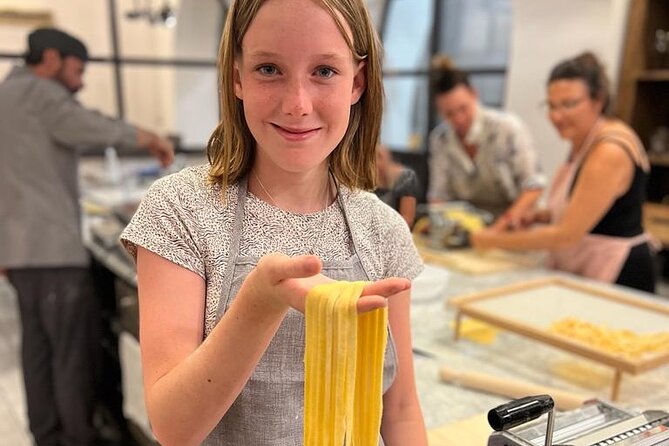
This is the part that gives the class its lasting value. You learn to make fresh pasta from scratch, and the method can be done without a pasta machine.
Several participants specifically valued hand-rolling the dough. One useful tip from the class is that rolling by hand can be easier to repeat at home and creates less cleanup than using a machine. You get a direct feel for the dough, rather than pressing a button and hoping for the right texture.
Your chef guides you through the process, then helps you shape the pasta. The exact pasta type can vary, but fettuccine appears often in the class experience. The aim is not perfect restaurant presentation. It is learning how flour, eggs, pressure, and time work together.
This is also where the class works well for mixed groups. Adults can focus on technique, while younger cooks can take part in the physical work. Children as young as 11 appear to have been kept engaged, and teenagers with little kitchen experience have been able to participate comfortably.
Do not expect every piece of pasta to look identical. That is part of the charm, and the meal is about the taste. If you already make pasta regularly, you may find the lesson basic, but you can still pick up useful tips about rolling, sauce, and serving.
More ways to visit the Vatican:
- Vatican: Museums & Sistine Chapel Entrance Ticket
★ 4.5 · 144,003 reviews - Vatican Museums & Sistine Chapel Tour with Optional Basilica
★ 4.3 · 67,413 reviews - Vatican Museums, Sistine Chapel & St Peter’s Basilica Guided Tour
★ 4.5 · 39,149 reviews - Rome: Vatican Museums, Sistine Chapel & Basilica Tour
★ 4.3 · 13,872 reviews
Seasonal tomato sauce and fresh ingredients
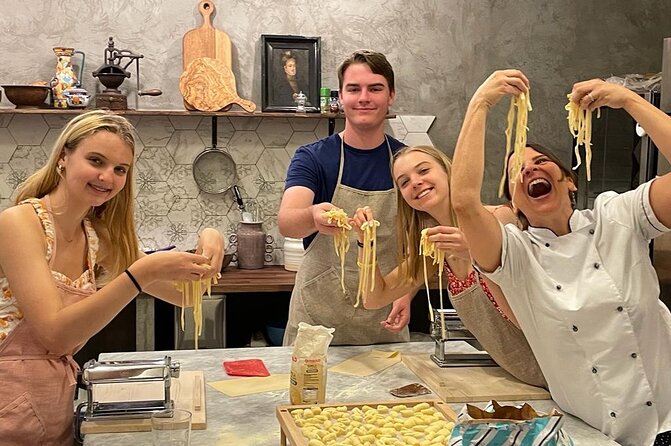
The sauce depends on the season, with a tomato base listed as the usual preparation. This keeps the meal tied to simple Italian cooking rather than locking the class into one fixed recipe all year.
You help prepare the sauce rather than treating it as a separate demonstration. That gives you a chance to see how a short list of fresh ingredients can produce a satisfying result. The class places real weight on freshness, and the meal is served after the cooking is finished.
The practical lesson here is one you can carry home: fresh pasta does not need a heavy sauce. A straightforward tomato preparation lets you taste the pasta itself, and it is forgiving enough for a first attempt.
Food allergies can sometimes be accommodated. One participant had an allergy handled successfully, but you should communicate your needs in advance rather than assume every substitution will be possible. The available information does not list specific dietary menus.
Gelato made during the class
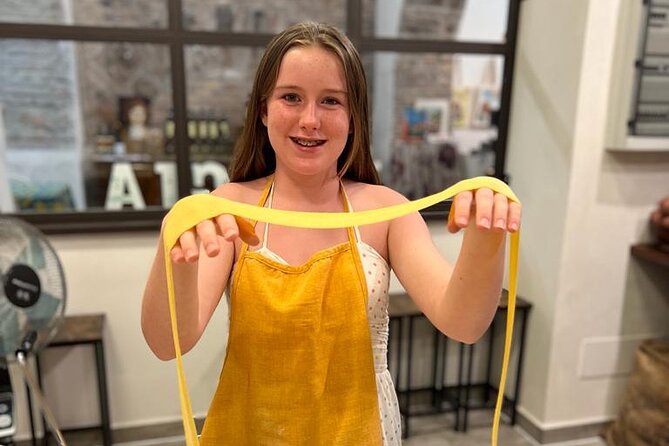
Gelato is the dessert and one of the most popular parts of the experience. Depending on the session, you might make strawberry gelato or strawberry sorbet, and the recipe is presented as something you can try at home without unnecessary added chemicals.
This is more useful than simply eating a scoop at the end. You learn what goes into the dessert and get to taste it soon after preparation. The cold dessert also provides a welcome finish after the warm, flour-heavy work of pasta making.
The precise flavor is not fixed in the information provided. Seasonal ingredients may affect the recipe, so do not book expecting one guaranteed flavor unless the operator confirms it. The important point is that gelato is prepared as part of the class, not merely served as a packaged extra.
Families should pay attention here. Younger cooks can take part in the dessert work, and the change from pasta to gelato keeps the session from feeling repetitive. It gives the class a natural second act.
The chefs shape the experience
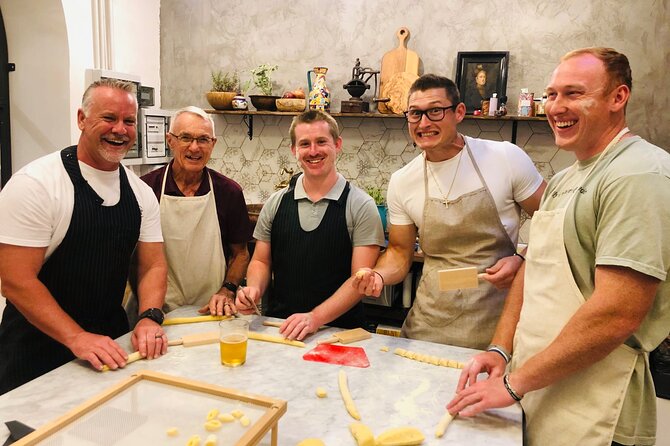
The cooking itself matters, but the instructor can make or break a group lesson. The most frequently praised host is Massimo, who is described as patient, warm, funny, and good at keeping each person involved.
Massimo has worked especially well with children, first-time cooks, and families arriving tired after a flight. He combines instructions with stories and practical tips, so the lesson does not feel like a series of commands. His approach also suits couples looking for a relaxed anniversary activity.
Other named hosts include Carlo, Luca, Carla, Max, David, Mersad, and Peter. The tone can vary by chef. Some sessions are warm and family-like, while another account found the humor more teasing than expected. If you prefer a quiet, formal demonstration, this may not be your ideal class.
The class is meant to be fun, and that usually means conversation, jokes, and interaction. I would choose it if you like meeting people and working as a group. I would hesitate if you want a highly structured lesson with little banter.
Eating the meal you prepared
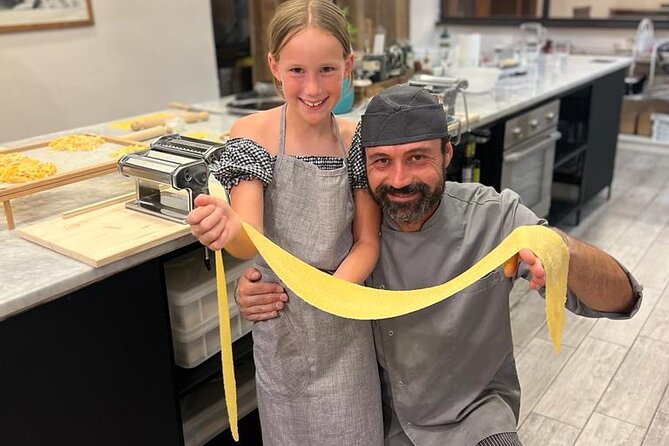
After the cooking, you sit down to eat the meal. The menu includes bruschetta, your handmade pasta with tomato sauce, and gelato, with drinks available during the experience.
This final meal is not an afterthought. It gives you a clear payoff for the work and lets you compare the texture of fresh pasta with what you have eaten in restaurants. There is also a quiet satisfaction in knowing exactly how the dish came together.
The meal may be especially welcome after a long day of sightseeing. You get dinner and an activity in one booking, though the exact time of day should be checked when selecting a session. The published duration is approximate, so avoid booking a tight appointment immediately afterward.
The class can also make a good last evening in Rome. You leave with a shared memory and recipes saved on your phone, rather than another souvenir that sits in a suitcase. That practical after-effect is one reason the experience offers more value than a standard meal.
Is $85.26 a fair price?
At $85.26 per person, this is not the cheapest dinner in Rome. It is also not fair to compare the price with a plate of pasta at a neighborhood trattoria, since you are paying for instruction, ingredients, drinks, kitchen space, and the prepared meal.
The value is strongest when you want an activity that works for several kinds of people at once. A family can cook together, a couple can mark an anniversary, and a solo participant can join a small group without needing a companion.
I also think the no-machine pasta method improves the value. You are learning a skill that can be repeated with basic tools, not taking part in a show built around equipment you will never own.
The price makes less sense if you only want to eat or if you already have extensive pasta-making experience. It also may not suit someone who dislikes group participation or playful teasing. For most beginners, families, and food-focused visitors, the combination of lesson and meal is reasonably priced for Rome.
The activity is commonly booked well ahead, with an average lead time of about 42 days. That does not guarantee every date sells out, but it is a useful signal to reserve early if your schedule is fixed.
Who should book this experience
I would recommend it most strongly to:
- Families with school-age children or teenagers
- Couples seeking an interactive evening
- First-time pasta makers
- Solo visitors who enjoy a social class
- Anyone who wants recipes and techniques to use at home
- Visitors looking for a break from museums and churches
Children are welcome, and the class has shown it can keep younger participants involved. Still, the group format means children need to be comfortable following instructions and sharing a cooking space.
It is less suitable for people seeking advanced culinary training, a silent demonstration, or a guaranteed private class. The class is friendly and practical, but the exact personality depends on the chef leading your session.
The space allows service animals, and it is near public transportation. Confirmation arrives at booking, and the activity returns to the meeting point when finished.
Cancellation and planning details
You can cancel free of charge up to 24 hours before the local start time for a full refund. Changes or cancellations inside that 24-hour window are not accepted and are not refunded.
The class requires a minimum number of participants. If that minimum is not reached and the session is canceled, you will be offered another date or experience, or receive a full refund.
Bring an appetite and wear clothing you can work comfortably in. The supplied information does not list a dress code or a detailed equipment list, so you should not assume that every personal cooking need will be covered on site.
Should you book it?
Book this class if you want to make a meal, not just eat one. The hand-rolled pasta, seasonal sauce, and homemade gelato give you three practical lessons, while the drinks and shared table keep the mood easy.
I would choose it for a family, a couple, or a solo food lover with about half a day to spare near the Vatican. Massimo is a particularly safe choice for families and beginners, though the assigned chef may differ.
Skip it if you want advanced instruction, a guaranteed private setting, or a quiet formal class. For most people who enjoy hands-on cooking and a little humor, this is a useful, tasty way to spend two and a half hours in Rome.
FAQ
Where does the pasta and gelato class begin?
The meeting point is Via Simone de Saint Bon, 57, 00195 Rome, Italy.
Where does the activity finish?
The class ends back at the meeting point.
How long does the experience last?
The cooking class lasts approximately two hours and 30 minutes.
Is the class offered in English?
Yes. The experience is offered in English.
What food do you prepare?
The sample menu includes bruschetta, handmade pasta, a seasonal tomato-based sauce, and gelato. The exact sauce and gelato flavor may depend on the season.
Are drinks included?
You can sip wine, beer, water, or soft drinks during the class.
Is the class suitable for beginners?
Yes. All cooking skill levels are welcome, from beginners to advanced cooks.
What is the cancellation policy?
You can cancel at least 24 hours before the local start time for a full refund. Cancellations or changes made less than 24 hours before the start are not accepted and are not refunded.
More Pasta in Rome
- Rome: Fettuccine Pasta Cooking Class in Rome’s City Center
★ 4.8 · 2,414 reviews - Rome: Traditional Pasta with Cocktails Cooking Class
★ 5.0 · 2,374 reviews - Learn to Make Pasta & Tiramisu with Wine and Limoncello Included
★ 5.0 · 2,345 reviews - Become a Masterchef in Rome: Pasta, Ravioli and Tiramisù Class
★ 5.0 · 2,156 reviews
More Wine Tours in Rome
- Rome: Tuscany & Montepulciano Day Trip with Lunch & Wine Tasting
★ 4.5 · 5,232 reviews - Rome Food Tour: Unlimited Tastings with Fine Wine & Barolo
★ 5.0 · 3,365 reviews - Rome: Pasta Making Class with Wine, Limoncello, and Dessert
★ 4.9 · 3,177 reviews - Rome: Trastevere Food tour with Free-Flowing Fine Wine
★ 5.0 · 2,853 reviews
Newest reviews from Rome
- Shared Shuttle Transfer from Rome to Civitavecchia Port★ 5.0 · 148 reviews
- Rome: Vatican Museums & Sistine Chapel Skip-the-Line Ticket★ 4.4 · 148 reviews
- Rome: Crypts & Catacombs After Hours Tour with Bone Chapel★ 4.6 · 149 reviews
- Ghosts Legends and Mysteries of Rome Walking Tour★ 5.0 · 149 reviews
- Skip the Line: Vatican and Sistine Chapel with Guided Tour★ 4.0 · 149 reviews
- Tivoli: Villa Gregoriana Entrance Ticket★ 4.7 · 150 reviews
- Pizza and Tiramisu Cooking Class in Rome, Piazza Navona★ 5.0 · 150 reviews
- Rome: Borghese Gallery Skip-the-Line Entry and Guided Tour★ 4.7 · 150 reviews
Vatican Tours, compared.
Vatican Museums & Sistine Chapel Tour with Optional Basilica
Read our review →
Vatican Museums, Sistine Chapel & St Peter’s Basilica Guided Tour
Read our review →
Vatican Museums, Sistine Chapel & Basilica Tour
Read our review →
Vatican Museums & Sistine Chapel Skip-the-Line Entry Ticket
Read our review →Vatican Museums, Sistine Chapel & Basilica Tour
Read our review →
Skip-the-Line Group Tour of the Vatican, Sistine Chapel & St. Peter’s Basilica
Read our review →
Vatican Museums & Sistine Chapel Guided Tour
Read our review →Browse the lists this tour appears in