
Reviewed · COOKING CLASSES
Testaccio: Home Cooking Cacio e Pepe, Amatriciana, Carbonara
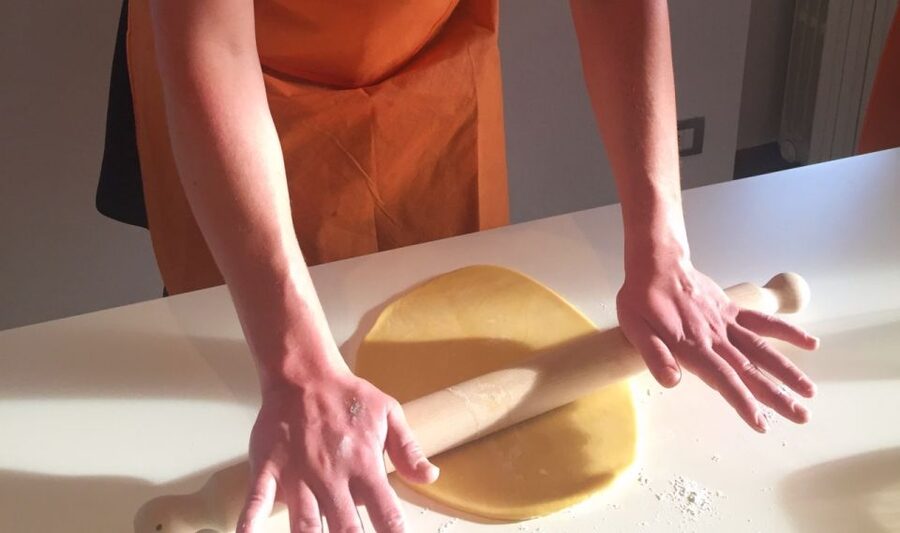
Testaccio is the right part of Rome for a cooking class. This old working neighborhood has a strong food culture, and here you skip a restaurant demonstration to cook in Milvia and Andrea’s home. You make fresh pasta, prepare Cacio e Pepe, Amatriciana, and Carbonara, then sit down together for the meal.
I like the friendly, family-kitchen setting, where the lesson feels personal rather than staged. I also like the useful takeaway: you leave with recipes and practical pasta skills, not just a full stomach. The one thing to consider is the home setting itself. Dogs and cats are present, so this is not suitable if you have a serious animal allergy.
In This Review
- Key points
- Why Testaccio makes a good setting for Roman pasta
- Making pasta from flour, eggs, or water
- The Roman Holy Trinity: three sauces, three lessons
- Cacio e Pepe
- Amatriciana
- Carbonara
- Sitting down to three pasta courses
- What the 3.5-hour schedule feels like
- The home atmosphere, including the dog
- Is $105 a fair price?
- Who will enjoy this most?
- Getting there and planning your evening
- Tips for getting the most from the class
- Should you book this Testaccio pasta class?
- FAQ
- Where does the cooking class take place?
- How long does the experience last?
- Which pasta sauces will I learn to make?
- Is food included after the cooking lesson?
- Are recipes provided?
- Can the menu accommodate dietary requirements?
- Is hotel pickup included?
Key points
- Three Roman pasta classics: Learn the methods behind Cacio e Pepe, Amatriciana, and Carbonara.
- A real Testaccio home: Cook with Milvia and Andrea in a warm, informal kitchen setting.
- Fresh pasta from scratch: Work with flour, eggs, or water and learn how the dough comes together.
- A complete meal included: Eat three pasta courses, homemade dessert, wine, and Italian coffee.
- Small group format: The experience is limited to 10 people, with instruction in English or Italian.
- Useful for home cooks: Take the recipes and techniques back with you after the class.
Why Testaccio makes a good setting for Roman pasta
Testaccio gives this experience a useful sense of place. You are not simply making Italian food in a classroom designed for tourists. You meet at Via Galvani 4, in Rome’s Testaccio district, and cook in a private home with the hosts.
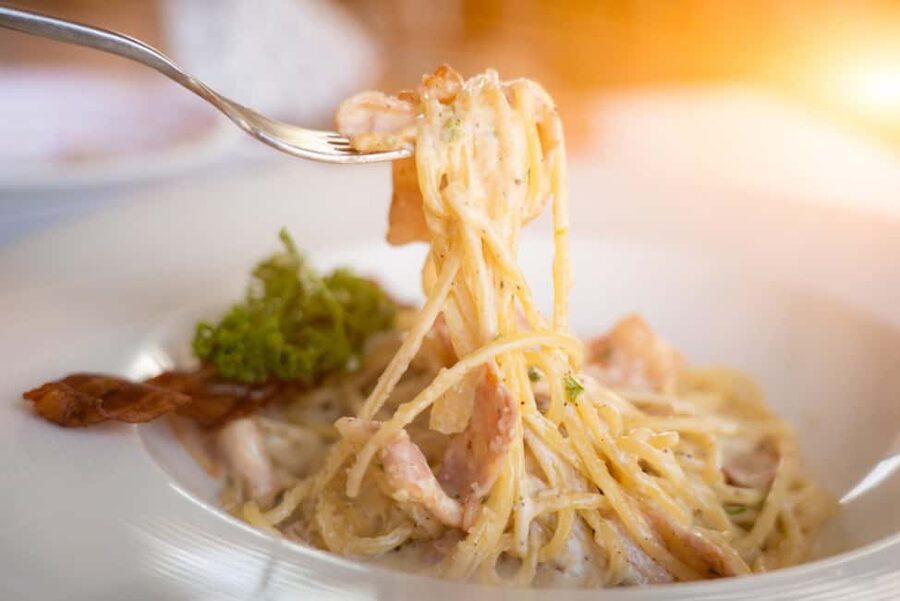
That matters because Roman cooking is built around ordinary ingredients handled well. Cacio e Pepe depends on cheese, pepper, pasta water, and timing. Amatriciana gets its character from tomato and pork, while Carbonara relies on eggs, cheese, and careful heat. The recipes are simple on paper, but small mistakes can leave you with a stiff sauce, scrambled egg, or watery plate.
Milvia and Andrea focus on those small decisions. The class is not only about following a recipe. You learn why each step affects the final result, which is the part you can use later in your own kitchen.
The setting also shapes the evening. Several past sessions have been described as similar to cooking with grandparents or visiting family. That is a fair expectation of the tone: warm, conversational, and home-based rather than formal. Their dog is part of that atmosphere, and it has become a memorable feature for many people who enjoy animals.
More cooking classes in Rome:
- 3 in 1 Cooking Class near Navona: Fettuccine, Ravioli & Tiramisu
★ 5.0 · 7,376 reviews - Rome: Pasta Making Class with Wine, Limoncello, and Dessert
★ 4.9 · 3,177 reviews - Rome: 3-in-1 Fettuccine, Ravioli, and Tiramisu Cooking Class
★ 4.9 · 2,704 reviews
Making pasta from flour, eggs, or water
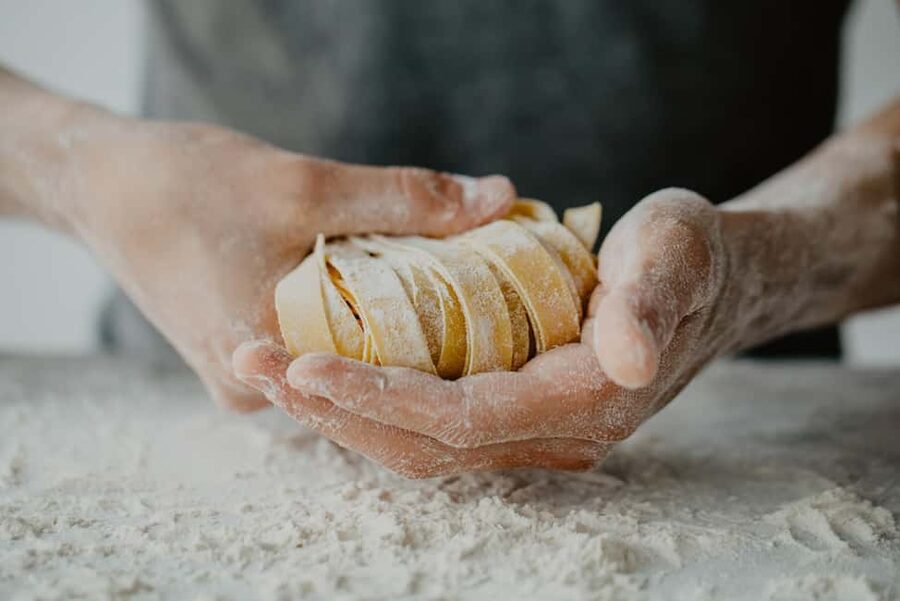
The class begins with fresh pasta made from scratch. You work with the basic ingredients and learn how flour, eggs, or water become a workable dough. The exact pasta shape is not specified, so you should think of this as a lesson in the foundation rather than a promise of one particular form.
This is a good place to pay close attention. Pasta dough can look easy, but the feel changes with the moisture, the flour, and the amount of kneading. The hosts explain how the steps affect the result, and the hands-on format lets you notice the texture for yourself.
I like this part because it gives the class lasting value. A restaurant meal in Rome disappears when you leave the table. A lesson in dough gives you something to practice at home, even if your first attempt is not perfect.
The class is also described as manageable rather than overwhelming. That is useful if you have never made pasta before. You do not need to arrive as an experienced cook, and the instruction is intended to help you understand the process instead of rushing you through a complicated menu.
The Roman Holy Trinity: three sauces, three lessons
The heart of the experience is the trio of Roman sauces. You prepare Cacio e Pepe, Amatriciana, and Carbonara, then taste all three as separate pasta courses.
Cacio e Pepe
Cacio e Pepe is the most stripped-back of the three. Its success depends on turning cheese and pasta water into a smooth sauce, then adding pepper without letting the mixture become clumpy or dry.
This is a particularly useful technique to learn because the ingredient list is short. There is nowhere to hide behind a long cooking process or a heavy sauce. You see how temperature, water, and stirring matter.
A completely different way to spend the day in Rome:
- Vatican: Museums & Sistine Chapel Entrance Ticket
★ 4.5 · 144,003 reviews - Vatican Museums & Sistine Chapel Tour with Optional Basilica
★ 4.3 · 67,413 reviews - Vatican Museums, Sistine Chapel & St Peter’s Basilica Guided Tour
★ 4.5 · 39,149 reviews - Rome: Colosseum, Palatine Hill and Roman Forum Guided Tour
★ 4.8 · 32,814 reviews
Amatriciana
Amatriciana brings tomato and pork into the lineup. Compared with Cacio e Pepe, it offers a fuller, more savory sauce and shows how a few additional ingredients change the balance of a pasta dish.
The value here is comparison. You are not learning one generic red sauce. You are learning how Roman cooks treat different ingredients and how each sauce gets its own character.
Carbonara
Carbonara is another deceptively simple dish. Eggs and cheese need enough warmth to become creamy, but too much direct heat can turn the sauce into scrambled egg.
A home lesson is well suited to this recipe because you can watch the process at close range. The hosts explain the reasons behind each step, giving you a better chance of repeating the dish successfully instead of memorizing a list of instructions.
The three sauces also make the meal feel substantial. You are not cooking one plate and waiting around. Each recipe adds a different technique, flavor, and lesson to the evening.
Sitting down to three pasta courses
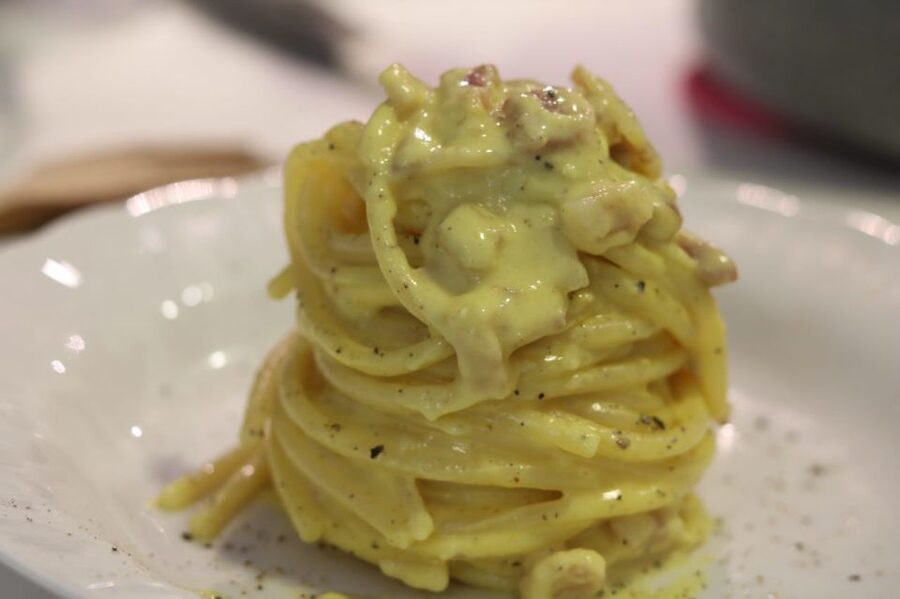
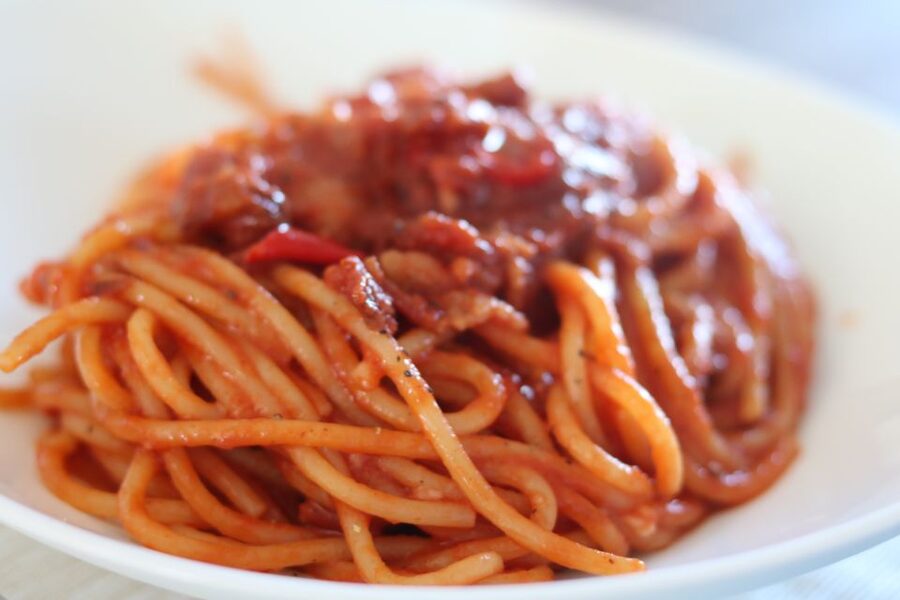
Once the cooking is finished, you eat the dishes you helped prepare. The included meal consists of three pasta courses, followed by homemade dessert, drinks, wine, and Italian coffee.
That shared meal is a major part of the experience. You are not sent away with a tasting plate after a quick demonstration. You sit at the table and have time to enjoy the results, talk with Milvia and Andrea, and compare the three sauces.
The food is served in a home, which gives the meal a relaxed feel. People who enjoy food as a social experience will likely get more from this than someone who wants a tightly timed technical workshop.
Wine is included, and the experience information describes it as unlimited. Coffee and dessert are also part of the closing course. The dessert varies in the examples associated with the class, with homemade sweets such as chocolate rum balls appearing in one account, so do not book this expecting one fixed dessert recipe.
The hosts also share stories from their work and travels, adding conversation to the meal. That is a pleasant bonus, though it means the evening is as much about hospitality as it is about cooking technique.
What the 3.5-hour schedule feels like
Three and a half hours gives you enough time for cooking, eating, and conversation without forcing the event into a short demonstration. You can expect the pace to include the pasta-making lesson, work on the three sauces, the meal, dessert, and coffee.
The length is worth considering when you plan your Rome days. This is an evening-sized commitment, not a quick stop between major sights. I would avoid placing it immediately before a reservation or a fixed-time performance.
The small group limit of 10 people should help keep the instruction personal. It is still a group class, so you should not expect a one-on-one chef lesson. But the size is modest enough for questions and shared work.
Instruction is available in English and Italian. If you want a class conducted in another language, this is not the right match.
The home atmosphere, including the dog
The private-home setting is the experience’s greatest strength and its clearest limitation. You get a more personal evening than you would in a commercial cooking school, and the hosts open their kitchen to people they have just met.
That creates the sense of cooking with relatives. It also means the space may feel less polished or standardized than a purpose-built culinary studio. If you prefer professional equipment, a formal chef uniform, and a strict lesson plan, you might find the home format too casual.
The dog is part of the household atmosphere. Many people enjoy meeting and petting it, and past sessions have described it as especially friendly and well fed. If you have a serious allergy to dogs or cats, skip this activity. The animal allergy warning is explicit, so it should not be treated as a minor footnote.
Is $105 a fair price?
At $105 per person, this is not the cheapest way to eat pasta in Rome. You can find a lower-cost meal in Testaccio, and you can buy pasta-making instructions online for far less.
The value comes from the combination. You get a 3.5-hour hands-on class, fresh pasta practice, three Roman sauces, three pasta courses, dessert, wine, coffee, and the recipes to take home. You are also paying for the time and care involved in hosting a small group in a private home.
I think the price makes sense if you want a food experience that continues after your holiday. The recipes and techniques can help you recreate the meal for friends and family, which gives the class more lasting value than a standard restaurant dinner.
The calculation is less convincing if you are mainly looking for dinner. In that case, the cooking lesson may feel like an expensive way to eat. Book it for the personal contact and the practical skills, not simply for the amount of food.
Who will enjoy this most?
This class suits you if you like learning by doing. Beginners can follow the process, while people who already make pasta may still pick up useful details about sauce consistency, heat, and timing.
It is especially good for couples, friends, and small groups who want an evening activity with plenty of conversation. The shared table makes it more social than a quiet restaurant meal.
Families may also enjoy it, but the supplied information does not set a minimum age or give specific child arrangements. If you are booking with children, confirm that directly before reserving.
Vegetarians and vegans can be accommodated with traditional Roman recipes. Gluten-free options are also available for people with celiac disease. You should state your needs when booking so the menu can be adapted properly.
This is not suitable for someone with a serious dog or cat allergy. It may also disappoint anyone expecting hotel pickup, a professional cooking-school environment, or a short class focused only on one recipe.
Getting there and planning your evening
You make your own way to Via Galvani 4, 00153 Rome, Building C, Buzz 11. Hotel pickup and drop-off are not included, and local transport tickets are not included either.
Give yourself enough time to locate the building and meeting point. Since this is a private-home experience, precise arrival matters more than it would at a large restaurant with a clear public entrance.
The activity offers free cancellation up to 24 hours before the start time. You can also reserve now and pay later, which helps if your Rome schedule is still changing. Check the available starting times before you build the rest of your day around it.
Tips for getting the most from the class
Come ready to work with your hands. The value is in making the pasta and sauces yourself, so this is not the place to sit back and watch the hosts do everything.
Pay special attention to the explanations of why each step matters. Notes and recipes are provided, but your memory of texture, heat, and timing will help just as much when you cook at home.
Leave room for the full meal. Three pasta courses, dessert, wine, and coffee make this a substantial evening, not a small tasting.
If you have dietary needs, arrange them ahead of time. Vegetarian, vegan, and gluten-free adaptations are available, but the hosts need to know what you require.
Finally, bring a relaxed attitude. The home setting is part of the point. You are likely to get more from the class if you enjoy conversation, family-style hospitality, and the occasional appearance of a very popular dog.
Should you book this Testaccio pasta class?
I would book this experience if you want to understand Roman food from the kitchen outward. Milvia and Andrea offer more than a pasta lesson: you learn three defining sauces, eat the results, and take the recipes home.
The strongest reasons to go are the personal home setting, the small group size, and the range of dishes. You get enough hands-on work to build confidence, followed by a generous shared meal.
Skip it if you have a serious animal allergy, dislike informal home settings, or want only a quick dinner. For everyone else, $105 is a reasonable price for a full evening of cooking, food, wine, and Roman hospitality in Testaccio.
FAQ
Where does the cooking class take place?
The meeting point is Via Galvani 4, 00153 Roma RM, Italy, Building C, Buzz 11, in the Testaccio area of Rome.
How long does the experience last?
The class lasts 3.5 hours. Starting times vary, so check availability when booking.
Which pasta sauces will I learn to make?
You will learn to prepare Cacio e Pepe, Amatriciana, and Carbonara.
Is food included after the cooking lesson?
Yes. The experience includes three pasta courses, homemade dessert, drinks, wine, and Italian coffee.
Are recipes provided?
Yes. You receive notes and recipes for the traditional Roman dishes prepared during the class.
Can the menu accommodate dietary requirements?
Vegetarian and vegan adaptations are available, and gluten-free options can be arranged for people with celiac disease.
Is hotel pickup included?
No. Hotel pickup and drop-off are not included, and local transport tickets are also not included.
Newest reviews from Rome
- ROME:Colosseum & Ancient Rome – private/small group TOUR★ 5.0 · 24 reviews
- Off the Beaten Track in Rome: Rione VI Parione Private Tour★ 5.0 · 24 reviews
- Cinematic Photoshoot in Rome★ 5.0 · 24 reviews
- Rome: Best of Colosseum and Roman Forum Small Group Guided Tour★ 4.5 · 24 reviews
- private tour: Vatican Museums, Sistine Chapel, St. Peter’s Basilica★ 4.5 · 24 reviews
- The Labyrinth of Rome between catacombs and ancient quarries★ 4.5 · 24 reviews
- Vatican and Trionfale Market Tour with Wine and Food Tasting★ 5.0 · 24 reviews
- Colosseum guided tour with Virtual Reality★ 5.0 · 24 reviews
Cooking Classes, compared.
3 in 1 Cooking Class near Navona: Fettuccine, Ravioli & Tiramisu
Read our review →
Pasta Making Class with Wine, Limoncello, and Dessert
Read our review →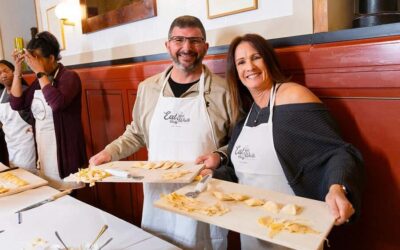
3-in-1 Fettuccine, Ravioli, and Tiramisu Cooking Class
Read our review →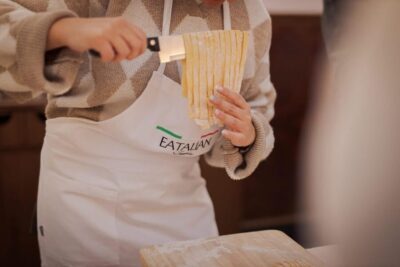
Fettuccine Pasta Cooking Class in Rome’s City Center
Read our review →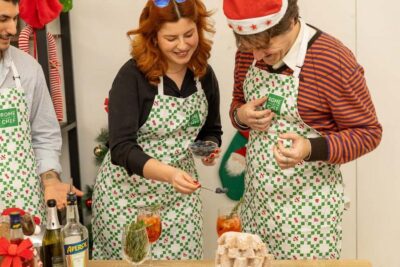
Traditional Pasta with Cocktails Cooking Class
Read our review →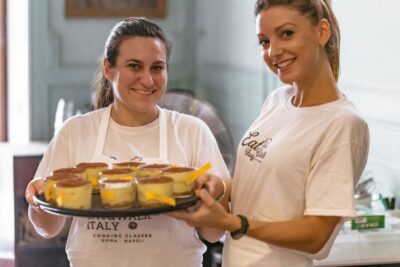
Fettuccine and Tiramisu Cooking Class with Wine
Read our review →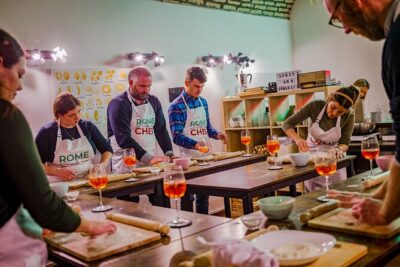
Pasta Cooking Class Near the Colosseum with 3 Spritz Cocktails
Read our review →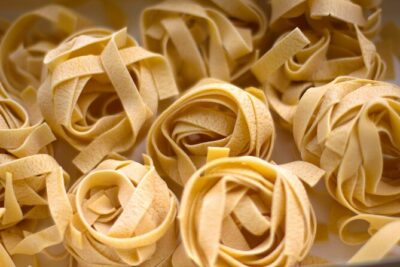
Enjoy Spritz and Pasta Making in Piazza Navona
Read our review →Browse the lists this tour appears in