
Reviewed · COOKING CLASSES
Be a Roman Chef for a Day: Small Group Cooking Class
Fresh pasta is the heart of this hands-on Roman cooking class, where you work with flour and eggs before sitting down to eat what you made. I like the intimate groups and the chance to learn from a local chef, often with a friendly English-speaking coordinator such as Holly or Richie helping translate. I also like that the meal includes starters, dessert, and wine.
The main caution is that the hands-on portion can vary sharply. Some sessions involve making carbonara, gnocchi, ravioli, and bruschetta; others focus mostly on shaping pasta while the chef prepares the sauces and dessert. The venue may be a restaurant, cooking school, or private home, despite the home-kitchen wording.
In This Review
- Key points to know before booking
- What this Roman cooking class is really like
- Meeting at Piazza Navona at 4:30 p.m.
- From flour and eggs to fresh pasta
- The Roman dishes on the table
- A chef, a coordinator, and the language gap
- Restaurant kitchen or chef’s home?
- Sitting down to eat your own work
- How much value do you get for $107.23?
- Recipes, dietary needs, and useful preparation
- Who will enjoy this class most?
- Should you book it?
- FAQ
- Where does the cooking class meet?
- What time does the class begin?
- How long does the experience last?
- Where is the cooking class held?
- What dishes might I learn to make?
- Is dessert included?
- Is wine included?
- Is a vegetarian option available?
- How many people can join the class?
- Are hotel transfers included?
Key points to know before booking
- Fresh pasta is the main event: Expect fettuccine, ravioli, or gnocchi, with the exact menu shaped by the chef and the season.
- Small groups can be very small: Some classes have had only two people, while the maximum is 15.
- Meet at Piazza Navona: The coordinator waits at number 14 near the Brazilian flag, then leads you onward.
- Translation may be part of the class: The chef may speak little or no English, with the coordinator interpreting.
- Dinner follows the lesson: You eat the prepared dishes with a starter, dessert, and wine.
- Recipes are not guaranteed to arrive promptly: Ask for them before leaving and check your spam folder afterward.
What this Roman cooking class is really like
This is an evening food lesson built around the basic Italian trio of flour, eggs, and patience. You meet at 4:30 p.m. at Piazza Navona, then head to the kitchen where the class will take place. The walk may be short, or the group may use public transportation to reach a restaurant outside central Rome.
The official duration is about two and a half to three and a half hours. In practice, the pace has not been identical every time. Some sessions have moved quickly, while one group reported spending four to five hours on the full evening. I would plan for most of the late afternoon and evening, and avoid booking a tight dinner reservation afterward.
The class is limited to 15 people, but that is a ceiling, not a promise of a tiny gathering. Groups of two, four, five, and ten have all been possible. A smaller class gives you more room to handle the dough and ask questions. A larger one may feel more like a demonstration, especially if the kitchen is also serving restaurant customers.
More cooking classes in Rome:
- 3 in 1 Cooking Class near Navona: Fettuccine, Ravioli & Tiramisu
★ 5.0 · 7,376 reviews - Rome: Pasta Making Class with Wine, Limoncello, and Dessert
★ 4.9 · 3,177 reviews - Rome: 3-in-1 Fettuccine, Ravioli, and Tiramisu Cooking Class
★ 4.9 · 2,704 reviews
Meeting at Piazza Navona at 4:30 p.m.
Piazza Navona is an easy place to recognize, but it is also easy to get turned around in. You are looking for number 14, not simply the square in general.
Stand facing the church by the central fountain and look to your left. The meeting point is near a building with a Brazilian flag, and the coordinator should carry a Savor Italy Tours sign. The instructions specifically warn you not to cross to another side of the square or wander into a different piazza.
Arrive a little early. The meeting time is fixed at 4:30 p.m., and finding the right doorway matters more here than it would at a large tour bus stop. From the square, the group may walk a few minutes or travel by subway. One class used the metro to reach a restaurant beyond the center, and the ride became part of the evening.
The return is to the original departure point. Hotel pickup and drop-off are not included unless you select an option that offers it.
From flour and eggs to fresh pasta
The strongest part of the experience is the pasta work. You may roll and shape fettuccine, fill ravioli, or form gnocchi, depending on the menu chosen that day.
Fettuccine gives you a clear lesson in dough texture and cutting. Ravioli adds another skill: placing the filling, pressing out air, and sealing the edges. Gnocchi uses potatoes rather than rolled egg dough, so it offers a different feel and a useful lesson in keeping dumplings light instead of dense.
The dishes listed for the class include fettuccine with either Bolognese ragù or carbonara, ricotta and spinach ravioli, and potato gnocchi with pesto. You may learn two or more of these, but you should not assume every dish will be made in every session.
This is important because the written menu presents a broad selection, while the actual cooking time may be shorter. Some people have prepared pasta and gnocchi from start to finish. In other sessions, the class handled cutting or shaping while the chef had already made the sauce. One group expected three pasta shapes but learned only two.
I would treat this as a short introduction to Italian pasta, not a full culinary school course. If your priority is mastering several techniques, ask the coordinator at the beginning which dishes you will personally prepare.
The Roman dishes on the table
A typical menu may begin with bruschetta al pomodoro. The concept is simple: toasted bread, tomato, and seasoning. Yet it is a useful lesson in how Italian cooking often depends on good ingredients and restraint rather than a long recipe.
The main course may be fettuccine with ragù or carbonara. Carbonara is especially associated with Rome, and it rewards careful timing. The sauce should be creamy without becoming scrambled egg. A local chef can show you the movement and heat control better than a recipe alone.
Ravioli di ricotta e spinaci gives the evening a filled-pasta option. Gnocchi al pesto offers a softer dumpling and a fresh herb sauce. The kitchen may choose between these dishes based on the season and the freshest ingredients available.
Dessert is usually tiramisu, but the amount of preparation can differ. In some classes, it is served rather than made by the group. If making dessert is a major reason for booking, ask directly before the lesson begins.
The menu may change slightly. That is reasonable in a local kitchen, but it means you should read the description as a sample rather than a guarantee. You can place a particular request in the booking notes, and vegetarian food is available if requested in advance.
More Rome tours worth comparing
- Rome: Pasta & Tiramisu Class with Fine Wine by the Vatican
★ 4.9 · 4,852 reviews - Rome: Fettuccine Pasta Cooking Class in Rome’s City Center
★ 4.8 · 2,414 reviews - Rome: Traditional Pasta with Cocktails Cooking Class
★ 5.0 · 2,374 reviews - Become a Masterchef in Rome: Pasta, Ravioli and Tiramisù Class
★ 5.0 · 2,156 reviews
A chef, a coordinator, and the language gap
The chef may be Italian-speaking only. That is not necessarily a problem, but the quality of the experience depends on the coordinator’s translation.
Holly has served as a warm host and interpreter, helping explain the chef’s instructions and taking photographs for the group. Richie has also acted as a guide, translator, and navigator, including leading a small group through the metro. Other classes have worked with chefs named Loretta or Laura.
Because the names and staff can vary, do not book this expecting one particular chef. What you can expect is a two-person teaching setup in many sessions: the chef handles the food, while the coordinator explains the process in English.
This arrangement can feel slightly awkward when the chef pauses and the interpreter relays each step. It can also be a strength. You get access to a local cook’s methods without needing to speak Italian, and the coordinator can fill in cultural details, explain ingredients, and keep the evening moving.
Several cooking stories and food legends may be included. The point is not just to copy a recipe, but to understand why dishes such as carbonara, ravioli, and gnocchi became part of Italian home cooking.
Restaurant kitchen or chef’s home?
Set your expectations carefully. The class may take place in a restaurant, a cooking school, or the chef’s home.
The home-kitchen description creates an appealing picture of sitting around an Italian family table. That has happened, but it is not assured. Many sessions have taken place in a small restaurant or a cooking school instead.
A restaurant can be a good setting. You may see a working kitchen, eat in a private dining room, and enjoy a proper restaurant meal after the lesson. Some groups found the setting quiet and comfortable, with the food served after the cooking was complete.
The downside appears when the restaurant is busy. A chef preparing meals for paying diners may have to divide attention between the class and the kitchen. You might be asked to move between the dining area and the work space, wait for equipment, or watch sauces being completed before you enter the kitchen.
The physical condition of the room may also vary. One poor session involved a cramped, dirty kitchen, while other classes took place in pleasant restaurants or cooking schools. I would not choose this experience solely for the promised home setting. Choose it for the chance to make pasta with a local chef, and understand that the room may be more practical than charming.
Sitting down to eat your own work
After the lesson, you sit down for dinner. The meal may include the pasta or gnocchi you helped prepare, bruschetta, dessert, and wine.
That meal is a real part of the value. You are not simply watching a cooking demonstration and leaving with a few bites. You get to see how the dough becomes dinner, and you can compare the finished texture with what you might produce at home.
Portions have generally been described as plentiful, though the drink service can vary. The advertised experience includes wine, but one session provided only a single glass, while another group wished there had been more after the bottle was finished. The minimum drinking age is 18.
The dinner also gives you time to talk with the other people in the group. In a class of four or five, the setting can feel close and relaxed. If you are paired with people who do not share your pace or interests, the room may feel less intimate. A small group helps, but it cannot guarantee instant chemistry.
How much value do you get for $107.23?
At $107.23 per person, this is not the cheapest way to eat pasta in Rome. The price makes more sense if you value instruction, a social evening, a full meal, and the chance to make fresh pasta rather than simply ordering it.
The best sessions offer several useful pieces at once: a local chef, an English-speaking coordinator, a small class, hands-on pasta work, dinner, wine, and recipes to take home. A couple who made carbonara, gnocchi, and bruschetta felt the class became one of the highlights of their Italian trip. Another family enjoyed learning practical tips for better pasta and gnocchi.
The value drops when the hands-on work is limited to shaping dough, when the sauces are made in advance, or when the session ends early. It also drops if you pay for a broad menu but receive only one pasta dish and a served dessert.
I would compare the price with other cooking classes before booking, but I would not compare it only with the cost of a restaurant dinner. You are paying for time with a chef and an interpreter, not just food. Ask what you will personally cook, how many dishes are planned, and where the class will be held.
Recipes, dietary needs, and useful preparation
Recipes are supposed to be provided so you can repeat the dishes at home. That is a valuable part of a short class, but delivery has been inconsistent. Several people were still waiting after weeks or months, while others suspected the email had landed in a spam folder.
Before leaving, confirm how the recipes will be sent. Save the coordinator’s details if possible, and check your junk folder later. Do not rely on receiving them immediately.
Vegetarian food is available, but you must request it at booking. Specific dietary needs should also be disclosed in advance. A gluten-free meal was handled well in one class, but that does not mean every menu or kitchen can make the same arrangements without notice.
The cooking area may involve standing, moving between rooms, and sharing work space. The supplied information does not give accessibility details, so ask the operator if you have mobility needs or require a particular setup.
The experience requires at least two people per booking. It is offered in English through the coordinator, though the chef may not speak English directly. Confirmation is sent when you book, and the activity is offered by J&H Enterprises, LLC.
Who will enjoy this class most?
I would recommend it to couples, families, and food-focused people who want a shorter evening activity rather than a full-day course. It works particularly well for anyone who enjoys meeting a few other people and wants a meal built into the lesson.
It also suits beginners. You do not need advanced cooking skills to roll pasta or shape gnocchi, and the chef can show you techniques that are hard to learn from a written recipe.
You may want a different class if you need a fixed menu, a guaranteed private-home setting, or several hours of uninterrupted instruction. It is also a poor match if you dislike uncertain timing or want every listed dish prepared from start to finish.
The cancellation terms are strict: the experience is non-refundable and cannot be changed for any reason. If the operator cancels because the minimum number of people is not reached, you will be offered another date or experience, or a full refund.
Should you book it?
Book this class if your ideal Rome evening includes fresh pasta, a local chef, a small group, and dinner at the end. The strongest sessions feel personal and generous, with the coordinator translating well and the chef sharing useful pasta tricks.
Go in with a clear understanding that the format can change. You may cook in a restaurant rather than a home, make fewer dishes than the sample menu suggests, and receive dessert or sauces already prepared. Ask those questions at the start, request dietary needs in advance, and follow up about the recipes.
For a relaxed introduction to Italian pasta, the price can be fair. For a precise, intensive cooking course, choose a more tightly defined class.
FAQ
Where does the cooking class meet?
The meeting point is Piazza Navona 14 in Rome. Look near the building with a Brazilian flag, to the left when facing the church by the central fountain.
What time does the class begin?
The stated start time is 4:30 p.m. You should arrive at the meeting point on time so you can find the coordinator and join the group.
How long does the experience last?
The advertised duration is approximately two hours and 30 minutes to three hours and 30 minutes. The actual timing can vary, and some sessions have lasted longer.
Where is the cooking class held?
The class may be held in a restaurant, a cooking school, or the chef’s house. The location is not always a private home.
What dishes might I learn to make?
Possible dishes include fettuccine with Bolognese ragù or carbonara, ricotta and spinach ravioli, gnocchi with pesto, and bruschetta al pomodoro. The menu can change with the season and available ingredients.
Is dessert included?
Yes. Tiramisu is listed as a sample dessert, though it may be prepared in advance and served rather than made by the class.
Is wine included?
Wine is included with the meal. The minimum drinking age is 18, and the amount served can vary.
Is a vegetarian option available?
Yes. You must request the vegetarian option when booking. You should also provide any other dietary requirements in advance.
How many people can join the class?
The maximum is 15 people. A minimum of two people per booking is required, and some sessions may have only a few participants.
Are hotel transfers included?
Hotel pickup and drop-off are not included unless you select an option that specifically offers them. The experience returns to the original departure point.
Newest reviews from Rome
- ROME:Colosseum & Ancient Rome – private/small group TOUR★ 5.0 · 24 reviews
- Off the Beaten Track in Rome: Rione VI Parione Private Tour★ 5.0 · 24 reviews
- Rome: Best of Colosseum and Roman Forum Small Group Guided Tour★ 4.5 · 24 reviews
- Cinematic Photoshoot in Rome★ 5.0 · 24 reviews
- The Labyrinth of Rome between catacombs and ancient quarries★ 4.5 · 24 reviews
- Vatican and Trionfale Market Tour with Wine and Food Tasting★ 5.0 · 24 reviews
- private tour: Vatican Museums, Sistine Chapel, St. Peter’s Basilica★ 4.5 · 24 reviews
- Colosseum guided tour with Virtual Reality★ 5.0 · 24 reviews
Cooking Classes, compared.
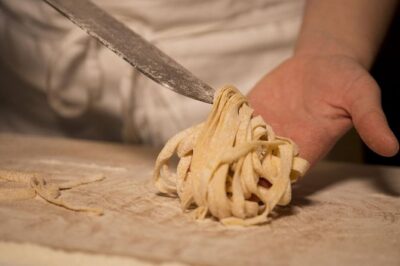
3 in 1 Cooking Class near Navona: Fettuccine, Ravioli & Tiramisu
Read our review →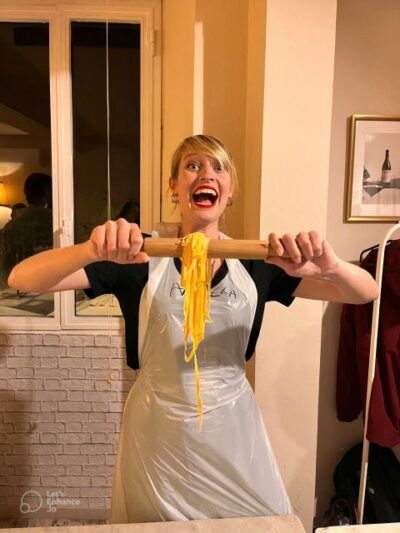
Pasta Making Class with Wine, Limoncello, and Dessert
Read our review →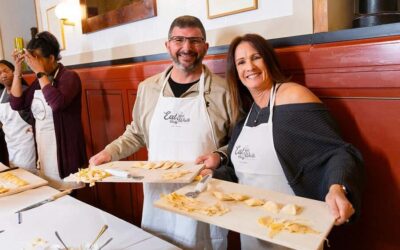
3-in-1 Fettuccine, Ravioli, and Tiramisu Cooking Class
Read our review →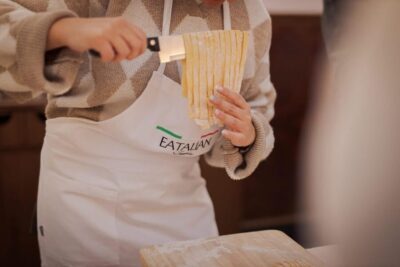
Fettuccine Pasta Cooking Class in Rome’s City Center
Read our review →
Traditional Pasta with Cocktails Cooking Class
Read our review →
Fettuccine and Tiramisu Cooking Class with Wine
Read our review →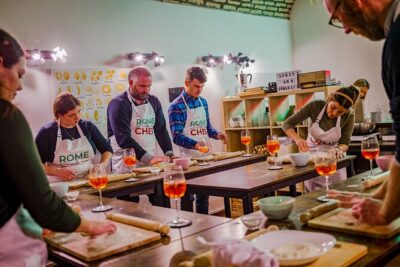
Pasta Cooking Class Near the Colosseum with 3 Spritz Cocktails
Read our review →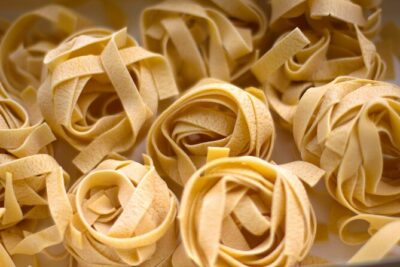
Enjoy Spritz and Pasta Making in Piazza Navona
Read our review →Browse the lists this tour appears in