
Reviewed · COOKING CLASSES
Cooking Class in Rome: Chef in a Day
Fresh pasta is the heart of this Roman experience. You begin at Piazza Farnese, shop for ingredients at Campo de’ Fiori, then work beside a professional chef in an open-plan kitchen in Trastevere. This is not a demonstration where you watch someone else stir the sauce. You chop, knead, roll, fill, cook, plate, and eat the results.
I especially like the market-to-table format, because you learn how Italians choose produce before you touch a mixing bowl. I also like the serious hands-on teaching, with chefs such as Federico Alessandri and Paola explaining not only what to do, but why it matters. The main caution is simple: five hours means plenty of standing, and a group of up to 11 is intimate but not private.
In This Review
- Key points at a glance
- Starting at Piazza Farnese at 9:30 a.m.
- Shopping for ingredients at Campo de’ Fiori
- Walking to the Trastevere cooking space
- Making three kinds of pasta from scratch
- Sauces, vegetables, and the lessons between the steps
- Sitting down to the Roman lunch
- How much value do you get for $147.49?
- Who should book this class?
- Timing, group size, and practical details
- Should you book Chef in a Day?
- FAQ
- Where does the cooking class begin?
- What time does the experience start?
- How long does the experience last?
- Where does the cooking class end?
- Is transportation included?
- Is the class taught in English?
- How many people can join the class?
- How many people are needed for the class to run?
- What food is included?
- Can I report dietary requirements?
- Are recipes provided after the class?
- Can children join?
- What is the cancellation policy?
Key points at a glance
- Three pasta styles in one class: Prepare a stuffed pasta, a long pasta, and a short or medium pasta, each with its own sauce.
- A real market visit: Shop at Campo de’ Fiori and help select seasonal vegetables, herbs, cheeses, and meat.
- Professional instruction: Federico Alessandri and Paola have been praised for clear teaching, patience, humor, and useful kitchen technique.
- A complete Roman meal: The menu can include an appetizer, three pasta dishes, a meat course, dessert, and Italian wine.
- Small, but not private: The class requires six people to run and accepts no more than 11.
- Useful take-home value: Pasta recipes are emailed after the class, so you can practice at home instead of leaving the lesson behind in Rome.
Starting at Piazza Farnese at 9:30 a.m.
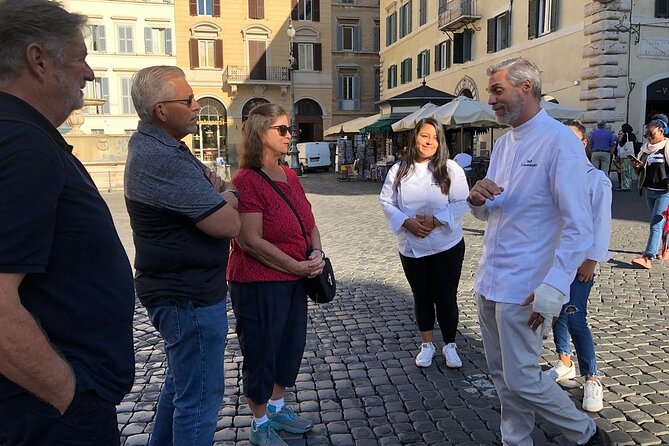
The morning begins at Piazza Farnese, a handsome central square near Campo de’ Fiori. This is a convenient place to meet your chef and talk through the day’s menu before shopping. Arrive ready for a full morning and early lunch, not a quick one-hour pasta lesson.
The opening conversation matters. Menus change with the season, so the exact dishes are not fixed in advance. One class may feature gnocchi, tomato sauce, and a seasonal dessert, while another may include stuffed artichokes, chicory salad, or a blue cheese sauce. The shape of the pasta and the supporting ingredients depend on what is available.
You may be taught by Federico Alessandri, the provider, or by Paola, who has also led classes. Both names appear often in the experience details, and the teaching style can vary slightly by chef. Federico is described as witty and energetic, while Paola is praised for patience and careful explanations. The common thread is active instruction rather than a staged cooking show.
More cooking classes in Rome:
- 3 in 1 Cooking Class near Navona: Fettuccine, Ravioli & Tiramisu
★ 5.0 · 7,376 reviews - Rome: Pasta Making Class with Wine, Limoncello, and Dessert
★ 4.9 · 3,177 reviews - Rome: 3-in-1 Fettuccine, Ravioli, and Tiramisu Cooking Class
★ 4.9 · 2,704 reviews
Shopping for ingredients at Campo de’ Fiori
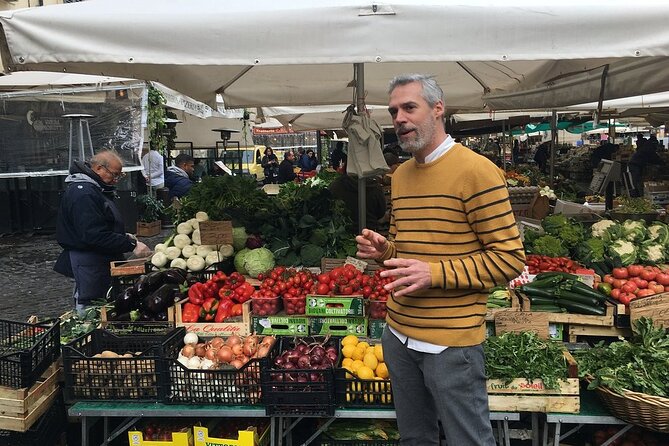
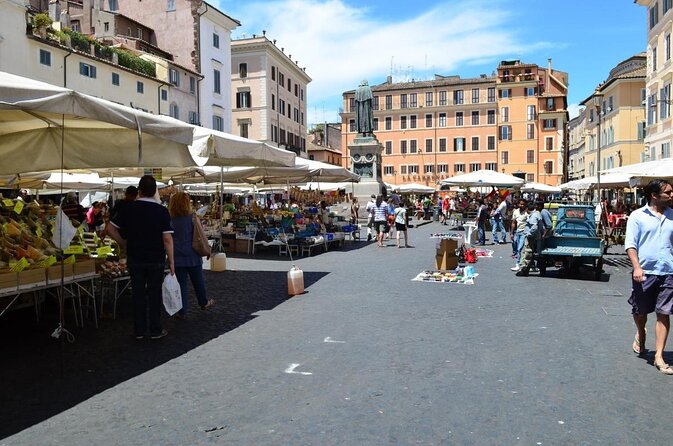
From Piazza Farnese, you head to Campo de’ Fiori to shop. The market is a useful first lesson because it puts ingredients into context. You see the vegetables, herbs, cheeses, and other foods that shape Roman cooking, then help choose what will go into your meal.
This is more useful than simply being handed a premeasured bowl of flour. You learn to pay attention to seasonality and quality, and your chef can explain how particular ingredients work in a sauce or pasta filling. The class may also include a stop at a butcher shop or another food shop, depending on the menu.
Campo de’ Fiori is also one of the more recognizable market settings in central Rome, so it adds a dose of ordinary city life before the cooking begins. Keep your attention on the group and the shopping task, since this is a working market visit rather than a long, free period for browsing.
The market portion is especially good for cooks who want to take home a method, not just a recipe. You see how the chef selects produce and adjusts the meal to what looks best that day. That flexibility is one of the most valuable Italian cooking lessons here.
Walking to the Trastevere cooking space
After shopping, you continue to the cooking space in Trastevere. The class takes place in an open-plan apartment in the center of the neighborhood. The route connects the market experience with the meal, and no separate transport is included.
You should be comfortable walking between the meeting point, market, and kitchen. The experience does not list transportation, so it is best treated as a walking and cooking morning. Wear shoes that will be comfortable for several hours on your feet.
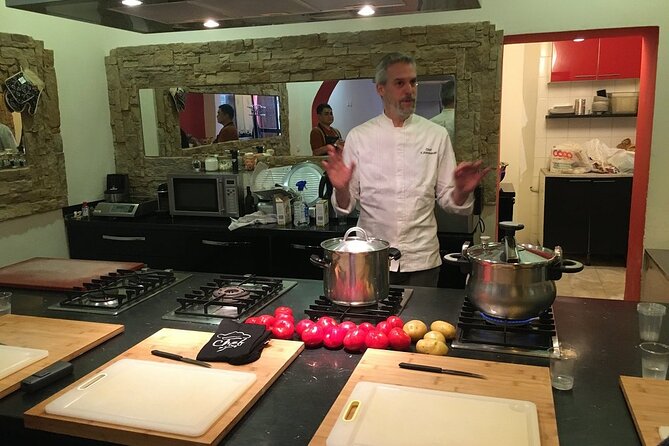
The apartment setting helps keep the class personal. You are not in a large culinary school auditorium, and the open layout lets the chef move between workstations. Still, the maximum group size is 11, so do not expect every participant to have a private counter or one-on-one attention at every moment.
One less favorable comment described a class as crowded and difficult for rolling pasta. The published maximum is 11 people, and most of the experience details point to a small-group format, but the space will feel busier at full capacity. If you want a private lesson, confirm that option before booking rather than assuming the standard class is exclusive.
Making three kinds of pasta from scratch
The main work begins once you reach the kitchen. You prepare three pasta varieties: one stuffed pasta, one long pasta, and one short or medium pasta. That mix gives you a useful range of techniques in a single session.
The long pasta portion is often the most familiar starting point, but the class goes beyond simply feeding dough through a machine. You get a feel for the dough, learn how it should look and behave, and practice shaping it. Several cooking enthusiasts particularly liked working with the dough by hand, since that physical sense is hard to gain from a written recipe.
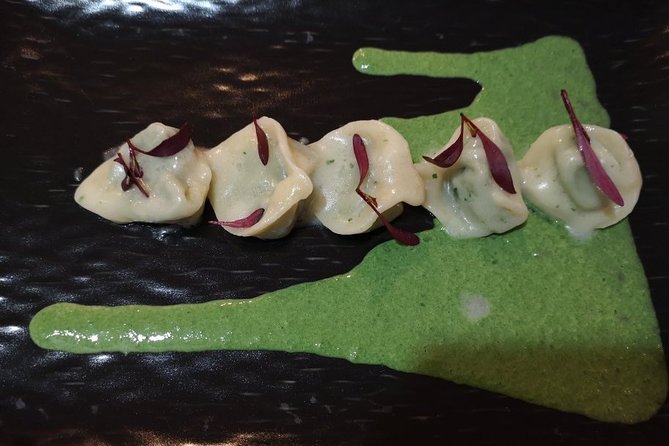
Stuffed pasta adds another layer. You must roll the dough thin enough, add filling in the right amount, and seal the pieces without trapping too much air. The chef can correct your technique as you work, which is far more useful than watching a finished demonstration.
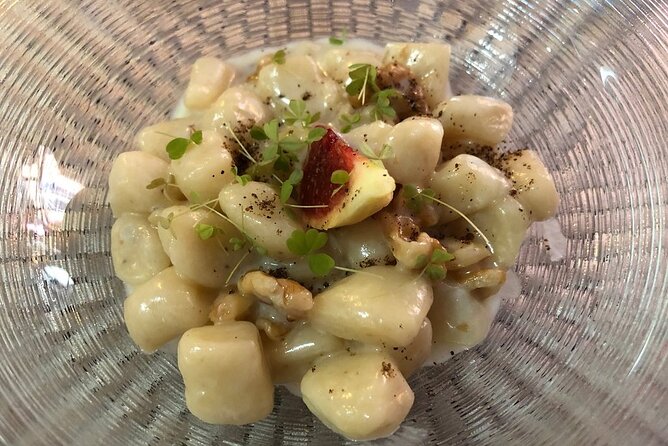
The short or medium pasta may bring a different dough or shaping method. Some menus have included potato gnocchi, while others have used semolina and water pasta alongside egg pasta. These variations are a strength, but they also mean you should not book expecting one exact menu.
The class is suitable for a range of cooking levels. Beginners get direct guidance through the basic motions, while experienced home cooks can pick up details about dough texture, sauce timing, and ingredient handling. Several accomplished home cooks still found the lessons worthwhile, particularly because the chef explained the reasons behind each step.
More Rome tours worth comparing
- Rome: Pasta & Tiramisu Class with Fine Wine by the Vatican
★ 4.9 · 4,852 reviews - Rome: Fettuccine Pasta Cooking Class in Rome’s City Center
★ 4.8 · 2,414 reviews - Rome: Traditional Pasta with Cocktails Cooking Class
★ 5.0 · 2,374 reviews - Become a Masterchef in Rome: Pasta, Ravioli and Tiramisù Class
★ 5.0 · 2,156 reviews
Sauces, vegetables, and the lessons between the steps
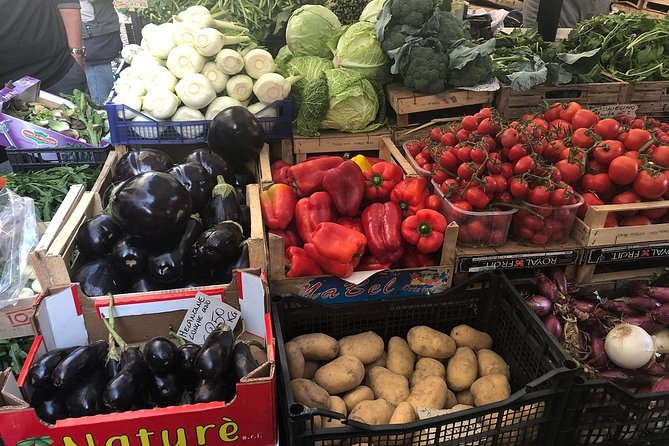
You also prepare three sauces, and this is where the class becomes more than a pasta-making photo opportunity. You chop vegetables, blend sauces, build a tomato base, and learn how to match sauce with pasta shape.
The chef may show you how to keep pesto bright, how to build a basic tomato sauce, or how to prepare a Gorgonzola sauce for gnocchi. The exact recipes change, but the broader lesson remains steady: sauce is not an afterthought. Its texture, richness, and timing should fit the pasta.
You may also work with seasonal Roman ingredients such as puntarelle, artichokes, chicory, or fresh herbs. Puntarelle served with anchovy, garlic, and olive oil has appeared as a special seasonal preparation. Stuffed artichokes and a simple salad have also featured in different classes.
This flexibility is useful, but it can frustrate anyone hoping for a fixed menu. The cooking class is built around the market and the season, not a guaranteed list of dishes. Tell the provider about dietary needs in the booking form, and do so clearly. The experience can accommodate some dietary requests, but the supplied details do not promise every substitution.
Sitting down to the Roman lunch
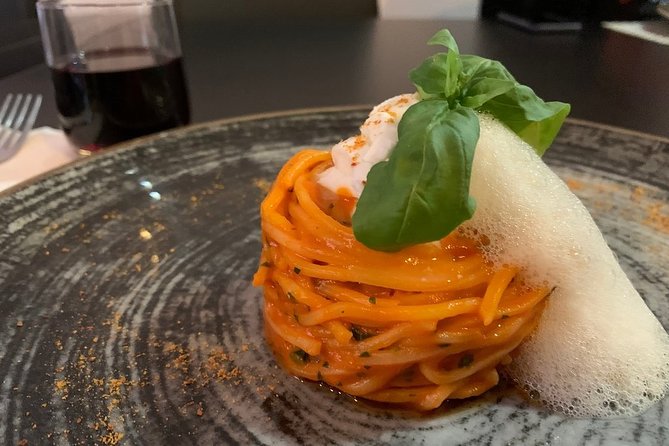
After the work is finished, you sit down in the dining area and eat what the group has prepared. The meal typically includes an appetizer, the three homemade pastas, a meat course, dessert, and wine. The result is closer to a generous lunch than a small tasting.
Wine is included, with red and white selections served during the meal. That makes the final hour relaxed and social, but it also explains why you should not plan a demanding activity immediately afterward. You have been cooking for several hours, and the meal can be substantial.
Dessert changes with the season. Strawberries with fresh mint have appeared in one class, while other menus include a different seasonal sweet. The dessert is part of the full meal rather than the main teaching focus, but it gives the class a proper finish.
The best part of the lunch is the connection between effort and result. You remember the dough because you handled it. You understand the sauce because you chopped and adjusted it. That makes the meal more satisfying than a standard restaurant lunch, even if the finished pasta is not perfectly shaped.
How much value do you get for $147.49?
At $147.49 per person, this is not a budget activity. The price makes more sense when you count the five-hour duration, the market visit, professional instruction, lunch, wine, and three pasta preparations. You are paying for a meal, a cooking lesson, and a food-focused look at Rome in one morning.
The value is strongest for people who will use the skills later. If you cook at home, the emailed recipes give you a practical reason to choose this class over a shorter pasta demonstration. You can recreate the dishes and remember the techniques after your holiday.
The value is less clear if you mainly want a quick cultural stop or a polished meal with no work. You will spend much of the experience chopping, rolling, shaping, and cleaning as part of the cooking process. That labor is the point, but it is not everyone’s idea of a vacation.
A private class would offer more personal space, but the standard experience is designed for a shared group. The stated maximum is 11, and the class needs six participants to operate. If the minimum is not reached, you may be offered another date or experience, or receive a full refund.
Who should book this class?
I would choose this for:
- Home cooks who want techniques they can repeat.
- First-time pasta makers who prefer patient, direct instruction.
- Families with older children or teenagers who can stay engaged for a long class.
- Couples and friends who enjoy food as a shared activity.
- People who want a meal connected to local ingredients rather than a restaurant reservation alone.
Families have found the format workable for teenagers, and children must be accompanied by an adult. The hands-on structure keeps younger participants involved better than a class based mostly on watching, but the five-hour length may be tiring for small children.
Vegetarians should state their needs when booking. A vegetarian-friendly version has been possible, but one participant felt the meal would have been better with meat, while other menus include a meat course. The important point is to communicate early and avoid assuming the standard menu will fit your diet.
You should also be ready for different teaching personalities. Federico is known for humor and a lively class, while Paola is described as warm, patient, and attentive. If a particular chef matters to you, ask about availability before confirming.
Timing, group size, and practical details
The class starts at 9:30 a.m. and lasts about five hours. It ends in Trastevere after lunch, so plan the rest of your day from that neighborhood rather than from Piazza Farnese.
You need to arrange your own transport to the meeting point and onward from the cooking space. The tour includes a mobile ticket and English-language instruction. Confirmation is sent within 48 hours of booking, subject to availability.
The class is not recommended as a last-minute gamble if your Rome schedule is tight. It is booked about 50 days ahead on average, and the minimum group requirement can affect whether a date runs. Book early, then keep the cancellation rule in mind: cancel at least 24 hours before the local start time for a full refund.
The most important practical tip is to wear comfortable clothes and shoes. You will be standing for much of the five hours, although there are breaks and a seated meal at the end. Do not schedule this between two distant sightseeing stops unless you have allowed plenty of time.
Should you book Chef in a Day?
Book it if you want to learn by doing and would enjoy turning a market visit into lunch. The class gives you three pasta forms, three sauces, seasonal ingredients, wine, and recipes to use at home. That is a strong package for a serious food experience in Rome.
Skip it if you dislike group activities, cannot stand for several hours, or want a fixed menu with guaranteed private attention. At full capacity, the kitchen may feel busy, and the dishes vary with the season.
For most food-minded visitors, I think the hands-on format is the right reason to choose it. You leave with a full meal, a better sense of Roman ingredients, and techniques that can outlast the usual holiday souvenir.
FAQ
Where does the cooking class begin?
The class begins at Piazza Farnese in central Rome.
What time does the experience start?
The scheduled start time is 9:30 a.m.
How long does the experience last?
It lasts approximately five hours.
Where does the cooking class end?
The experience ends in Trastevere, where the cooking space is located.
Is transportation included?
No. Transport is not included, so you must make your own way to the meeting point and from the ending point.
Is the class taught in English?
Yes. The experience is offered in English.
How many people can join the class?
The maximum is 11 participants.
How many people are needed for the class to run?
A total of six participants is required for the class to start. If that minimum is not reached, you may be offered another date or experience, or receive a full refund.
What food is included?
The menu includes lunch with an appetizer, homemade pastas, a meat course, dessert, and wine. Menus change seasonally.
Can I report dietary requirements?
Yes. You should include dietary requirements in the Special Requirements box when booking.
Are recipes provided after the class?
Yes. The pasta recipes are emailed after the course.
Can children join?
Yes, but children must be accompanied by an adult.
What is the cancellation policy?
You can cancel at least 24 hours before the experience for a full refund. Cancellations or changes made less than 24 hours before the start time are not accepted for a refund.
Newest reviews from Rome
- Rome: Vatican Museums & Sistine Chapel Skip-the-Line Ticket★ 4.4 · 148 reviews
- Shared Shuttle Transfer from Rome to Civitavecchia Port★ 5.0 · 148 reviews
- Rome: Crypts & Catacombs After Hours Tour with Bone Chapel★ 4.6 · 149 reviews
- Ghosts Legends and Mysteries of Rome Walking Tour★ 5.0 · 149 reviews
- Skip the Line: Vatican and Sistine Chapel with Guided Tour★ 4.0 · 149 reviews
- Tivoli: Villa Gregoriana Entrance Ticket★ 4.7 · 150 reviews
- Pizza and Tiramisu Cooking Class in Rome, Piazza Navona★ 5.0 · 150 reviews
- Rome: Borghese Gallery Skip-the-Line Entry and Guided Tour★ 4.7 · 150 reviews
Cooking Classes, compared.
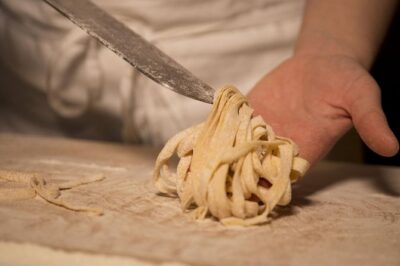
3 in 1 Cooking Class near Navona: Fettuccine, Ravioli & Tiramisu
Read our review →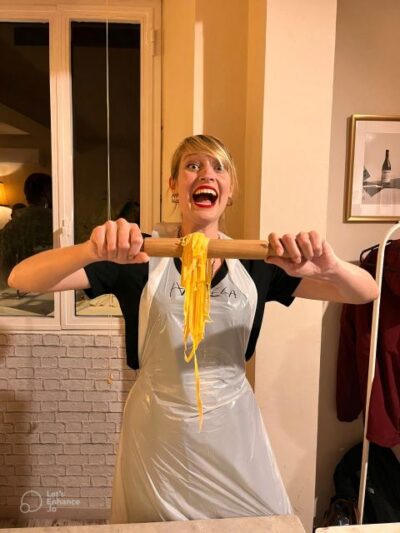
Pasta Making Class with Wine, Limoncello, and Dessert
Read our review →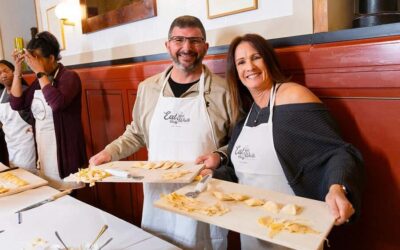
3-in-1 Fettuccine, Ravioli, and Tiramisu Cooking Class
Read our review →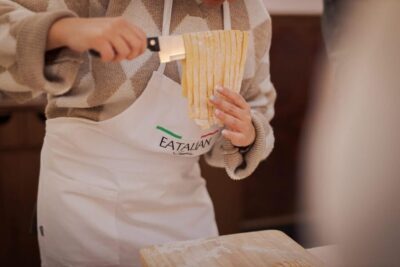
Fettuccine Pasta Cooking Class in Rome’s City Center
Read our review →
Traditional Pasta with Cocktails Cooking Class
Read our review →
Fettuccine and Tiramisu Cooking Class with Wine
Read our review →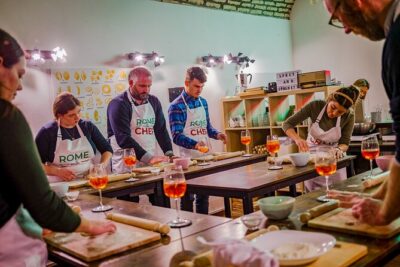
Pasta Cooking Class Near the Colosseum with 3 Spritz Cocktails
Read our review →
Enjoy Spritz and Pasta Making in Piazza Navona
Read our review →Browse the lists this tour appears in