
Reviewed · COOKING CLASSES
Cooking Class in Rome’s Countryside
The best part of this experience is that the cooking starts before you reach the kitchen. You leave Rome for Mazzano Romano, visit local food shops, choose ingredients, and then prepare a full meal in a village home. I especially like the market-to-table format and the chance to make three types of fresh pasta, not just watch a demonstration.
I also like the small group, capped at eight, and the patient teaching style associated with chefs such as Roy, Roberto, Fabio, Luca, and Eugene. The main drawback is price: at $266.81 per person, it costs much more than many cooking classes in central Rome, and the transfer begins at a central meeting point rather than your hotel.
In This Review
- Key points to know
- From Rome to Mazzano Romano by 8:30 a.m.
- Shopping for ingredients in the local markets
- Cooking in a village home
- Making three kinds of fresh pasta
- Antipasti, sauces, meat, and dessert
- Sitting down to eat what you made
- What $266.81 buys you
- Who will enjoy this countryside cooking day
- Timing, meeting point, and cancellation details
- Should you book the Mazzano Romano class?
- FAQ
- Where does the cooking class begin?
- Is transportation from Rome included?
- How long does the experience last?
- How many people can join the class?
- Is a vegetarian cooking class available?
- Are lunch and wine included?
Key points to know
- Mazzano Romano instead of central Rome: You spend the day in a medieval village north of the city.
- Local shopping comes first: Produce, meat, cheese, herbs, and other ingredients are sourced before class.
- Several pasta styles: The menu can include ravioli, gnocchi, cavatelli, cavatappi, and other handmade pasta.
- A real meal at the end: You sit down to eat the dishes you prepared, with Italian wine included.
- Small groups matter: A maximum of eight people allows hands-on instruction and room for questions.
- Plan for a long day: The experience begins at 8:30 a.m. and lasts about seven hours, including the drive.
From Rome to Mazzano Romano by 8:30 a.m.
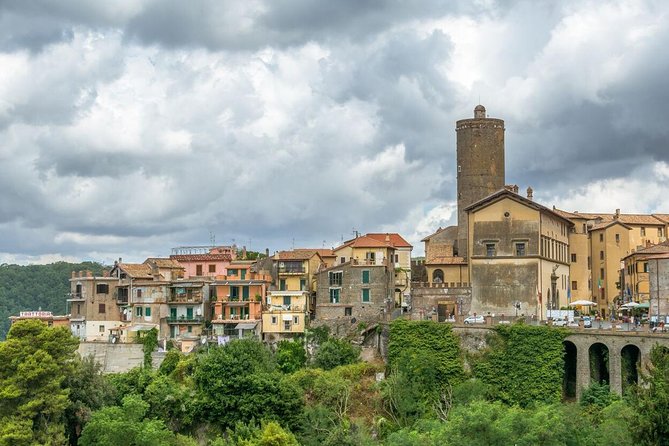
This is not a quick pasta lesson squeezed between the Colosseum and the Trevi Fountain. It is a full countryside day, beginning at Via Ludovisi, 60, in central Rome. Round-trip transportation to Mazzano Romano is included, and the drive takes about 40 minutes according to the tour description and past itineraries.
That transfer is useful because Mazzano Romano is outside Rome and not part of the usual sightseeing circuit. You do not need to arrange a rental car or work out regional transportation. You do, however, need to reach the meeting point yourself. The included transport is not hotel pickup and drop-off.
The early start is sensible. Shopping, preparation, cooking, and lunch take most of the day, so an 8:30 departure gives the experience room to unfold without rushing the meal. I would avoid booking another major activity for the evening. After several hours of cooking, eating, and wine, you will probably want a quiet night.
The vehicle transfer also creates a clean break from city sightseeing. Rome can be noisy and crowded, while this outing shifts the focus to a smaller town and the food traditions around it. If you have already spent several days visiting ancient monuments, this is a useful change of pace.
More cooking classes in Rome:
- 3 in 1 Cooking Class near Navona: Fettuccine, Ravioli & Tiramisu
★ 5.0 · 7,376 reviews - Rome: Pasta Making Class with Wine, Limoncello, and Dessert
★ 4.9 · 3,177 reviews - Rome: 3-in-1 Fettuccine, Ravioli, and Tiramisu Cooking Class
★ 4.9 · 2,704 reviews
Shopping for ingredients in the local markets
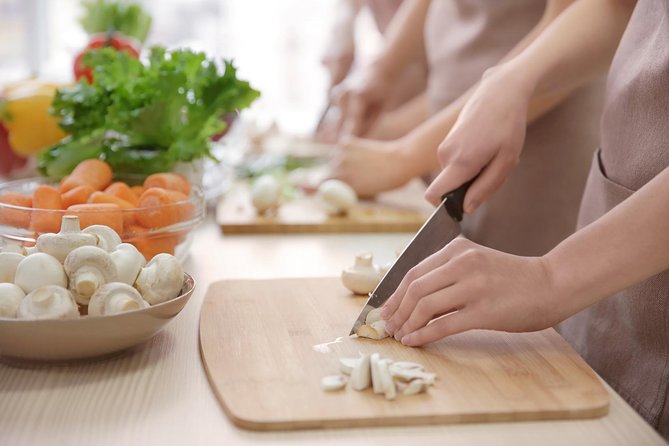
The first stop is not a staged tasting room. You visit local food sellers with your guide and chef, selecting the ingredients used later in class. The exact shops can vary, but the experience can include a produce market and a butcher.
This part gives you practical clues about Italian cooking. You learn how to judge fresh vegetables, eggs, spices, and meat, rather than simply finding premeasured ingredients waiting on a counter. At the butcher, you might see farm-sourced meat and sample products before deciding what will go into the meal.
The shopping also ties the class to Mazzano Romano. You are not cooking an abstract Italian menu in a classroom detached from its setting. You are buying food in the town where you will prepare and eat it. That connection gives the day more character than a standard urban class.
It is worth remembering that this is a guided market visit, not free time for browsing. Your group is there to gather ingredients for the meal, so the pace is purposeful. If you love food markets, you may wish this part lasted longer. Still, it adds useful context and gives you a better sense of how the menu comes together.
Cooking in a village home
After shopping, you continue to a fully equipped kitchen in Mazzano Romano. Past descriptions place the class in a private village residence, sometimes described as a historic or castle-linked home. The setting is one of the reasons this outing feels different from a cooking studio in central Rome.
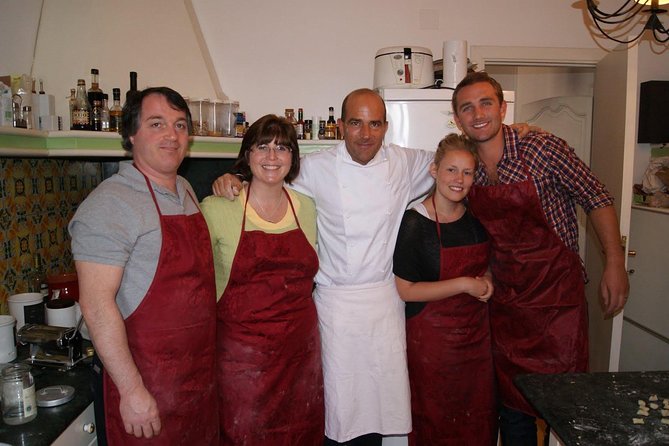
The chefs teach step by step, with the group taking an active role. You may knead dough, shape pasta, prepare fillings, make sauces, assemble dishes, and help with dessert. The instruction is designed for ordinary home cooks, so you do not need professional kitchen experience.
The small group is a real advantage here. With no more than eight participants, the chef can correct your technique, answer questions, and give you a turn at the work. Some sessions have had only two participants, but the class continues in the same format rather than turning into a private lesson with a reduced menu.
Chefs named in past experiences include Roy, Roberto, Fabio, Luca, Eugene, and their assistants, including Tamara and Matte. Staff assignments can change, so you should not book on the assumption that one specific chef will lead your session. The consistent point is the teaching approach: patient guidance, simple explanations, and plenty of hands-on preparation.
Making three kinds of fresh pasta
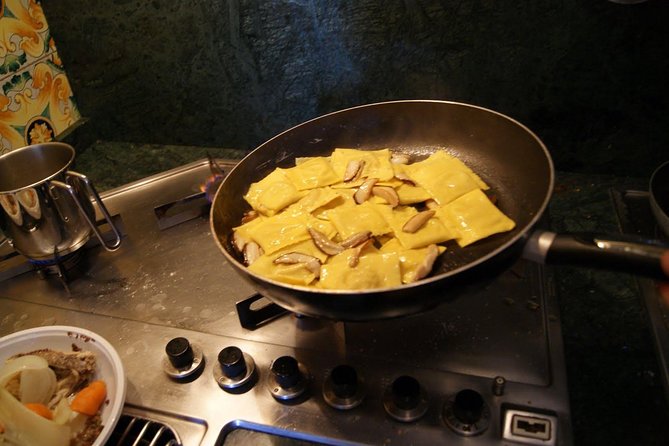
Fresh pasta is the centerpiece. The exact dishes can change with the season, group preferences, and available ingredients, but the class has included ravioli, gnocchi, cavatelli, cavatappi, and other pasta shapes.
One sample combination includes ravioli filled with ricotta and artichokes, cacio e pepe gnocchi, and cavatappi with red pepper, tomatoes, and sausage. Other menus have included several fresh pasta dishes alongside veal with prosciutto, such as saltimbocca. The supplied menu lists antipasti, handmade pasta, and dessert, so expect a generous meal rather than one single recipe.
This variety is valuable because different pasta forms call for different techniques. Ravioli requires attention to filling and sealing. Gnocchi depends on a light touch. Hand-formed shapes require practice with pressure and timing. You leave with more than a single recipe, especially if you pay attention to how the dough feels and how sauces are matched to it.
You may also receive recipes or small kitchen aids, such as a gnocchi board, depending on the session. Those extras are useful at home, but the real value is learning methods you can repeat without special equipment. Ask questions as you work, since the chefs are there to help you adapt the dishes to your own kitchen.
More Rome tours worth comparing
- Rome: Pasta & Tiramisu Class with Fine Wine by the Vatican
★ 4.9 · 4,852 reviews - Rome: Fettuccine Pasta Cooking Class in Rome’s City Center
★ 4.8 · 2,414 reviews - Rome: Traditional Pasta with Cocktails Cooking Class
★ 5.0 · 2,374 reviews - Become a Masterchef in Rome: Pasta, Ravioli and Tiramisù Class
★ 5.0 · 2,156 reviews
Antipasti, sauces, meat, and dessert
Pasta gets most of the attention, but the meal can include much more. The class may begin with antipasti and continue with meat, vegetables, sauces, and a dessert such as tiramisu or fresh fruit.
A past menu included baked potato and thin slices of veal with prosciutto, while another session featured saltimbocca. These dishes help show how a traditional Italian meal is built: several smaller elements, balanced portions, and ingredients treated with care rather than buried under heavy seasoning.
Dessert gives the class a proper finish. Tiramisu has appeared in past menus, though you should treat the posted menu as a guide rather than a fixed promise. The food depends on what is available and what the chef plans for the day.
This flexibility is both a benefit and a small uncertainty. You may get a dish you did not expect, which is part of the appeal of cooking with market ingredients. If you need a precise menu for dietary or personal reasons, ask when booking.
Vegetarian classes are available, but you must request that preference when booking. The supplied information does not specify every possible dietary accommodation, so communicate clearly before the date rather than hoping the group menu can be changed at the last minute.
Sitting down to eat what you made
The final meal is not an afterthought. Once the cooking is done, you sit with the group and eat the antipasti, pasta, main dishes, and dessert you helped prepare. Wine is paired with the food, and past sessions have included white wine or Prosecco.
That shared meal is where the class becomes a social experience. You have spent the morning shopping and working together, so lunch feels earned. It also lets you judge the results immediately. A sauce that seemed complicated at the counter makes more sense once it is on your plate.
The food portions appear generous. Several past descriptions refer to leaving very full, and one practical tip is to arrive with an appetite and drink water before the wine begins. Lunch and wine are included as specified, but the general inclusion notes say food and drinks are not included unless specified. In plain terms, the prepared meal and stated wine are covered, while extra purchases should not be assumed.
Wine pairing is another useful lesson. The chef explains how the right wine can support a dish rather than simply serving one bottle with everything. You do not need to be a wine expert to enjoy this part. Think of it as a basic introduction to matching flavor, richness, and acidity.
What $266.81 buys you
At $266.81 per person, this is a premium day trip. You are paying for the transport outside Rome, a guided food-shopping stop, a professional chef, all class ingredients, a meal, wine, and a small group limited to eight people.
The price makes more sense if you want a full countryside outing rather than a two-hour lesson. You are getting roughly seven hours of activity, including travel and lunch, plus the setting of Mazzano Romano. The private-home atmosphere and personal instruction also add value that is difficult to compare directly with a standard cooking school.
Still, the cost deserves a clear warning. A cooking class in central Rome may cost about half as much, especially if you do not care about leaving the city. The ingredients themselves are not the main reason for the price. Transport, staffing, the long schedule, the setting, and the small group all contribute.
I would choose this experience for the setting and the complete day, not simply because it offers pasta instruction. If your only aim is to learn how to roll dough as cheaply as possible, look for a shorter city class. If you want food, a village visit, market shopping, and a long shared lunch in one package, the higher price may be justified.
The experience is booked an average of 22 days ahead, so it is wise to reserve early, especially for a particular date or a vegetarian class. A minimum of two participants is required, and the maximum is eight.
Who will enjoy this countryside cooking day
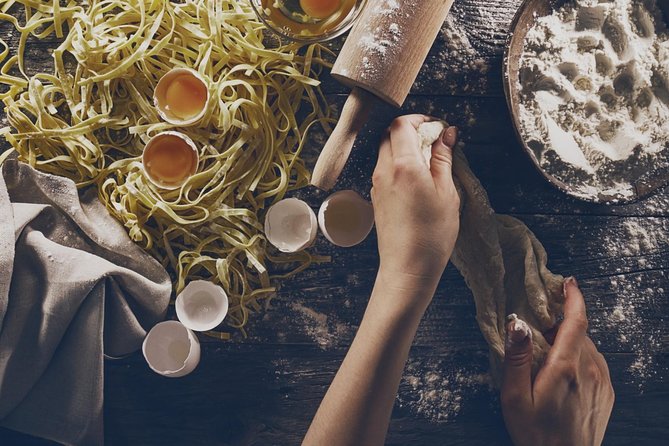
This outing suits you if you enjoy eating, cooking, and talking with other people. It works for experienced home cooks because the chefs explain technique rather than assuming you know everything. It also works for beginners because the instruction is patient and hands-on.
Families and friends can use it as a shared activity, and couples may find the village setting and long lunch appealing. Solo participants should note the minimum booking requirement of two people, though a solo person could join a confirmed small group if the booking system allows it.
It is also a good choice for a second or third visit to Rome. Once you have seen the main monuments, spending a day in a smaller town can show you a different side of the region. You still start and finish in Rome, but the day is built around local food rather than famous sights.
I would think twice if you dislike long meals, group activities, wine, or hands-on kitchen work. The day is not a passive demonstration. You will be involved, standing and working for much of the class, then sitting down for a substantial meal.
Timing, meeting point, and cancellation details
The activity starts at 8:30 a.m. at Via Ludovisi, 60, 00187 Rome, and ends back at that meeting point. Plan extra time to reach the start, since hotel pickup is not included.
A mobile ticket is accepted, and the class is offered in English. Confirmation is normally issued at booking. If you book within three days of travel, confirmation may take up to 48 hours and remains subject to availability.
The booking is non-refundable and cannot be changed for any reason. If the operator cancels because the minimum number of participants is not reached, you can choose another date or experience, or receive a full refund. That strict policy makes travel insurance or careful date planning sensible.
Should you book the Mazzano Romano class?
I would book this if you want a full food-and-countryside day, not just a lesson. The strongest reasons are the local shopping, the handsome village setting, the small group, and the chance to prepare several dishes before eating them with wine.
I would skip it if price is your main concern or if you want to stay within central Rome. At $266.81, it is not the budget cooking option. But for a slower day with personal teaching, fresh pasta, a market visit, and a meal in Mazzano Romano, it offers a distinctive break from Rome’s crowded sights.
FAQ
Where does the cooking class begin?
The class begins at Via Ludovisi, 60, 00187 Rome, at 8:30 a.m. The activity ends back at the same meeting point.
Is transportation from Rome included?
Yes. Round-trip transportation between Rome and Mazzano Romano is included. Hotel pickup and drop-off are not included, so you must reach the meeting point yourself.
How long does the experience last?
The experience lasts approximately seven hours, including transportation, the market visit, cooking class, and lunch.
How many people can join the class?
The group has a maximum of eight participants. A minimum of two participants is required for the booking.
Is a vegetarian cooking class available?
Yes. Vegetarian cooking classes are offered, but you must mention this preference when booking.
Are lunch and wine included?
Yes. Lunch made during the class and wine paired with the meal are included as specified. Additional food and drinks should not be assumed to be included.
Newest reviews from Rome
- Rome: Vatican Museums & Sistine Chapel Skip-the-Line Ticket★ 4.4 · 148 reviews
- Shared Shuttle Transfer from Rome to Civitavecchia Port★ 5.0 · 148 reviews
- Rome: Crypts & Catacombs After Hours Tour with Bone Chapel★ 4.6 · 149 reviews
- Ghosts Legends and Mysteries of Rome Walking Tour★ 5.0 · 149 reviews
- Skip the Line: Vatican and Sistine Chapel with Guided Tour★ 4.0 · 149 reviews
- Tivoli: Villa Gregoriana Entrance Ticket★ 4.7 · 150 reviews
- Pizza and Tiramisu Cooking Class in Rome, Piazza Navona★ 5.0 · 150 reviews
- Rome: Borghese Gallery Skip-the-Line Entry and Guided Tour★ 4.7 · 150 reviews
Cooking Classes, compared.
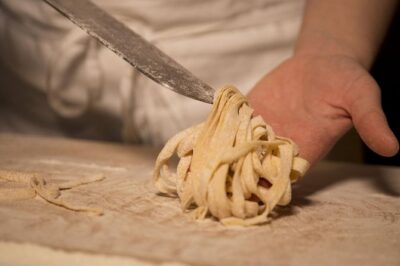
3 in 1 Cooking Class near Navona: Fettuccine, Ravioli & Tiramisu
Read our review →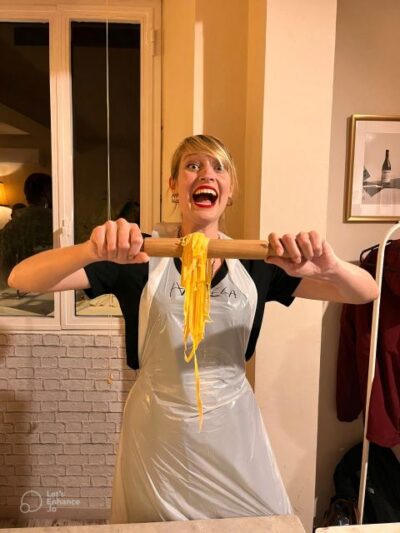
Pasta Making Class with Wine, Limoncello, and Dessert
Read our review →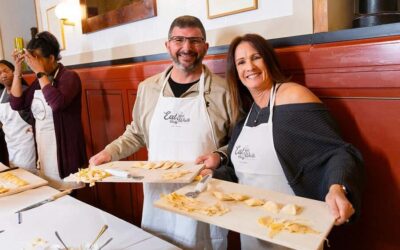
3-in-1 Fettuccine, Ravioli, and Tiramisu Cooking Class
Read our review →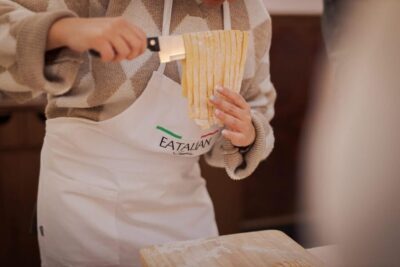
Fettuccine Pasta Cooking Class in Rome’s City Center
Read our review →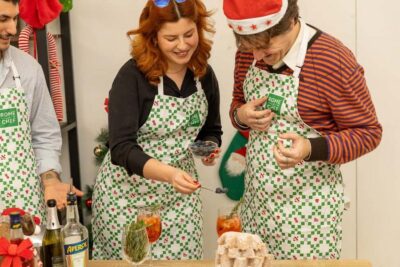
Traditional Pasta with Cocktails Cooking Class
Read our review →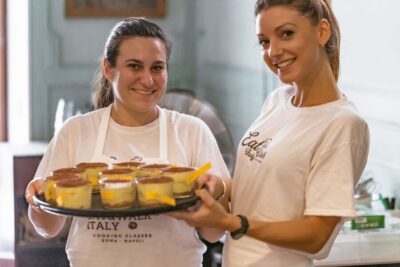
Fettuccine and Tiramisu Cooking Class with Wine
Read our review →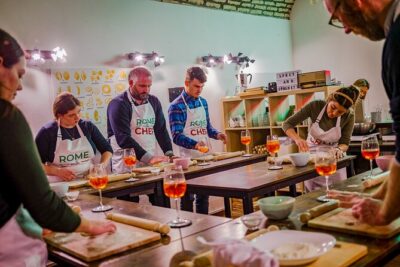
Pasta Cooking Class Near the Colosseum with 3 Spritz Cocktails
Read our review →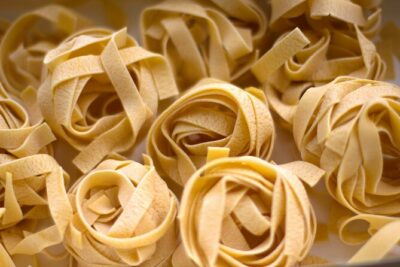
Enjoy Spritz and Pasta Making in Piazza Navona
Read our review →Browse the lists this tour appears in