
Reviewed · COOKING CLASSES
Private Cooking Class in Rome with Chef Andrea Consoli
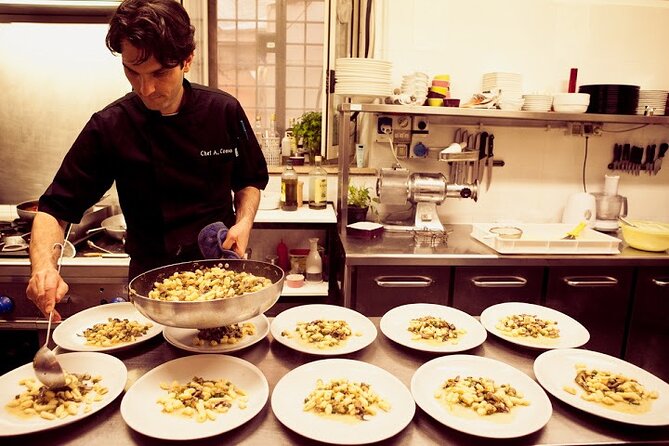
Rome is at its most memorable when you stop sightseeing and start doing. With Chef Andrea Consoli, your private group prepares a full Roman meal, from a seasonal starter through pasta, meat, and dessert, then sits down to eat it with four paired wines. This is a hands-on class, not a demonstration from the sidelines.
I like the farm-to-table focus and the chance to work with ingredients such as artichokes and zucchini blossoms. I also like the private format, which gives you room to ask Andrea about Roman food, Italian culture, and techniques you can use at home. The one consideration is the price, $181.48 per person, which is a serious outlay for a four-hour evening, even with dinner and wine included.
In This Review
- Key points to know
- A Roman evening that begins at the cutting board
- The four-course menu, from seasonal starter to dessert
- Farm-to-table cooking with ingredients that change
- Four wines matched to the meal
- Why a private group makes a difference
- Who will enjoy this class most
- Planning the evening at Via dei Fienaroli
- Is $181.48 a fair price?
- Should you book Chef Andrea’s Roman cooking class?
- FAQ
- Where does the cooking class begin?
- What time does the experience start?
- How long does the cooking class last?
- Is this a private activity?
- What food will I prepare?
- Is wine included?
- Can the class accommodate special diets?
Key points to know
- Chef Andrea Consoli leads the entire private class: Only your group takes part, so you can ask questions freely and work at your own pace.
- You prepare a complete four-course meal: Expect a seasonal appetizer, pasta with sauce, a meat course, and an Italian dessert.
- The ingredients change with the season: Artichokes, bruschetta, and zucchini blossoms are examples of what may appear on the menu.
- Dinner includes four paired local wines: The wine flight is part of the meal, not an extra purchase.
- The class works for mixed skill levels: Beginners, families, and experienced home cooks can all take part.
- Advance notice matters for special diets: Dietary needs can be accommodated when shared ahead of time.
A Roman evening that begins at the cutting board
The class starts at 5:00 pm at Via dei Fienaroli, 5, 00153 Roma RM, Italy, and ends at the same meeting point. The timing makes sense for Rome: you can spend the afternoon visiting a church, museum, or ancient site, then turn to food as your main evening activity.
This is not a quick pasta lesson squeezed between attractions. Plan on about four hours. You will prep ingredients, cook several parts of the meal, sit down to eat, and spend time talking with Andrea and your group.
The private setup changes the feel of the evening. In a large class, you may get one short turn at the stove and then watch someone else finish the dish. Here, each person in your group can take on a task. A group of eight, for example, can divide the work so everyone has something useful to do.
That format is especially helpful for families. A parent and child can work side by side, and beginners can ask basic questions without feeling out of place. Experienced cooks also have a reason to come: Andrea gives you direct access to a chef who can explain not only what to do, but why a Roman dish is prepared in a certain way.
More cooking classes in Rome:
- 3 in 1 Cooking Class near Navona: Fettuccine, Ravioli & Tiramisu
★ 5.0 · 7,376 reviews - Rome: Pasta Making Class with Wine, Limoncello, and Dessert
★ 4.9 · 3,177 reviews - Rome: 3-in-1 Fettuccine, Ravioli, and Tiramisu Cooking Class
★ 4.9 · 2,704 reviews
The four-course menu, from seasonal starter to dessert
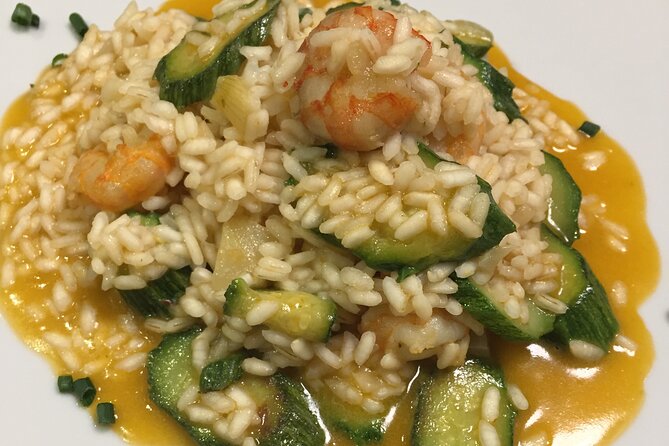
The meal follows a classic Italian pattern. You begin with a seasonal appetizer, move to pasta, continue with a meat course, and finish with an Italian dessert.
The starter may include artichoke, bruschetta, or zucchini blossoms. These ingredients tell you something useful about the class: it is not built around a fixed list of tourist-friendly dishes that never changes. The menu follows the season, so the food you prepare reflects what is available at the time of your visit.
Seasonal cooking can also mean a little uncertainty. You should not book expecting one exact dish unless the provider confirms it beforehand. If artichokes are your main goal, ask about the current menu when you book. The appeal is learning how Roman cooking responds to fresh ingredients, not ordering from a restaurant menu.
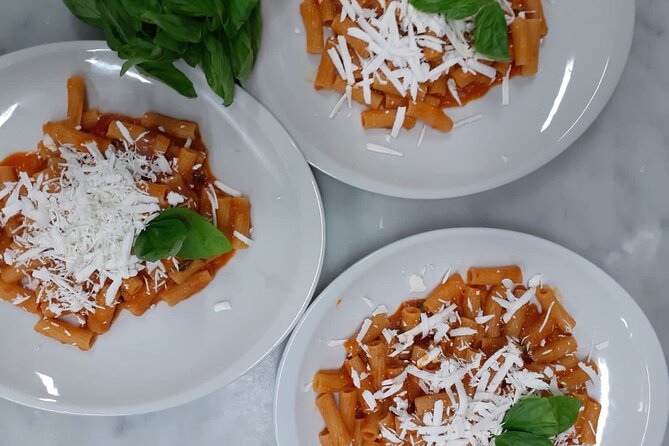
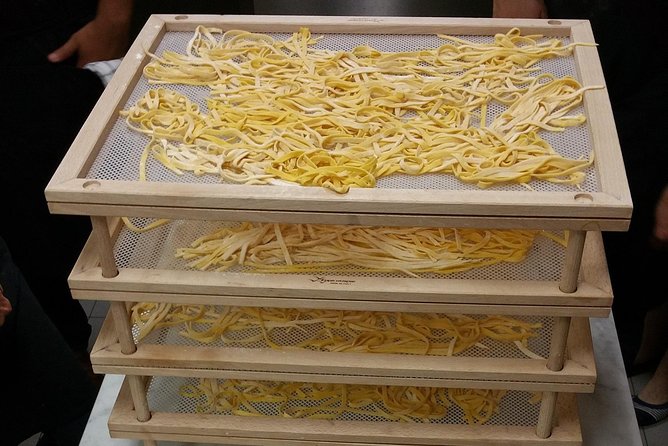
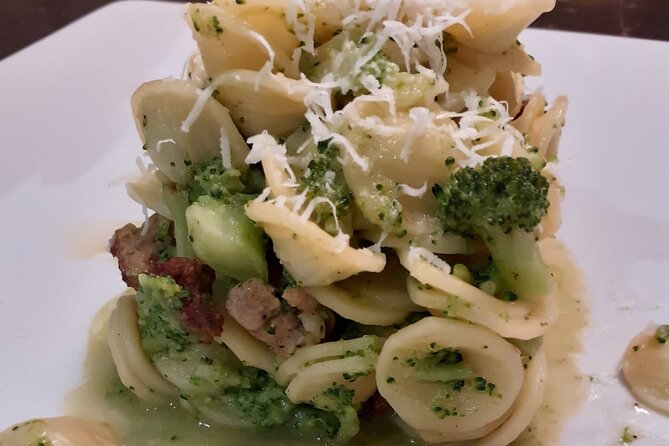
The pasta course is prepared with a sauce, and you work through the steps rather than simply watching Andrea do them. That matters because pasta technique is easy to understand in theory but harder to judge in practice. Seeing the texture, timing, and consistency firsthand gives you a better chance of repeating the dish at home.
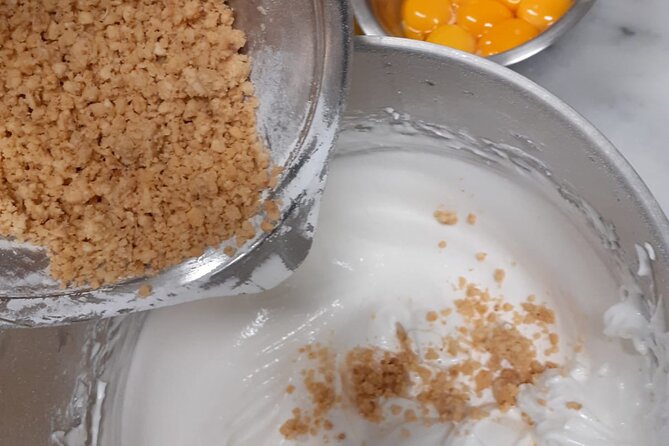
The meat course adds a second style of cooking to the evening. You are not spending four hours making only pasta, which gives the class a fuller picture of an Italian meal. Dessert completes the meal and keeps the format generous enough to feel like dinner, not just a snack after class.
One useful detail is that the four courses may involve several separate preparations. One class produced seven different items, so you may work on more than four simple dishes. The exact number can change with the menu, but you should expect a full evening of kitchen work.
Farm-to-table cooking with ingredients that change
The class uses fresh, seasonal ingredients and follows a farm-to-table approach. That phrase is useful here because it points to the main lesson: Roman food is often about handling good ingredients with care rather than covering them with elaborate tricks.
You might spend time preparing vegetables, assembling a starter, making a sauce, and getting several dishes ready to finish at the right moment. The cooking itself becomes a lesson in timing. A four-course meal only works when the parts come together in the correct order.
For you, this is more valuable than leaving with a list of restaurant recommendations. You learn recipes connected to Rome, plus methods that can transfer to your own kitchen. The class is designed to send you home with Roman recipes, so you have something practical to remember after the holiday.
Do keep your expectations realistic. The supplied information does not promise a specific farm visit, market stop, or cooking-school facility. The farm-to-table idea describes the ingredients and cooking approach, not a separate excursion.
Four wines matched to the meal
After the kitchen work, you sit down and eat what your group has prepared. The meal comes with a four-glass flight of local wines, with each selection paired to the food.
This adds real value for anyone who wants more than a recipe lesson. Wine pairing can seem vague when explained at a restaurant, but it makes more sense when you taste a wine beside the dish you just prepared. Andrea can connect the food and wine as part of one Roman meal.
The wine flight also gives the evening a clear rhythm. You cook, pause, taste, and talk. It is a social experience as much as a kitchen class, but the focus remains on the food and how it works with the wine.
There is one practical point to keep in mind: the experience includes four glasses, so it is not a good fit for anyone avoiding alcohol. The information provided does not specify nonalcoholic substitutions. If that matters to you, ask before booking.
More Rome tours worth comparing
- Rome: Pasta & Tiramisu Class with Fine Wine by the Vatican
★ 4.9 · 4,852 reviews - Rome: Fettuccine Pasta Cooking Class in Rome’s City Center
★ 4.8 · 2,414 reviews - Rome: Traditional Pasta with Cocktails Cooking Class
★ 5.0 · 2,374 reviews - Become a Masterchef in Rome: Pasta, Ravioli and Tiramisù Class
★ 5.0 · 2,156 reviews
Why a private group makes a difference
Private tours cost more than shared classes, but the format can be worth the extra money for the right group. At $181.48 per person, you are paying for four hours of instruction, a substantial meal, four wines, seasonal ingredients, and exclusive use of the experience for your party.
The private format is particularly useful for families, couples, and groups of friends who want to spend an evening together rather than split up around a busy classroom. It also makes conversation easier. You can ask Andrea about a technique several times, discuss Roman food traditions, or adjust the pace to suit your group.
A private class is not automatically better for everyone. If you prefer meeting strangers or want the lowest possible price, a shared class may make more sense. This experience is aimed at people who value personal attention and a relaxed group setting.
The strongest praise for Andrea centers on his warmth, passion, and ability to keep a mixed group involved. One family described it as a real Roman experience, while another group of eight appreciated that everyone had a task. That is a useful clue for planning: bring people who are happy to participate, not people who only want to sit down to dinner.
Who will enjoy this class most
You do not need professional cooking skills. The class is suitable for all skill levels, and the hands-on format gives beginners a clear role. If you are unsure about your ability, that should not stop you from booking.
Families can do well here, since the experience is suitable for all ages. A child may not handle every kitchen task, but the private setting lets your group share jobs in a way that works for you.
This is also a strong choice for couples. Instead of spending another evening at a restaurant, you create the meal together and have plenty of time for conversation over food and wine.
Food-focused visitors will get the most from the class. If you enjoy asking how a dish is made, comparing ingredients, or learning recipes you can try later, the four-hour length will feel useful rather than excessive. If you would rather see Rome’s sights from morning until night, you may find the time commitment harder to justify.
Special diets can be handled with advance notice. Tell the provider about your needs before the class rather than waiting until you arrive. The supplied information does not list specific dietary substitutions, so early communication is the safest approach.
Planning the evening at Via dei Fienaroli
The meeting point is Via dei Fienaroli, 5, 00153 Roma RM, Italy. The experience is near public transportation, and you return to the same place at the end.
Give yourself enough time to reach the address for the 5:00 pm start. A cooking class is not a good activity for arriving late, since the opening preparation sets up the rest of the meal. Keep your afternoon plans flexible enough to allow for Rome’s traffic, crowds, and occasional wrong turns.
The mobile ticket is convenient, but it does not replace checking the address and start time before leaving your hotel. Confirmation arrives within 48 hours of booking, subject to availability, so do not assume your place is final until you receive it.
The class usually books well ahead, with an average booking lead time of 86 days. That is especially important if you have a fixed Rome schedule or need a particular date for a family trip. Booking early also gives you more time to share dietary needs.
You can cancel for a full refund up to 24 hours before the start time. Changes made less than 24 hours before the experience are not accepted, so watch the local cutoff time if your plans are still shifting.
Is $181.48 a fair price?
The price is high compared with a standard Roman dinner, but the comparison is not quite fair. You are getting an activity, instruction from Andrea, ingredients, a four-course meal, and four wines. The private format is the biggest factor in the cost.
For a group that would otherwise pay for dinner and another evening activity, the price can make sense. You are not only eating the food. You are helping create it, learning Roman recipes, and taking those methods home.
The value drops if you do not enjoy cooking, do not drink wine, or mainly want a quick meal. Four hours is a long time for anyone who sees food as fuel rather than part of the trip. It is also worth remembering that the menu changes seasonally, so the value comes from the complete experience rather than one promised signature dish.
The near-perfect rating, with 99 percent of participants recommending the experience and 150 five-star ratings, supports the idea that the class delivers well for its target audience. Still, ratings cannot decide for you. The key question is simple: do you want to spend an evening actively preparing Roman food with your own group?
Should you book Chef Andrea’s Roman cooking class?
Book it if you want a personal, food-centered evening and like the idea of learning by doing. Andrea’s private teaching style, seasonal ingredients, four-course menu, and four-wine pairing make this a full experience rather than a short cooking demonstration.
I would give it extra consideration for families, couples, and groups of friends. The private setting means everyone can take part, and the recipes give you something concrete to bring home from Rome.
Skip it if you want the cheapest possible dinner, dislike kitchen work, or need a completely alcohol-free activity without first confirming alternatives. For everyone else, especially anyone who wants to understand Roman food from the inside out, this is a strong use of one evening in Rome.
FAQ
Where does the cooking class begin?
The class begins at Via dei Fienaroli, 5, 00153 Roma RM, Italy.
What time does the experience start?
The start time is 5:00 pm.
How long does the cooking class last?
The experience lasts approximately four hours.
Is this a private activity?
Yes. Only your group participates in the cooking class.
What food will I prepare?
You prepare a four-course meal consisting of a seasonal appetizer, pasta with sauce, a meat course, and an Italian dessert. Examples of seasonal starters include artichokes, bruschetta, and zucchini blossoms.
Is wine included?
Yes. The meal includes a four-glass flight of local wines paired with the courses.
Can the class accommodate special diets?
Yes, special diets can be accommodated when you provide advance notice.
Newest reviews from Rome
- Rome: Vatican Museums & Sistine Chapel Skip-the-Line Ticket★ 4.4 · 148 reviews
- Shared Shuttle Transfer from Rome to Civitavecchia Port★ 5.0 · 148 reviews
- Rome: Crypts & Catacombs After Hours Tour with Bone Chapel★ 4.6 · 149 reviews
- Ghosts Legends and Mysteries of Rome Walking Tour★ 5.0 · 149 reviews
- Skip the Line: Vatican and Sistine Chapel with Guided Tour★ 4.0 · 149 reviews
- Tivoli: Villa Gregoriana Entrance Ticket★ 4.7 · 150 reviews
- Pizza and Tiramisu Cooking Class in Rome, Piazza Navona★ 5.0 · 150 reviews
- Rome: Borghese Gallery Skip-the-Line Entry and Guided Tour★ 4.7 · 150 reviews
Cooking Classes, compared.
3 in 1 Cooking Class near Navona: Fettuccine, Ravioli & Tiramisu
Read our review →
Pasta Making Class with Wine, Limoncello, and Dessert
Read our review →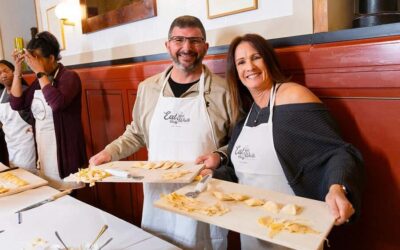
3-in-1 Fettuccine, Ravioli, and Tiramisu Cooking Class
Read our review →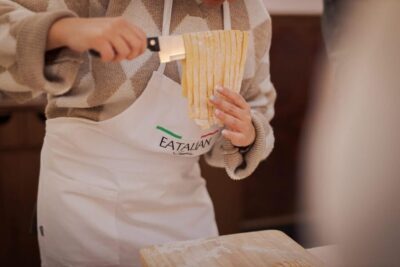
Fettuccine Pasta Cooking Class in Rome’s City Center
Read our review →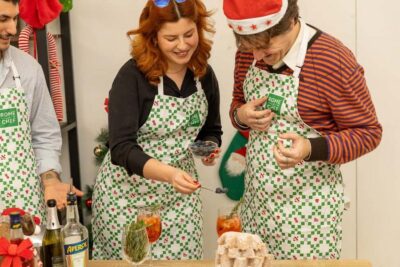
Traditional Pasta with Cocktails Cooking Class
Read our review →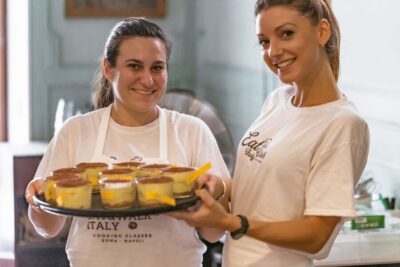
Fettuccine and Tiramisu Cooking Class with Wine
Read our review →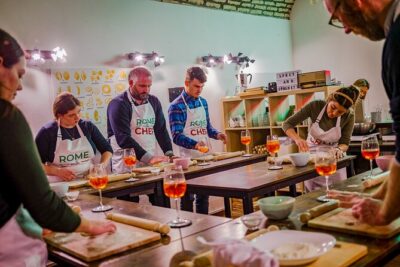
Pasta Cooking Class Near the Colosseum with 3 Spritz Cocktails
Read our review →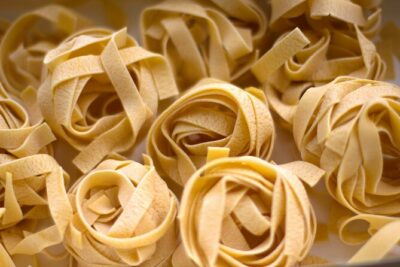
Enjoy Spritz and Pasta Making in Piazza Navona
Read our review →Browse the lists this tour appears in