
Reviewed · UNDERGROUND ROME TOURS
Rome: Navona Square Underground Ticket with Audio Guide
Beneath Piazza Navona sits the surviving lower section of the Stadium of Domitian, a Roman sports arena that once held up to 30,000 spectators. You descend about five meters below today’s street level, then follow an audio guide through ancient travertine blocks, brickwork, marble columns, and displays that explain how the stadium became the piazza you see above.
I like two things right away: the site gives you a different view of central Rome, and the audio-visual material makes the small archaeological area easier to understand. The main caution is size. This is not another Colosseum-scale monument. Many people finish in 45 to 60 minutes, and the numbered audio stations can be confusing at times.
In This Review
- Key points before you book
- What lies beneath Piazza Navona
- Descending five meters to the archaeological site
- Following the stadium’s stonework and layout
- What the audio guide does well, and where it falters
- Ancient Roman sport beyond the Colosseum
- How long the visit takes
- Is $18 good value?
- Combining the visit with Piazza Navona
- Accessibility and family considerations
- Booking and arrival advice
- Who should book the Stadium of Domitian?
- FAQ
- Where is the Stadium of Domitian entrance?
- How far underground is the archaeological site?
- Is a live guide included?
- Which audio guide languages are available?
- How long should I allow for the visit?
- Can I add food or drinks to the experience?
Key points before you book

- A stadium beneath a famous piazza: See the remains hidden under Piazza Navona, then step back outside to connect the ruins with the lively square above.
- Ancient sport takes center stage: Learn how Roman spectators were arranged and how rulers used public games to shape civic life.
- Audio guide in seven languages: Choose Spanish, English, French, German, Italian, Russian, or Portuguese.
- Useful visual displays: Unpublished photographs, video, informative panels, and 3D reconstructions help you picture the original stadium.
- Short, flexible visit: The site is valid for one day, and most people need roughly 45 to 60 minutes.
- Optional Roman refreshment: Add an aperitif with one cocktail and snacks, or choose a wine tasting with two wines and a traditional appetizer board.
What lies beneath Piazza Navona
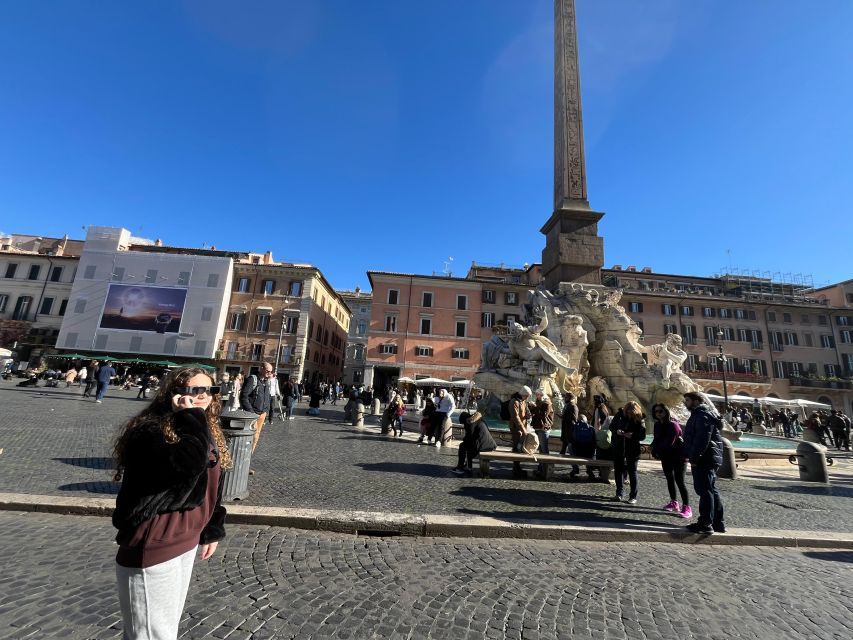
Piazza Navona is one of Rome’s most recognizable public spaces, with fountains, churches, cafés, artists, and a steady flow of people. Its long oval shape is not accidental. The piazza follows the footprint of the ancient Stadium of Domitian.
The stadium was built for athletic contests and public spectacles, rather than chariot racing. It was the first and only stadium in Ancient Rome built entirely from masonry, according to the site’s interpretation. That makes the remains useful for understanding a side of Roman public life that is easy to miss when your Rome plans focus only on emperors, temples, and tombs.
The ruins lie about five meters below the present street. That change in level is part of the story. Rome was repeatedly rebuilt, raised, and altered over the centuries, and the modern piazza developed over the old stadium. From above, you see a graceful urban square. Below, you can trace the hard Roman engineering that shaped its outline.
I find this connection especially valuable if you have already walked across Piazza Navona without realizing what formed it. The visit turns a familiar sightseeing stop into a layered place, where the modern city and the ancient arena occupy the same footprint.
More underground Rome tours:
- Colosseum: Underground and Ancient Rome Tour
★ 4.7 · 12,691 reviews - Rome: Crypts and Catacombs Underground Tour with Transfers
★ 4.6 · 5,341 reviews - Expert Guided Tour of Colosseum Arena OR Underground, and Forum
★ 4.5 · 5,041 reviews
Descending five meters to the archaeological site
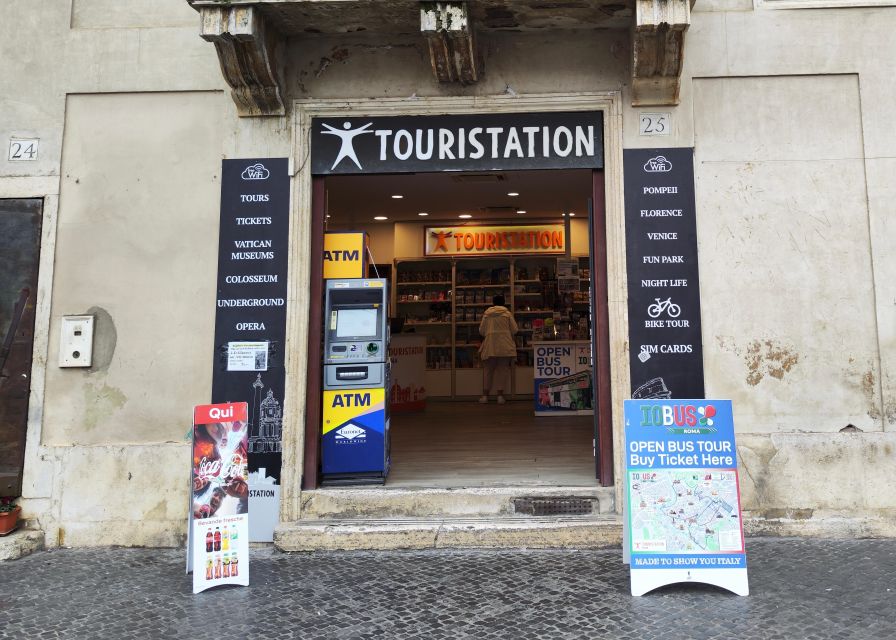
You begin by redeeming your voucher at the tourist point in front of the main fountain at Piazza Navona, 25. The location is central and easy to connect with a walk around the Pantheon, Campo de’ Fiori, or the rest of Piazza Navona.
Allow a little extra time for the ticket exchange. Some people have been directed from the voucher point to a separate ticket office a couple of streets away, then back to the entrance. The process is not difficult, but it can cost five to ten minutes and may feel unclear if you arrive expecting to walk straight in with a phone voucher.
Once inside, you descend to the underground archaeological area. It is not a vast network of tunnels. Instead, you see a compact section of the stadium with exposed structural remains and interpretation displays. The limited size is the main reason I would not treat this as an all-day attraction.
The setting has an appealing sense of discovery, but do not expect total silence. A portion of the site is close enough to street level for traffic and piazza sounds to filter through. That can interrupt the audio at moments, though it also reminds you that modern Rome is directly above the ancient building.
Following the stadium’s stonework and layout
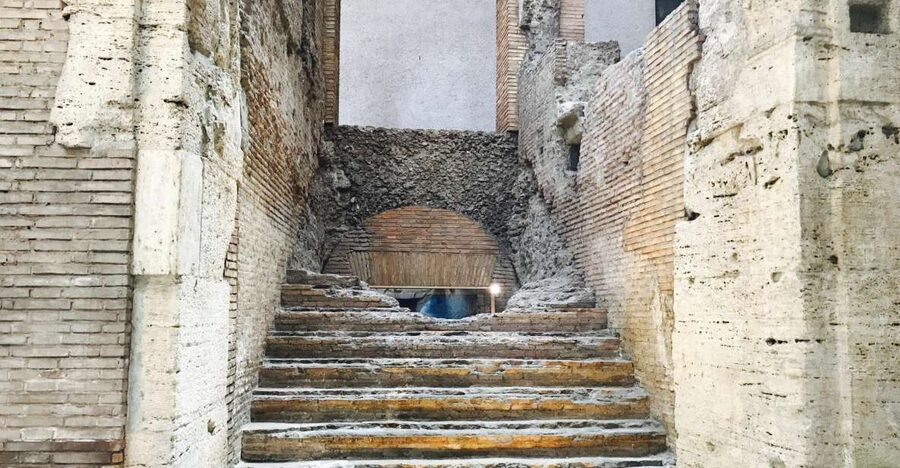
The ruins show the practical side of Roman construction. Look for the travertine blocks, brickwork, and traces of marble columns around the principal entrances. These details help you read the building as a designed arena, not just a collection of old stones.
The audio guide explains the stadium in sections. It covers the main entrances, the structure of the seating areas, and the way up to 30,000 spectators were divided around the arena. That seating arrangement matters because Roman public buildings were carefully organized by rank, status, and access.
The stadium’s original form is not always obvious from the surviving walls. This is where the visual material earns its place. Photographs, diagrams, a video presentation, and 3D renderings suggest how the complete building may have looked and how crowds moved through it.
The reconstructions are particularly useful for children and for anyone who finds bare ruins hard to picture. One child-focused audio guide has been available with a special pen and map, allowing younger visitors to follow the stops more independently. The underground area is small enough for a parent to keep an eye on a child, though one parent found it unsuitable for a pram.
What the audio guide does well, and where it falters
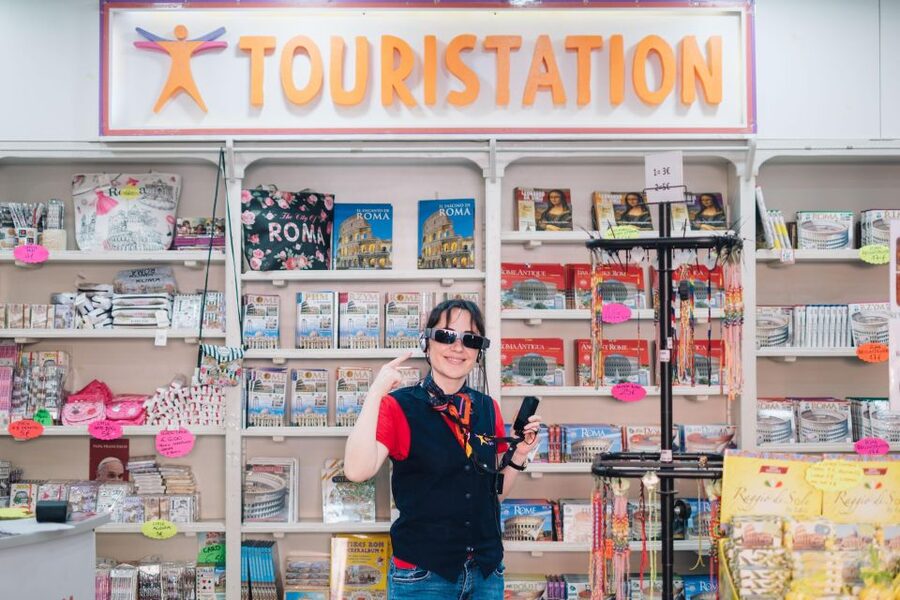
This is a self-guided visit, not a tour led by a historian. The audio guide is included and available in English, Spanish, French, German, Italian, Russian, and Portuguese.
I like the freedom of moving at your own pace. You can pause at a wall, replay an explanation, or spend more time with the visual material without holding up a group. The information covers both the stadium and the transformation of the site into Piazza Navona, so you gain a useful sense of Rome’s changing urban form.
The audio is generally clear and informative, but the numbered stations are not always laid out in an obvious order. At times, you may wonder which display or section matches the track you are hearing. A few people have also found that the narration does not line up perfectly with the images, and the sound can be less clear in parts of the underground area.
My practical advice is simple: look for the station number before pressing play, and do not feel obliged to follow every track in a strict sequence. If you lose the order, keep walking and use the panels and reconstructions to fill in the gaps. The audio remains important, since the ruins alone do not explain the stadium’s full purpose.
More Rome tours worth comparing
- Rome: Colosseum & Forum with Audio Guide App -Optional Arena
★ 4.2 · 24,770 reviews - Rome: St. Peter’s Basilica & Dome Entry Ticket & Audio Tour
★ 4.2 · 7,537 reviews - Vatican & Sistine Chapel Ticket with Optional Audio Guide
★ 4.1 · 5,405 reviews - Rome: Colosseum, Forum, & Palatine Hill with Audio Guide
★ 4.3 · 4,591 reviews
Ancient Roman sport beyond the Colosseum
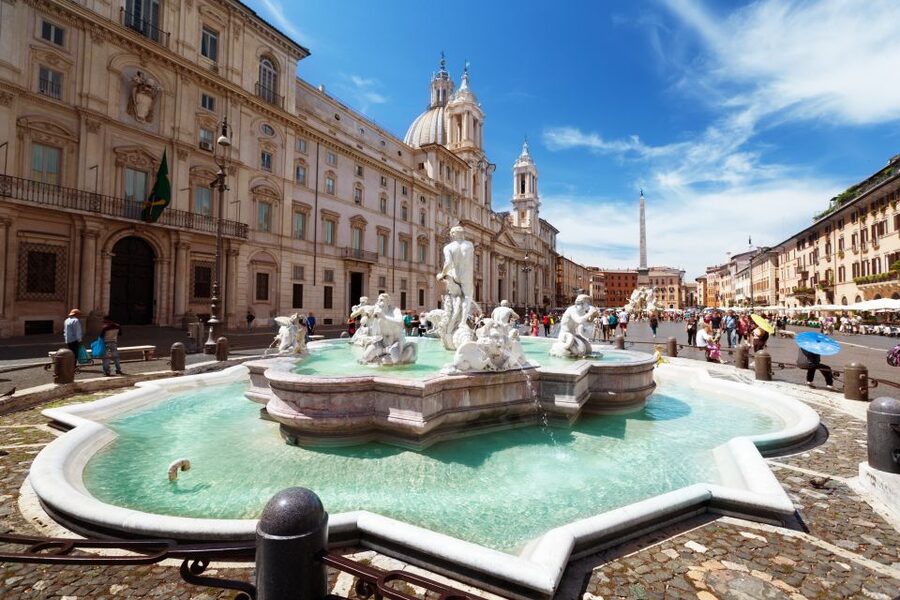
The best part of this visit is its focus on sport. The Colosseum usually dominates conversations about Roman entertainment, but the Stadium of Domitian points to a broader culture of athletic contests, public display, and imperial power.
The audio explains how Roman sports developed and how rulers connected themselves with large public events. You learn about the organization of spectators and the scale of the arena, rather than only looking at a few surviving walls.
That makes the site a good addition for anyone interested in daily Roman life. It gives you a closer look at the relationship between sport, architecture, and authority. The stadium was not merely a place for exercise. Its design controlled movement, displayed imperial ambition, and gathered thousands of people in one carefully ordered space.
You will not receive the depth of discussion that a private specialist guide might offer. Still, for $18, the audio and visual interpretation provide a solid introduction. If you want a detailed academic treatment of Roman athletics, you may find the presentation too brief. If you want a clear explanation of what you are seeing, it does the job.
How long the visit takes
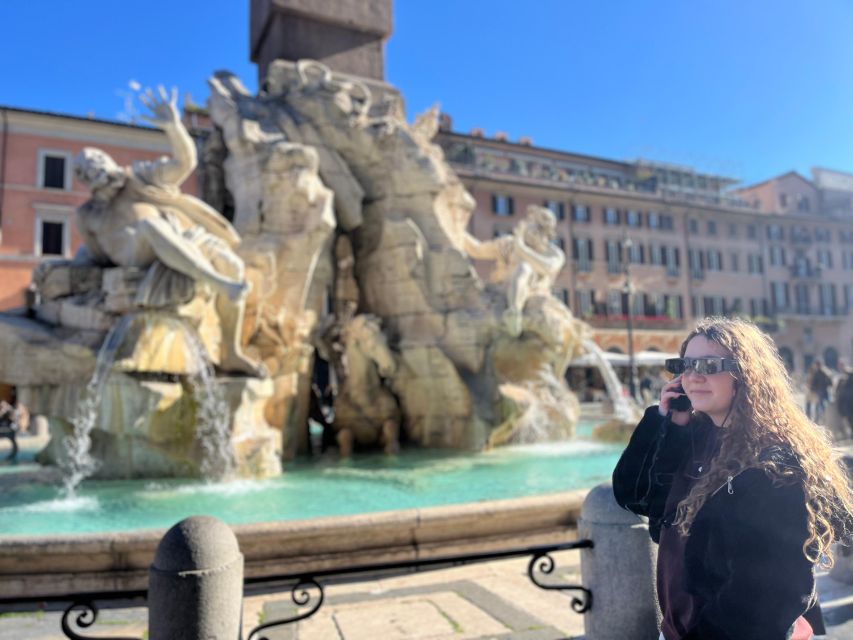
Plan on about 45 minutes if you listen to every audio item and move steadily through the displays. An hour is more comfortable if you want to examine the photographs, watch the video, study the 3D reconstructions, and pause at the masonry.
The ticket is valid for one day, but this does not mean you should expect an open-ended attraction with repeated entry throughout the day. Check the available starting times when booking and plan the visit around your Piazza Navona walk.
The short duration can be a strength. Rome is full of major sights that demand several hours, timed entry, and serious stamina. This stop fits neatly between other central attractions. You can visit the stadium, look at the fountains above, and continue toward the Pantheon or Campo de’ Fiori without losing half a day.
On the other hand, if you are choosing only a few paid sights in Rome, the limited size matters. A first-time visitor on a tight budget may prefer the city’s major monuments. I would give this site a higher priority after you have seen the Colosseum, Roman Forum, and Pantheon, or if ancient sports and urban archaeology are high on your list.
Is $18 good value?
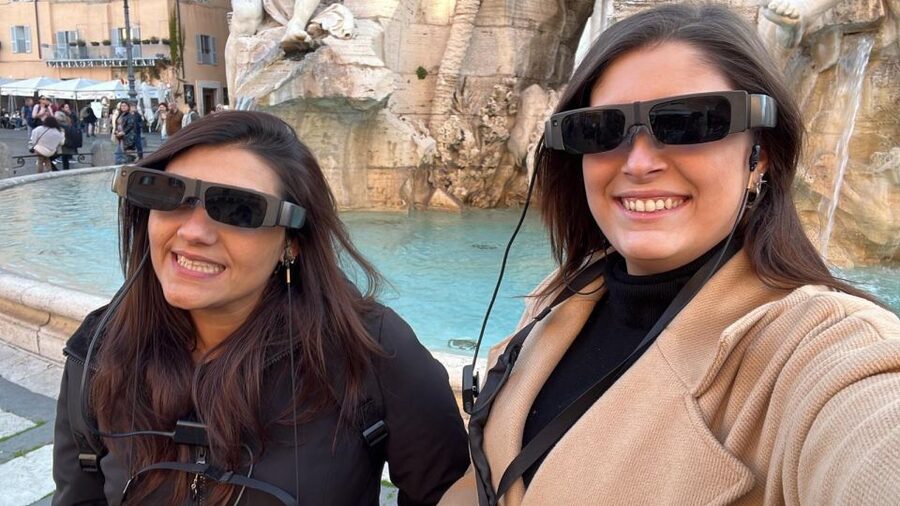
At $18 per person, the ticket is fairly priced for a central archaeological site with an included audio guide and visual presentation. You are paying for interpretation as much as for the surviving ruins. Without the audio, the area could feel sparse and the stadium’s original shape would be difficult to understand.
The value improves if you are already spending time in Piazza Navona. There is no separate journey to a distant suburb, and the site works well as a short cultural stop during a day on foot. You also avoid the cost and time of arranging a private guide.
The value is less convincing if you expect a large underground complex or a long guided tour. The ruins are compact, and the visit may be over in under an hour. Some sections can feel slightly empty or less clearly arranged than they could be.
You can also select an option with an aperitif. That includes one cocktail and snacks at a viewpoint in the heart of Rome, with staff reserving your table at the meeting point. Another option includes two wines paired with a traditional appetizer board. These choices make the package more suitable for a relaxed afternoon or evening, but compare the added price with what you would pay for a drink and small plate elsewhere.
Combining the visit with Piazza Navona
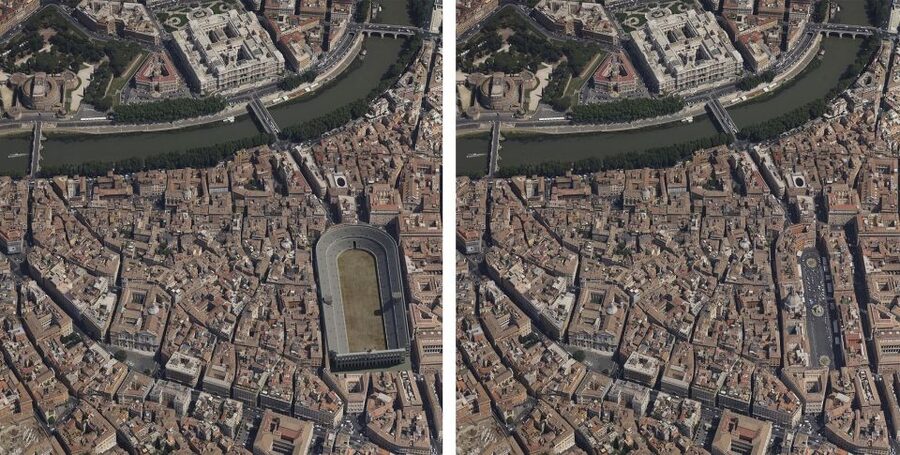
Do not rush away after leaving the underground site. The real payoff comes from comparing the archaeological remains with the modern square above.
Walk the length of Piazza Navona and look at its long, open shape. Then think back to the stadium seating and entrances below. The ancient plan is not always visible in a simple, literal way, but the relationship becomes clearer once you know what you are looking at.
The fountains and surrounding architecture also make good photo stops. The underground area itself offers atmospheric pictures of stonework and archaeological details, while the piazza provides the better setting for broad Rome views and selfies. Photography is one of the listed highlights, but the strongest images will likely come from combining the below-street visit with the square above.
The optional aperitif or wine tasting can extend this comparison into a longer Rome experience. The archaeological visit gives you the ancient setting, while the drink and food option shifts the mood toward the city as it is enjoyed today.
Accessibility and family considerations

The activity is listed as wheelchair accessible, which is important for anyone planning a visit around mobility needs. The provided information does not give detailed specifications for every route or facility, so confirm the current arrangements if you need precise access details.
For families, the site’s compact layout can be helpful. A child-specific audio guide has been offered, and the map and audio pen give younger children something active to follow. The subject also has a natural hook: arenas, crowds, athletes, and ancient contests are easier for many children to grasp than a long sequence of dates.
Strollers may be a problem. One family found the area not pram-friendly, so use caution if you are traveling with a bulky pushchair. The site also includes toilets and a gift shop, useful conveniences during a day of sightseeing.
Booking and arrival advice
The meeting point is the tourist point at Piazza Navona, 25, in front of the main fountain. Have your voucher ready, and arrive with enough time to handle a possible ticket-office exchange before the visit.
The booking terms allow free cancellation up to 24 hours before the activity for a full refund. You can also reserve now and pay later, which helps if your Rome schedule is still changing.
There is no transportation included, and no live guide accompanies you. Plan to reach Piazza Navona independently and treat the audio guide as the main source of explanation. Since the site is central, it is best paired with nearby sights rather than booked as a standalone trip across the city.
Who should book the Stadium of Domitian?
I would recommend it to you if you enjoy archaeology, Roman engineering, public spectacles, or the way old buildings shape modern cities. It is also a good choice if you have walked through Piazza Navona before and want to understand why the square has its distinctive form.
Families may appreciate the short route and child-friendly audio option. Independent visitors will like the ability to set their own pace. The optional cocktail, snacks, or wine tasting works well if you want to turn a brief museum visit into part of a slower afternoon.
I would think twice if this is your first and only paid attraction in Rome. The site is interesting, clean, and informative, but it is small. The audio stations can be awkwardly numbered, street noise may intrude, and the ruins alone do not fill several hours.
For most people, the deciding question is simple: do you want another grand monument, or do you want to see the lesser-known structure beneath one of Rome’s most famous squares? If the second choice sounds appealing, the $18 ticket offers a worthwhile hour and a fresh way to read Piazza Navona.
FAQ
Where is the Stadium of Domitian entrance?
Redeem your voucher at the tourist point in front of the main fountain at Piazza Navona, 25.
How far underground is the archaeological site?
The ruins are located about five meters beneath the current street level of Piazza Navona.
Is a live guide included?
No. The experience is self-guided, and an audio guide is included with the entry ticket.
Which audio guide languages are available?
The audio guide is available in Spanish, English, French, German, Italian, Russian, and Portuguese.
How long should I allow for the visit?
Most people need about 45 to 60 minutes to walk through the site and use the audio guide.
Can I add food or drinks to the experience?
Yes. Selected options include an aperitif with one cocktail and snacks, or a wine tasting with two wines and a traditional appetizer board.
More Audio Tours in Rome
- Rome: Castel Sant’Angelo Skip-the-Line Ticket & Audio Guide
★ 4.4 · 3,500 reviews - Skip the Line: Vatican & Sistine Chapel Ticket with Audio Guide
★ 4.0 · 3,271 reviews - Rome: Pantheon Priority Entry Ticket & Audio Guide App
★ 4.1 · 3,234 reviews - Rome: Colosseum Experience with Audio Guide and Arena Option
★ 4.2 · 2,200 reviews
Newest reviews from Rome
- Rome: Vatican Museums & Sistine Chapel Skip-the-Line Ticket★ 4.4 · 148 reviews
- Shared Shuttle Transfer from Rome to Civitavecchia Port★ 5.0 · 148 reviews
- Skip the Line: Vatican and Sistine Chapel with Guided Tour★ 4.0 · 149 reviews
- Rome: Crypts & Catacombs After Hours Tour with Bone Chapel★ 4.6 · 149 reviews
- Ghosts Legends and Mysteries of Rome Walking Tour★ 5.0 · 149 reviews
- Tivoli: Villa Gregoriana Entrance Ticket★ 4.7 · 150 reviews
- Pizza and Tiramisu Cooking Class in Rome, Piazza Navona★ 5.0 · 150 reviews
- Rome: Borghese Gallery Skip-the-Line Entry and Guided Tour★ 4.7 · 150 reviews
Underground Rome Tours, compared.
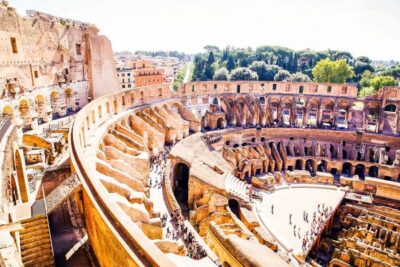
Colosseum: Underground and Ancient Rome Tour
Read our review →
Crypts and Catacombs Underground Tour with Transfers
Read our review →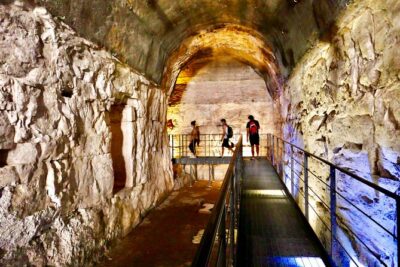
Expert Guided Tour of Colosseum Arena OR Underground, and Forum
Read our review →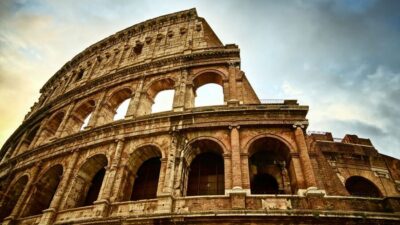
Colosseum Underground Small Group Guided Tour
Read our review →
St. Peter’s Basilica, Dome Climb, and Underground Tour
Read our review →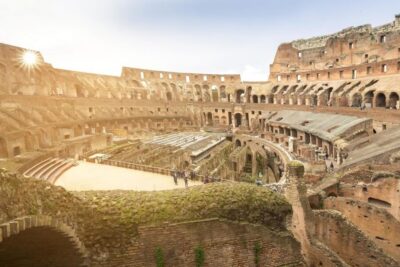
Colosseum Underground & Ancient Rome Guided Tour
Read our review →
Browse the lists this tour appears in