
Reviewed · WORKSHOPS
Rome Photography Masterclass – Private Photography Lesson
Rome is a wonderful classroom for photography because nearly every street offers strong lines, old stone, dramatic light, and a famous subject nearby. This private three-hour lesson with Aperture Tours pairs sightseeing with hands-on coaching, led by guides such as Emanuele, who adapts the session to your camera, experience, and preferred style.
I like two things right away: you can choose a day or night tour, and you receive one-on-one attention rather than trying to keep up with a large class. The main tradeoff is that this is a walking photo lesson, not an attraction-entry tour. You may photograph the Colosseum, Forum, Pantheon, and other landmarks, but admission tickets and transport are not included.
In This Review
- Key points to know before booking
- Why this works better than a standard Rome sightseeing walk
- Starting at the Colosseum fountain
- The Roman Forum and the value of changing perspective
- The Pantheon, where light and shape do the work
- Trevi Fountain and finding a less obvious frame
- Piazza Navona and street photography practice
- Castel Sant’Angelo and Rome’s wider view
- What you will actually learn in three hours
- Day tour or night tour?
- Price, private value, and practical limits
- Who should book this Rome photography lesson?
- Should you book it?
- FAQ
- How long is the Rome Photography Masterclass?
- Where does the tour begin?
- Where does the activity end?
- Is this a private tour?
- Is the tour offered in English?
- Can I choose a daytime or nighttime tour?
- Do I need to bring my own camera?
- Is a tripod available?
- Are attraction admission tickets included?
- Is transportation included?
- Can I cancel for a full refund?
Key points to know before booking
- Personal instruction with Emanuele: Expect help with camera settings, composition, lighting, perspective, and street photography.
- Day or night timing: Pick the mood that fits your interests, from daylight architecture to evening scenes.
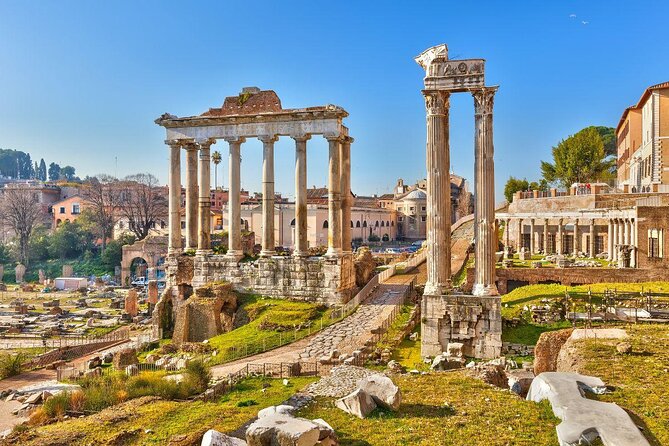
- Six famous Rome locations: The route may include the Colosseum, Roman Forum, Pantheon, Trevi Fountain, Piazza Navona, and Castel Sant’Angelo.
- A true private outing: Only your group participates, so the lesson can match your skill level and photographic goals.
- Bring your own camera: A camera is not supplied, and a tripod is available only upon request.
- A walking tour with practical limits: Transportation between sights is not included, and the route begins and ends at the Colosseum fountain.
Why this works better than a standard Rome sightseeing walk
A normal Rome walk tells you where to look. This one asks you to decide how to look. You might work on framing the Colosseum through an arch, finding a clean angle on the Roman Forum, or using reflections and surrounding buildings to make a familiar landmark feel less predictable.
That difference matters if you already know the major sights but are not happy with the pictures you bring home. The lesson is not only about pressing the shutter. It is about noticing perspective, light, balance, and the small details that give a photograph a sense of place.
Emanuele is repeatedly singled out for patience and for adjusting his instruction to the person in front of him. Beginners can start with basic camera controls, while more experienced photographers can ask about urban composition, architectural detail, or street photography. One particularly useful feature is the guide’s ability to work with mixed groups. A nonphotographer partner can join without needing to take the lesson, while the photographer receives focused instruction.
The private format also makes the outing more flexible than a standard group activity. You are not sharing the guide’s time with strangers, and the guide can spend longer on a technique that gives you trouble. That is especially useful when you have only one day in Rome and want sightseeing and instruction in the same three-hour block.
More Rome tours worth comparing
- Rome Vespa Scooter Tour with Professional Photographer
★ 5.0 · 857 reviews - Rome Vespa Tour with Professional Photoshoot
★ 5.0 · 576 reviews - Rome: Personalized Photoshoot outside the Colosseum
★ 5.0 · 526 reviews
Starting at the Colosseum fountain
The meeting point is Fontana del Colosseo, beside the Colosseum. This is a practical start because it places you beside one of Rome’s most difficult and rewarding subjects.
The Colosseum is easy to recognize but not always easy to photograph well. Its scale can overwhelm a frame, and the surrounding roads, crowds, signs, and modern buildings can make composition tricky. A professional photographer can help you choose a viewpoint, control the edges of the image, and decide whether the building works best as a wide city scene or a tighter study of arches and stone.
You may pass by and photograph the Colosseum rather than enter it. That distinction is important. The experience includes a professional guide and a private lesson, but it does not include admission tickets. If you want to tour the interior, you will need to arrange that separately.
The opening session may also set the tone for the rest of the walk. If you are new to photography, this is a sensible place to explain your camera and begin with basic settings. If you already shoot regularly, you can use the Colosseum as a test subject for perspective, exposure, and architectural framing.
The Roman Forum and the value of changing perspective
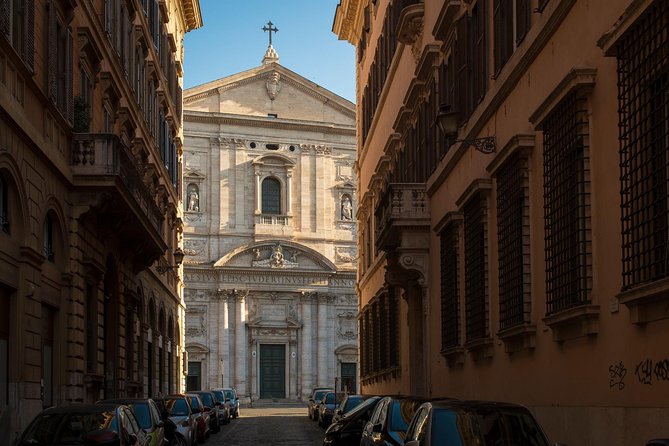
The Roman Forum is listed as another possible photo stop, with time to pass by and photograph it. From the paths and viewpoints around the site, you can work with broken columns, layers of ruins, and the contrast between ancient stone and modern Rome.
This is where perspective becomes especially useful. A low viewpoint can make foreground ruins feel stronger. A tighter frame can remove distracting surroundings. A wider composition can show how the Forum sits within the modern city. The guide’s role is to help you make those choices rather than simply point out the monument.
Again, no site admission is included. The route is designed around exterior photography and walking instruction. If entering the Roman Forum is a priority, factor in a separate ticket and additional time.
The route also includes practical city context. Emanuele is praised for explaining Rome while helping with technical choices, so you are not left with a purely mechanical camera lesson. You can learn how a location works visually and why a particular angle may tell the story better.
The Pantheon, where light and shape do the work
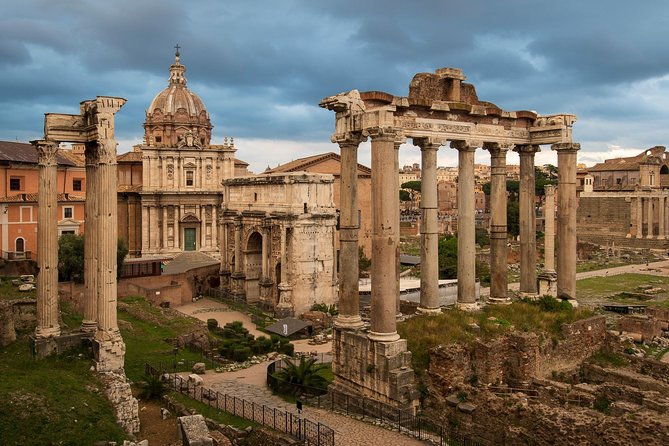
At the Pantheon, the lesson may focus on geometry, symmetry, and the way a large historic building meets a busy piazza. The building’s strong facade and deep entrance offer natural opportunities to discuss lines, shadows, and framing.
You may find that the most useful exercise is not simply photographing the front. Try considering the surrounding space, the relationship between the columns and the piazza, and the details that are easy to miss when you rush from one sight to the next.
The Pantheon is another exterior stop rather than an included admission visit. That keeps the activity moving, but it also means you should book this experience for photography instruction, not as a substitute for Rome’s museum and monument tickets.
For a beginner, the Pantheon can be a good place to practise holding vertical lines straight and avoiding a frame that feels crowded. For an experienced photographer, it offers a chance to work with architectural rhythm and changing light. The guide can help you use the camera you actually brought, which is more useful than receiving general advice about equipment you do not own.
A completely different way to spend the day in Rome:
- Vatican: Museums & Sistine Chapel Entrance Ticket
★ 4.5 · 144,003 reviews - Vatican Museums & Sistine Chapel Tour with Optional Basilica
★ 4.3 · 67,413 reviews - Vatican Museums, Sistine Chapel & St Peter’s Basilica Guided Tour
★ 4.5 · 39,149 reviews - Rome: Colosseum, Palatine Hill and Roman Forum Guided Tour
★ 4.8 · 32,814 reviews
Trevi Fountain and finding a less obvious frame
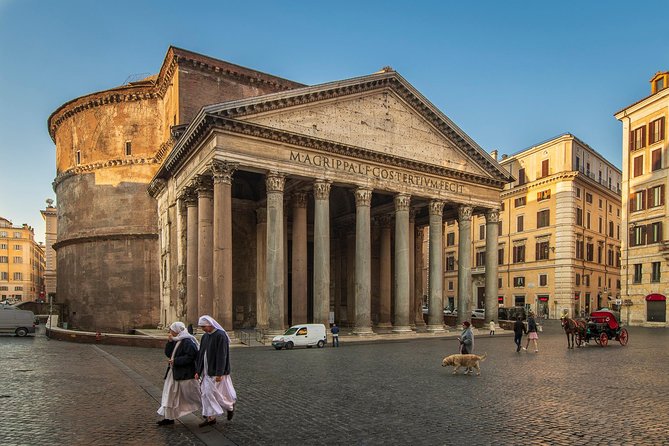
The Trevi Fountain is one of Rome’s most photographed places, so a lesson here should be about more than taking the standard front-facing picture. The aim is to find a composition that feels more personal, perhaps by changing your angle, including surrounding architecture, or using the available light in a more deliberate way.
Emanuele is praised for knowing less obvious spots around Rome, including a special location for photographing Trevi Fountain. The exact place is not specified, so you should not expect a guaranteed secret viewpoint or a completely empty scene. You can expect guidance toward more interesting ways to approach a familiar subject.
This stop is also useful for learning how to handle a visually crowded setting. Water, stone, people, bright highlights, and dark recesses can all compete for attention. A guide can help you decide what belongs in the frame and what should be left out.
If you choose a night session, Trevi Fountain may take on a very different character. Artificial light can make the water and stone more dramatic, but it also brings exposure challenges. If you choose daytime, you may have more straightforward camera control and a clearer view of architectural detail.
Piazza Navona and street photography practice
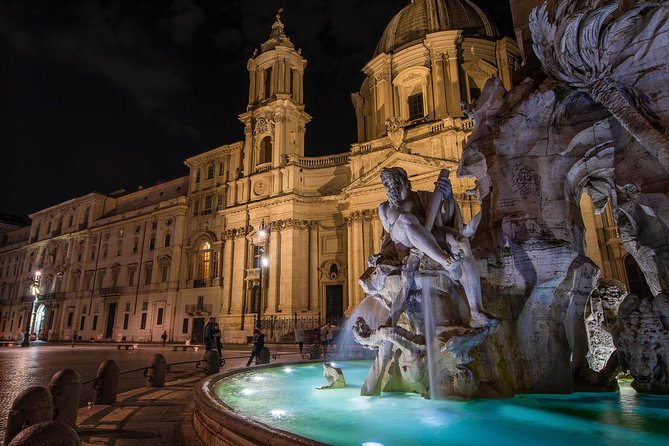
Piazza Navona gives the lesson a broader urban setting. Instead of focusing on one monument, you can work with open space, fountains, facades, movement, and the way people occupy a public square.
This is a natural place to practise street photography and composition. You might learn to wait for a useful moment, place a person within the architecture, or use the lines of the piazza to direct attention. The guide’s advice can help you move beyond simply collecting pictures of landmarks.
The square also gives nonphotographers in your party something to enjoy while you work. A private tour does not require every person to handle a camera, and one partner can tag along while the photographer receives instruction.
The main limit is time. Six possible stops are named for a three-hour experience, so you should expect a brisk walking route rather than a long session at every location. The exact balance may depend on your interests, the chosen time of day, and how much instruction you need at each stop.
Castel Sant’Angelo and Rome’s wider view
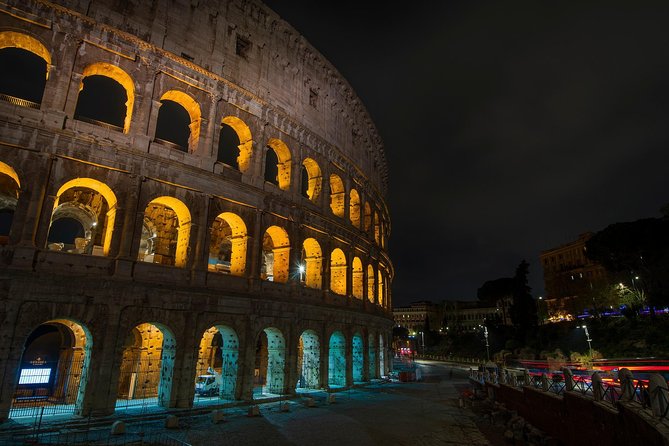
Castel Sant’Angelo completes the possible route with a strong subject near the Tiber. Its round mass, historic walls, and relationship to the river create a different type of photograph from the Colosseum or Pantheon.
Here, the guide may help you think about scale and setting. A photograph can focus on the castle itself, or it can show the building as part of Rome’s larger street scene. The location also gives you a chance to compare close architectural details with broader city views.
As with the other stops, the activity may pass by the castle for photographs rather than include entry. Transportation is not supplied, so the route should be understood as a guided walk beginning and ending at the Colosseum meeting point, not as a vehicle-based tour linking distant locations.
What you will actually learn in three hours
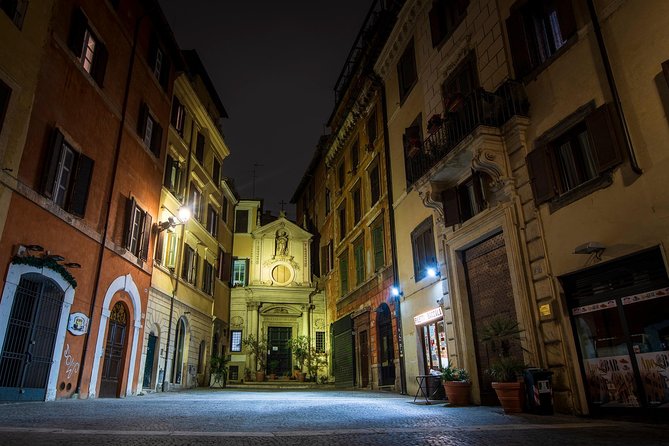
The strongest part of the experience is its practical focus. The instruction described by past participants includes camera settings, street photography composition, lighting, perspective, and architectural detail. You are not simply listening to a lecture. You are expected to make pictures as you learn.
If you have little or no experience, the guide can help you build a starting point for continued practice. That may include understanding your camera, making sensible setting choices, and learning how to think before taking a picture.
If you already use a camera, you may gain more from the creative side. Ask about framing, unusual viewpoints, balancing a busy scene, and making well-known Rome sights look less familiar. The value comes from direct feedback while you are standing in front of the subject.
The guide also takes photographs and videos in some cases, particularly for couples who want pictures of themselves in Rome. This is a useful extra, but you should treat the activity first as a photography lesson. The supplied details do not promise a set number of professional portraits or edited images.
Day tour or night tour?
A daytime session is the safer choice if you want to study architectural forms, practise basic settings, and see Rome’s major monuments clearly. It may suit a first-time camera owner or anyone who wants straightforward conditions for learning.
A night session may appeal more if you enjoy mood, artificial light, and city scenes after dark. The Colosseum, Trevi Fountain, and other landmarks can look very different at night, and the guide can help you manage the technical demands of lower light.
Your choice should follow your photographic goals. If you are a complete beginner, daylight may make the first lessons easier. If you already understand your camera and want a more atmospheric set of images, night could be the better match.
Price, private value, and practical limits
The listed price is $181.02 per person. That is not a cheap sightseeing walk, but it pays for a private activity, a local guide, and a professional photography guide for about three hours. For one photographer who wants individual coaching, the cost can make sense, especially when compared with paying for a group class that gives limited time to each participant.
The value is stronger for a couple or small private party when group discounts apply. You can share the outing with a partner, and the lesson can still concentrate on the person holding the camera. The exact discount is not specified, so check the price for your group before booking.
You must bring your own camera. Transportation to and from attractions is not included, and a tripod is available upon request. Since the activity begins and ends at Fontana del Colosseo, plan your onward journey from there rather than assuming the guide will deliver you to another part of Rome.
The tour is offered in English and is near public transportation. Confirmation arrives at booking, and most people can participate. You can cancel for a full refund up to 24 hours before the local start time. Changes or cancellations inside that 24-hour window are not accepted for a refund.
Who should book this Rome photography lesson?
I would choose this for a beginner who wants patient help without feeling lost in a class. It also suits an intermediate photographer who wants fresh ideas for Rome’s architecture, street scenes, and night photography.
It is a good fit for couples when one person takes pictures and the other prefers sightseeing. The private format keeps the outing personal, and the guide can still explain the city as you walk.
I would be more cautious if your main aim is to enter the Colosseum, Roman Forum, Pantheon, or Castel Sant’Angelo. The route may photograph these places from outside, but entry is not included. I would also reconsider if you dislike walking or need transport between each stop, since the experience is built around a walking route.
Should you book it?
Book the Rome Photography Masterclass if you want to return home with better skills, not just more snapshots. The best reasons are the private attention, the choice of day or night, and Emanuele’s reported strength as a patient teacher who can adapt to beginners and experienced photographers.
Skip it if you want a conventional guided tour with included monument tickets or a guaranteed professional portrait package. For everyone else, this is a smart way to see Rome through the viewfinder while learning techniques you can keep using long after the three hours are over.
FAQ
How long is the Rome Photography Masterclass?
The experience lasts approximately three hours.
Where does the tour begin?
It begins at Fontana del Colosseo, 00184 Roma RM, Italy.
Where does the activity end?
The activity ends back at the meeting point beside the Colosseum.
Is this a private tour?
Yes. Only your group participates in the private activity.
Is the tour offered in English?
Yes. The experience is offered in English.
Can I choose a daytime or nighttime tour?
Yes. You can choose between day and night tours based on your interests.
Do I need to bring my own camera?
Yes. A camera is not included, so you need to bring your own.
Is a tripod available?
A tripod is available upon request.
Are attraction admission tickets included?
No. The experience may pass by and photograph the Colosseum, Pantheon, Roman Forum, Trevi Fountain, Piazza Navona, and Castel Sant’Angelo, but admission tickets are not included.
Is transportation included?
No. Transportation to and from the attractions is not included.
Can I cancel for a full refund?
Yes. You can cancel at least 24 hours before the local start time for a full refund. Cancellations or changes made less than 24 hours before the start time are not accepted for a refund.
Newest reviews from Rome
- ROME:Colosseum & Ancient Rome – private/small group TOUR★ 5.0 · 24 reviews
- Off the Beaten Track in Rome: Rione VI Parione Private Tour★ 5.0 · 24 reviews
- Cinematic Photoshoot in Rome★ 5.0 · 24 reviews
- Rome: Best of Colosseum and Roman Forum Small Group Guided Tour★ 4.5 · 24 reviews
- The Labyrinth of Rome between catacombs and ancient quarries★ 4.5 · 24 reviews
- Vatican and Trionfale Market Tour with Wine and Food Tasting★ 5.0 · 24 reviews
- private tour: Vatican Museums, Sistine Chapel, St. Peter’s Basilica★ 4.5 · 24 reviews
- Skip the Line: Vatican Wheelchair Accessible Private Tour★ 5.0 · 24 reviews
Workshops, compared.

3 in 1 Cooking Class near Navona: Fettuccine, Ravioli & Tiramisu
Read our review →
Pasta & Tiramisu Class with Fine Wine by the Vatican
Read our review →
Pasta Making Class with Wine, Limoncello, and Dessert
Read our review →
3-in-1 Fettuccine, Ravioli, and Tiramisu Cooking Class
Read our review →
Fettuccine Pasta Cooking Class in Rome’s City Center
Read our review →
Traditional Pasta with Cocktails Cooking Class
Read our review →
Become a Masterchef in Rome: Pasta, Ravioli and Tiramisù Class
Read our review →
Fettuccine and Tiramisu Cooking Class with Wine
Read our review →Browse the lists this tour appears in