
Reviewed · ROME GHOST & LEGEND TOURS
Rome: Private Night Ghost Walking Tour
Rome gets more intriguing after sunset, when the route from Campo de’ Fiori to Castel Sant’Angelo trades grand monuments for executions, suspicious deaths, haunted buildings, and stories of revenge. This is not a jump-scare attraction. It is a walking lesson in Rome’s darker past, told outdoors in atmospheric squares and lanes.
I like two things right away: the tour reaches lesser-known corners between major sights, and the evening start keeps you out of the daytime heat and crowds. Guides such as Diletta, Sarah, Csenge, Maham, Dina, and Claudette have brought different personalities to the route, with an emphasis on clear storytelling and audience engagement.
The main drawback is the price, $179.74 per person, which is a serious amount for a two-hour walk. It makes the most sense for a group that values a private-feeling evening, a specialized theme, and a guide who can turn ordinary streets into stories.
In This Review
- Key points to know before you book
- Why Rome’s dark side works best at night
- Campo de’ Fiori and Piazza Farnese: executions beside elegance
- Via del Mascherone and Vicolo dei Venti: small madonnas and street crime
- Ponte Sisto and Fontana del Mascherone: danger near the water
- Santa Maria dell’Orazione e Morte: a church surrounded by death
- Via di Monserrato and the Spanish church: prisons, scandal, and rumor
- Via Giulia and Via dell’Arco dei Banchi: when beauty and punishment turn lethal
- Castel Sant’Angelo: a fitting finish by the river
- What the guide contributes to the experience
- Price, group size, and practical value
- Who will enjoy this Rome ghost walk
- Should you book the Rome Private Night Ghost Walking Tour?
- FAQ
- How long does the Rome ghost walking tour last?
- What time does the tour begin?
- Where does the tour meet?
- Where does the tour end?
- What language is the tour offered in?
- How many people can join the tour?
- Can I cancel for a refund?
Key points to know before you book
- Executions begin the story: Campo de’ Fiori was once a place of public executions, a sharp contrast to its modern bars and restaurants.
- The route ends beside the river: You finish at Castel Sant’Angelo, with the rest of your evening still open.
- Expect history with a macabre edge: Churches, bridges, prisons, fountains, and family scandals all figure into the walk.
- The group can reach 20 people: This suits families, friends, and small organized groups better than visitors seeking a one-on-one guide.
- The walk lasts about two hours: You cover 11 stops, usually spending around 10 minutes at each.
- English is the offered language: Confirmation arrives when you book, and free cancellation applies up to 24 hours before the start.
Why Rome’s dark side works best at night
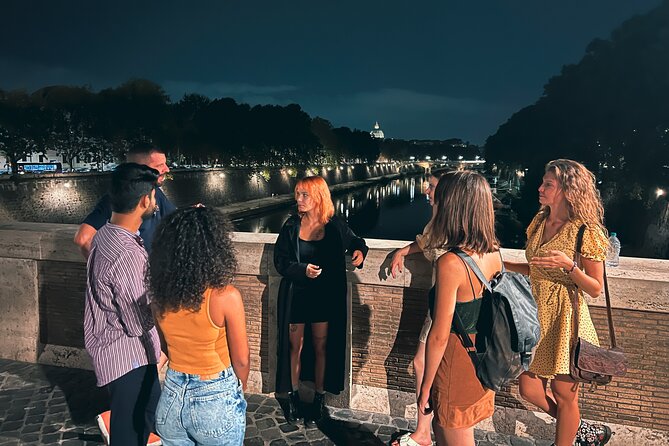
Rome is so packed with celebrated sights that it is easy to miss the smaller streets between them. This walk changes your focus. Instead of spending the evening inside a major monument, you move through public squares, narrow lanes, bridges, and church exteriors while the guide links each place to a troubling tale.
I like this format because the history is tied to exact addresses. You are not hearing a string of disconnected ghost stories. You are standing at a square where executions took place, beside a bridge linked with deaths and theft, or near a building associated with a notorious prison.
The tone is more historical than frightening. Expect stories of murder, crime, punishment, scandal, and superstition rather than theatrical effects. That makes the tour a good choice if you want Rome with a spooky flavor but still care about the city’s past.
The 8:30 pm start is practical. You avoid the worst heat of the day, and the city’s evening atmosphere suits the subject. I would still plan your dinner carefully. The tour begins in Campo de’ Fiori and ends at Castel Sant’Angelo, so you should arrive ready to walk rather than trying to squeeze in a long meal immediately beforehand.
More Rome legends after dark:
- Rome by Night Walking Tour – Legends & Criminal Stories
★ 4.5 · 1,003 reviews - Haunted Rome Ghost Tour – The Original
★ 4.5 · 668 reviews - Rome: Angels and Demons Guided Tour
★ 4.7 · 610 reviews
Campo de’ Fiori and Piazza Farnese: executions beside elegance
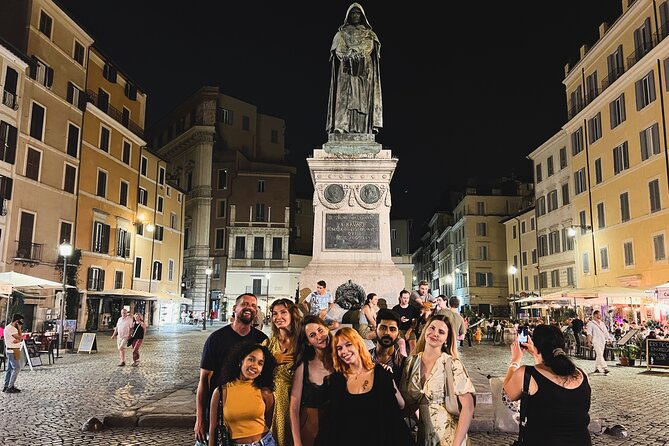
The meeting point is Piazza Campo de’ Fiori, at the center of one of Rome’s most familiar public squares. By day and early evening, the area is associated with restaurants, bars, and social life. The darker layer is its former role as a site of executions.
That contrast gives the tour a strong opening. You begin in a place that feels ordinary and lively, then learn how public punishment once shaped the square. It is a useful reminder that Rome’s pleasant streets often carry grim associations beneath the modern setting.
From there, you walk to Piazza Farnese. The square is handsome and formal, with a history tied to the city’s powerful elite. The story here turns from punishment to privilege, lavish parties, scandal, and secrets.
I appreciate the change of mood between these first two stops. Campo de’ Fiori introduces public violence, while Piazza Farnese shows how wealth and status could create a different kind of drama. The pair gives you a quick lesson in how Rome’s social worlds overlapped.
Each opening stop is scheduled for about 10 minutes. That is enough time for a focused explanation, but not enough for a full architectural tour. If you want long pauses for photographs or detailed commentary on every building, this pace may feel brisk.
Via del Mascherone and Vicolo dei Venti: small madonnas and street crime
The walk then moves into Via del Mascherone and Vicolo dei Venti, where you look for several madonelles, or little Madonna images. These small religious figures were once linked with the effort to prevent crime.
This is one of the route’s more interesting details because it shifts attention from grand monuments to objects you could easily pass without noticing. You learn to look above street level and at corners, walls, and small devotional markers.
The idea of religious images serving as a deterrent gives the stop a strong connection between faith and everyday law. Rome’s old streets were not simply decorated with religious art. Such images could also reflect local fears and attempts to keep order.
For me, this is the kind of stop that gives the tour its value. You can see major churches and fountains on your own. A guide helps you notice the small features that need context before they become meaningful.
Ponte Sisto and Fontana del Mascherone: danger near the water
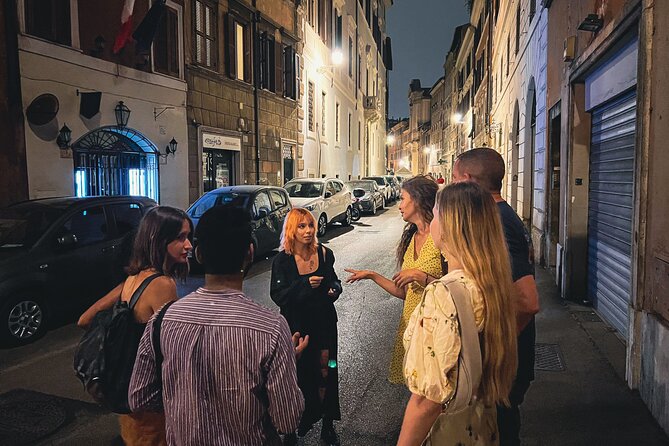
At Ponte Sisto, the stories grow more severe. The bridge is described as the oldest in Rome, and its past includes tragic accidents, power struggles, theft, and suspicious deaths.
A bridge is a natural place for stories about danger. It is a crossing point, a public route, and a place where people may be watched or followed. Hearing about the bridge after dark should give this part of the walk a fitting sense of unease, although the experience remains a history tour rather than a haunted-house performance.
Next comes Fontana del Mascherone. The fountain carries a warning: drinking from Rome’s fountains is illegal, but drinking from this one is said to be deadly. The stop works as a short, memorable story about how an everyday object can acquire a sinister reputation.
You should keep your expectations realistic here. The tour does not promise entry into every location, and each stop has free admission because the experience is conducted along public streets and around exterior sites. The value comes from the guide’s account, not from access to a paid attraction.
More walking tours in Rome:
- Rome: Trastevere & Campo de Fiori Street Food Walking Tour
★ 4.9 · 2,768 reviews - Rome: Paranormal Night Walking Tour & Secret Backstreets
★ 4.9 · 1,921 reviews - Rome: Guided City Center Evening Sightseeing Walking Tour
★ 4.4 · 953 reviews - Best of Rome Walking Tour including Trevi Fountain
★ 4.5 · 923 reviews
Santa Maria dell’Orazione e Morte: a church surrounded by death
The Church of Santa Maria dell’Orazione e Morte brings the theme into a more direct religious setting. This 17th-century church is decorated with human remains and presents death as a constant presence rather than a distant idea.
That detail may be unsettling for some people, especially younger children or anyone who dislikes material connected with human remains. For others, it gives the evening a serious historical center. The church is not simply a backdrop for a spooky tale. It reflects how earlier societies used religious spaces to confront mortality.
I would pay close attention here because this is one of the places where the tour’s subject becomes more than entertainment. The guide can connect the decoration with attitudes toward death, remembrance, and the shortness of life.
The information provided does not promise a church interior visit, so you should not book this expecting a full church tour. Treat it as one of several atmospheric stops along the route.
Via di Monserrato and the Spanish church: prisons, scandal, and rumor
On Via di Monserrato, you hear why an apartment block is considered haunted. Its reputation comes from the site’s former role as one of Italy’s worst prisons.
This stop shows how a modern residential building can conceal a brutal earlier use. The story is effective because the setting is so normal. You are not looking at a ruined fortress. You are looking at an ordinary part of the city and learning what once occupied the same ground.
The next stop is Chiesa di Santa Maria in Monserrato degli Spagnoli. The church’s story involves a scandal dramatic enough to feel like a serialized television plot. That lighter comparison does not remove the seriousness, but it signals a shift from prison misery to personal betrayal and social drama.
I like having both stops together. The prison story deals with institutional cruelty, while the church story brings the darker side of Rome into family and religious life. The route keeps changing subject, which helps prevent the two-hour walk from becoming repetitive.
Via Giulia and Via dell’Arco dei Banchi: when beauty and punishment turn lethal
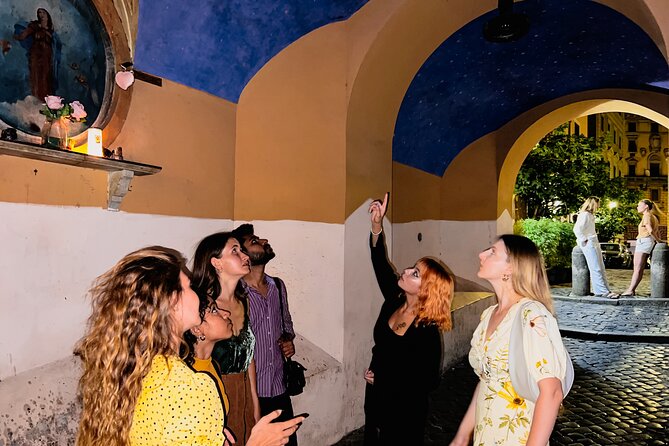
Via Giulia provides a story about a former beauty shop and the dangerous side of cosmetics. It is a neat fit for Rome, a city where style, status, and appearance have always mattered. The tale also reminds you that products once considered fashionable or useful could carry real risks.
Then the walk reaches Via dell’Arco dei Banchi. On the surface, you see a normal house. Its connection to Rome’s most infamous executioner gives the building a much darker identity.
This is another example of the tour’s central strength: ordinary places become memorable once you know what happened there. I enjoy that approach more than simply moving from one famous monument to another. It gives you stories you can carry with you as you explore central Rome later.
The route also offers a useful change of pace. After churches, bridges, and fountains, a former shop and a private-looking home bring the history into everyday urban life. The city feels less like a museum and more like a place where disturbing events unfolded in familiar surroundings.
Castel Sant’Angelo: a fitting finish by the river
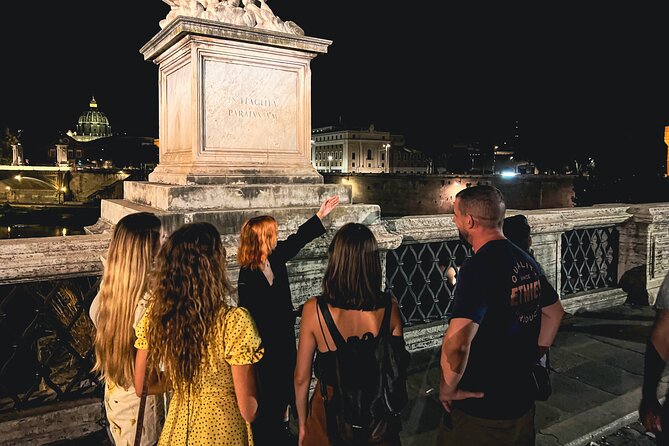
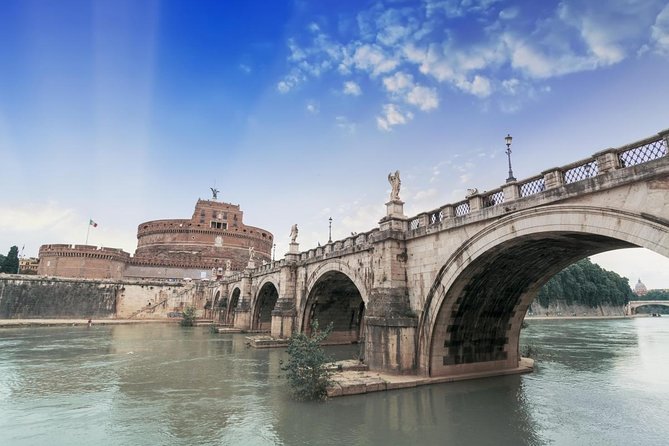
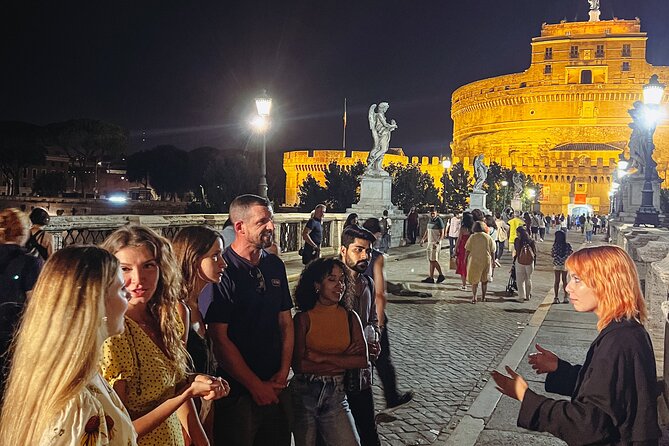
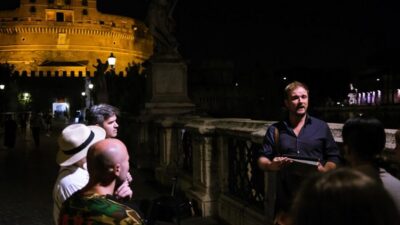
The final stop is Castel Sant’Angelo. The bridge leading to the fortress was once used to display the bodies of executed people as a warning to sinners. Today, statues of angels line the approach, creating a striking contrast between beauty and punishment.
The tour also tells the story of the Cenci family and its bloody end. This gives the finish a personal and tragic focus after the broader stories of crime, prisons, and executions.
Ending here is smart. Castel Sant’Angelo is one of Rome’s most atmospheric monuments, and the river gives you space to pause after the walk. You can continue with your evening from this point rather than being returned to the starting square.
The finish may be especially useful if you want to combine the tour with a late stroll near the river. Just remember that the experience ends at Lungotevere Castello, 50, not back at Campo de’ Fiori. I would check your route home before setting out, particularly if you are tired or traveling with children.
What the guide contributes to the experience
This tour depends heavily on the guide. The route itself is easy to describe, but the stories need timing, clarity, and a sense of humor to hold a group’s attention for two hours.
The guide names associated with particularly strong experiences include Diletta, Sarah, Csenge, Maham, Dina, and Claudette. Diletta is noted for making the walk captivating and keeping the group engaged. Sarah is associated with interesting and spicy stories, while Csenge is praised for bringing Rome’s murderous past to life.
Maham and Dina are also linked with an entertaining, informative approach. Claudette is described as bringing strong subject knowledge, although a delayed start affected one person’s experience. Guide quality can vary by date, so I would book this for the theme and route rather than expecting one specific person unless the provider confirms your guide.
The strongest pattern is clear: the best version of this tour is lively and conversational. You should expect a guide who explains, performs, and adjusts to the group, not someone who simply recites dates.
Price, group size, and practical value
At $179.74 per person, this is expensive for a two-hour walk. Since the stops are outdoors and admission is free, you are paying mainly for the private-style format, the specialist route, and the guide’s storytelling.
The price can make sense for a group that wants a focused evening activity without arranging its own research. Group discounts may improve the calculation, and the maximum group size is 20 people. Even so, you should compare the final group price with other Rome walking tours before booking.
The tour is offered in English and uses a mobile ticket. Confirmation arrives at booking, and the activity is near public transportation. Service animals are allowed, and most people can participate.
The walk itself has been described as manageable, but you should still wear comfortable shoes. Eleven stops in two hours means steady movement between locations. The tour does not list a separate return transfer, so plan to make your own way from Castel Sant’Angelo afterward.
Free cancellation is available if you cancel at least 24 hours before the 8:30 pm start. Changes or cancellations inside that window are not accepted for a refund.
Who will enjoy this Rome ghost walk
I would recommend this experience to adults, older children, families, and friend groups who like history with a sinister edge. It is also a good choice if you have already seen the Colosseum, Pantheon, and other headline sights and want an evening that explores a different side of central Rome.
The tour suits you best if you enjoy listening while walking and do not need extensive interior visits. It is less suitable if you want a theatrical ghost show, a very slow photography walk, or a low-cost introduction to Rome.
I would be cautious about booking it on your first night if you have just arrived from a long-haul flight. A later start can be tiring, and one person found a changed start time difficult after arriving from the United States that same afternoon. If you are jet-lagged, schedule it after you have rested.
Should you book the Rome Private Night Ghost Walking Tour?
Book it if you want macabre stories anchored to real Roman streets, enjoy evening walks, and are willing to pay for a guide-led experience rather than paid monument entry. The route has a good mix of famous places and quieter corners, and the finish by Castel Sant’Angelo gives the night a strong final image.
Skip it if $179.74 per person feels hard to justify for two hours, or if you prefer Rome’s art, food, and ancient ruins without stories of executions and suspicious deaths. For the right group, especially one using a discount, this is an entertaining way to see familiar Rome from an unfamiliar angle.
FAQ
How long does the Rome ghost walking tour last?
The tour lasts approximately two hours and includes 11 stops between Campo de’ Fiori and Castel Sant’Angelo.
What time does the tour begin?
The tour starts at 8:30 pm.
Where does the tour meet?
The meeting point is Piazza Campo de’ Fiori, 00186 Rome, Italy.
Where does the tour end?
The tour ends at Castel Sant’Angelo, Lungotevere Castello, 50, 00193 Rome, Italy.
What language is the tour offered in?
The tour is offered in English.
How many people can join the tour?
The maximum group size is 20 people. Group discounts are available.
Can I cancel for a refund?
Yes. You can cancel at least 24 hours before the local start time for a full refund. Cancellations or changes made less than 24 hours before the start are not refunded or accepted.
More Evening Experiences in Rome
- Rome: City Highlights Open-Top Bus Night Tour
★ 4.1 · 2,038 reviews - Vespa Sidecar Tour By Night with Pickup
★ 5.0 · 1,803 reviews - Rome by Night – Ebike Small Group Tour – Food and Wine (Option)
★ 5.0 · 1,275 reviews - Colosseum Sunset Tour with Entry
★ 4.5 · 1,230 reviews
Newest reviews from Rome
- ROME:Colosseum & Ancient Rome – private/small group TOUR★ 5.0 · 24 reviews
- Off the Beaten Track in Rome: Rione VI Parione Private Tour★ 5.0 · 24 reviews
- Cinematic Photoshoot in Rome★ 5.0 · 24 reviews
- Rome: Best of Colosseum and Roman Forum Small Group Guided Tour★ 4.5 · 24 reviews
- The Labyrinth of Rome between catacombs and ancient quarries★ 4.5 · 24 reviews
- Vatican and Trionfale Market Tour with Wine and Food Tasting★ 5.0 · 24 reviews
- private tour: Vatican Museums, Sistine Chapel, St. Peter’s Basilica★ 4.5 · 24 reviews
- Colosseum guided tour with Virtual Reality★ 5.0 · 24 reviews
Rome Ghost & Legend Tours, compared.
Rome by Night Walking Tour – Legends & Criminal Stories
Read our review →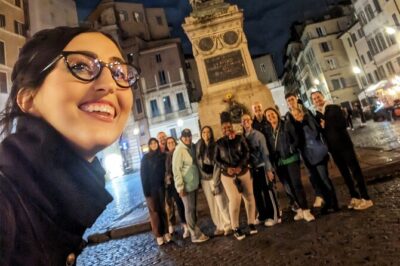


Small Group Rome’s Dark Side – Ghosts & Legends Tour
Read our review →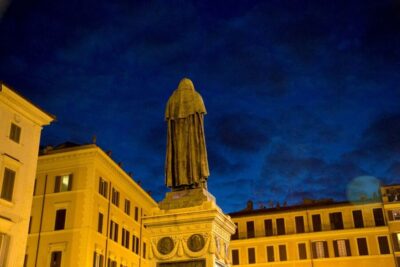
Dark Heart of Rome – Facts, Legend & Mystery Walking Tour
Read our review →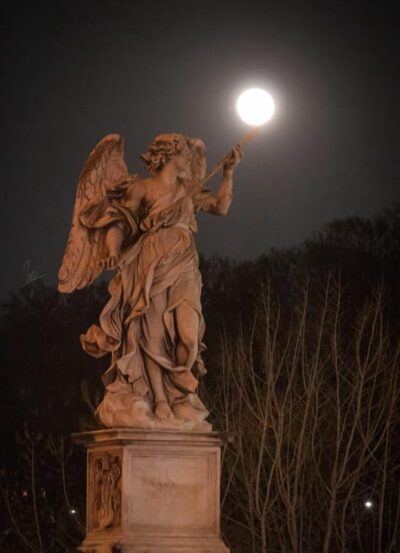
Ghosts, Legends & Mysteries of Rome Tip-Based Walking Tour
Read our review →Browse the lists this tour appears in