
Reviewed · COOKING CLASSES
Rome: Traditional Pasta Making Class with Wine & Gelato
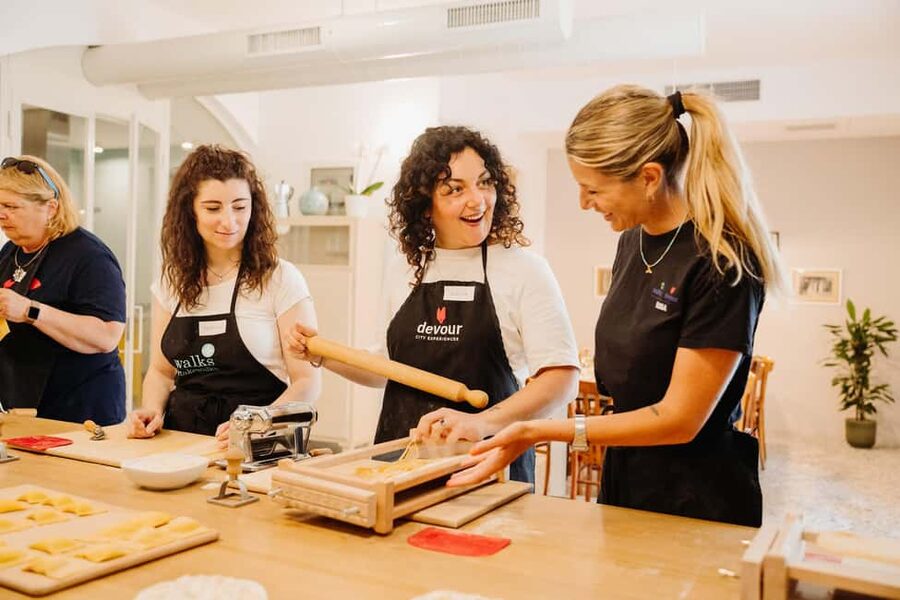
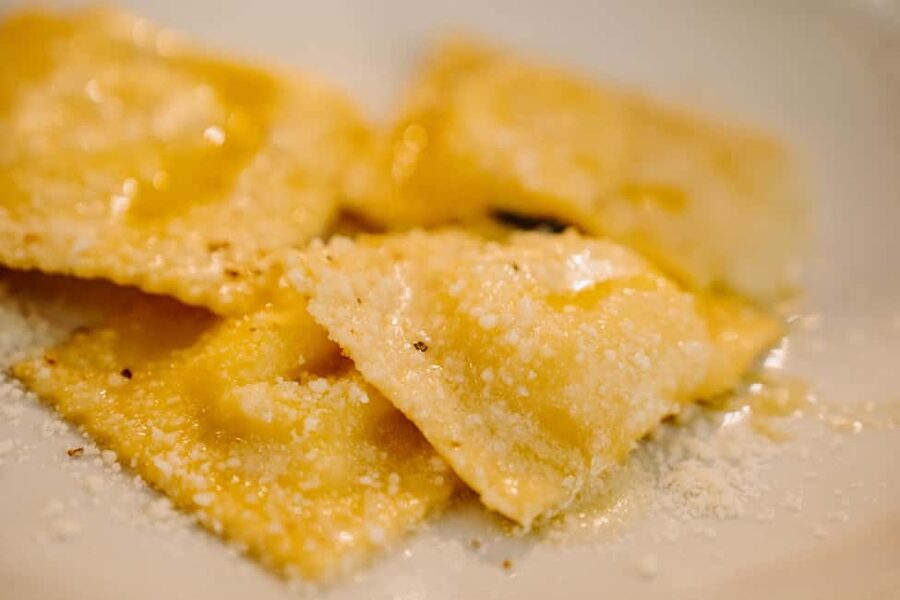
Fresh pasta is the star here, but the real treat is learning how Roman cooking works from the inside. In a Trastevere cooking school, you make fettuccine and ravioli by hand, then eat them with sauces such as amatriciana, gricia, cacio e pepe, or puttanesca.
I like the easy rhythm: prosecco and an aperitivo first, practical instruction next, and a proper meal at the end. I also like that the chef explains the why behind the food, from sauce choices to Roman cooking customs. The main consideration is that the class is not suitable for wheelchairs, strollers, or people with mobility impairments, and it cannot accommodate celiac diets.
In This Review
- Key points at a glance
- Why pasta making works so well in Trastevere
- Prosecco, cured meats, and the Italian start to dinner
- Making fettuccine and ravioli by hand
- Roman sauce lessons with seasonal choices
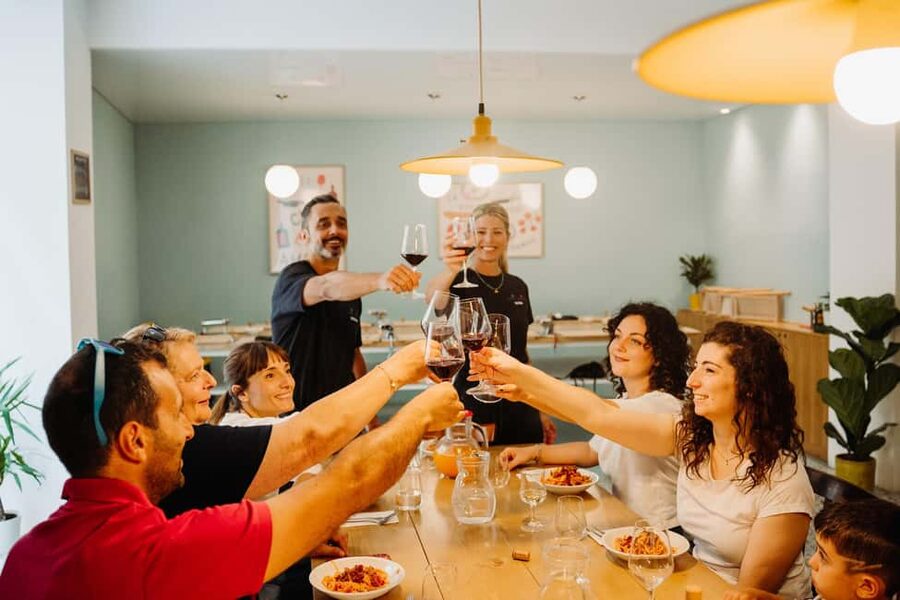
- Sitting down to eat what you made
- What the teaching style is like
- Shared class or private class?
- Timing, meeting point, and practical limits
- Who will get the most from this pasta class?
- Should you book the Trastevere pasta class?
- FAQ
- How long does the Rome pasta-making class last?
- Where does the class meet?
- How do I identify the guide?
- What pasta will I make?
- Is the cooking class taught in English?
- Are drinks and food included?
- Can dietary restrictions be accommodated?
- Is the experience suitable for wheelchair users or strollers?
- Can I cancel the booking?
Key points at a glance
- Two pastas from scratch: Make fresh fettuccine and ravioli with guidance from a professional chef.
- Roman sauces change with the market: Your chef selects traditional red and white sauces using seasonal ingredients.
- Aperitivo before cooking: Start with prosecco, cured meats, and cheese in the style of a relaxed Italian gathering.
- A full meal is included: Eat your homemade pasta with wine, then finish with homemade gelato.
- Private or small-group choices: Pick a more personal class or share the table and cooking space with other participants.
- Useful for families and solo visitors: The hands-on format has worked well for children, families, couples, and people arriving alone.
Why pasta making works so well in Trastevere
Rome offers plenty of food tours, but a pasta class gives you something to do with your hands. You are not just hearing about Roman food. You are mixing dough, shaping pasta, preparing sauce, and learning how the meal comes together.
The setting is a cooking school in the heart of Trastevere, one of Rome’s most enjoyable areas for an evening stroll. The class itself takes place in a private kitchen space reserved for the group. That gives the experience a more personal feel than a large demonstration where you sit at a distance and watch someone else cook.
You begin at Piazza di San Giovanni della Malva, in front of the San Giovanni della Malva church. Arrive 15 minutes early and look for the guide with a red bag or Devour Tours sign. The activity returns to this same meeting point, so you will not need to arrange a ride between the class and your next stop.
The listed price is $66.84 per person. For Rome, that is a fair price for three hours of instruction, an aperitivo, two pasta dishes with sauces, wine, and gelato. The value improves if you count the meal as dinner, though you should not expect a restaurant tasting menu or unlimited drinks. Additional food and beverages may be available afterward, but they are not included.
More gelato and tiramisu classes:
- 3 in 1 Cooking Class near Navona: Fettuccine, Ravioli & Tiramisu
★ 5.0 · 7,376 reviews - Rome: Pasta & Tiramisu Class with Fine Wine by the Vatican
★ 4.9 · 4,852 reviews - Rome: 3-in-1 Fettuccine, Ravioli, and Tiramisu Cooking Class
★ 4.9 · 2,704 reviews
Prosecco, cured meats, and the Italian start to dinner
The class opens with prosecco and an aperitivo of cured meats and cheese. This is more than a snack to fill time before the cooking begins. In Italy, aperitivo is a social pause, a chance to settle in, talk, and prepare your appetite without rushing straight to the main meal.
That opening also helps the class feel less formal. In a shared session, you can introduce yourself to the other participants before everyone starts working with flour. In a private class, the same period gives your chef time to learn what you want from the experience and answer questions about food and Rome.
I especially like this part for families and solo visitors. Children get a gentle start before the hands-on work begins, while solo participants have a natural way to meet others without forced group games or awkward introductions. The class has also been a comfortable fit for people celebrating a special occasion.
Do not arrive expecting a full meal from the aperitivo. It is a welcome course, not the main event. Save room for the pasta, wine, and gelato that follow.
Making fettuccine and ravioli by hand
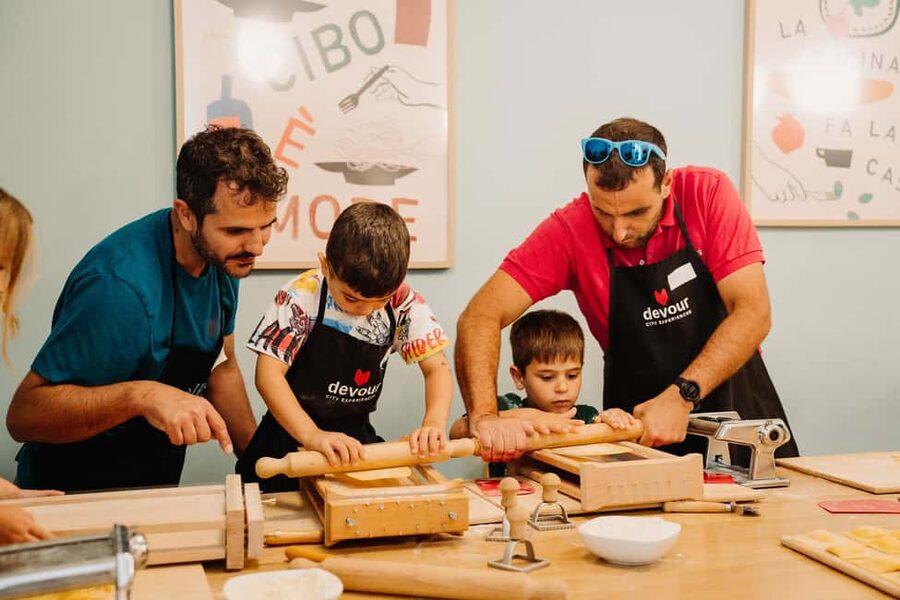
Once everyone has settled in, the chef leads you through the pasta dough. You make fettuccine and ravioli from scratch, with each person taking part in the process as much as possible. That hands-on element is the reason to choose this class rather than a cooking demonstration.
Fresh pasta can look simple, but the small decisions matter. The texture of the dough, the way it is rolled, and the size and sealing of the ravioli all affect the final dish. Your chef guides you through the steps and gives you time to work out the technique, rather than treating the class as a performance.
This is also where the experience earns its practical value. You can ask how the dough should feel, how thin to roll the pasta, and how to avoid filling that leaks from ravioli. The chef can explain general cooking principles as well as the specific recipes being prepared.
Several instructors have led these classes, including Luca, Federica, Manuela, Stefano, Elisa, Asia, Jamila, Jeanmarie, Fernanda, Giulia, and Alessandro. The exact chef depends on the date and session, but the common thread is an English-speaking professional who teaches the process and talks about Roman food culture along the way.
If you are cooking with children, expect a class that requires participation rather than quiet observation. The activity has suited children as young as six in past sessions, and families with children around nine and eleven have found the format manageable. Younger children may need help with rolling and shaping, so consider your child’s patience and interest before booking.
Roman sauce lessons with seasonal choices
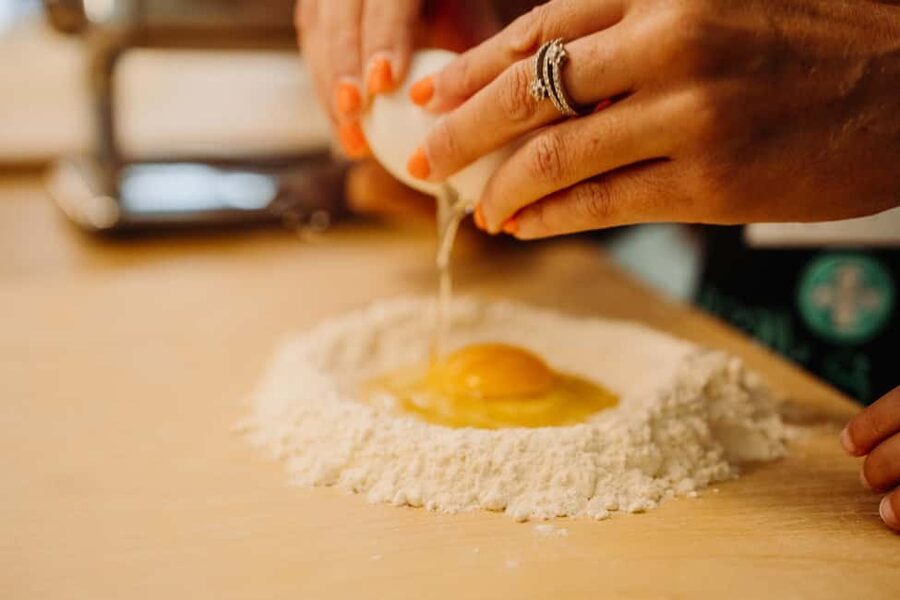
The pasta is only half of the lesson. You also learn how to prepare sauces, and this is one of the most useful parts to take home. The chef may choose from Roman favorites such as amatriciana, puttanesca, gricia, or cacio e pepe, depending on seasonal ingredients available from local markets.
That means the exact menu can vary. I see this as a plus rather than a weakness. A good Italian kitchen works with what is fresh and available, and the changing sauce selection gives the chef room to build a better meal. It also means you should not book expecting one fixed combination of fillings and sauces.
The class covers both red and white sauces. You will get a sense of how Roman cooking can be direct and restrained, relying on a few well-handled ingredients rather than a long list of additions. The chef also explains the place these sauces hold in Roman food culture, which gives context to what might otherwise be a basic recipe lesson.
If you have dietary restrictions, contact the provider before joining so the food can be arranged. The class can adapt to dietary needs except for celiac diets. That exception matters because flour is central to the activity, and cross-contact concerns make the class unsuitable for people who must avoid gluten strictly.
One small limitation is that the meal focuses on pasta, sauces, and dessert. A salad is not part of the included menu, so this is not a broad lesson in preparing a complete Italian dinner. For most people, the pasta is enough, but anyone hoping to learn several courses should choose a different format.
More Rome wine tastings worth an afternoon:
- Rome: Tuscany & Montepulciano Day Trip with Lunch & Wine Tasting
★ 4.5 · 5,232 reviews - Rome Food Tour: Unlimited Tastings with Fine Wine & Barolo
★ 5.0 · 3,365 reviews - Rome: Pasta Making Class with Wine, Limoncello, and Dessert
★ 4.9 · 3,177 reviews - Rome: Trastevere Food tour with Free-Flowing Fine Wine
★ 5.0 · 2,853 reviews
Sitting down to eat what you made
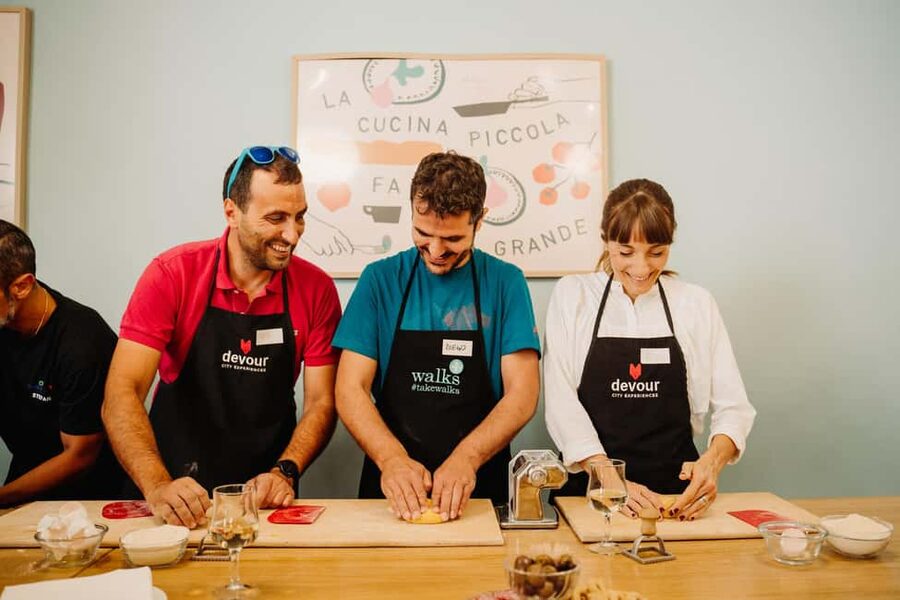
After the cooking, you sit down to eat the two pastas with wine. This shared meal is the payoff, but it also lets you judge the techniques while they are fresh in your mind. You can taste how fresh pasta carries sauce differently from dried pasta and see why the dough and cooking time matter.
The meal is served in the same pleasant cooking-school setting, so there is no rushed transfer to a restaurant. You can keep talking with the chef, ask follow-up questions, and compare results with the rest of the group. That social part is particularly useful if you select the shared option.
The wine is included, along with the opening prosecco. The provided details do not specify the wine selection or quantity, so do not book this as a wine-tasting event. The focus is food, with wine supporting the meal.
Dessert is homemade gelato prepared by the chef. It gives the class a clear finish and makes the experience feel like a complete Roman meal rather than a workshop followed by a snack. Additional drinks or food may be available if you want to stay, but you pay for those separately.
What the teaching style is like
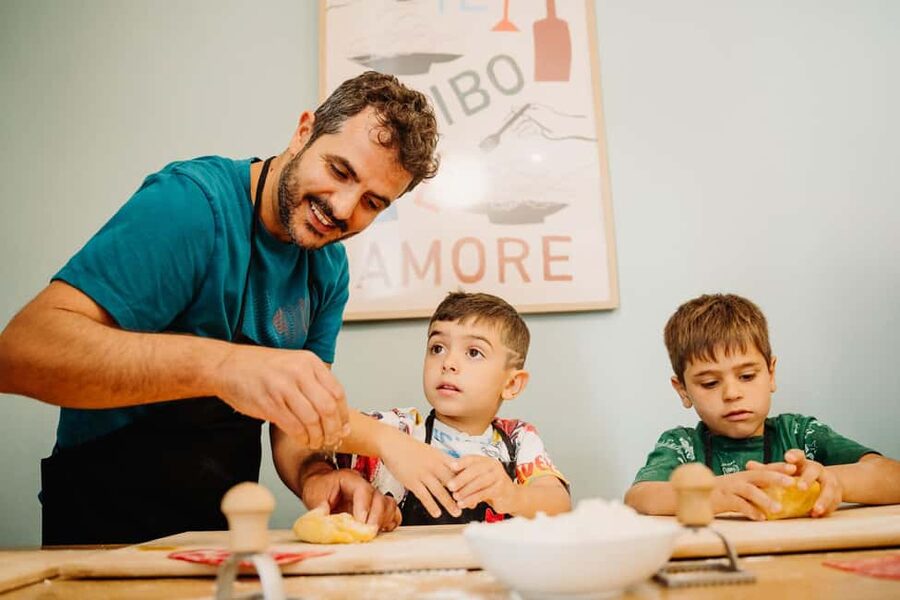
The strongest feature is the instruction. The chefs are described as patient, funny, welcoming, and energetic, with enough structure to keep a group moving without making beginners feel slow. You get explanations, demonstrations, and time to try each stage yourself.
Names such as Stefano and Luca have been associated with lively, engaging instruction, while Elisa has been especially good at making pasta approachable for first-timers and families. Federica has been praised for explaining not only the recipe but also the reasons behind each step. Those details matter because a pasta class succeeds or fails on the quality of the teacher.
You should also use the chef as a Rome resource. The class is a chance to ask about Roman dishes, local food customs, and how to spot a good gelateria. Some instructors have shared restaurant suggestions by neighborhood, which can help you plan meals after the class.
The atmosphere is informal. You are encouraged to ask questions, make mistakes, and keep going. That makes the class a good choice if you have never made pasta before. Experienced home cooks may not learn every technique from scratch, but they can still benefit from the Roman sauce discussion and the chance to compare methods.
Shared class or private class?
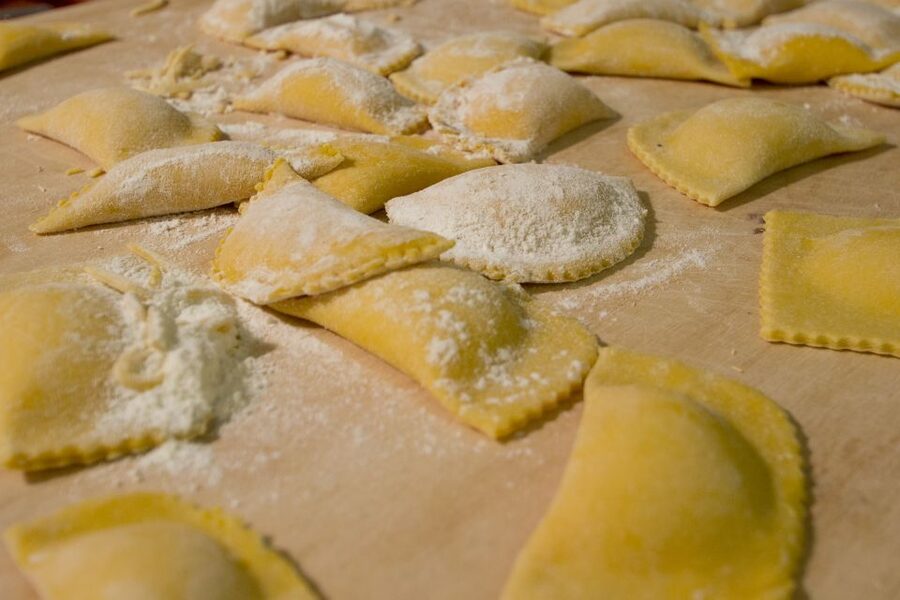
The shared option is the better value if you like meeting people and do not mind working around a group. It can create a lively table, and solo participants have found it comfortable. You may exchange Rome tips, compare pasta shapes, and enjoy the meal as a social evening.
A private class suits families, couples, or friends who want more control over the pace. It also makes sense if you have a special celebration or prefer asking many questions without worrying about holding up other participants. The private option costs more if a separate price applies, so compare the available choices before booking.
The class is described as private or small-group, not as a large cooking school lecture. Still, the exact number of participants can vary by option. If group size is important to you, check the selected booking details rather than assuming every session has the same format.
Timing, meeting point, and practical limits
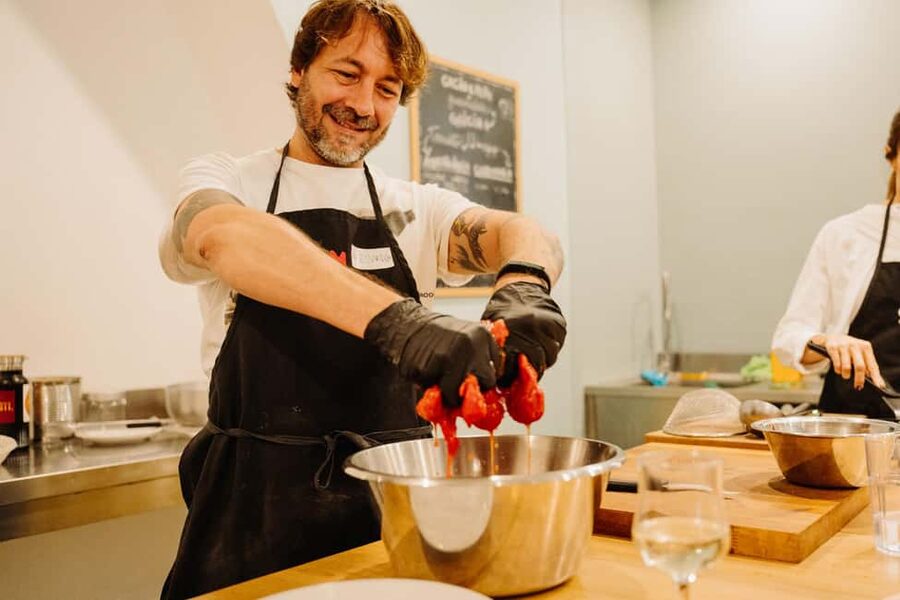
Set aside three hours. That gives you time for the aperitivo, pasta preparation, sauce work, the meal, wine, and gelato. Since the experience ends back at Piazza di San Giovanni della Malva, it fits well before an evening walk through Trastevere or after a daytime visit elsewhere in Rome.
Starting times vary, so check availability when choosing your date. Arrive 15 minutes before the listed start time. The meeting point is in front of the San Giovanni della Malva church, and the guide will carry a red bag or Devour Tours sign.
There is no hotel pickup or drop-off. Plan your own way to and from the square. The walking and kitchen setup make the class unsuitable for wheelchair users, strollers, and people with mobility impairments. That is worth checking carefully before you pay.
The class is taught in English. You do not need prior cooking experience, and the format has worked for adults, children, couples, families, and solo participants. Notify the provider about dietary restrictions before the class, remembering that celiac diets cannot be accommodated.
Free cancellation is available up to 24 hours before the experience for a full refund. You can also reserve and pay later, which is useful when your Rome plans are still shifting.
Who will get the most from this pasta class?
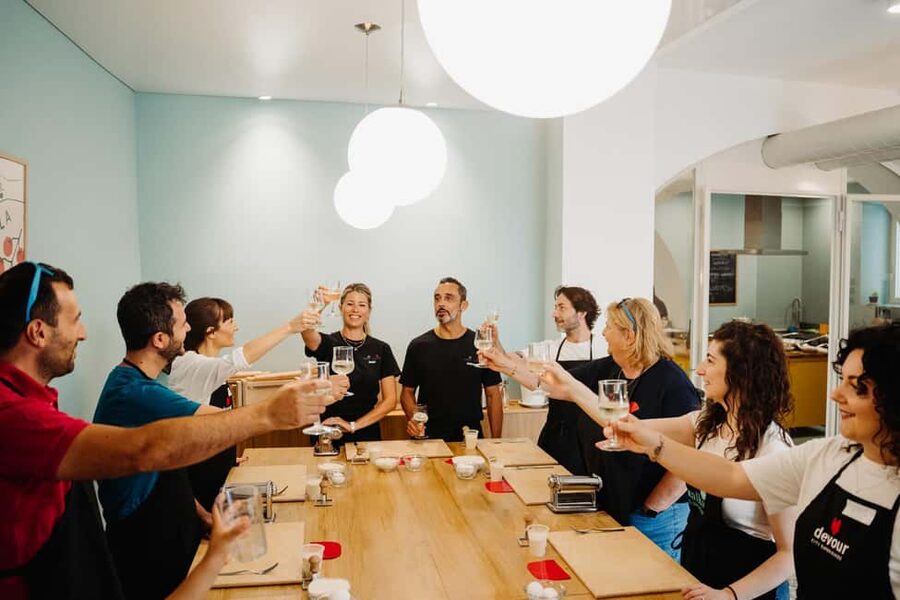
I would choose this for anyone who wants a meal with a story attached to it. You leave with more than photographs and a full stomach. You learn a repeatable skill, hear about Roman food customs, and get a chance to ask a local chef questions that rarely come up in a standard restaurant meal.
Families should give it serious thought. The hands-on work keeps children involved, and the three-hour length gives the activity enough time without turning it into a rushed lesson. Couples can treat it as a relaxed evening activity, while solo participants can use the shared format to meet people naturally.
It is less suitable if you want a fast activity, a fixed menu, a broad cooking curriculum, or a formal wine event. It is also not suitable for celiac diners or anyone who cannot manage the physical demands of a kitchen class.
Should you book the Trastevere pasta class?
Yes, if you want an approachable, food-focused experience with a real meal at the end. The combination of prosecco, cured meats and cheese, fresh fettuccine, ravioli, Roman sauces, wine, and gelato gives you good value at $66.84, especially when you count the included dinner.
Book it for the teaching and the social feel, not just for the pasta. Ask questions, take mental notes on the sauces, and pay attention to the chef’s practical explanations. If you prefer privacy, choose the private option. If you enjoy meeting people and want the lower-cost route, the shared class should suit you well.
Skip it if accessibility or a celiac diet is a concern, or if you would rather spend your Rome evening in a restaurant than at a worktable. For everyone else, this is a useful and enjoyable way to make Roman food part of your own kitchen after you return home.
FAQ
How long does the Rome pasta-making class last?
The activity lasts three hours, including the aperitivo, cooking lesson, meal, wine, and gelato. Starting times vary, so check availability for your chosen date.
Where does the class meet?
Meet at Piazza di San Giovanni della Malva in Trastevere, in the square in front of the San Giovanni della Malva church. Arrive 15 minutes before the start time.
How do I identify the guide?
The guide will be holding a red bag or a Devour Tours sign.
What pasta will I make?
You will make two fresh pastas from scratch: fettuccine and ravioli. The meal includes traditional sauces, with the exact selection based on seasonal ingredients.
Is the cooking class taught in English?
Yes. The instructor language is English.
Are drinks and food included?
Yes. The experience includes prosecco, an aperitivo with cured meats and cheese, wine with the meal, two homemade pastas with sauces, all ingredients, and homemade gelato. Additional food and drinks after the class cost extra.
Can dietary restrictions be accommodated?
The class can adapt to dietary needs except for celiac diets. Contact the provider before the class so arrangements can be made.
Is the experience suitable for wheelchair users or strollers?
No. The activity is not suitable for wheelchair users, people with mobility impairments, or strollers.
Can I cancel the booking?
You can cancel up to 24 hours in advance for a full refund. A reserve-now-and-pay-later option is also available.
More Pasta in Rome
- Learn to Make Pasta & Tiramisu with Wine and Limoncello Included
★ 5.0 · 2,345 reviews - Become a Masterchef in Rome: Pasta, Ravioli and Tiramisù Class
★ 5.0 · 2,156 reviews - Enjoy Spritz and Pasta Making in Piazza Navona
★ 5.0 · 1,681 reviews - Rome: Pasta & Tiramisu Cooking Class near the Spanish Steps
★ 4.8 · 1,395 reviews
More Cooking Classes in Rome
- Rome: Fettuccine Pasta Cooking Class in Rome’s City Center
★ 4.8 · 2,414 reviews - Rome: Traditional Pasta with Cocktails Cooking Class
★ 5.0 · 2,374 reviews - Rome: Fettuccine and Tiramisu Cooking Class with Wine
★ 4.8 · 2,013 reviews - Pasta Cooking Class Near the Colosseum with 3 Spritz Cocktails
★ 5.0 · 1,686 reviews
Newest reviews from Rome
- Rome: Vatican Museums & Sistine Chapel Skip-the-Line Ticket★ 4.4 · 148 reviews
- Shared Shuttle Transfer from Rome to Civitavecchia Port★ 5.0 · 148 reviews
- Rome: Crypts & Catacombs After Hours Tour with Bone Chapel★ 4.6 · 149 reviews
- Ghosts Legends and Mysteries of Rome Walking Tour★ 5.0 · 149 reviews
- Skip the Line: Vatican and Sistine Chapel with Guided Tour★ 4.0 · 149 reviews
- Tivoli: Villa Gregoriana Entrance Ticket★ 4.7 · 150 reviews
- Pizza and Tiramisu Cooking Class in Rome, Piazza Navona★ 5.0 · 150 reviews
- Rome: Borghese Gallery Skip-the-Line Entry and Guided Tour★ 4.7 · 150 reviews
Cooking Classes, compared.
3 in 1 Cooking Class near Navona: Fettuccine, Ravioli & Tiramisu
Read our review →
Pasta Making Class with Wine, Limoncello, and Dessert
Read our review →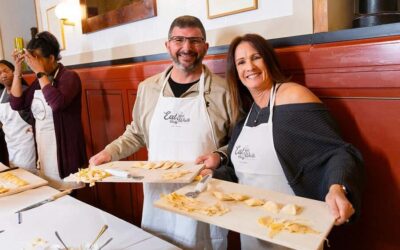
3-in-1 Fettuccine, Ravioli, and Tiramisu Cooking Class
Read our review →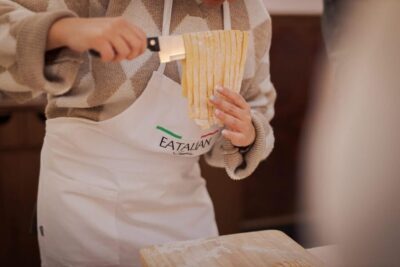
Fettuccine Pasta Cooking Class in Rome’s City Center
Read our review →
Traditional Pasta with Cocktails Cooking Class
Read our review →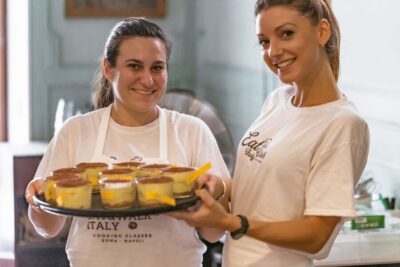
Fettuccine and Tiramisu Cooking Class with Wine
Read our review →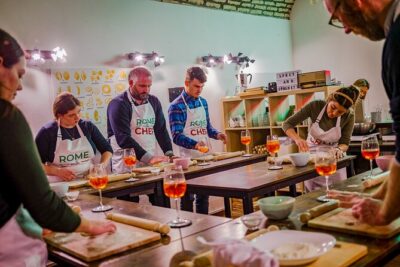
Pasta Cooking Class Near the Colosseum with 3 Spritz Cocktails
Read our review →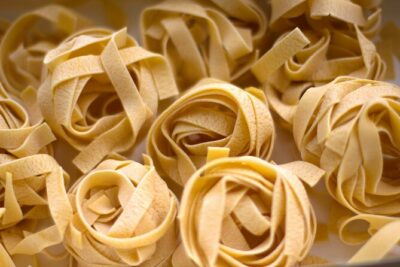
Enjoy Spritz and Pasta Making in Piazza Navona
Read our review →Browse the lists this tour appears in